
How to Organize a Small Bathroom Without Installing More Cabinets
Living in a compact home often means the bathroom feels cramped before you even step inside. A handful of toiletries, a towel rack, and a sink can quickly dominate the limited floor area, leaving little room for comfort or style. The good news is that clever organization doesn’t require you to add another cabinet or knock down a wall. By rethinking the way you use walls, corners, and surfaces, you can create a functional, tidy space that feels larger than its square footage. Below are seven ideas that blend practicality with design, allowing you to keep essentials within reach while preserving the room’s visual breathing room.
1. Turn Empty Walls into Open‑Shelf Galleries
© 2026 AI Illustrator — Inspiration Only
Which Home Style Fits Your Space?
Answer 5 quick questions to find your perfect interior style and inspiration.
Photo by Alex Tyson on Unsplash
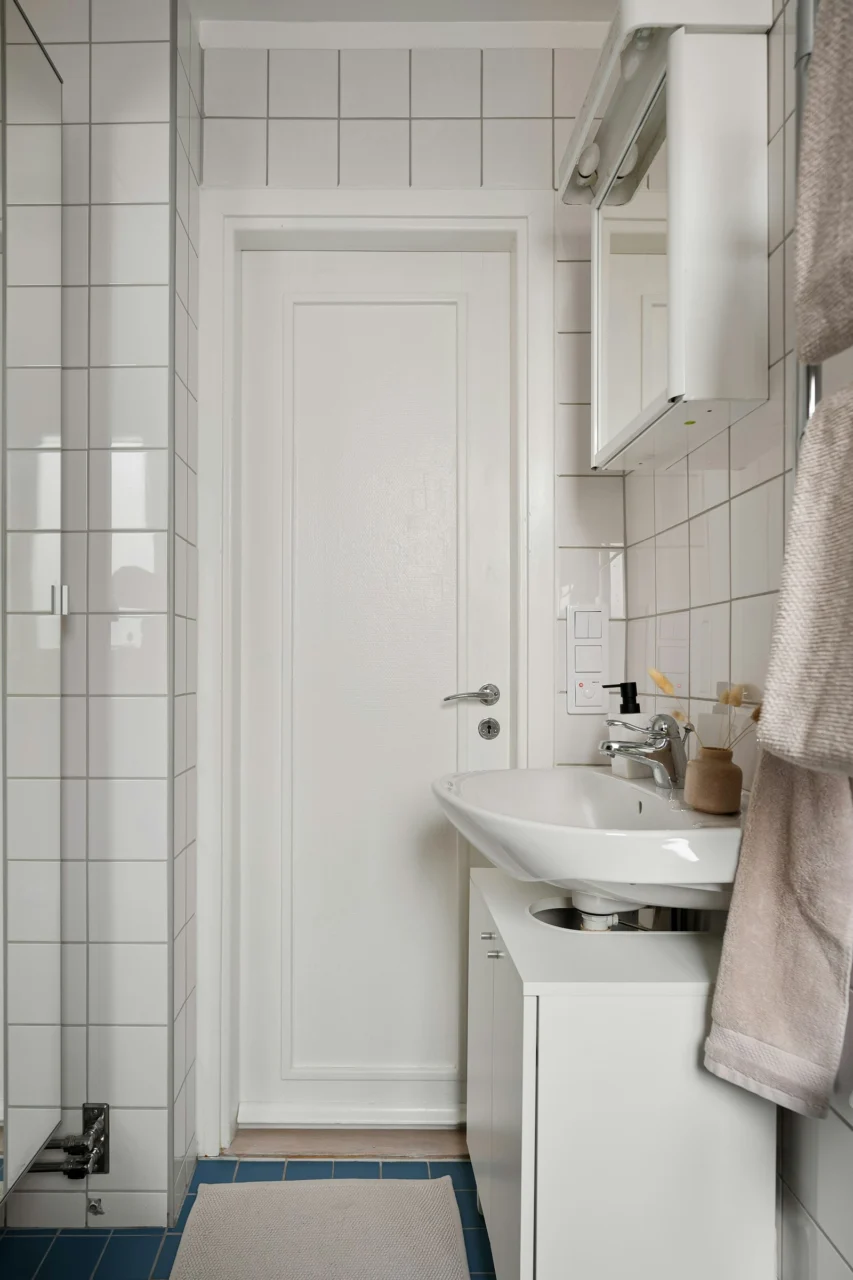
When floor space is scarce, the vertical plane becomes a valuable ally. Installing a narrow, floating shelf made of brushed oak or matte white lacquer can hold rolled towels, decorative jars, and everyday items without encroaching on the floor. Because the shelf is open, you can instantly see what’s stored, which reduces the time spent searching for a favorite shampoo. Choose a depth no more than six inches; this keeps the shelf from jutting out and maintains a sleek profile. Pairing the wood with a few ceramic or glass containers adds texture while preventing moisture damage. The trade‑off is that open shelving displays everything, so you’ll need to keep the items tidy and perhaps hide less attractive products in decorative boxes.
Installation is straightforward—most floating shelves use hidden brackets that attach directly to wall studs, ensuring they can bear the weight of towels and bottles. If you’re renting, adhesive mounting strips designed for bathroom use can provide a temporary solution without damaging the wall.
2. Make the Area Under the Sink Work Like a Pull‑Out Drawer
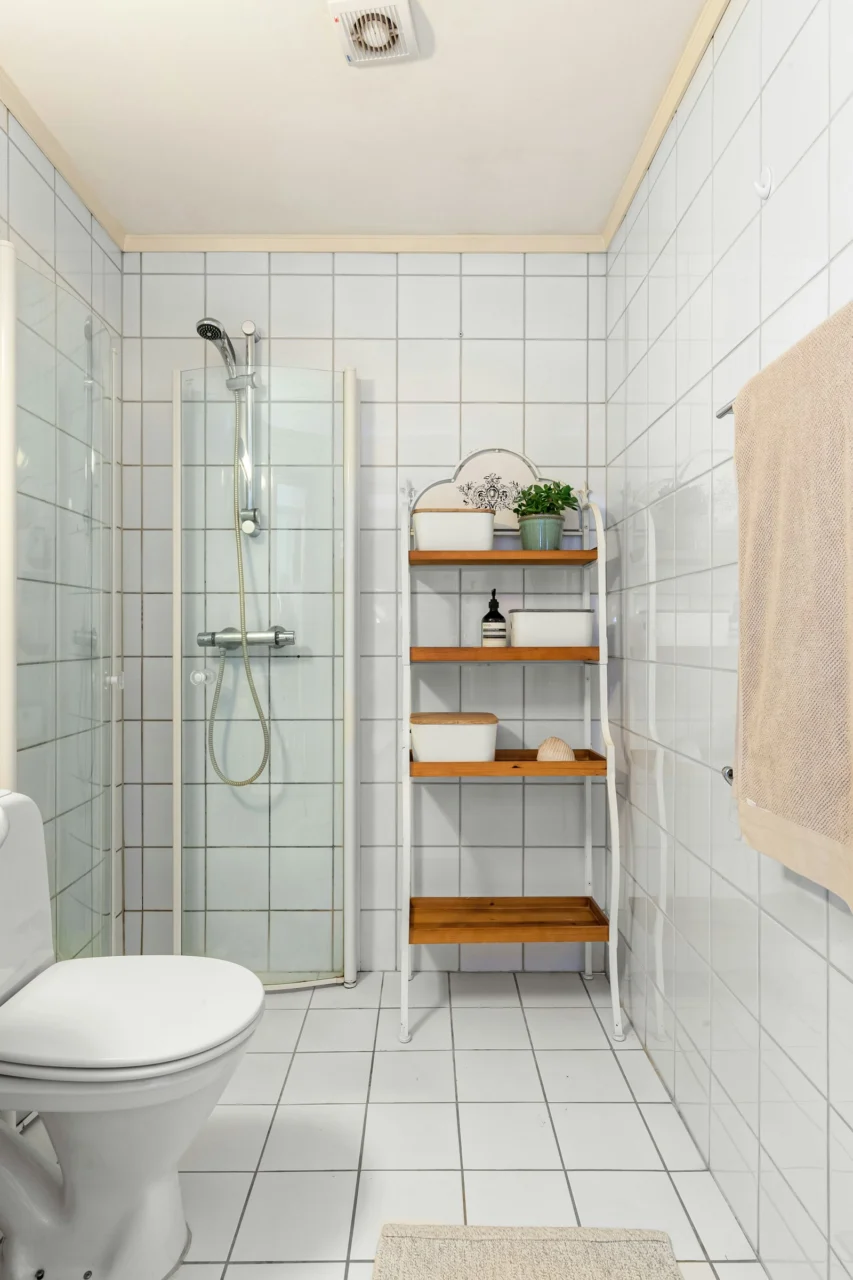
The space beneath a sink is often wasted because the plumbing intrudes into the usable volume. By placing a slim, pull‑out bin or a set of stackable trays that glide on small rollers, you transform that awkward niche into an accessible storage zone. Acrylic or coated metal trays resist water splashes and can be removed for cleaning. When you need a spare toothbrush or a bottle of conditioner, a gentle pull brings the contents into view without you having to crouch or reach around pipes.
When selecting a pull‑out system, measure the width between the sidewalls and the height from the floor to the bottom of the vanity. Opt for a design that leaves at least an inch of clearance for the plumbing to avoid accidental bumps. The downside is that the bins occupy the floor footprint, so keep the items stored lightweight to prevent the bin from becoming a hidden weight.
3. Add Magnetic Strips and Towel Bars for Quick‑Grab Items
Metal grooming tools—such as tweezers, nail clippers, and small scissors—can disappear into drawers, only to be found when you need them most. A thin magnetic strip mounted just above the vanity mirror provides a dedicated spot that keeps these tools visible and within arm’s reach. The strip blends with a brushed nickel or matte black finish, echoing other bathroom hardware and maintaining a cohesive look.
Towel bars serve a similar purpose for frequently used fabrics. Instead of a bulky freestanding rack, a wall‑mounted bar at waist height allows you to drape a hand towel or a washcloth, freeing countertop space. Choose a bar with a subtle curve if you have limited clearance; the curve prevents towels from slipping off. One limitation is that magnetic strips only work with ferrous objects, so you may need a small container for non‑magnetic items.
4. Replace a Plain Mirror with a Framed Mirror That Holds Small Accessories
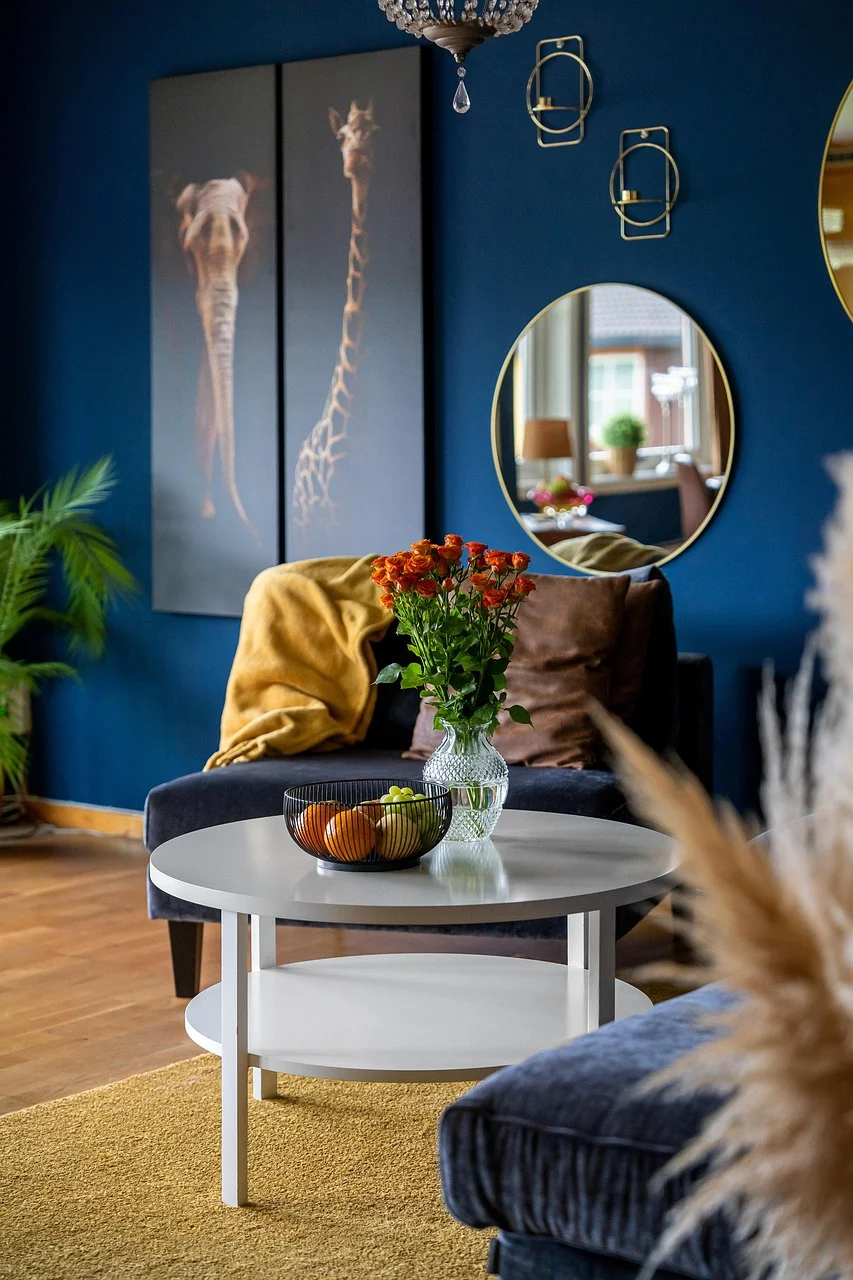
A mirror does more than reflect light; it can also act as a shallow storage surface. Selecting a framed mirror that incorporates a shallow ledge or a built‑in pocket behind the glass gives you a place to rest a daily perfume, a compact razor, or a few decorative soaps. The visual impact of a framed mirror—especially one with a reclaimed wood frame or a simple black metal border—adds personality while maintaining a clean line.
Which Living Room Color Palette Fits You Best?
Discover the palette that reflects your style — take our free quick quiz and get instant decor inspiration!
Take the Quiz NowBecause the storage depth is limited to about an inch, it’s best suited for flat items that won’t be damaged by occasional moisture. Installing the mirror at eye level ensures you can see both your reflection and the items stored behind it. The only compromise is that the ledge reduces the reflective surface slightly, so choose a size that still provides ample visual expansion for the room.
5. Use Coordinated Baskets and Bins to Contain Loose Items
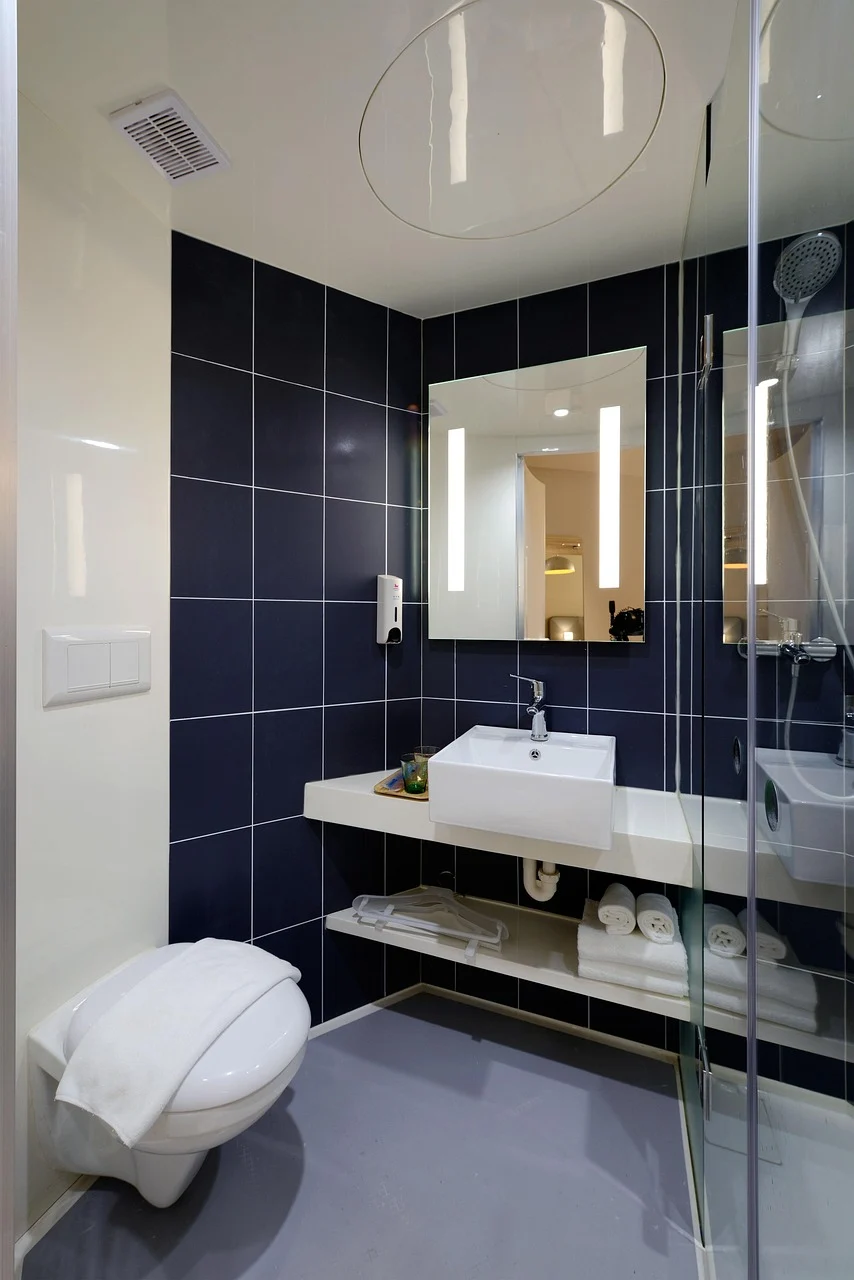
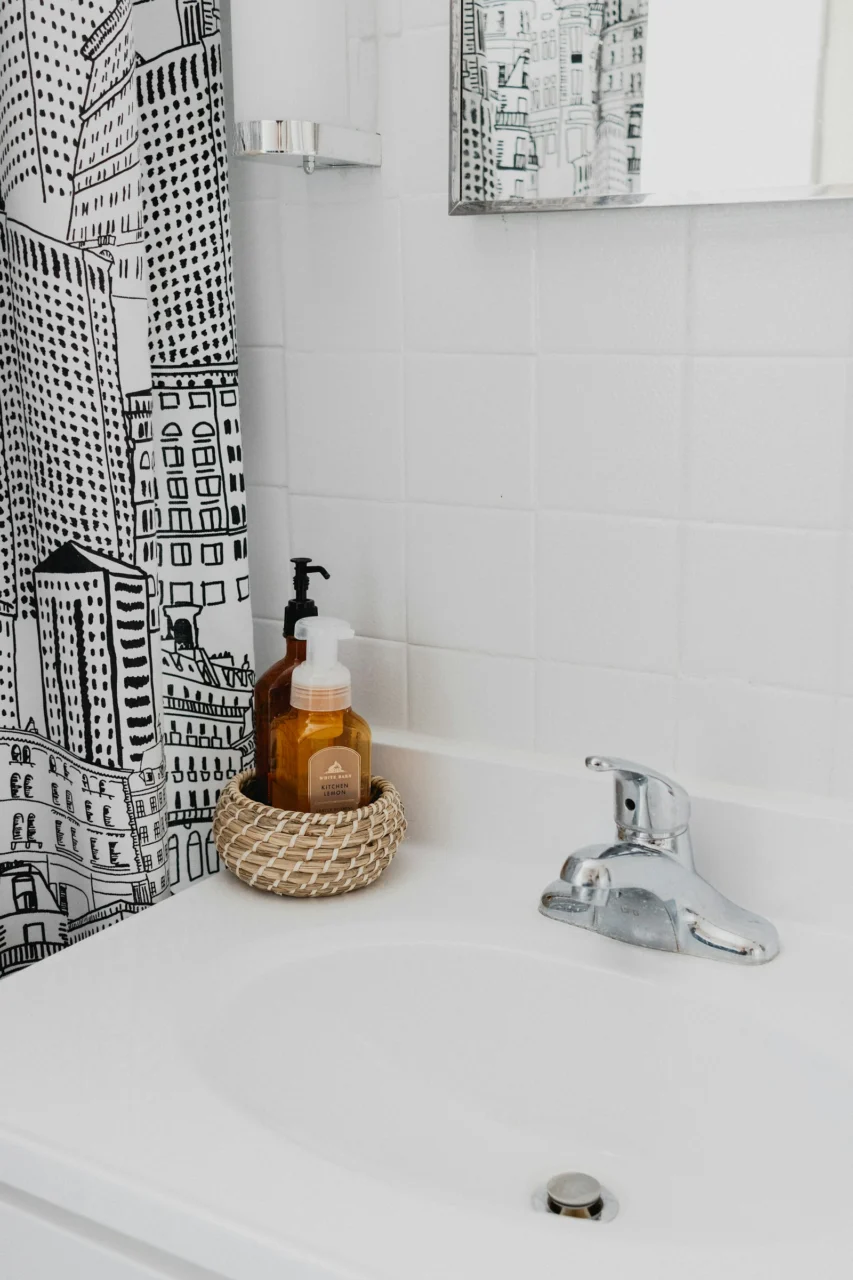
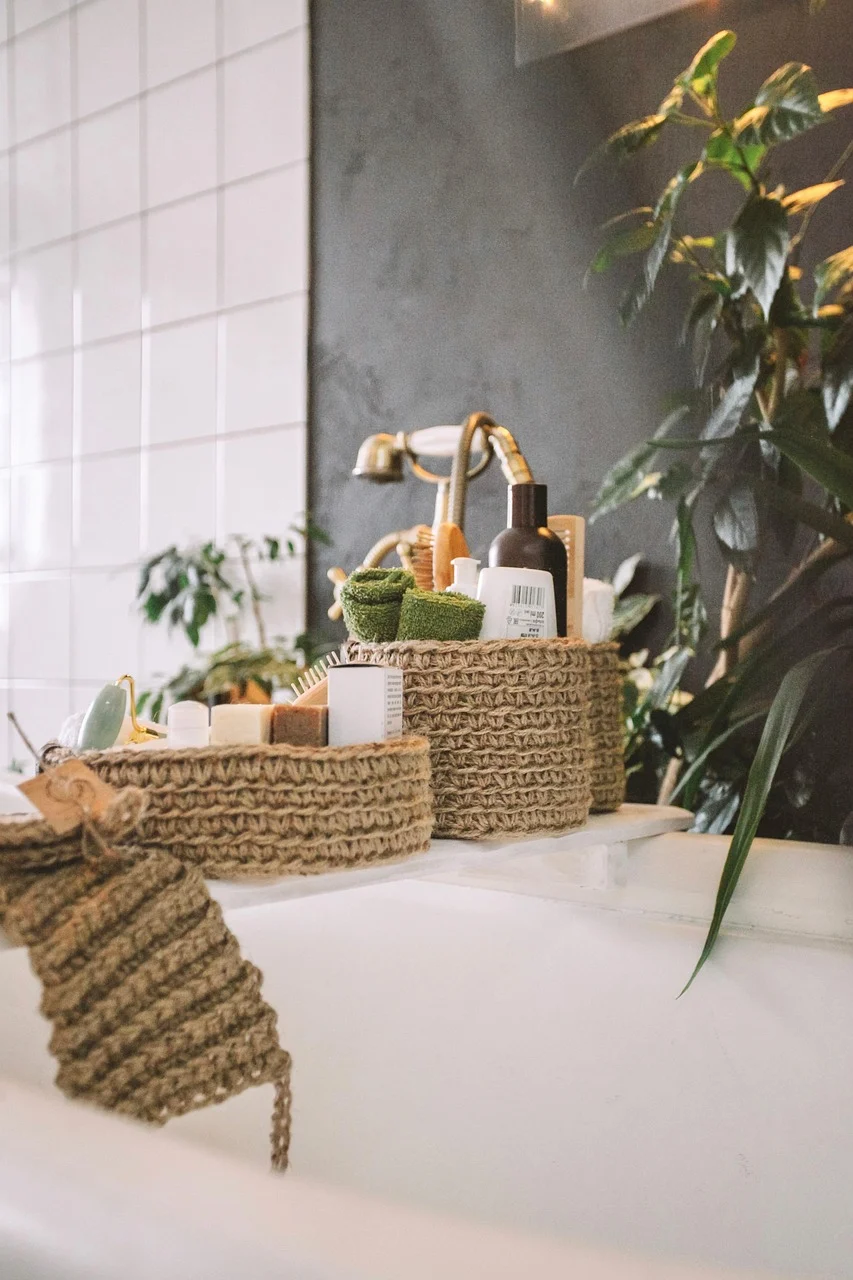
Soft woven baskets, clear acrylic bins, or metal trays can sit on the countertop or on a low shelf, corralling items that would otherwise scatter. A set of three baskets—one large for toilet paper rolls, one medium for daily skincare, and one small for spare toothbrushes—creates visual order while adding texture. Selecting baskets in a muted tone such as soft greige or muted sage ties them to the bathroom’s color palette, preventing them from becoming visual clutter.
Because these containers sit on the floor, choose ones with a non‑slip base to stay stable on a tiled surface. A downside is that floor‑level storage can collect water, so empty and dry the baskets regularly to avoid mildew. Opt for materials that resist humidity, such as sealed wicker or powder‑coated metal, for longer durability.
6. Adopt a “One In, One Out” Routine Paired with Clear Storage Containers
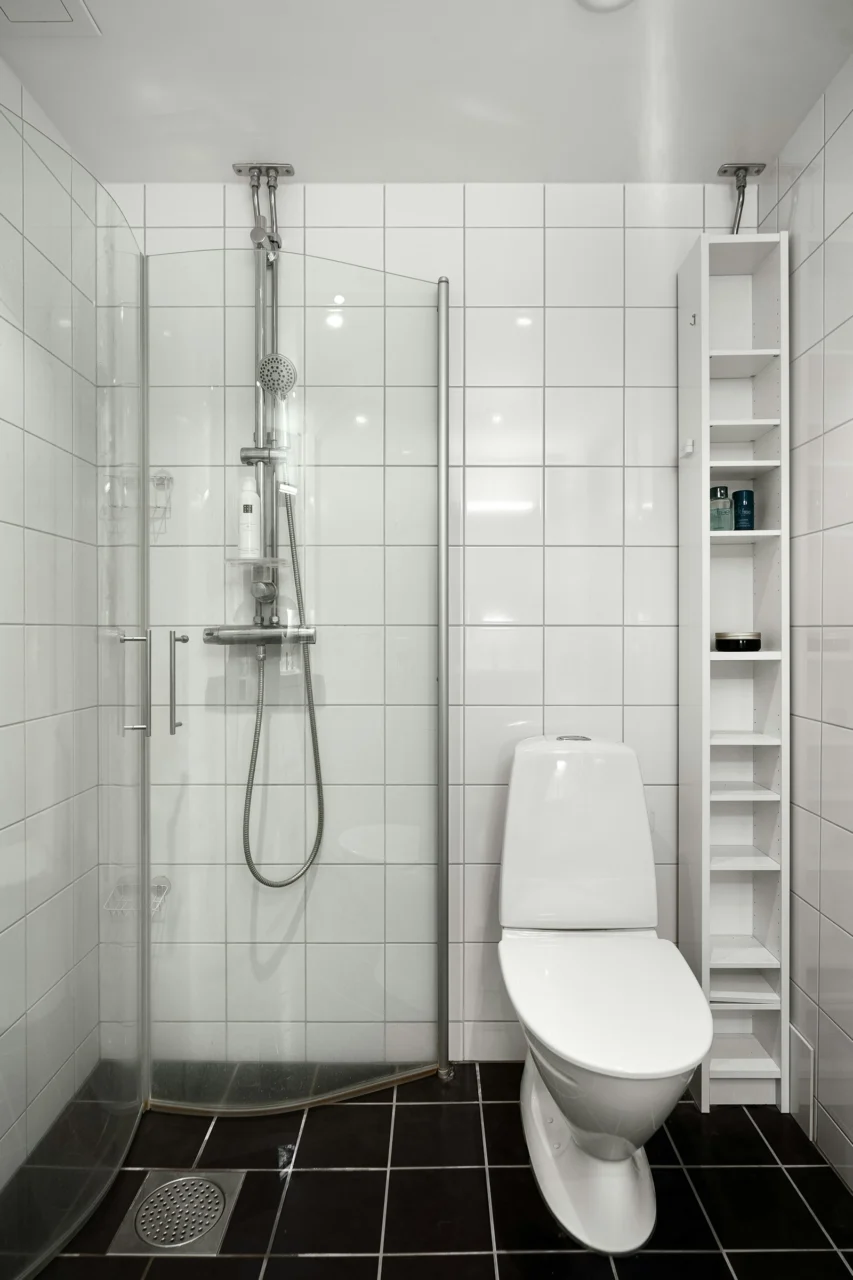
Even the most intelligently designed space can become chaotic if the volume of products exceeds the storage capacity. Establishing a habit where every new bottle that enters the bathroom replaces an existing one keeps the inventory manageable. Pair this practice with clear, stackable containers that sit on a shelf or under the sink; the transparency lets you see at a glance what you have, reducing the temptation to purchase duplicates.
When choosing containers, look for those with silicone seals that protect contents from moisture and maintain a uniform shape to maximize stacking efficiency. The trade‑off is that clear containers can reveal stains over time, so select ones with a frosted finish if you prefer a softer appearance. By consistently applying this routine, you’ll notice a reduction in clutter and an easier time maintaining the space.
7. Layer Lighting to Highlight Storage Zones and Create Depth
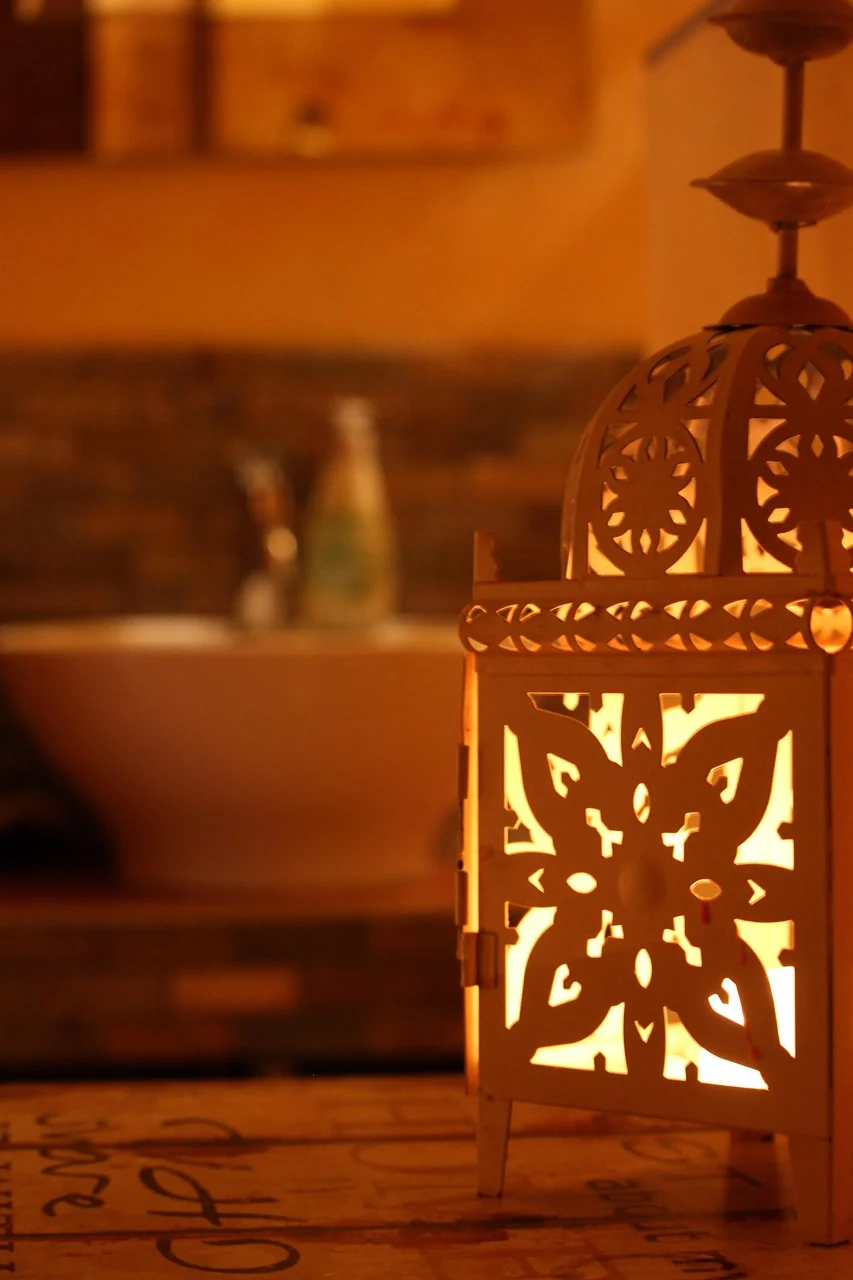
Good lighting does more than illuminate; it defines zones and can make a cramped bathroom feel airy. Installing a narrow LED strip along the underside of a floating shelf adds a soft wash of light that draws the eye upward, emphasizing vertical space. A small, battery‑powered puck light beside a magnetic strip or on a towel bar provides focused illumination for grooming tasks without brightening the entire room.
Choose fixtures with a warm white color temperature (around 2700‑3000 K) to create a welcoming ambience while still offering enough contrast to see details. The main consideration is power source—adhesive LED strips that plug into an existing outlet are ideal for renters, while hard‑wired options require a qualified electrician. Over‑lighting can feel harsh, so keep the overall luminance balanced to avoid glare on reflective surfaces.
FAQ
How can I keep open shelves from looking messy?
Use uniform containers and limit the number of items displayed. By grouping similar products together, the shelf maintains a tidy appearance while still offering easy access.
Is it safe to mount magnetic strips near a bathroom mirror?
Yes, as long as the strip is securely attached to a wall stud or a strong adhesive designed for moisture‑prone areas. Ensure the strip does not interfere with the mirror’s mounting hardware.
Can I use wooden baskets in a damp bathroom?
Wooden baskets work if they are sealed with a water‑resistant finish. Regularly dry them after use to prevent swelling or mold growth.
What is the best height for a towel bar in a small bathroom?
Mount the bar at about waist height, roughly 48 inches from the floor, so towels are easy to reach without crowding the countertop.
Do LED strips require professional installation?
Most adhesive LED strips can be installed by the homeowner with basic tools. For hard‑wired strips that connect directly to the electrical system, hiring a qualified electrician is recommended.
Final Thoughts
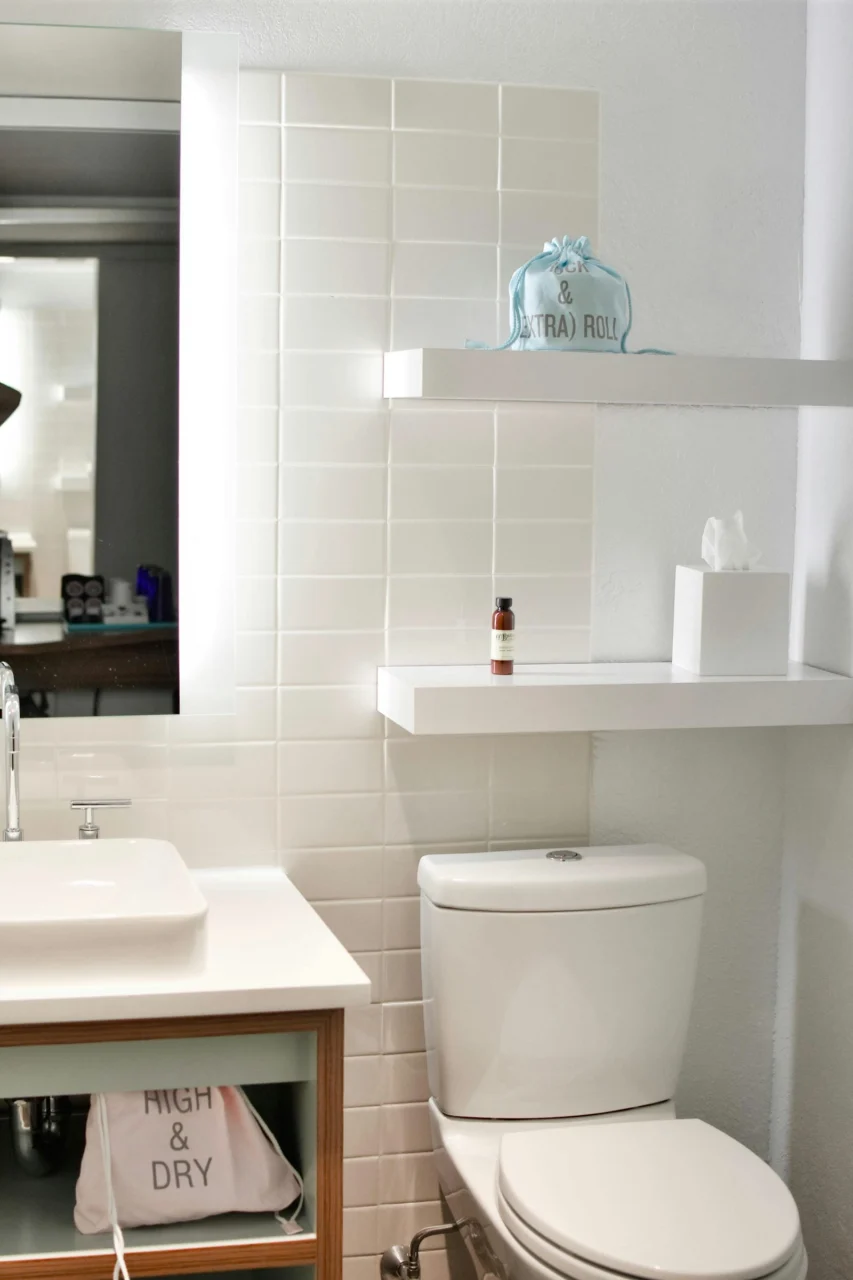
Organizing a modest bathroom without adding more cabinets is entirely achievable when you look beyond traditional storage solutions. By exploiting vertical space, reimagining under‑sink areas, and introducing purposeful accessories, you can keep essential items within reach while preserving a calm, uncluttered atmosphere. The key lies in selecting materials that withstand humidity, maintaining a regular decluttering habit, and using lighting to enhance the sense of openness. With these strategies, your small bathroom can become a well‑ordered retreat that feels larger than its square footage, all without the expense or disruption of new cabinetry.
One Comment