

Advertisement
When a spare corner becomes the daily headquarters, the space can quickly feel cramped and uninspiring. A thoughtful approach to décor can turn even the tiniest nook into a place that supports focus, comfort, and a touch of personality. Below are seven ideas that address layout, light, storage, and mood, giving your home office a sense of purpose without overwhelming the room.
1. Define a visual anchor with a rug and desk
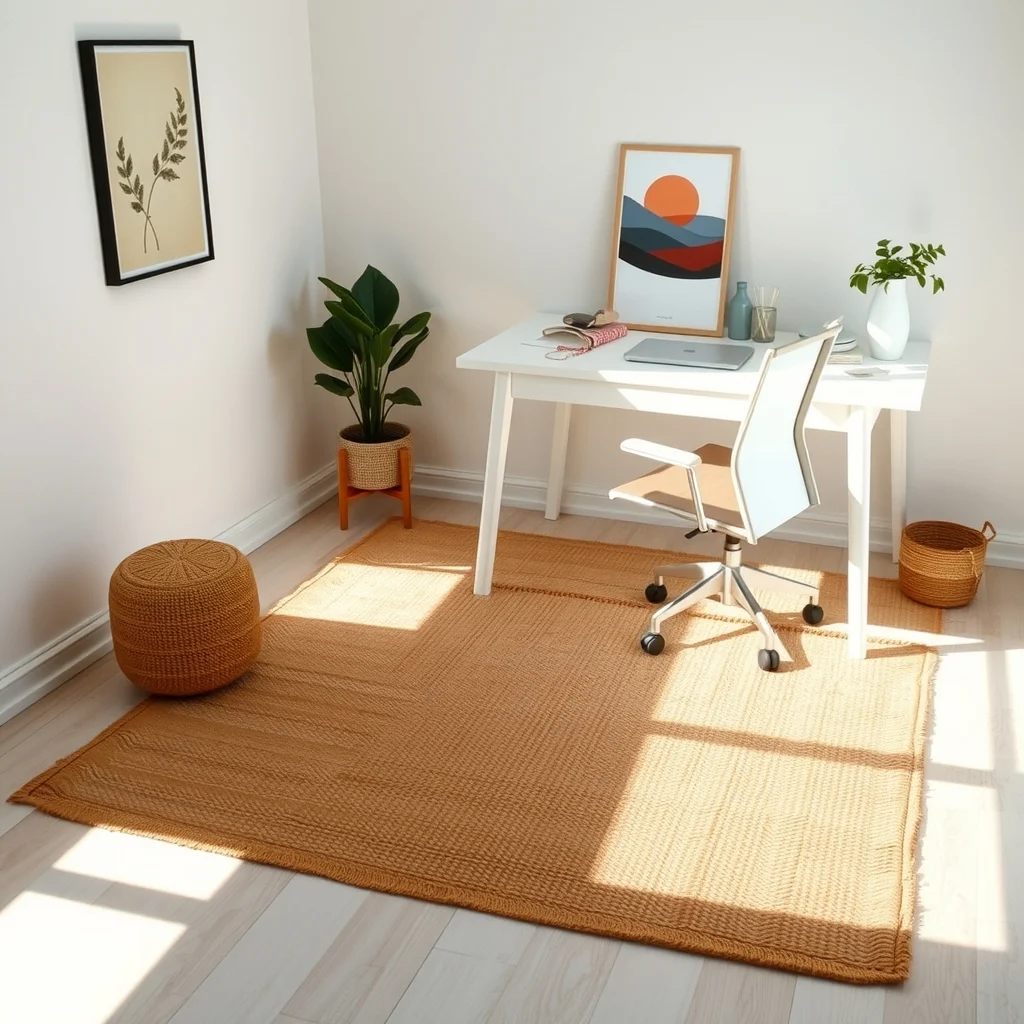
Choosing a rug that sits under the desk and chair creates a subtle boundary, signaling to your brain that work begins when you step onto that defined area. A low‑pile natural fiber rug in a muted hue—such as a soft greige or light sage—adds texture without competing with other elements. Pair it with a desk whose legs are slightly raised off the floor; this prevents the rug from feeling swallowed and makes cleaning underneath easier. The visual anchor also helps keep the workspace tidy, because items placed outside the rug are naturally perceived as belonging elsewhere. If the room lacks a rug, a simple floor runner can serve the same purpose, though a full‑size rug offers a more cohesive look.
2. Layer lighting for flexibility and focus
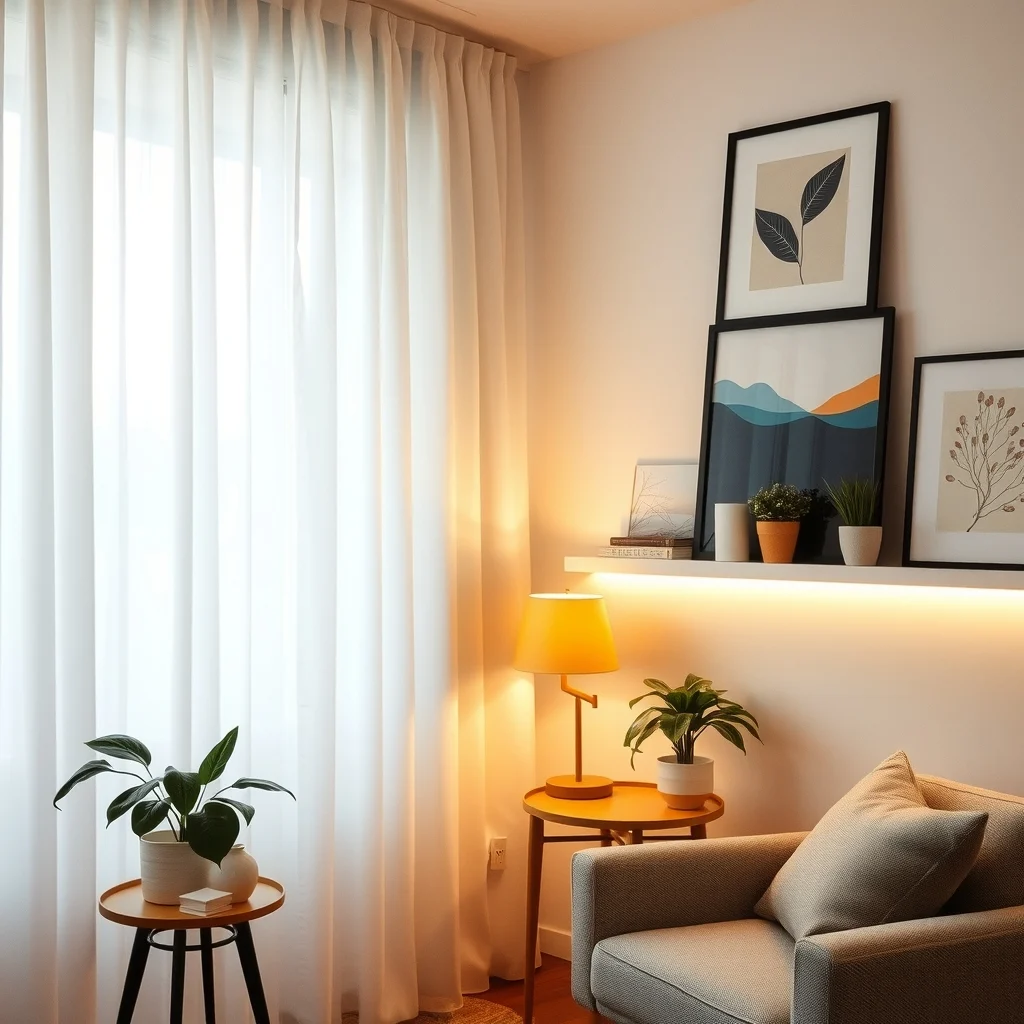
Natural light is the most rewarding resource, but a home office rarely enjoys consistent sunshine. Start by positioning the desk near a window, using sheer curtains that diffuse glare while preserving daylight. Complement the daylight with a task lamp that offers adjustable brightness; a brushed‑metal arm lamp with a warm LED bulb can provide focused illumination without harsh shadows. Adding a soft overhead fixture—such as a recessed light with a dimmer—creates ambient glow for late‑evening sessions. The layered approach lets you switch between bright, alerting light and a gentler atmosphere, depending on the task. Be mindful of the lamp’s height; a light source too low can cause neck strain, while one too high may cast unhelpful shadows.
3. Maximize vertical space with wall‑mounted storage
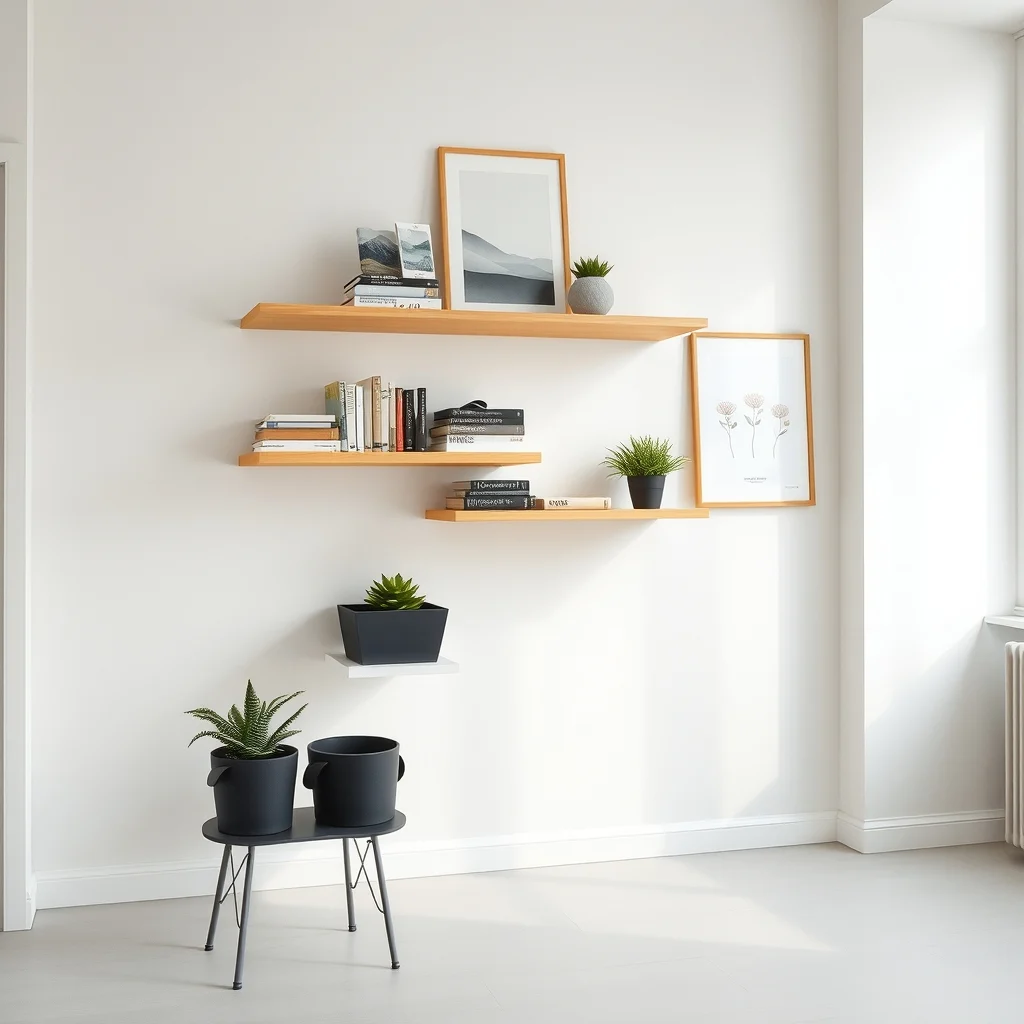
When floor area is at a premium, turning the walls into storage opportunities frees up precious square footage. Floating shelves in a light oak finish can hold books, binders, and decorative objects, keeping the desktop clear for active work. For tools, cables, and small accessories, a pegboard painted in a muted charcoal or soft white provides a customizable grid where hooks and baskets can be rearranged as needs evolve. Installing a narrow cabinet that stretches from floor to ceiling utilizes otherwise wasted height, offering concealed drawers for documents. The trade‑off is that wall installations require drilling and careful placement to avoid overloading studs, so measuring and using appropriate anchors is essential.
4. Choose an ergonomic chair that also adds style
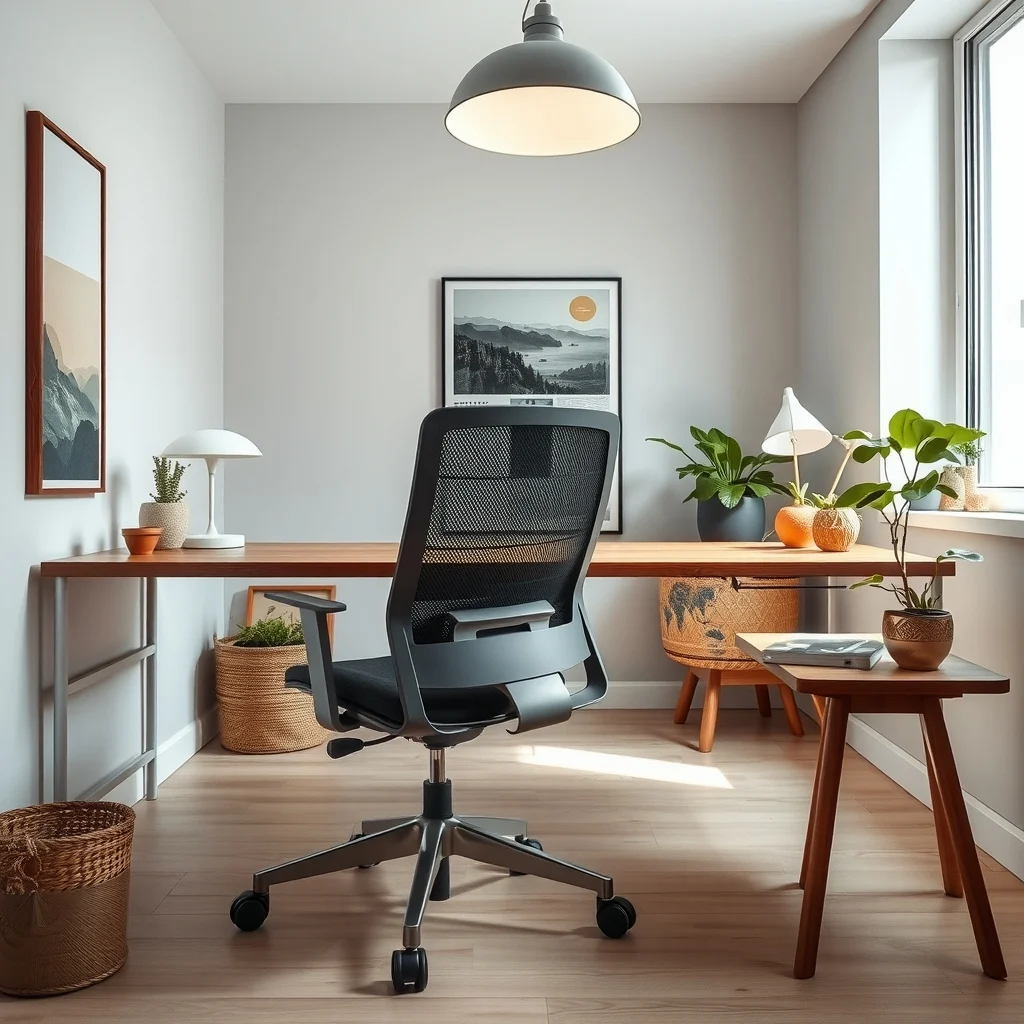
A chair that supports the lower back, encourages movement, and matches the room’s aesthetic makes a lasting impact on both health and mood. Look for a seat with adjustable lumbar support, a breathable mesh back, and a seat height that aligns the elbows with the desk surface. Upholstery in a muted linen or woven fabric adds visual softness while remaining easy to clean. If the office shares space with a living area, a chair with a subtle wooden frame can bridge the two zones, creating continuity. Keep in mind that high‑end ergonomic chairs can be an investment; a well‑chosen mid‑range model often balances comfort and cost effectively.
5. Apply a calming color palette to walls and accents
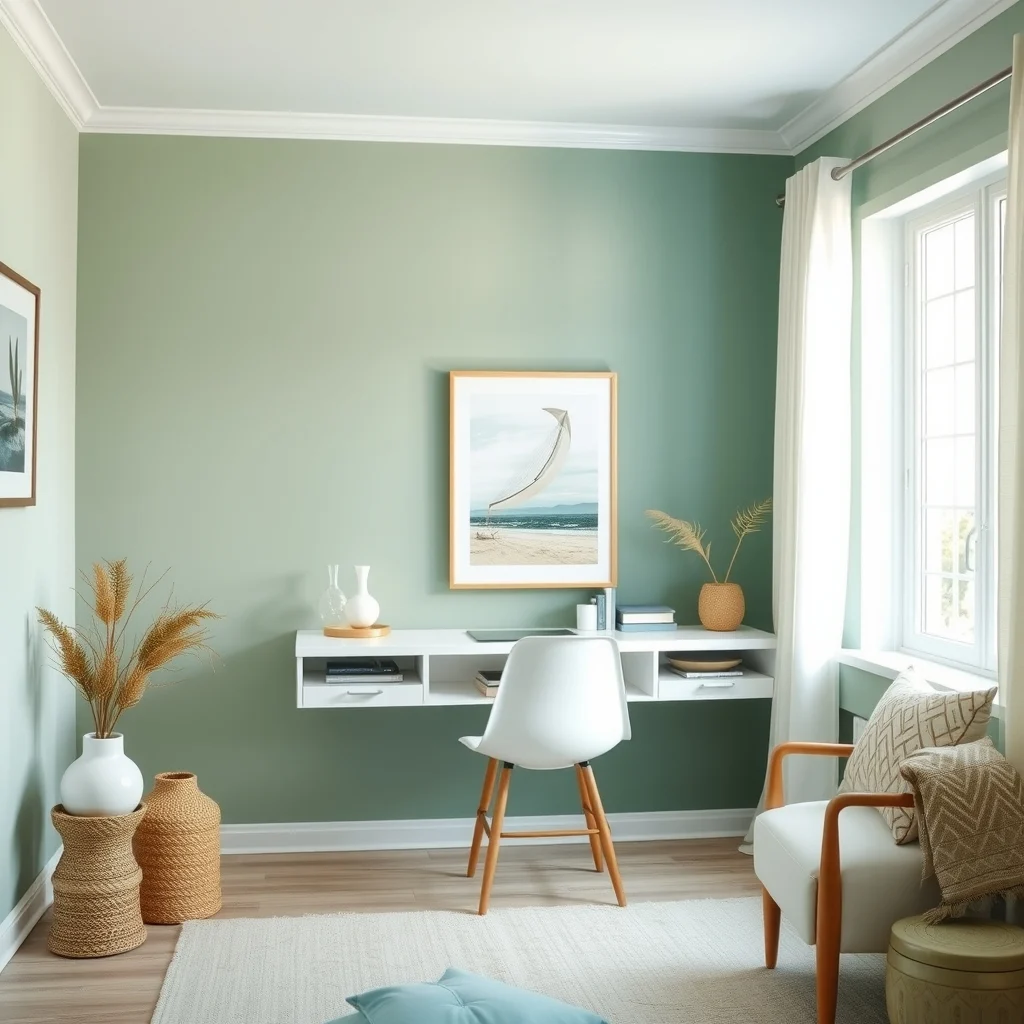
Colors influence concentration and emotional tone. Soft, cool shades such as pale blue, warm greige, or muted sage promote a sense of steadiness without draining energy. Painting one wall in a slightly deeper tone creates a focal point without overwhelming the space. Accent pieces—like a desk organizer in brushed brass or a small storage box in muted terracotta—introduce visual interest while staying within the overall palette. If painting is not an option, removable wallpaper in a subtle pattern can achieve a similar effect and be swapped out later. Overusing deep hues can make a small room feel closed, so balance them with lighter neutrals.
6. Introduce texture through textiles and soft furnishings
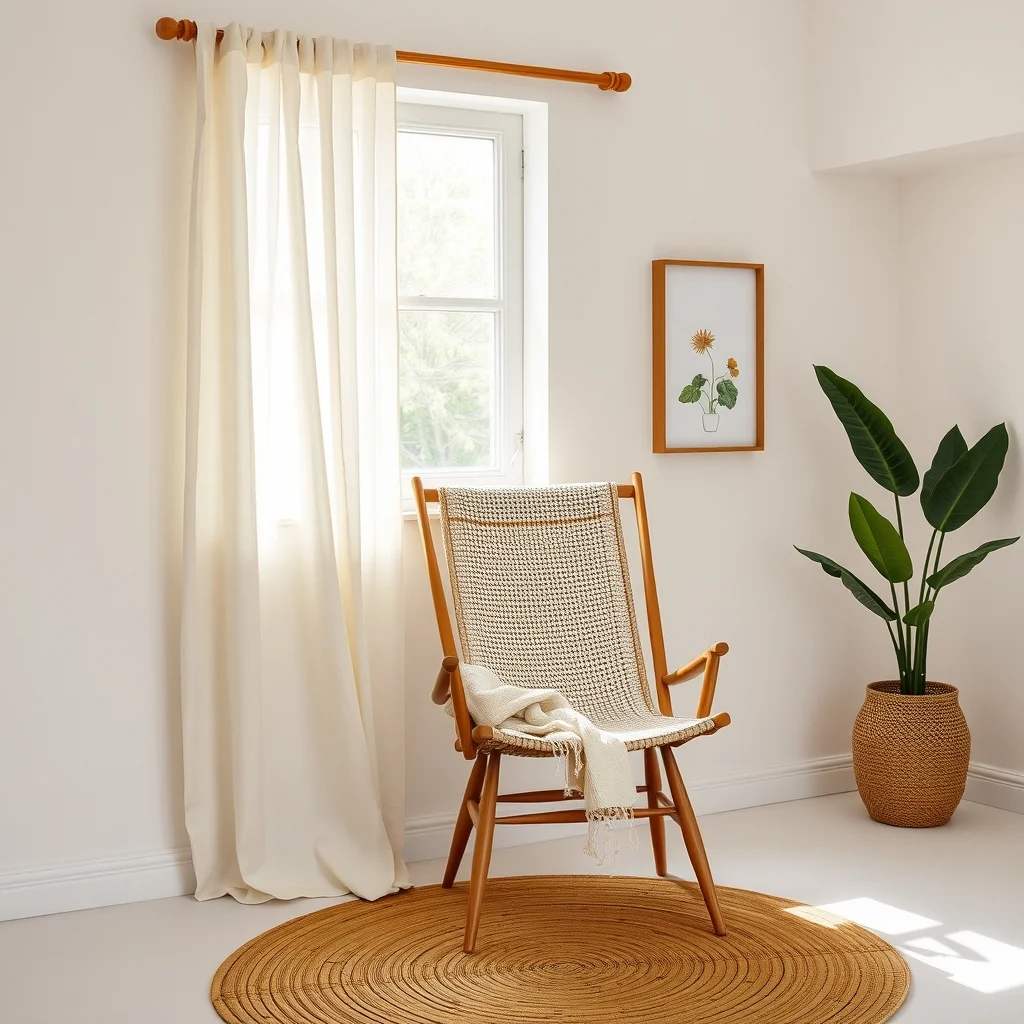
Layering textiles adds comfort and visual depth, making a compact office feel more welcoming. A linen curtain that hangs just above the window filters light gently, while a small woven throw draped over the back of the chair invites occasional relaxation. A set of cork or felt desk pads protects the surface and provides a tactile contrast to the smooth desk top. When selecting fabrics, prioritize those that resist dust accumulation and are machine‑washable, especially in a space where work materials can spill. Heavy drapes may look luxurious but can restrict airflow, so choose lightweight options for smaller rooms.
7. Add personal touches without clutter
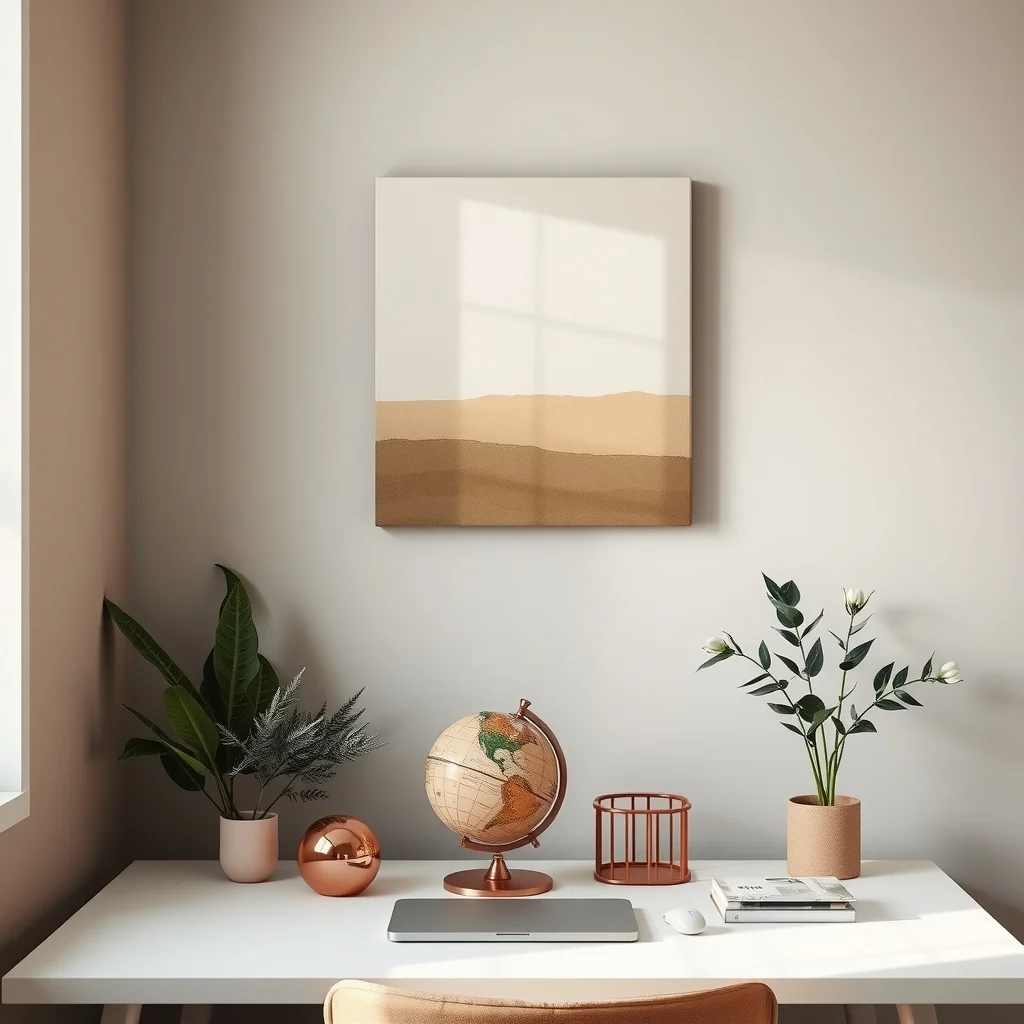
Personal items give the office character, yet too many objects can distract. Choose a single piece of artwork that reflects your taste—a framed print with a muted palette or a simple abstract canvas—and hang it at eye level. A small potted plant, such as a snake plant or pothos, introduces a hint of nature and improves air quality. For sentimental keepsakes, a narrow shelf or a decorative box can hold a few items, keeping the surface clear. The key is to limit each category to one or two pieces, allowing the room to breathe while still feeling uniquely yours.
FAQ
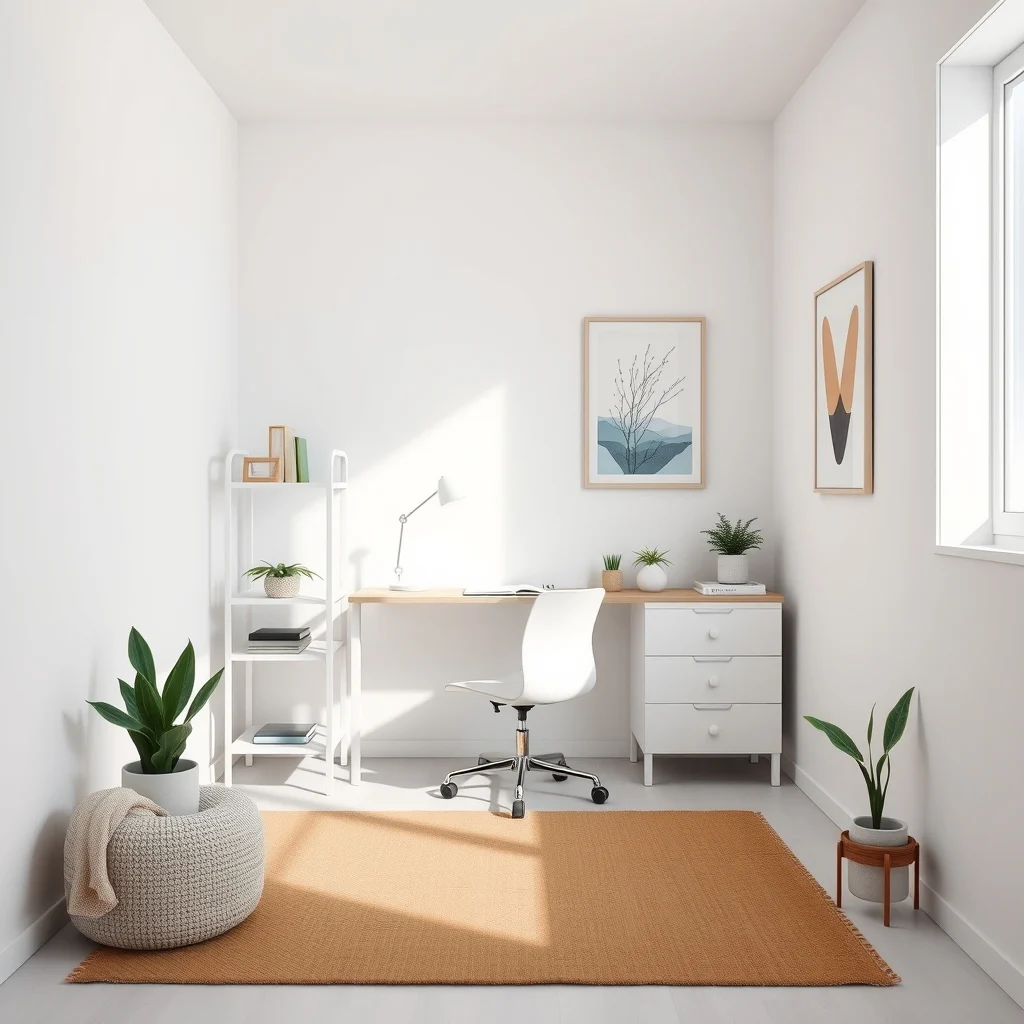
How can I make a tiny office feel more spacious?
Use light-colored walls, a low‑profile rug, and vertical storage to draw the eye upward. Keeping the floor clear and limiting large furniture helps maintain an open feel.
What type of lighting is best for video calls?
A soft, diffused light source placed in front of you reduces shadows. A desk lamp with a daylight‑balanced LED bulb positioned at a 45‑degree angle works well for most setups.
Is a standing desk worth the investment in a small space?
A compact, height‑adjustable desk can improve posture and energy levels. Choose a model with a narrow footprint and consider a sit‑stand converter if floor space is extremely limited.
How often should I declutter my home office?
Review the contents of drawers and shelves at least once each quarter. Removing items you haven’t used in three months prevents accumulation and keeps the workspace functional.
Can I use a bookshelf as a room divider?
A low bookshelf placed perpendicular to the wall can separate the office from an adjacent area while providing storage. Ensure the piece is stable and not too tall, so it doesn’t dominate the room.
Final Thoughts
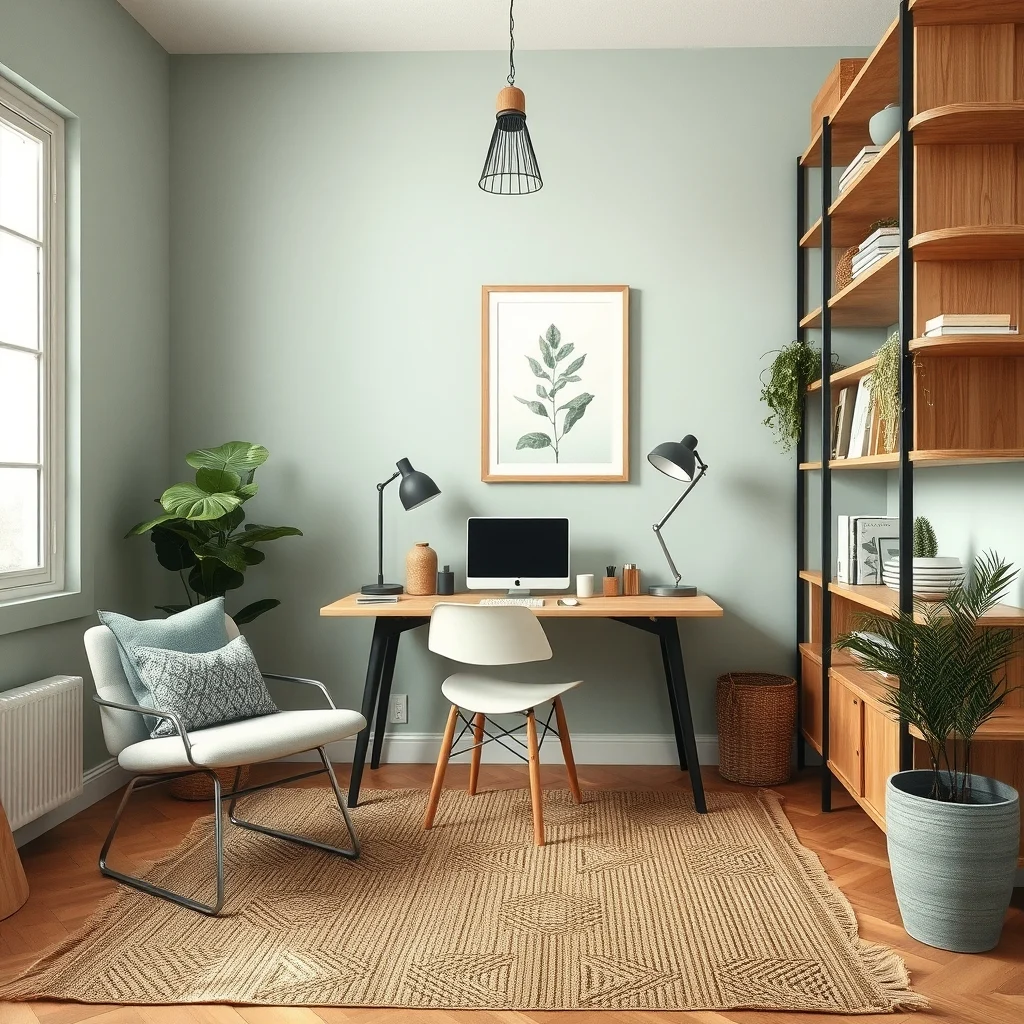
Even the smallest corner can become a productive, pleasant environment when you treat décor as a series of purposeful choices. By anchoring the space, layering light, embracing vertical storage, and adding thoughtful touches, you create a work zone that supports focus and comfort without feeling cramped. Adjust each idea to fit your budget, style, and room dimensions, and you’ll find that working from home can feel both efficient and enjoyable.

