

Bedroom Storage Ideas for People With Too Many Clothes and Too Little Space
When a bedroom feels more like a closet than a sanctuary, the first thing you notice is the constant battle for floor space. Clothes spill onto the floor, drawers overflow, and even the nightstand becomes a makeshift laundry basket. The good news is that clever storage doesn’t have to sacrifice style or comfort. Below are seven ideas that let you keep your garments organized while freeing up the room you need to relax.
1. Choose a tall wardrobe with built‑in drawers
© 2026 AI Illustrator — Inspiration Only
Which Home Style Fits Your Space?
Answer 5 quick questions to find your perfect interior style and inspiration.
Image by sandraicrei from Pixabay
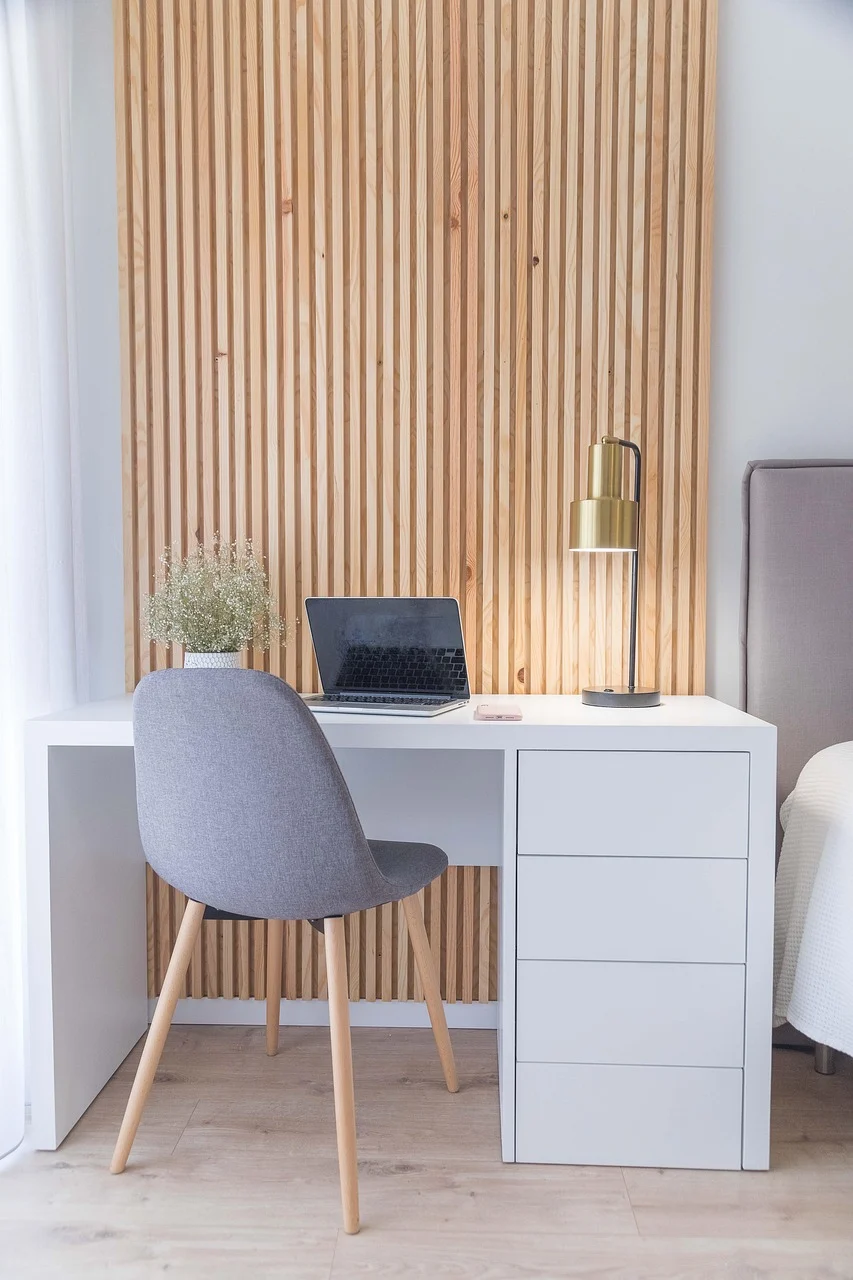
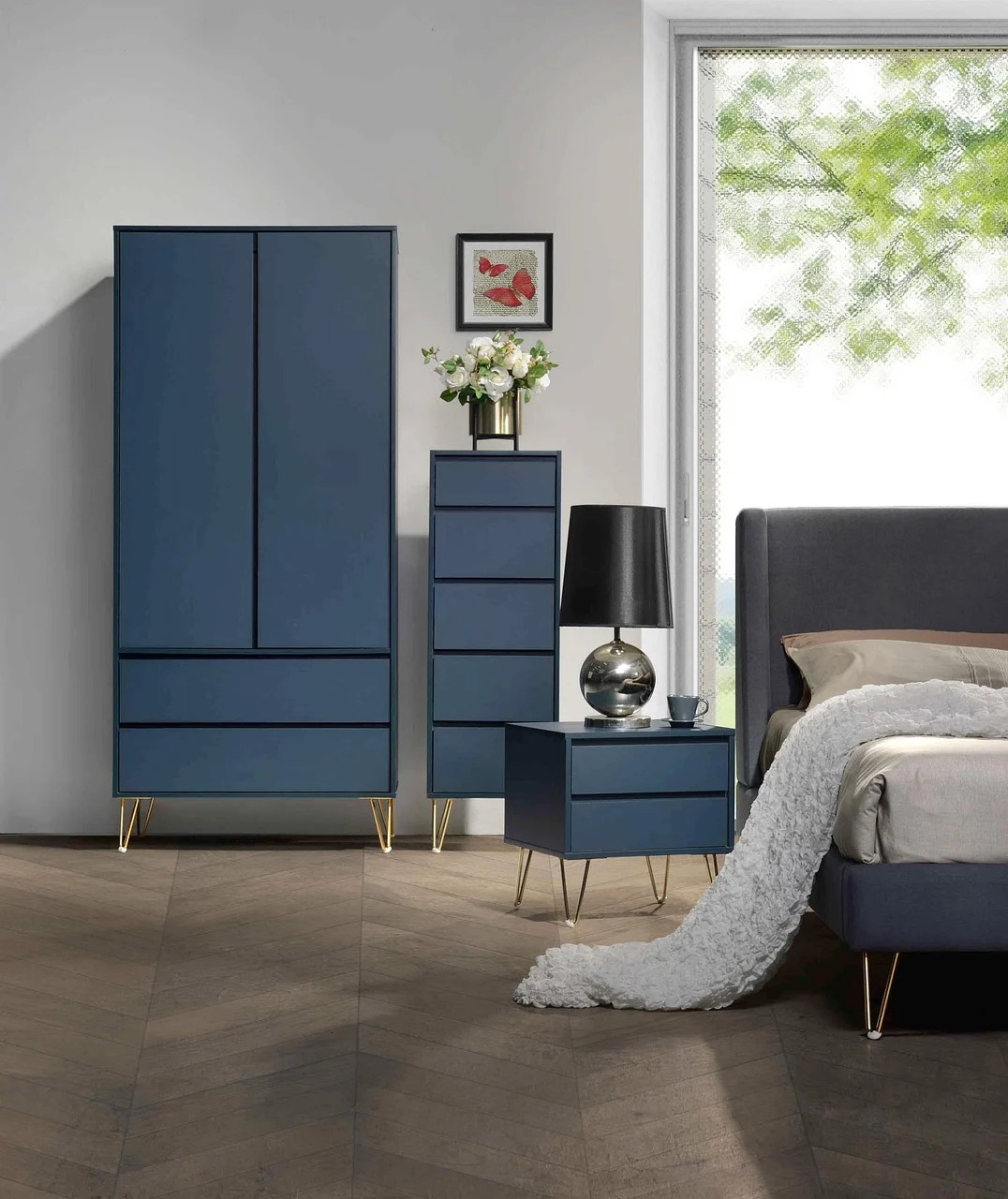
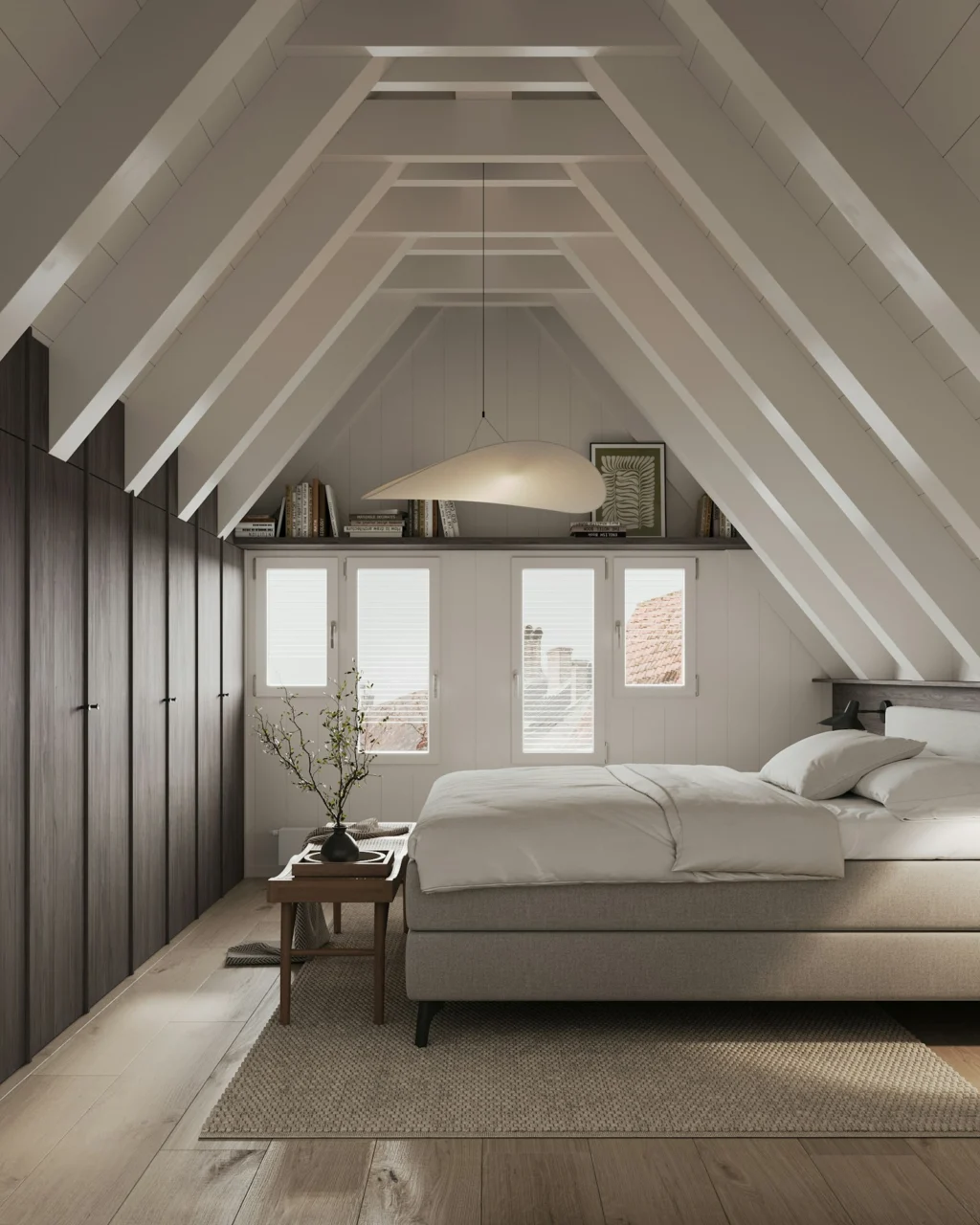
A wardrobe that reaches the ceiling makes the most of vertical space that often goes unused. Sliding doors eliminate the swing arc of traditional hinged panels, so you can place a nightstand or a small reading chair right up against the closet. Inside, a series of shallow drawers offers a home for t‑shirts, socks, and accessories, while a hanging rod at the top accommodates longer pieces such as dresses or coats. Opt for a finish in matte oak or brushed white to keep the look light; darker finishes can make the room feel more grounded but may also absorb more light. The main trade‑off is the initial cost and the need for careful measurement—if the ceiling height is low, a tall unit could dominate the room. When the dimensions work, the result is a sleek, all‑in‑one solution that keeps the floor clear.
2. Install a ceiling‑mounted hanging rack above the bed

A sturdy rod suspended from the ceiling creates a hanging zone that uses the space you normally overlook. By attaching the rack to joists with adjustable brackets, you can set the height to suit tops, jackets, or even a weekend bag. A simple rope or a decorative metal chain adds visual interest without overwhelming the room’s palette. Because the rack hangs above the headboard, it does not interfere with foot traffic, and you can reach items easily while still in bed. The downside is the need for a drill and the possibility of limited load capacity; heavy coats should be stored elsewhere. When installed correctly, the rack frees up closet space and adds a touch of industrial charm.
3. Turn the footboard into a storage bench

Replacing a plain footboard with a padded bench gives you a place to sit while dressing and a hidden compartment for shoes, extra blankets, or folded sweaters. Choose a frame in soft walnut or painted pine, then upholster the seat in a durable linen in a neutral tone that matches your bedding. The bench’s interior can be divided with a removable tray to keep smaller items from shifting when you sit. This dual function adds comfort and storage without consuming floor area. One limitation is that the bench reduces the clearance between the bed and the wall, so it works best in rooms where the bed is not pushed flush to the opposite wall. With thoughtful dimensions, the bench becomes a welcoming focal point.
4. Make use of the space behind the bedroom door
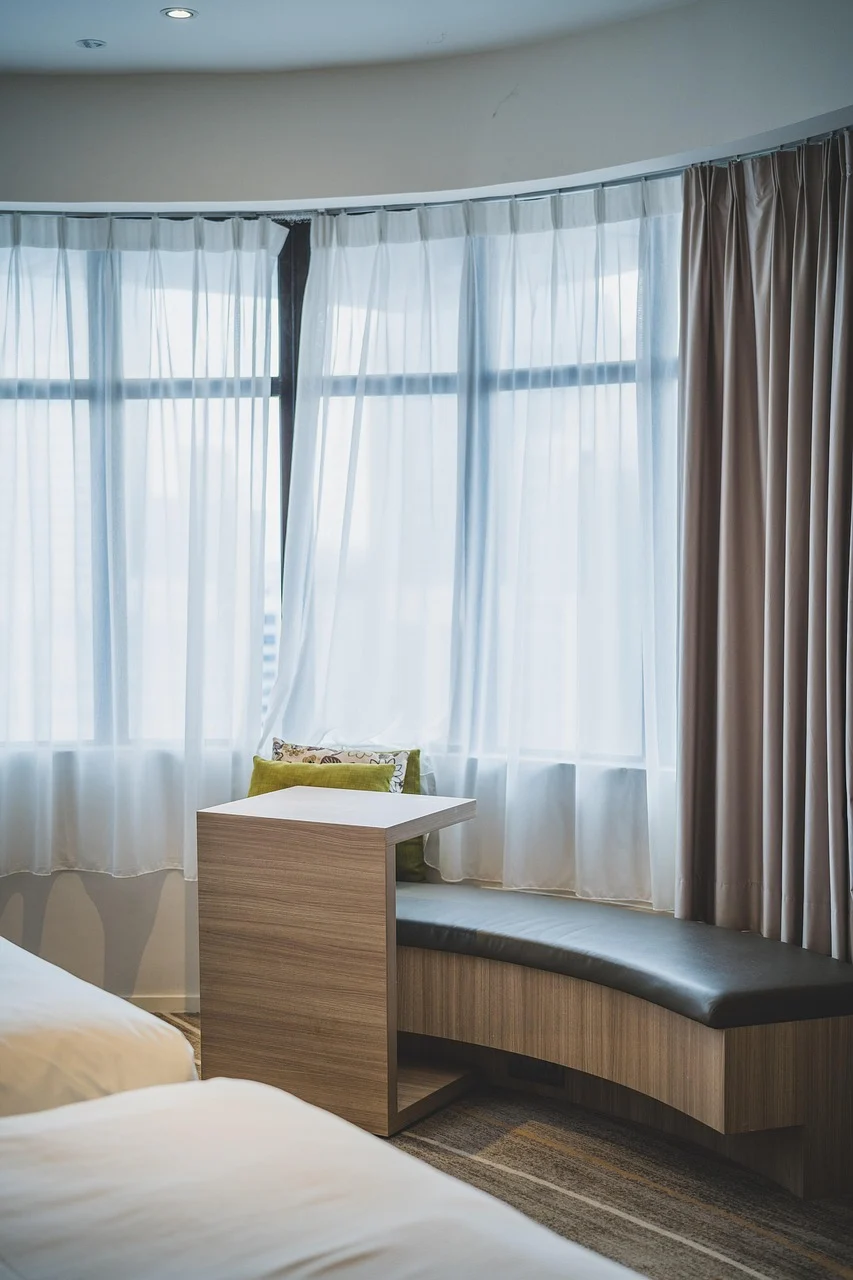
Behind the door, a narrow organizer panel can hold everything from scarves to belts. A combination of fabric pockets and metal hooks provides a flexible layout that adapts to your wardrobe’s shape. Because the panel hangs from the door, you avoid drilling into walls, making it a renter‑friendly option. Choose a finish that echoes the door’s color or a contrasting shade to add a subtle pop. The main drawback is the limited weight capacity; heavy winter coats should stay on a sturdier hanger system. Still, the door panel turns a previously dead zone into a quick‑grab storage zone, especially useful for items you need each morning.
5. Add a double‑sided dresser with a mirrored back
© 2026 AI Illustrator — Inspiration Only
Image by luk3544 from Pixabay
Which Living Room Color Palette Fits You Best?
Discover the palette that reflects your style — take our free quick quiz and get instant decor inspiration!
Take the Quiz NowA dresser that faces the room on one side and a full‑length mirror on the other serves two purposes at once. The mirror reflects natural light, making the space feel larger, while the drawers keep your folded clothes organized. Opt for a piece in brushed metal or a soft pastel finish to keep the visual weight low. The mirrored side should be securely mounted to avoid wobbling, and you’ll need enough clearance for the mirror to be functional without blocking the doorway. The trade‑off is the need for extra wall space; if the room is extremely narrow, the dresser could dominate the wall. When positioned correctly, it becomes a stylish focal point that also solves two storage problems.
6. Use rolling under‑bed bins with clear lids
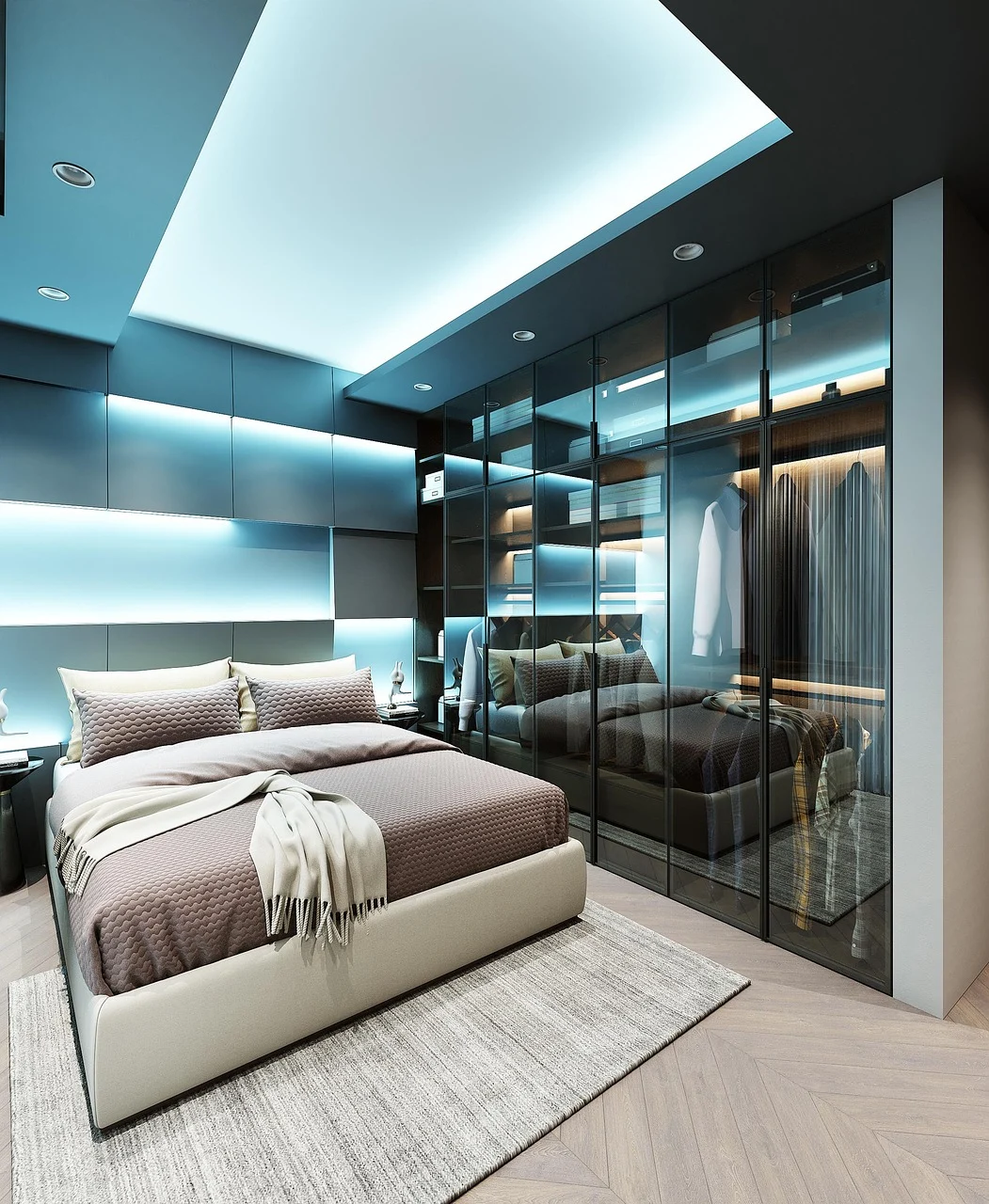
Clear, low‑profile containers that glide on wheels let you store seasonal clothing, extra linens, or accessories right under the bed. The transparent lids let you see the contents at a glance, reducing the temptation to pull everything out at once. Choose bins made from sturdy polypropylene in a muted gray or soft beige to blend with the mattress and floor. Adding a small handle on each side makes pulling them out effortless, even on carpet. The main consideration is the height of your bed frame; if the clearance is too small, the bins may not fit. When the space allows, these bins keep infrequently used items out of sight while remaining accessible.
7. Create a fold‑down wall shelf that doubles as a nightstand

A wall‑mounted shelf that folds down when needed provides a surface for a lamp, a book, or a glass of water without taking up permanent floor space. When folded up, the shelf disappears, leaving a clean wall that can be painted or decorated. Choose a shelf in a warm walnut or a sleek black metal to complement your bedroom’s style. Installing a simple hinge mechanism ensures smooth operation, and adding a small rubber foot prevents scratches on the floor. The limitation is that the shelf can only hold lightweight items, so it isn’t suitable for heavy equipment. Nevertheless, it offers a flexible solution for a nightstand in rooms where a traditional table would feel cramped.
Frequently Asked Questions

How can I store seasonal clothes in a small bedroom?
Use clear under‑bed bins or a high wardrobe with dedicated seasonal drawers to keep out‑of‑season items out of the way. Storing them in a climate‑controlled closet or attic helps maintain fabric quality while freeing bedroom space.
What fabrics are best for bedroom storage bins?
Polypropylene and canvas are both durable and easy to clean, making them ideal for storage containers. They resist moisture and can be wiped down with a damp cloth, which is useful in a bedroom where dust settles quickly.
Can I install a hanging rack without drilling into the ceiling?
Yes, tension rods or a freestanding wardrobe frame can provide a hanging solution without permanent hardware. Just ensure the rod is rated for the weight of the garments you plan to hang.
How do I keep my wardrobe organized on a daily basis?
Group similar items together—tops with tops, bottoms with bottoms—and use drawer dividers or shelf separators. Regularly reassess the contents and remove pieces you no longer wear to prevent buildup.
Is it safe to store heavy items on the back of the door?
Heavy items should be avoided on door organizers because the door hinges may not support the load. Light accessories like scarves, belts, or jewelry are fine, but for coats or bags use a sturdier wall‑mounted system.
Final Thoughts
Living with a surplus of clothing in a compact bedroom doesn’t have to mean sacrificing comfort or style. By thinking vertically, using hidden compartments, and turning overlooked areas into functional storage, you can reclaim floor space and create a room that feels both organized and inviting. Each of the ideas above offers a different balance of cost, effort, and aesthetic, so you can choose the solutions that fit your lifestyle and budget. With a little planning, your bedroom can finally become the restful retreat you deserve.