

Narrow Hallway Decorating Ideas That Make Small Entrances Feel Bigger
Walking through a tight hallway often feels like navigating a tunnel rather than entering a home. The lack of visual depth can make the space feel cramped, and every piece of furniture or décor becomes a potential obstacle. Fortunately, a handful of thoughtful design choices can transform a narrow passage into a welcoming transition that feels more open than its dimensions suggest. Below are seven ideas that blend aesthetics with practicality, giving you a clearer path and a more spacious impression without major renovations.
1. Light‑Reflecting Wall Finishes
© 2026 AI Illustrator — Inspiration Only
Which Home Style Fits Your Space?
Answer 5 quick questions to find your perfect interior style and inspiration.
Image by 12019 from Pixabay
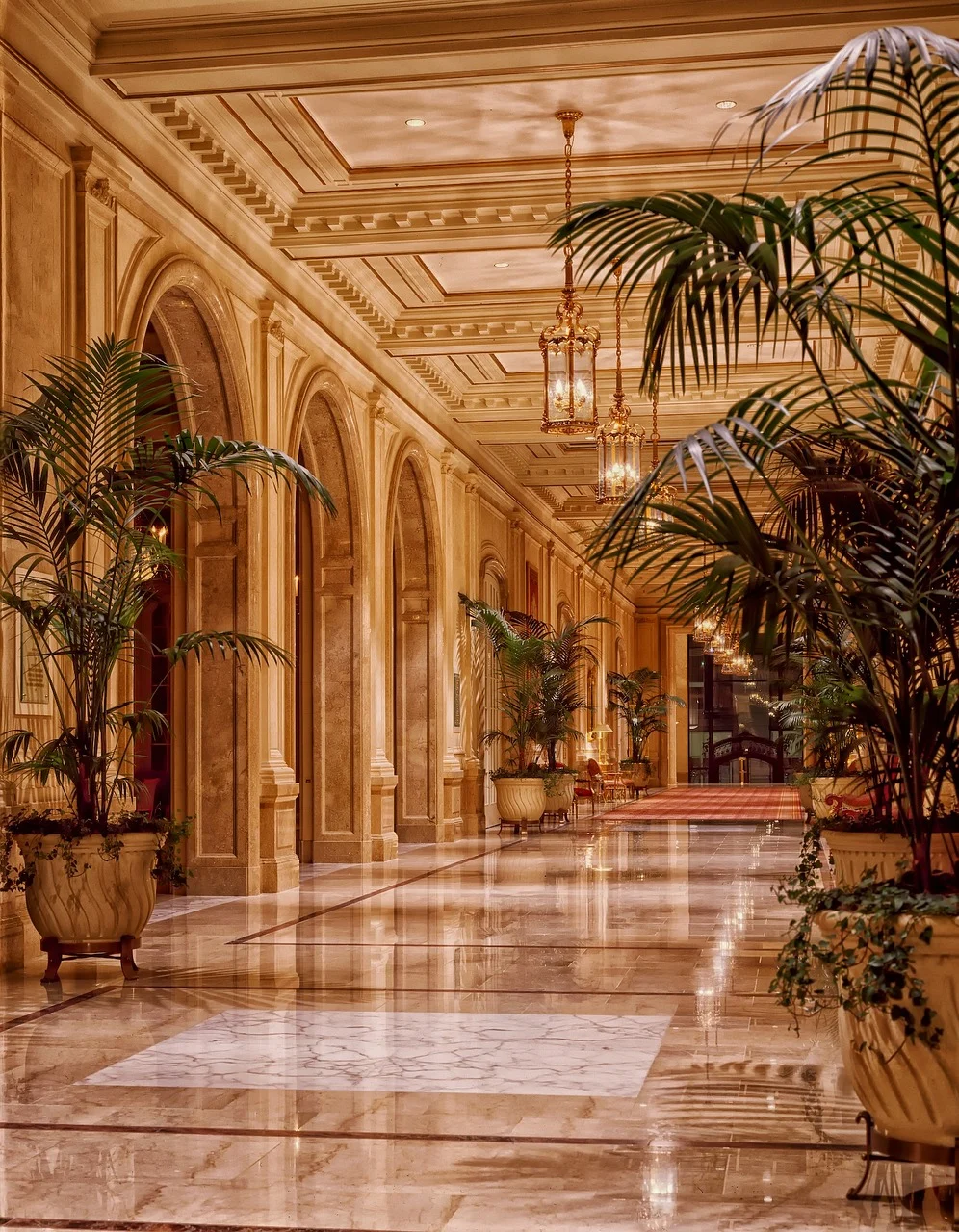
Choosing a wall finish that bounces light around the corridor is one of the quickest ways to add perceived width. A soft, matte eggshell paint in a light neutral—such as warm greige or pale dove—reflects natural daylight from nearby windows while keeping glare at bay. If paint feels too temporary, consider a subtle wallcovering with a fine linen texture; the gentle pattern diffuses light without creating visual clutter. Because the hallway is a high‑traffic zone, opt for washable finishes that can endure occasional scuffs. The key is to keep the surface uniform, allowing the eye to travel uninterrupted from one end to the other, which tricks the brain into seeing more space.
2. Strategic Mirror Placement
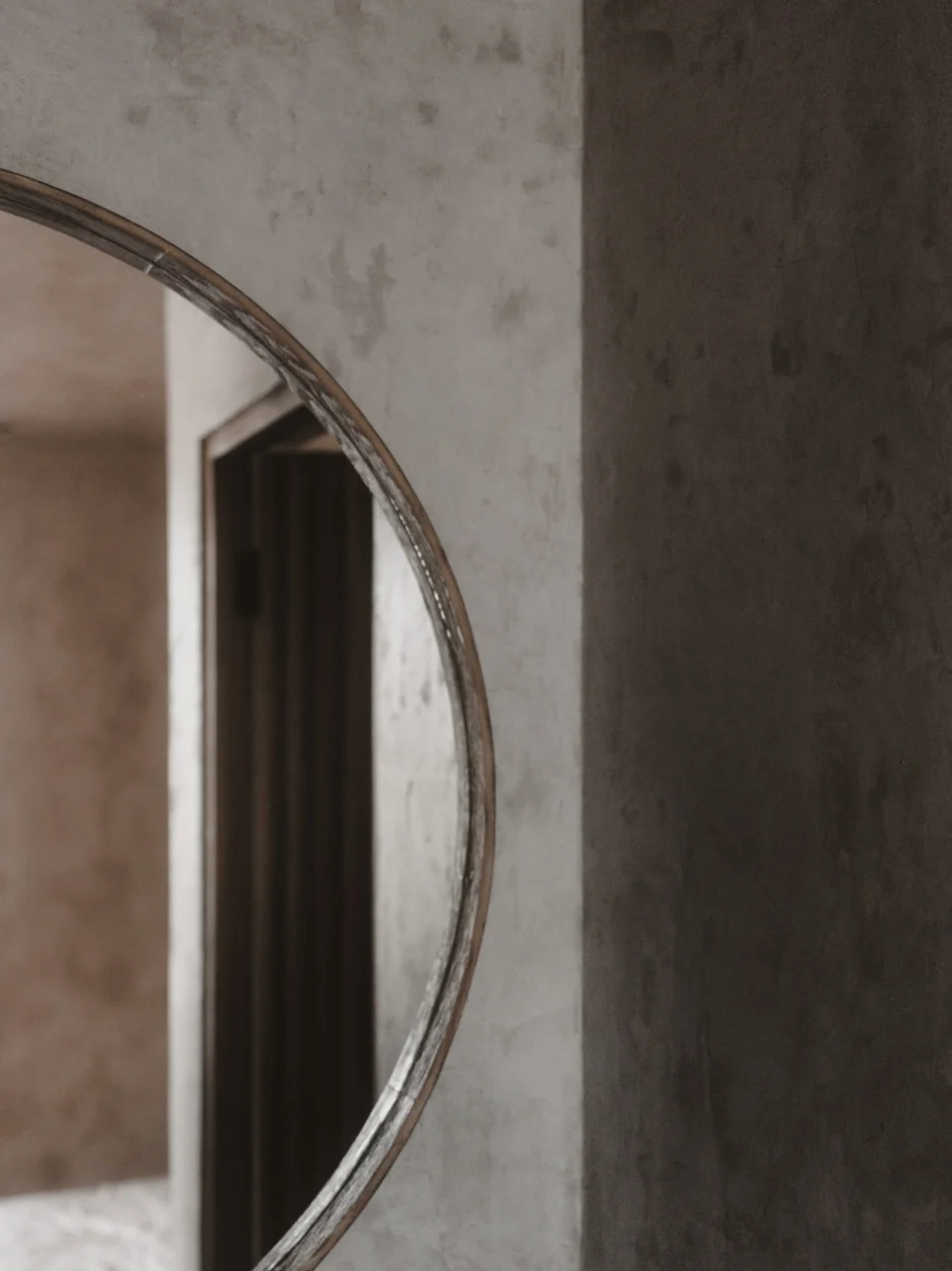
Mirrors act as visual windows, multiplying the view beyond the hallway walls. Position a tall, narrow mirror on the side opposite the entry door, ensuring the frame does not protrude into the walking path. A frameless glass panel or a slim brushed‑brass frame works well because it adds depth without competing for attention. When sunlight streams in, the mirror reflects it down the length of the corridor, brightening corners that would otherwise stay dim. If the hallway has multiple bends, a series of smaller mirrors at each turn can maintain the sense of continuity. Remember to secure mirrors safely to the wall, especially in homes with children or pets.
3. Low‑Profile Runner Rugs
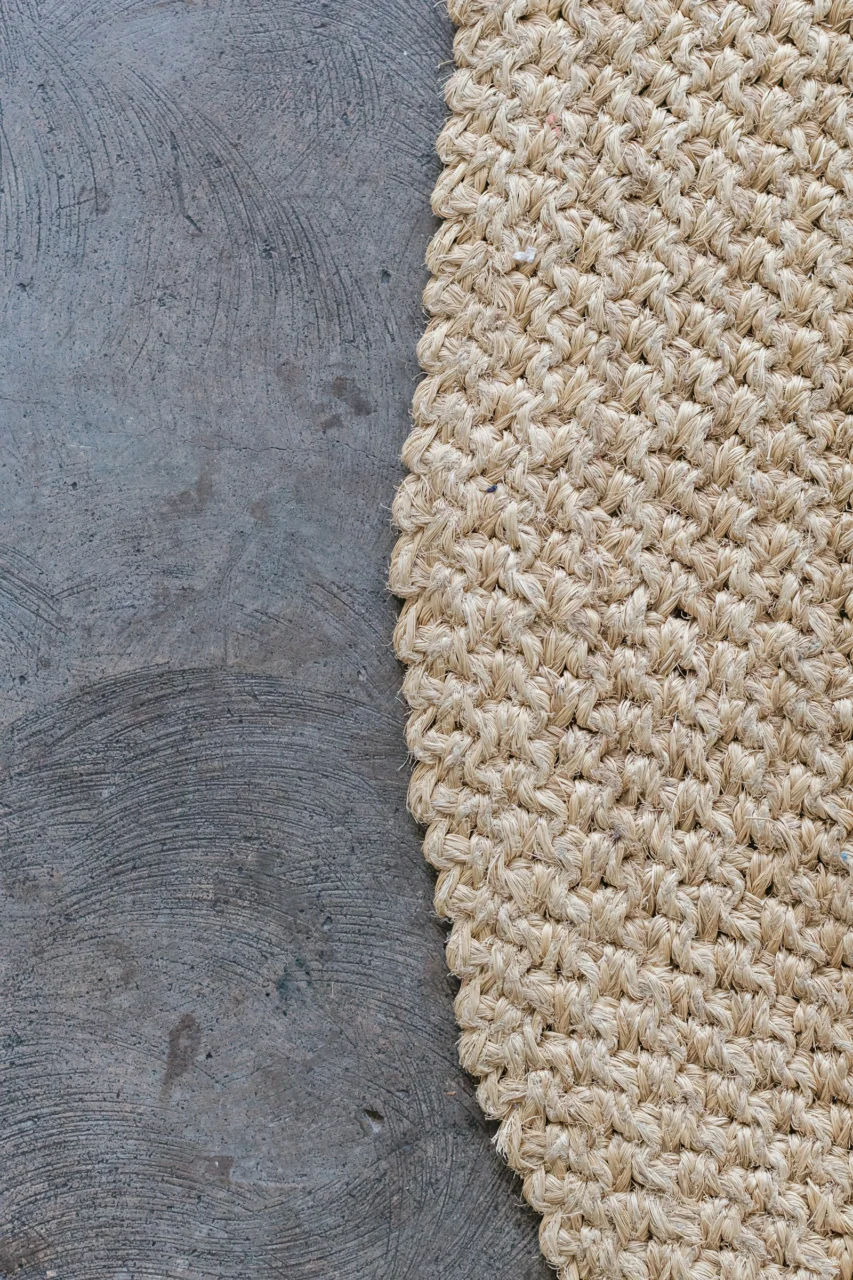
A runner rug defines the path while softening hard flooring, but height is crucial in a narrow space. Select a rug with a low pile—such as a flat‑woven sisal or a tightly woven cotton blend—so it does not obstruct foot traffic or create a tripping hazard. A strip that runs the full length of the hallway, leaving a few inches of floor visible on each side, elongates the visual line. Patterns that feature subtle diagonal lines or a muted tonal gradient can guide the eye forward, enhancing the sense of length. Choose a rug with a non‑slip backing or place a thin rug pad underneath to keep it securely in place.
4. Built‑In Shelving That Doubles as Display

When storage is needed, built‑in shelves that sit flush with the wall preserve floor space while offering display opportunities. A shallow, floating shelf about six inches deep can hold a few decorative objects—perhaps a small ceramic vase, a framed photograph, or a slim plant pot—without crowding the passage. Using the same finish as the wall—whether painted wood or painted MDF—creates a seamless look that doesn’t interrupt the corridor’s flow. If the hallway is very narrow, limit shelving to one side to avoid a feeling of confinement. Keep the items on display minimal; a single statement piece works better than a cluttered assortment.
5. Recessed Lighting Combined with Accent Lamps
© 2026 AI Illustrator — Inspiration Only
Image by pcdazero from Pixabay
Which Living Room Color Palette Fits You Best?
Discover the palette that reflects your style — take our free quick quiz and get instant decor inspiration!
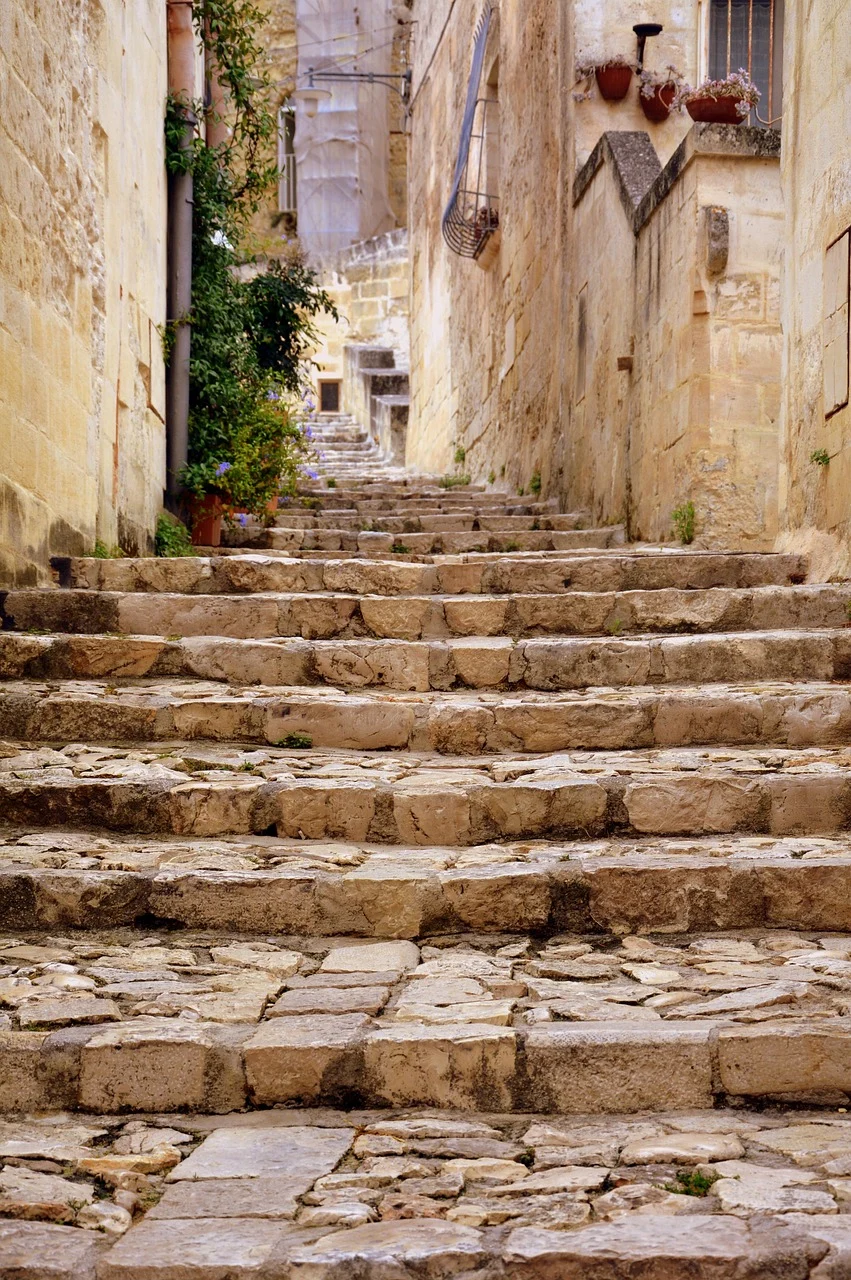
Take the Quiz NowEven illumination is essential for preventing shadows that make a hallway feel deeper than it is. Recessed downlights installed at regular intervals provide an even wash of light across the ceiling, eliminating dark spots. Complement these with a narrow, wall‑mounted swing arm lamp near the entry door, offering a focused pool of light for tasks like sorting mail or putting on shoes. Choose fixtures with a matte white or brushed nickel finish to keep the aesthetic understated. Because recessed lights are built into the ceiling, they do not reduce the already limited headroom, while the accent lamp adds a layer of visual interest without overwhelming the space.
6. Consistent Color Palette Across Adjacent Rooms
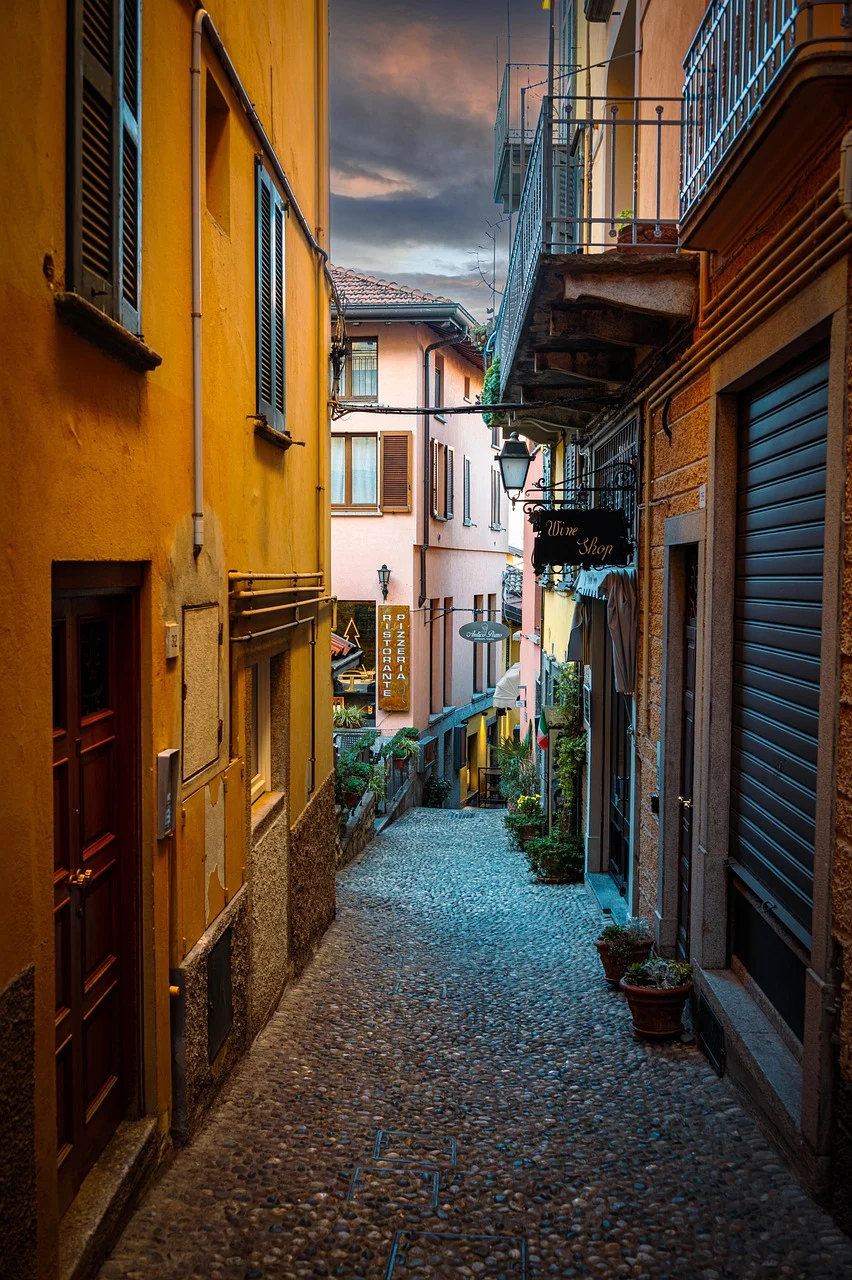
Extending the same wall color from the hallway into the rooms it connects creates a visual bridge that makes the transition feel smoother. If the living room features a soft teal accent wall, echo that hue on the hallway’s far end to draw the eye outward. This continuity eliminates abrupt color breaks that can make a narrow passage feel boxed in. When selecting complementary accessories—such as a coat hook or a decorative bowl—choose finishes that match the adjoining rooms’ hardware, reinforcing the sense of a unified design language. Consistency does not mean monotony; subtle variations in texture or finish keep the corridor engaging while preserving openness.
7. Minimalist Door Hardware and Trim
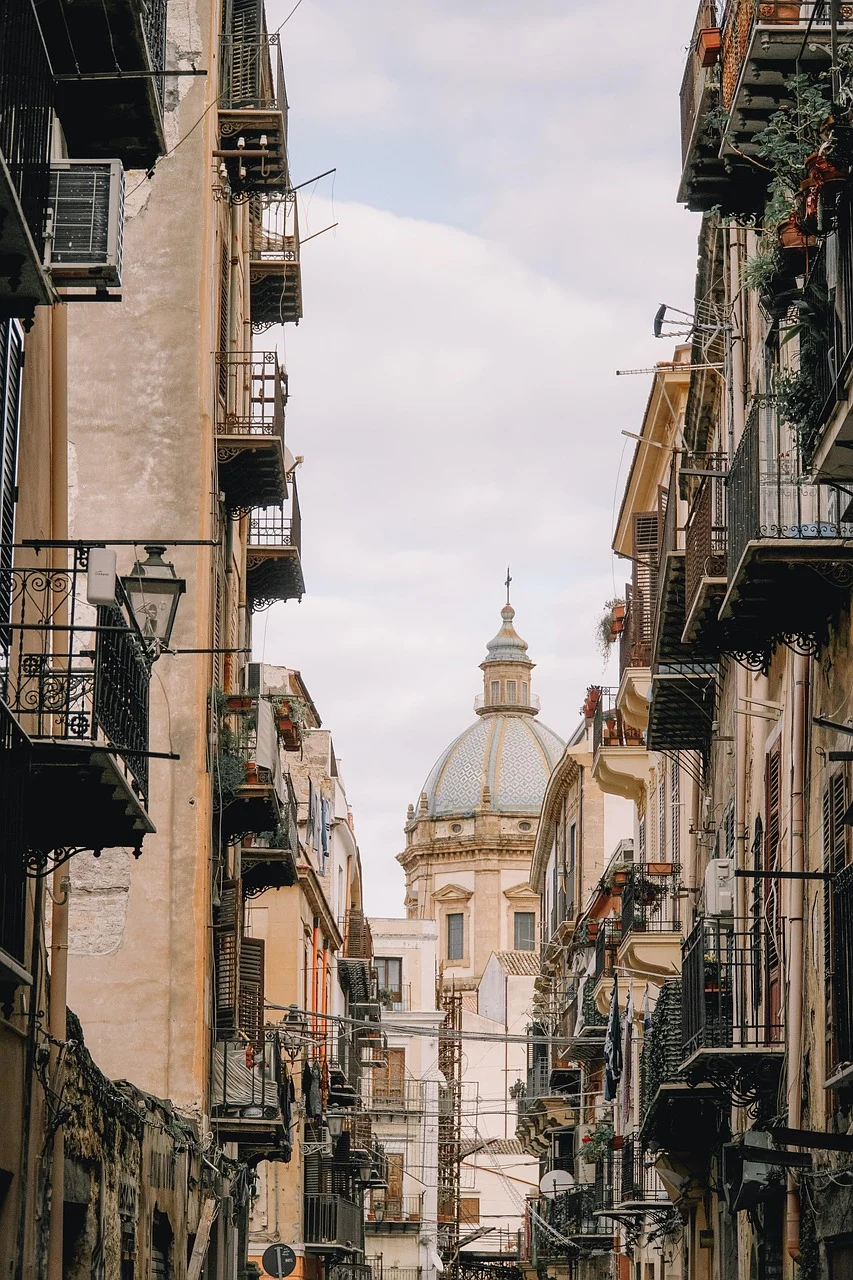
Heavy, ornate doors can dominate a cramped entryway, making the space feel more confined. Replacing bulky knobs with sleek, brushed‑steel levers reduces visual weight and provides a cleaner silhouette. Likewise, trim that is simple and narrow—such as a 1‑inch baseboard rather than a thick, decorative molding—prevents the walls from appearing crowded. If the hallway includes a closet door, consider a pocket door that slides into the wall, eliminating the need for a swinging door that would intrude on the limited floor area. These understated choices free up sightlines, allowing the corridor to breathe.
FAQ
How can I make a dark hallway look brighter?
Start by using light‑reflecting wall finishes and adding layered lighting, such as recessed fixtures paired with a wall‑mounted lamp. Mirrors placed opposite light sources also bounce illumination down the length of the corridor, creating a brighter atmosphere.
Is it okay to use patterned wallpaper in a narrow hallway?
Patterned wallpaper can work if the design is low‑contrast and the scale is small. Large, bold prints tend to overwhelm the space, while a subtle stripe or delicate motif adds interest without shrinking the visual field.
What type of flooring works best for a small entrance?
Flat‑woven runner rugs over hardwood, laminate, or polished concrete provide texture while keeping the floor level. Avoid thick shag rugs, as they can create a trip hazard and visually compress the hallway.
Can I add a small table or console in a narrow hallway?
A narrow console that is no deeper than six inches can serve as a spot for keys or a decorative tray without impeding traffic. Position it against a wall rather than in the center of the passage to preserve clear walking space.
Should I paint the ceiling a different color than the walls?
Keeping the ceiling a light, neutral shade—typically the same color as the walls—helps maintain an uninterrupted vertical line, which contributes to a feeling of height and openness.
Final Thoughts

Designing a narrow hallway is less about adding more elements and more about choosing what to let through. Light, reflection, and continuity are the guiding principles that turn a cramped entrance into a graceful conduit. By applying one or several of the ideas above—whether it’s a fresh wall finish, a well‑placed mirror, or a low‑profile runner—you can reshape the way the space feels without extensive construction. The result is a hallway that welcomes you home, guiding the eye and foot alike toward the rooms beyond.