
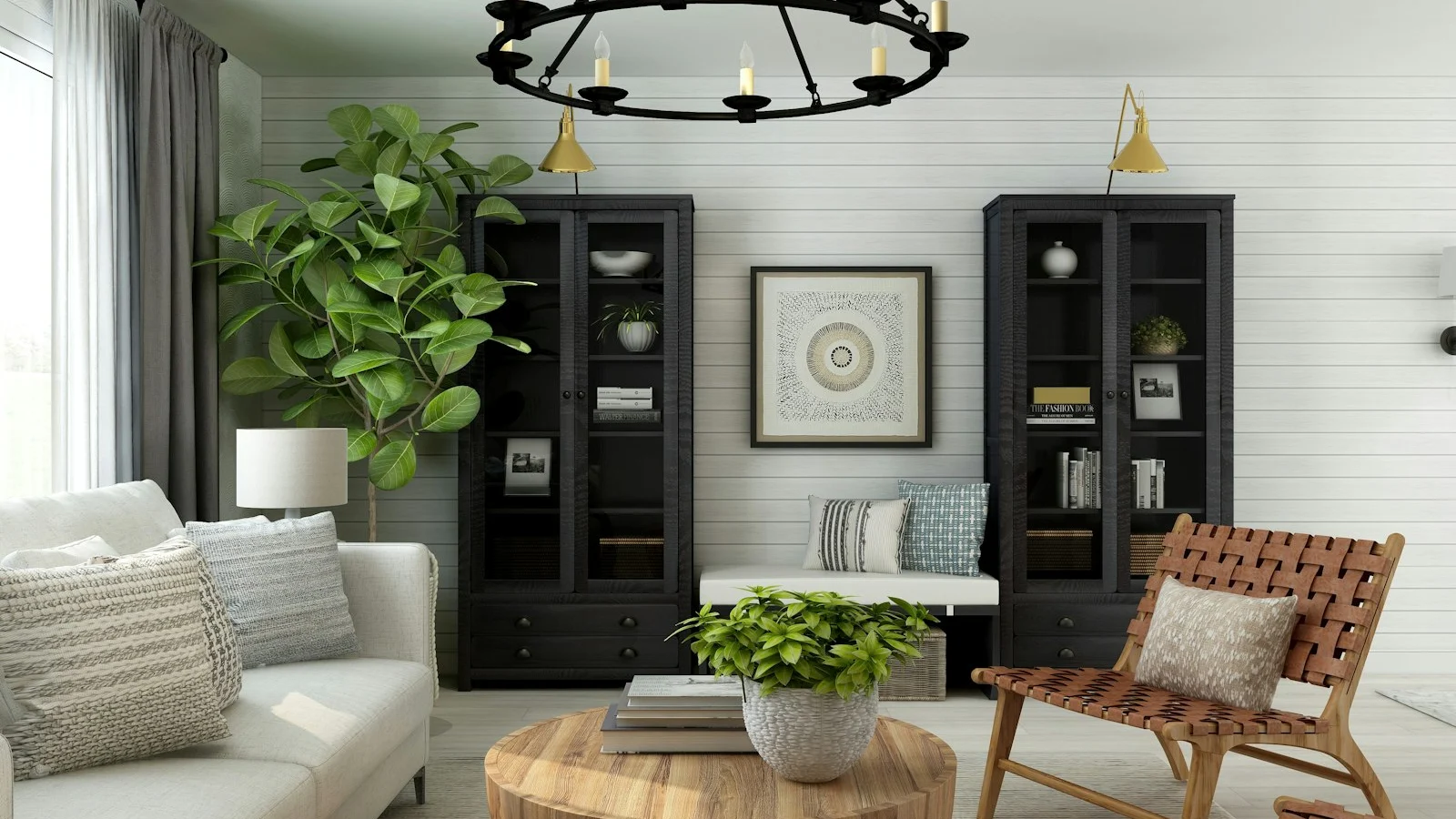
Living Room Storage Ideas That Don’t Look Like Storage
Living rooms often become the catch‑all for books, blankets, remote controls, and the occasional stray shoe. The challenge is to keep the space feeling inviting without the visual clutter that comes with obvious cabinets and bins. Below are seven approaches that hide away essentials while still looking like intentional design elements. Each suggestion explains the visual impact, practical steps for implementation, and a few considerations to keep the room balanced.
1. Hide cabinetry behind a large piece of art
© 2026 AI Illustrator — Inspiration Only
Which Home Style Fits Your Space?
Answer 5 quick questions to find your perfect interior style and inspiration.
Image by Pipobello_Art from Pixabay
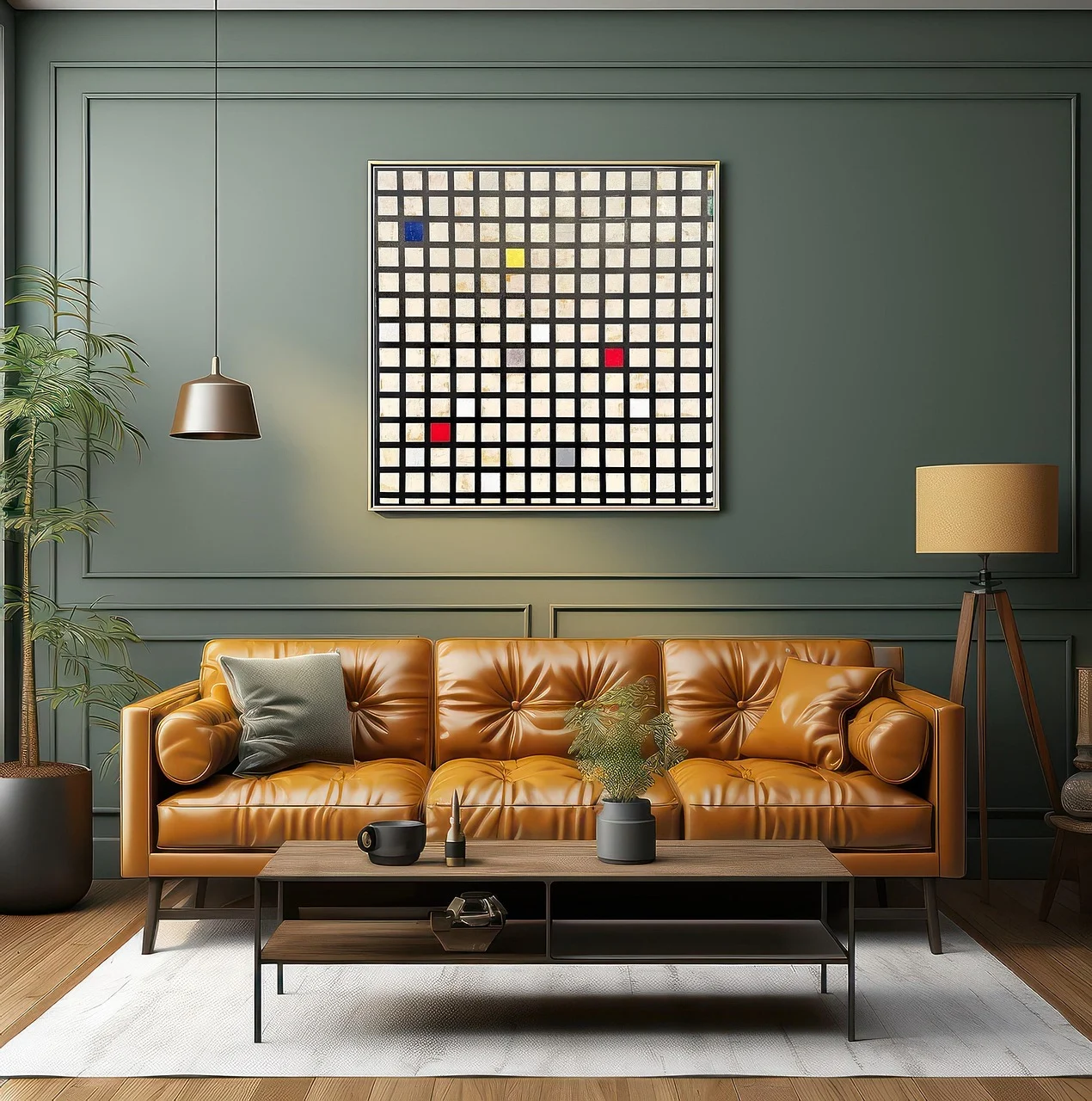
When a wall is dominated by a bold painting or a framed photograph, the space behind it can become a secret storage zone. Install shallow, floor‑to‑ceiling cabinets that sit flush with the wall, then mount a hinged panel that looks identical to the frame’s border. The panel opens like a picture, revealing shelves for magazines, board games, or even a small wine rack. Because the cabinetry is concealed, the room retains a gallery‑like feel, and the visual weight of the artwork draws the eye away from the functional side. The main limitation is that the hidden area is best suited for lightweight items; heavier objects could strain the hinge over time, so it’s wise to limit the load to a few pounds per shelf.
2. Build a window seat with a lift‑top

A cushioned window seat adds a cozy reading nook while also providing a storage compartment beneath. By constructing a platform that lifts like a lid, you create a drawer that can hold blankets, seasonal decor, or extra pillows. The seat’s upholstery can be chosen in a neutral linen or soft wool, allowing the window’s natural light to illuminate the area without competing with patterns. This solution works especially well in rooms with abundant daylight, as the seat becomes a focal point rather than a bulkier piece of furniture. One trade‑off is the need for sufficient floor space; a window seat can dominate a wall, so it may not be appropriate in smaller layouts where circulation is already tight.
3. Install floating shelves that double as display ledges
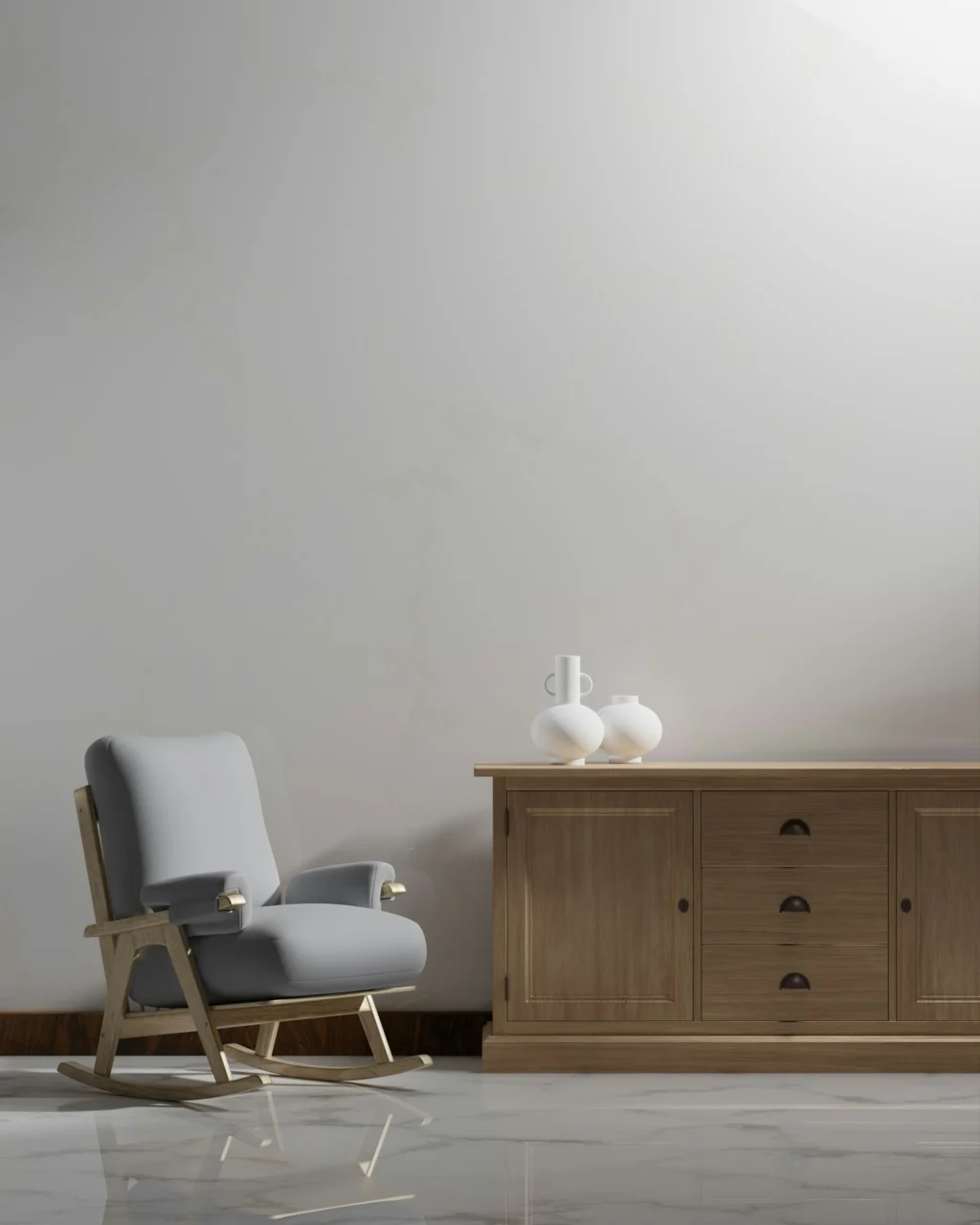
Floating shelves are a staple of modern interiors, but they can be designed to hide storage behind a decorative front. By using a shallow box with a recessed front panel, the shelf appears to float while the interior holds items like coasters, remote controls, or a small stack of books. The front panel can be finished in the same wood tone as surrounding furniture, making the shelf look like an extension of the wall. This approach keeps the floor clear and adds vertical interest, especially when the shelves are staggered at different heights. The main drawback is that the concealed depth is limited; large objects will not fit, so the design is best for items that can be neatly stacked or grouped.
4. Choose a coffee table with concealed compartments
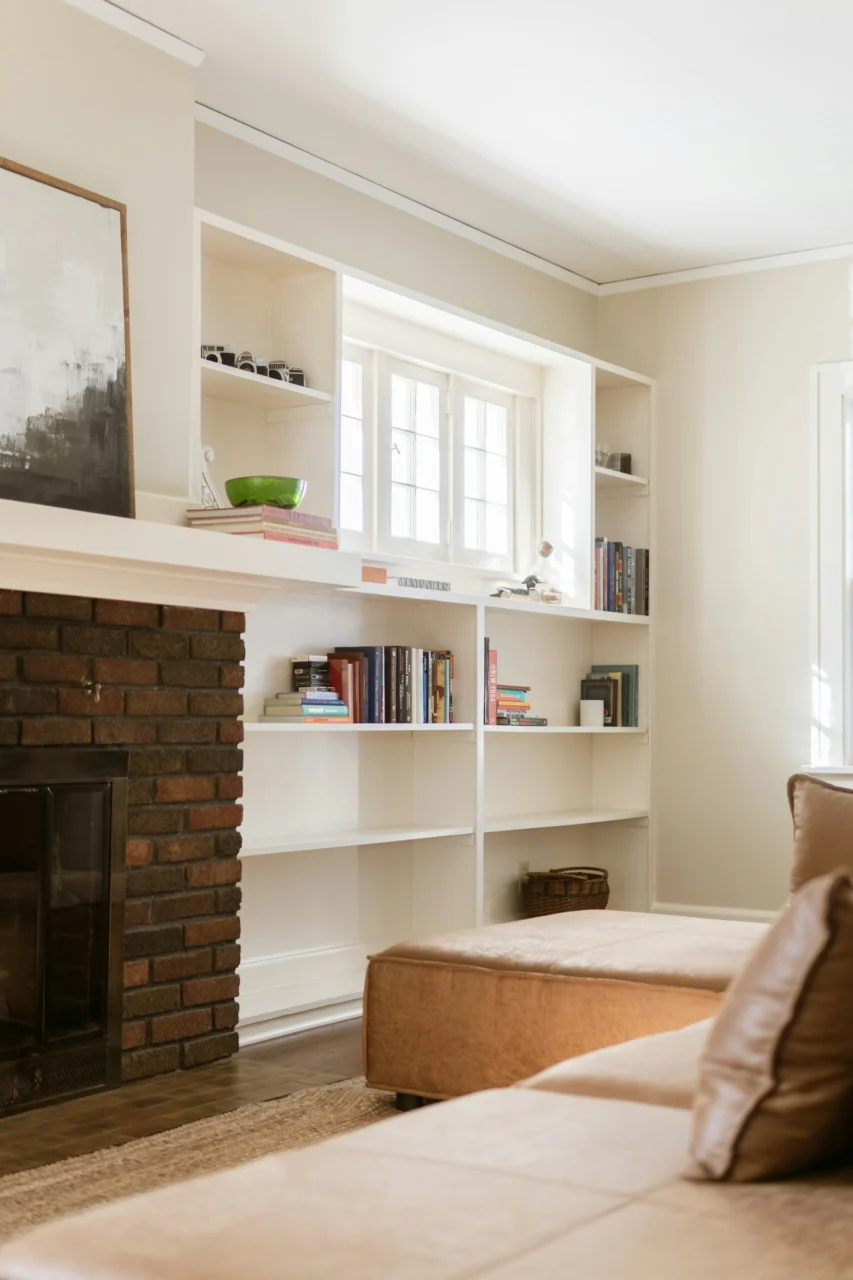
A coffee table that includes hidden drawers or a lift‑top provides a central hub for everyday necessities without interrupting the room’s flow. Opt for a table crafted from reclaimed oak or a matte metal base, with a top that slides forward or lifts to reveal a shallow cavity. This space is perfect for storing board games, a stack of newspapers, or a basket of remote‑control batteries. Because the table remains a focal point, the storage feels intentional rather than an afterthought. However, the mechanism adds moving parts that require occasional maintenance, and the table’s weight can make it less portable if you like to rearrange seating frequently.
5. Arrange decorative baskets as a gallery wall
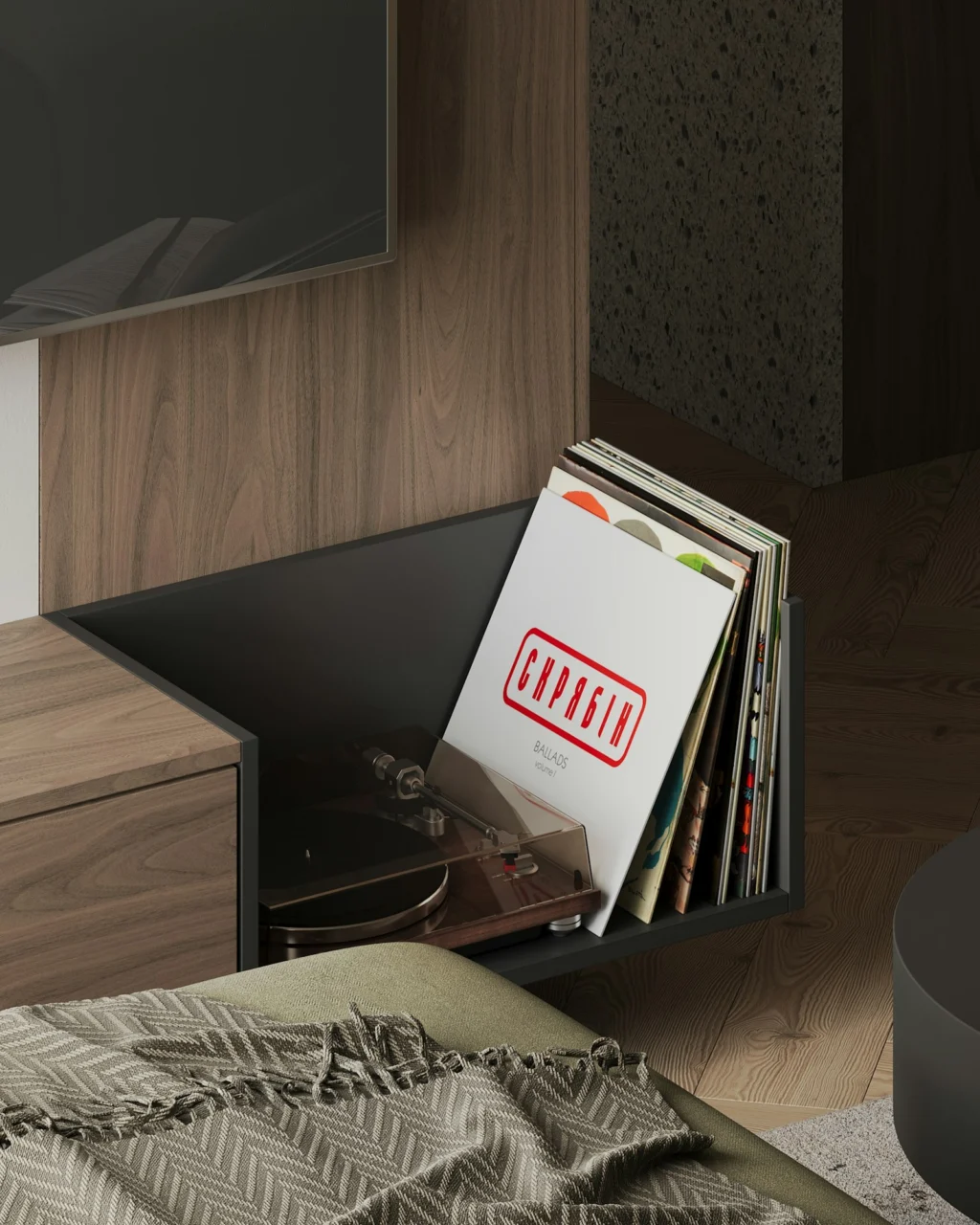
© 2026 AI Illustrator — Inspiration Only
Photo by Prydumano Design on Unsplash
Which Living Room Color Palette Fits You Best?
Discover the palette that reflects your style — take our free quick quiz and get instant decor inspiration!
Take the Quiz NowWoven baskets in varying sizes and textures can be mounted on the wall in a grid pattern, creating a functional art piece. Each basket serves as a pocket for items like children’s toys, knitting supplies, or mail. By selecting baskets in natural fibers such as seagrass or rattan, the display adds warmth and a tactile element that complements both modern and rustic interiors. The visual rhythm of the arrangement draws attention away from the fact that they are storage solutions. The downside is that baskets are open‑ended; dust can settle inside, so they require regular emptying and occasional shaking to keep contents clean.
6. Use an oversized ottoman with a removable lid
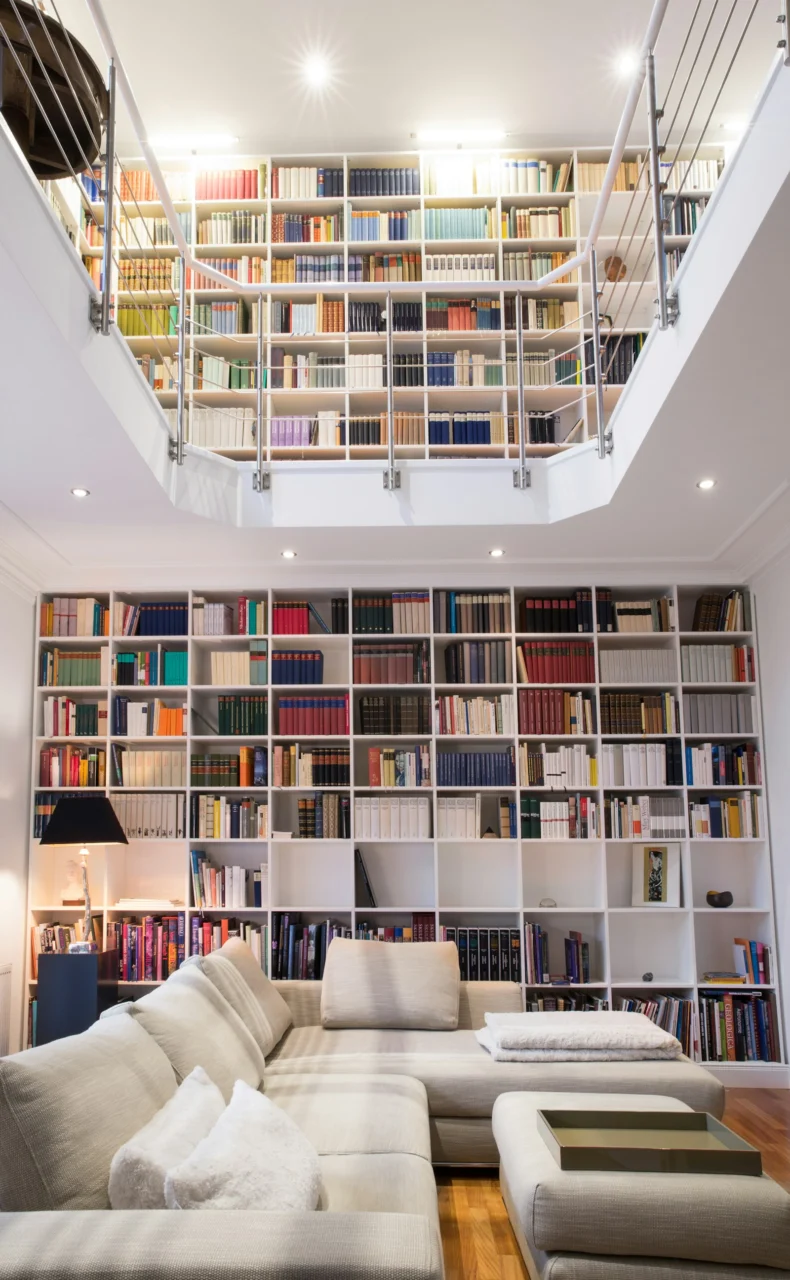
An ottoman large enough to serve as an extra seat or footrest can also function as a storage bin when its top lifts away. Choose a fabric in a muted hue—perhaps a soft greige or muted teal—to blend with surrounding cushions. Inside, the space can hold extra throws, magazines, or a small collection of candles. Because the ottoman is mobile, you can reposition it to suit conversation zones or to create a temporary lounge area. A practical consideration is that the lid must be sturdy enough to support occasional sitting; a flimsy cover can dent or warp, so a reinforced frame is advisable.
7. Mount a slim media console with hidden drawers
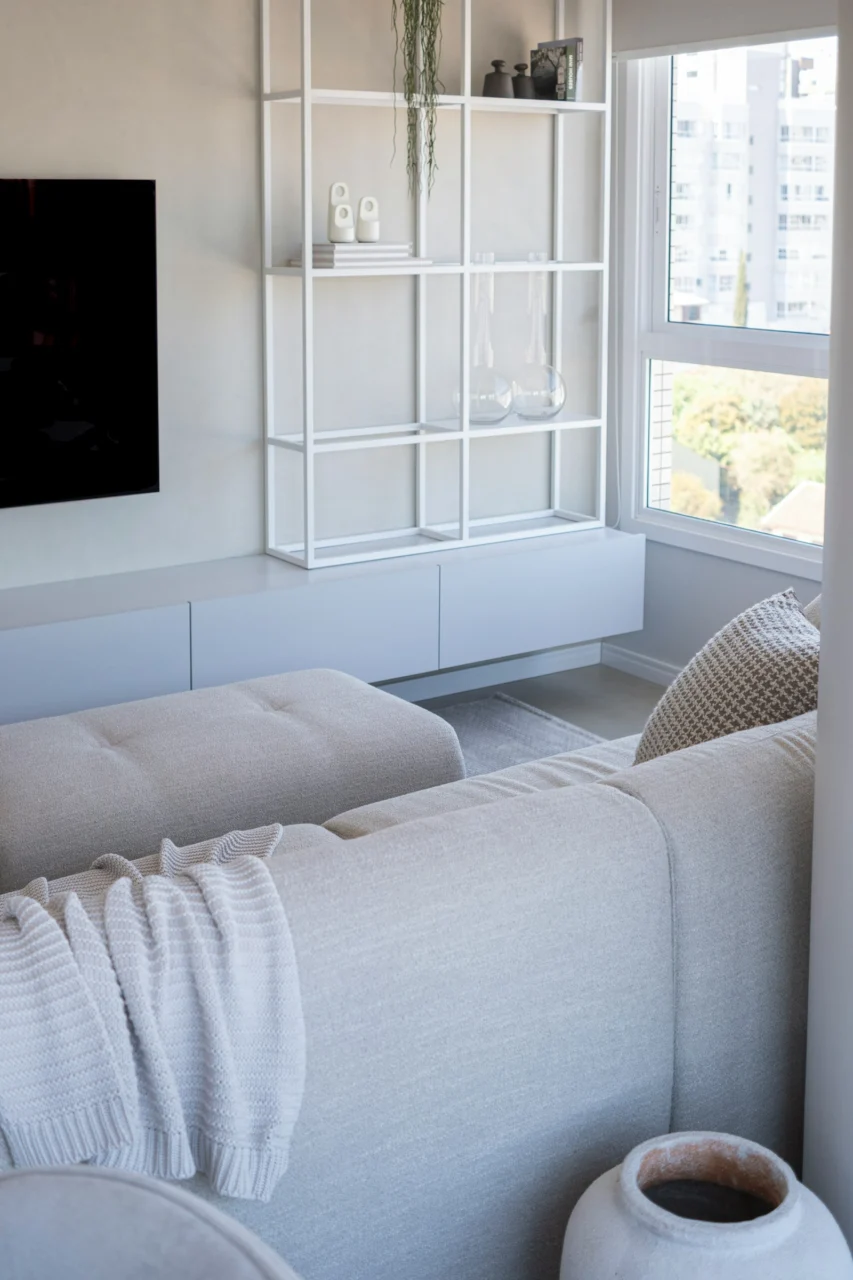
Media consoles often dominate a living‑room wall, but a low‑profile unit with concealed drawers can keep electronics tidy while preserving a clean silhouette. Select a piece finished in brushed walnut or matte black, with front panels that appear solid but slide open to reveal cable management trays and small accessories. The shallow depth ensures the console does not protrude into the seating area, maintaining an open floor plan. This design works well when you prefer a minimalist aesthetic and want to hide cords and remote batteries. The trade‑off is that the drawers are typically narrow, limiting the size of objects that can be stored; larger gaming consoles or decorative books may need a separate solution.
FAQ
How can I keep hidden storage looking tidy over time?
Regularly declutter the concealed areas and wipe down surfaces to prevent dust buildup. Using matching hardware or finishes helps the storage blend with the room’s overall look.
Are there budget‑friendly options for these ideas?
Yes; many concepts can be achieved with DIY modifications, such as adding a hinged panel to an existing bookshelf or repurposing a sturdy coffee table with a simple lift‑top mechanism.
What materials are best for durability in hidden storage?
Hardwoods like oak or maple, as well as metal frames with powder‑coat finishes, tend to resist wear and support the weight of everyday items without warping.
Can I incorporate these ideas in a small apartment?
Absolutely; floating shelves, decorative baskets, and ottomans provide storage without sacrificing floor space, making them suitable for compact living rooms.
Do these storage solutions affect room acoustics?
Soft fabrics and woven baskets can absorb some sound, reducing echo, while solid wood or metal pieces may reflect it. Balancing soft and hard surfaces helps maintain a comfortable acoustic environment.
Final Thoughts
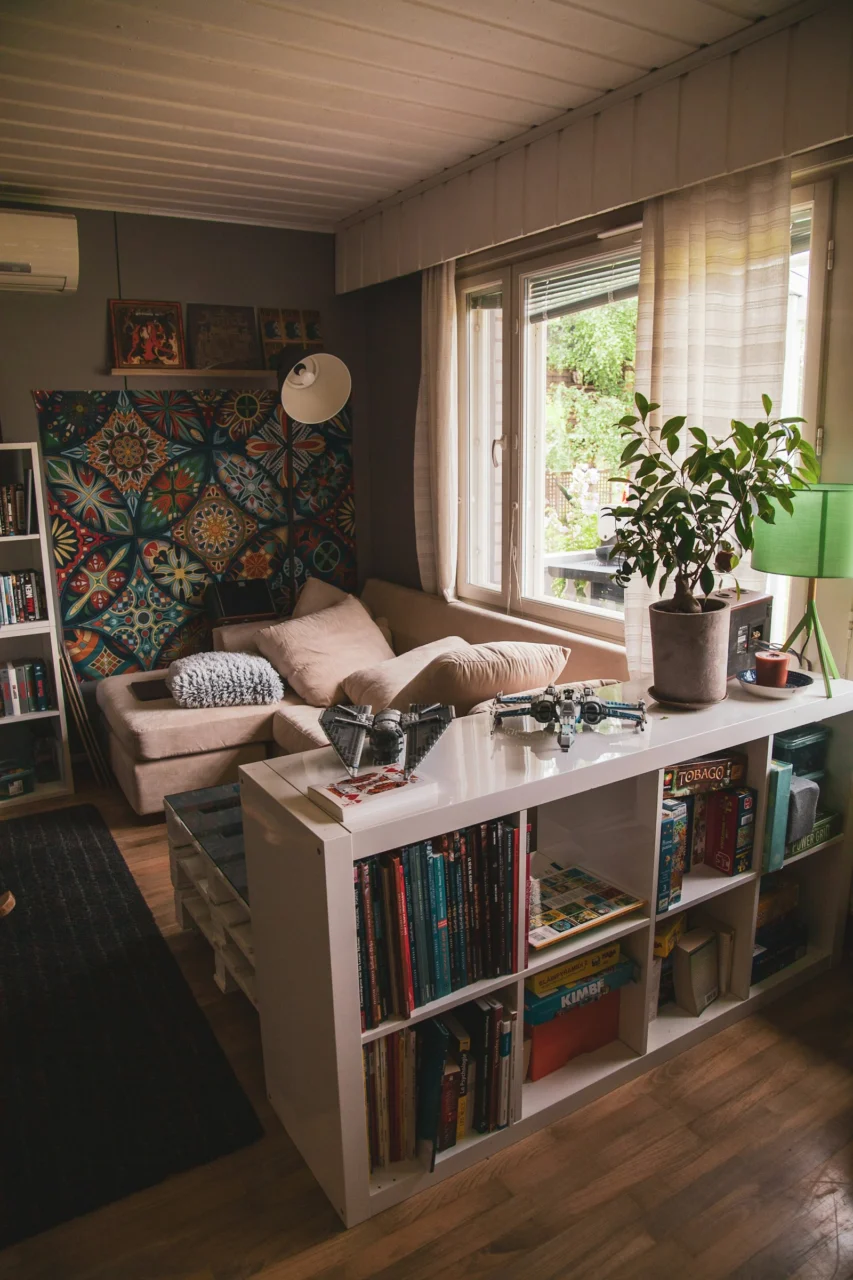
Integrating storage into a living room without making it look like a storage room is a matter of choosing pieces that serve both function and design. By treating cabinets as artwork, turning seating into hidden compartments, and using everyday objects as decorative elements, you can keep the space organized while preserving its inviting atmosphere. Consider the size of the room, the types of items you need to store, and the maintenance each solution requires. With thoughtful selection, the living room can remain a place for gathering, relaxing, and displaying the style you love—without the visual clutter that often accompanies storage.
One Comment