
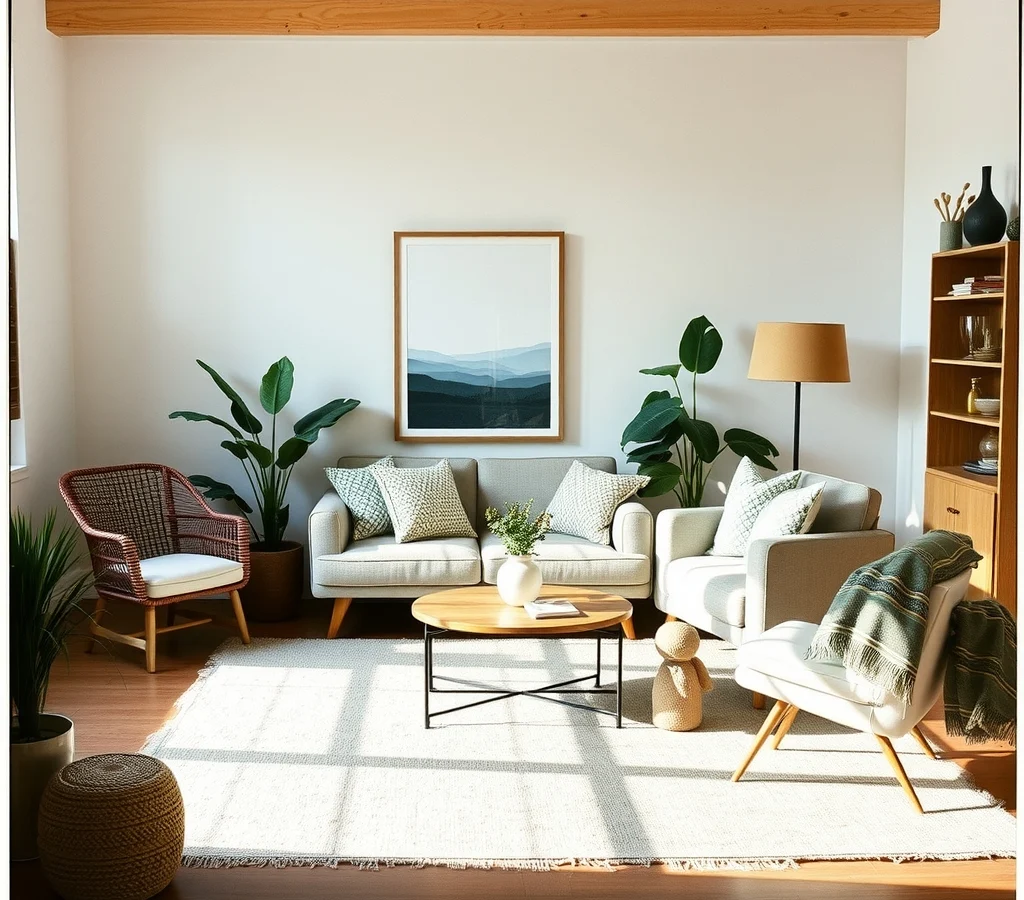
Easy Seasonal Decor Swaps That Refresh Your Home All Year
Every season brings a subtle shift in light, temperature, and mood, and a few thoughtful changes can make your living space feel like a fresh canvas without a major renovation. The trick is to focus on elements that are easy to replace, inexpensive to update, and simple enough to switch out as the calendar turns. Below are seven ideas that let you move from the crisp whites of winter to the sun‑kissed tones of summer with minimal effort, while keeping comfort and practicality front and center.
1. Rotate Textiles for a Seasonal Palette
© 2026 AI Illustrator — Inspiration Only
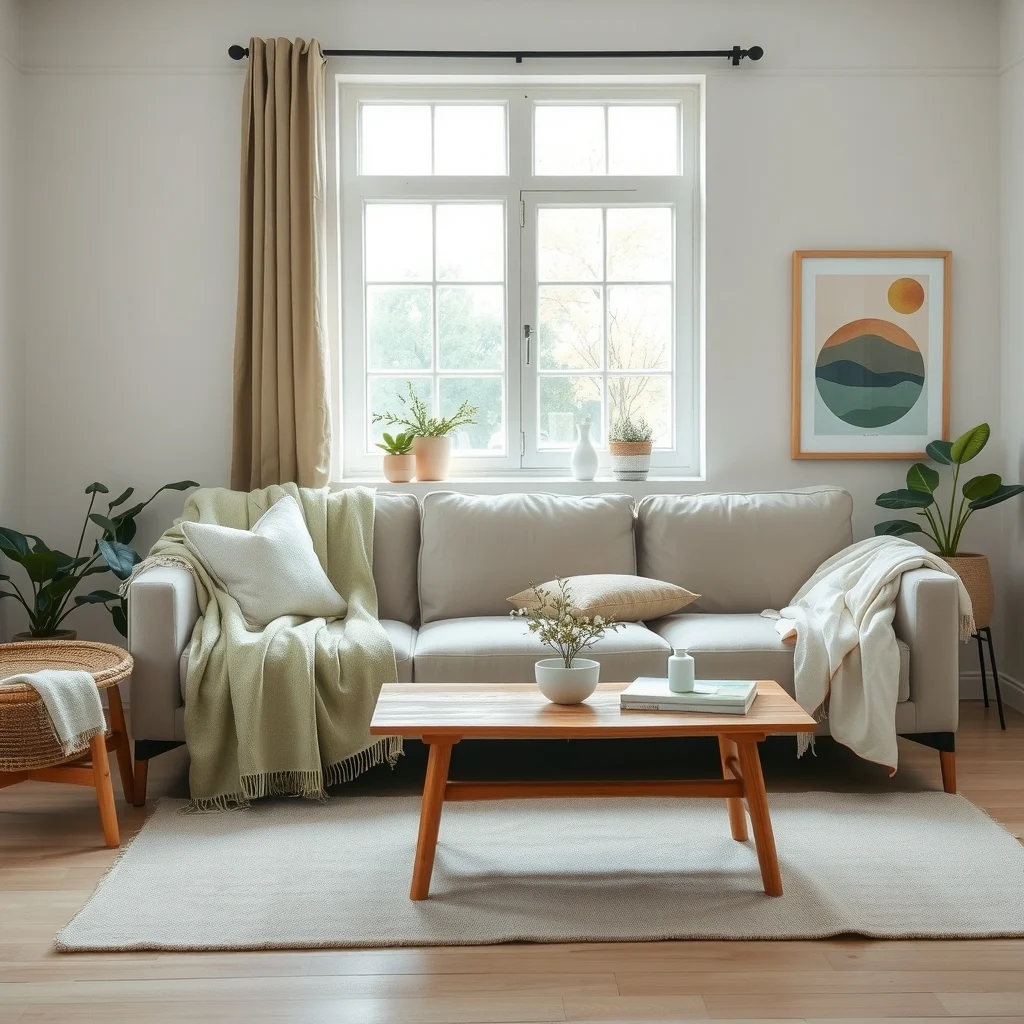
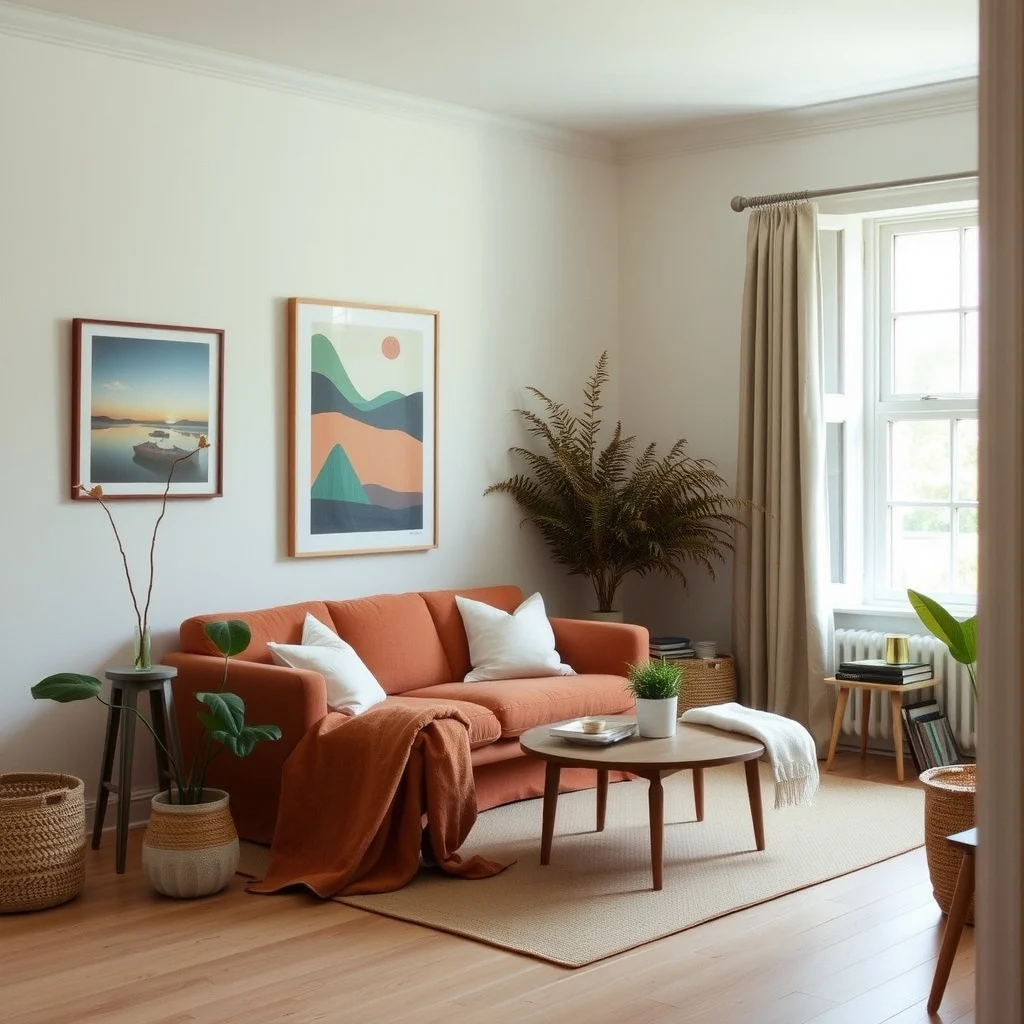
Soft furnishings are the quickest way to inject a new color story into a room. In spring, replace heavy wool blankets with lightweight linen throws in soft sage or pale blush; the airy material catches the longer daylight and feels cool against the skin. As autumn arrives, swap those same throws for chunky boucle or knitted fabrics in deep terracotta and muted mustard, which add warmth both visually and tactilely. The change works because textiles interact directly with light and the human sense of touch, creating an immediate impression of seasonal transition. When you choose fabrics, consider durability—cotton blends stand up to frequent washing, while silk accents are better suited for occasional decorative use. Storing off‑season pieces in breathable fabric bags helps preserve texture and color, ensuring the next swap feels as fresh as the first.
Which Home Style Fits Your Space?
Answer 5 quick questions to find your perfect interior style and inspiration.
2. Refresh Window Treatments to Match the Light
© 2026 AI Illustrator — Inspiration Only
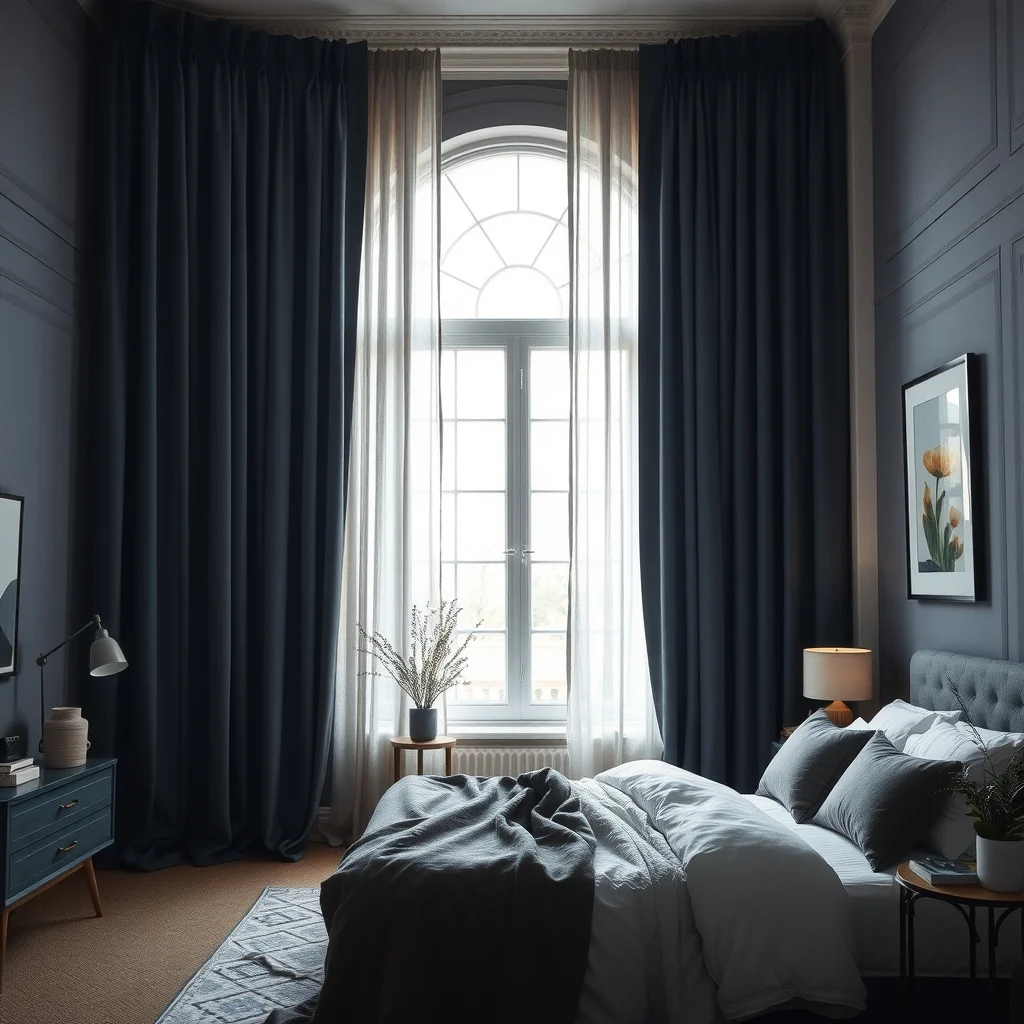
Window dressings control the quality of natural light, and altering them can dramatically shift a room’s atmosphere. During the colder months, heavier curtains in muted gray or navy absorb the limited daylight, creating a cocoon‑like ambience that feels intentional rather than gloomy. When summer arrives, pull those curtains aside and replace them with sheer panels in ivory or pale sky blue; the diffused light softens shadows and makes the space feel more expansive. The benefit of this approach lies in its dual function—curtains provide privacy and insulation when needed, then become a decorative element that frames the view. Choose fabrics with a modest thread count for easy cleaning, and be mindful of hardware; a simple rod swap can accommodate both heavier and lighter fabrics without additional installation.
3. Switch Out Decorative Objects with Seasonal Themes
© 2026 AI Illustrator — Inspiration Only
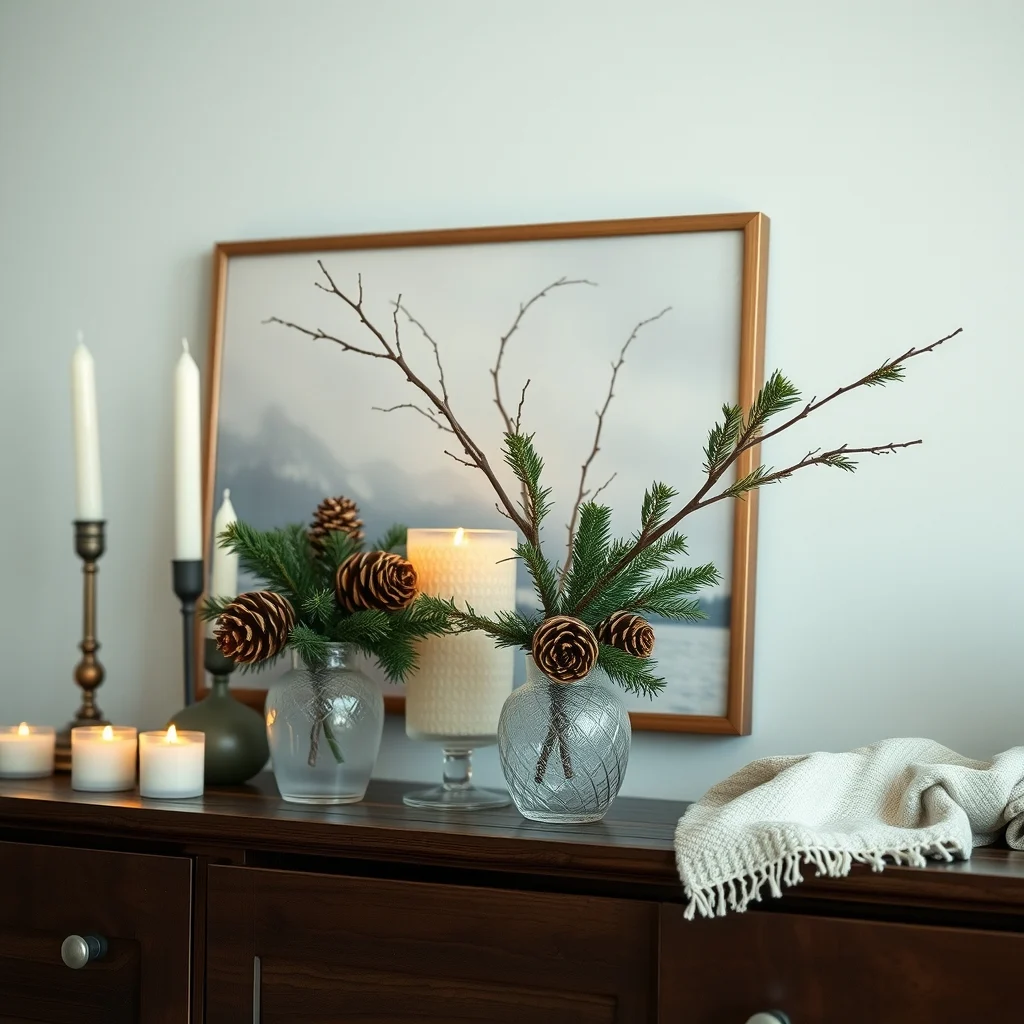
Small accessories such as vases, candle holders, and tabletop sculptures have a surprisingly strong visual impact. In winter, a cluster of frosted glass vases filled with pine cones or evergreen branches echoes the season’s natural palette and adds a subtle scent that enhances comfort. For spring, replace those pieces with clear ceramic vessels holding fresh-cut tulips or a handful of river stones, allowing the room to breathe with brighter tones. The key to success is to keep the overall number of objects consistent, so the space feels balanced regardless of the items displayed. When selecting pieces, consider material durability—ceramic and metal withstand handling better than delicate glass, and they can be stored safely in a dedicated shelf or cabinet when not in use.
4. Adjust Lighting Layers to Reflect Seasonal Mood
© 2026 AI Illustrator — Inspiration Only
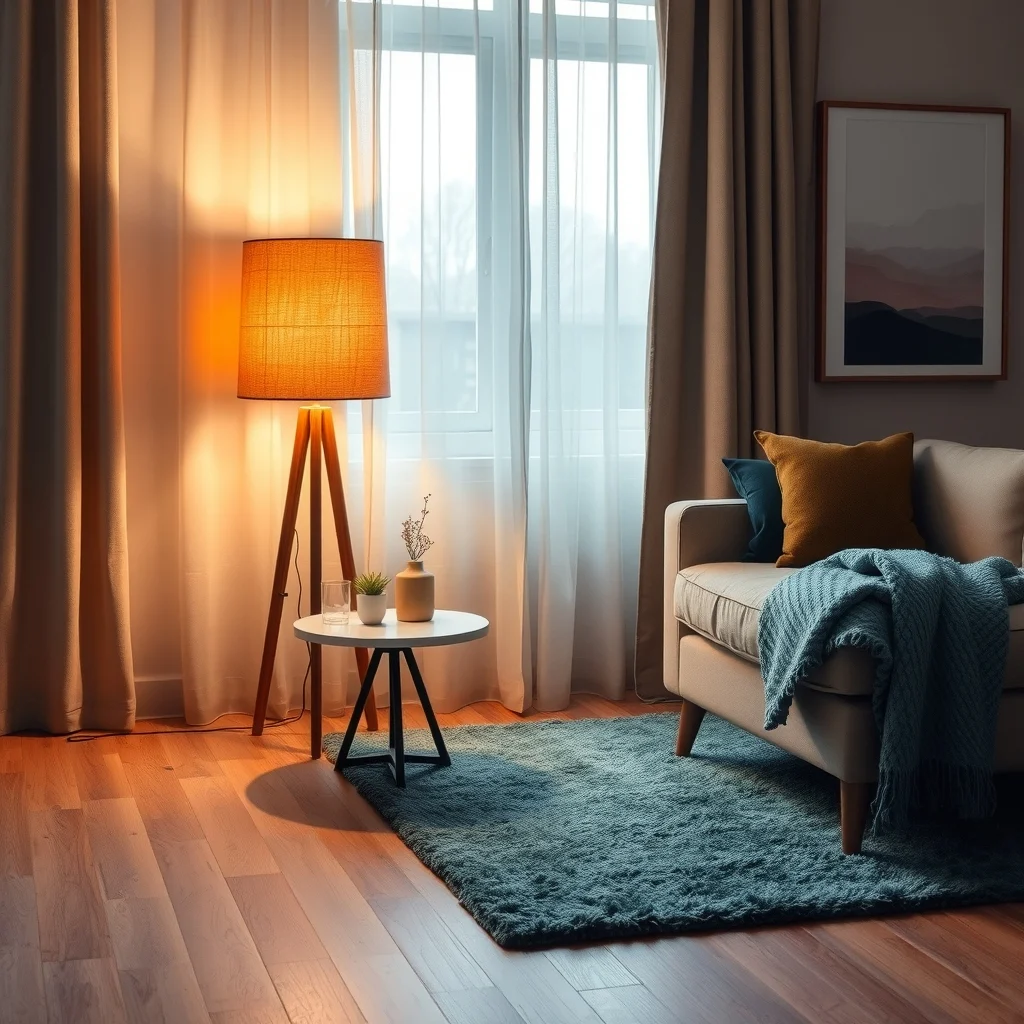
Lighting is often overlooked when people think about seasonal updates, yet the intensity and color temperature of illumination shape perception. In the darker months, add a warm‑toned floor lamp with a fabric shade near a reading nook; the amber glow mimics the low sun and encourages a relaxed atmosphere. As days lengthen, introduce a cooler, daylight‑balanced table lamp on a sideboard, which highlights the brighter colors of spring décor and reduces eye strain. Layering these light sources means you can keep the main overhead fixture unchanged while simply toggling supplemental lamps to suit the season. Opt for LED bulbs with adjustable color temperature when possible, and remember to clean lamp shades regularly to maintain optimal light diffusion.
5. Reconfigure Small Furniture Arrangements for Flow
© 2026 AI Illustrator — Inspiration Only
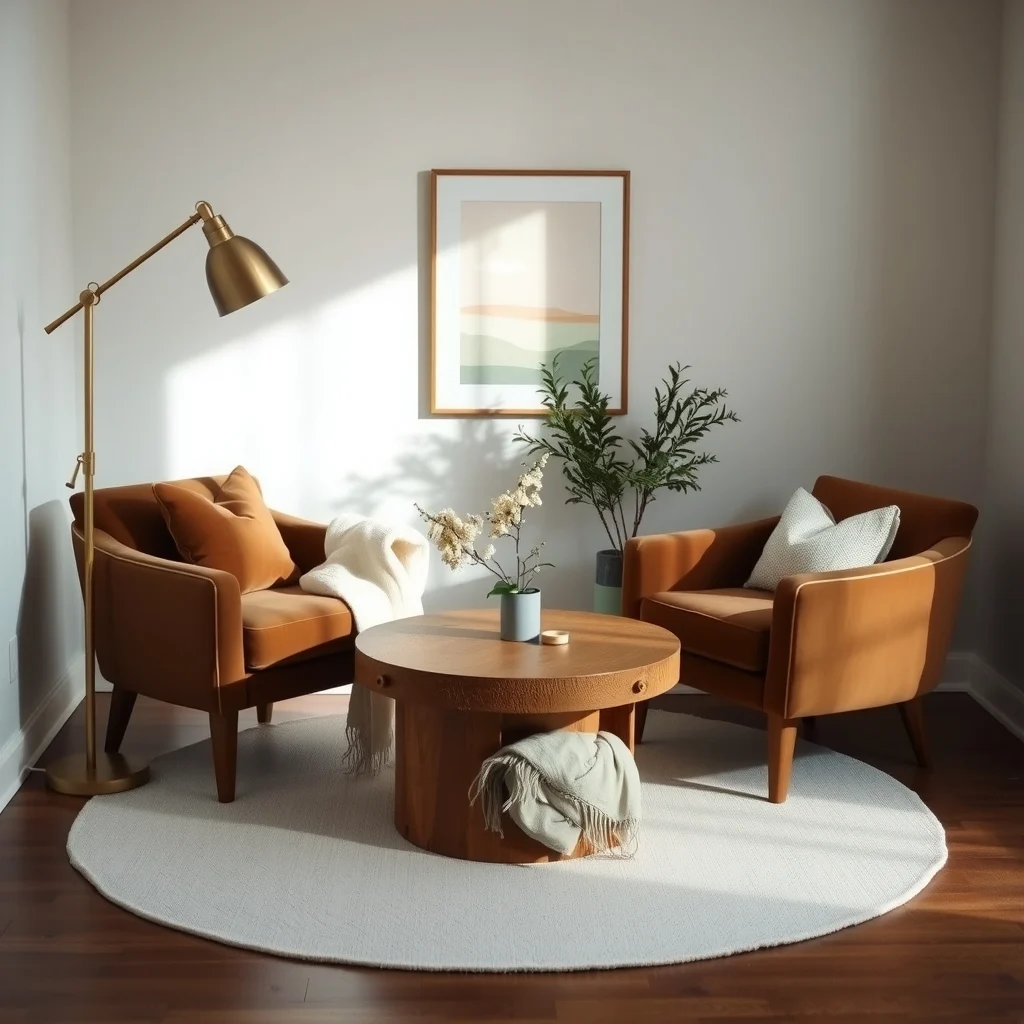
Even modest changes in layout can make a room feel newly organized. During winter, arranging a pair of accent chairs around a low coffee table creates an intimate conversation zone that feels snug against the chill outside. When summer arrives, slide those chairs toward a window and replace the coffee table with a light‑colored ottoman or a tray for casual drinks, opening the space for breezy movement. The rationale behind this shift is that furniture placement influences traffic patterns and the perceived size of an area; a more open arrangement invites natural ventilation and a sense of spaciousness. Keep the pieces you move on felt pads to protect flooring, and ensure that any rearrangement still allows clear pathways to exits and functional zones like the kitchen or hallway.
6. Incorporate Seasonal Greenery and Natural Elements
© 2026 AI Illustrator — Inspiration Only
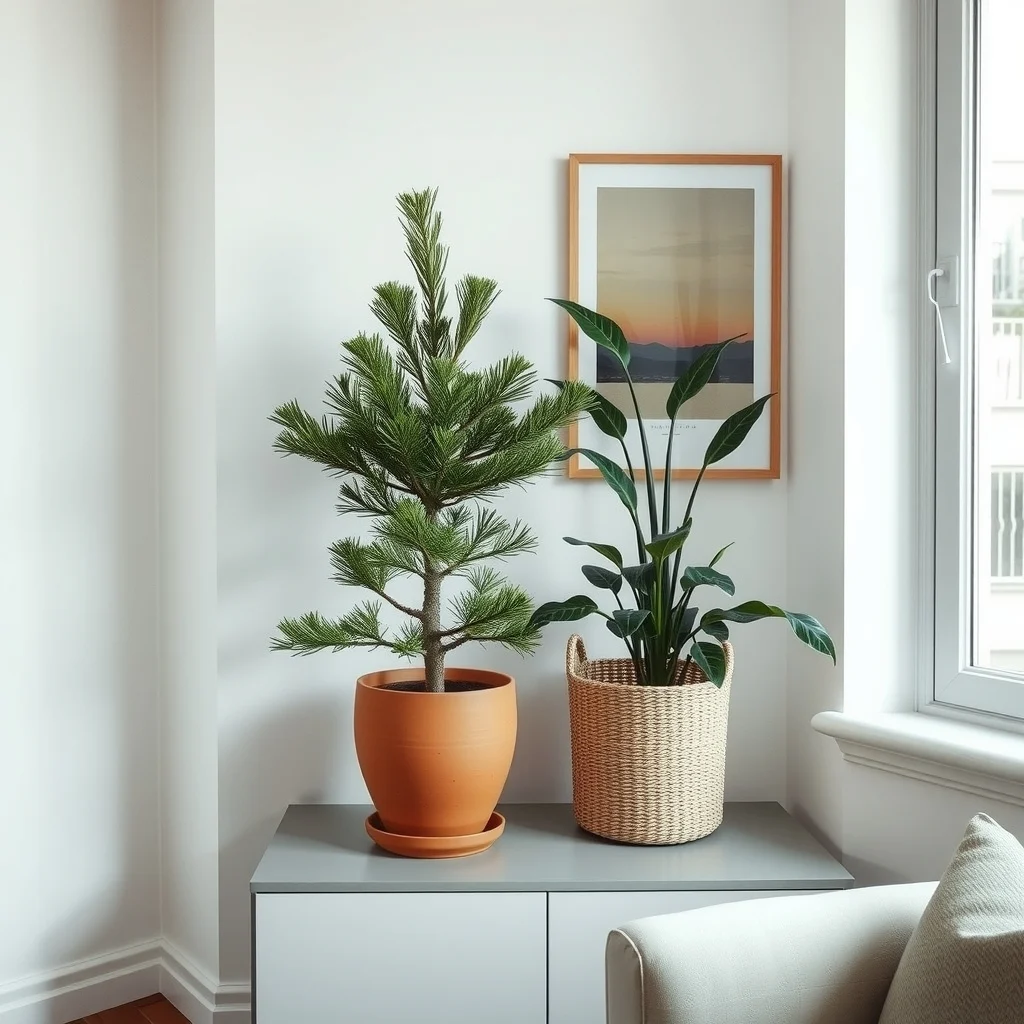
Plants and branches provide texture and a living connection to the outdoors, which evolves naturally through the year. In the heart of winter, a potted Norfolk Island pine or a sturdy ZZ plant adds a splash of deep green that stands out against muted interiors. Transition to spring by swapping those for seasonal blooms such as hyacinths, daffodils, or a small herb garden on the windowsill; the fresh colors and gentle fragrance lift the overall mood. When choosing greenery, think about light requirements—low‑light tolerant species thrive in winter corners, while sun‑loving herbs need a bright spot in summer. Regularly rotate pots to prevent one side from becoming overly shaded, and use a lightweight saucer to catch excess water, protecting wood floors from moisture damage.
7. Update Wall Art and Soft Accents with Color Shifts
© 2026 AI Illustrator — Inspiration Only
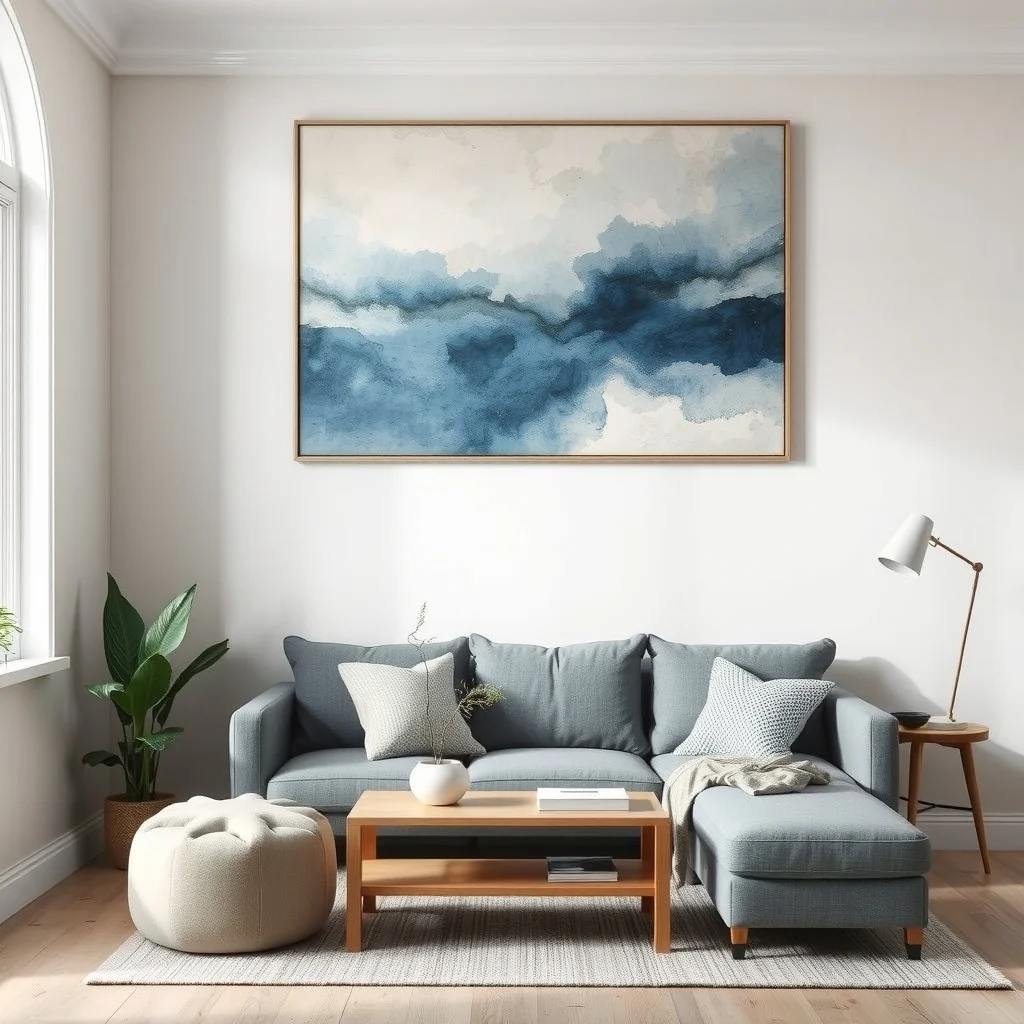
Artwork and wall hangings act as focal points that can be easily refreshed. A large abstract print in cool blues and grays works well during the colder season, reinforcing a calm, introspective vibe. As the calendar flips to summer, replace that piece with a canvas featuring warm ochre, coral, or sun‑kissed landscapes; the change instantly lifts the room’s energy. If you prefer to keep the same frames, simply switch the artwork inside, which reduces cost while delivering a fresh look. When selecting new pieces, consider the scale relative to the wall—larger rooms benefit from oversized prints, while smaller spaces feel balanced with medium‑sized works. Ensure any hanging hardware is securely anchored, especially if the artwork is heavier, to avoid accidents during the swap.
FAQ
© 2026 AI Illustrator — Inspiration Only
How often should I change my seasonal décor?
Changing décor at the start of each season—four times a year—keeps the space aligned with natural light shifts and temperature changes, while also preventing wear from frequent handling.
Can I use the same items for multiple seasons?
Yes, many pieces can be repurposed with a simple color or material swap; for example, a neutral vase works with both winter pine cones and spring flowers, extending its usefulness.
What’s the best way to store off‑season textiles?
Store them in breathable fabric bags or clear plastic containers with ventilation holes, and keep them in a cool, dry closet to avoid mildew and preserve color.
Is it necessary to hire a professional for lighting changes?
For simple lamp swaps or adding plug‑in floor lamps, no professional help is needed; however, if you plan to replace overhead fixtures or add new wiring, a qualified electrician should be consulted.
Which Living Room Color Palette Fits You Best?
Discover the palette that reflects your style — take our free quick quiz and get instant decor inspiration!
Take the Quiz NowHow can I keep seasonal décor looking fresh without breaking my budget?
Focus on low‑cost items such as throw pillows, candles, and small accessories that can be purchased at discount retailers, and invest in a few higher‑quality pieces that you’ll reuse each year.
Final Thoughts
© 2026 AI Illustrator — Inspiration Only
Seasonal decor swaps are less about overhauling a home and more about thoughtful adjustments that respond to the changing world outside your windows. By rotating textiles, updating window treatments, swapping accessories, playing with lighting, re‑imagining furniture flow, adding living elements, and refreshing wall art, you can give each room a renewed sense of purpose and comfort. The process respects both aesthetic desires and practical constraints, ensuring that your home feels continually inviting without demanding a massive time or financial commitment.