
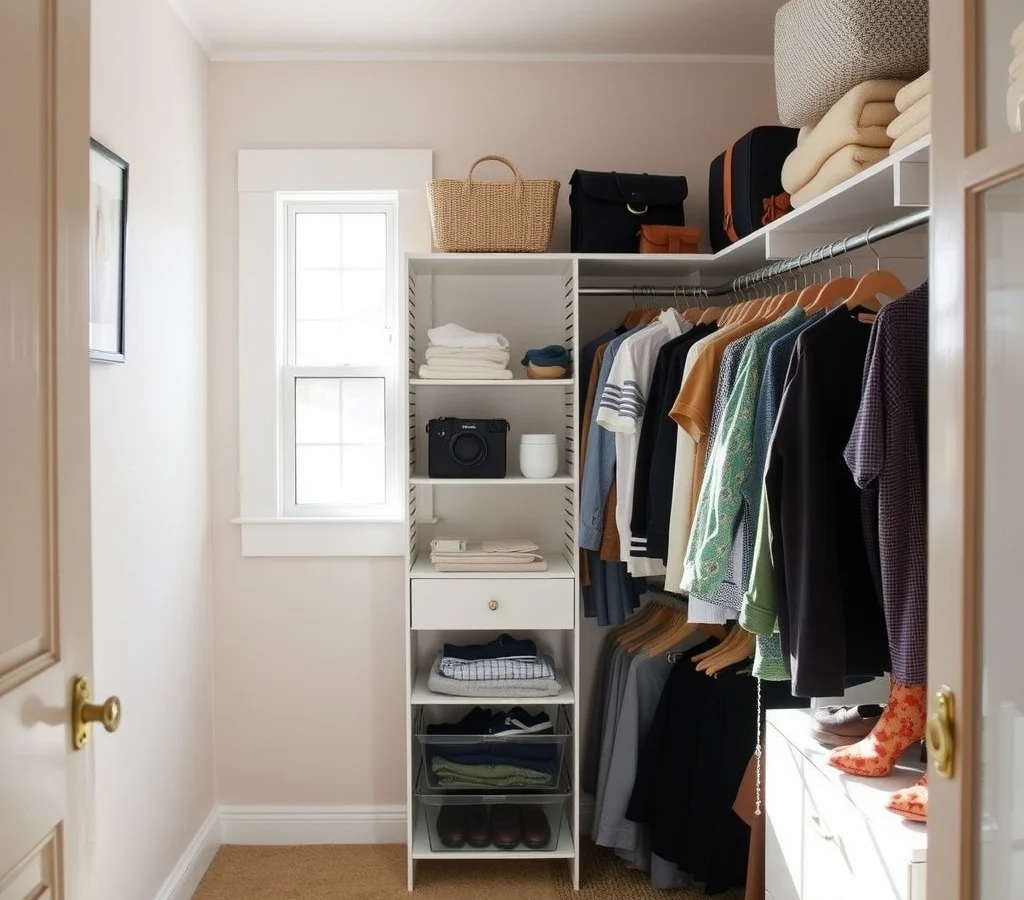
Small Closet Organization Ideas That Make Room for More Clothes
When a closet feels like a cramped hallway rather than a quiet retreat, it’s easy to lose patience with every half‑filled hanger and crumpled sweater. The good news is that a few thoughtful adjustments can turn a tight space into a functional wardrobe hub without the need for a costly remodel. Below are seven ideas that let you keep more of what you love while preserving the calm aesthetic of a well‑styled home.
1. Install a Double‑Rod System with Adjustable Heights
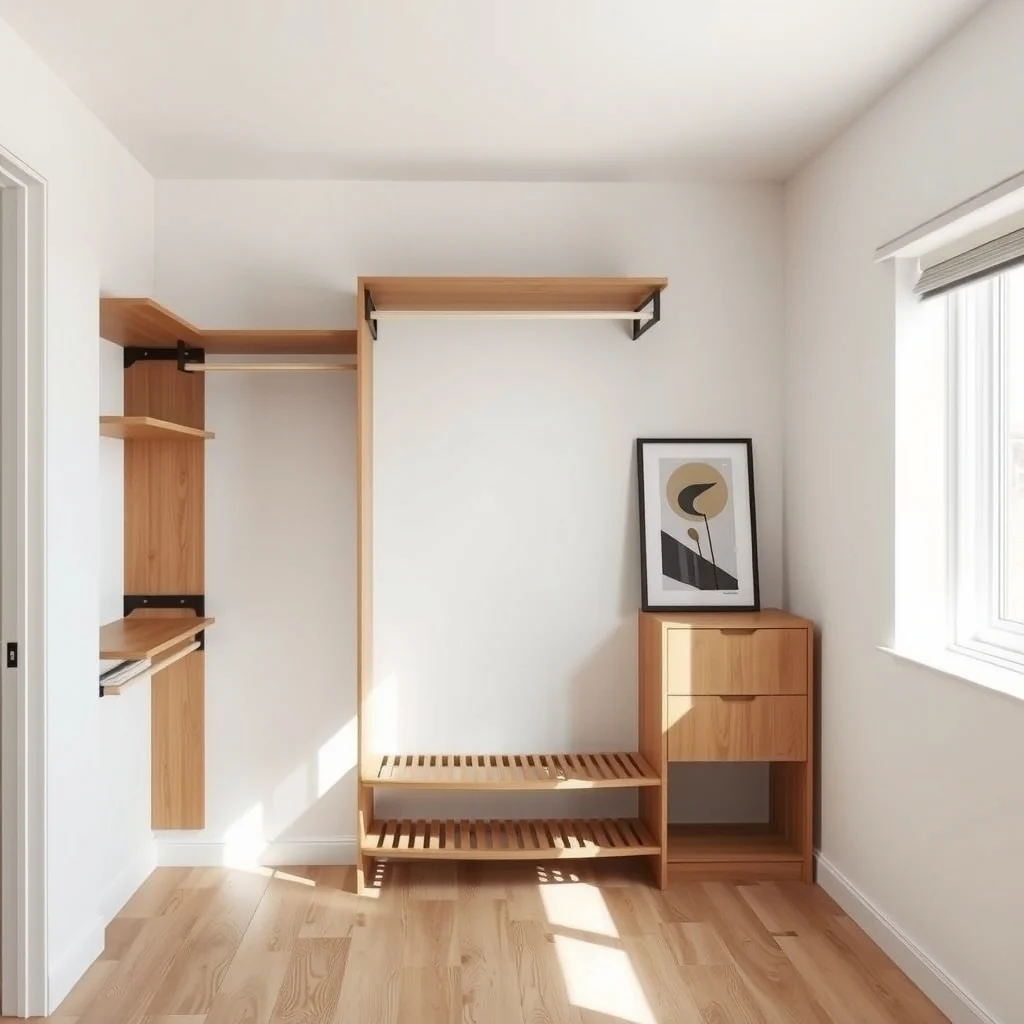
Most small closets have a single hanging rod that forces you to choose between shirts and pants, leaving the other category squeezed into a drawer or folded on the floor. By adding a second rod, you instantly double the vertical hanging capacity. The key is to position the upper rod just high enough for longer garments—coats, dresses, or trousers—while the lower rod sits low enough for shirts and blouses without them dragging. Brushed nickel brackets blend with most hardware finishes, and the adjustable nature means you can raise or lower each rod as your wardrobe evolves. A potential drawback is the need for a sturdy wall anchor; if the closet walls are drywall only, a stud finder will help you locate a secure spot. Once installed, you’ll notice a clear visual separation that makes selecting an outfit feel less like a treasure hunt.
2. Use Clear Acrylic Shelf Dividers for Stacked Items
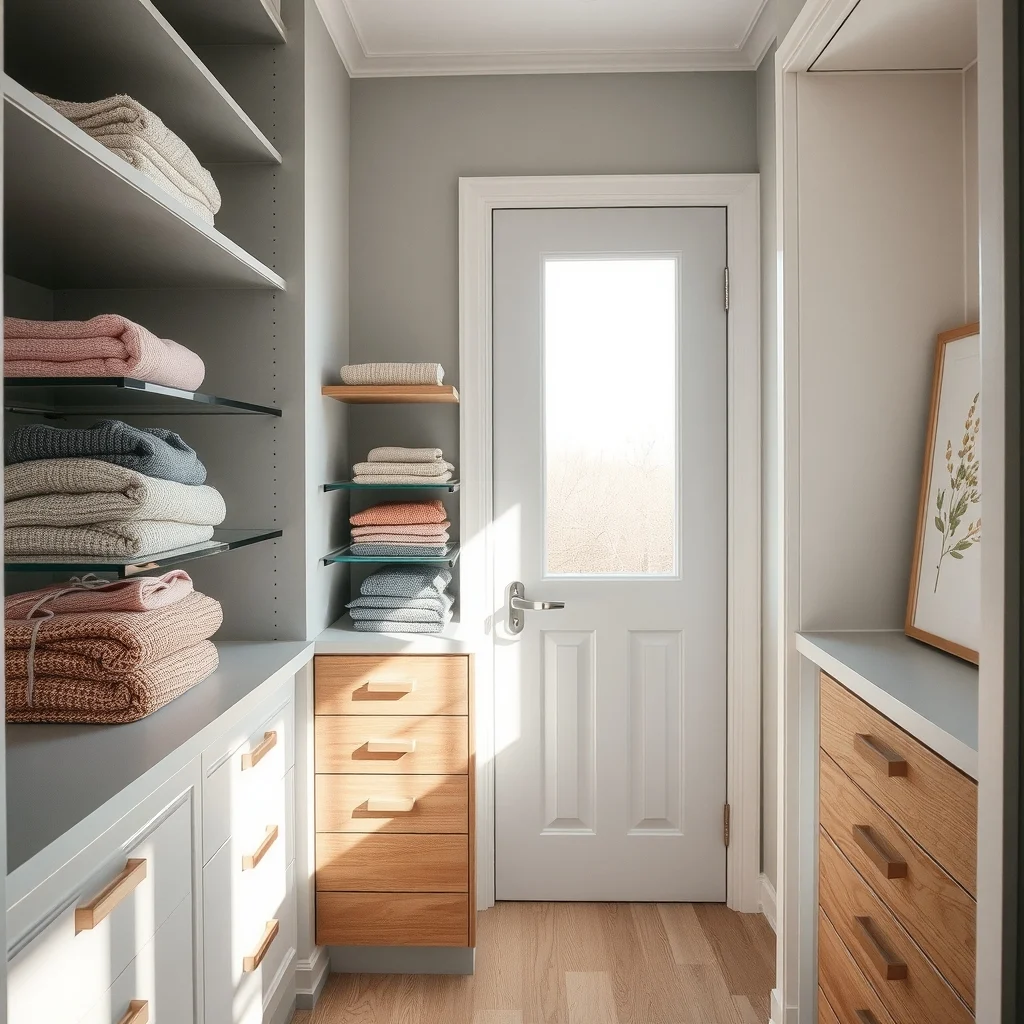
Stacks of sweaters or denim can become a chaotic mound if they’re simply piled on a shelf. Clear acrylic dividers act as invisible walls that keep each stack upright and separate, allowing you to see the top of each garment without pulling everything apart. The material reflects light, which brightens the interior and makes the space feel larger. Because the dividers are thin, they don’t eat up precious shelf depth, a crucial factor in a closet that may be only eight inches deep. One consideration is that acrylic can show fingerprints; a quick wipe with a microfiber cloth keeps them looking pristine. When you arrange your knits by color or weight, the dividers turn a potential mess into a curated display, making the act of choosing a sweater feel intentional.
3. Add a Pull‑Out Basket System for Accessories
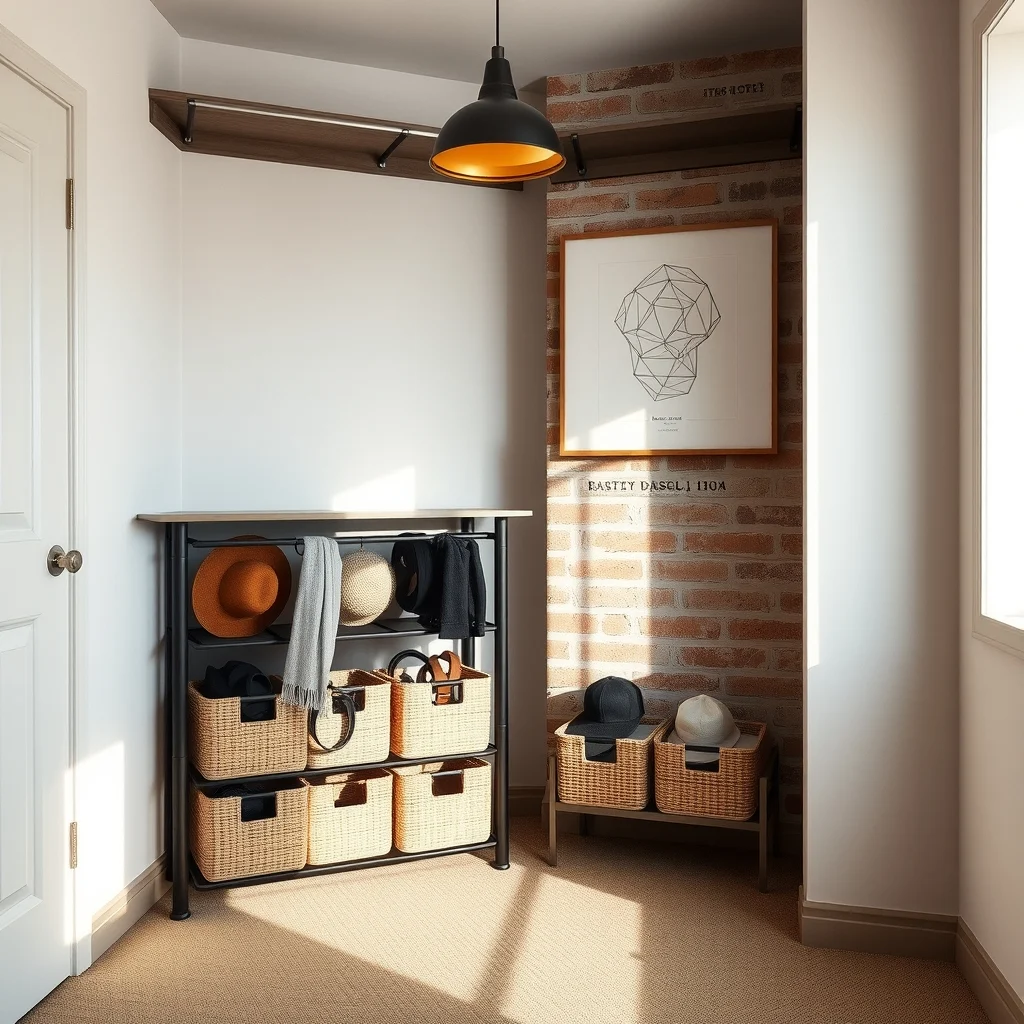
Scarves, belts, and seasonal hats often end up tossed into the back of the closet, creating a hidden black hole of clutter. A set of pull‑out baskets, mounted on low‑profile rails, slides out like a drawer but offers the flexibility of a basket’s open design. Choose woven seagrass or matte metal baskets that complement the existing décor; the natural texture adds warmth, while the metal finish can echo closet hardware. The baskets stay level when pulled, preventing items from spilling onto the floor. The main trade‑off is the slight reduction in floor space, so they work best in closets where the floor isn’t already occupied by a shoe rack. By corraling accessories into dedicated containers, you free up hanging space for clothing and instantly see what you have, reducing the impulse to buy duplicates.
4. Incorporate a Fold‑Down Valet Rod for Daily Outfits
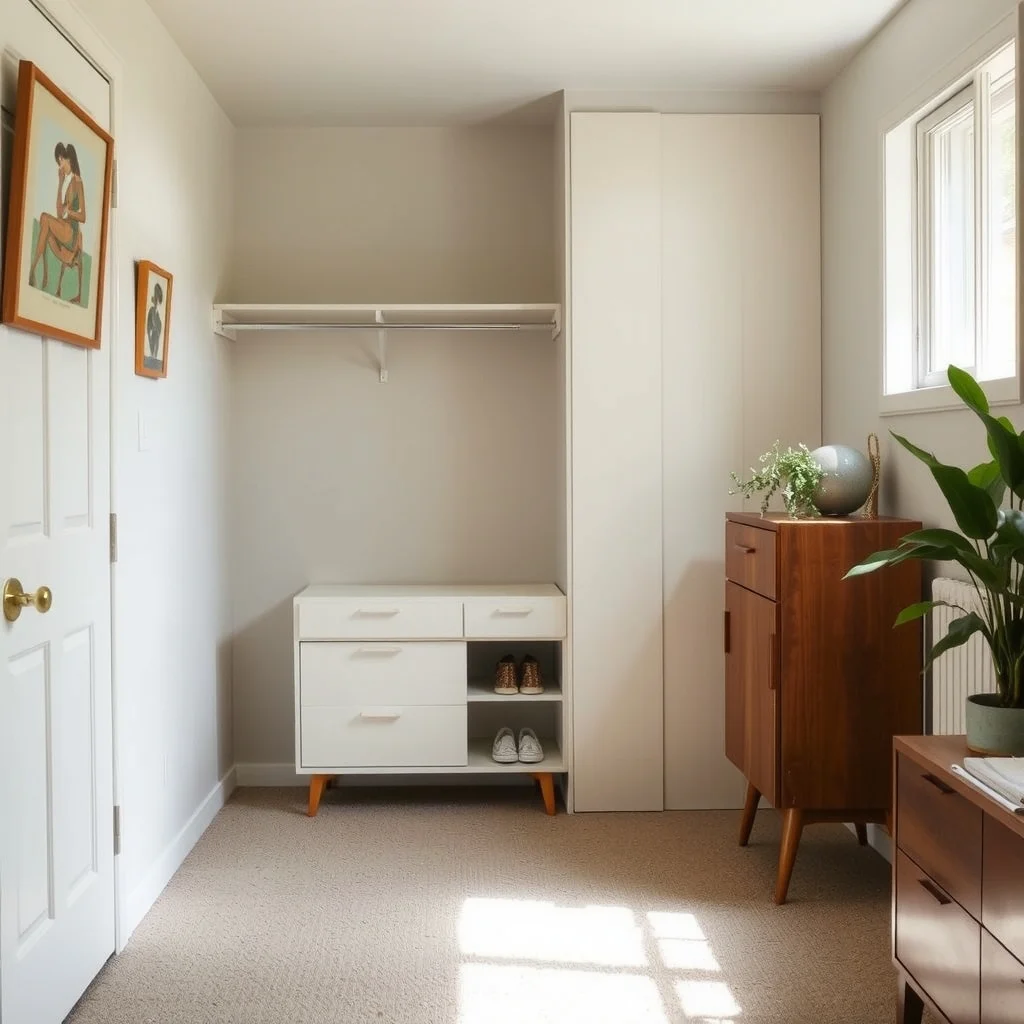
Many people keep a “go‑to” outfit ready for busy mornings, but without a dedicated spot it often ends up draped over a chair or the back of a door. A fold‑down valet rod, mounted on the interior side of the closet door, provides a temporary hanging line that can be lowered when needed and tucked away when not. Choose a rod finished in oil‑rubbed bronze to match other metal accents, and ensure the hinge is sturdy enough for the weight of layered pieces. The rod is especially handy for coordinating accessories with a specific outfit, because everything stays together in one view. The only limitation is that the rod occupies a portion of the door, so a very narrow door may feel cramped. Still, the convenience of a ready‑made outfit can streamline your routine and keep the main hanging area clear for the rest of your wardrobe.
5. Replace Standard Hangers with Slim Velvet or Bamboo Options
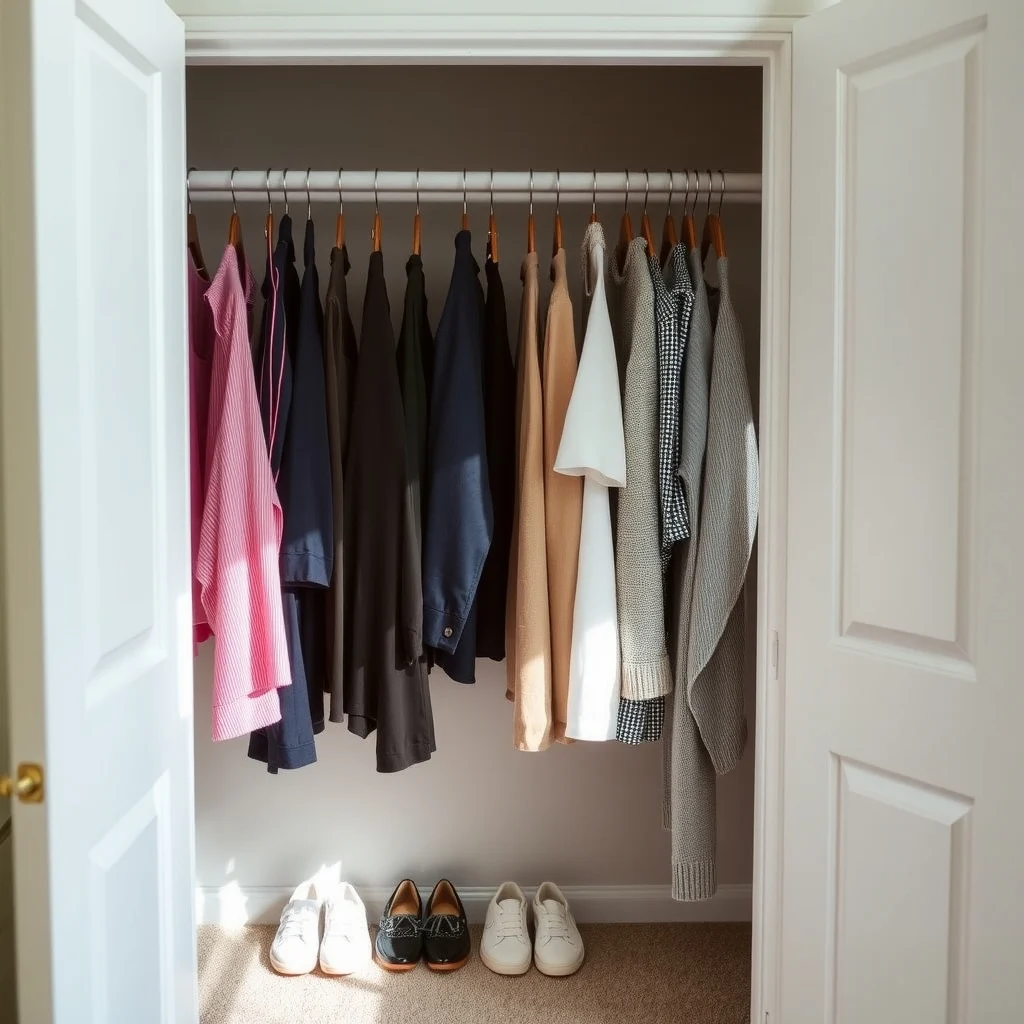
Traditional plastic or wooden hangers can add up quickly, especially when each piece of clothing has its own. Slim velvet hangers, only a few millimeters wide, nest close together, freeing up inches of horizontal space. They also have a non‑slip surface that keeps delicate fabrics from sliding off. If you prefer a more natural look, bamboo hangers offer a light, warm tone that harmonizes with a linen‑colored closet interior. Both materials are sturdy enough for coats but lighter than metal, reducing the overall weight on the rod. One thing to watch is that velvet hangers may attract lint; a quick brush keeps them looking fresh. By switching to a slimmer profile, you can often fit an extra row of garments without altering the closet’s structure.
6. Install a Back‑Panel Mirror to Expand Visual Space
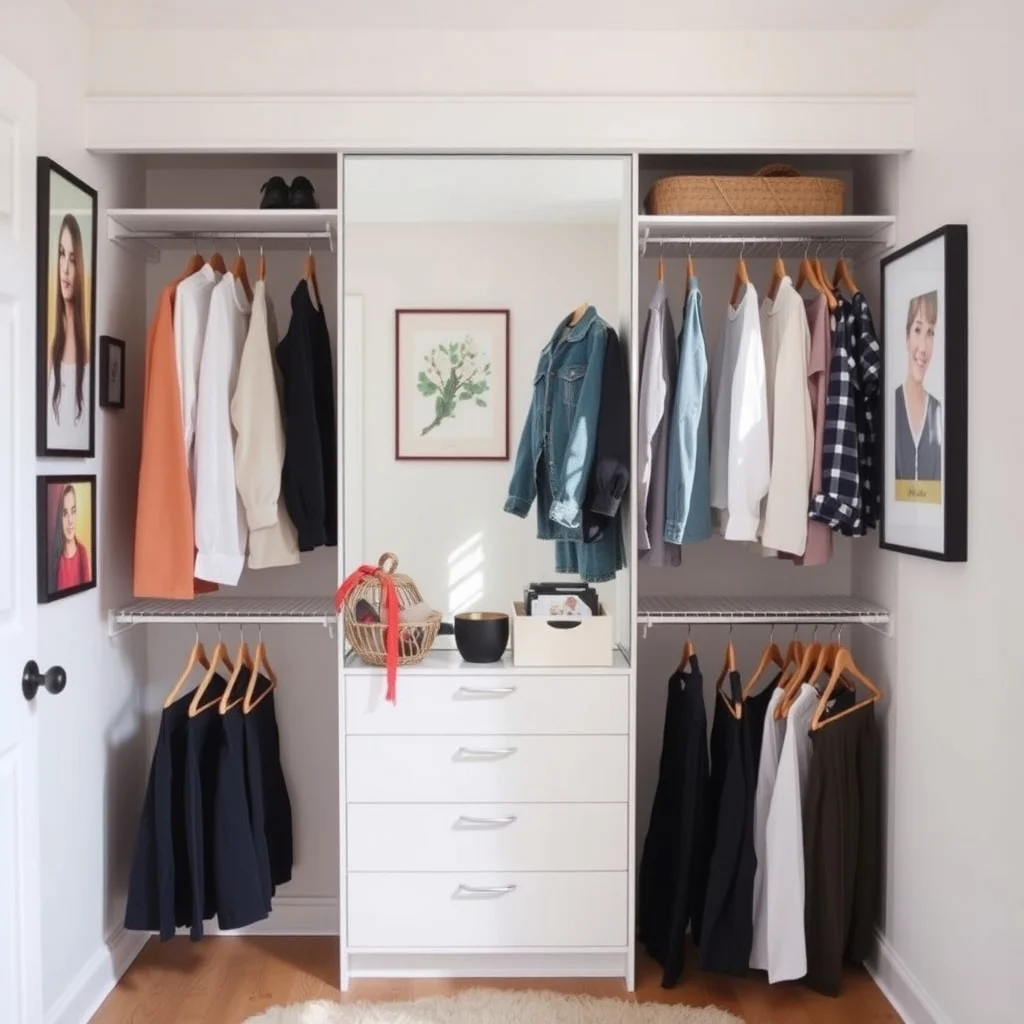
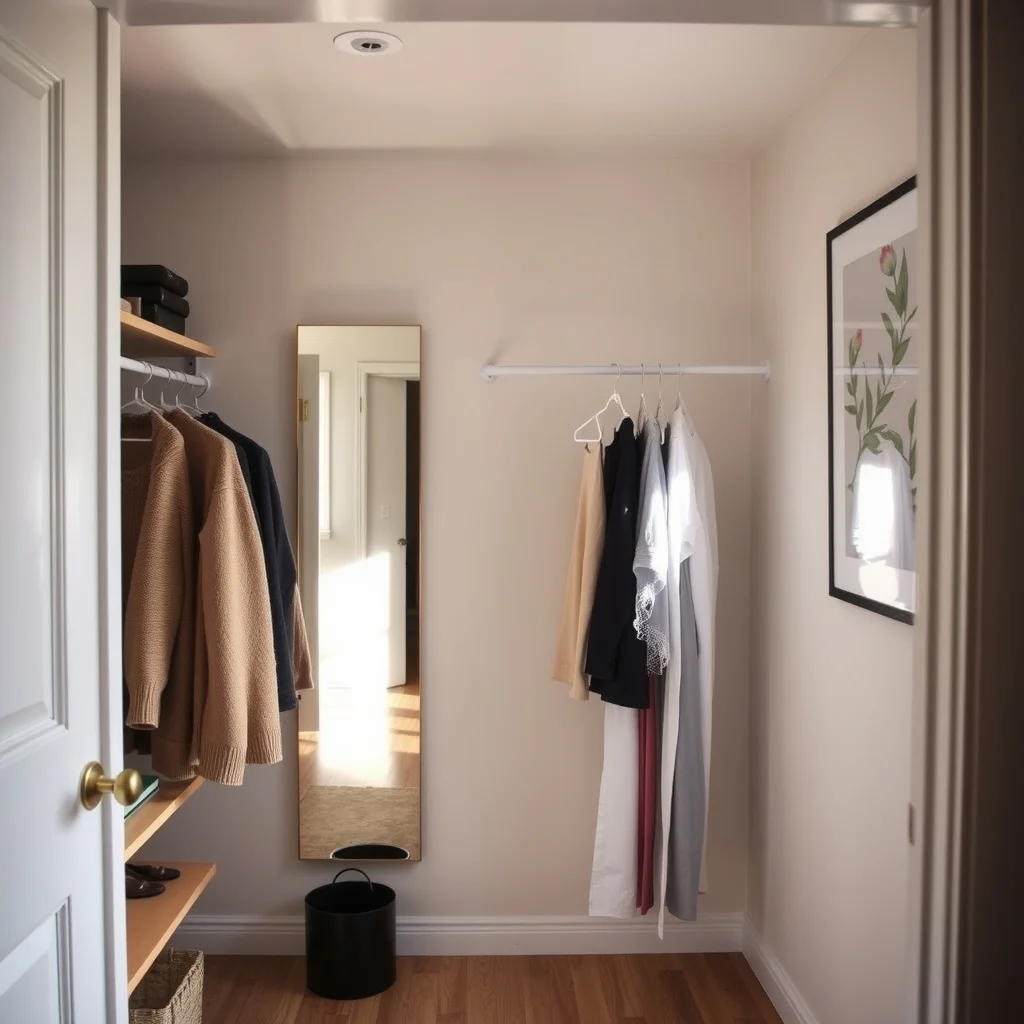
A mirror placed on the back wall of a small closet does more than help you check an outfit; it reflects light and creates an illusion of depth. Opt for a frameless mirror that runs the full height of the closet, or a simple wooden frame that echoes the tone of nearby trim. The reflective surface makes the interior feel airy, especially when paired with soft LED strip lighting along the top edge of the rod. While a mirror adds a functional benefit, it also introduces a safety consideration: the glass must be tempered and securely mounted to avoid breakage. Once installed, the mirror not only makes the space feel larger but also doubles as a quick styling station, eliminating the need to step into the bedroom for a final look.
7. Use a Tiered Pull‑Out Drawer for Seasonal Shoes
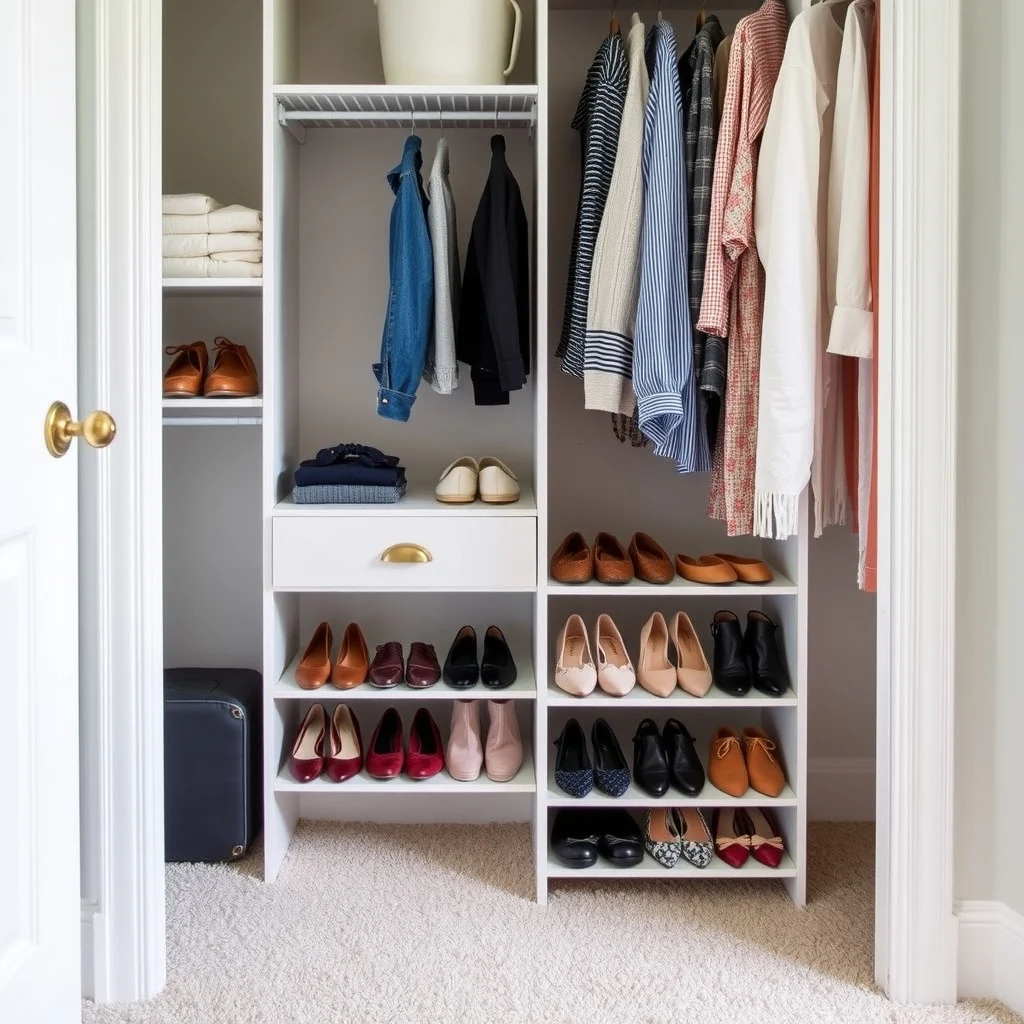
Shoes are often the culprits behind a cluttered closet floor. A narrow, tiered pull‑out drawer that slides on low‑friction runners can hold several pairs of flats, boots, or sandals in a single vertical column. Choose a drawer finished in matte white lacquer to keep the interior bright, or a warm walnut veneer that matches a wooden closet door. Because the drawer is shallow, it fits within the depth of most closets without protruding into the walkway. The main compromise is that very tall boots may still need a separate shelf, but the drawer frees up floor space for other items. By consolidating footwear, you keep the closet floor clear, which makes sweeping or vacuuming easier and reduces the risk of tripping over stray shoes.
FAQ
How can I make a small closet look brighter?
Adding a mirror to the back wall and installing LED strip lighting along the top of the hanging rod reflect light throughout the interior. The combination creates a brighter, more open feel without altering the closet’s size.
What’s the best way to store delicate fabrics?
Use padded, non‑slip hangers such as velvet or fabric‑covered wooden hangers to keep delicate items from slipping and developing creases. Pair them with a low‑dust environment by keeping the closet door closed and cleaning the interior regularly.
Can I reorganize my closet without buying new furniture?
Yes, simple adjustments like installing a second rod, adding acrylic dividers, and swapping out bulky hangers can dramatically increase capacity using the existing structure.
Is it safe to install hardware myself?
For most shelving, rods, and brackets, following the manufacturer’s instructions and using a stud finder ensures a secure mount. If you encounter electrical wiring or load‑bearing walls, it’s wise to consult a professional.
How often should I declutter my closet?
Reviewing your wardrobe each season helps you identify pieces that no longer fit or suit your style. Regularly removing unused items keeps the system functional and prevents overflow.
Final Thoughts
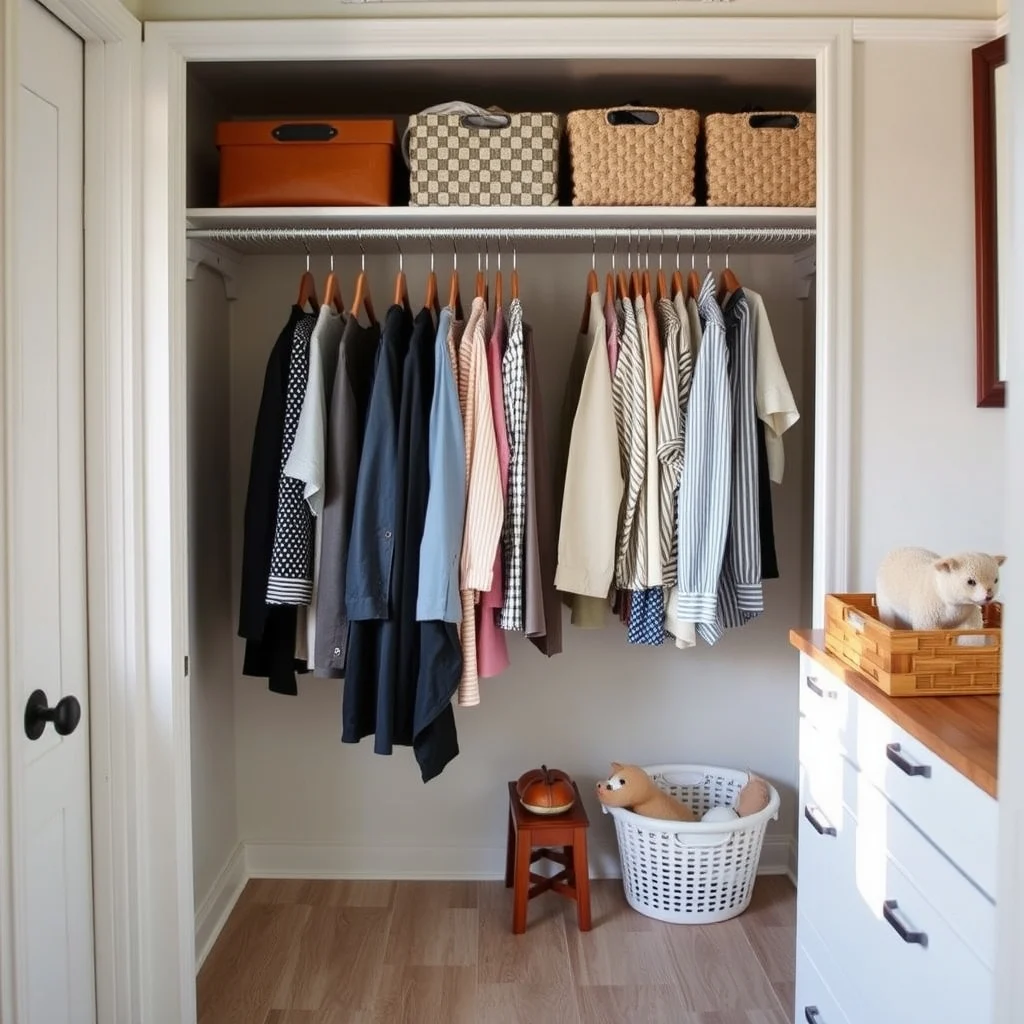
Transforming a cramped closet into a space that holds more clothes is less about expanding square footage and more about intelligent organization. By introducing a second rod, using clear dividers, adding pull‑out baskets, and choosing slimmer hangers, you create layers of storage that work together harmoniously. A mirror and thoughtful lighting finish the look, making the interior feel airy and inviting. Implementing even a few of these ideas will let you see your wardrobe in a new light, literally and figuratively, and give you the confidence that every piece has its place.
One Comment