
Every home accumulates small objects that tell a story—travel souvenirs, vintage mugs, a well‑worn cookbook, or a handful of ceramic vases. When left on countertops or tucked away in drawers, these items can feel chaotic, but placed intentionally on a trinket shelf they become a visual narrative. The challenge is to showcase the collection without overwhelming the room. Below are seven approaches that turn a simple ledge or wall niche into a curated display, each with its own mood, practical considerations, and subtle compromises. Follow the ideas to let your personal memorabilia breathe while keeping the overall look cohesive.
Shop the Look
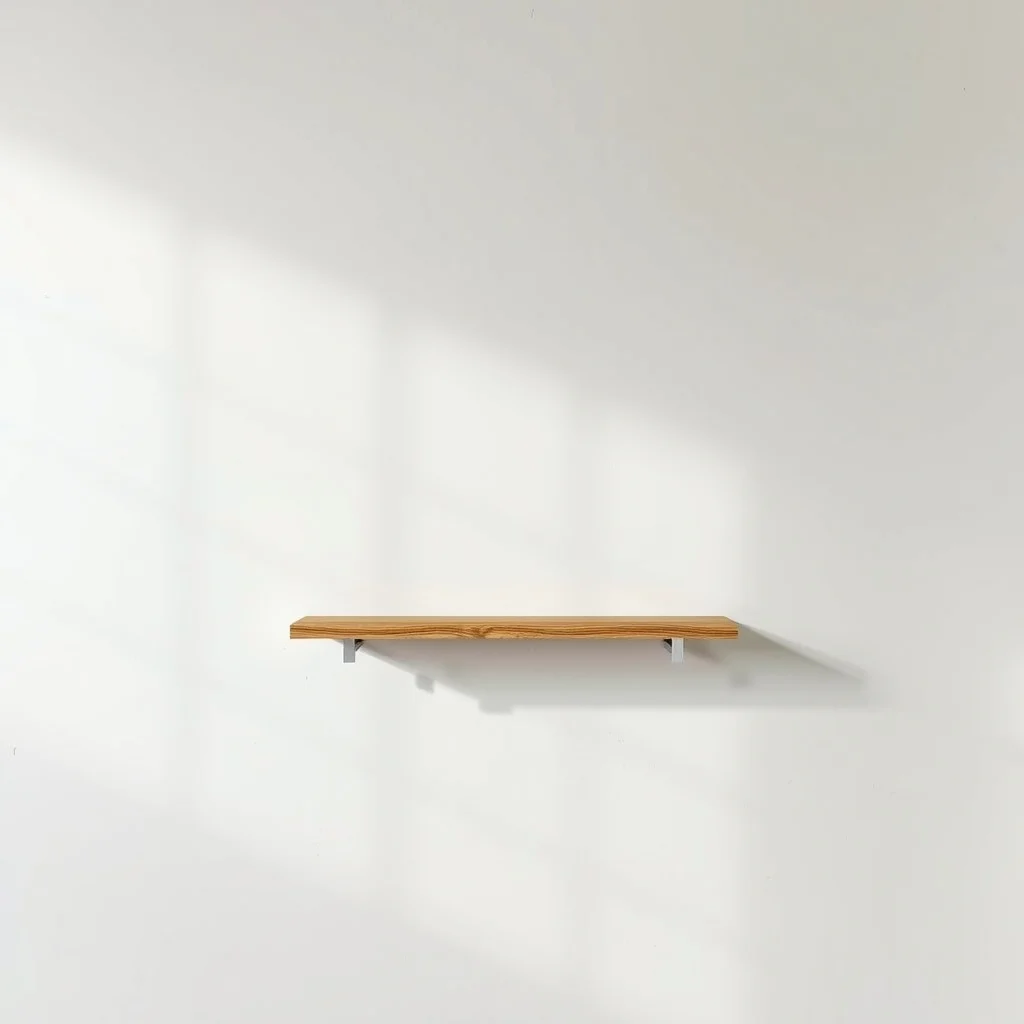
Narrow Floating Wall Shelf
Provides the slim platform described for layered heights above a sofa or bedside.
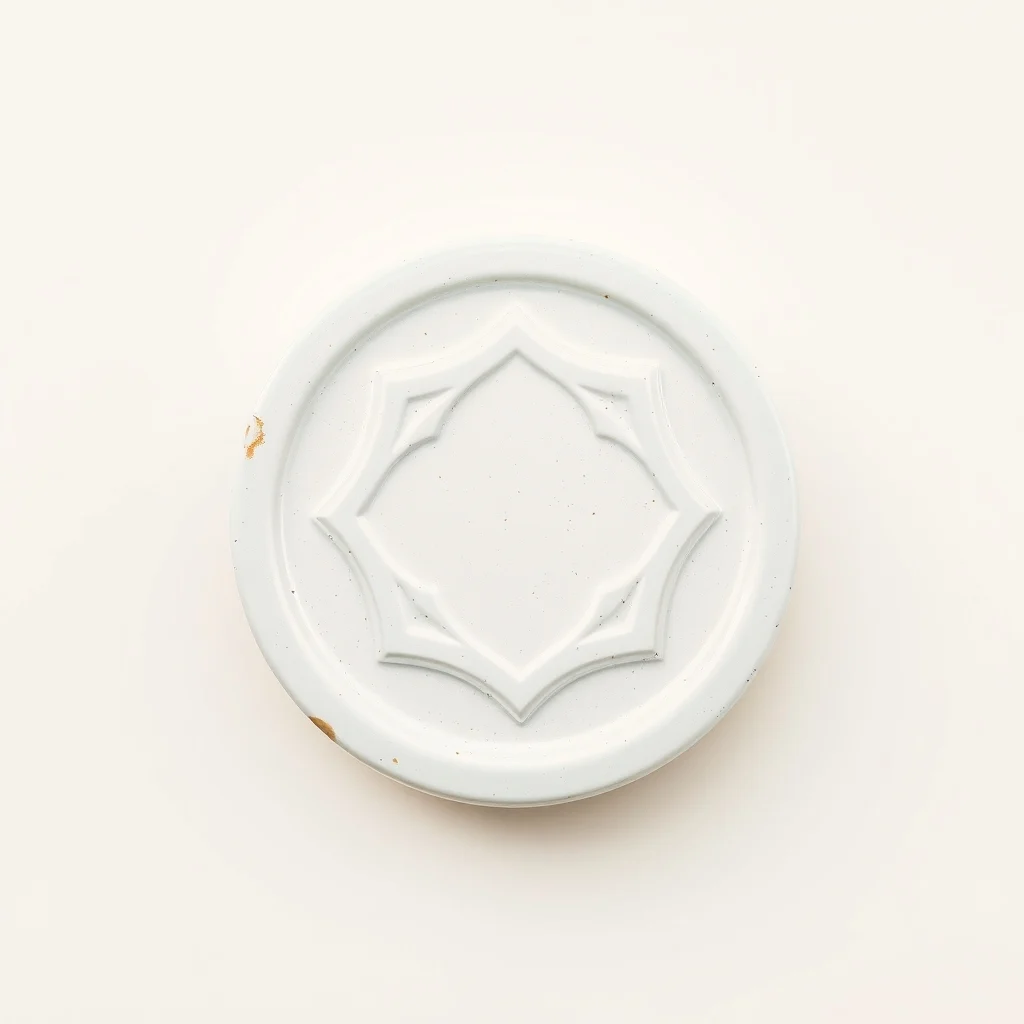
Ceramic Storage Jar with Lid
Acts as the low‑profile base piece to start a height‑varying trinket arrangement.
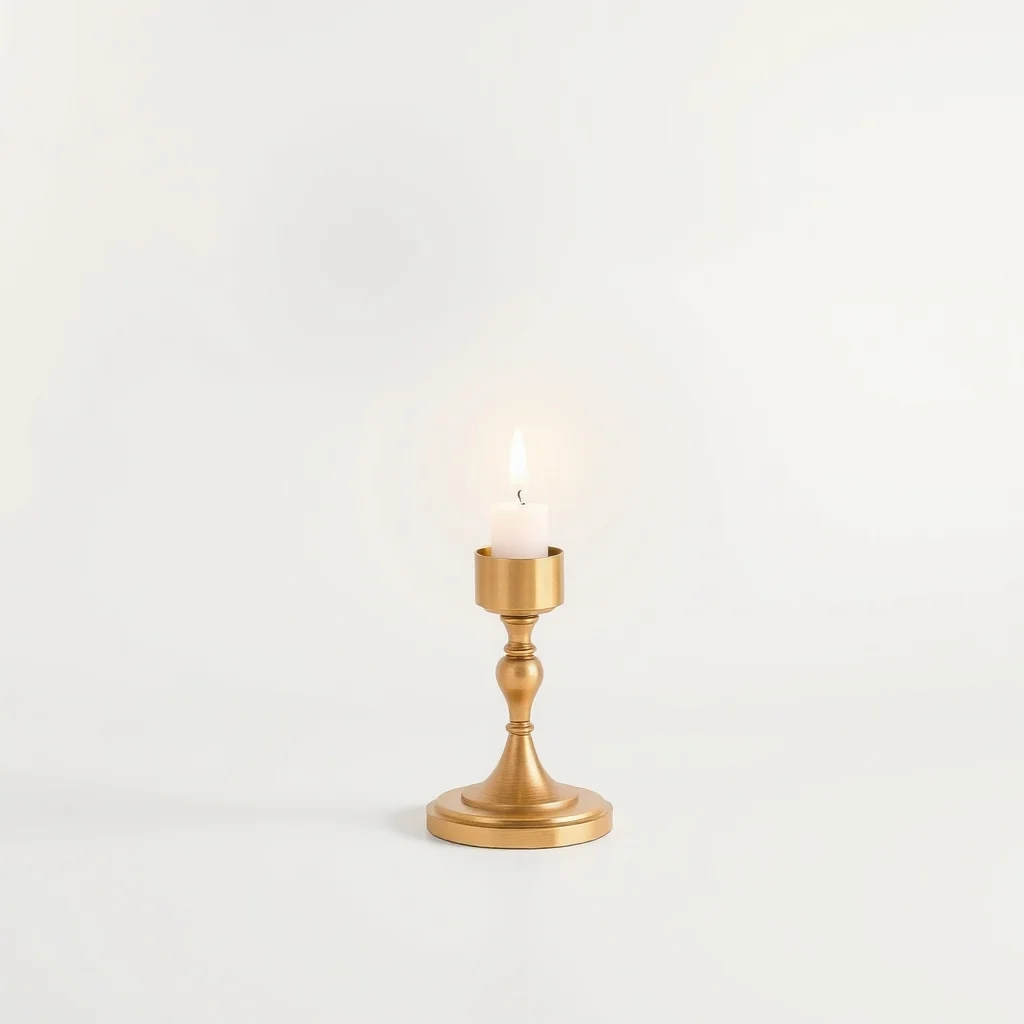
Brass Tabletop Candle Holder
Adds a taller, metallic accent that creates visual rhythm on the shelf.
Heavy‑Duty Wall Anchor Kit
Ensures the floating shelf is securely mounted to studs for safe display of heavier items.
Images are example styles; the products on Amazon may look different.
As an Amazon Associate I earn from qualifying purchases. This post contains affiliate links at no extra cost to you.
1. Layered Heights on a Narrow Floating Shelf
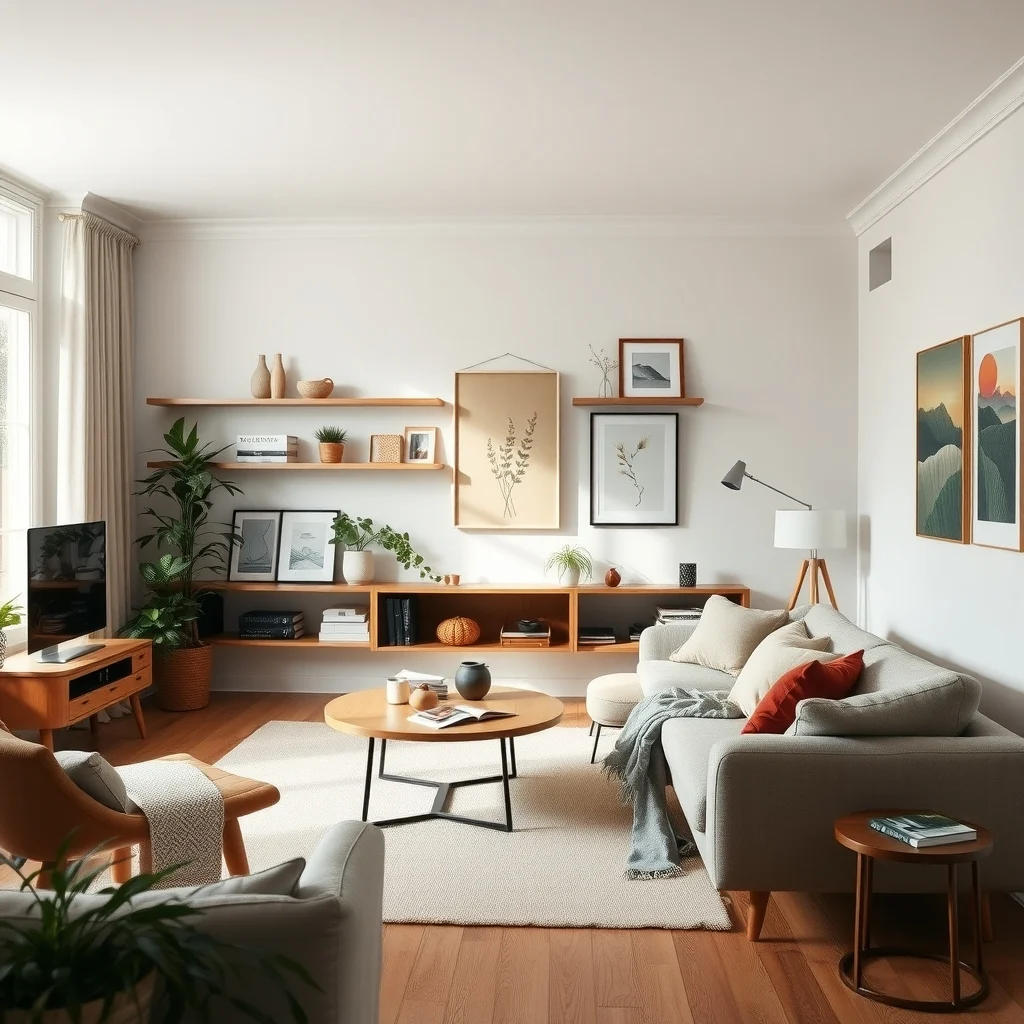
A single, shallow floating shelf mounted above a sofa or bedside table offers an elegant platform for objects of varying heights. Begin with a low‑profile base—perhaps a ceramic jar or a stack of hardcover books—then add taller pieces such as a brass candle holder or a slender sculpture. The visual rhythm created by the ascent draws the eye upward, balancing the horizontal line of the wall. Because the shelf is narrow, it does not dominate the space, making it suitable for rooms with limited wall real‑estate. The main trade‑off is that heavier items may require additional anchoring; a simple wall plug and screw set can secure the shelf to studs, preventing a wobble when you reach for a favorite mug.
2. Mixed Materials in a Grid Arrangement
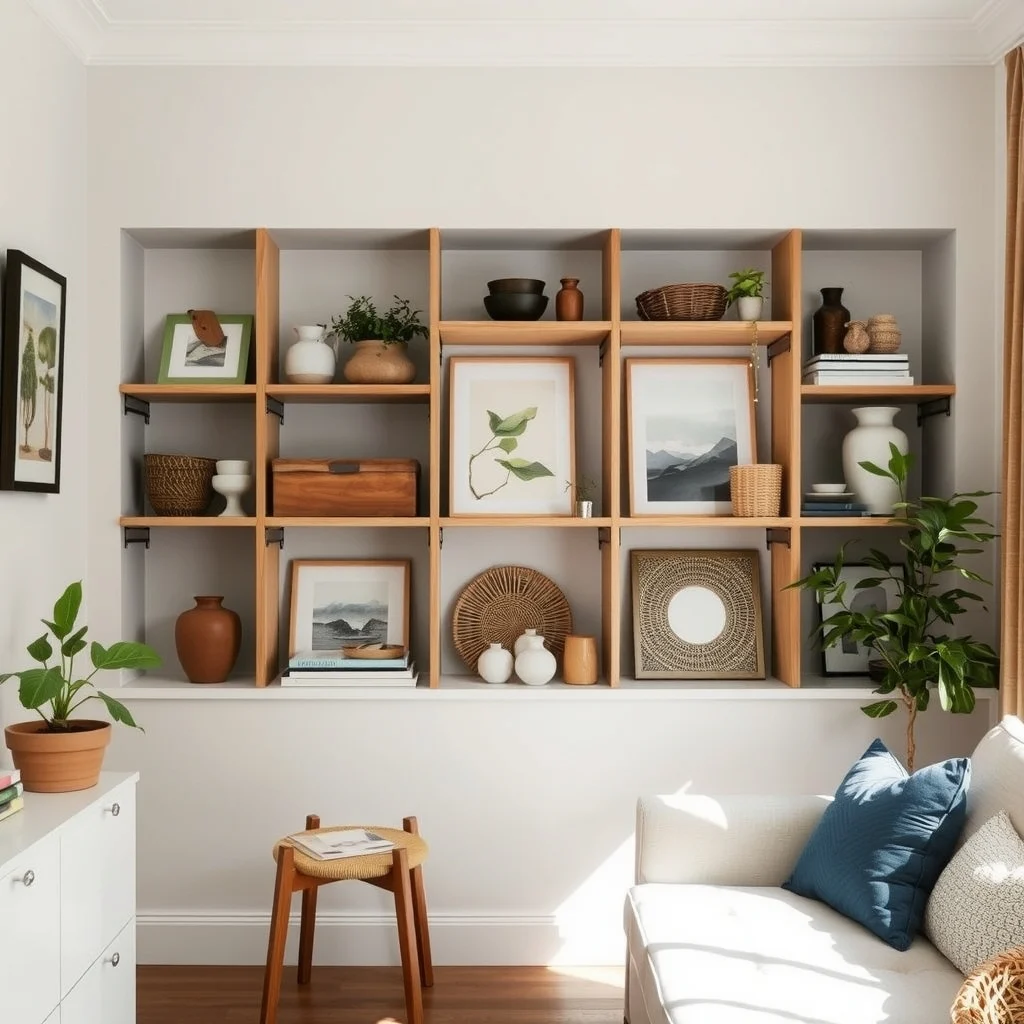
When a wall niche or built‑in alcove is available, consider dividing the space into a loose grid using wooden dividers or metal brackets. Populate each square with a distinct material—an oak box, a woven seagrass basket, a glass terrarium, and a matte‑black metal tray. The contrast between warm wood, natural fibers, and sleek metal adds depth without relying on color alone. This method works especially well in a hallway where the eye moves quickly; the ordered yet varied presentation invites a brief pause. One limitation is that the grid can feel rigid if the objects differ dramatically in size; keep at least one larger piece in a larger compartment to maintain balance.
3. Curated Color Stories on a Shelf with a Back Panel
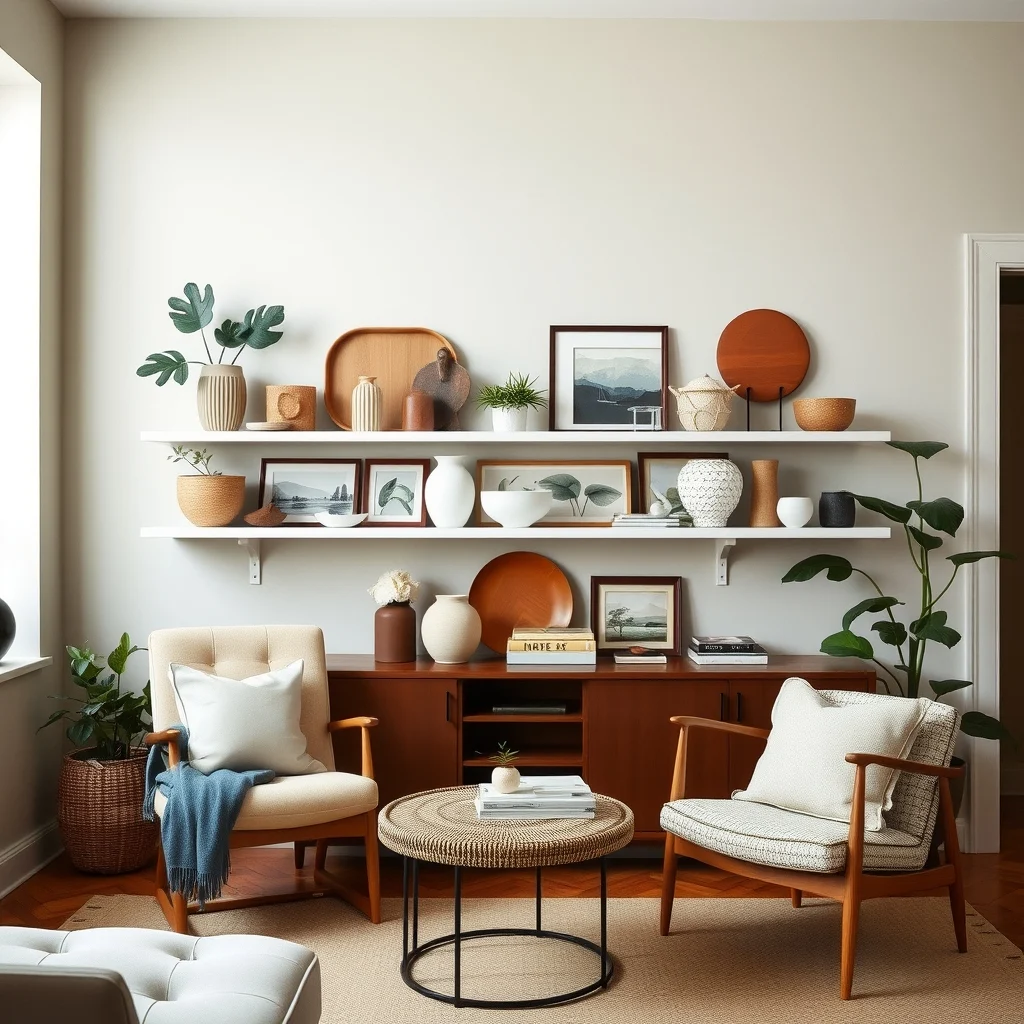
Installing a narrow shelf with a painted back panel—perhaps a soft sage or muted terracotta—creates a backdrop that unifies disparate items. Choose a limited color palette for the objects themselves, such as ivory ceramics, deep navy glass, and brushed gold accents. The backdrop acts like a frame, allowing each piece to stand out while the overall scheme feels intentional. This approach is particularly effective in a kitchen where pastel tiles already provide a subtle hue; the shelf’s color can echo or complement those tones. The downside is the need for a fresh coat of paint whenever you want to change the theme, so it suits those who enjoy periodic updates rather than frequent swaps.
4. Asymmetrical Balance Using a Corner Shelf
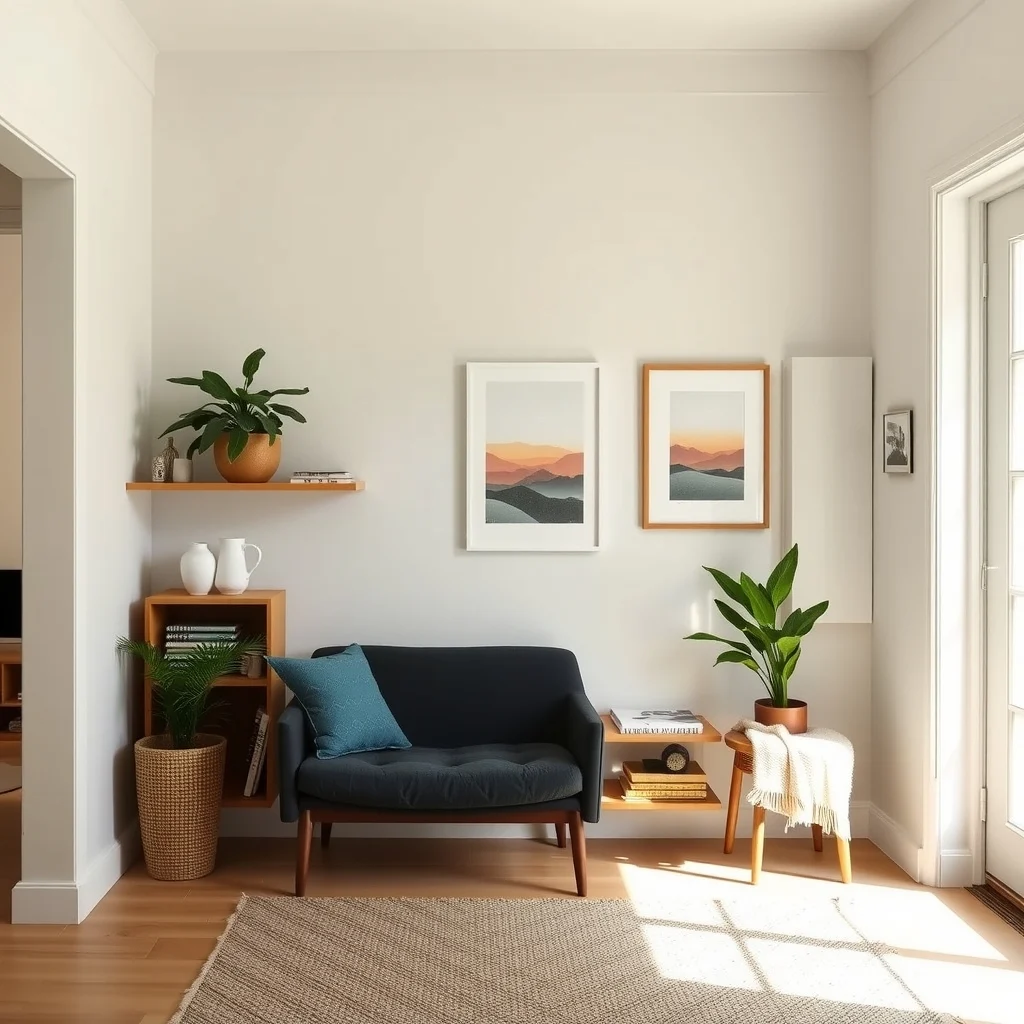
A corner shelf that wraps around two walls offers a playful way to display items without forcing symmetry. Place a tall plant pot on the longer side, a cluster of small ceramic bowls on the shorter side, and a single statement piece—like a copper lantern—at the intersection. The asymmetry feels natural because the eye follows the line of the corner, and the varied heights prevent the arrangement from looking crowded. This setup works best in rooms with ample natural light, as the plant will thrive and the metallic surfaces will catch the sun. However, corners often have limited clearance, so be mindful of ceiling height; a low‑profile shelf avoids a cramped feeling in rooms with low ceilings.
5. Rotating Seasonal Displays on a Low Console
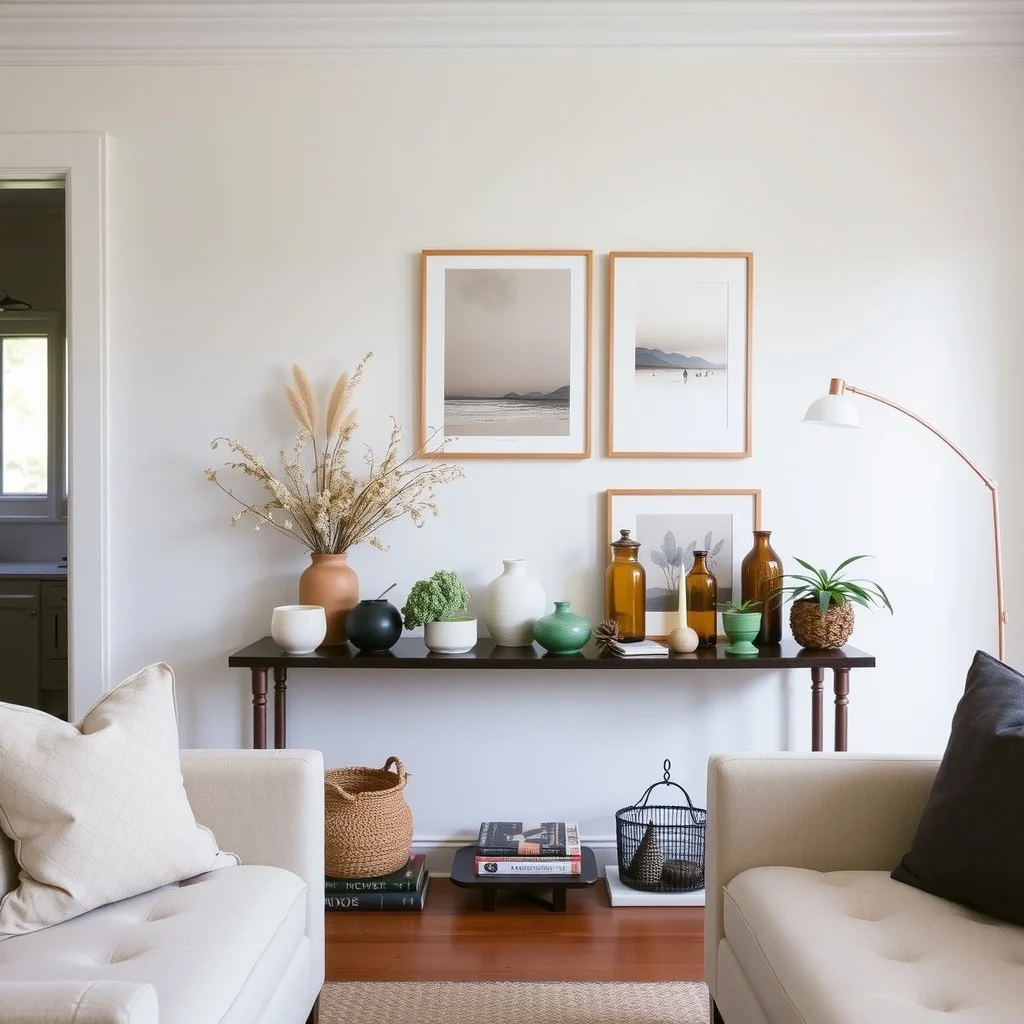
A low console table placed behind a sofa or beneath a window can serve as a seasonal trinket shelf. During spring, swap pastel‑toned pottery and fresh‑cut dried flowers; in autumn, introduce amber glass jars, pinecones, and a small burlap-wrapped basket of chestnuts. Because the console sits at eye level, the changes are immediately noticeable, giving the room a refreshed vibe without a major overhaul. The advantage is the ease of rotation—nothing requires permanent attachment. The trade‑off is that frequent swapping may lead to wear on delicate items, so consider using a soft fabric liner under fragile pieces to protect them.
6. Integrated Lighting for Highlighted Objects
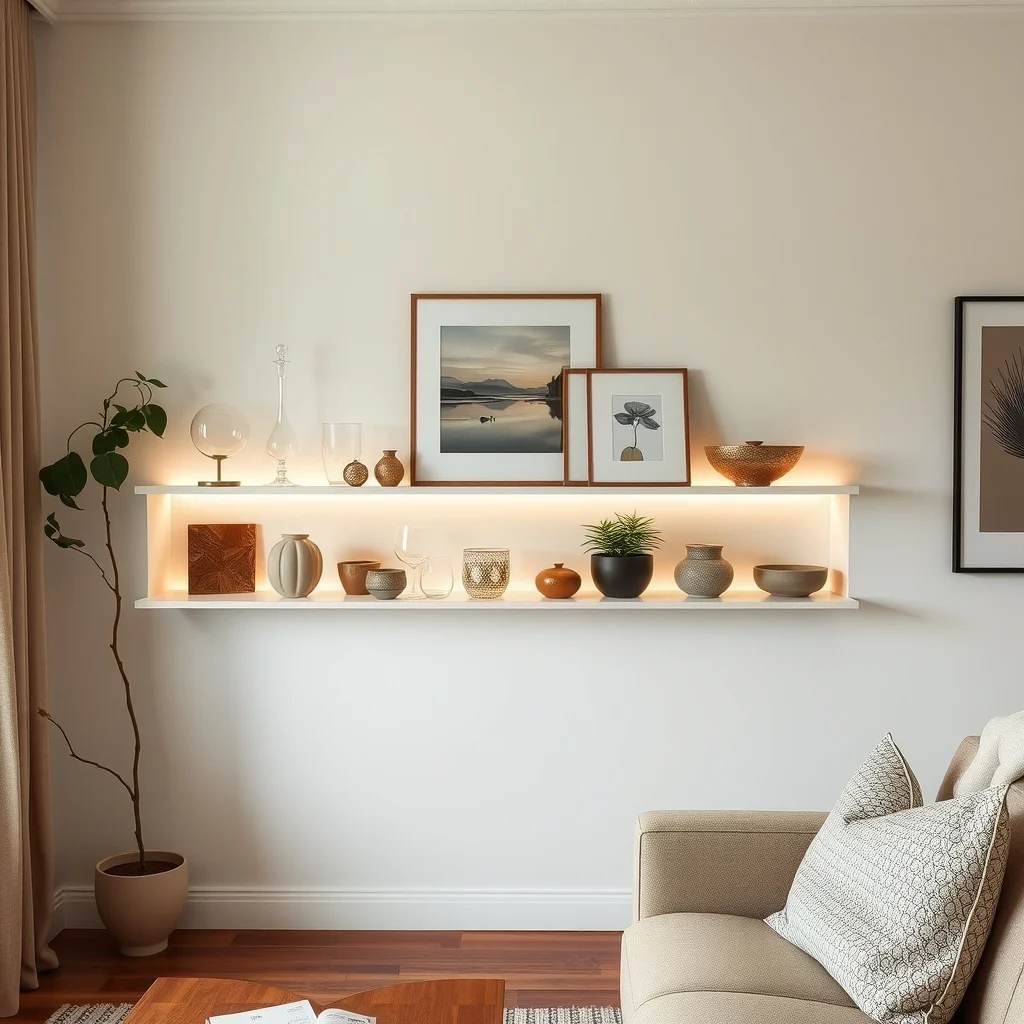
Embedding a thin LED strip behind a shallow shelf adds a subtle glow that accentuates glassware, metallic accents, and textured ceramics. The light should be warm, around 2700 K, to complement wood tones and avoid a harsh clinical look. Position the strip toward the back of the shelf so the illumination washes over the objects rather than shining directly on the wall. This technique works especially well in evening gatherings when the shelf becomes a focal point without overwhelming the room’s ambient lighting. A potential drawback is the need for a nearby power source; using a battery‑operated LED strip with a discreet switch can circumvent wiring concerns.
7. Multi‑Tier Ladder Shelf for Small Spaces
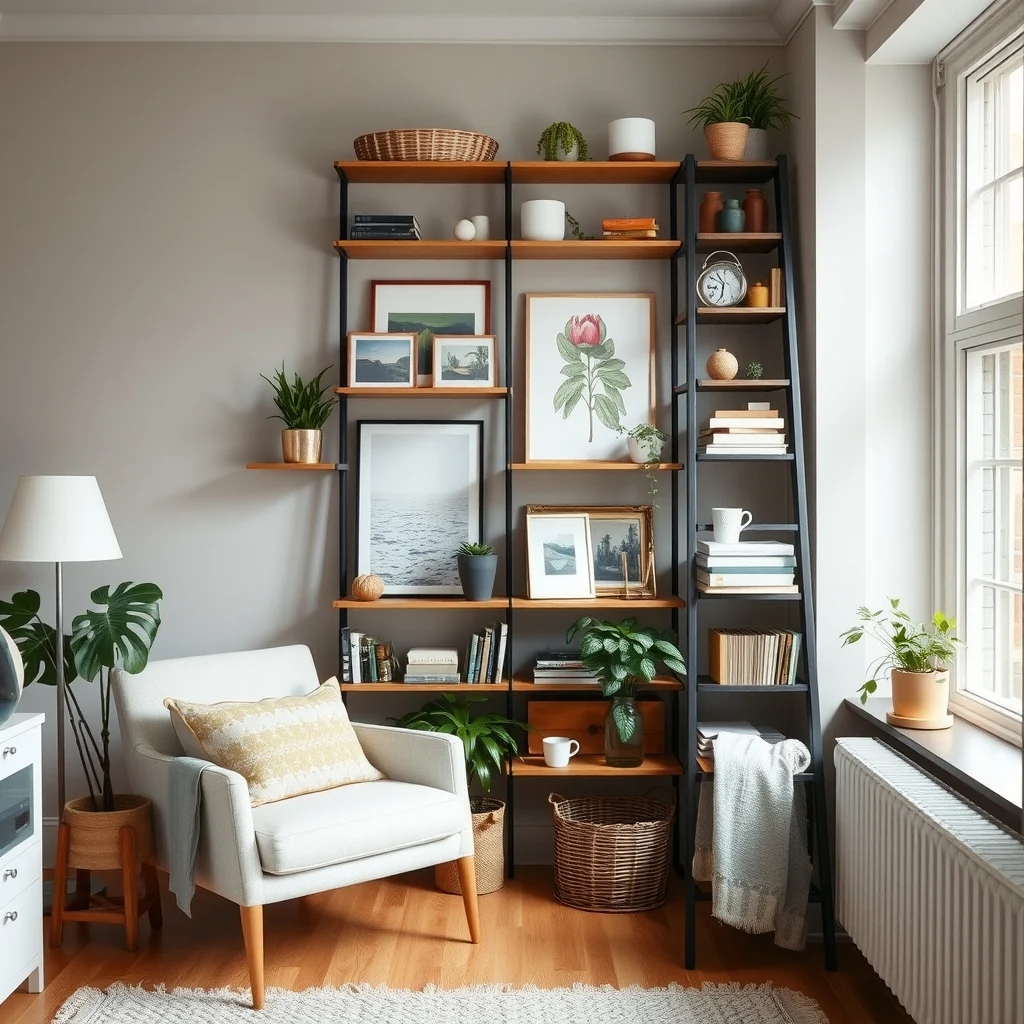
A leaning ladder shelf made of reclaimed pine or blackened metal introduces vertical storage without consuming floor space. Each rung acts as a narrow ledge, perfect for a row of vintage postcards, a string of small potted succulents, or a line of artisanal tea tins. The ladder’s slanted profile naturally guides the eye upward, making a compact room feel taller. Because the design leans against the wall, it can be moved easily if you rearrange furniture. The main limitation is stability on uneven floors; placing a rubber mat under the bottom rung prevents wobbling and protects hardwood surfaces.
FAQ
How do I prevent my trinket shelf from looking cluttered?
Start with a clear visual hierarchy—choose one or two larger anchor pieces and surround them with smaller items. Group objects by material or color to create cohesion, and leave some empty space to let each piece breathe.
Can I use a trinket shelf in a bathroom?
Yes, as long as the shelf and its contents are moisture‑resistant. Opt for stainless‑steel brackets, glass containers, and ceramic vessels that can handle humidity, and avoid placing electronic items near the shower.
What height is best for a shelf above a sofa?
Mount the shelf so the top is roughly eye level when seated, typically 48–54 inches from the floor. This placement allows you to view the display comfortably without straining your neck.
Is it safe to place heavy objects on a floating shelf?
Heavy items require proper anchoring to studs or using wall anchors rated for the weight. Distribute weight evenly across the shelf and avoid overloading a single point to maintain stability.
How often should I rearrange my trinket display?
There’s no set rule, but changing the arrangement every few months keeps the look fresh and prevents the collection from feeling stagnant. Seasonal swaps are a natural rhythm that many homeowners find satisfying.
Final Thoughts
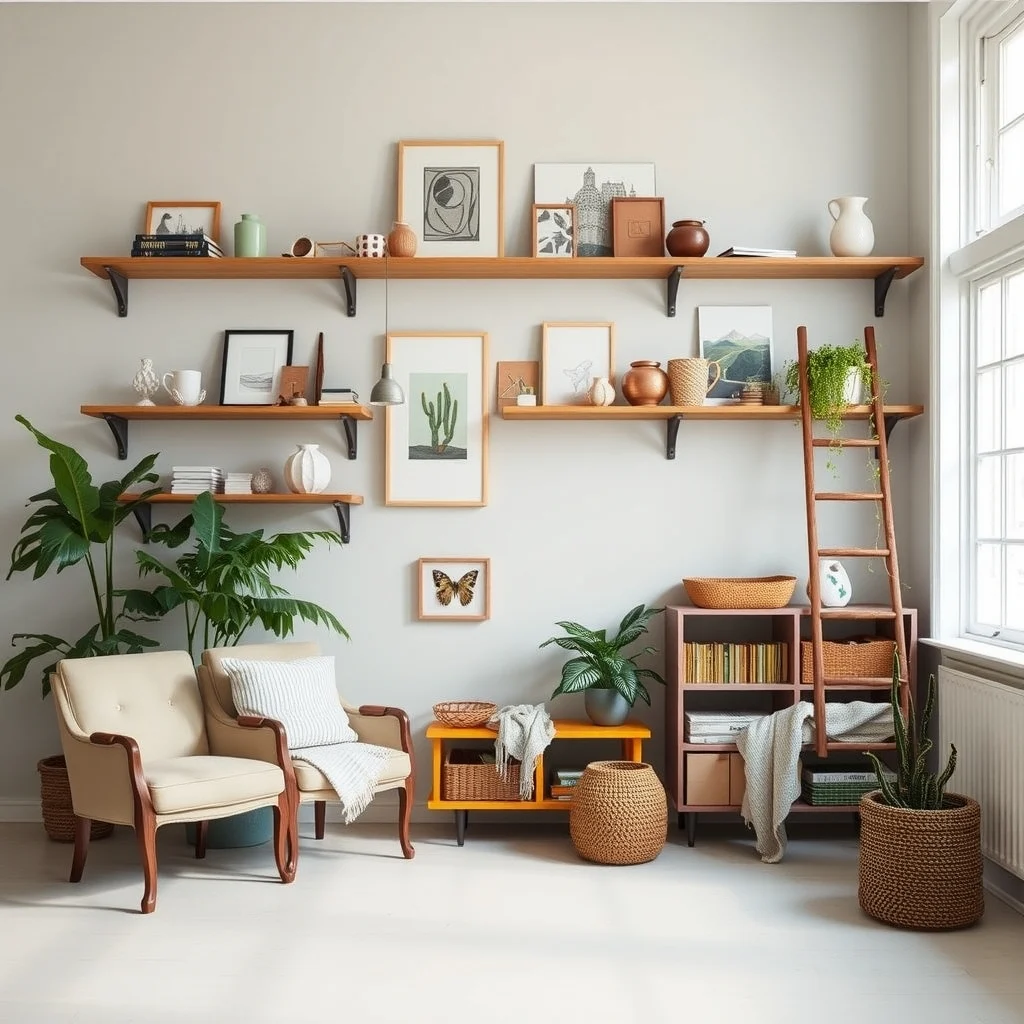
Trinket shelves offer a chance to turn everyday objects into a curated story that reflects who you are. By considering height, material contrast, color backdrops, asymmetry, seasonal rotation, lighting, and the clever use of ladder designs, you can create displays that feel intentional rather than chaotic. Remember that a little empty space is as important as the items you showcase; it provides breathing room and invites the eye to linger. With thoughtful placement and occasional tweaks, your curated clutter becomes a lasting element of home comfort.