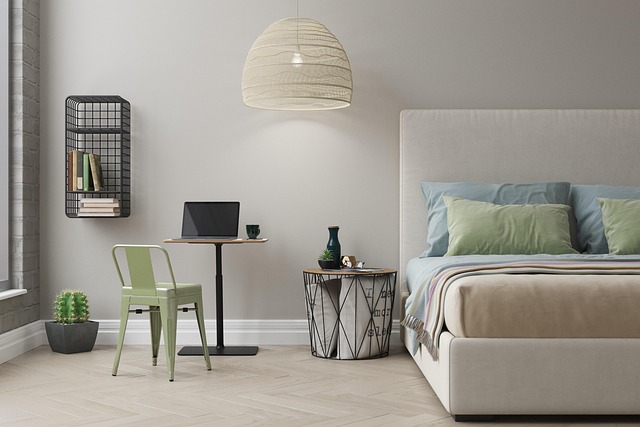

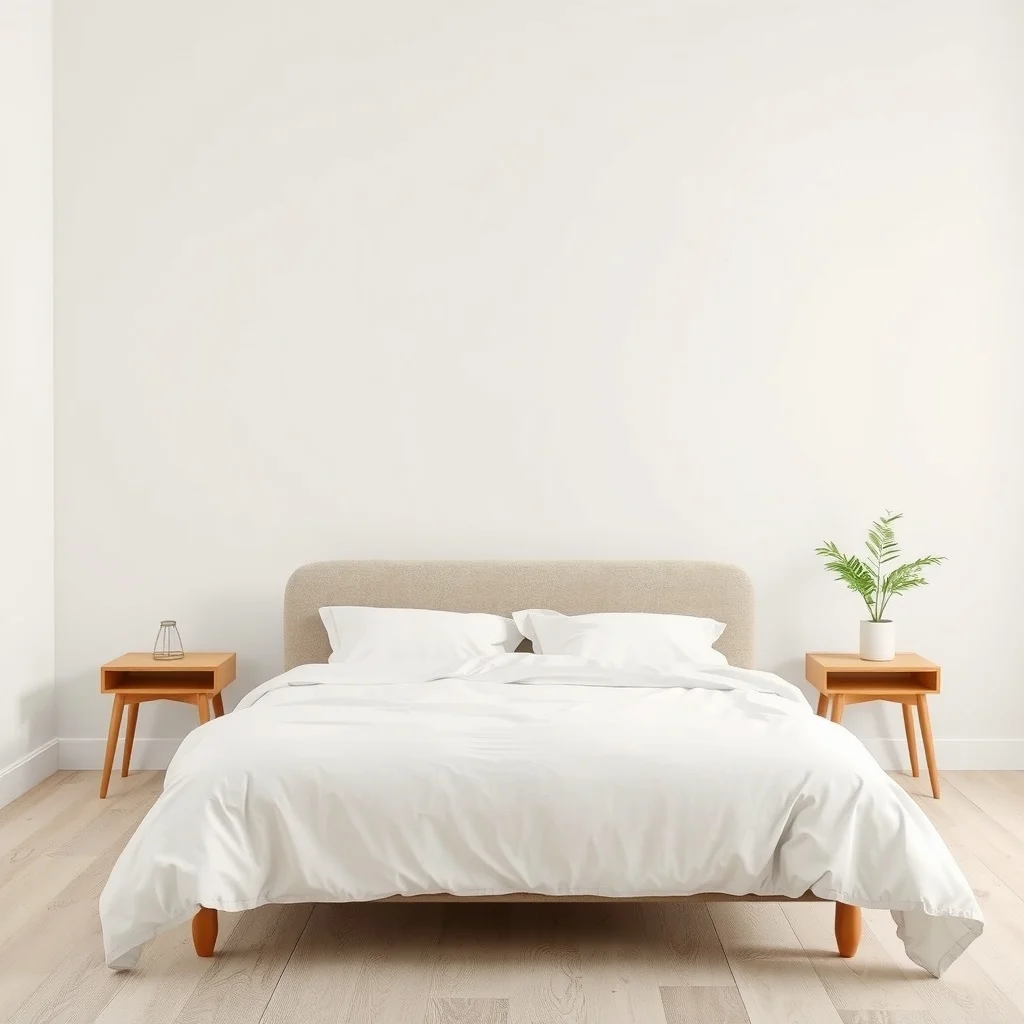
When the mattress is still comfortable but the room feels tired, a full‑scale purchase can feel unnecessary—and expensive. Luckily, a bedroom can be refreshed with thoughtful changes that cost far less than a new bed frame. In this article you’ll discover seven distinct ideas that reshape the look, feel, and organization of your sleeping space without replacing the centerpiece. From lighting tweaks to clever storage solutions, each suggestion is explained with the reasoning behind it, step‑by‑step guidance, and realistic considerations so you can decide what fits your style and budget.
Shop the Look
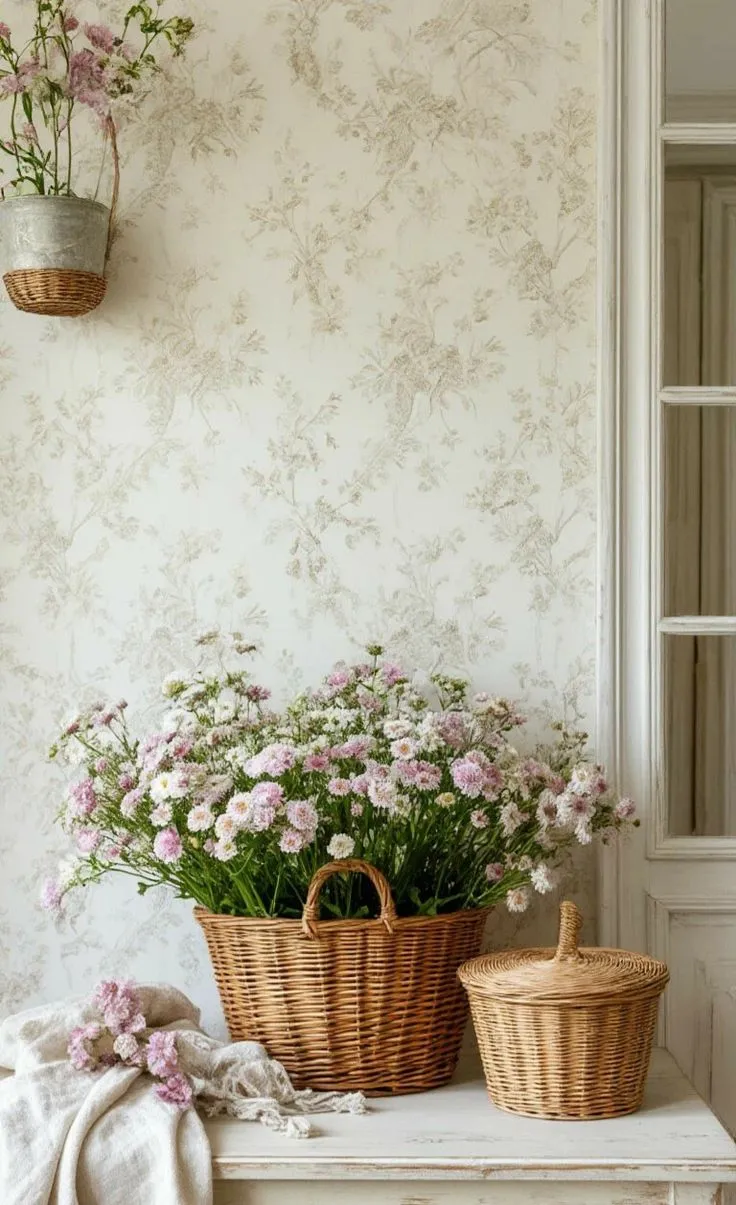
Peel‑and‑Stick Wallpaper Roll
Provides a quick, non‑permanent way to add pattern and color to walls.
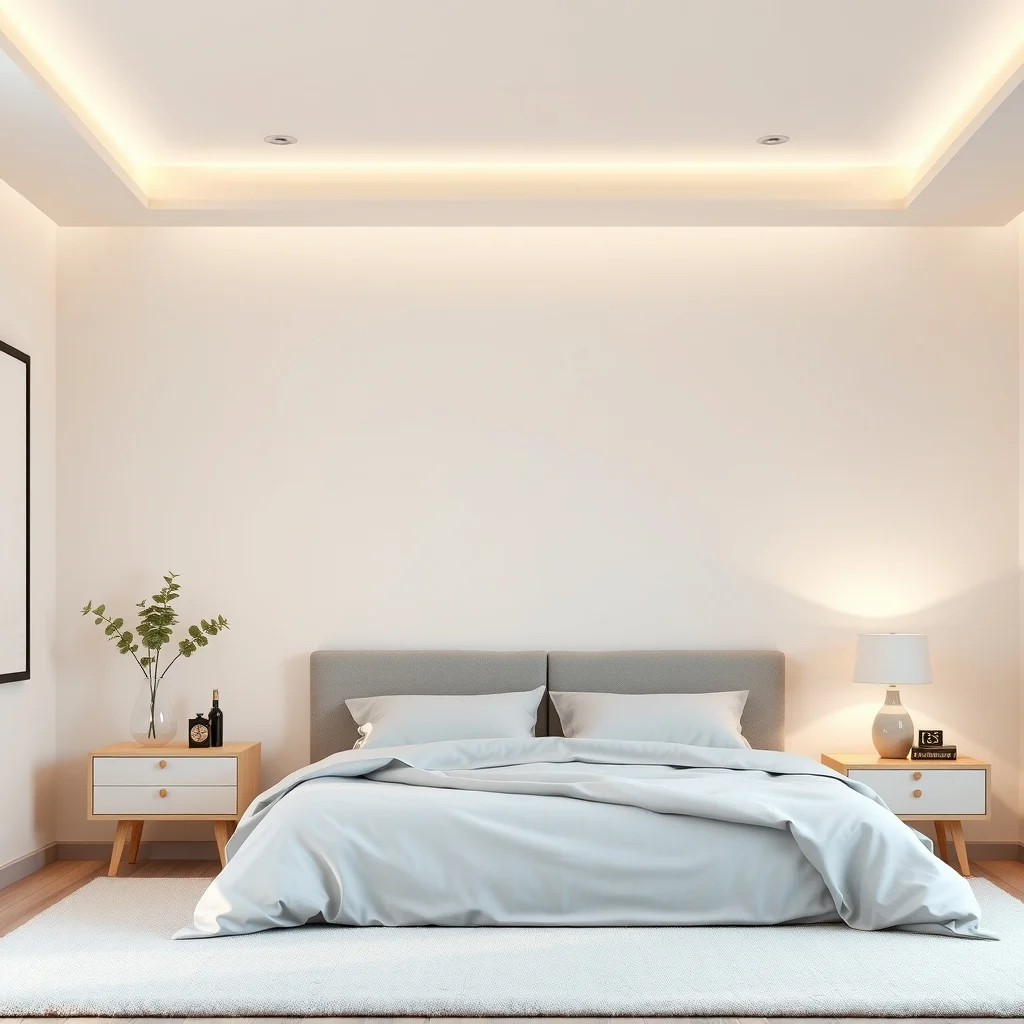
LED Strip Light Kit
Creates layered, adjustable lighting that’s safe to install around the bed.
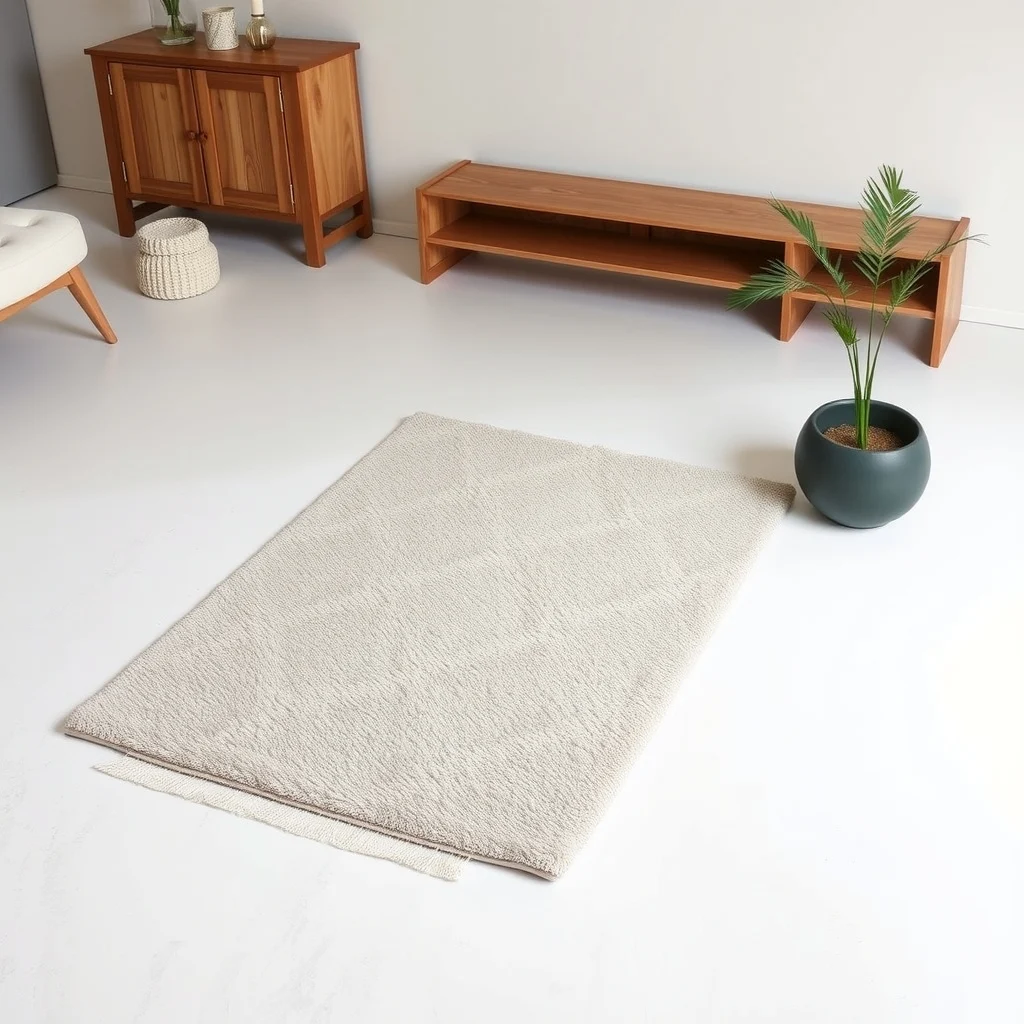
Soft Woven Area Rug
Adds comfort and color while being easy to clean and maintain.
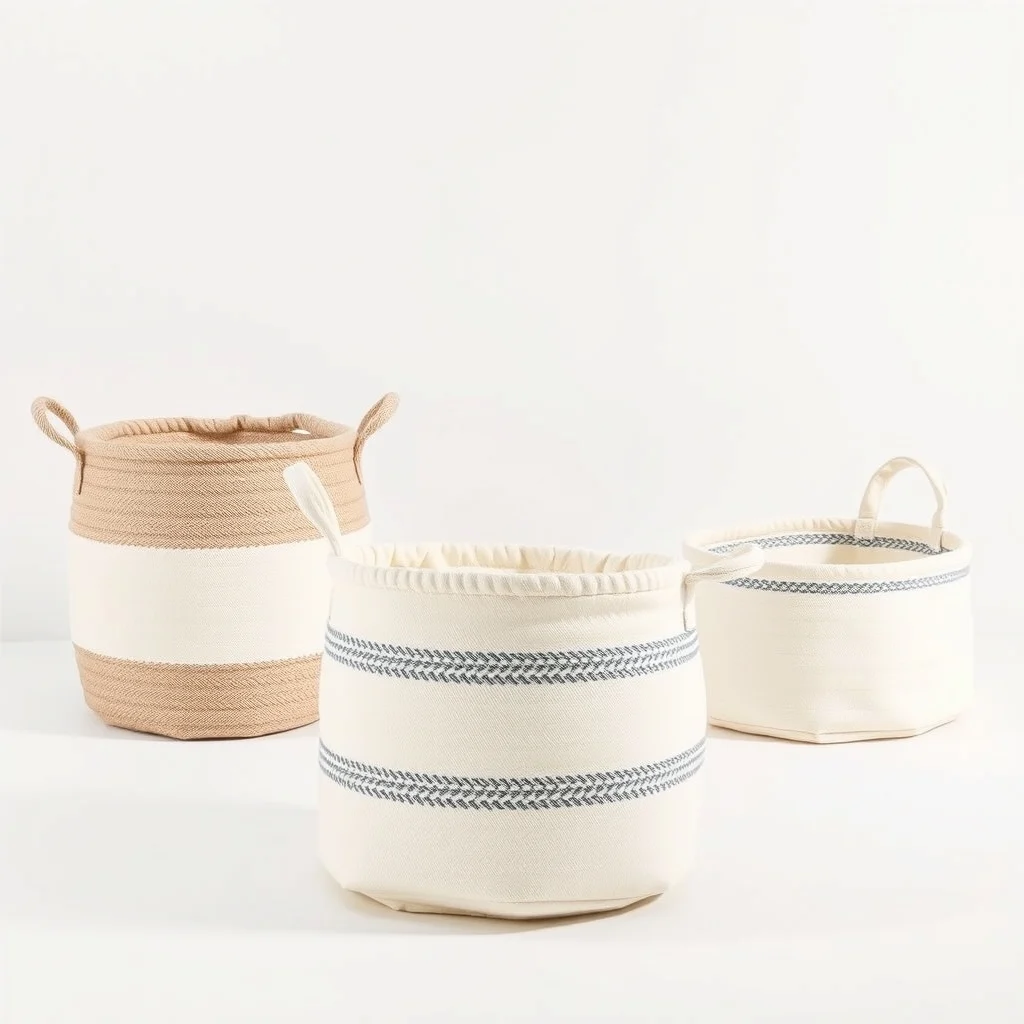
Multi‑Tier Storage Basket Set
Offers decorative, functional storage that doubles as a stylish accent.
Images are example styles; the products on Amazon may look different.
As an Amazon Associate I earn from qualifying purchases. This post contains affiliate links at no extra cost to you.
1. Refresh the Walls with Paint or Removable Wallpaper
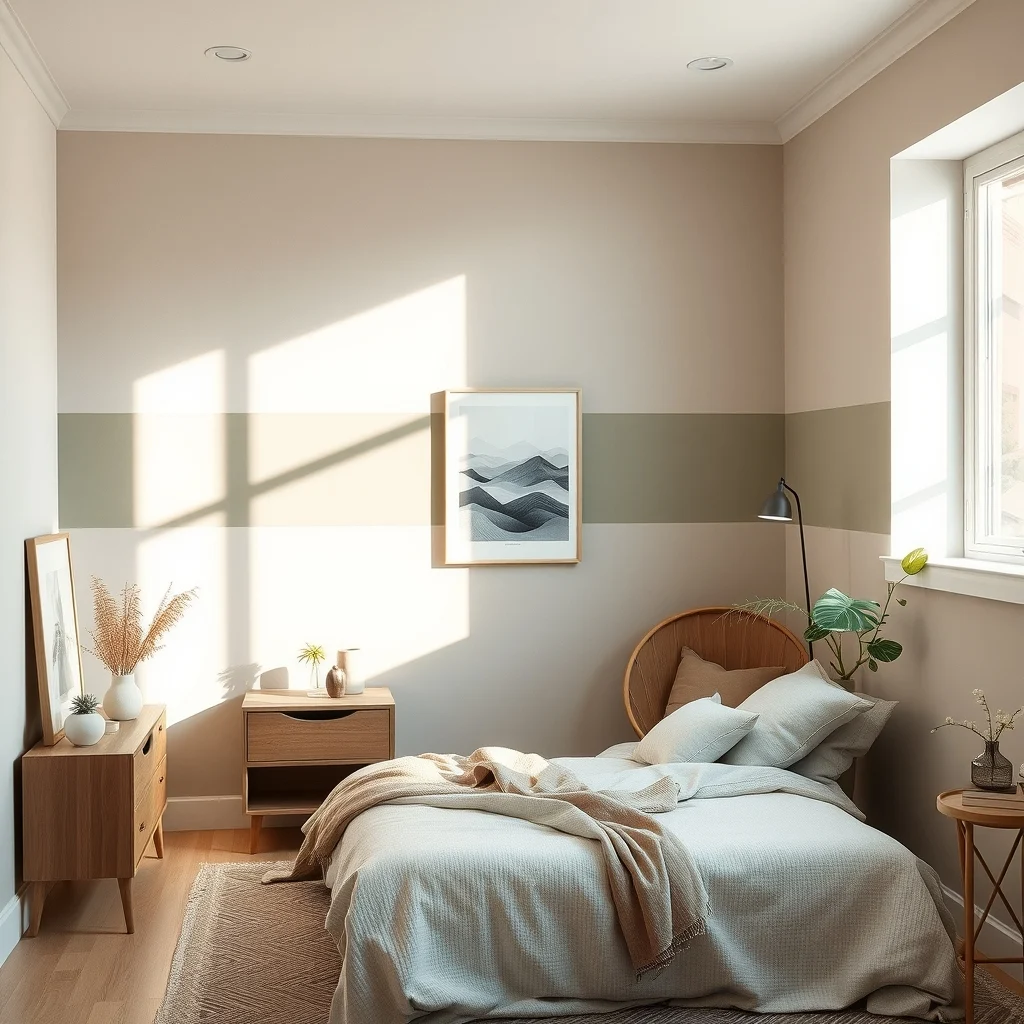
A fresh coat of paint instantly alters a room’s mood. Selecting a soft, neutral hue such as warm greige or a muted sage can make the space feel larger while providing a calm backdrop for bedding and accessories. If painting feels too permanent, removable wallpaper in a subtle pattern—think thin linen stripes or a faint botanical motif—offers the same visual impact without the commitment. Before you start, test a small patch to see how natural light influences the color at different times of day. The cost of a gallon of paint or a roll of peel‑and‑stick paper is modest, and the effort involves only a few hours of preparation and cleanup. One trade‑off to note is that bold, saturated colors may require more frequent touch‑ups, especially in high‑traffic homes with children.
2. Introduce Layered Lighting for Mood and Function
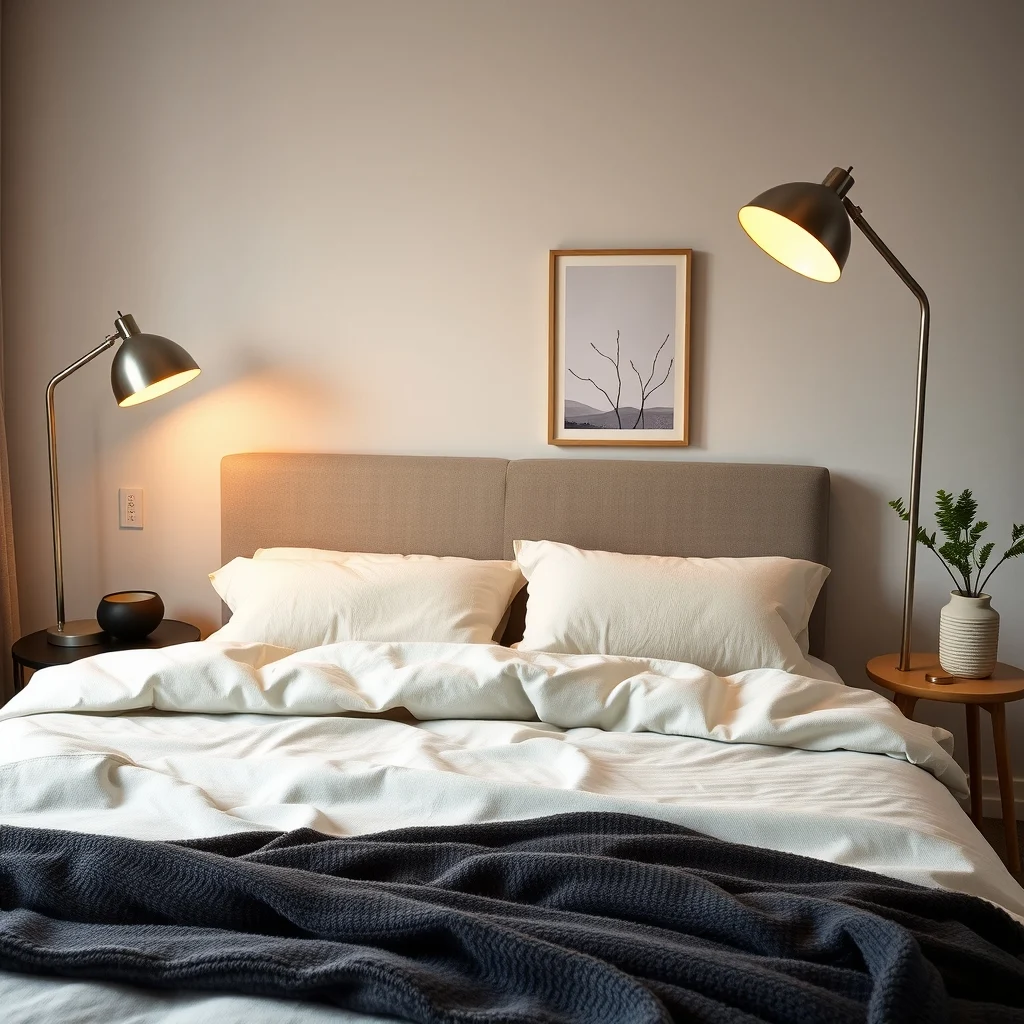
Bedrooms often rely on a single overhead fixture, which can feel harsh or insufficient. Adding a pair of bedside table lamps creates a softer pool of light for reading, while a floor lamp placed near a small chair or a corner can fill the room with a gentle glow. Choose lamps with fabric shades in natural fibers like linen; these diffuse light nicely and complement a variety of décor styles. If space is limited, a plug‑in LED strip that hugs the headboard can serve as both accent and nightlight. When selecting bulbs, aim for a warm color temperature (around 2700‑3000 K) to preserve a restful ambiance. The main consideration is ensuring cords are safely routed away from foot traffic to avoid tripping hazards.
3. Upgrade Textiles for Color and Comfort
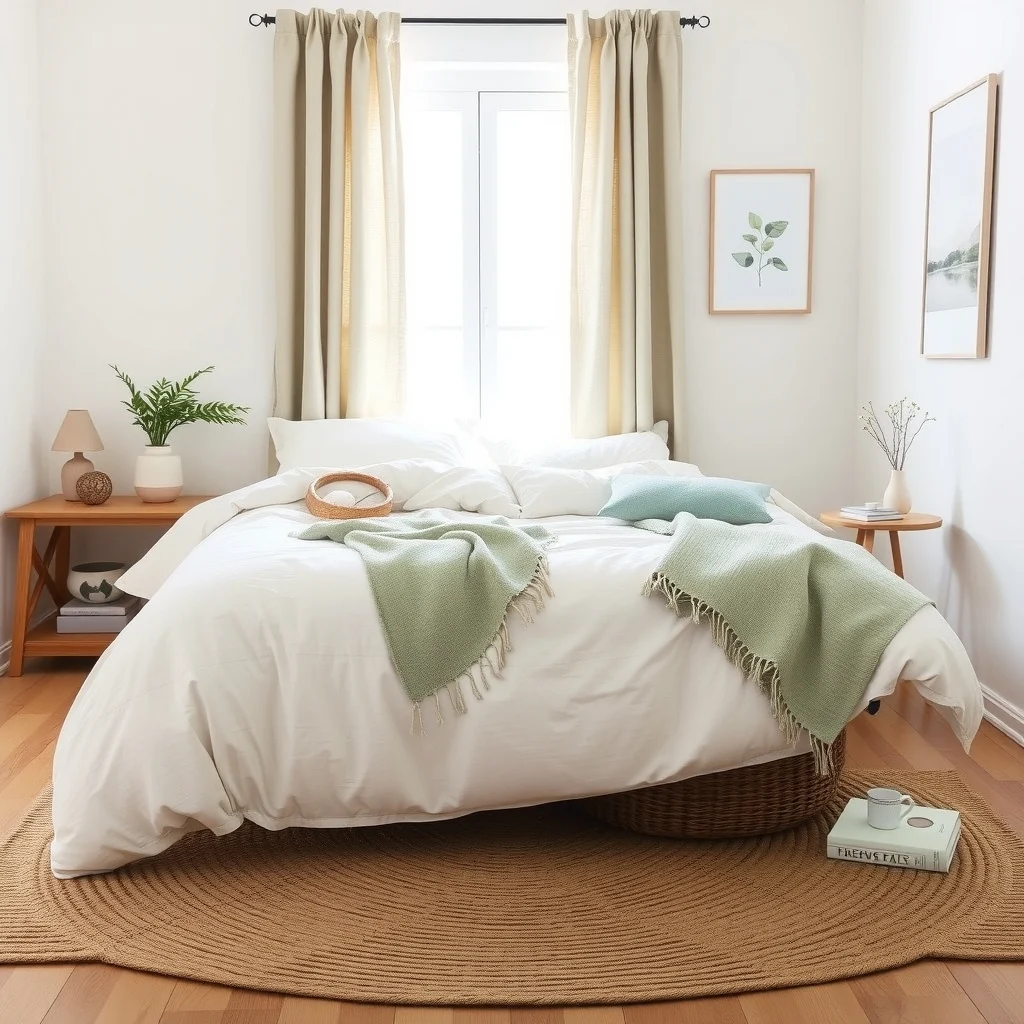
Changing the bedding, curtains, or a rug can dramatically shift a bedroom’s palette without a large expense. Swapping a plain duvet cover for one in a textured weave—such as brushed cotton or a subtle boucle—adds depth and visual interest. Pair this with throw pillows in complementary shades like soft terracotta or muted navy to create a cohesive look. Adding a rug that anchors the bed, especially in a room with hardwood or tile floors, introduces warmth underfoot and defines the sleeping zone. Choose a rug made from low‑pile synthetic fibers for easy cleaning, or a natural fiber like jute for an organic feel. Keep in mind that darker rugs may show dust more readily, so regular vacuuming will be necessary.
4. Create Functional Zones with Simple Furniture Rearrangement
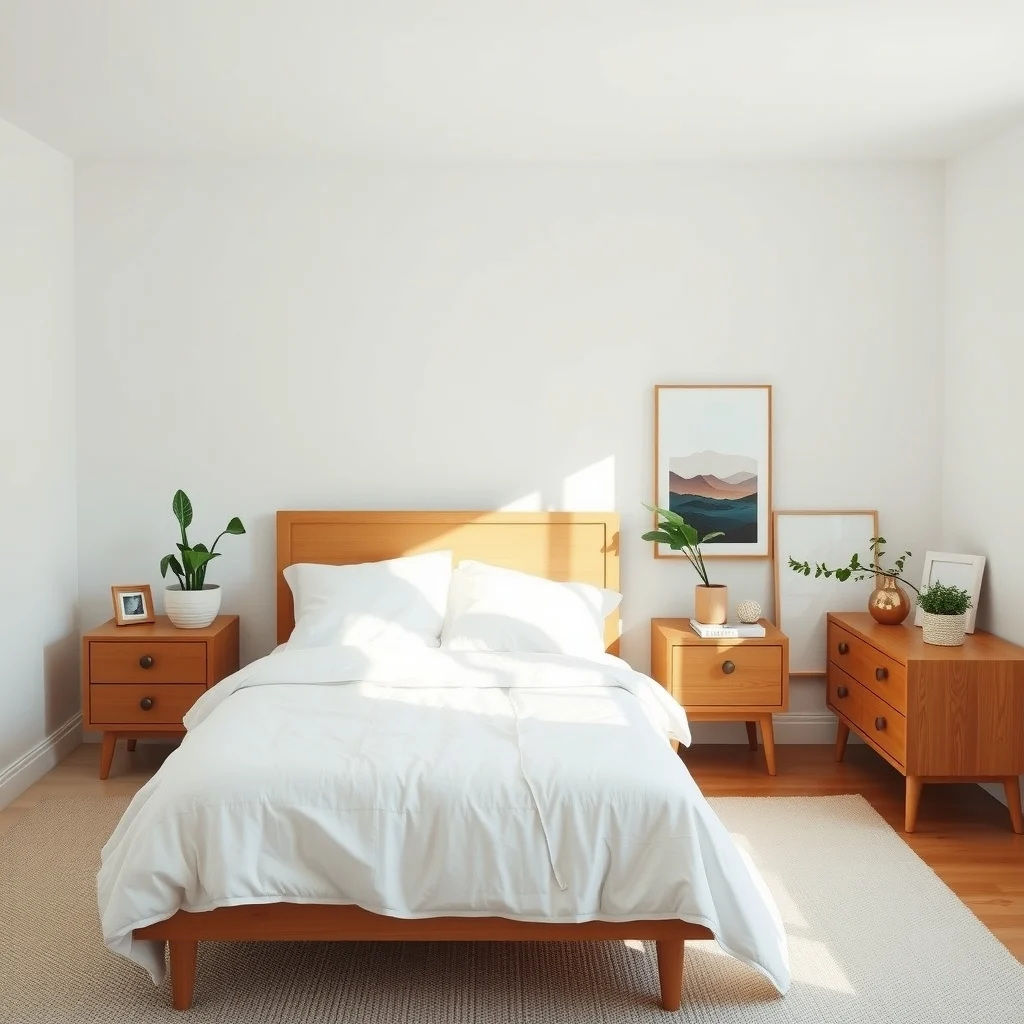
Often the layout of a bedroom can feel cramped simply because furniture is placed without a clear flow. By moving the nightstand to the opposite side of the bed, you free up space for a small reading nook or a compact dresser. If the room permits, positioning the bed against a wall that receives the most natural light can make mornings brighter and reduce the need for additional lamps. When shifting pieces, measure the clearance around each item to maintain at least a 24‑inch pathway for easy movement. A potential downside is that moving heavy furniture may require a second pair of hands, but the payoff is a room that feels more organized and purposeful.
5. Add Storage Solutions That Double as Décor
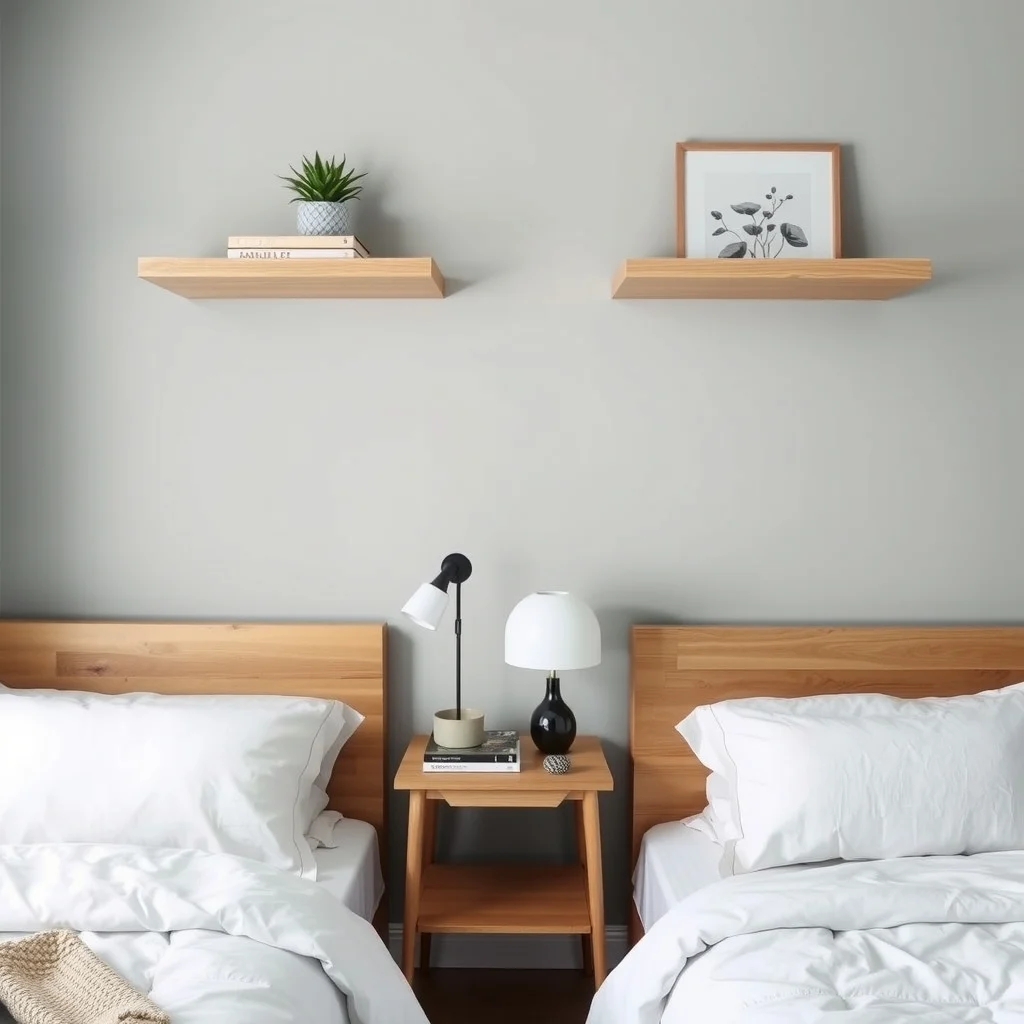
Clutter is a common culprit behind a tired bedroom appearance. Installing floating shelves above the bedside tables provides a place for books, a small plant, or decorative trays without occupying floor space. Choose shelves finished in a warm wood tone or matte white to blend with existing walls. For larger items, a storage ottoman at the foot of the bed can hold extra blankets while serving as a seat for putting on shoes. When selecting an ottoman, look for a removable cover that can be laundered, ensuring longevity in a high‑use area. Be aware that over‑loading shelves can cause them to bow; distribute weight evenly and avoid placing heavy objects on the outer edges.
6. Incorporate Natural Elements for Calm and Freshness
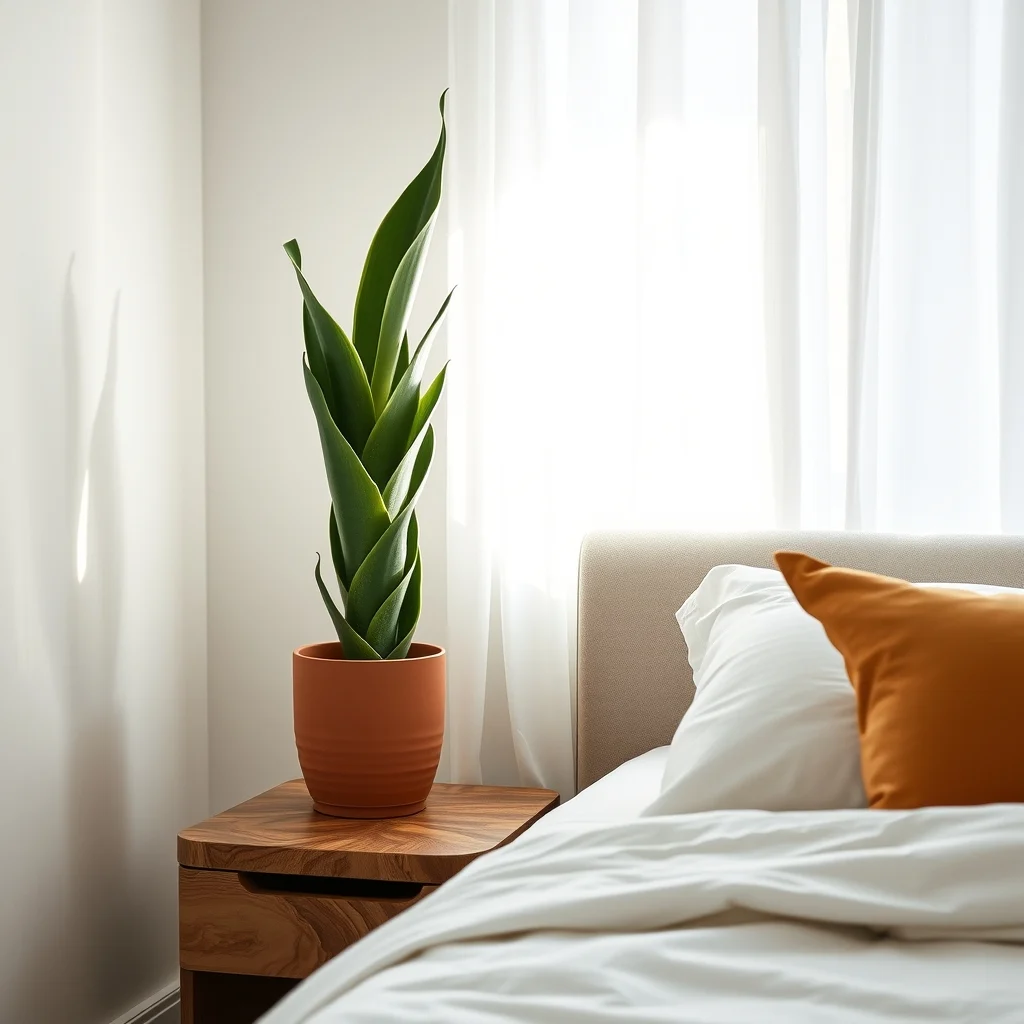
Bringing nature indoors adds texture and a sense of tranquility. A few well‑chosen houseplants—such as a snake plant, pothos, or a small peace lily—can thrive in low‑light bedroom conditions while improving air quality. Position them on a windowsill, atop a nightstand, or on a low shelf. If you lack a green thumb, a vase of dried eucalyptus or a bundle of fresh herbs can achieve a similar visual effect without demanding regular watering. Choose containers in neutral tones like ceramic gray or brushed metal to keep the focus on the foliage. Remember that certain plants can be toxic to pets, so verify suitability if you share the space with animals.
7. Personalize with Art and Meaningful Accents
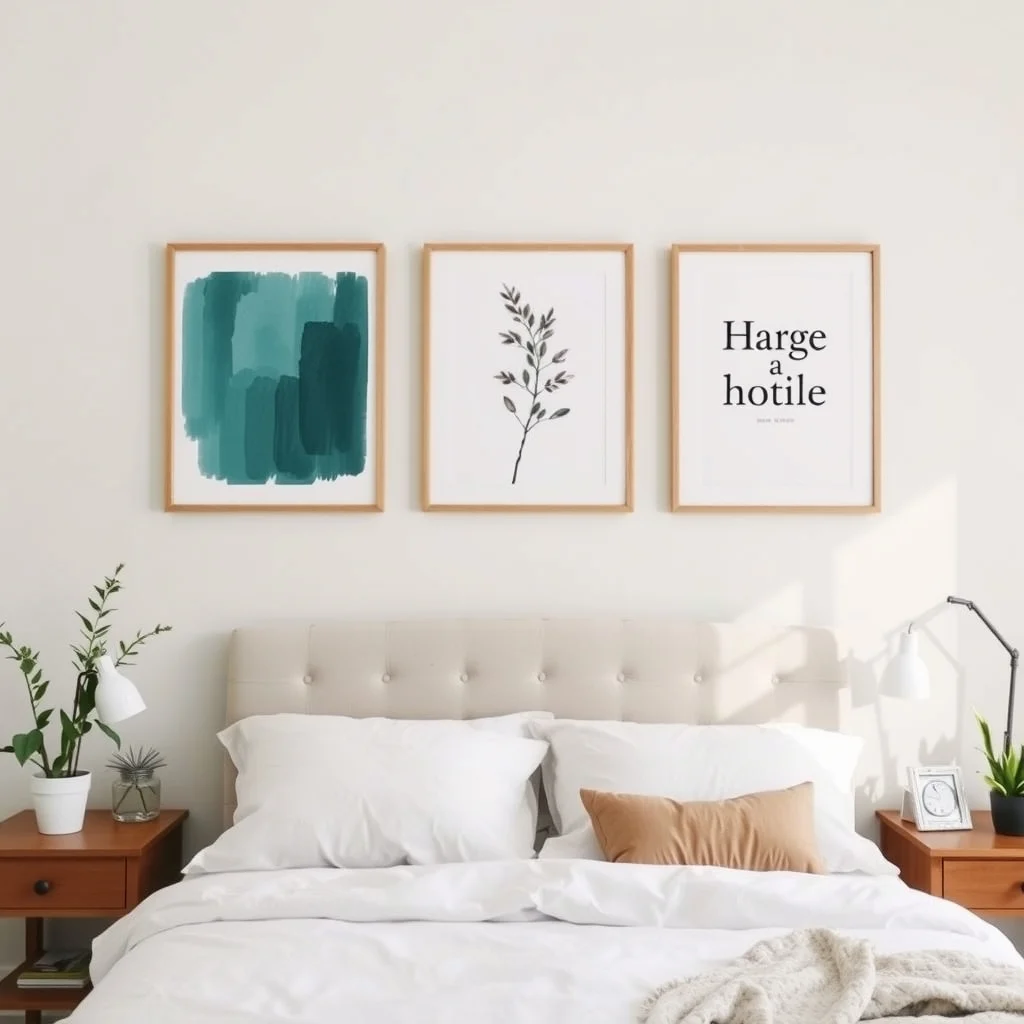
Walls are a canvas for personal expression. Instead of costly framed prints, consider creating a gallery using inexpensive frames sourced from thrift stores, filled with affordable prints, botanical illustrations, or abstract designs that echo the room’s color scheme. Arrange the frames in a cohesive layout—three across the top of the headboard and two below, for instance—to maintain balance. Adding a small decorative tray on a nightstand for a favorite candle, a stack of well‑chosen books, or a handcrafted ceramic piece can also make the space feel curated. While these items enhance personality, be mindful not to overcrowd surfaces; a restrained approach keeps the bedroom feeling restful.
FAQ
How can I change the look of my bedroom without spending more than $100?
You can achieve a noticeable refresh by focusing on paint, textiles, and lighting. A single gallon of paint, a set of affordable lamp shades, and a few new pillow covers often stay within that budget while delivering a cohesive new feel.
Is removable wallpaper safe for rented apartments?
Yes, most peel‑and‑stick wallpaper adheres without damaging paint or plaster when removed. Test a small area first to ensure the wall surface is smooth and free of texture that could cause residue.
What are the best low‑maintenance rugs for a bedroom?
Low‑pile synthetic rugs, such as polypropylene or polyester blends, resist stains and are easy to vacuum. They provide durability for high‑traffic areas and can be washed occasionally according to the manufacturer’s instructions.
Can I use LED strip lights safely around my bed?
LED strips designed for indoor use are safe when installed according to the product’s instructions, keeping connections away from moisture and using the supplied power adapter. They offer a subtle glow without generating heat.
How many plants can I keep in a bedroom without causing allergies?
Most people tolerate a few low‑pollen plants like snake plants or pothos without issue. If you have known sensitivities, limit the number and choose plants that release minimal spores, and keep them well‑ventilated.
Final Thoughts
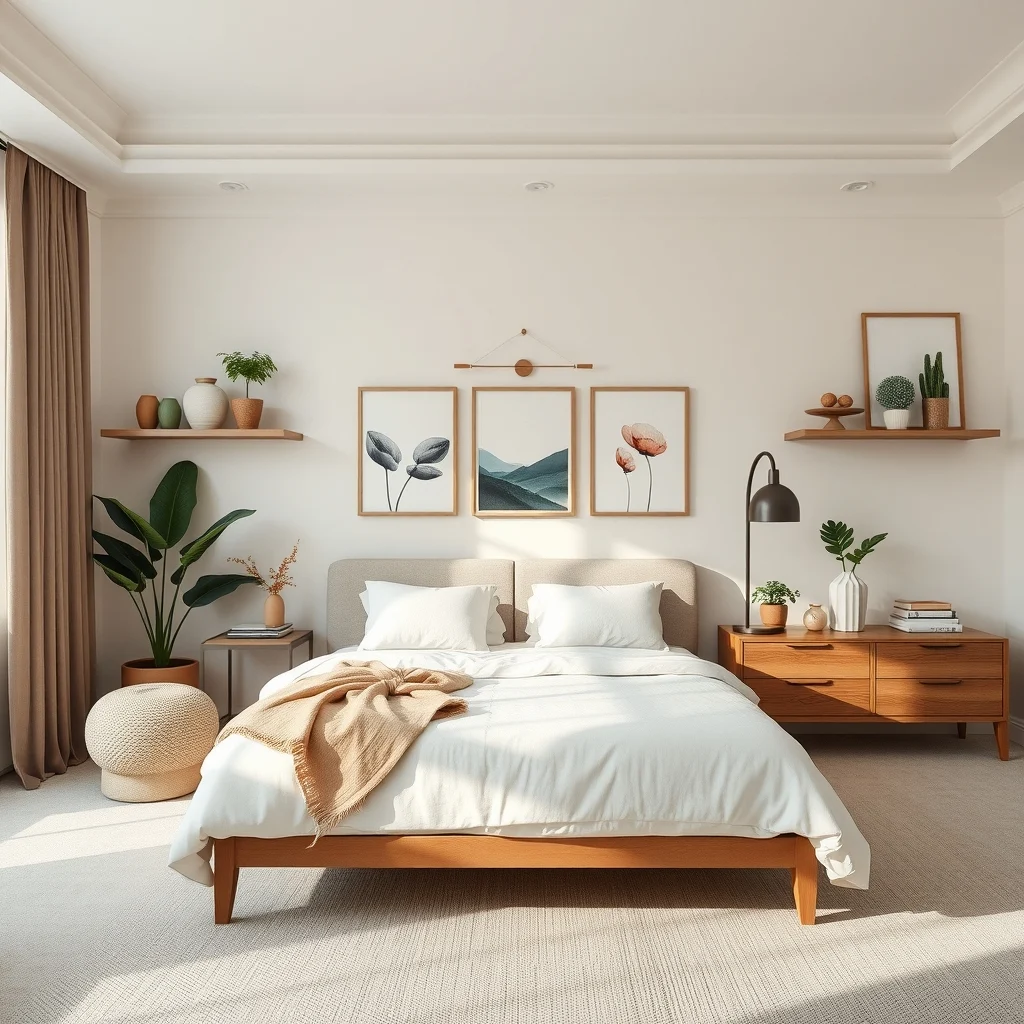
Refreshing a bedroom does not require a new mattress or a major renovation. By applying color, light, texture, and thoughtful organization, you can transform the space into a soothing retreat that reflects your personality and respects your budget. Start with the idea that resonates most—whether it’s a fresh coat of paint, a new lighting layer, or a simple plant—and let the room evolve gradually. Each change builds on the last, proving that a stylish, comfortable bedroom is within reach without a large expense.