
When a city apartment offers only a sliver of outdoor space, the balcony often becomes a neglected afterthought. Yet that narrow strip can be transformed into a functional extension of the living area, a place that feels as inviting as a dedicated room. Below are seven ideas that turn a modest balcony into a comfortable, usable retreat without sacrificing style or practicality.
Shop the Look
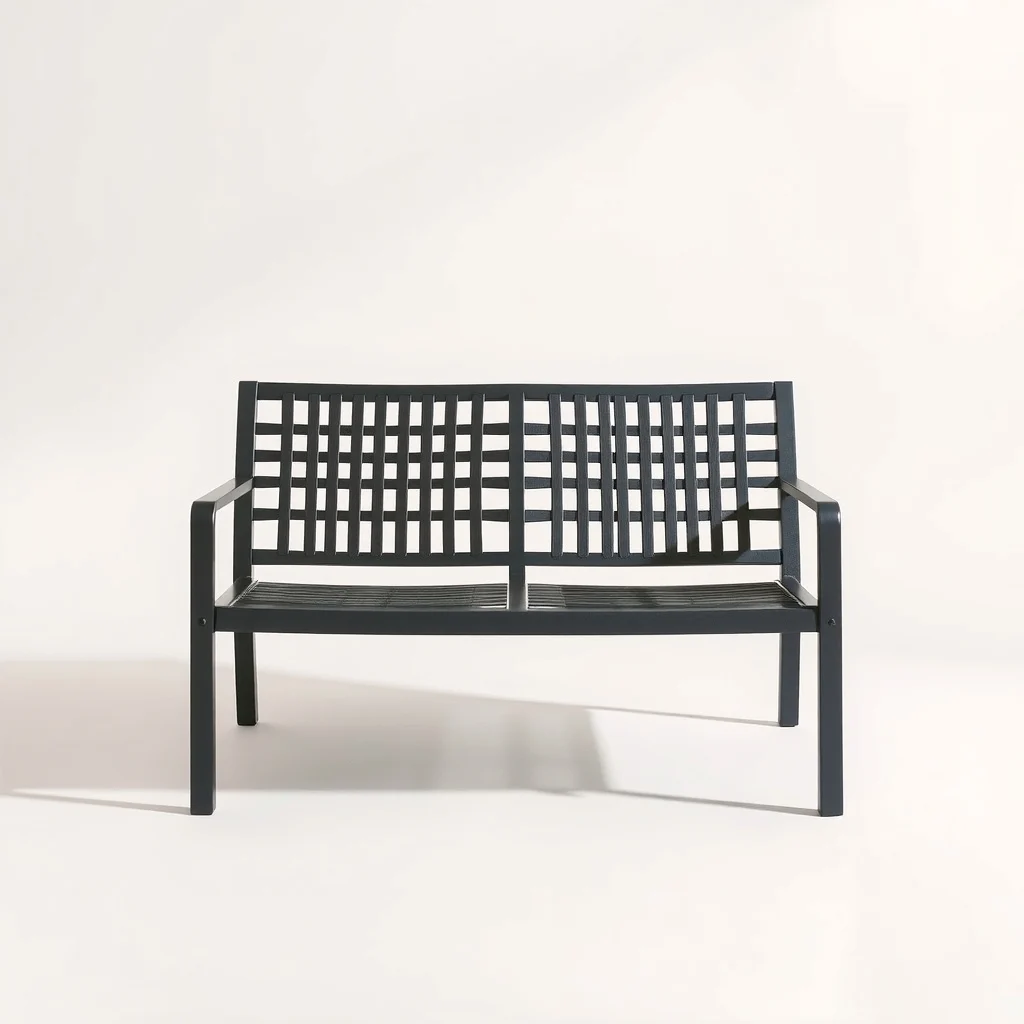
Weather‑Resistant Outdoor Loveseat
Provides low‑profile seating that fits a tiny balcony and endures rain.
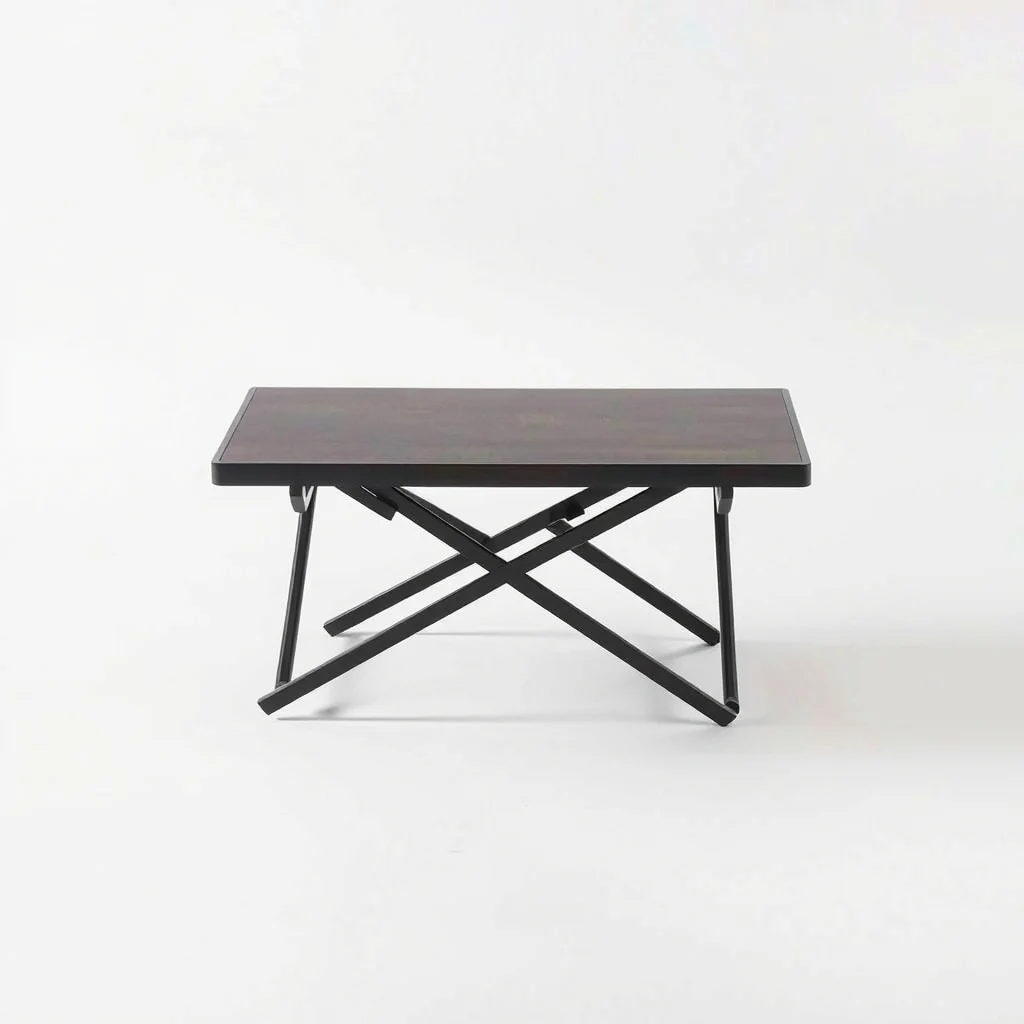
Fold‑Down Balcony Coffee Table
A slim, detachable side table for drinks and books that tucks away when space is needed.
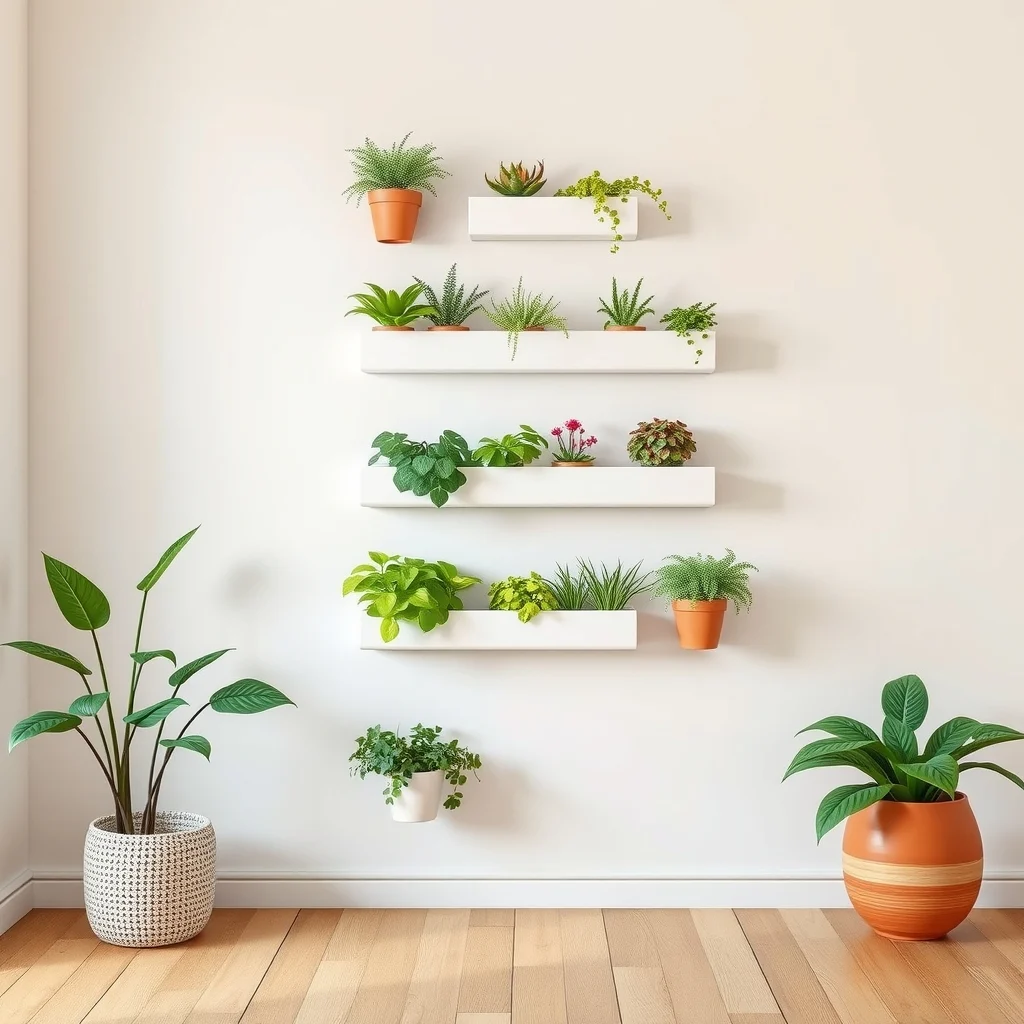
Vertical Garden Planter Kit
Creates a living wall of herbs or succulents, adding color and fragrance without using floor space.
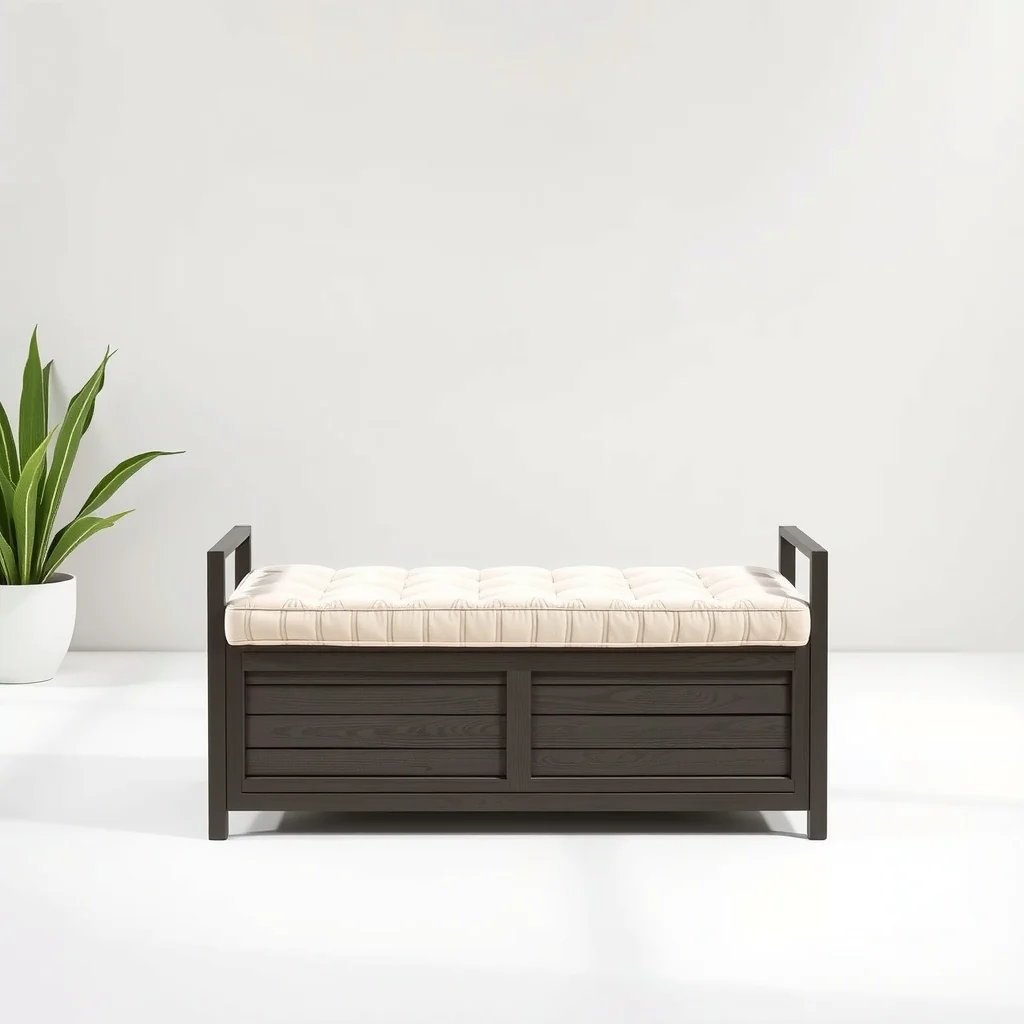
Outdoor Storage Bench with Cushion
Offers hidden storage for cushions or blankets while adding extra seating and comfort.
Images are example styles; the products on Amazon may look different.
As an Amazon Associate I earn from qualifying purchases. This post contains affiliate links at no extra cost to you.
1. Create a layered seating nook
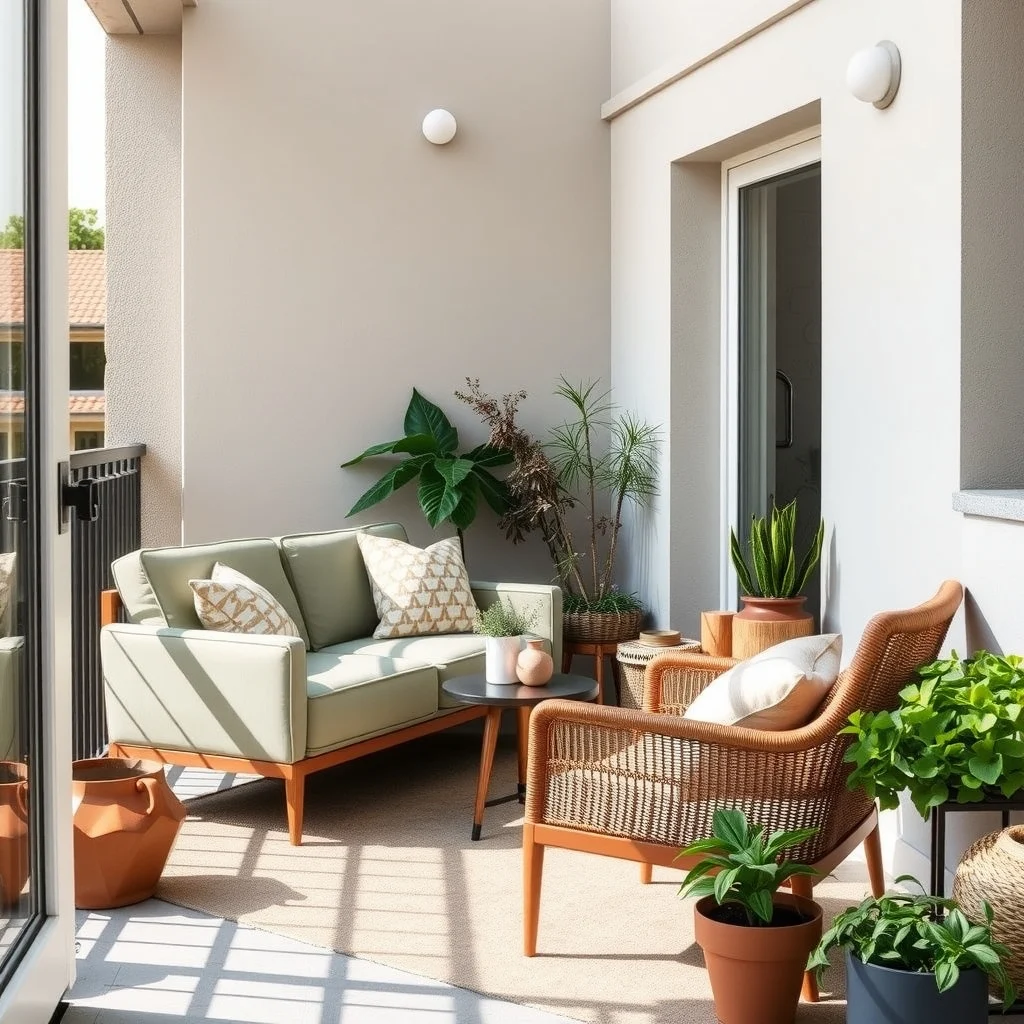
Start by arranging a low‑profile loveseat or a pair of compact armchairs that fit within the balcony’s footprint. Choose pieces upholstered in weather‑resistant fabric—think woven cotton in a muted sage or soft terracotta—so the cushions stay comfortable after a few rain showers. Adding a slim, detachable side table gives you a surface for a mug of tea or a small stack of books without crowding the floor. The layered effect of seating, table, and a few floor cushions invites you to linger, turning the balcony into a lounge rather than a mere balcony.
The key to success is proportion. Measure the width of the railing and leave at least eight inches of clearance on each side so you can move freely. If space is tighter, opt for a single chaise that folds flat against the wall when not in use. The trade‑off is that a larger sofa will dominate the area, but the added comfort often outweighs the loss of open floor.
2. Install a vertical garden wall
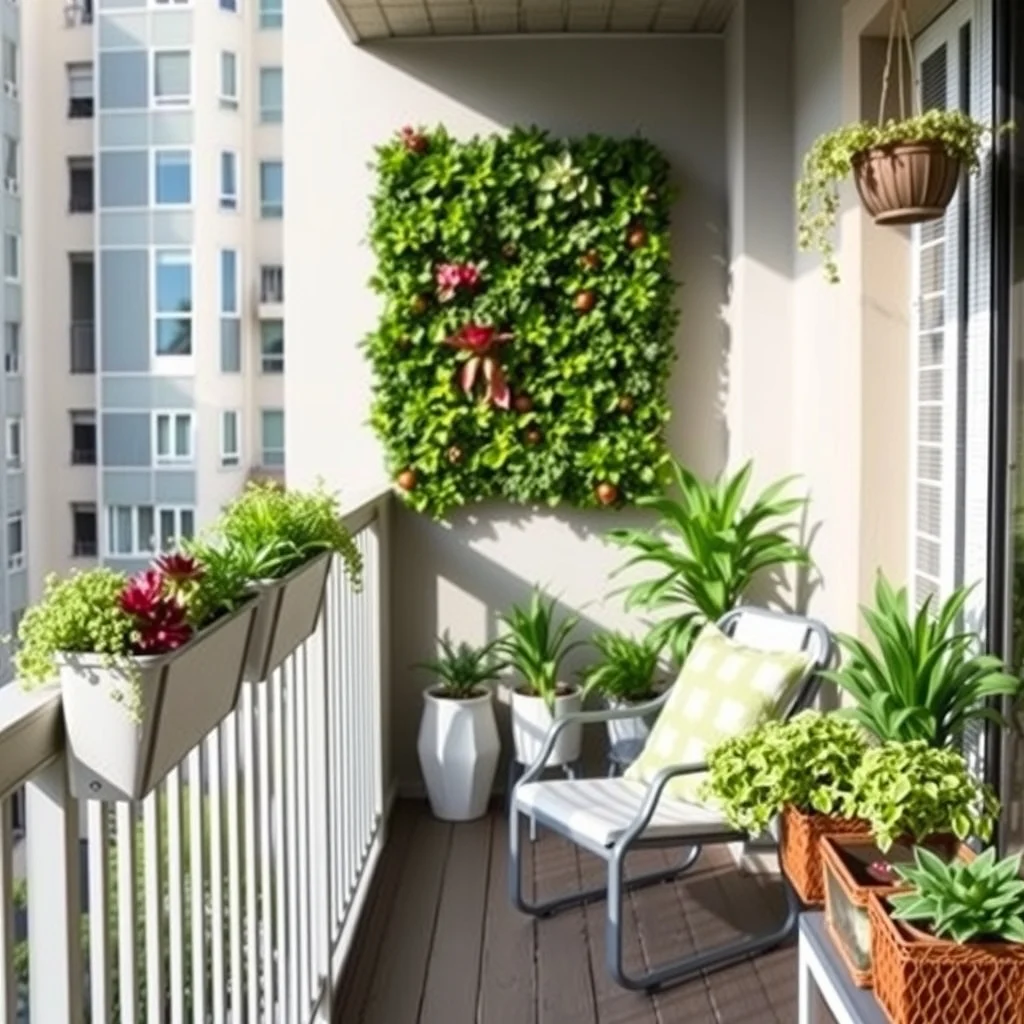
A living wall of herbs, succulents, or trailing vines adds colour, texture, and a subtle fragrance that makes the balcony feel like an indoor garden room. Use modular planter boxes that attach to the railing or a lightweight frame, selecting materials such as powder‑coated steel or reclaimed wood that resist moisture. Plant selections should reflect the amount of sunlight: rosemary and thyme thrive in full sun, while ferns prefer dappled light.
Beyond aesthetics, a vertical garden creates a sense of enclosure, making the space feel more intimate. It also offers practical benefits—fresh herbs for cooking and natural air‑filtration. The main consideration is weight; ensure the railing can support the planters, or anchor the system to the balcony floor with discreet brackets. If the load is a concern, choose lighter containers like fabric grow bags.
3. Add a fold‑out coffee bar
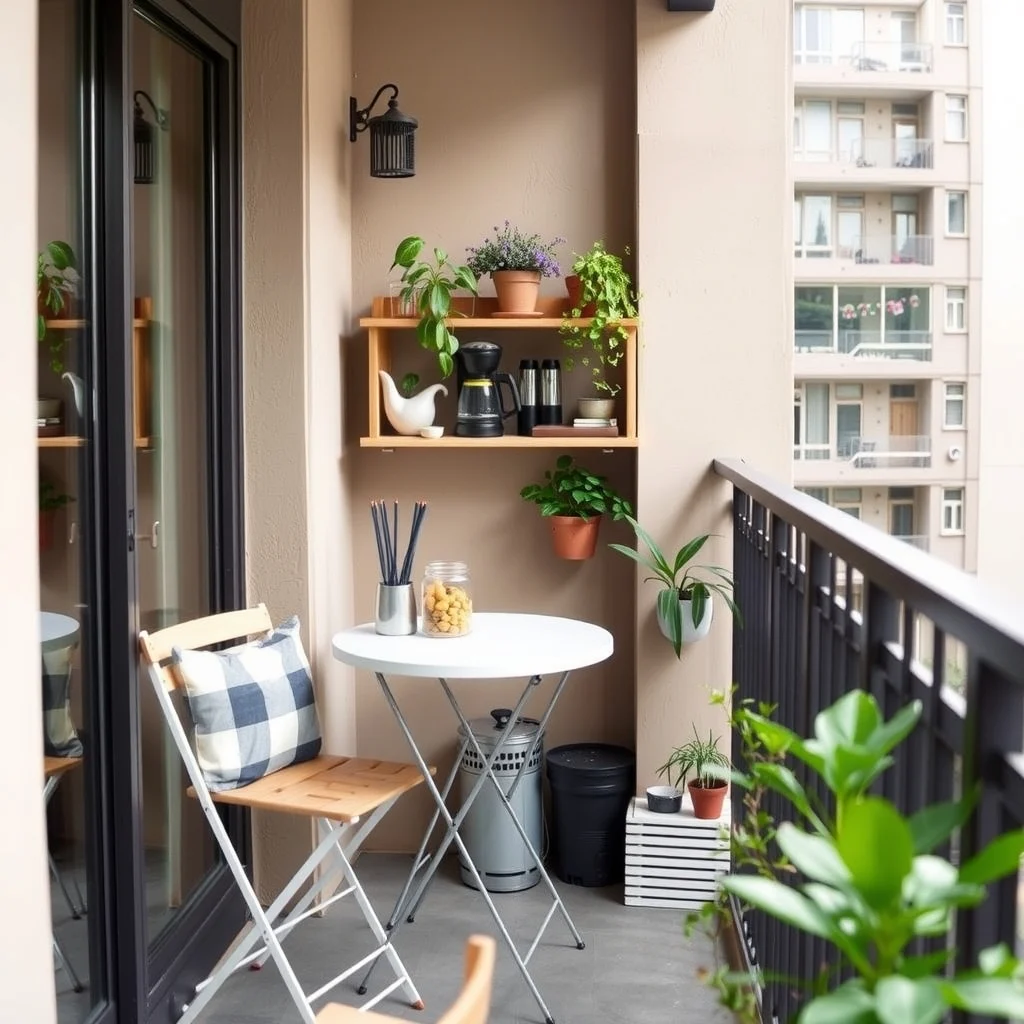
Transform a corner of the balcony into a miniature coffee station by installing a narrow, wall‑mounted shelf that holds a compact espresso maker, a small kettle, and a few jars for beans and tea leaves. A pair of slim, stackable stools tucked underneath the shelf keep the floor clear when the bar isn’t in use. Choose a finish that matches existing balcony railings—brushed brass or matte black—to keep the look cohesive.
This setup encourages you to step outside for a quiet caffeine break, reinforcing the balcony’s role as an extra room. The fold‑out design means you can close the shelf and store the appliances safely during windy weather. The limitation is that you’ll need a reliable power source; running an outdoor‑rated extension cord from the nearest outlet is safest, and any electrical work should follow local codes.
4. Use a compact storage bench with cushions
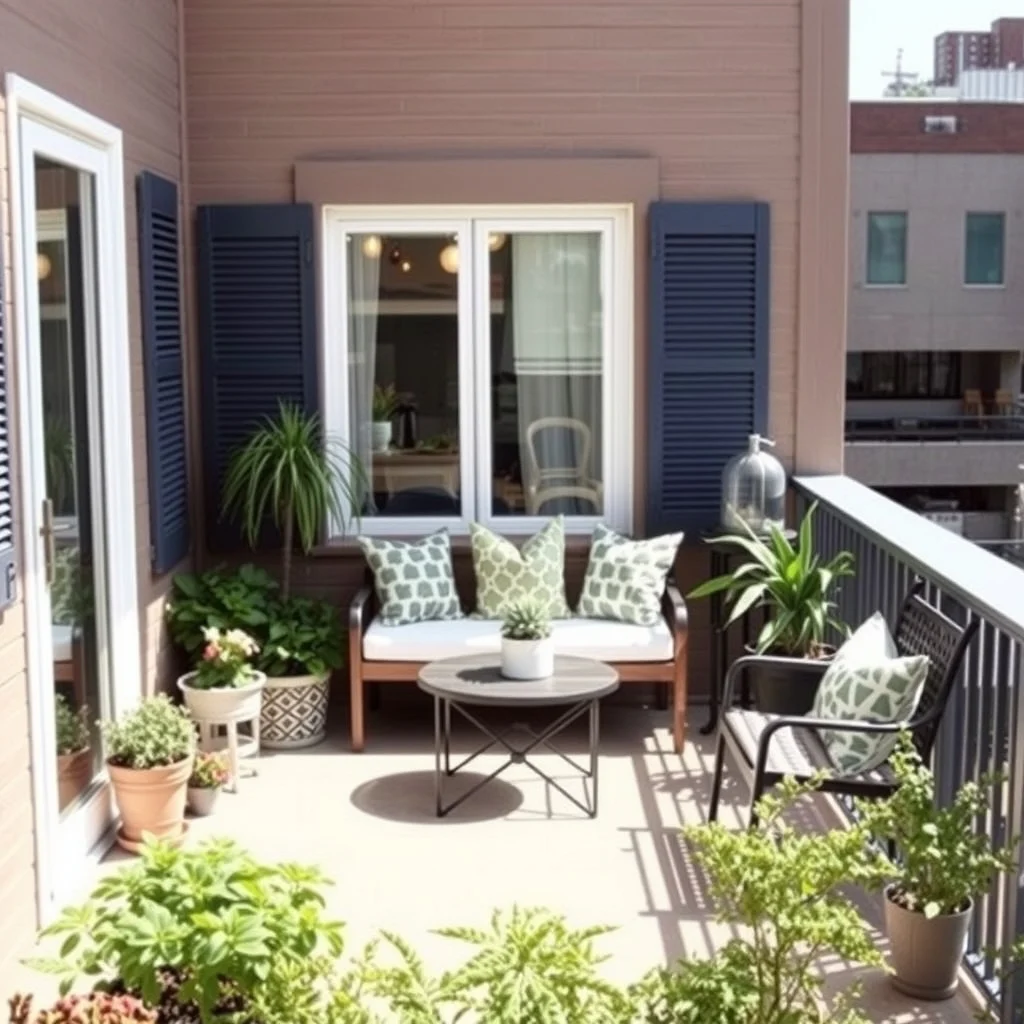
A low bench that doubles as storage solves two problems at once: it provides seating and hides away blankets, gardening tools, or extra pillows. Look for a bench constructed from teak or powder‑coated aluminum with a waterproof liner inside. Adding a pair of weather‑proof cushions in a neutral tone creates a cohesive look that blends with the surrounding décor.
The bench’s closed compartments keep the balcony tidy, especially when you need to store items during rain or intense sun. When you open the lid, the interior reveals a surprisingly spacious compartment—perfect for a small stack of magazines or a portable speaker. The trade‑off is that the bench occupies floor space, so it works best when you have a clear zone for movement around it.
5. Hang curtains to define a private alcove
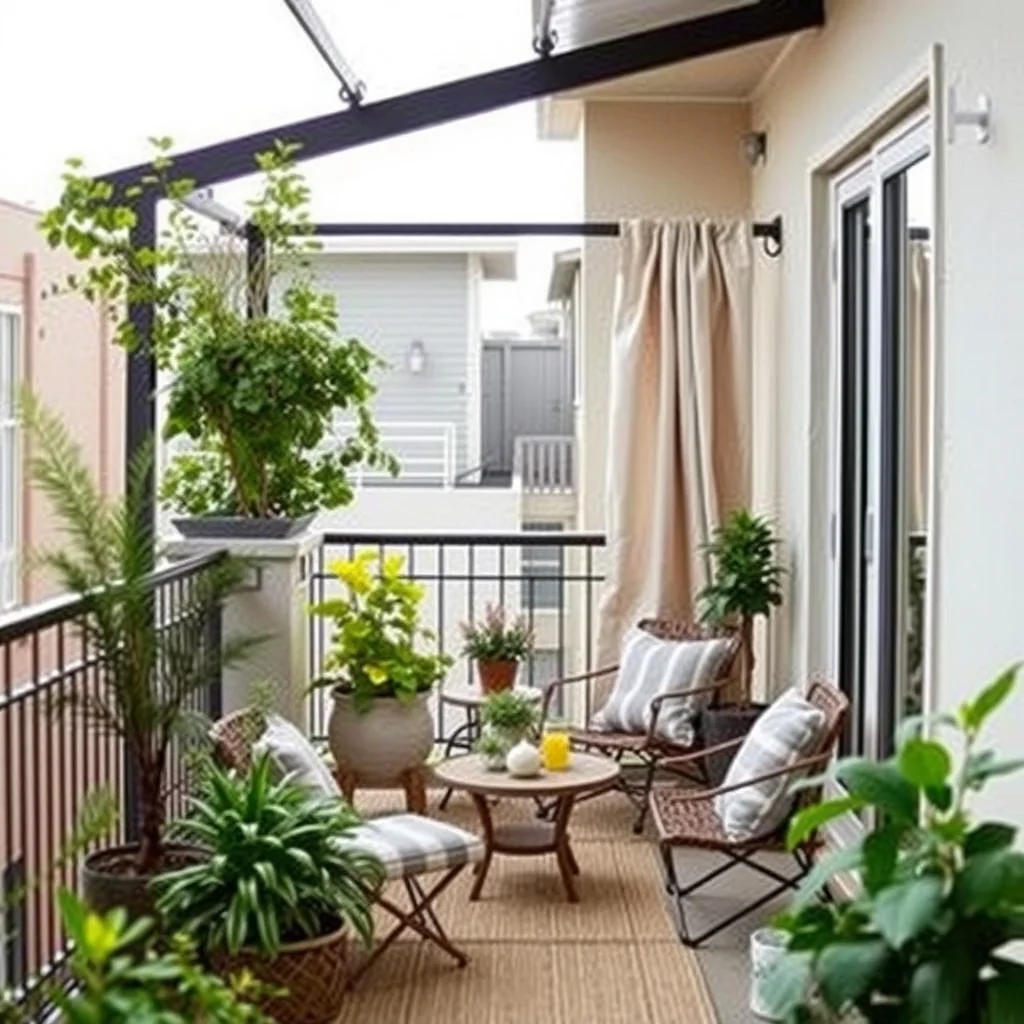
Soft, floor‑to‑ceiling curtains attached to a lightweight ceiling track can turn an open balcony into a semi‑enclosed nook. Choose a fabric that resists UV fading, such as linen blend in a warm greige, and ensure the track is made of rust‑proof metal. When drawn, the curtains soften the view of the street and create a sense of separation, much like a room divider.
Beyond privacy, the curtains act as a windbreak, making the balcony usable on breezier days. They also provide a backdrop for decorative elements like fairy lights or a small wall hanging. The main drawback is the need for occasional cleaning; dust can accumulate on the fabric, so a gentle vacuum or brush is advisable each season.
6. Incorporate a low‑profile rug and soft textiles
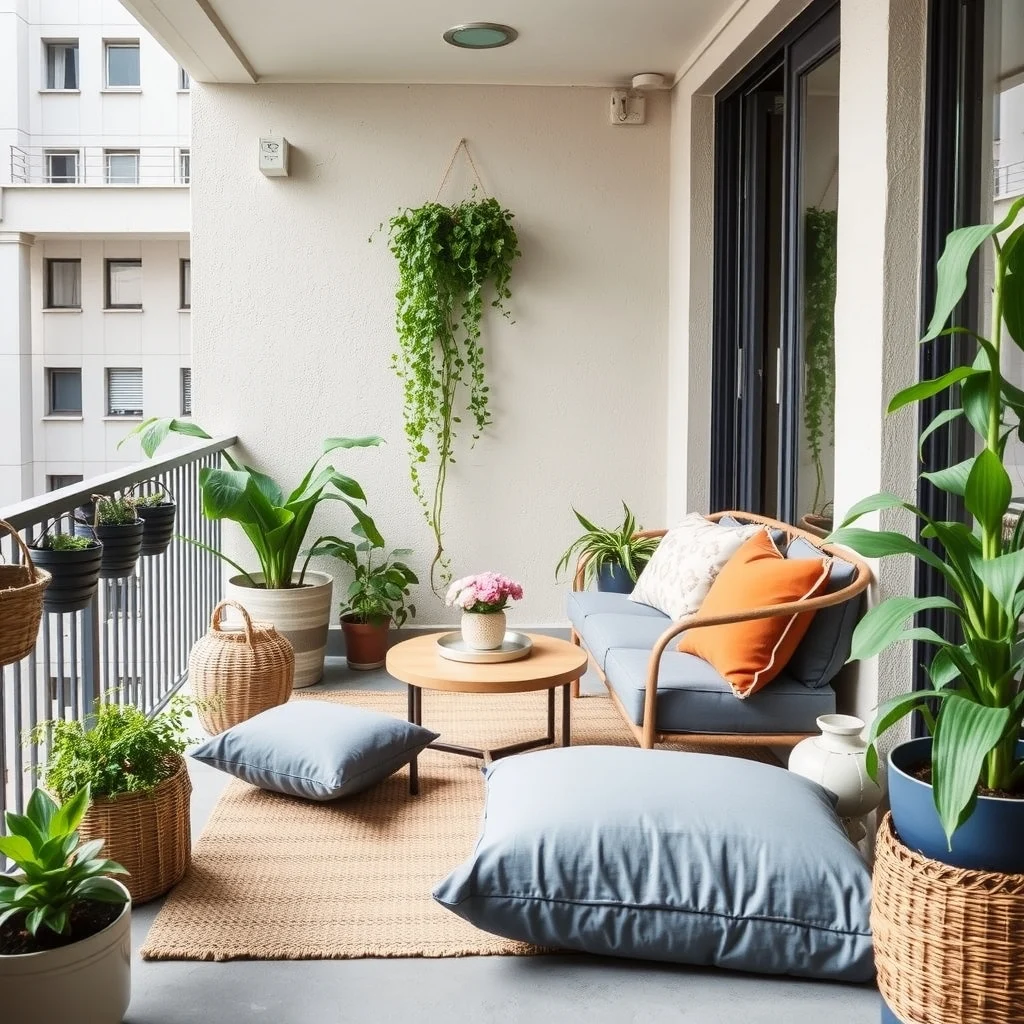
A weather‑tolerant rug—woven jute, indoor‑outdoor polypropylene, or reclaimed cotton—adds warmth underfoot and defines the activity zone. Pair the rug with a few plush floor cushions in muted blues or earthy ochre, arranging them in a loose semi‑circle around the seating. The tactile contrast between the sturdy rug and the soft cushions invites you to sit, read, or enjoy a quiet moment.
Choosing a rug with a subtle pattern helps mask minor stains, while the cushions can be easily removed for cleaning. The downside is that rugs can retain moisture if left wet; be sure to lift them on rainy days and allow them to dry thoroughly to prevent mildew.
7. Introduce ambient lighting with layered sources
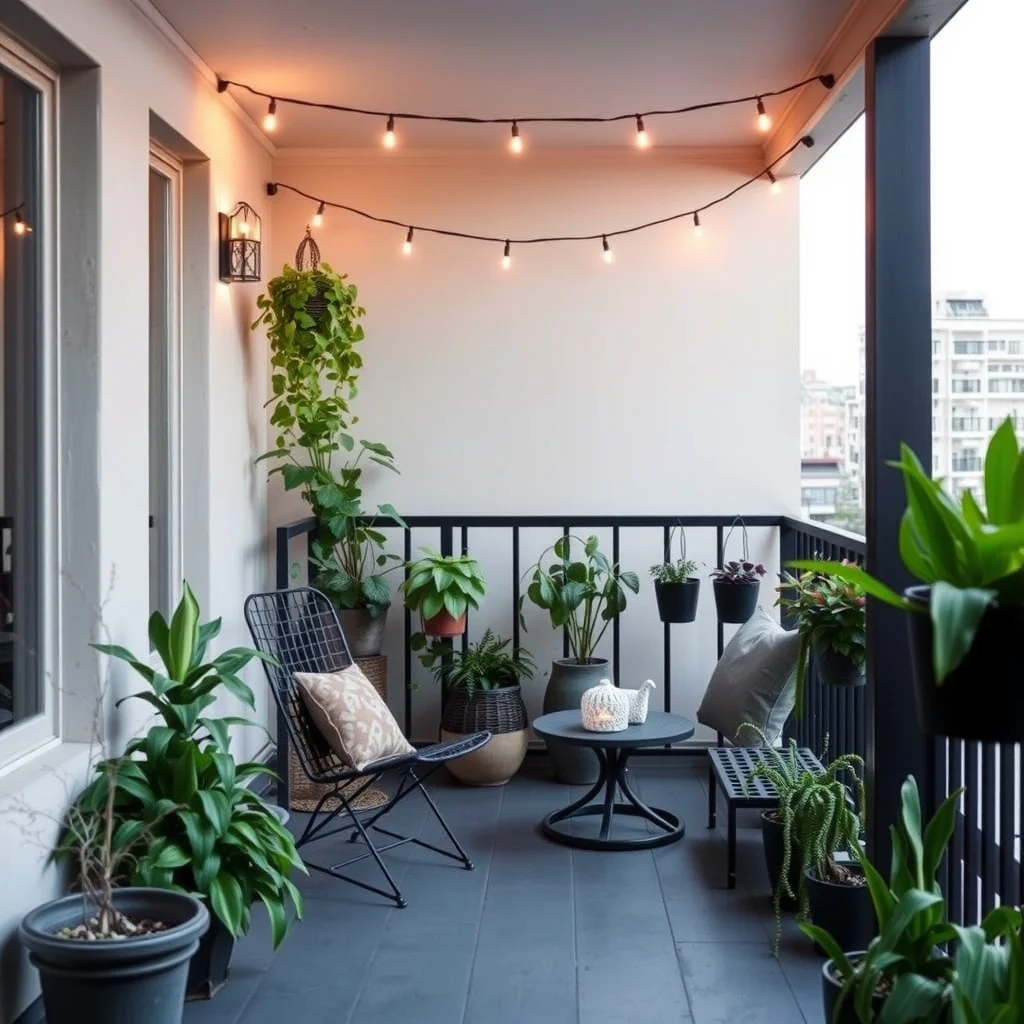
Layered lighting transforms the balcony from a daytime perch to an evening retreat. Start with a string of solar‑powered LED bulbs draped along the railing, providing a gentle glow without electrical work. Add a couple of battery‑operated lanterns on the side table for focused illumination, and consider a low‑profile floor lamp with a dimmer for reading.
The combination of diffuse, task, and accent lighting creates depth, making the balcony feel like a room rather than an outdoor ledge. Solar lights reduce energy costs, but they rely on sufficient sunlight, so keep a backup battery‑operated option for cloudy periods. Over‑lighting can be a pitfall; aim for a soft, warm hue that complements the natural light rather than overpowers it.
FAQ
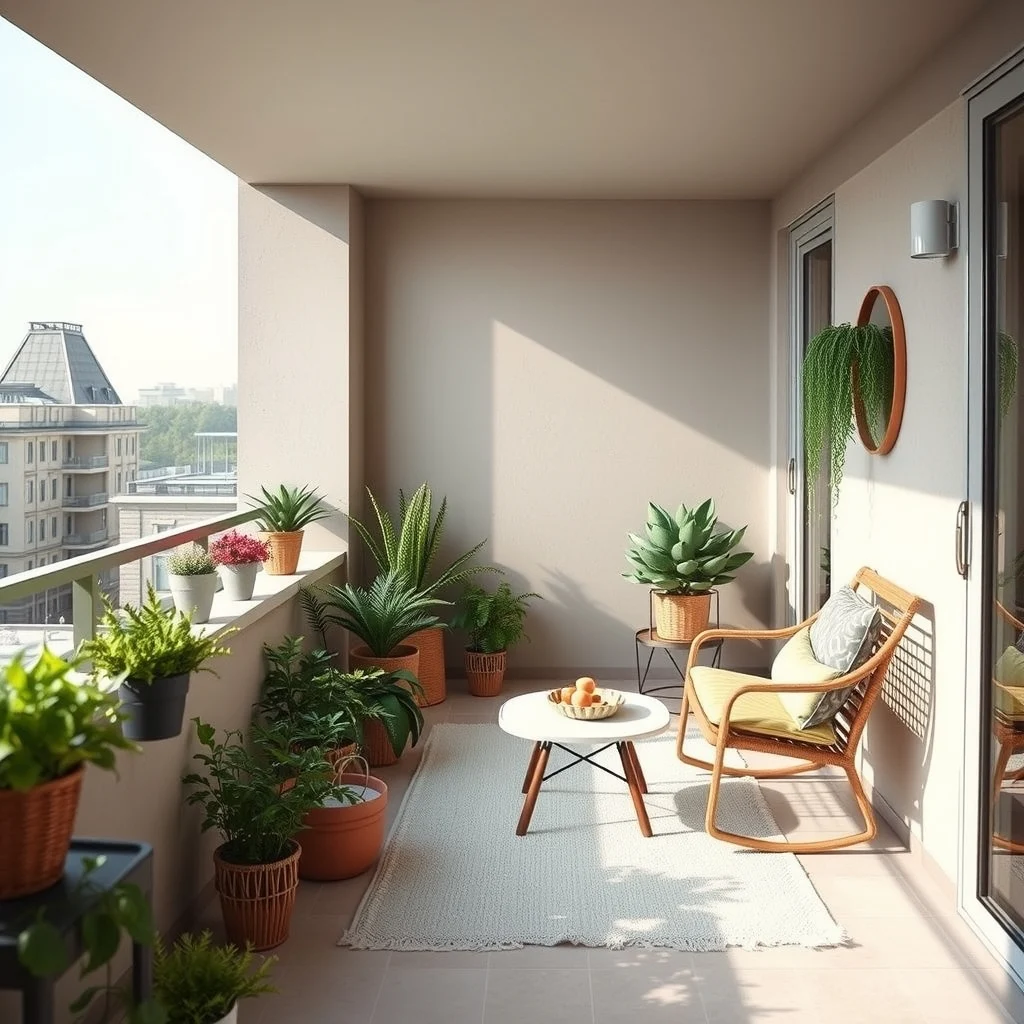
How can I make a tiny balcony feel larger?
Use light‑colored flooring, such as a pale rug, and keep furniture low to the ground. Mirrors placed on the rail or wall reflect light and visually expand the space.
What type of furniture works best on a balcony with limited weight capacity?
Choose lightweight pieces made from aluminum, wicker, or resin that are designed for outdoor use. Avoid heavy solid wood unless the balcony structure is reinforced.
Can I keep plants on my balcony without them getting water‑logged?
Yes, select containers with drainage holes and use a saucer to catch excess water. Elevate the pots on a slatted shelf to allow air circulation and prevent standing water.
Is it safe to use electrical appliances on a balcony?
Only use appliances that are rated for outdoor use and keep cords away from wet areas. If you are unsure, consult a qualified electrician to ensure compliance with local safety codes.
Final Thoughts
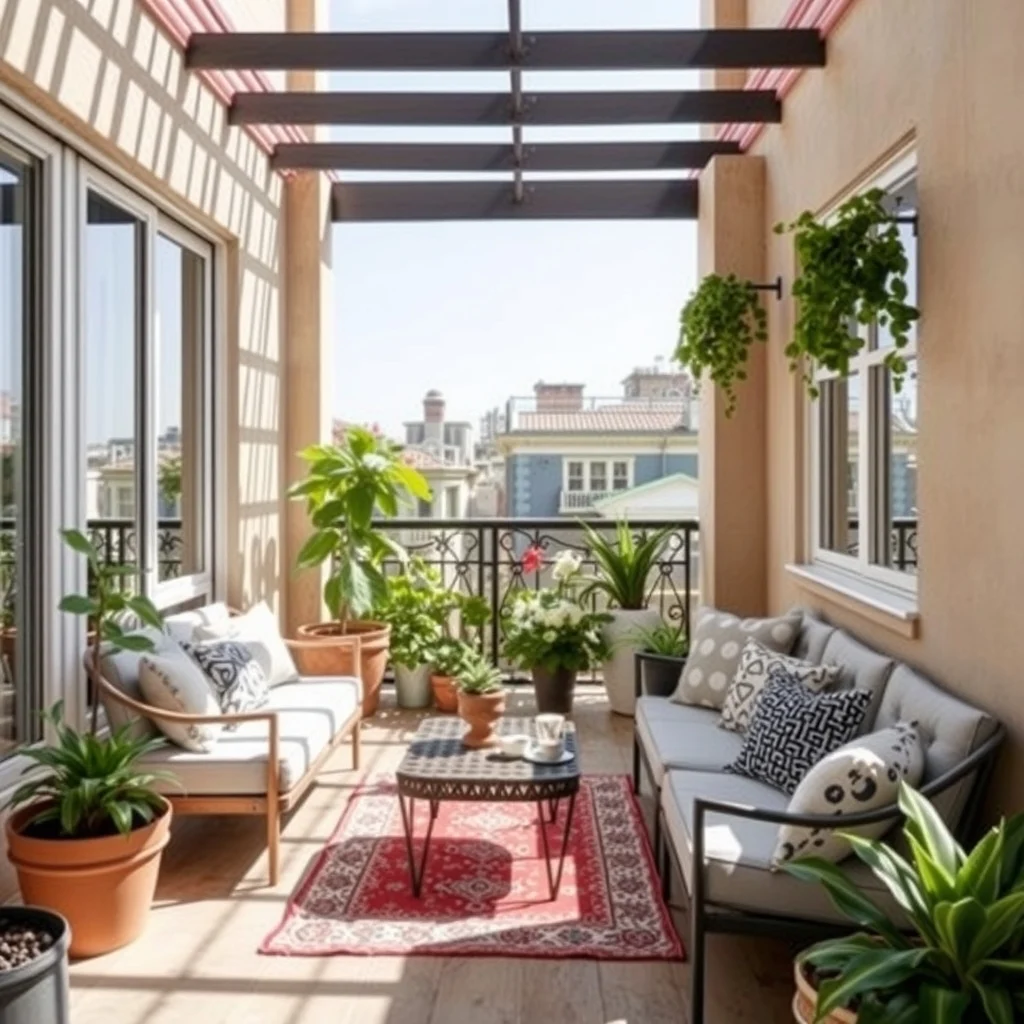
Turning a narrow balcony into an extra room is less about adding square footage and more about thoughtful layering of function, comfort, and style. By selecting weather‑resistant furniture, creating visual boundaries with curtains or plants, and adding soft lighting, you can enjoy an outdoor space that feels as intentional as any interior room. Remember to respect the balcony’s structural limits and maintain the elements you introduce, and the space will become a cherished extension of your home for years to come.