
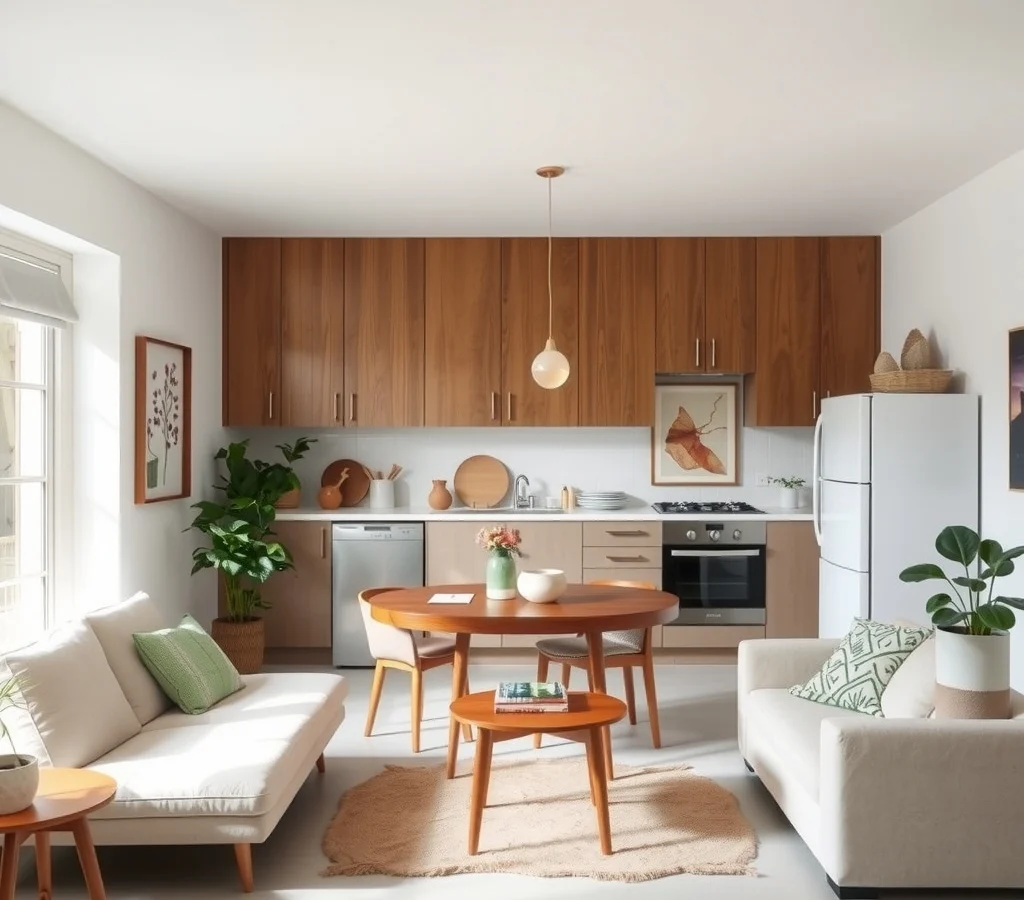
Grandma Core Kitchen Ideas That Make a Modern Home Feel Nostalgic
Many homeowners love the clean lines of contemporary design but miss the comforting hum of a kitchen that feels lived‑in, like the one grandma used to host family gatherings in. The challenge is to weave those familiar touches into a space that still functions with today’s appliances and habits. Below are seven ideas that let you keep the efficiency of a modern kitchen while inviting the warmth of a bygone era. Each concept is described with practical steps, material suggestions, and a note on what to watch out for, so you can decide which pieces belong in your own home.
1. Reintroduce Open Shelving with Vintage Crockery
© 2026 AI Illustrator — Inspiration Only
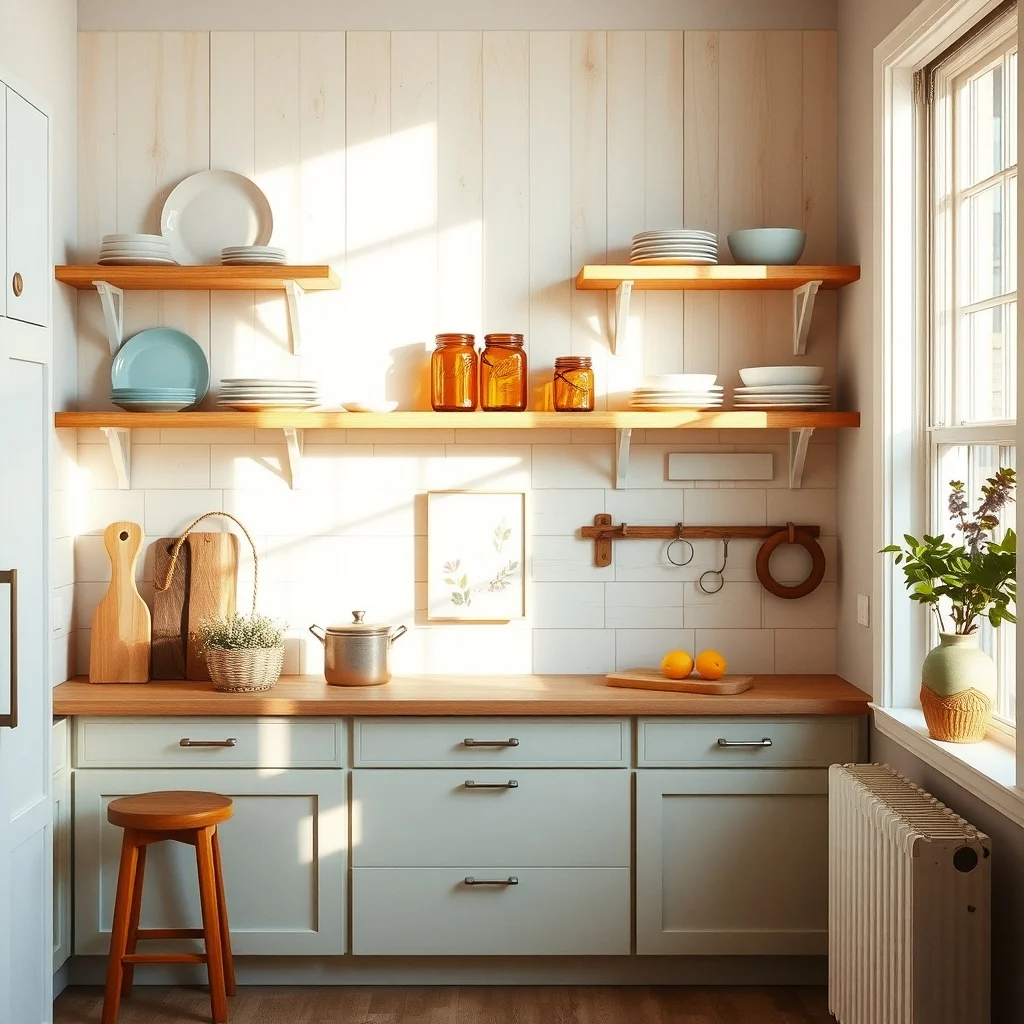
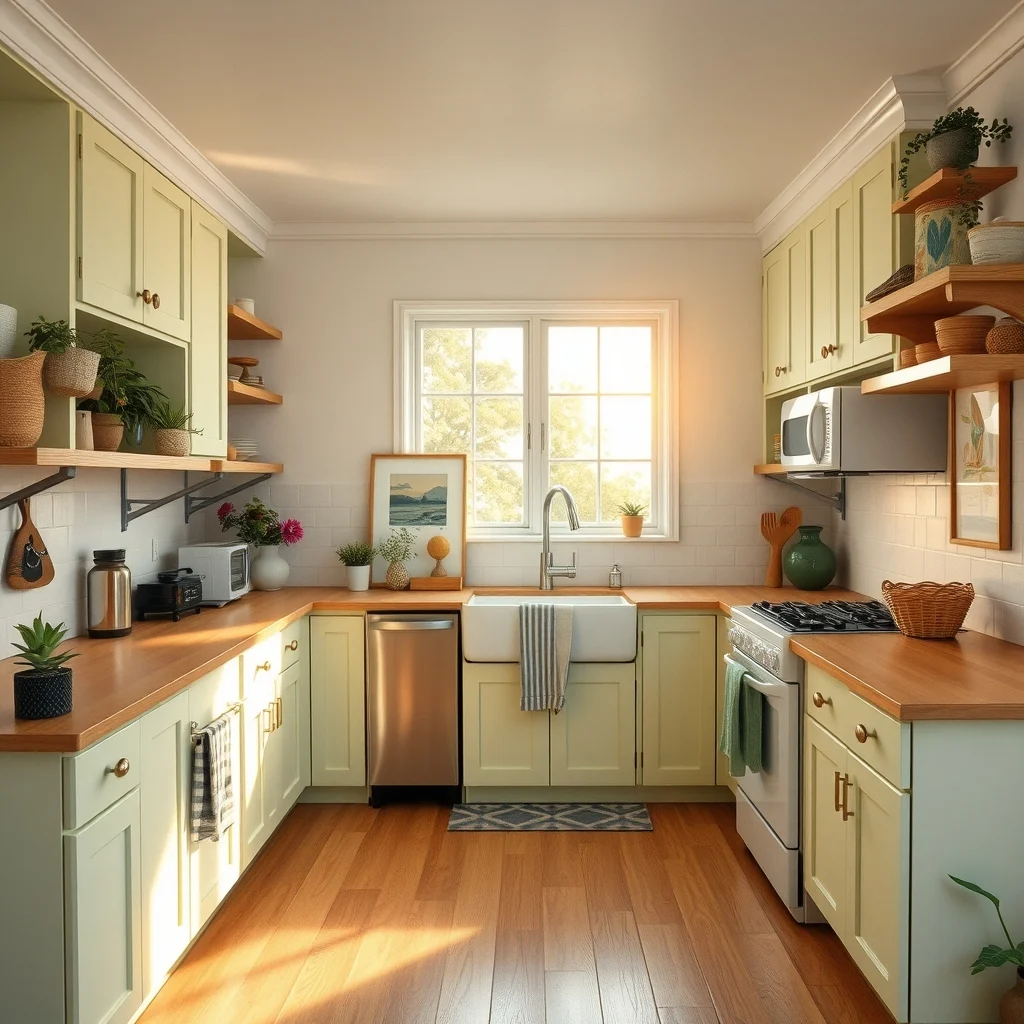
Replacing a few upper cabinet doors with open wooden shelves instantly changes the visual weight of the room. The shelves act as a backdrop for hand‑painted plates, mason jars, and copper mixing bowls that have been handed down through generations. Because the items are on display, you’ll need to curate them; a cluttered shelf can look chaotic rather than charming. Choose reclaimed pine or reclaimed oak for a patina that deepens over time, and finish it with a low‑gloss, food‑safe sealant. Position the shelves at eye level so the colors of the crockery become part of the kitchen’s palette, echoing the soft greige of the walls. The trade‑off is that open shelving offers less protection from steam, so you may want to keep the most delicate pieces in a glass cabinet nearby.
Which Home Style Fits Your Space?
Answer 5 quick questions to find your perfect interior style and inspiration.
2. Swap Modern Cabinet Fronts for Refinished Shaker Doors
© 2026 AI Illustrator — Inspiration Only
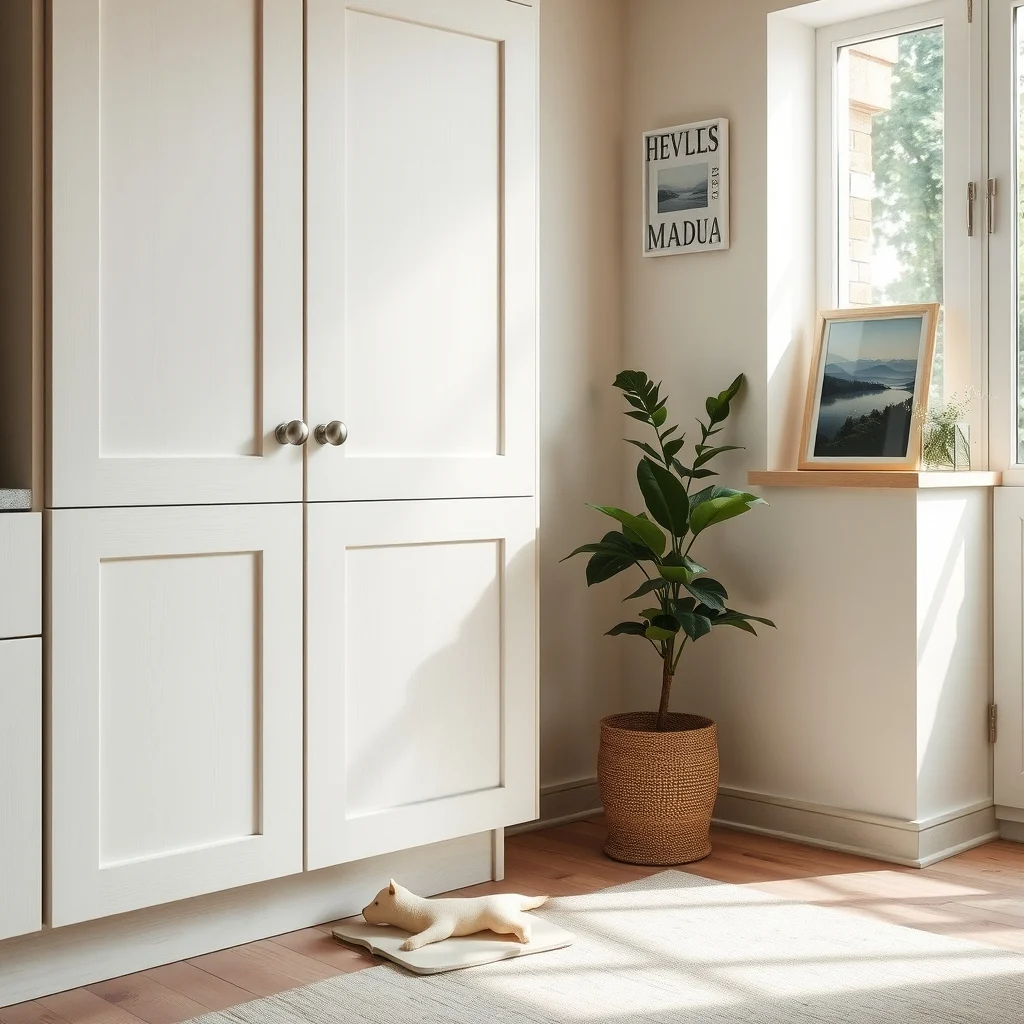
Shaker cabinets have a timeless silhouette, and a gentle limewash or whitewash can soften the starkness of contemporary hardware. Instead of buying new units, consider sanding the existing doors and applying a thin coat of milk paint mixed with a touch of chalk for a matte finish that shows subtle brush strokes. This process respects the original structure while giving the kitchen a hand‑crafted feel. Pair the doors with simple brushed‑nickel pulls; the understated metal complements both old and new aesthetics. Keep in mind that painted surfaces can show wear in high‑traffic areas, so a clear protective topcoat is advisable if you anticipate heavy use.
3. Layer Warm, Hand‑Painted Tiles Beneath the Counter
© 2026 AI Illustrator — Inspiration Only
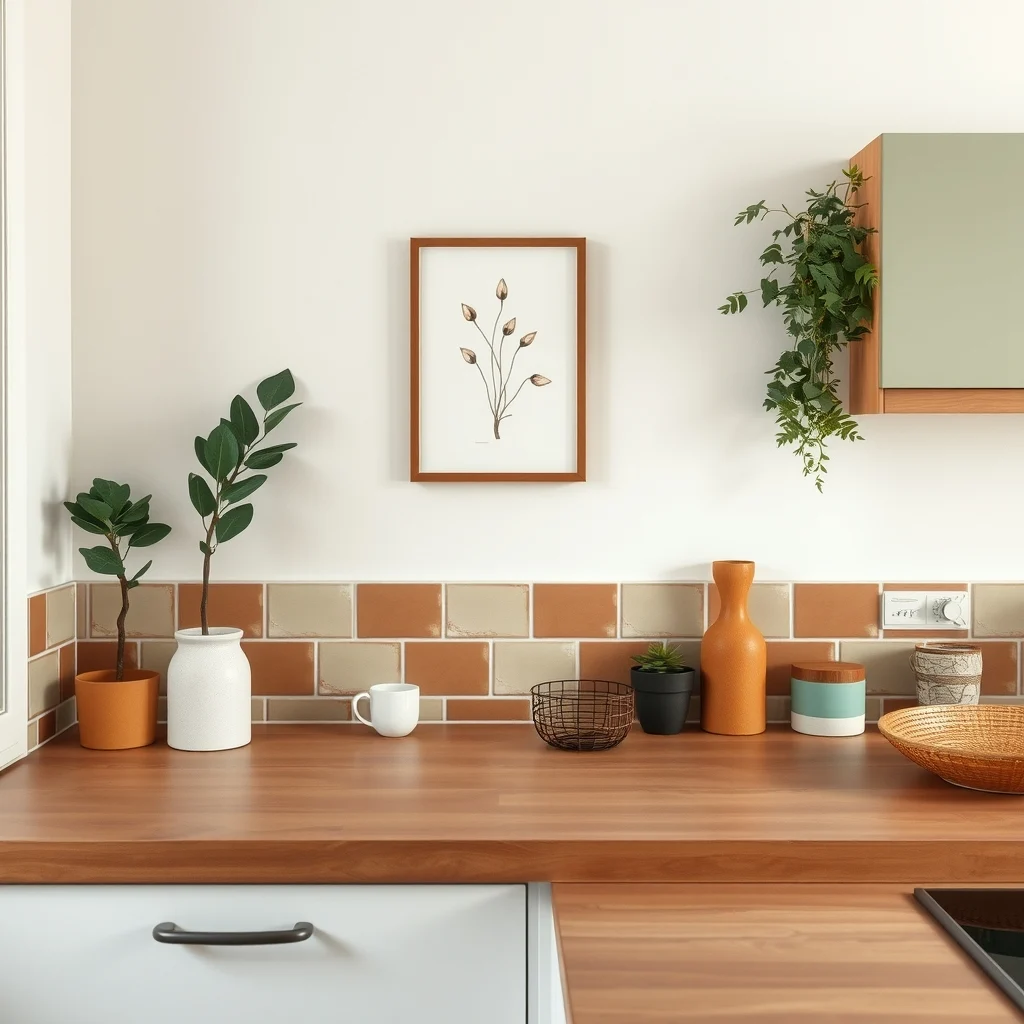
A row of hand‑painted ceramic tiles set back from the countertop adds a decorative border that recalls the kitchen backsplashes of the 1950s. Choose tiles in soft terracotta or muted sage, each featuring a slightly uneven glaze that catches light differently throughout the day. Installing them on a concrete substrate requires thin‑set mortar and careful alignment, but the result is a subtle visual break between the work surface and the wall. The tiles are easy to wipe clean, yet the painted designs may fade if exposed to harsh chemicals, so a mild cleanser is best. This detail offers a nostalgic accent without overwhelming the overall design.
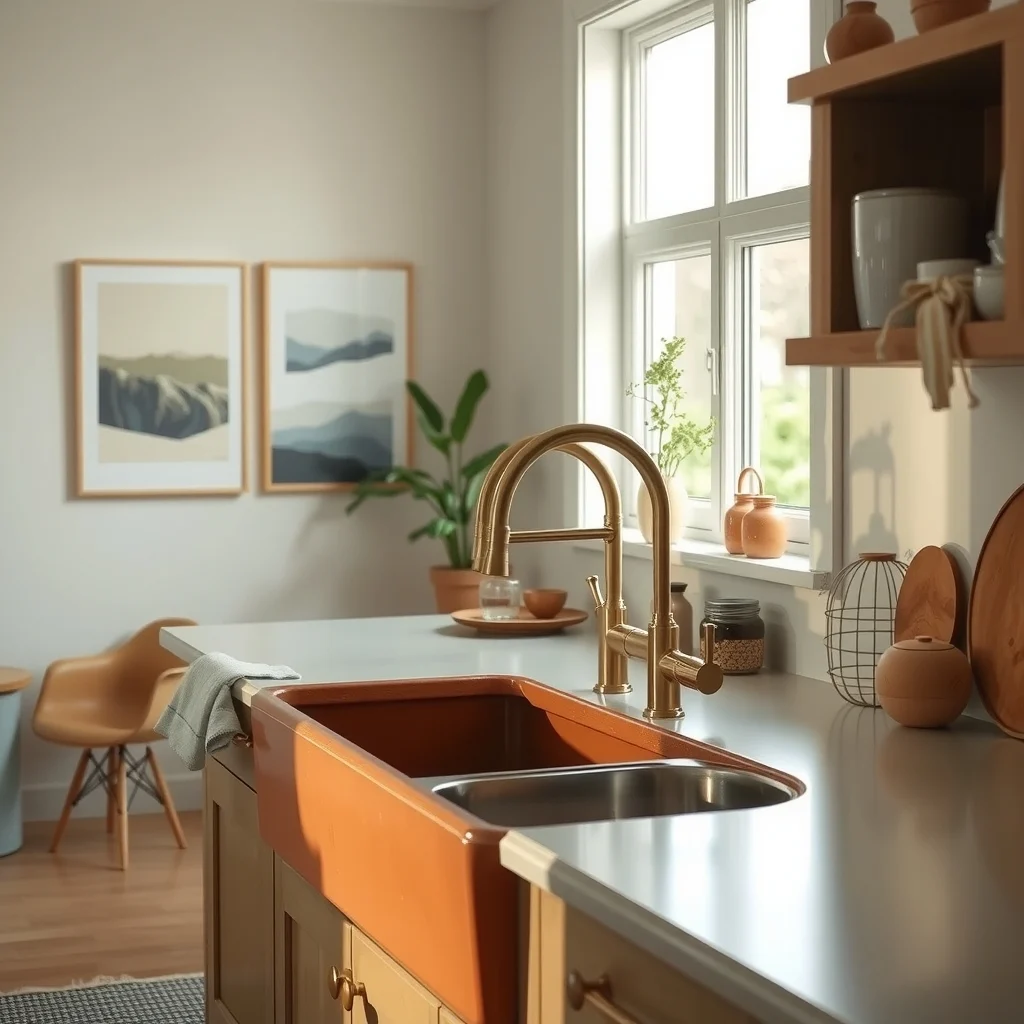
4. Install a Classic Farmhouse Sink with Brass Faucet
© 2026 AI Illustrator — Inspiration Only
A deep, apron‑front farmhouse sink in fire‑clay or stainless steel provides the generous basin that older kitchens prized for large pots and vegetable washes. Pair it with a brushed brass pull‑out faucet; the warm metal tone mirrors the glow of vintage lighting and adds a tactile contrast to the cool countertop. The sink’s size encourages slower, more deliberate cooking—a habit many associate with family meals of the past. However, the larger footprint can reduce floor space, so ensure the surrounding cabinets are adjusted to maintain clear pathways. Regular polishing of the brass will keep it from developing a patina that some may find too aged.
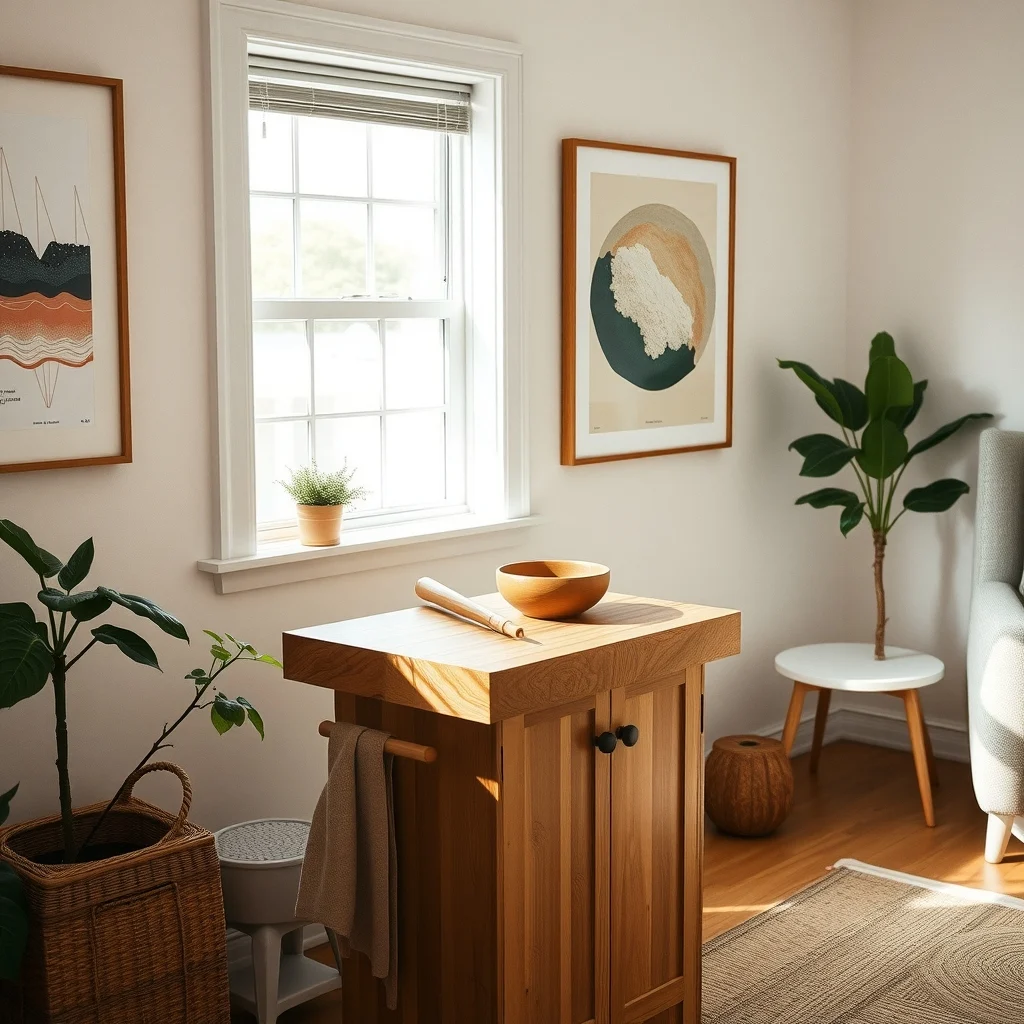
5. Bring in a Small Butcher‑Block Island for Prep and Seating
© 2026 AI Illustrator — Inspiration Only
A compact island crafted from sustainably sourced maple or walnut serves both as a work surface and a casual dining spot. The natural grain of the wood invites cutting boards, rolling pins, and a bowl of fresh herbs to sit directly on the countertop, reinforcing the idea of a kitchen that is lived in. Adding two simple stools with linen cushions creates a place for quick meals or conversation while the main cooking happens elsewhere. The main consideration is maintenance: wood expands and contracts with humidity, so a high‑quality oil finish and periodic resealing are essential to prevent warping.
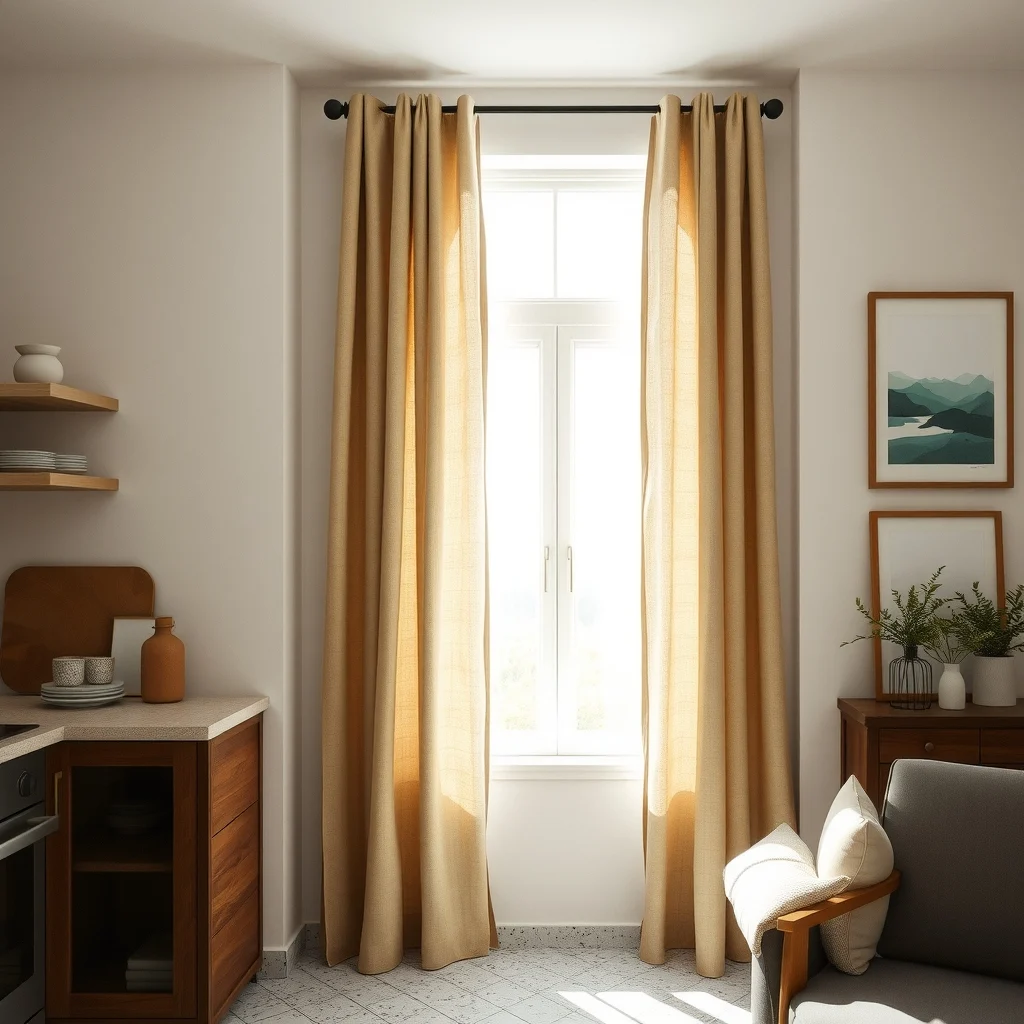
6. Use Soft, Natural Light with Simple Linen Window Treatments
© 2026 AI Illustrator — Inspiration Only
Replacing heavy drapes with airy linen curtains lets morning sunlight filter through, casting a gentle glow that highlights the textures of wood, tile, and metal. Choose a neutral linen in a warm greige shade; its slight texture diffuses light without creating harsh shadows, reminiscent of the soft illumination that filtered through kitchen windows in older homes. For privacy, a double‑layer system—sheer linen over a heavier woven panel—offers flexibility while keeping the look understated. The downside is that linen can wrinkle easily, so a low‑heat iron may be needed to keep the fabric looking crisp.
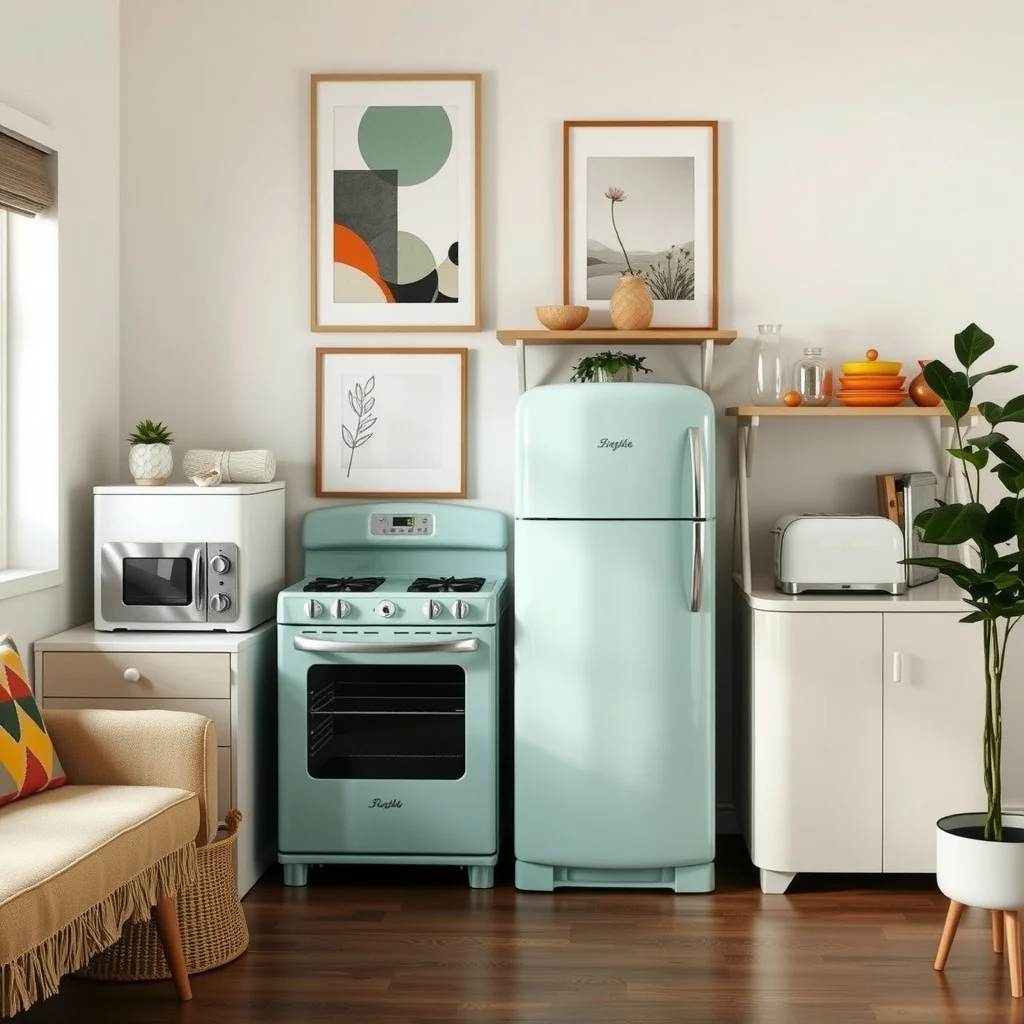
7. Add a Retro Appliance Palette with Modern Performance
© 2026 AI Illustrator — Inspiration Only
Modern appliances are available in retro silhouettes that echo the rounded edges of mid‑century models. A pastel‑hued refrigerator, a rounded‑front range, and a toaster with chrome accents can all be sourced with energy‑efficient technology hidden behind the nostalgic exterior. These pieces blend seamlessly with contemporary functionality—quiet compressors, precise temperature controls, and smart connectivity—while still delivering the visual cue of a kitchen that belongs to a previous generation. The main limitation is cost; retro‑styled appliances often carry a premium, so prioritizing one or two statement pieces can achieve the look without exceeding budget.
FAQ
© 2026 AI Illustrator — Inspiration Only
How can I keep a vintage look without sacrificing durability?
Choose materials that age well, such as reclaimed wood, brushed brass, and high‑quality ceramic tiles, and protect them with clear sealants that resist moisture and wear.
Is open shelving practical for everyday cooking?
Open shelving works well if you limit it to items you use frequently and keep the rest in closed storage; this balances visual appeal with functional protection.
Can I mix retro appliances with a sleek modern countertop?
Yes, a smooth quartz or polished concrete countertop can serve as a neutral backdrop that lets retro appliances stand out without clashing.
What maintenance does a butcher‑block island require?
Regular oiling every few months helps the wood stay hydrated and prevents staining; occasional sanding and resealing will keep the surface even.
Which Living Room Color Palette Fits You Best?
Discover the palette that reflects your style — take our free quick quiz and get instant decor inspiration!
Take the Quiz NowFinal Thoughts
© 2026 AI Illustrator — Inspiration Only
Integrating grandma’s kitchen sensibilities into a modern home is less about recreating a museum piece and more about selecting details that evoke memory while serving today’s lifestyle. By mixing open shelving, softened cabinet finishes, subtle tile accents, a farmhouse sink, a modest wood island, gentle linen light, and thoughtfully chosen retro appliances, you create a space that feels both familiar and fresh. The key is to balance nostalgia with practicality—each element should enhance daily use, not hinder it. When you blend the past’s comforting textures with present‑day efficiency, the kitchen becomes a place where new traditions can be born around a table that already holds decades of stories.