
Funhaus Home Decor Ideas for a Playful Room With Bold Patterns
When a child’s bedroom or a family‑friendly living area feels flat, the first instinct is often to add a splash of color or a few whimsical accessories. While those touches can brighten a space, they rarely create the sense of playful energy that a well‑thought‑out pattern scheme can deliver. This article walks you through seven distinct ideas that use bold patterns to shape a room that feels lively, functional, and visually engaging. Each concept explains what the look entails, why it works, and how you can adapt it without sacrificing comfort or practicality.
1. Anchor the Room with a Statement Wallpaper
© 2026 AI Illustrator — Inspiration Only
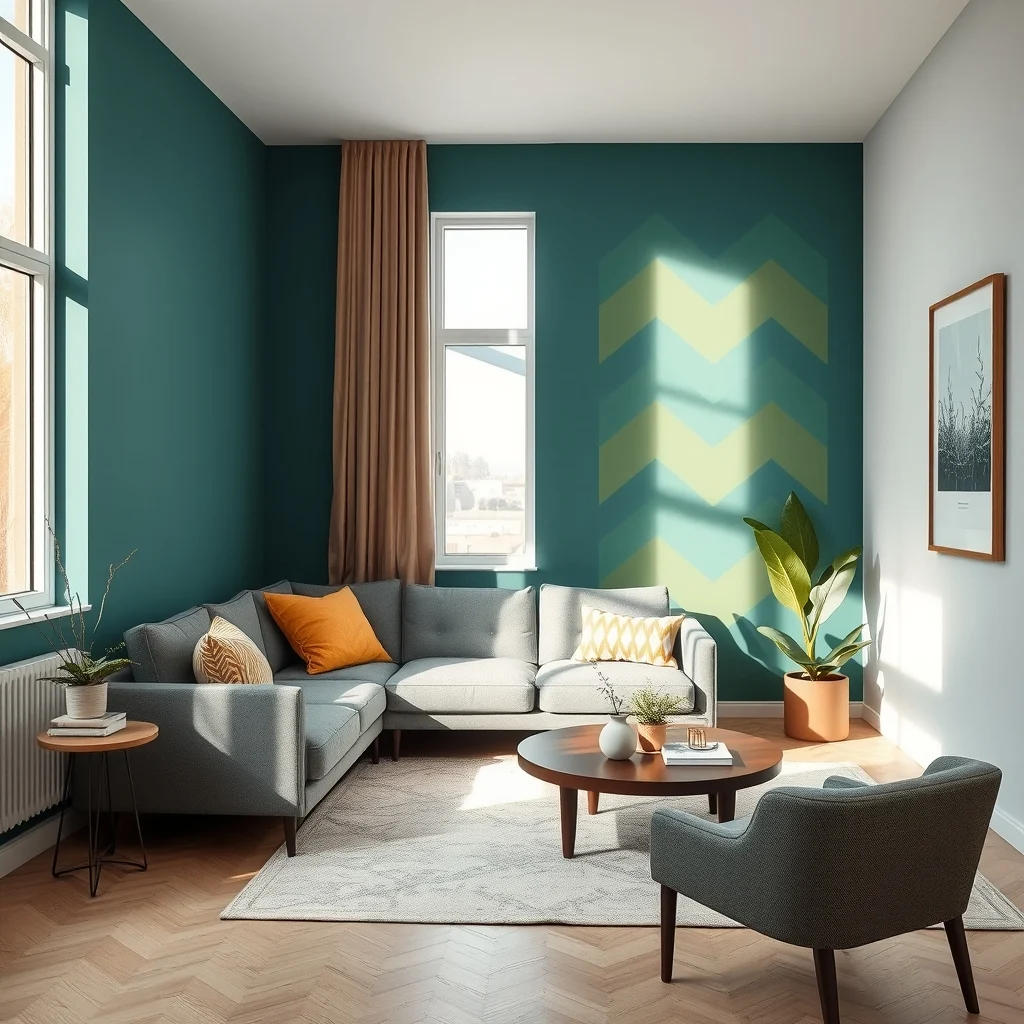
Choosing a single wall to showcase an oversized geometric or animal‑print wallpaper can instantly set the tone for a playful environment. A pattern that repeats at a large scale—think oversized chevrons in teal and mustard—creates a focal point that draws the eye without overwhelming the entire room. Because the wallpaper is confined to one surface, you retain flexibility in arranging furniture and can change the look later with relative ease. When selecting the finish, opt for a washable vinyl coating; it tolerates the inevitable smudges that come with a lively household. Pair the patterned wall with solid‑colored bedding or a neutral sofa to let the design breathe, and consider adding a simple picture rail to display rotating artwork without damaging the wall.
Which Home Style Fits Your Space?
Answer 5 quick questions to find your perfect interior style and inspiration.
2. Mix Patterned Textiles on the Same Plane
© 2026 AI Illustrator — Inspiration Only
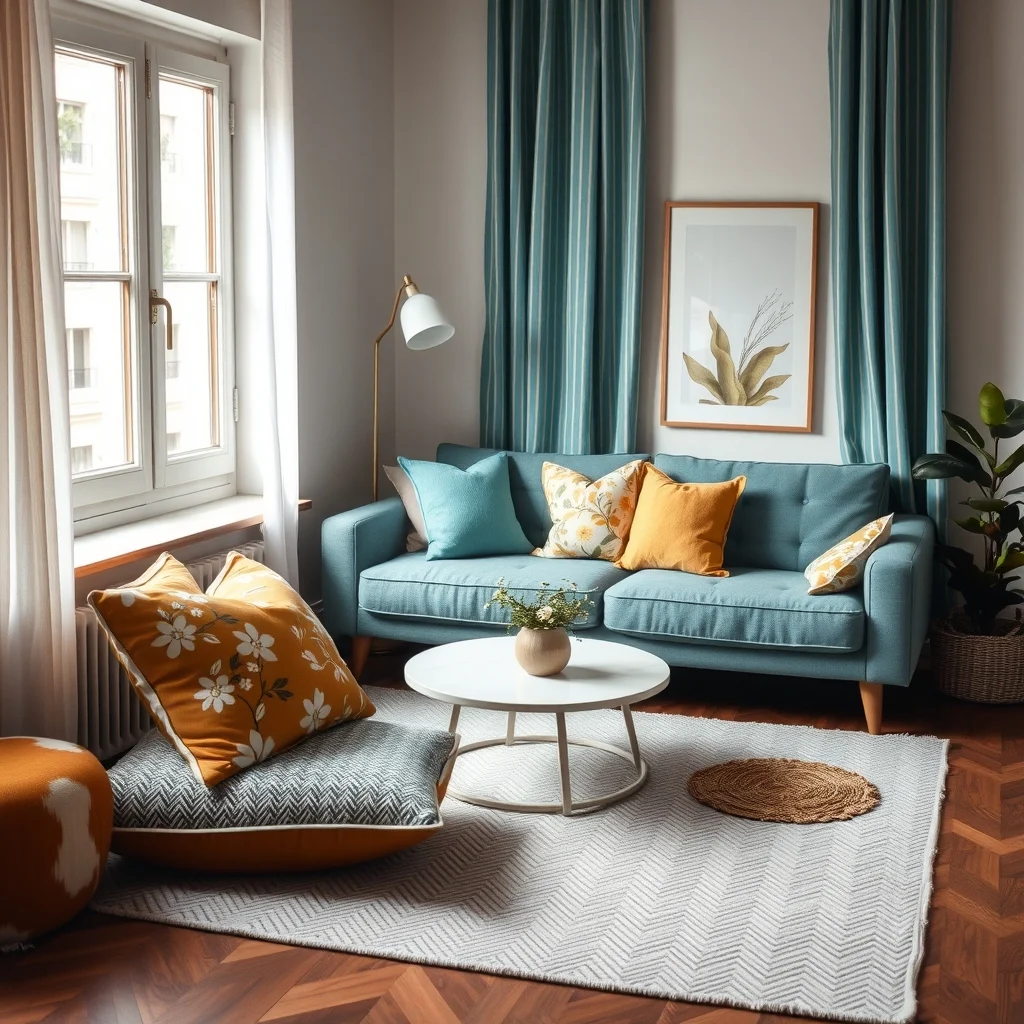
Layering different patterned textiles—such as a rug, throw pillows, and curtains—creates depth while keeping the room cohesive. Start with a base pattern in a muted tone, like a soft gray herringbone rug, then introduce a secondary pattern that shares at least one color, such as teal‑striped curtains. The key is to vary the scale: a large‑scale rug balances a smaller, tighter pillow pattern without causing visual clutter. This approach adds tactile interest; a plush boucle pillow feels inviting against a smooth cotton drape. Be mindful of maintenance: choose fabrics that are machine‑washable or easy to spot‑clean, especially in high‑traffic zones. When the room feels too busy, a single‑color throw or a plain ottoman can provide a visual pause.
3. Create a Patterned Gallery Wall
© 2026 AI Illustrator — Inspiration Only
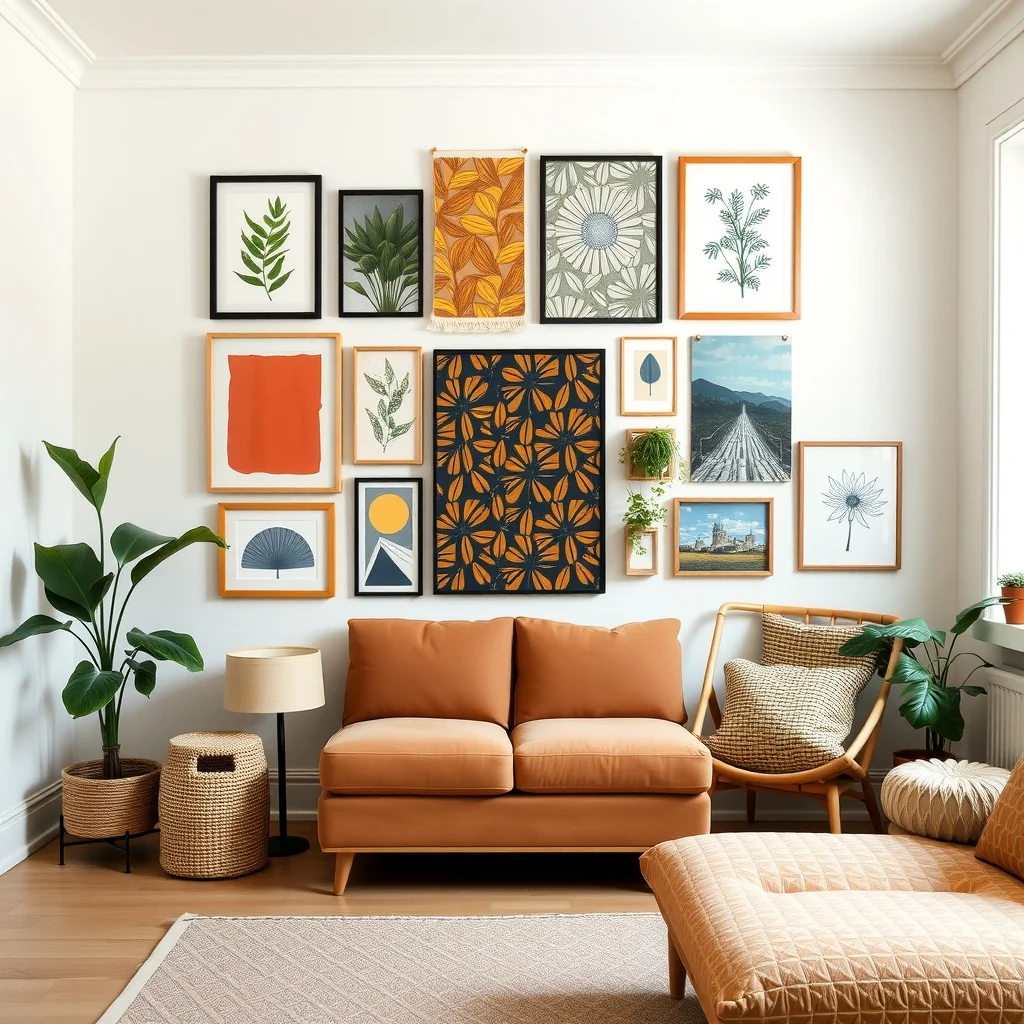
A gallery wall composed of frames in assorted sizes, each housing a bold‑patterned print or fabric panel, becomes both an art installation and a storage solution. By selecting patterns that echo each other’s color palette—perhaps a mustard‑orange abstract, a teal‑green botanical, and a navy‑striped textile—you achieve unity without monotony. The arrangement encourages eye movement across the room, making the space feel larger. Installing the frames at a consistent height maintains order, while the varied widths add rhythm. This setup is especially useful in a playroom, where the wall can double as a visual cue for designated zones, such as a reading nook or a craft table. Remember to use lightweight, shatter‑resistant glass to keep safety a priority.
4. Introduce Patterned Furniture Pieces
© 2026 AI Illustrator — Inspiration Only
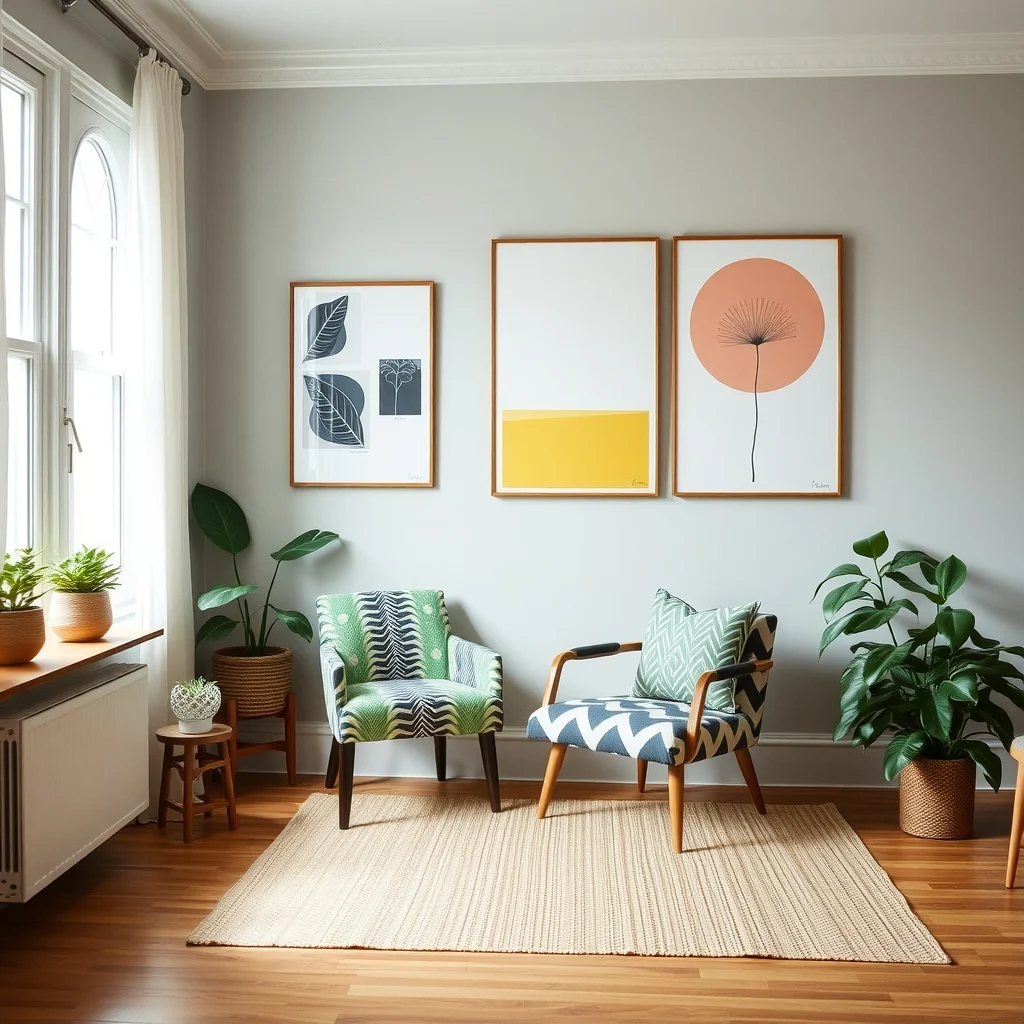
Instead of covering every surface, focus on a single furniture item that carries a bold pattern—like an accent chair upholstered in a large‑scale tropical print or a bench with a chevron fabric. This strategy injects personality without demanding a complete overhaul. The patterned piece becomes a conversation starter and can be repositioned as the room evolves. Choose furniture with a sturdy frame—solid wood or metal—so the upholstery can be replaced if you tire of the design. Pair the piece with complementary solid‑colored accessories; a navy floor lamp or a walnut side table will ground the visual energy. Keep in mind that patterned upholstery may show wear sooner in a child‑heavy setting, so a removable slipcover can extend its life.
5. Use Patterned Tiles for a Playful Floor
© 2026 AI Illustrator — Inspiration Only
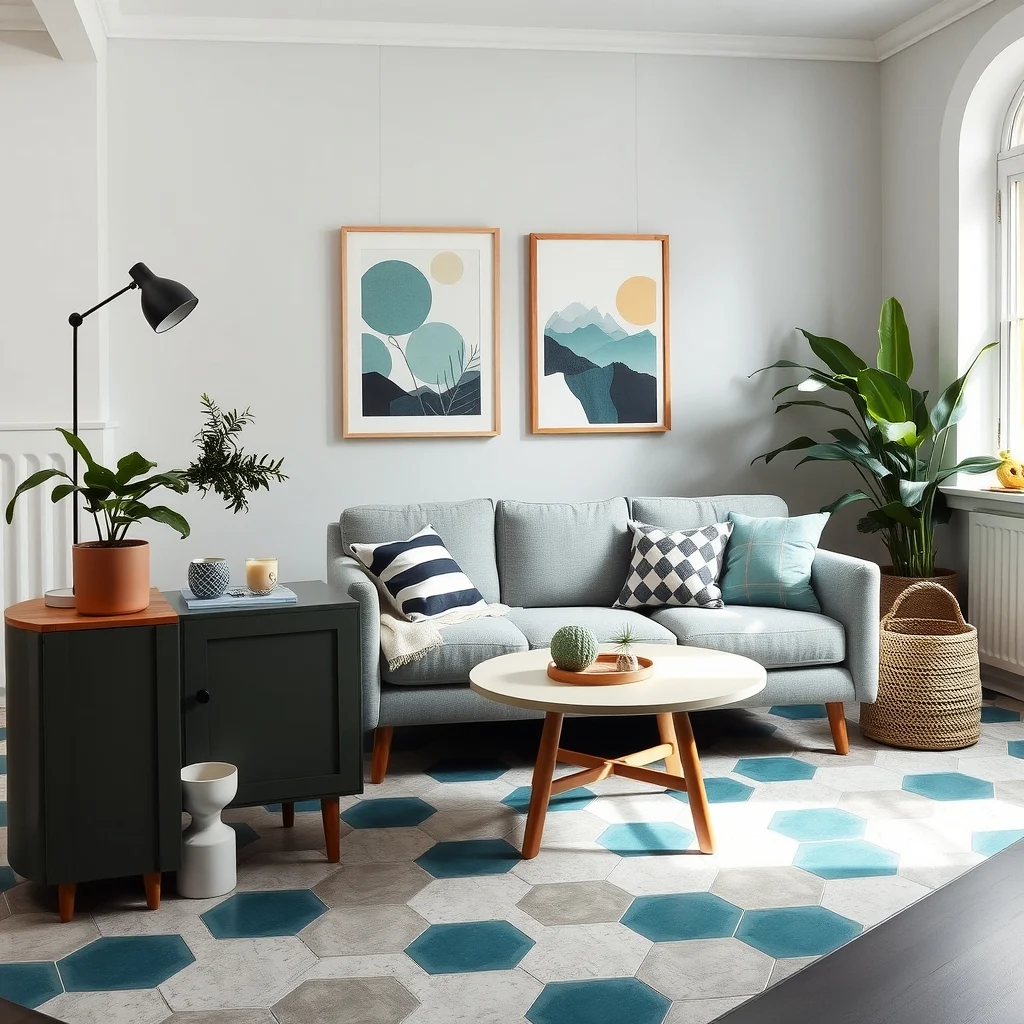
Flooring often goes unnoticed, yet a patterned tile can transform a room from the ground up. Ceramic or porcelain tiles arranged in a mosaic of contrasting shapes—such as hexagons in teal and soft gray—add texture and a subtle sense of movement. Because tiles are hard‑wearing, they stand up well to the foot traffic of a family space. A grout color that matches one of the tile shades helps the pattern flow seamlessly, while a contrasting grout can accentuate the geometry for a more graphic effect. If a full‑room installation feels too bold, consider a patterned tile runner in front of a reading chair or beneath a low table. Ensure the tiles are slip‑resistant, especially if the room will host active play.
6. Layer Patterned Wall Decals Over Neutral Paint
© 2026 AI Illustrator — Inspiration Only
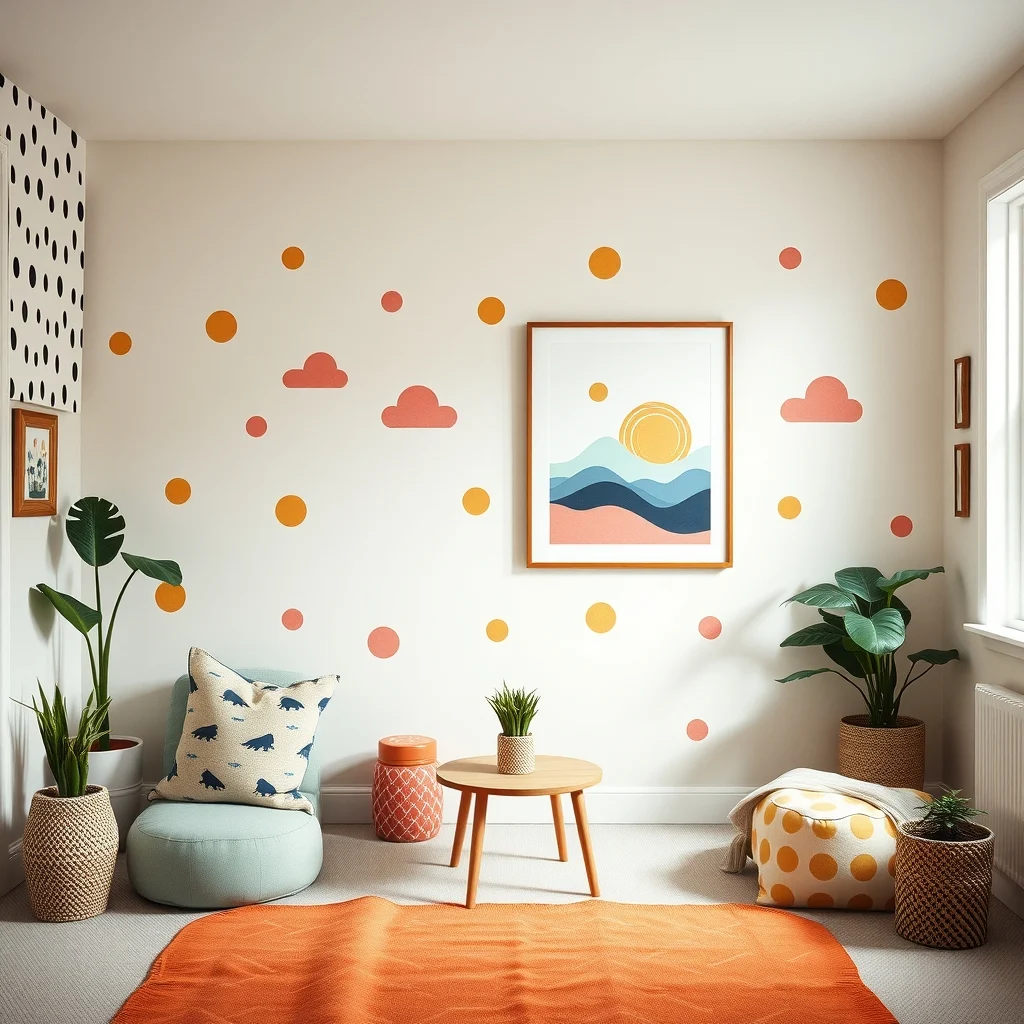
Wall decals offer a low‑commitment way to introduce pattern without the permanence of paint or wallpaper. Large‑scale decals—such as oversized polka dots or stylized clouds—applied over a neutral base coat create a whimsical backdrop that can be repositioned as the family’s tastes shift. The adhesive backing on most decals is designed for easy removal, making them ideal for rental properties or rooms that will change as children grow. Choose decals made from vinyl that can be wiped clean; this guards against fingerprints and accidental spills. When arranging multiple decals, stagger them at varying heights to avoid a regimented look. The flexibility of decals also allows you to experiment with different color schemes seasonally.
7. Incorporate Patterned Storage Solutions
© 2026 AI Illustrator — Inspiration Only
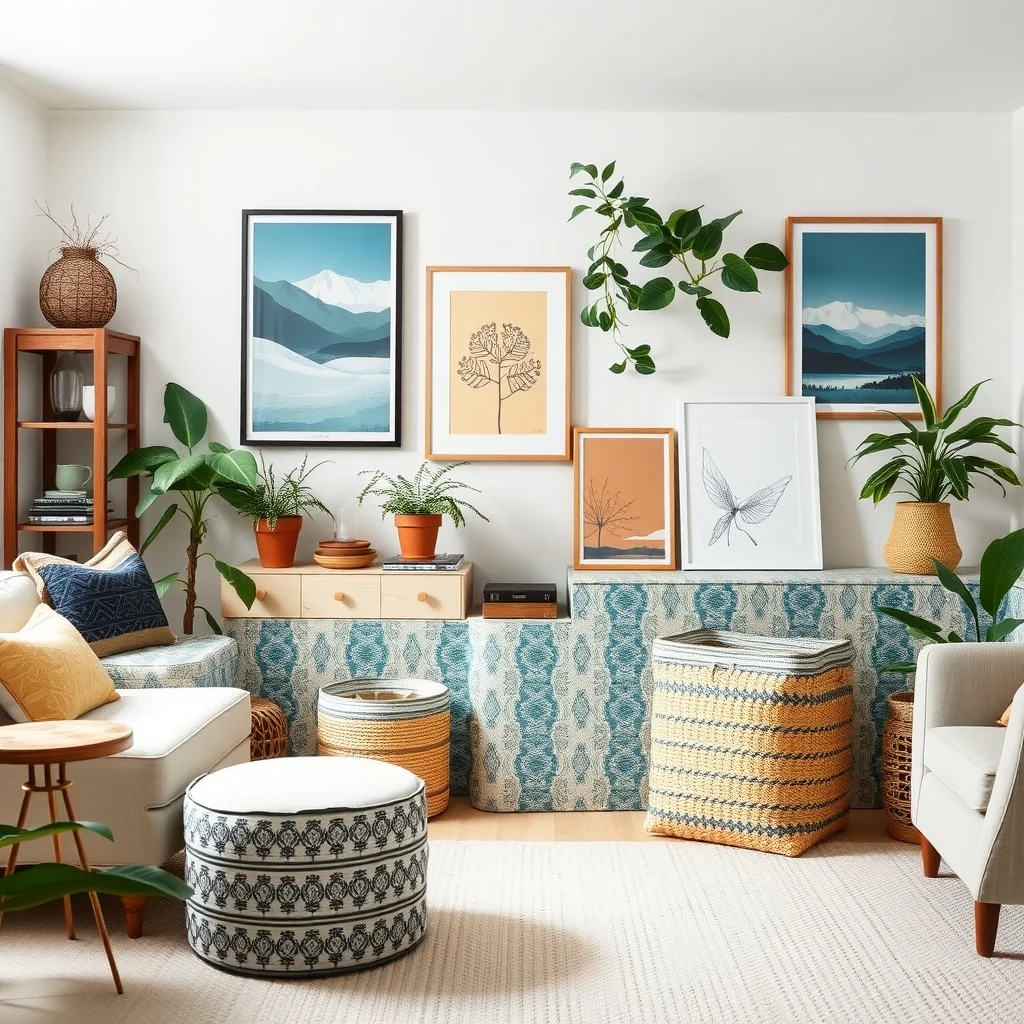
Storage doesn’t have to be purely functional; patterned bins, woven baskets, and fabric‑covered cabinets can serve as decorative statements. Opt for storage pieces that feature a bold print—such as a set of linen boxes with a zig‑zag motif—in colors that echo the room’s overall palette. This approach hides clutter while reinforcing the design narrative. Because the patterns are on removable containers, you can switch them out as needed, keeping the room fresh without major renovations. When selecting materials, prioritize sturdy fabrics or woven fibers that can withstand frequent handling. Position taller storage units against a patterned wall to create a balanced visual weight, and keep the floor clear to maintain a sense of openness.
Frequently Asked Questions
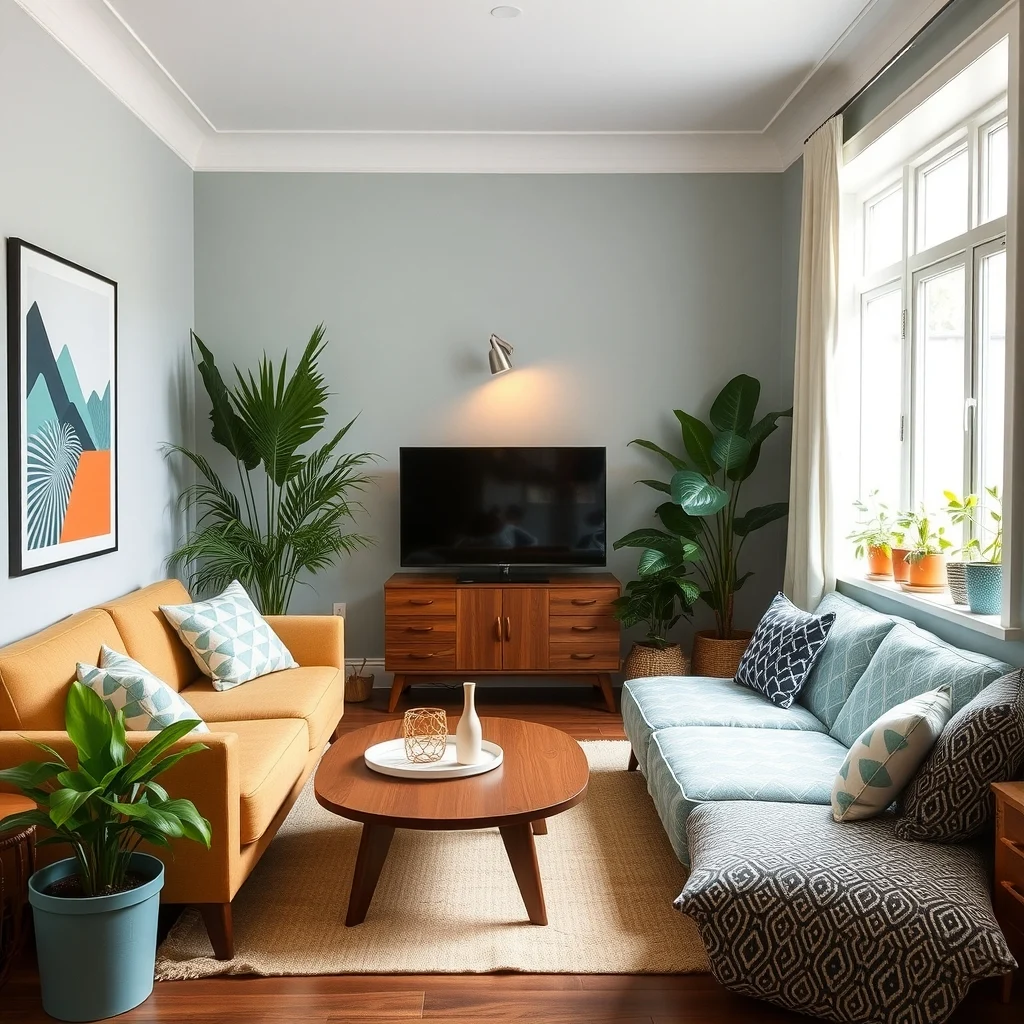
© 2026 AI Illustrator — Inspiration Only
How do I choose a pattern that won’t overwhelm a small room?
Pick a pattern with a moderate scale and limit it to one or two surfaces. A single accent wall or a rug with a subtle repeat can add interest without crowding the space.
Can bold patterns work in a room with lots of natural light?
Yes, natural light helps soften the intensity of strong patterns. Pair bright patterns with light‑colored furniture and keep window treatments simple to let sunlight highlight the design.
What are the best ways to keep patterned fabrics clean in a kids’ room?
Choose fabrics that are machine‑washable or have a removable slipcover. Spot‑cleaning with a mild detergent and using a lint roller for surface dust can extend the life of patterned textiles.
Is it safe to use patterned wall decals around young children?
Most wall decals are made from non‑toxic vinyl and adhere with a pressure‑sensitive backing, making them safe for children. Ensure the adhesive is designed for easy removal to avoid damaging paint.
Which Living Room Color Palette Fits You Best?
Discover the palette that reflects your style — take our free quick quiz and get instant decor inspiration!
Take the Quiz NowHow can I balance bold patterns with a calm atmosphere?
Integrate solid‑color pieces that share a hue from the pattern. This creates visual anchors and prevents the room from feeling chaotic, while still allowing the pattern to shine.
Final Thoughts
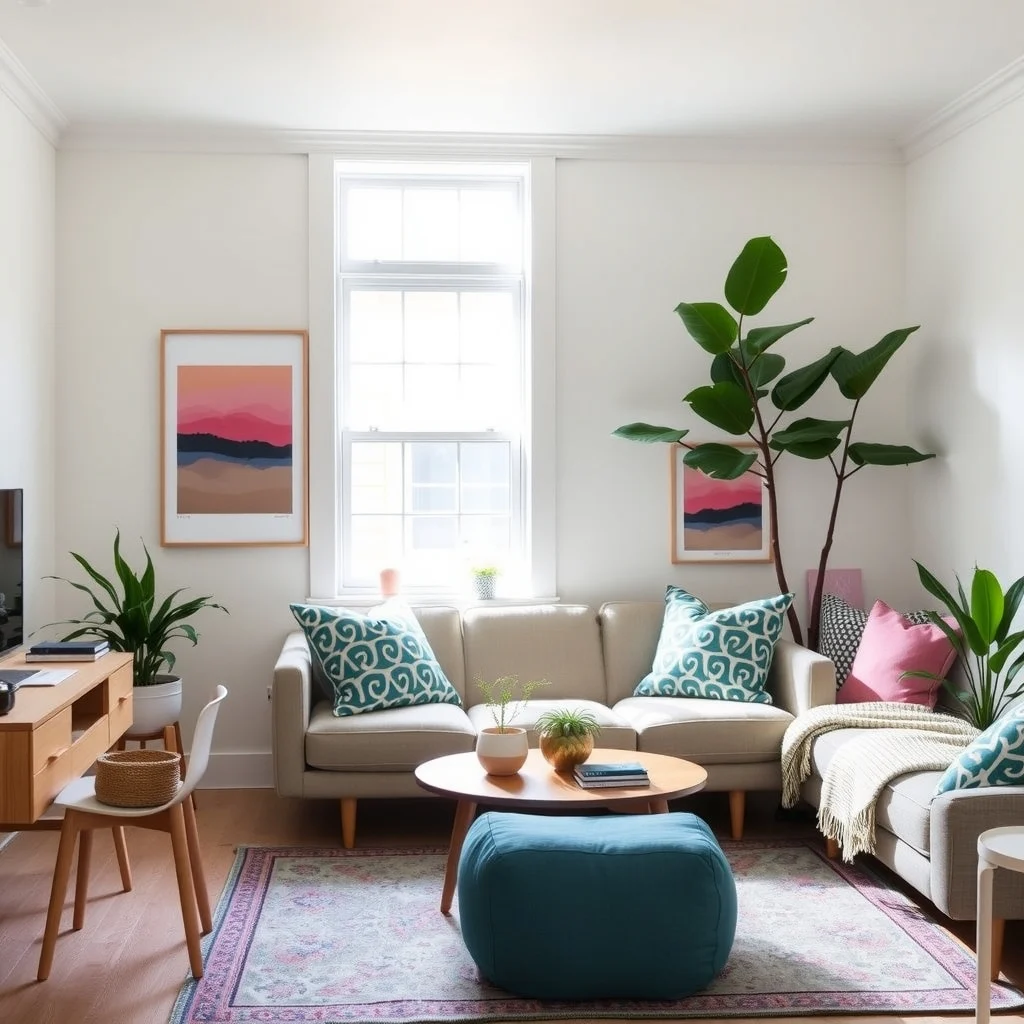
© 2026 AI Illustrator — Inspiration Only
Bold patterns offer a versatile toolkit for turning a plain room into a lively, inviting space. By anchoring one element, mixing scales thoughtfully, and considering durability, you can enjoy a playful environment that grows with your family’s needs. Whether you opt for a statement wallpaper, patterned tiles, or whimsical storage, each choice contributes to a cohesive design narrative that feels both fun and functional.