
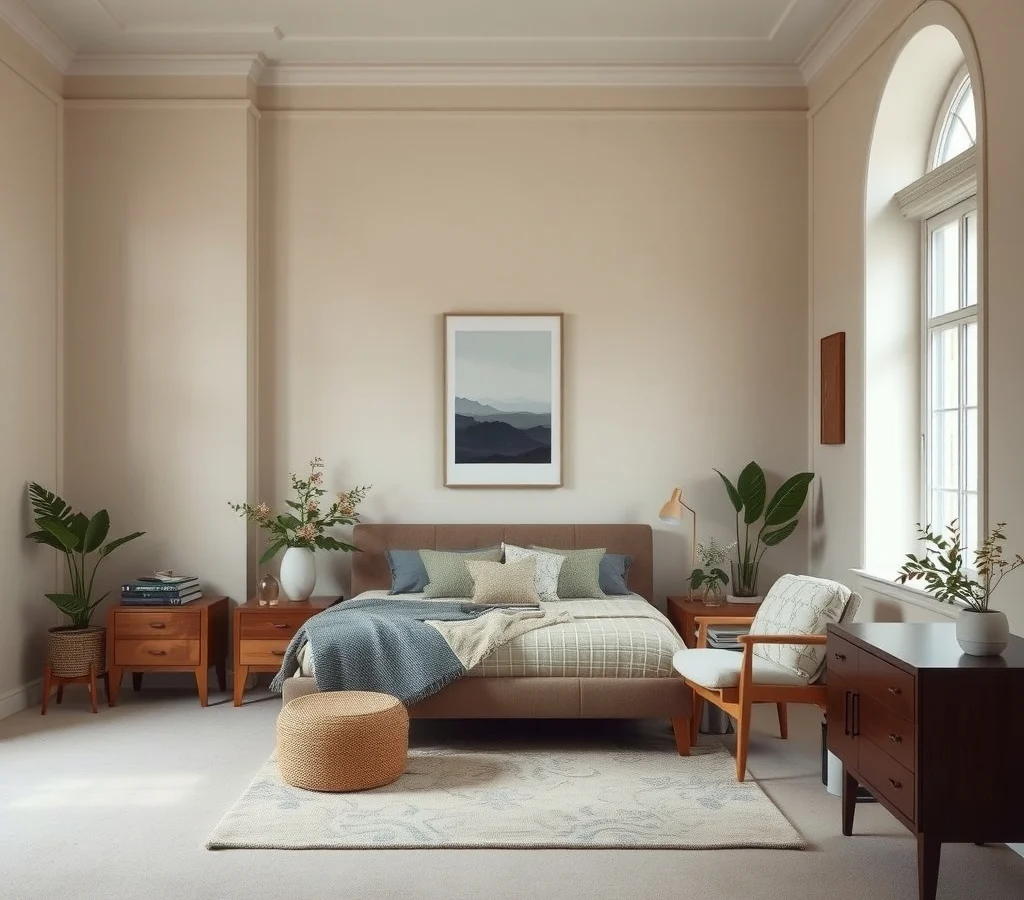
Old Money Bedroom Ideas That Look Elegant Without Expensive Furniture
Walking into a bedroom that feels both timeless and refined can feel like stepping into a well‑kept family archive, even when the budget is modest. The appeal of “old‑money” style lies less in price tags than in the careful selection of materials, proportions, and subtle details that whisper quiet sophistication. Below are seven fully‑fleshed ideas that let you capture that genteel atmosphere without splurging on designer pieces. Each concept explains what the look entails, why it works, and how you can translate it into a real‑world bedroom.
1. Refine the Walls with Subtle Architectural Details
© 2026 AI Illustrator — Inspiration Only
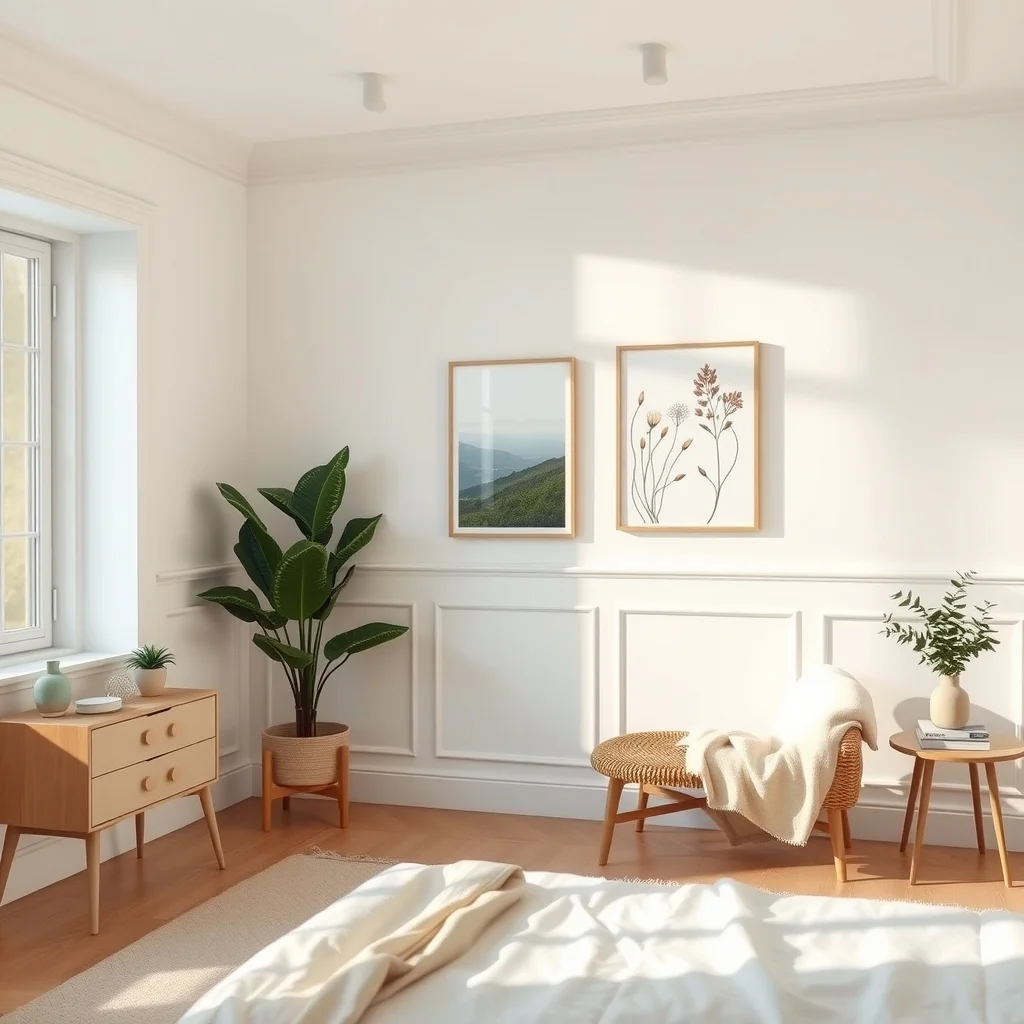
One of the first things the eye notices in an old‑money bedroom is the treatment of the walls. Rather than a stark, flat finish, consider adding a modest wainscoting panel that runs three‑quarters of the way up the wall. The simple wood trim, painted in a soft off‑white or muted greige, creates a sense of depth and frames the room without demanding a hefty investment. If wainscoting feels too involved, a tone‑on‑tone wallpaper—think a faint herringbone or a delicate damask in a neutral palette—offers the same layered effect. The key is restraint; the pattern should be visible only when you pause, not dominate the space.
Which Home Style Fits Your Space?
Answer 5 quick questions to find your perfect interior style and inspiration.
Why this works is rooted in proportion. Architectural details break up large expanses of wall, making a room feel more intimate and curated. For a DIY approach, pre‑cut wainscoting kits are widely available at home‑improvement stores and can be installed with a few basic tools. If you opt for wallpaper, a small sample strip applied at floor level will let you gauge how the subtle pattern interacts with your existing flooring and ceiling height before committing.
When applying either technique, keep the trim or pattern simple and avoid heavy gilding or overly ornate profiles, which can quickly look dated. A clean, understated border pairs beautifully with the other elements we’ll discuss, allowing the room’s overall elegance to emerge from harmony rather than flash.
2. Choose Heritage‑Inspired Bedding for Quiet Luxury
© 2026 AI Illustrator — Inspiration Only
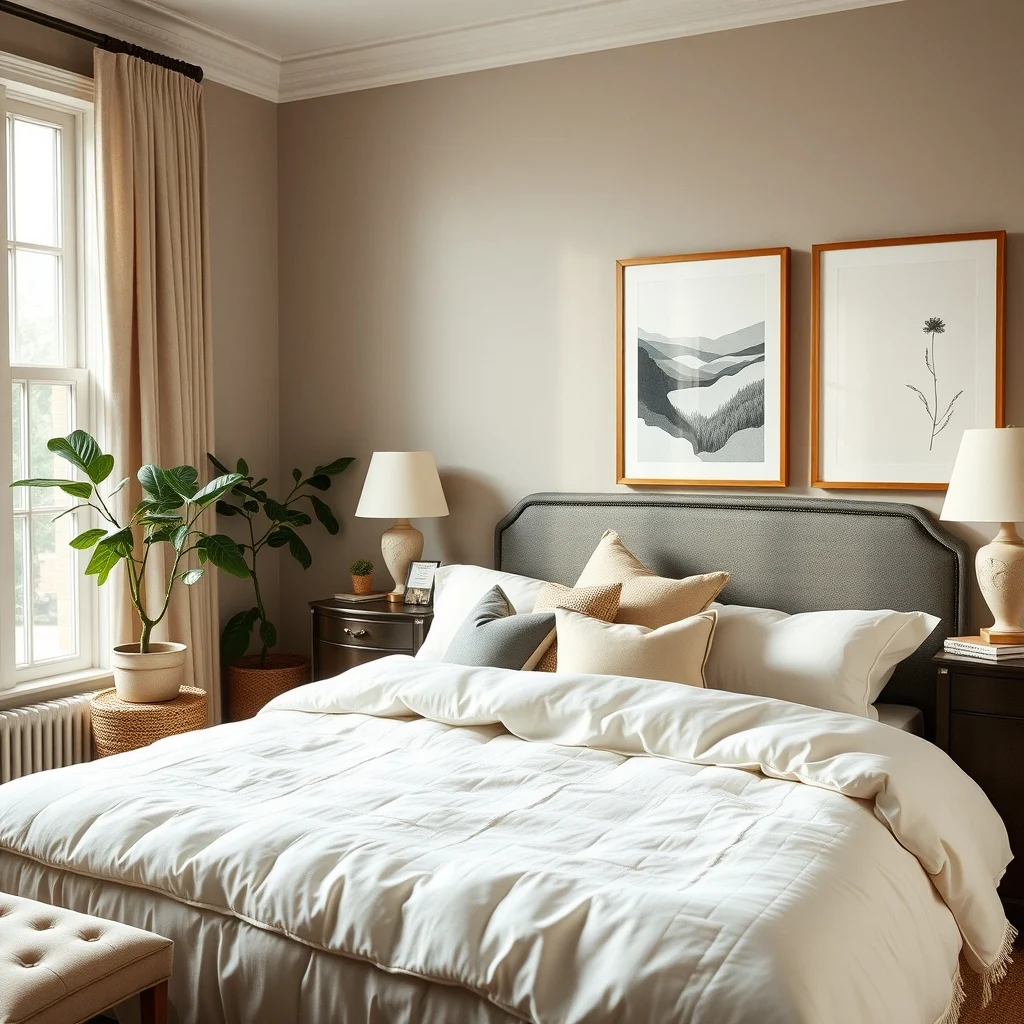
In a bedroom that aspires to old‑money charm, the bed is the centerpiece, and the linens set the tone for comfort and refinement. Opt for high‑thread‑count cotton or linen in a muted palette—think dove‑gray, cream, or a soft sage. A duvet cover with a subtle, tone‑matched stripe or a discreet herringbone weave adds visual interest without shouting for attention. Layer a lightweight quilt or a hand‑stitched coverlet at the foot of the bed; the texture of a quilted cotton can evoke the sense of an heirloom without the price of a genuine antique.
The reason this approach feels luxurious lies in the tactile quality of natural fibers. Linen, for example, becomes softer with each wash, rewarding you with a lived‑in comfort that synthetic fabrics can’t mimic. To keep costs down, look for linen blends that combine a small percentage of synthetic fibers—these often retain the look of pure linen while being more affordable and easier to care for.
When arranging the bedding, remember that symmetry reinforces the old‑money aesthetic. Fold the top sheet neatly, place the duvet evenly, and add two matching pillow shams before the decorative pillows. The result is a balanced, orderly bed that feels curated rather than assembled.
3. Incorporate Timeless Furniture Silhouettes Without Overspending
© 2026 AI Illustrator — Inspiration Only
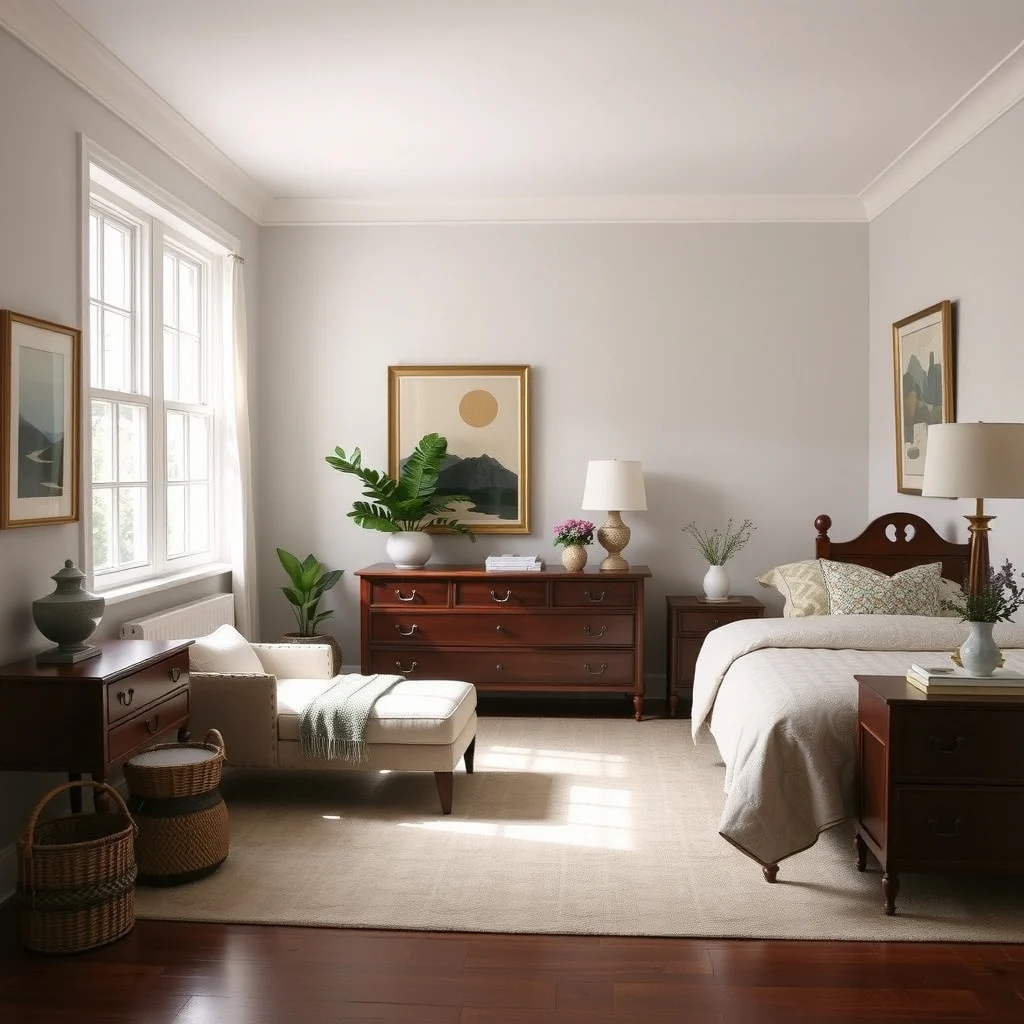
Furniture that references classic forms—such as a low‑profile wooden chest, a modest upholstered armchair, or a simple nightstand with turned legs—can instantly lend an air of tradition. The trick is to focus on shape rather than brand. A chest of drawers with clean, straight lines and a natural oak finish, for instance, echoes the restrained elegance of early‑20th‑century design while remaining affordable from many mass‑market retailers.
Why these silhouettes work is that they provide a visual anchor without overwhelming the space. A single, well‑chosen piece can become a focal point, allowing the rest of the room to breathe. When shopping, prioritize solid wood or veneer over particle board, as the former ages gracefully and can be refinished later if desired. Upholstered pieces in a muted linen or cotton slipcover can be swapped out seasonally, extending their usefulness.
Be mindful of scale. A nightstand that reaches the top of the mattress height maintains a cohesive line, while a chair that sits too low can disrupt the room’s proportional balance. By selecting furniture that respects the room’s dimensions, you reinforce the understated, orderly feel that defines old‑money interiors.
4. Layer Lighting with Vintage‑Inspired Fixtures
© 2026 AI Illustrator — Inspiration Only
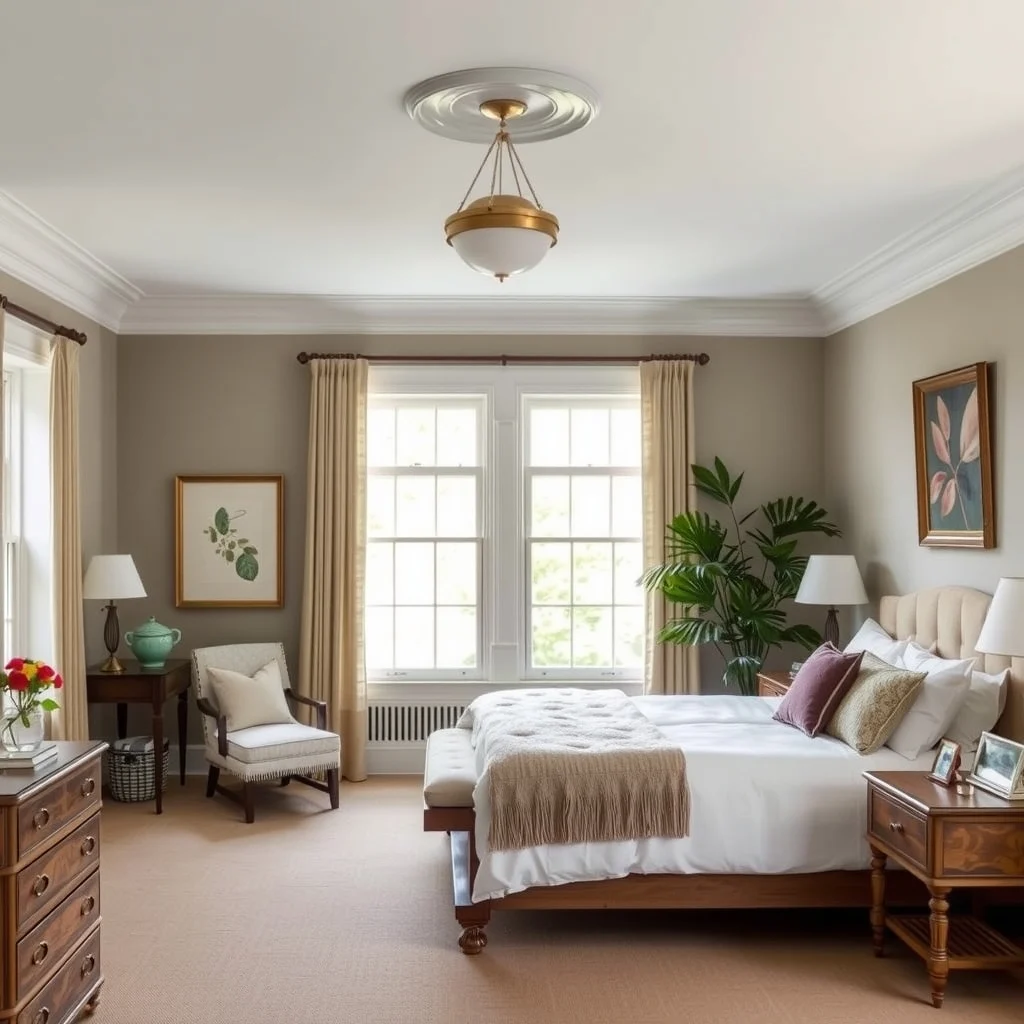
Lighting in a classic bedroom does more than illuminate; it shapes mood and highlights architectural details. Begin with a modest ceiling fixture—perhaps a brushed brass semi‑globe chandelier or a simple drum shade—that offers a warm, diffused glow. Complement this with a pair of table lamps on the nightstands, each featuring a muted ceramic base and a linen shade that softens the light.
The layered approach works because it creates depth without relying on a single, harsh source. A bedside lamp positioned at eye level provides reading comfort, while the overhead fixture casts a gentle wash over the walls, emphasizing any wainscoting or wallpaper you’ve installed. When selecting lamps, look for designs that echo the period you’re channeling—tapered brass or oil‑rubbed bronze finishes evoke an understated heritage feel.
Don’t overlook wall sconces. A pair of small, glass‑encased sconces flanking the headboard can add a touch of drama without demanding a large budget. If you’re concerned about electrical work, many sconces are available with plug‑in adapters, allowing you to avoid new wiring while still achieving the desired effect.
5. Curate Accessories That Speak of History, Not Flash
© 2026 AI Illustrator — Inspiration Only
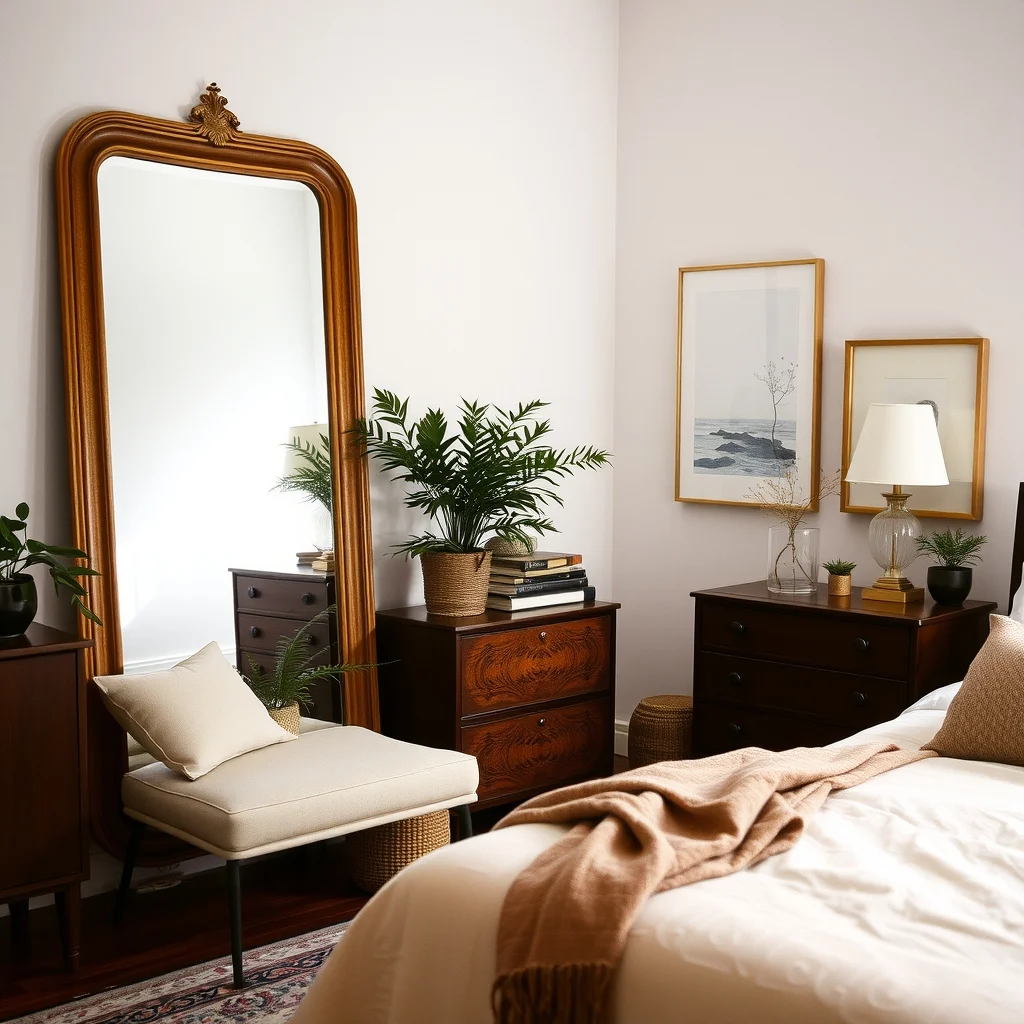
Accessories are the finishing touches that tell the story of a room. A large, antiqued‑look mirror with a simple wooden frame can make a modest bedroom feel more expansive while hinting at a lineage of family portraits. Choose artwork that mimics classic oil paintings—perhaps a reproduction of a pastoral scene or a muted portrait—framed in dark wood. A few brass photo frames or a modest clock with a clean dial add subtle metallic accents without appearing ostentatious.
The power of these pieces lies in their ability to suggest depth and continuity. A single well‑placed mirror reflects both natural light and the room’s architectural features, amplifying the sense of space. When arranging accessories, aim for balance: a pair of framed prints on either side of the headboard creates symmetry, while a single statement piece on a dresser can serve as a focal point.
Which Living Room Color Palette Fits You Best?
Discover the palette that reflects your style — take our free quick quiz and get instant decor inspiration!
Take the Quiz NowKeep the quantity restrained. Overcrowding a bedroom with trinkets dilutes the refined atmosphere you’re aiming for. Instead, select a few pieces that each have a clear purpose—whether it’s to add texture, reflect light, or provide a visual anchor.
6. Simulate Built‑In Storage with Simple Cabinetry
© 2026 AI Illustrator — Inspiration Only
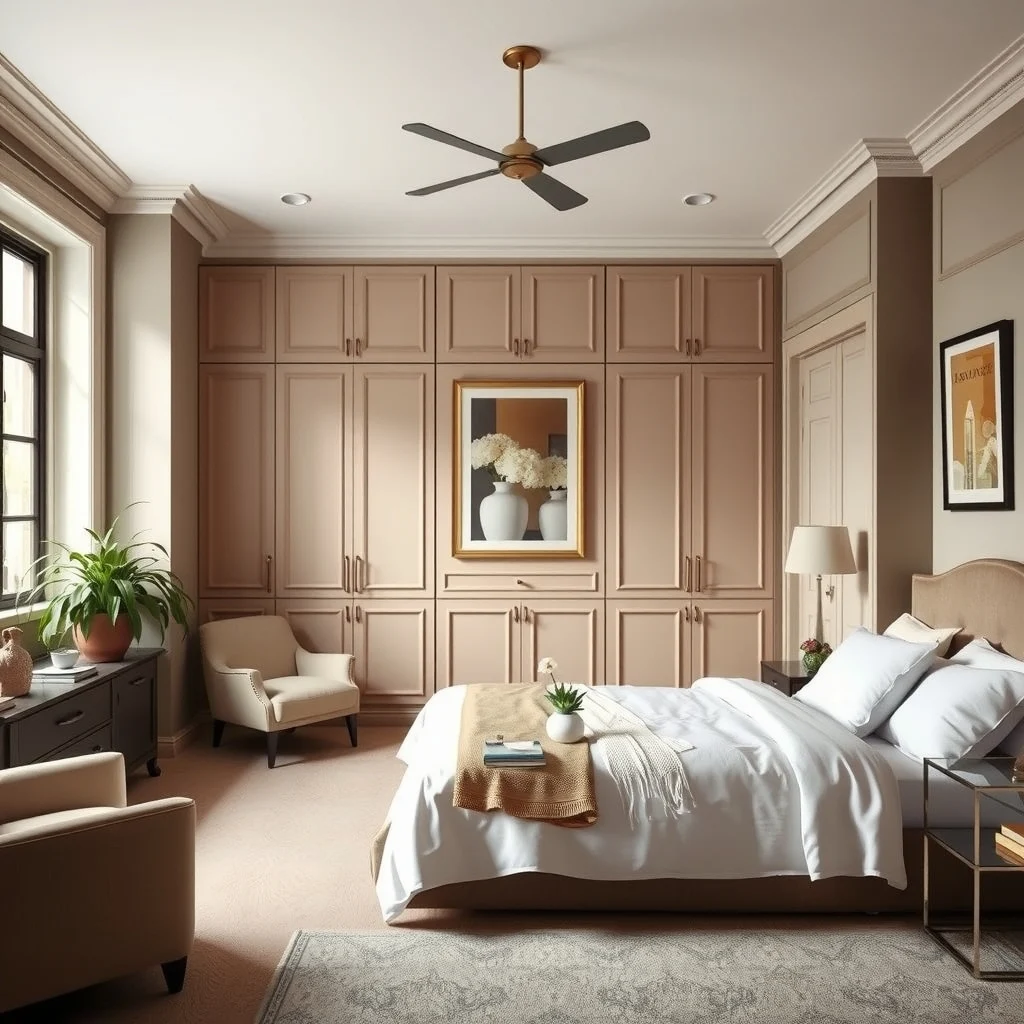
Old‑money interiors often feature built‑in wardrobes or cabinetry that appear seamless with the surrounding walls. While true built‑ins require a carpenter’s budget, you can achieve a similar effect with low‑profile, floor‑to‑ceiling cabinets that sit flush against the wall. Choose a finish that matches your wainscoting or wall paint, and install the doors with concealed hinges for a clean look.
This strategy works because it eliminates visual interruptions. When the storage units blend into the wall, the room feels larger and more orderly, echoing the tidy, purposeful spaces of historic estates. For a budget‑friendly option, look for ready‑made wardrobe systems that come in modular components; they can be assembled without professional help and later reconfigured if your needs change.
Consider incorporating open shelving at the top of the unit to display a few curated items—a stack of classic novels, a small vase, or a decorative tray. The open portion adds visual interest while maintaining the overall sense of cohesion, and the shelves can be adjusted as your collection evolves.
7. Introduce Texture Through Rugs and Drapery
© 2026 AI Illustrator — Inspiration Only
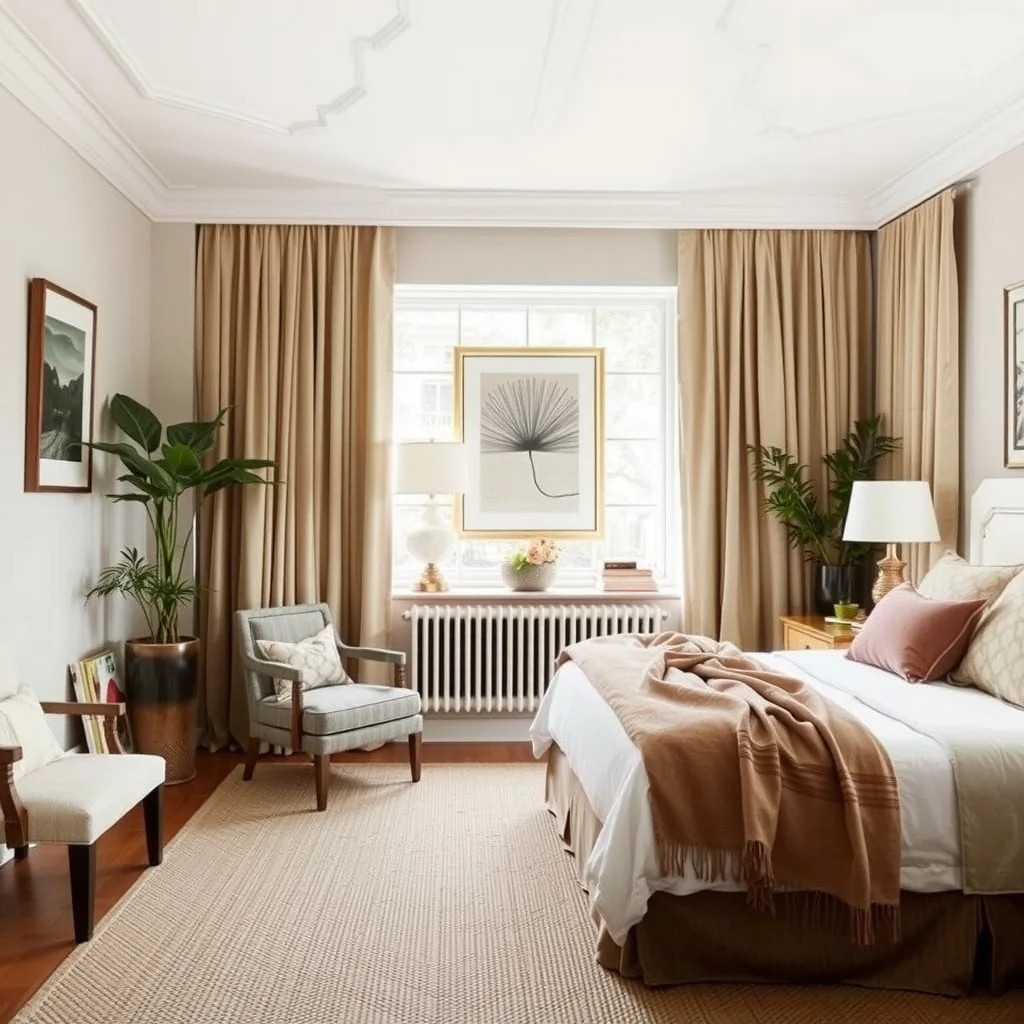
Texture is the silent language of old‑money interiors. A natural‑fiber rug—such as a hand‑woven sisal or a low‑pile wool in a muted earth tone—grounds the room and adds a tactile layer that feels both historic and contemporary. Pair the rug with curtains made from linen or heavy cotton, dyed in a soft, warm shade that complements the wall color. The drapery should fall just below the window frame, allowing a modest amount of natural light to filter in while preserving privacy.
Why texture matters is simple: it invites the senses to linger. A soft rug underfoot provides comfort when stepping out of bed, while linen curtains sway gently with the breeze, creating a subtle movement that enlivens the space without breaking its calm. When selecting a rug, ensure the pile height is low enough to avoid tripping hazards, especially if you share the bedroom with children or seniors.
Balance is key. If you choose a rug with a subtle pattern, keep the curtains plain, and vice versa. This interplay prevents the room from feeling overly busy while still offering enough visual richness to satisfy an eye that appreciates detail.
FAQ
© 2026 AI Illustrator — Inspiration Only
How can I achieve an old‑money look on a budget?
You can achieve the look by focusing on timeless details—such as simple wall trim, natural‑fiber textiles, and classic furniture silhouettes—rather than on brand‑name pieces. Prioritizing quality materials like linen and wood, even in modest forms, creates the impression of refinement without high cost.
What paint colors work best for this style?
Soft, neutral shades like warm greige, muted sage, or a gentle dove‑gray work best because they provide a calm backdrop that lets architectural details and accessories stand out. These colors also pair easily with the deep wood tones and brass accents typical of old‑money interiors.
Can I use second‑hand furniture without looking cheap?
Yes, second‑hand pieces can look elegant when they have classic proportions and are restored or reupholstered in neutral fabrics. A well‑chosen antique chest or a refurbished nightstand adds character and aligns with the heritage vibe of the style.
How do I choose bedding that feels luxurious without high cost?
Select high‑thread‑count cotton or linen in muted tones and layer with a lightweight quilt or coverlet. Natural fibers develop a soft hand over time, offering a sense of luxury that outlasts many cheaper synthetic options.
Is it okay to mix modern pieces with old‑money elements?
Mixing is acceptable as long as the modern items share the same restrained palette and simple lines. A contemporary lamp with a brushed brass finish, for example, can complement traditional furniture without breaking the cohesive, understated look.
Final Thoughts
© 2026 AI Illustrator — Inspiration Only
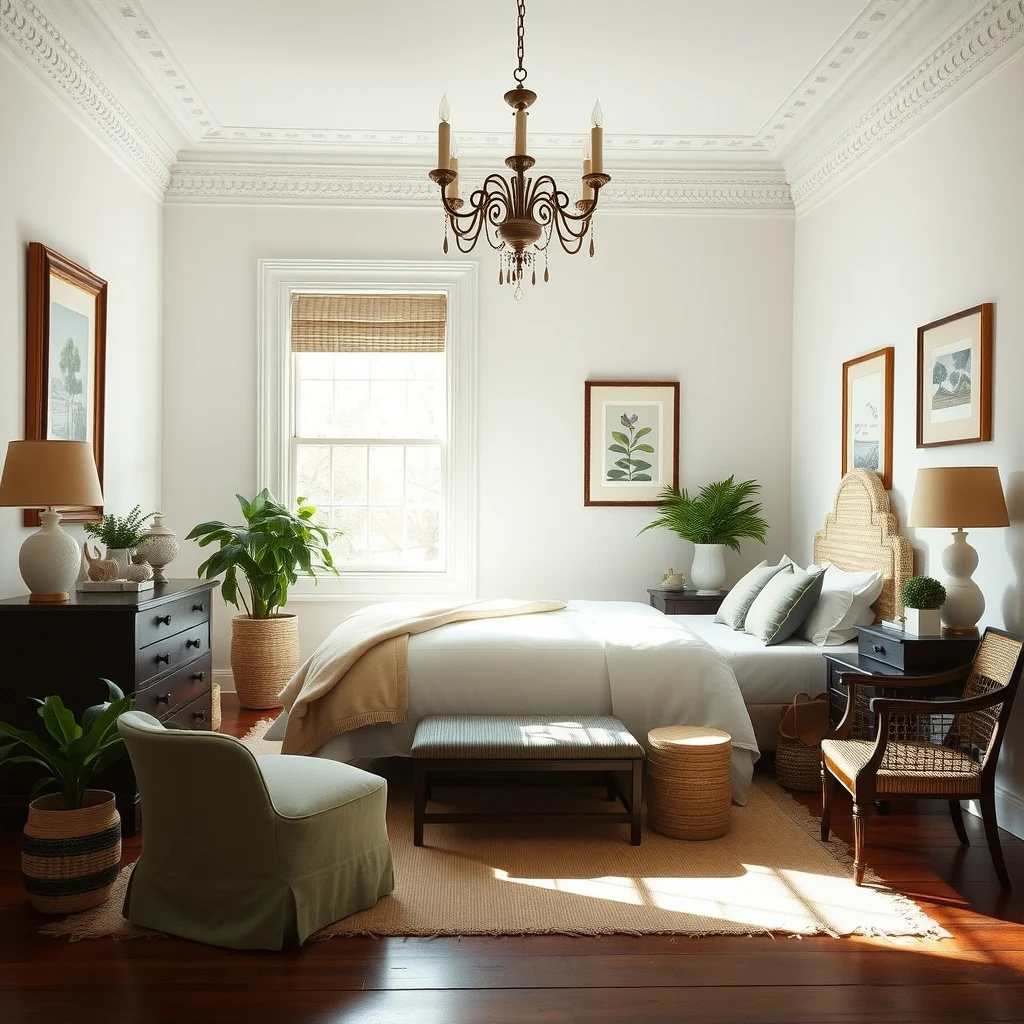
Creating an old‑money bedroom is less about spending and more about curating a sense of quiet permanence. By treating walls with subtle architectural details, choosing natural textiles, selecting classic furniture silhouettes, and layering lighting and accessories thoughtfully, you can craft a space that feels both lived‑in and timeless. The guiding principle is restraint—each element should support the overall harmony rather than compete for attention. With these seven ideas, you have a roadmap to a refined retreat that whispers elegance, even on a modest budget.