
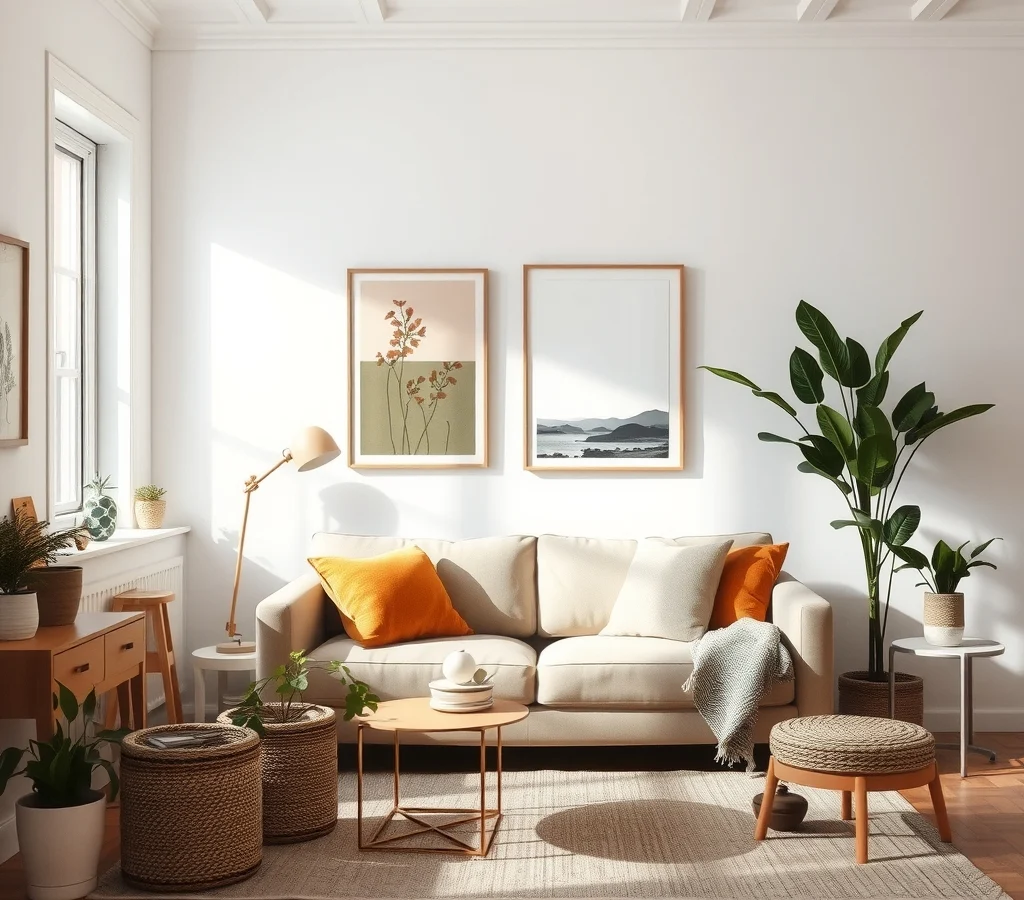
What to Do With the Awkward Space Beside Your Sofa
Most living rooms have a narrow strip of floor that feels too small for a chair yet too large to ignore. That gap can become a visual break, a place where dust gathers, or a source of frustration when you’re rearranging furniture. The good news is that the area next to your sofa can serve a purpose without crowding the room. Below are seven ideas that turn that awkward space into a functional, attractive part of your living area.
1. Turn it into a reading nook
© 2026 AI Illustrator — Inspiration Only
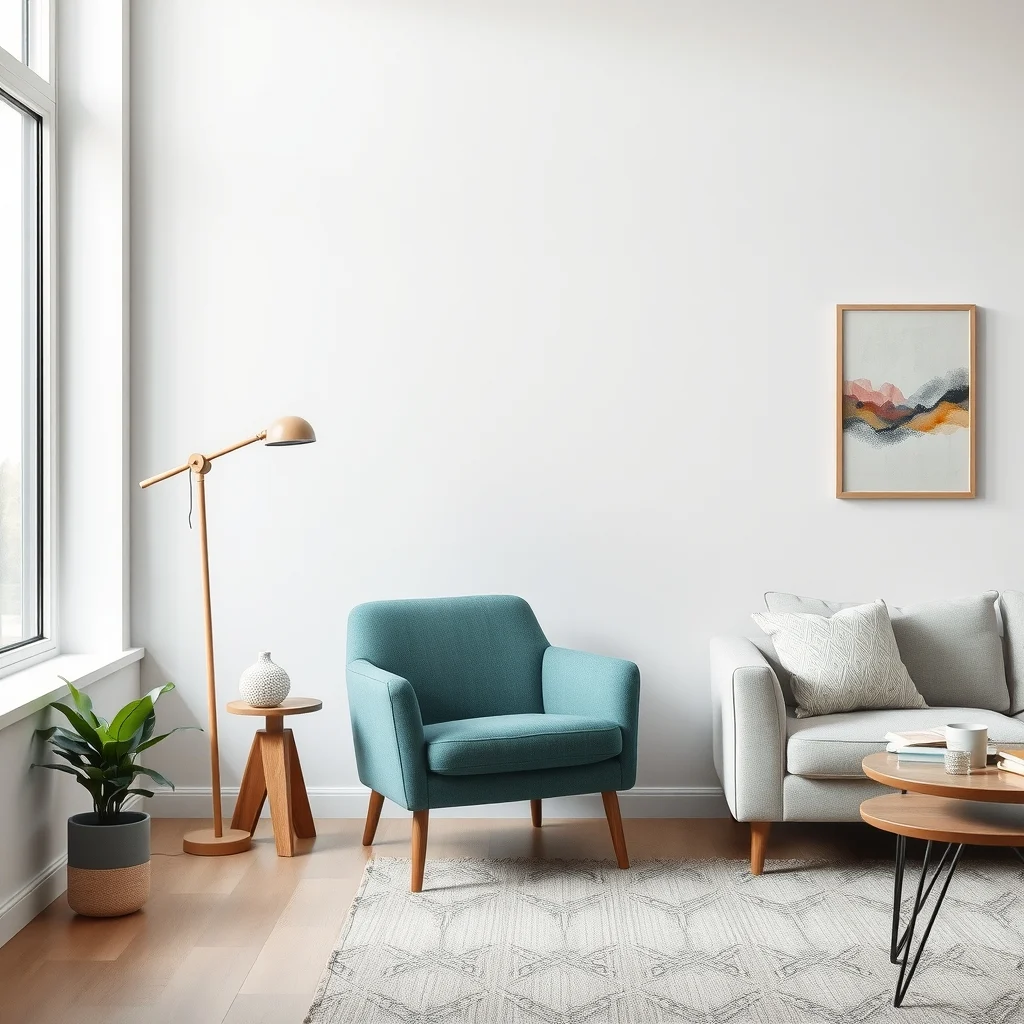
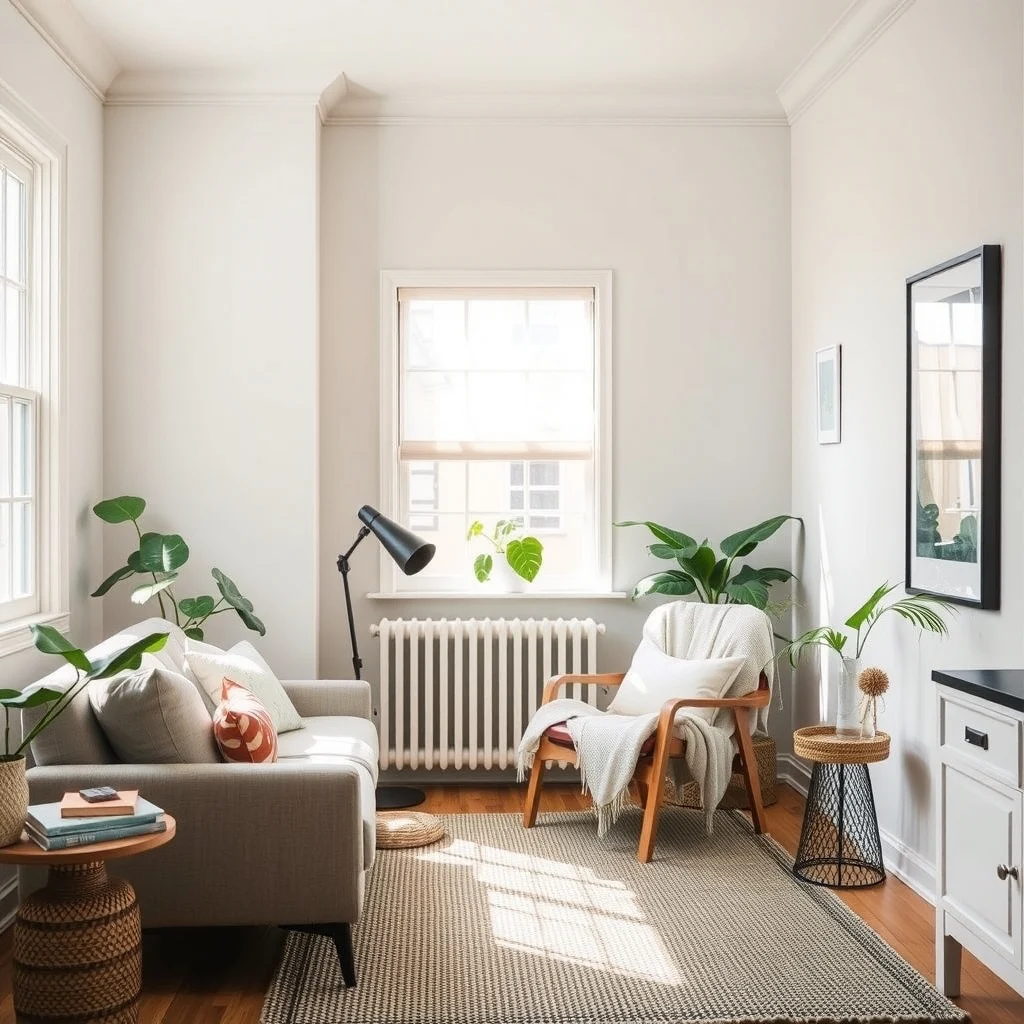
When the space is long enough to accommodate a narrow chair or a low lounge, it instantly suggests a personal reading corner. Choose a piece with a slim profile—perhaps a mid‑century armchair in a soft, muted fabric that complements the sofa’s upholstery. A small, lightweight side table can hold a current novel, a mug, or a pair of reading glasses. Adding a floor lamp with a warm glow creates a cozy atmosphere for evening pages, while a plush rug anchors the area and keeps feet comfortable. The key is to keep the scale modest; a chair that is too bulky will make the room feel cramped, whereas a sleek silhouette preserves circulation.
Which Home Style Fits Your Space?
Answer 5 quick questions to find your perfect interior style and inspiration.
2. Add a slim console for display and storage
© 2026 AI Illustrator — Inspiration Only
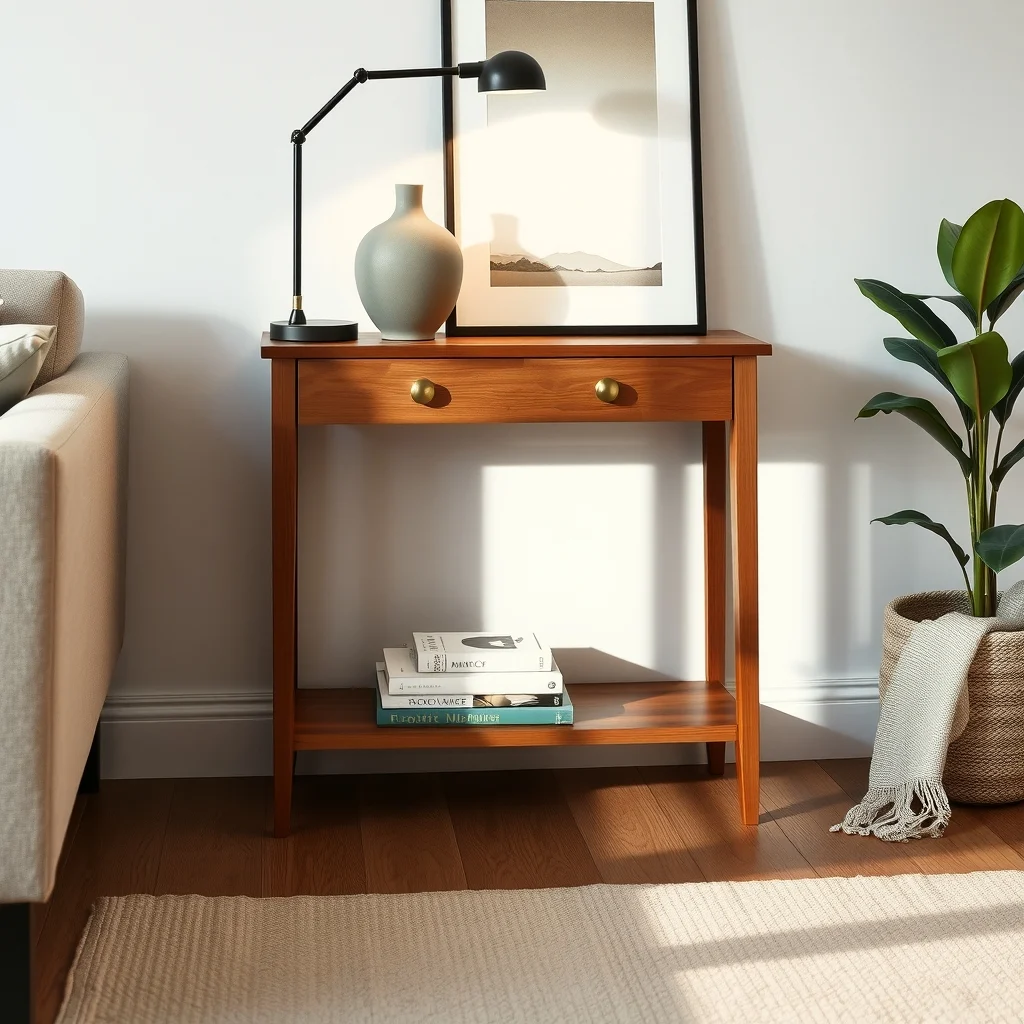
A narrow console table fits neatly between sofa and wall, offering a surface for decorative objects and hidden storage. Opt for a piece with clean lines—perhaps a walnut console with a single drawer or an open shelf underneath. The top can showcase a curated selection of books, a small sculpture, or a vase of fresh flowers, providing visual interest without overwhelming the space. The drawer or lower shelf is ideal for remote controls, coasters, or a spare set of keys, keeping the main coffee table uncluttered. Because the console is low, it does not block sightlines, allowing the room to feel open while still delivering practical benefits.
3. Use a tall floor lamp to define the zone
© 2026 AI Illustrator — Inspiration Only
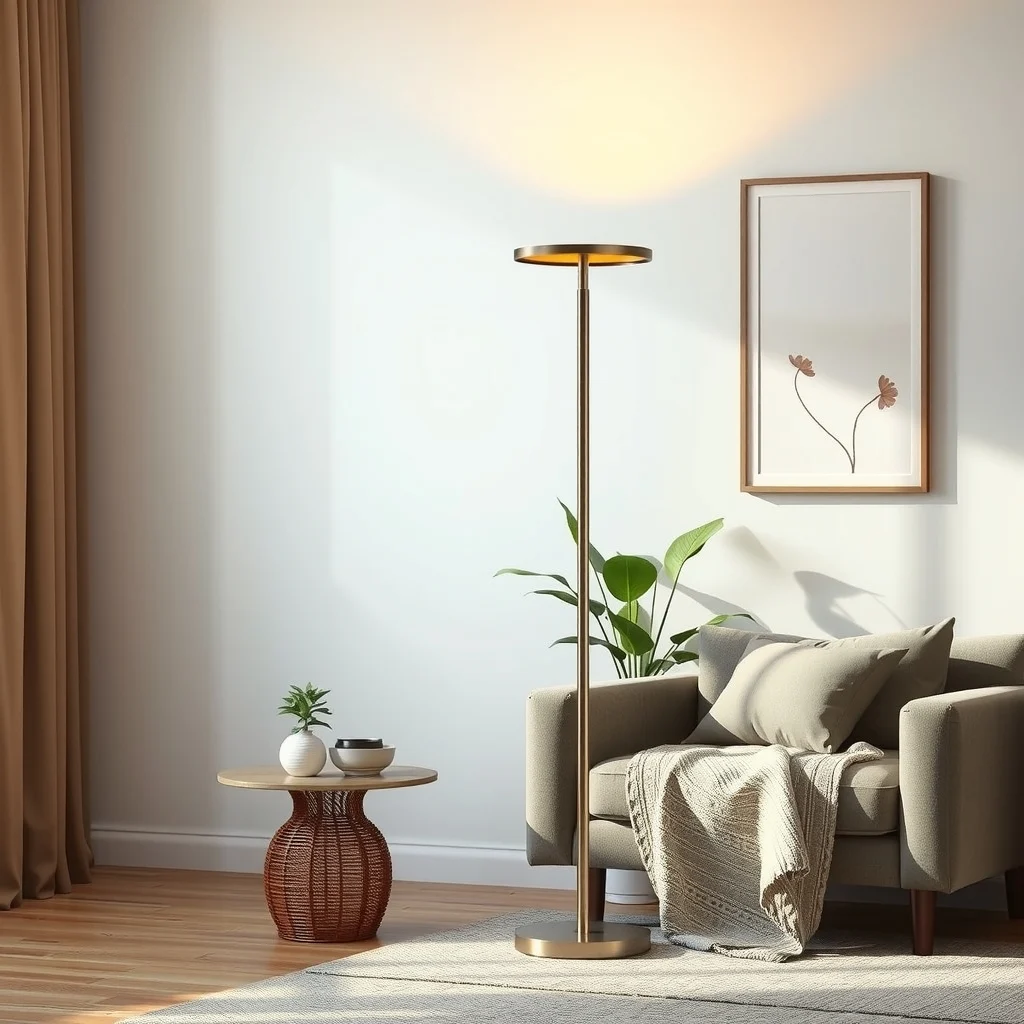
Lighting does more than illuminate; it shapes how we perceive a room. A tall floor lamp placed beside the sofa creates a subtle boundary that separates the seating area from the rest of the floor plan. Choose a lamp with a slender base—brushed brass or matte black works well with many décor styles—and a shade that diffuses light softly. The vertical element draws the eye upward, balancing the horizontal spread of the sofa. In addition to aesthetic value, the lamp supplies focused light for reading or conversation, reducing the need to rely on ceiling fixtures alone. Be mindful of the lamp’s height; it should be tall enough to avoid glare but low enough to keep the space feeling intimate.
4. Place a low‑profile side table with a tray
© 2026 AI Illustrator — Inspiration Only
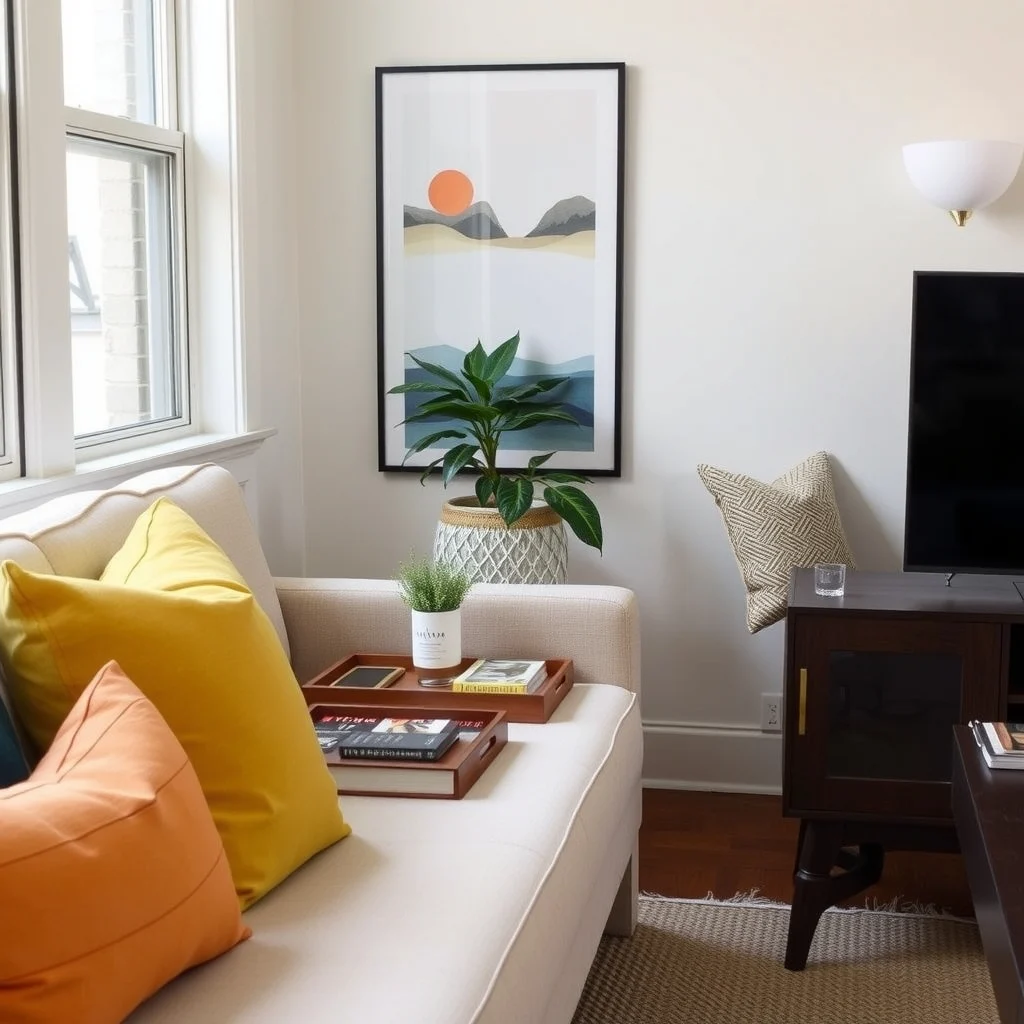
If you prefer a more flexible solution, a low side table topped with a decorative tray can serve multiple purposes. The tray keeps everyday items—remote controls, a smartphone, a stack of magazines—organized and prevents them from sliding off the table when you reach for a drink. Because the table sits close to the sofa, it is within easy reach without intruding on the walking path. Materials such as reclaimed wood or a light‑colored marble add texture, while a metal frame keeps the piece light enough to move when you rearrange the room. This arrangement works especially well in smaller apartments where every square foot must earn its place.
5. Install floating shelves for art or plants
© 2026 AI Illustrator — Inspiration Only
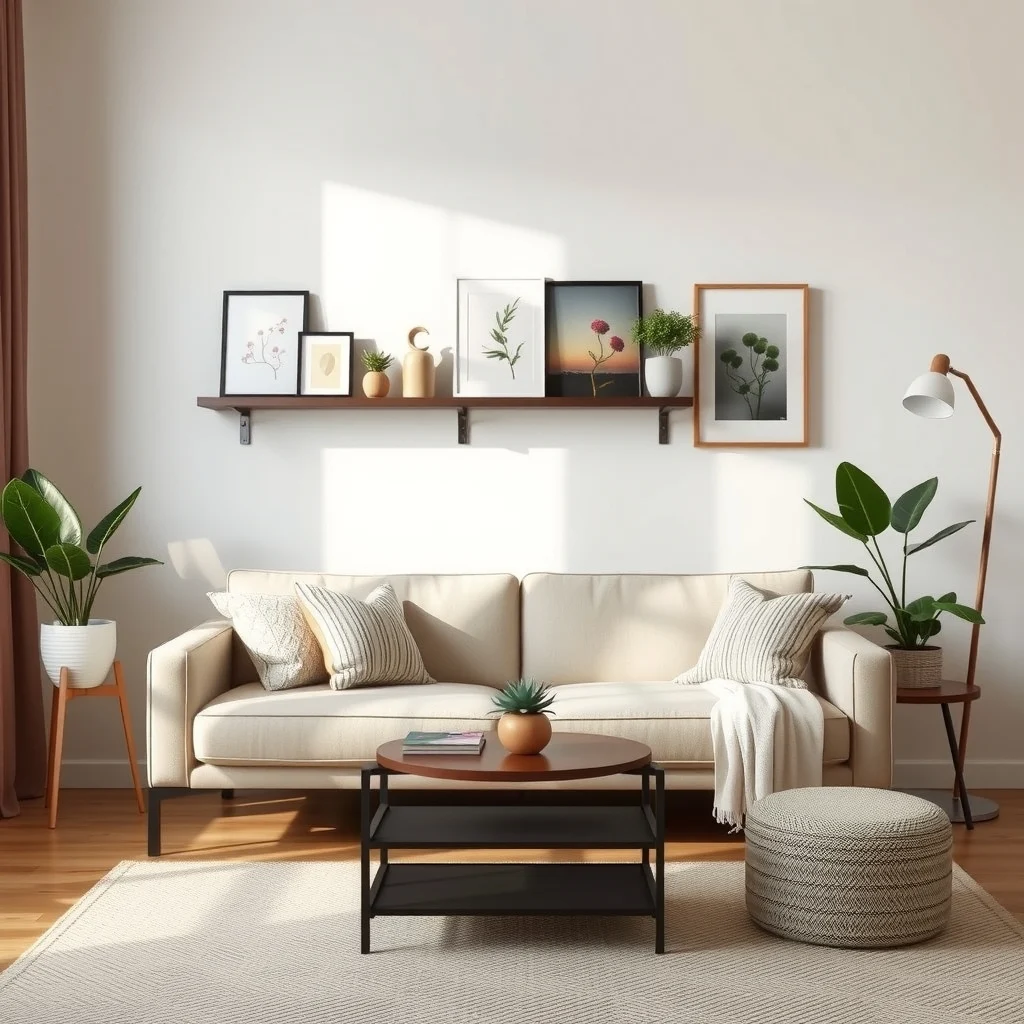
When floor space is limited, vertical storage becomes a smart alternative. Floating shelves mounted on the wall beside the sofa provide a platform for framed prints, small sculptures, or a row of potted succulents. The open design keeps the area feeling airy, and the shelves can be spaced to suit the height of the objects you wish to display. By curating a mix of textures—perhaps a woven wall hanging paired with a ceramic pot—you add depth without adding clutter. One consideration is the weight capacity of the brackets; heavier items require sturdy anchors, especially on drywall.
6. Create a mini bar or coffee station
© 2026 AI Illustrator — Inspiration Only
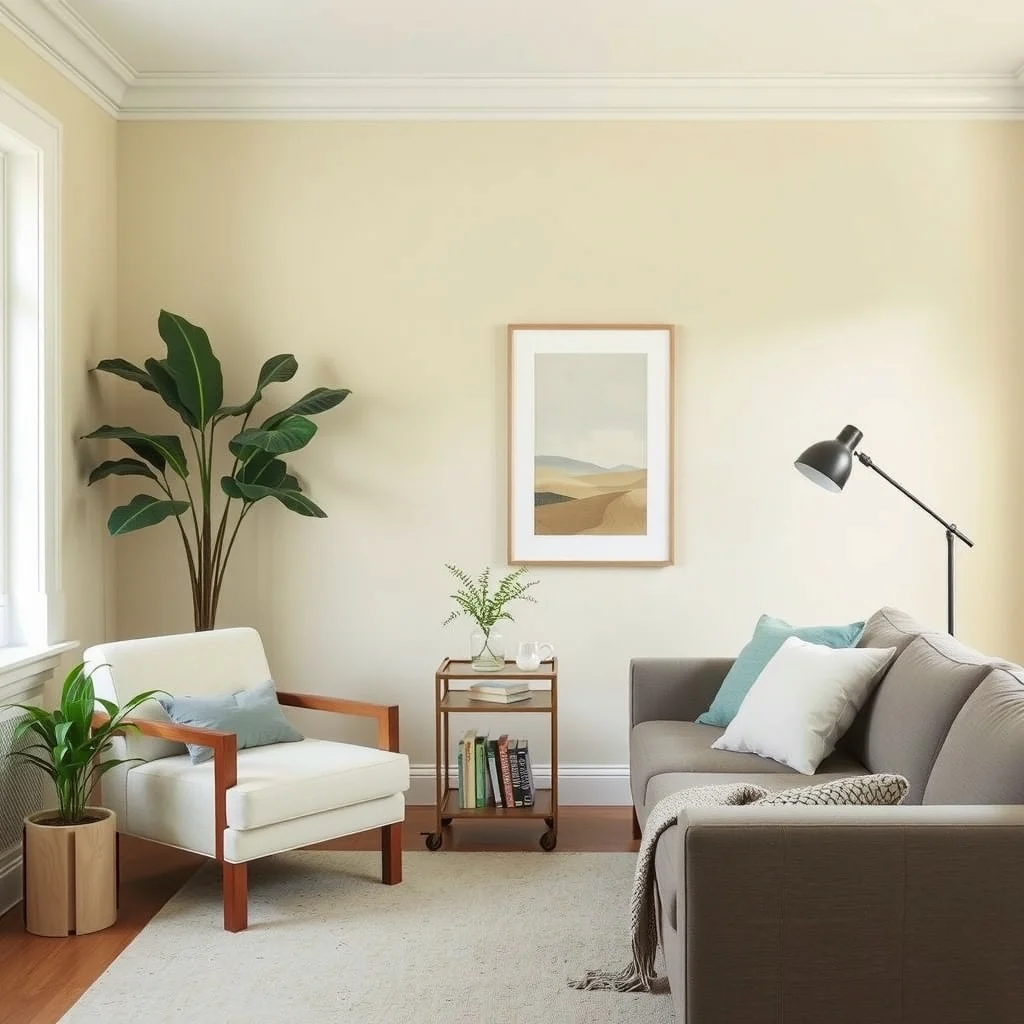
For homes that enjoy entertaining, the gap next to the sofa can become a compact beverage hub. A narrow bar cart or a slim cabinet with a countertop offers space for a coffee maker, a selection of mugs, and a few bottles of wine. Choose a model with wheels if you want the flexibility to move it for cleaning or when you need extra floor space. Adding a small set of decorative glasses or a decorative tray gives the area a polished look while keeping everything you need within arm’s reach. Keep the inventory modest; a crowded bar defeats the purpose of a tidy, functional nook.
7. Incorporate a built‑in bench with cushions
© 2026 AI Illustrator — Inspiration Only
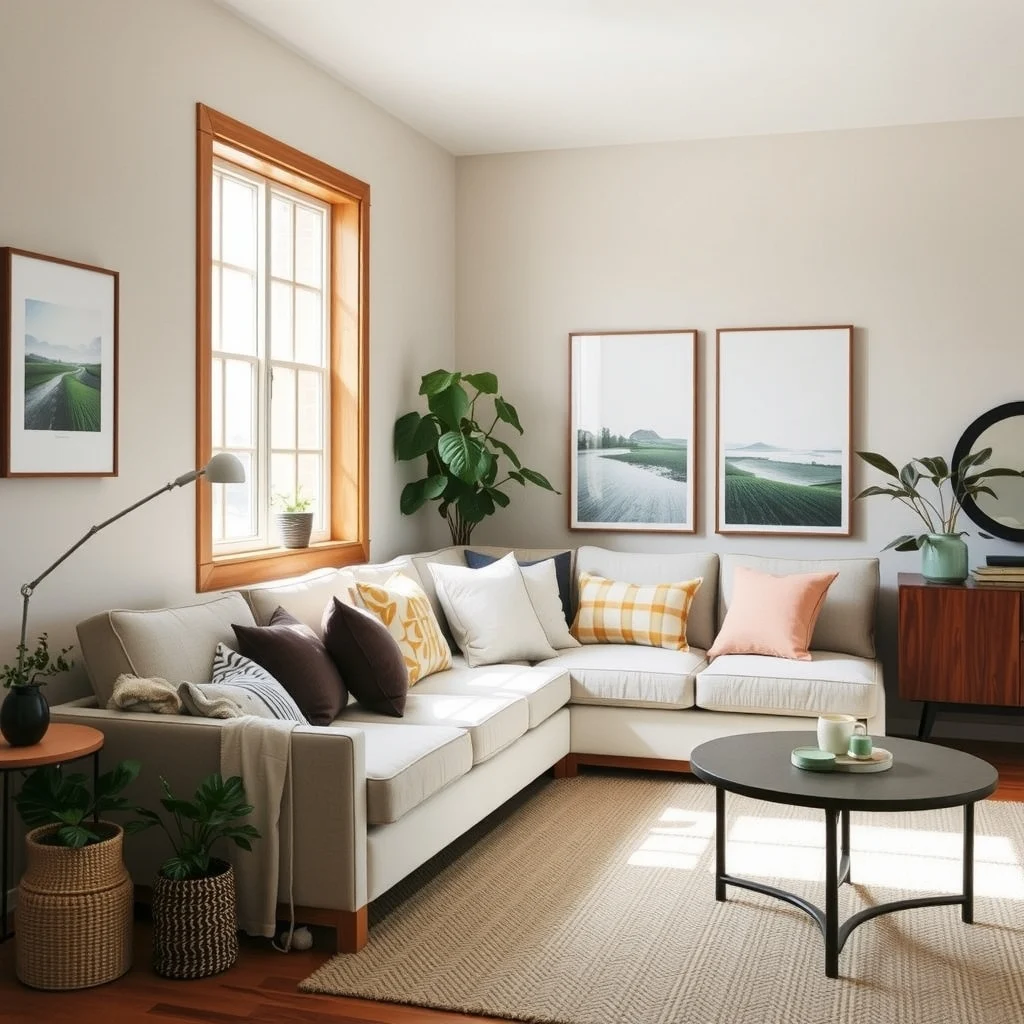
When the space is wide enough, a built‑in bench creates a seamless extension of the sofa. A low bench framed in the same wood as the sofa’s legs maintains visual continuity, while a cushion in a complementary fabric adds comfort. The bench can double as storage—lift the seat to reveal a compartment for blankets, board games, or extra pillows. This solution works best in rooms with a wall directly behind the bench, allowing the bench to sit flush without protruding into the traffic flow. The trade‑off is that a built‑in requires more planning and possibly a small carpentry project, but the result is a custom‑fit feature that feels intentional.
FAQ
© 2026 AI Illustrator — Inspiration Only
How wide should the space be for a reading chair?
A reading chair typically needs about 30 inches of width and 30 inches of depth to sit comfortably. If the gap is narrower, consider a slim accent chair or a floor cushion that can be moved when not in use.
Can I use a console table if the wall behind it is uneven?
Yes, a console can work on an uneven wall as long as you use adjustable brackets or shims to level the piece. This prevents wobbling and protects the surface of the table.
What type of lamp is best for a small side space?
A floor lamp with a narrow, tapered base and a fabric shade provides focused light without dominating the floor area. Look for models that allow the head to be angled for reading or ambient illumination.
Is it okay to hang heavy shelves on drywall?
Heavy shelves require sturdy anchors such as toggle bolts or molly bolts. If you plan to display substantial items, locate studs or use reinforced hardware to ensure the shelves stay secure.
Which Living Room Color Palette Fits You Best?
Discover the palette that reflects your style — take our free quick quiz and get instant decor inspiration!
Take the Quiz NowHow much storage should I aim for in a mini bar?
A compact bar should hold the essentials: a coffee maker, a few mugs, a small selection of beverages, and a tray for serving. Keeping the inventory limited maintains a tidy appearance and prevents the area from feeling cramped.
Final Thoughts
© 2026 AI Illustrator — Inspiration Only
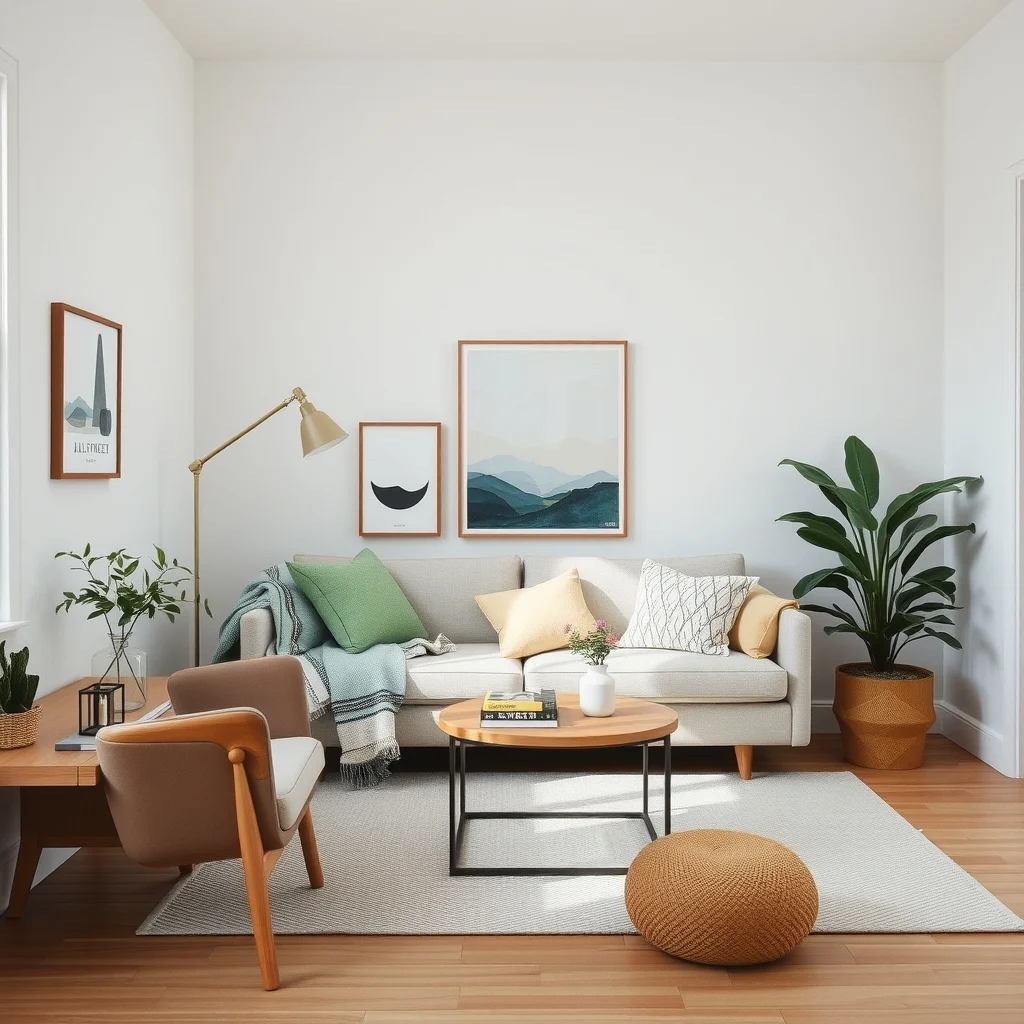
The narrow strip beside your sofa doesn’t have to be a forgotten corner. By choosing a purpose that matches your lifestyle—whether that’s a quiet reading spot, a storage solution, or a stylish display—you add both function and personality to the room. Consider the scale of furniture, the flow of traffic, and the existing colour palette when selecting pieces. A thoughtful approach turns an awkward gap into a deliberate, inviting part of your living space.