
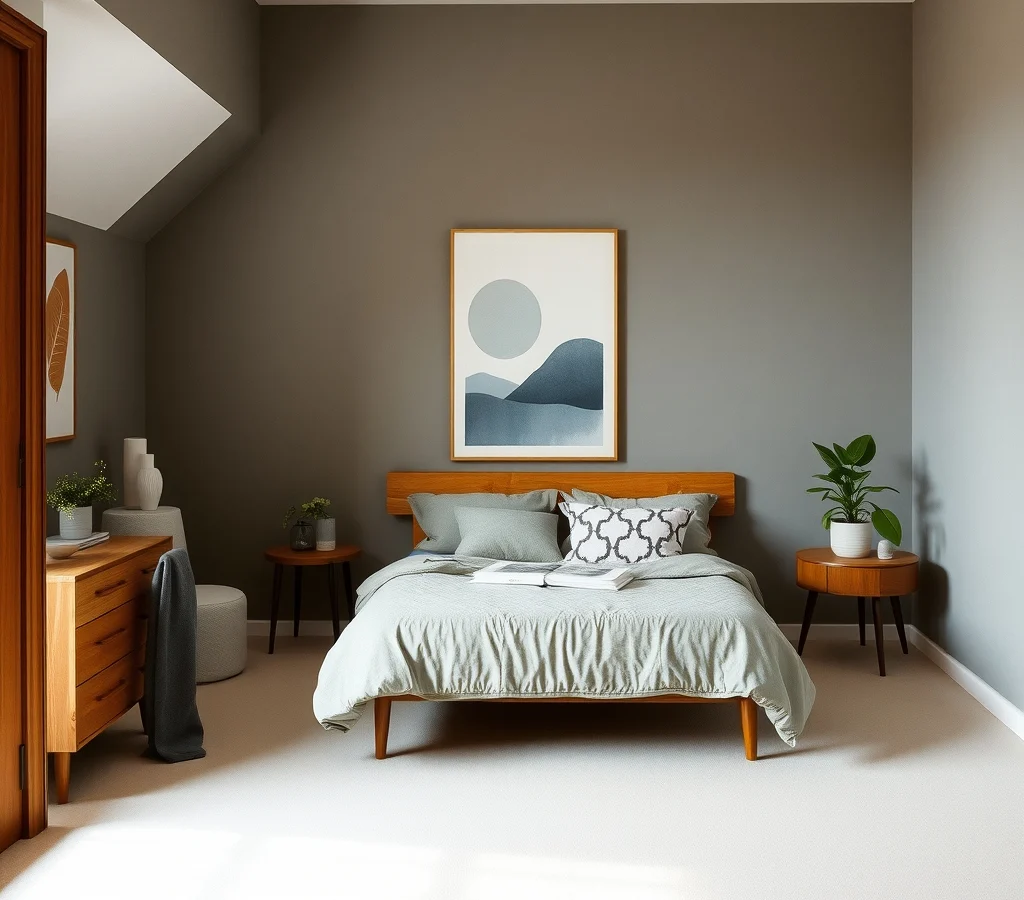
Under‑bed Storage Ideas That Keep a Small Bedroom Looking Calm
When the walls of a bedroom feel close, the biggest temptation is to fill every spare inch with furniture or décor. The result is a space that feels cluttered before the day even begins. One of the most discreet ways to reclaim floor area is to look beneath the bed. By treating the space under the mattress as a purposeful storage zone, you can tuck away clothes, shoes, and seasonal items while preserving a serene visual field. Below are seven ideas that transform that hidden compartment into a functional, aesthetically gentle solution.
1. Platform Bed with Integrated Drawers
© 2026 AI Illustrator — Inspiration Only
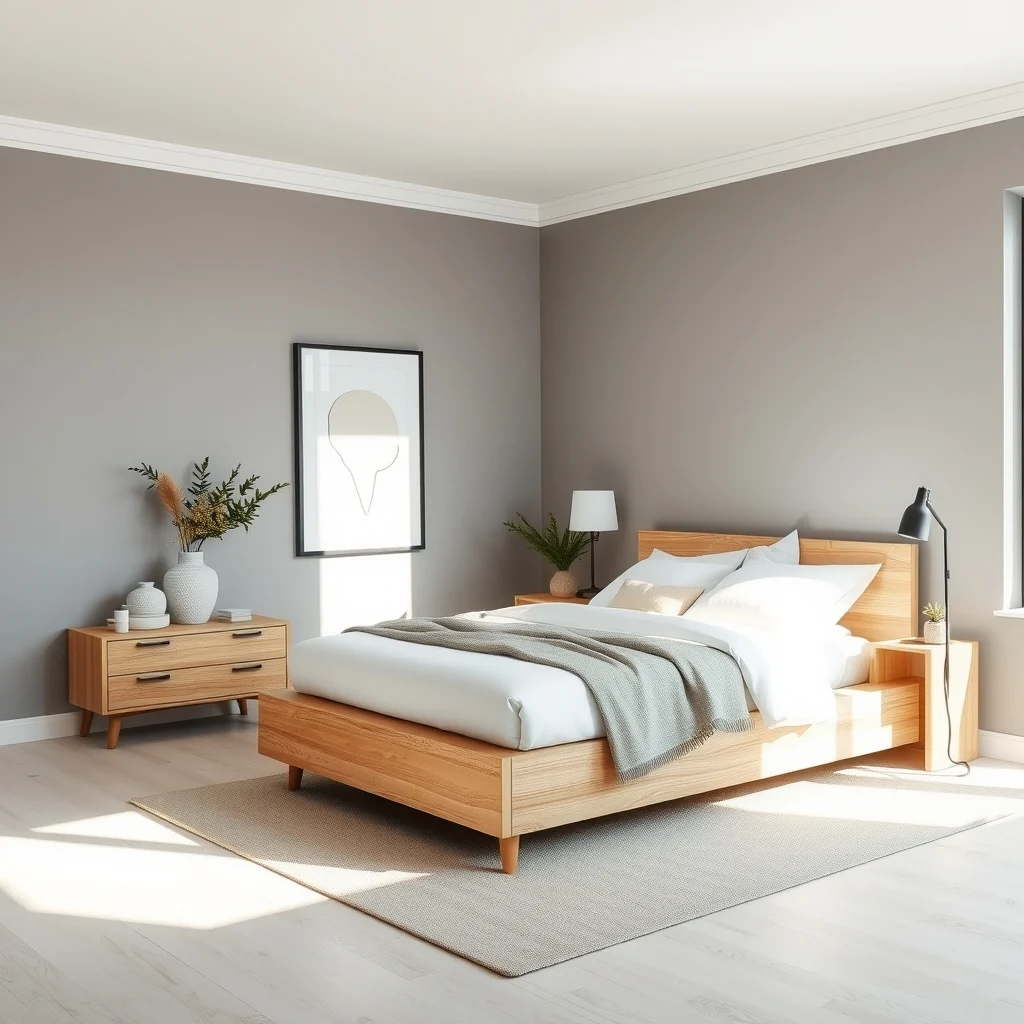
A platform bed that incorporates shallow drawers directly into its frame offers a built‑in solution that eliminates the need for separate storage pieces. The drawers typically sit just a few inches above the floor, allowing easy access without having to crawl. Choosing a finish that mirrors the wall color—such as a soft greige oak—helps the bed blend into the room, keeping the eye from being drawn to the storage function. When selecting a model, pay attention to the drawer depth; a 6‑inch depth accommodates folded sweaters or linens without compromising the low‑profile silhouette that small rooms benefit from. The main trade‑off is the reduced clearance for cleaning under the bed; a quick vacuum with a narrow nozzle usually solves the issue, but a full‑size mop may be impractical. If you have a heavy mattress, verify that the frame’s support slats can handle the added weight of stored items.
Which Home Style Fits Your Space?
Answer 5 quick questions to find your perfect interior style and inspiration.
2. Fabric‑Covered Rolling Bins
© 2026 AI Illustrator — Inspiration Only
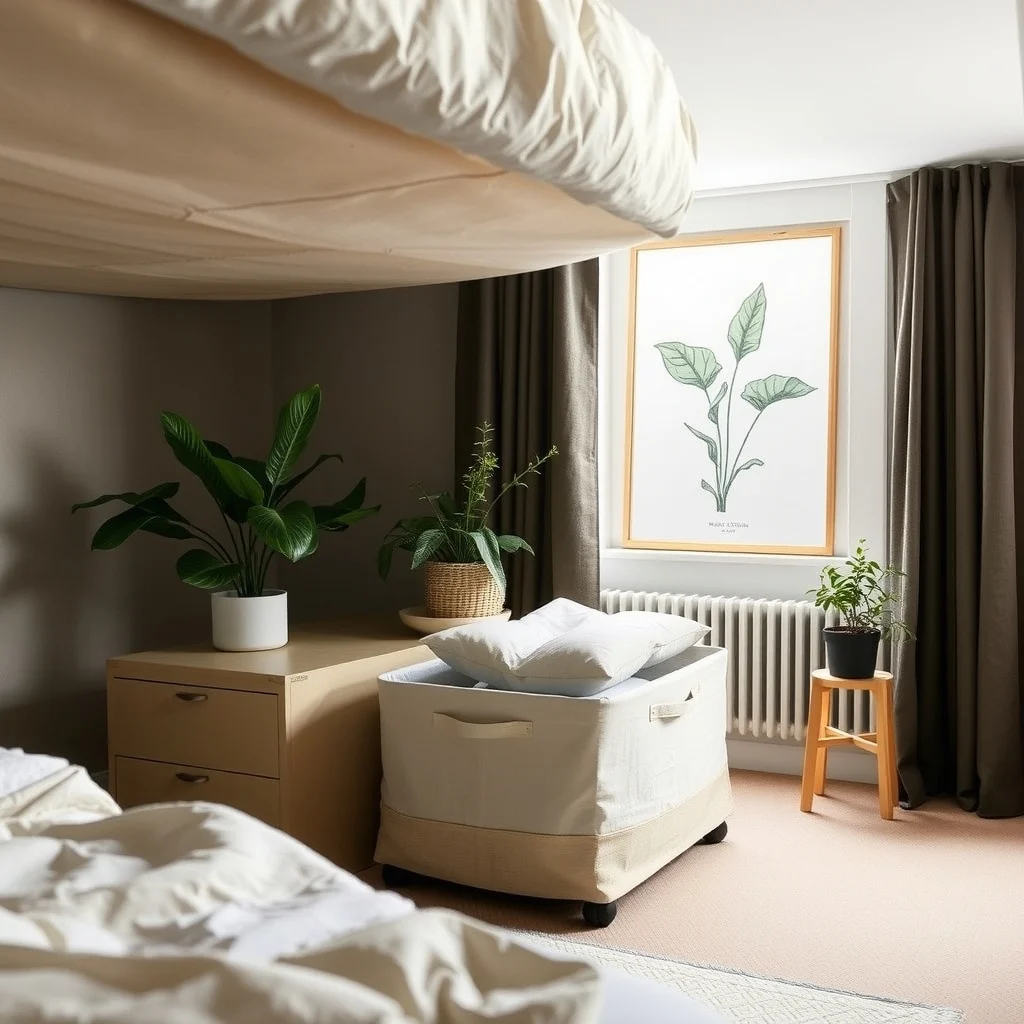
Rolling bins wrapped in breathable linen or cotton create a soft, tactile storage option that can slide in and out without disturbing the mattress. The fabric skins soften the industrial look of wheels and can be selected in muted tones—dusty sage, muted taupe, or warm ivory—to echo the room’s palette. Because the bins sit on the floor, they add a subtle layer of texture that can be balanced with a rug placed partially under the bed, preventing the floor from feeling stark. To keep the visual calm, limit the number of bins to two or three and align them along one side of the bed, allowing the other side to remain clear. One limitation is that the wheels may make a faint noise when the bed is moved; opting for rubber‑capped casters reduces this sound.
3. Wicker Baskets on Bed Slats
© 2026 AI Illustrator — Inspiration Only
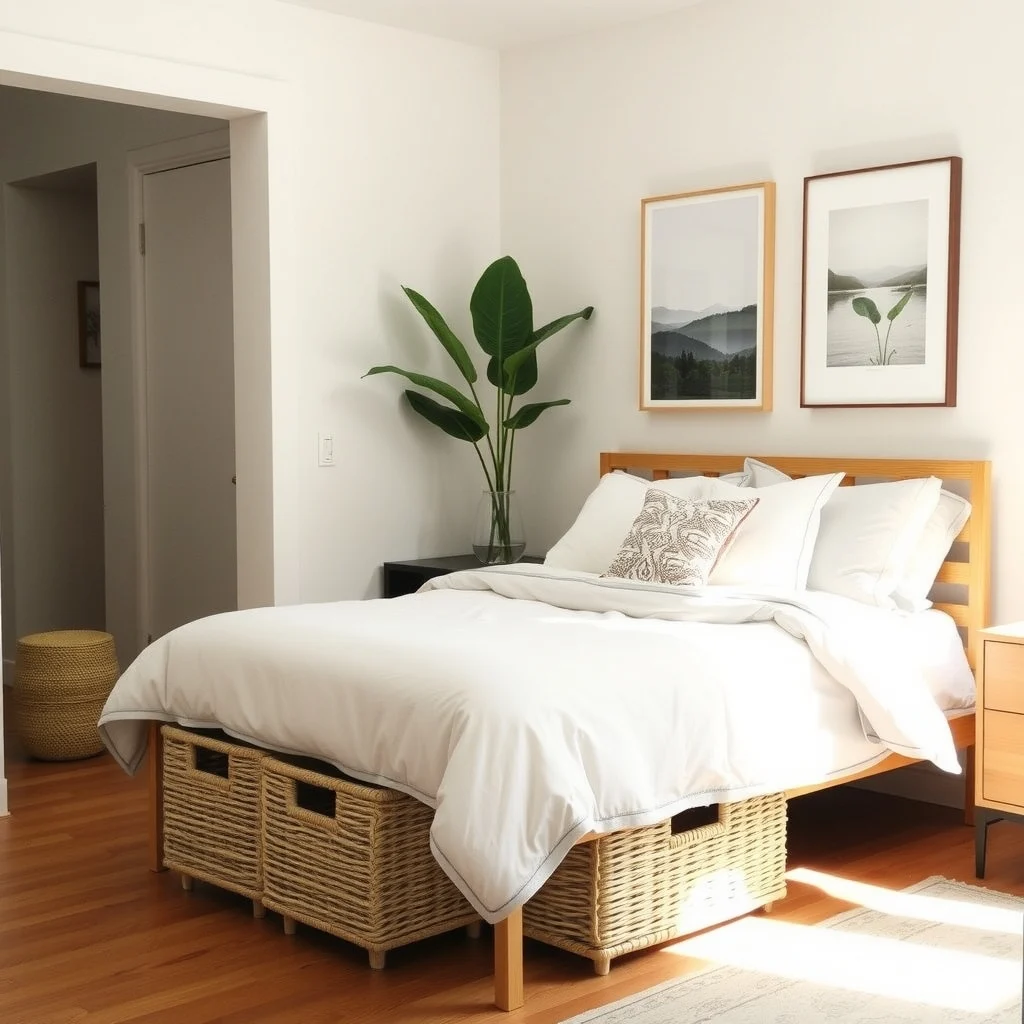
Open‑weave wicker baskets placed directly on the bed’s slats provide a natural, airy storage solution. The woven pattern permits airflow, which is especially useful for shoes or linens that need a breath of fresh air. Selecting baskets in a light natural hue keeps them from dominating the visual field, while the texture adds a gentle contrast to smoother surfaces like painted walls. Because the baskets are open, they encourage you to keep only what you truly need, reinforcing a calm aesthetic. A practical consideration is the height of the slats; if they are spaced too widely, the baskets may tilt. Adding a thin plywood board beneath the baskets can create a stable platform without altering the bed’s overall look.
4. Pull‑Out Shoe Rack Built Into the Frame
© 2026 AI Illustrator — Inspiration Only
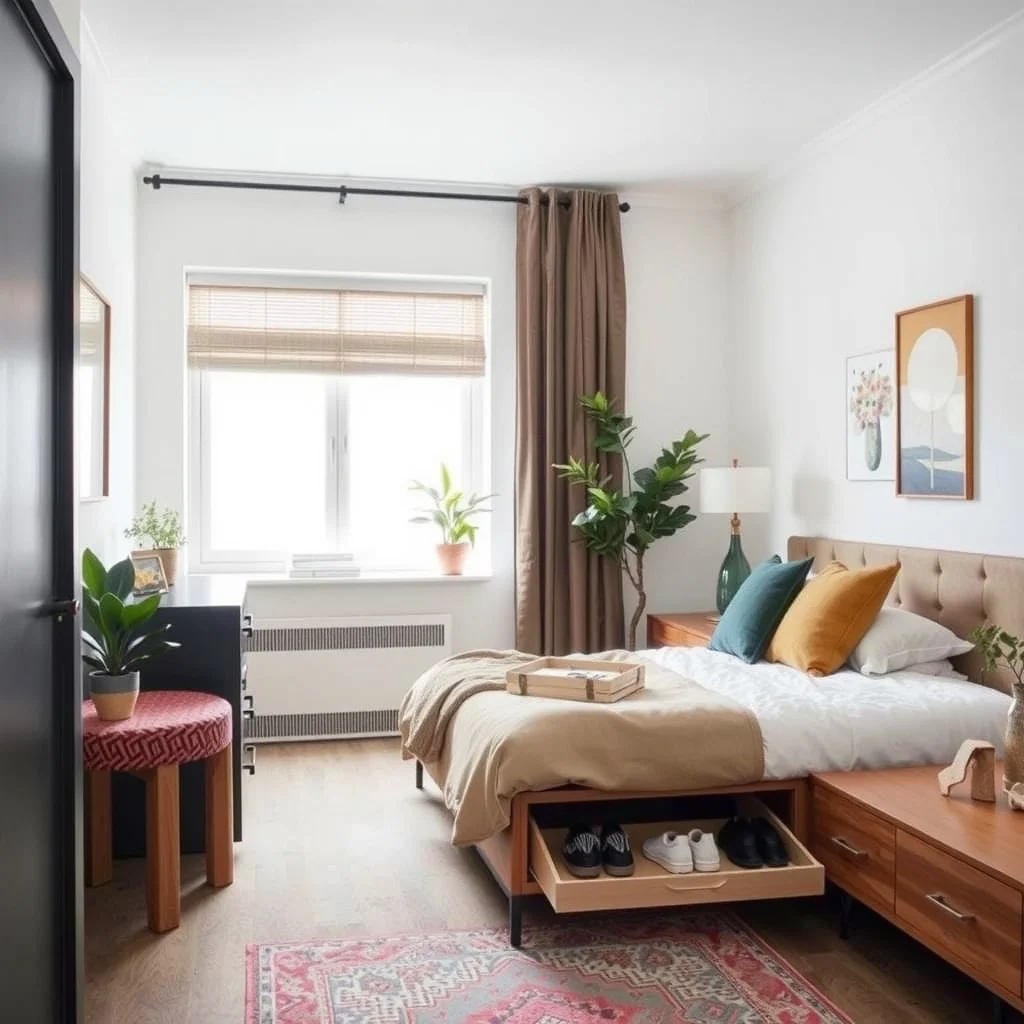
For bedrooms where shoes often become a source of clutter, a pull‑out shoe rack that slides out from under the bed can be a game‑changing addition. The rack typically consists of shallow trays that glide on low‑profile rails, allowing you to see each pair at a glance. Finishing the rack in a matte black metal matches many contemporary bedroom themes while remaining unobtrusive. The advantage of a pull‑out system is that it keeps shoes upright, preventing creases and keeping the floor surface clean. However, the mechanism requires occasional lubrication to maintain smooth operation, and the rack’s width must be measured against the bed’s clearance to avoid hitting the wall.
5. Bed Risers Paired with Stackable Storage Boxes
© 2026 AI Illustrator — Inspiration Only
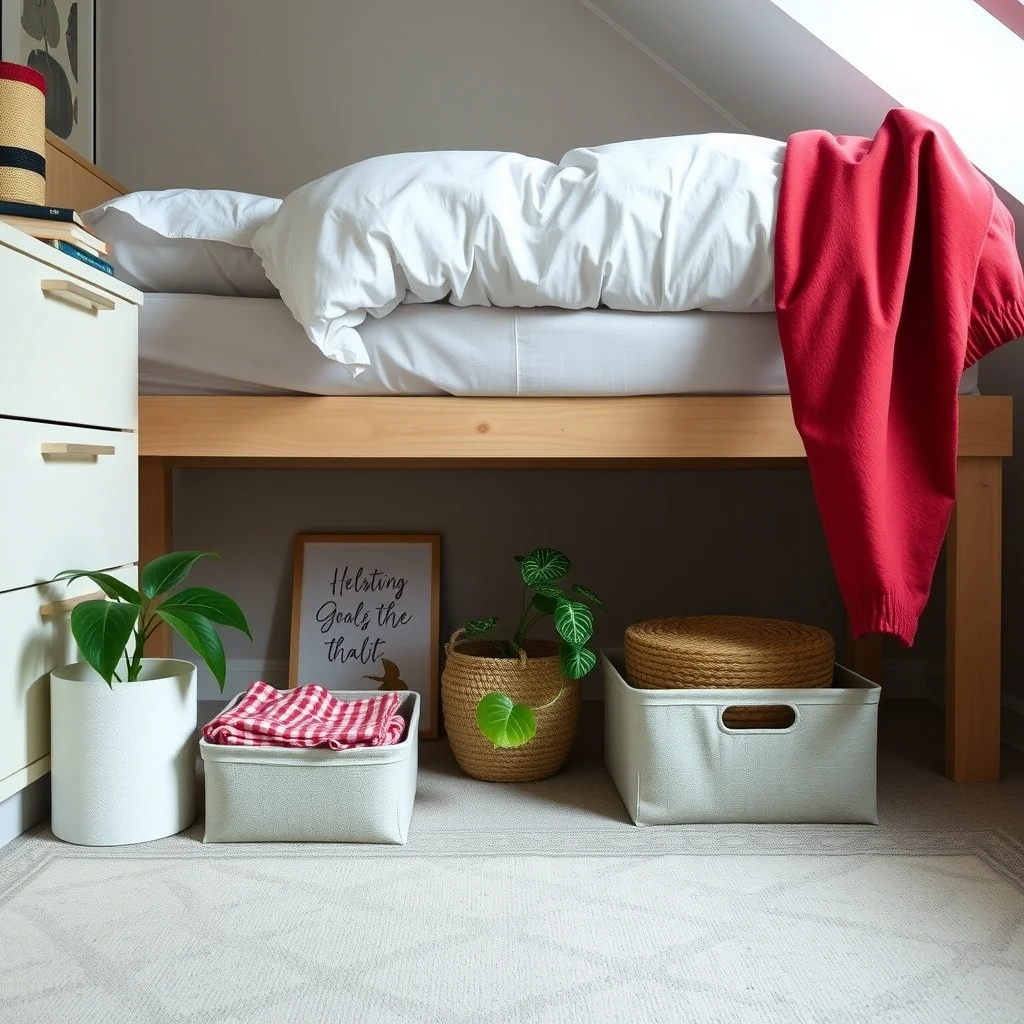
Raising a low‑profile bed with sturdy risers instantly creates an extra foot of vertical space. Once the bed is elevated, stackable plastic or fabric boxes can be tucked beneath, turning the under‑bed area into a mini‑closet. Selecting boxes with a matte finish in neutral shades—such as soft dove gray—keeps the look cohesive. The added height also improves air circulation around the mattress, which can be beneficial for those who sleep warm. A potential downside is the need to ensure the risers are rated for the combined weight of the bed, mattress, and stored items; choosing metal risers with a wide base offers greater stability than narrow plastic ones.
6. Low‑Profile Storage Ottoman That Slides Underneath
© 2026 AI Illustrator — Inspiration Only
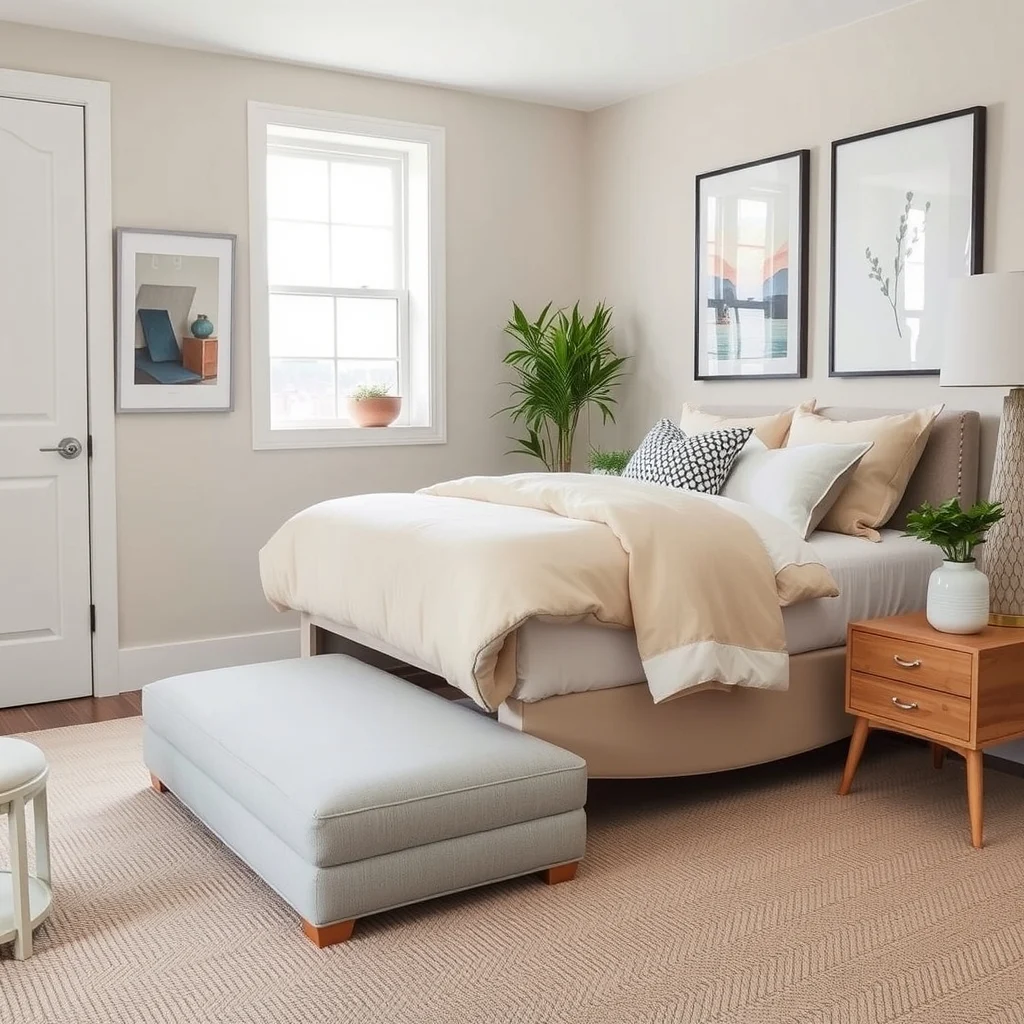
A slim ottoman, often used as a footrest in larger rooms, can serve double duty when its dimensions allow it to slide beneath the bed. Upholstered in a soft, low‑pile fabric, the ottoman adds a plush visual element while concealing items like extra blankets or decorative pillows. Because the ottoman is removable, you can pull it out for occasional seating or use it as a temporary surface for a laptop. The key is to choose an ottoman no taller than the gap between the mattress and floor—typically around four inches. If the mattress is very low, a thinner cushion may be needed, which can affect comfort when used as a seat.
7. Vacuum‑Seal Bags for Seasonal Clothing
© 2026 AI Illustrator — Inspiration Only
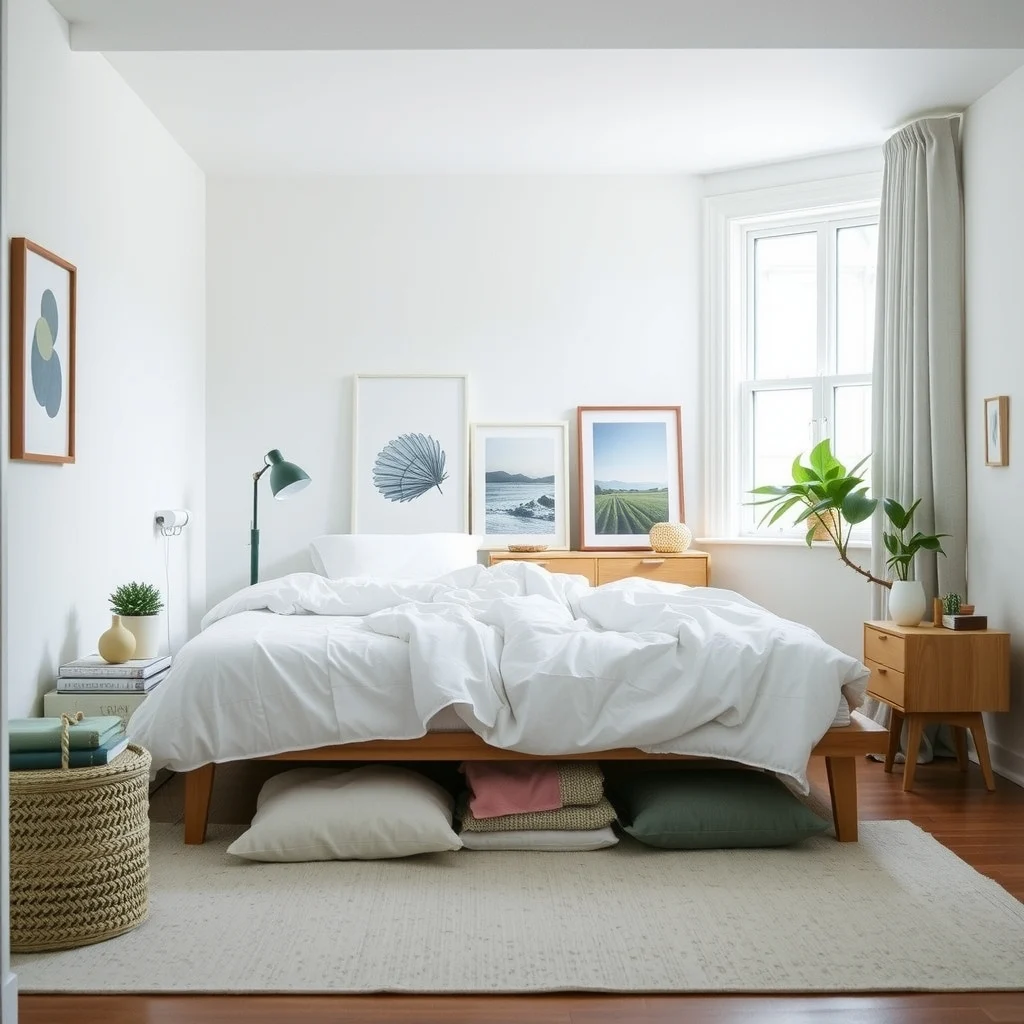
When the wardrobe overflows, vacuum‑seal bags offer a compact way to store out‑of‑season garments under the bed without taking up much space. After folding each item, you place it in a zip‑top bag and remove the air with a small hand pump. The resulting package can be as thin as a hardcover book, fitting neatly between the mattress and the floor. Selecting bags with a clear front panel allows you to identify contents at a glance, reducing the temptation to rummage through multiple bags. The main consideration is that the bags must be stored in a dry area; any moisture that seeps in can cause mildew. Placing a thin moisture‑absorbing sheet on the floor before arranging the bags adds a layer of protection.
Frequently Asked Questions
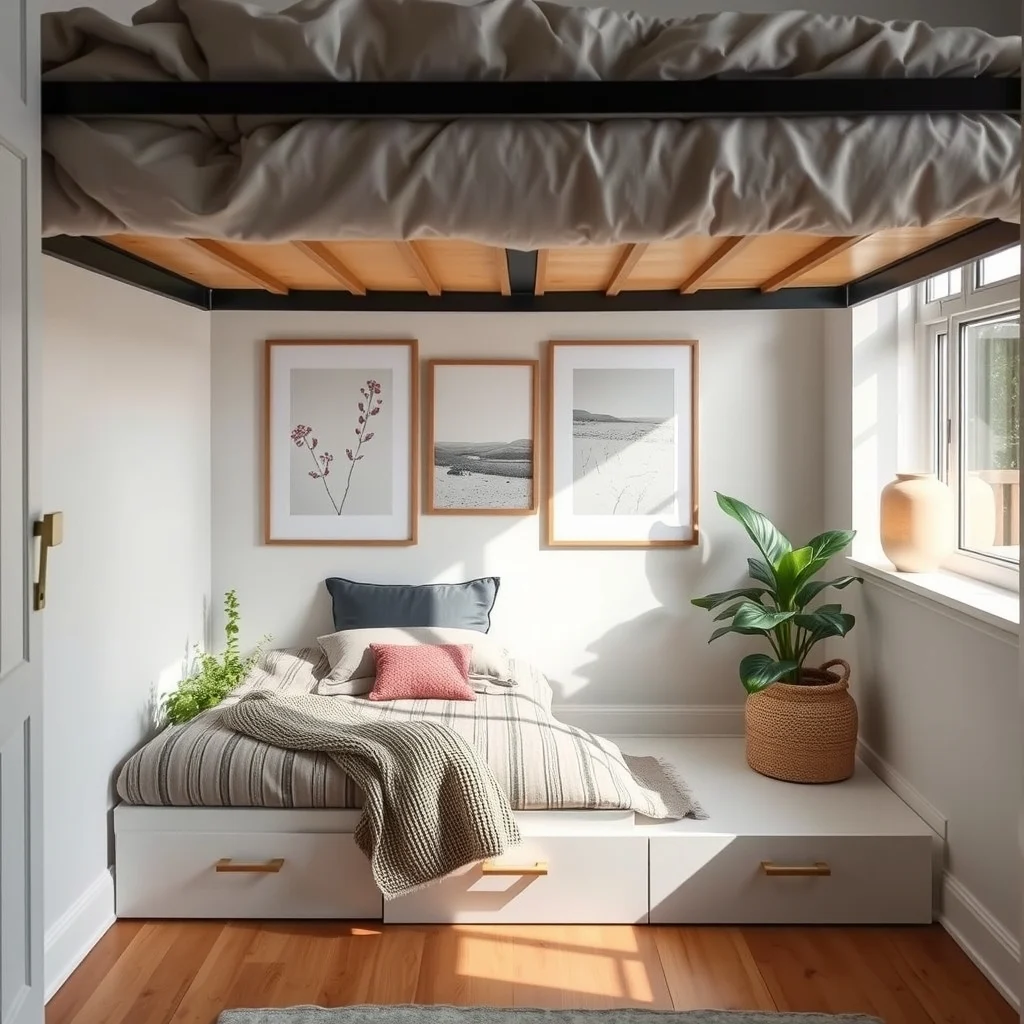
© 2026 AI Illustrator — Inspiration Only
How much weight can under‑bed drawers safely hold?
Most built‑in drawers are designed to support between 30 and 50 pounds per drawer. Check the manufacturer’s specifications, and avoid overloading with heavy items like books, which can strain the slides.
Can I use under‑bed storage in a room with hardwood floors?
Yes, but protect the floor by placing a thin felt pad or rug underneath rolling bins or boxes. This prevents scratches and reduces noise when you slide items in and out.
Is it safe to store electronics under the bed?
Storing electronics such as a laptop or charger is fine as long as they are kept in a breathable container and not covered by heavy items. Ensure there is enough airflow to prevent overheating.
Do I need to measure my mattress before buying storage solutions?
Measuring the height of your mattress and the clearance between the mattress and floor is essential. Most storage ideas require a gap of four to six inches; knowing this measurement helps you select the right size of drawers, boxes, or ottomans.
Which Living Room Color Palette Fits You Best?
Discover the palette that reflects your style — take our free quick quiz and get instant decor inspiration!
Take the Quiz NowWhat is the best material for under‑bed storage that won’t attract dust?
Hard‑sided plastic containers with smooth interiors tend to collect less dust than fabric bags. If you prefer fabric, choose tightly woven cotton or linen with a washable cover.
Final Thoughts
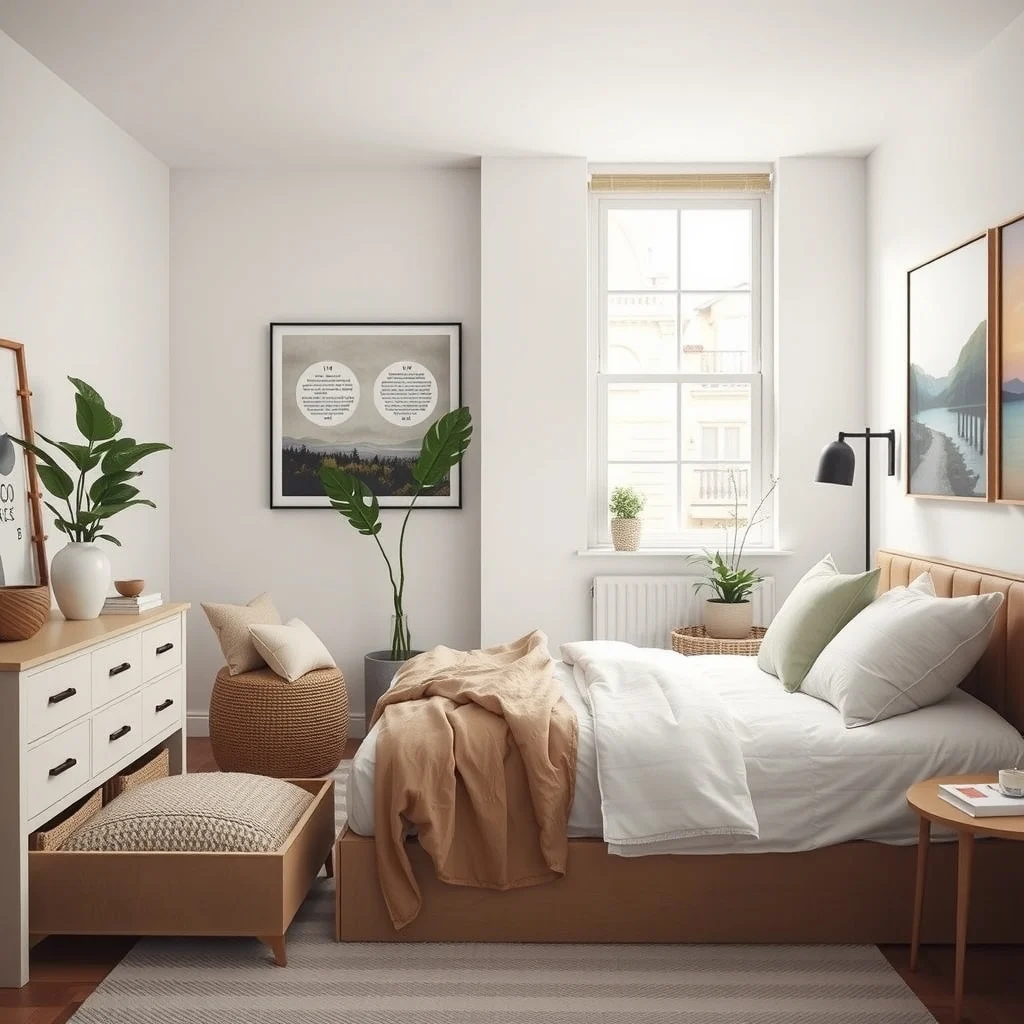
© 2026 AI Illustrator — Inspiration Only
Under‑bed storage can be both functional and harmonious when the right approach is chosen. By integrating drawers, rolling bins, woven baskets, pull‑out racks, risers, sliding ottomans, or vacuum‑seal bags, you turn an otherwise invisible area into a tidy, calming extension of the bedroom. Each option carries its own set of benefits and compromises, so consider the room’s dimensions, the types of items you need to store, and the overall aesthetic you wish to maintain. With thoughtful selection, the space beneath your bed becomes a quiet ally in preserving the calm you crave in a small bedroom.