
Thrift Store Home Decor Finds That Make a Room Look Designer‑styled
Walking into a thrift store can feel like stepping into a quiet museum of forgotten design. The shelves are filled with pieces that have already lived a life, and many of them still hold the craftsmanship that high‑end showrooms charge a premium for. The challenge is learning how to select, restore, and place those items so they blend with contemporary interiors instead of standing out as curiosities. In this article you’ll discover seven specific thrift‑store finds that, when styled thoughtfully, give a room the polish of a designer‑curated space while keeping the budget friendly.
1. Vintage Framed Mirrors that Expand Light and Space
© 2026 AI Illustrator — Inspiration Only
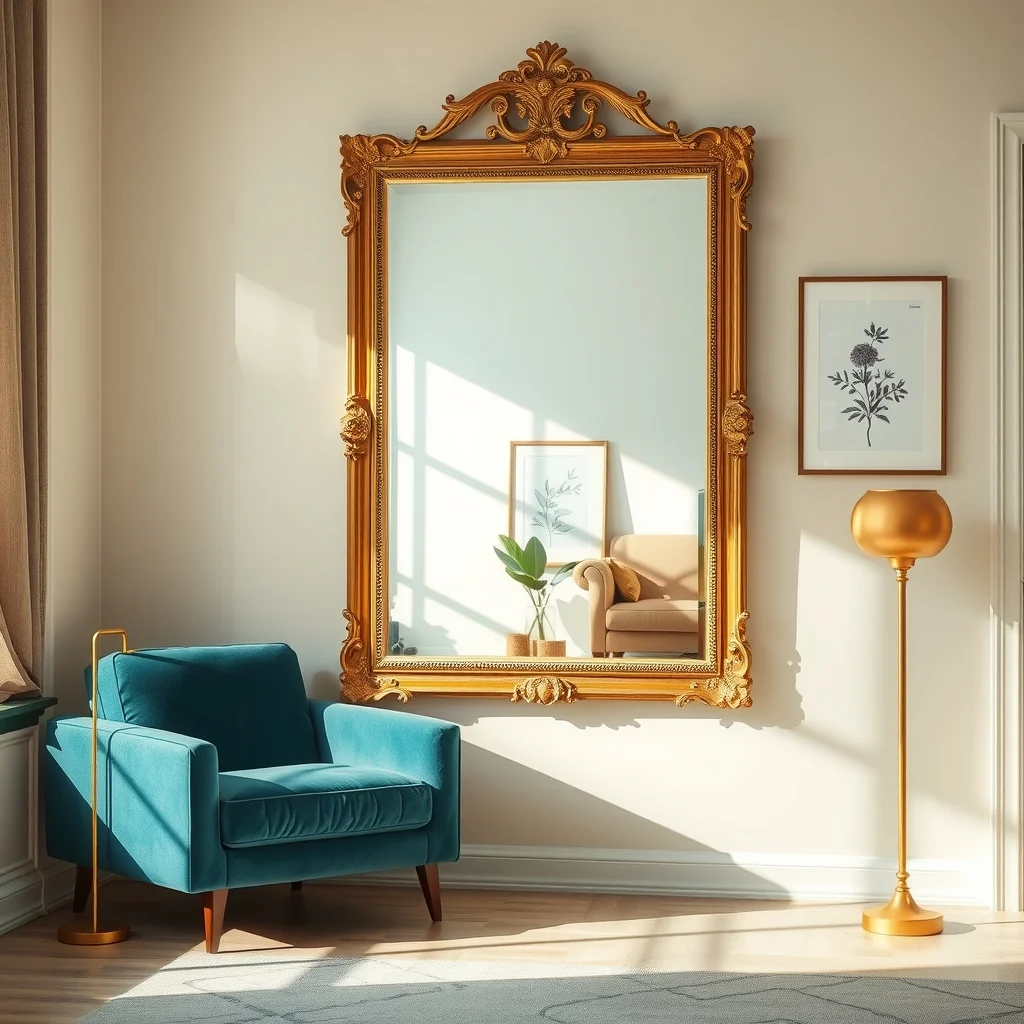
A well‑chosen mirror does more than reflect a wall; it can double the visual depth of a room. In a thrift shop you’ll often find large, ornate frames that once hung in a hallway or a boutique. Look for a piece with a clean glass surface and a frame that speaks to the room’s style—whether that is a thin walnut border for a mid‑century vibe or a brushed brass outline for an industrial feel. Once home, a quick polish with a glass cleaner and a light coat of matte varnish on the wood can tame any wear.
Which Home Style Fits Your Space?
Answer 5 quick questions to find your perfect interior style and inspiration.
The placement of the mirror determines its impact. Mount it across from a window or a source of natural light, and the reflected daylight will travel farther into the space, softening shadows and creating a sense of airiness. In a dining room, a mirror positioned behind a table can make the area feel more intimate while still appearing generous. The trade‑off is that an oversized frame can dominate a small room if the proportions are off, so measure the wall and keep the frame’s width under one‑third of the total surface.
When you pair the mirror with a simple console or a pair of slim sconces, the ensemble feels intentional rather than improvised. The result is a focal point that looks like a custom design element rather than a thrift‑store pickup.
2. Mid‑Century Side Tables with Clean Lines
© 2026 AI Illustrator — Inspiration Only
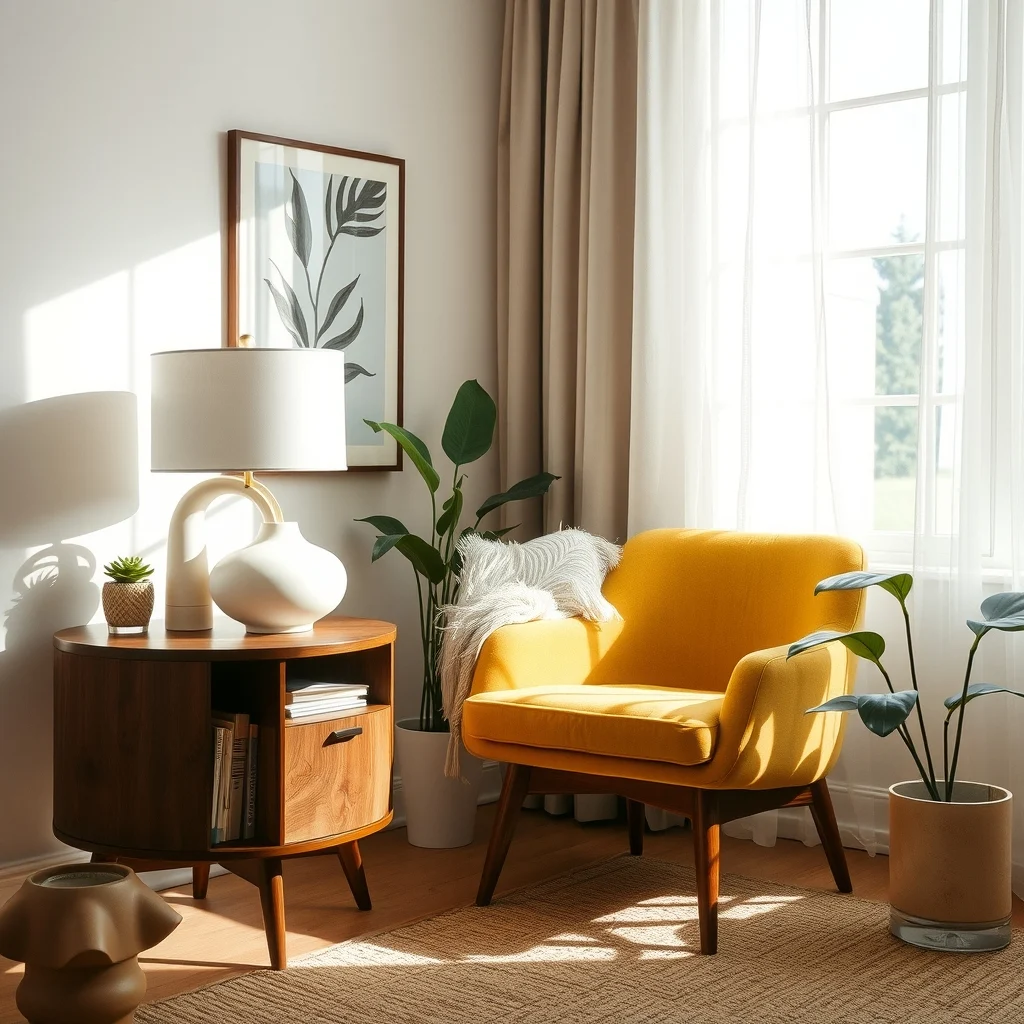
Side tables from the 1950s and 60s often feature tapered legs, walnut veneers, and minimalist hardware—elements that designers still reference today. At a thrift store these pieces may have a few scratches, but the underlying structure is usually solid hardwood that can be sanded and refinished without much effort.
Choosing a table that sits at eye level when placed beside a sofa ensures it serves both function and form. A low‑profile table with a single drawer works well beside a reading chair, offering a place for a lamp, a book, and a cup of tea without cluttering the floor. The clean silhouette adds a subtle nod to modernist design, while the warm wood tone softens the surrounding décor.
One limitation to keep in mind is the height of the legs; overly long legs can make the piece feel out of scale in a compact living room. If the table is slightly too tall, adding a thin rug underneath can anchor it visually. A fresh coat of oil or a matte polyurethane finish will protect the surface while allowing the grain to breathe, giving the table a lived‑in elegance that feels designer‑approved.
3. Industrial Metal Lighting Fixtures Reimagined
© 2026 AI Illustrator — Inspiration Only
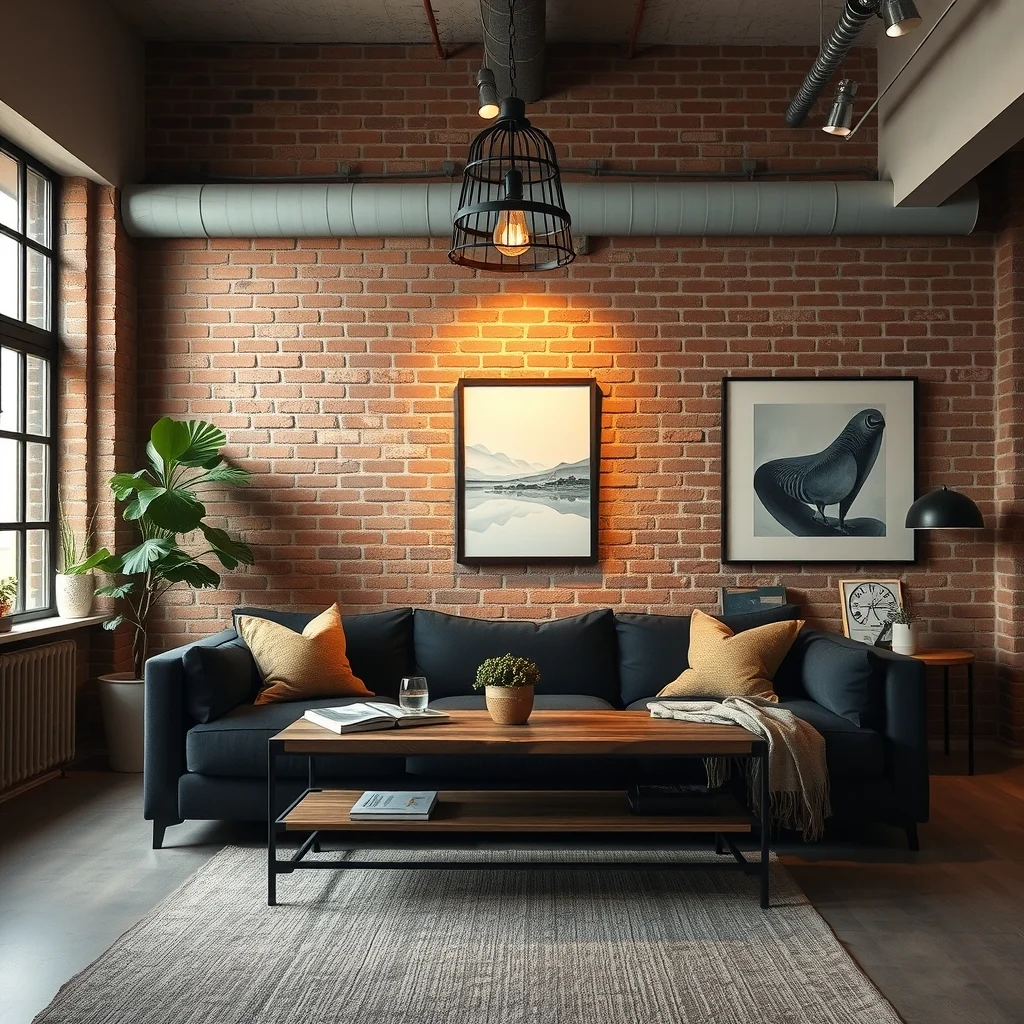
Exposed‑bulb pendants, cage‑style floor lamps, and brass‑finished sconces are staples of industrial design, and they appear regularly in thrift aisles. The raw metal finish adds an edge that pairs well with softer textiles, creating a balanced contrast that many designers strive for.
When incorporating a thrifted fixture, consider the room’s lighting layers. An industrial pendant over a kitchen island or a dining table provides focused illumination while also serving as a visual anchor. In a living room, a floor lamp with an adjustable arm can direct light toward a reading nook without overwhelming the entire space.
The main challenge with these pieces is often the wiring. If the fixture lacks a proper cord or has an outdated socket, a quick visit to a hardware store for a compatible cord set and a basic wiring guide can resolve the issue safely. For those uncomfortable with electrical work, hiring an electrician ensures compliance with local codes. Once installed, the fixture’s rugged aesthetic adds a curated, high‑end feel that would otherwise require a sizable investment.
4. Hand‑Woven Textiles for Texture and Warmth
© 2026 AI Illustrator — Inspiration Only
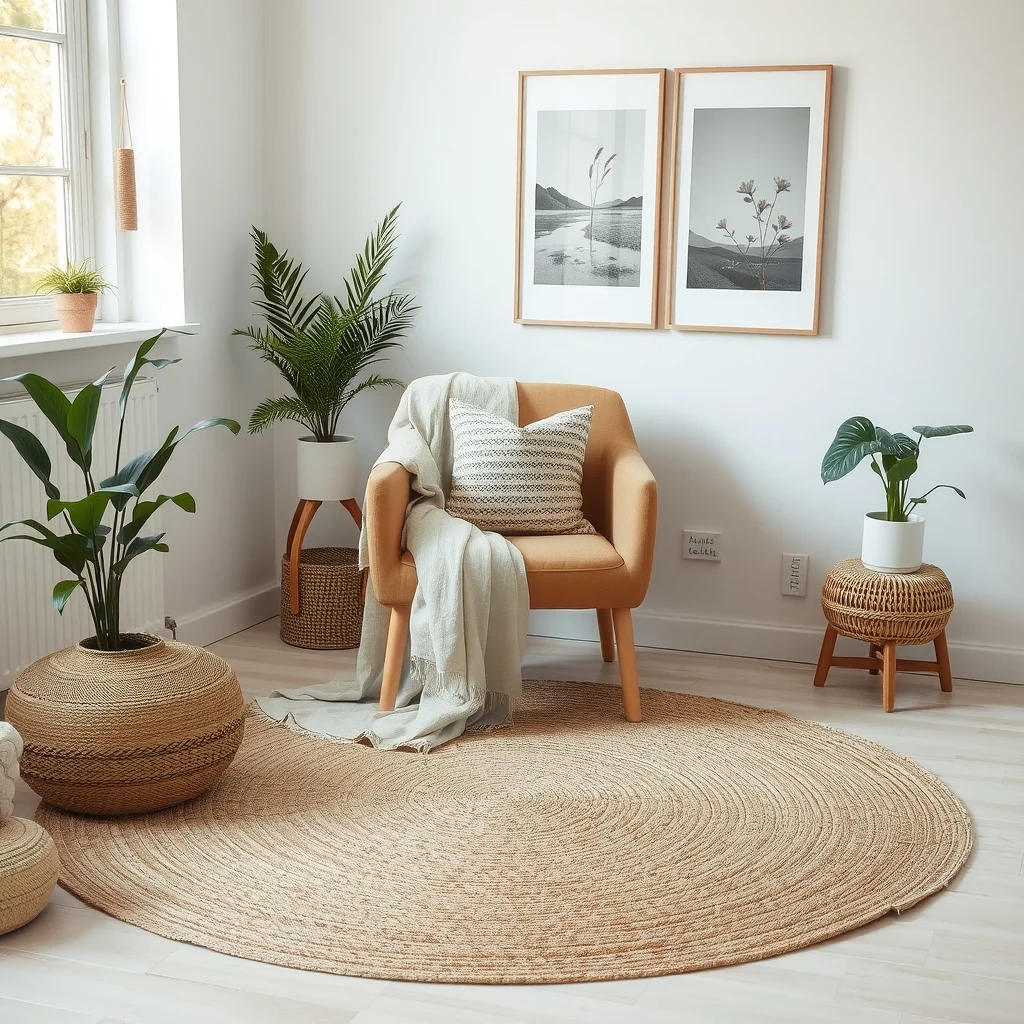
Throws, pillow covers, and small rugs made from natural fibers such as linen, cotton, or jute frequently surface in thrift stores, especially in the seasonal sections. These textiles often carry subtle patterns—like a muted geometric weave or a faint hand‑dyed stripe—that add depth without competing with other décor elements.
Layering a hand‑woven throw over a sleek sofa introduces a tactile contrast that feels intentional. Because the colors tend to be earthy or muted, they blend easily with a variety of palettes, from cool greys to warm terracotta. Pairing a few coordinated pillows with differing textures—perhaps a boucle pillow alongside a smooth linen square—creates a curated look reminiscent of designer showrooms.
One drawback is that vintage textiles can be prone to moth damage or fading. Inspect the fabric closely for signs of wear, and consider a gentle hand wash or professional cleaning before placing them in the home. Once cared for, these pieces bring a handcrafted quality that elevates a room without the price tag of a custom‑made accessory.
5. Refinished Wooden Panels as Statement Backs
© 2026 AI Illustrator — Inspiration Only
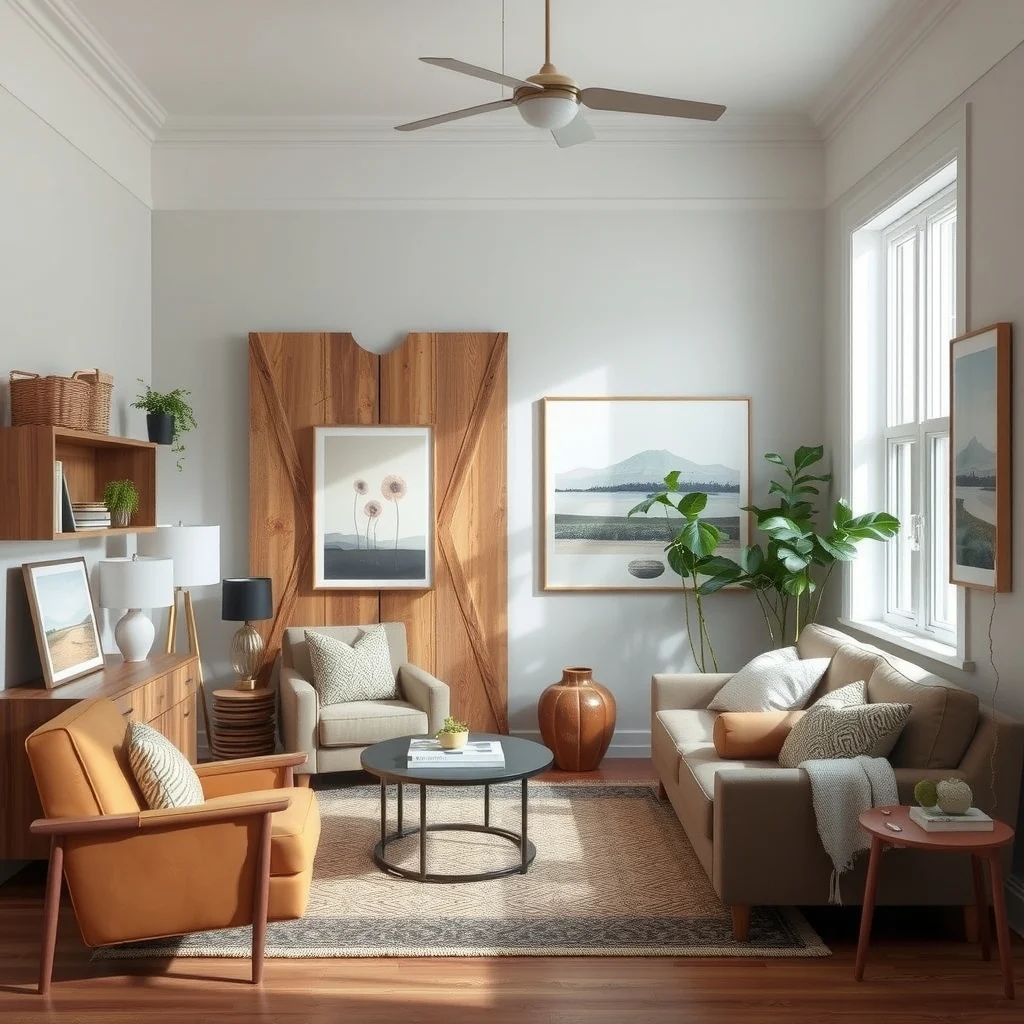
Large wooden panels, room dividers, or reclaimed barn doors often appear in thrift stores as unfinished or partially damaged pieces. When sanded, stained, and sealed, they become striking backdrops for shelving, artwork, or a media wall.
Installing a panel behind a console table in an entryway adds a sense of depth and draws the eye upward. The natural grain of the wood, especially when highlighted with a warm walnut stain, offers a timeless quality that complements both modern and traditional furnishings. Pair the panel with floating shelves to display curated objects, and the combination reads as a purposeful design decision.
Which Living Room Color Palette Fits You Best?
Discover the palette that reflects your style — take our free quick quiz and get instant decor inspiration!
Take the Quiz NowThe primary consideration is the weight of the panel; older lumber can be heavier than expected. Secure mounting hardware and wall anchors are essential, especially in high‑traffic areas. If the panel shows deep gouges or cracks, a thin veneer can be applied over the surface to achieve a uniform look while preserving the original material’s character.
6. Antique Brass Hardware for a Touch of Luxury
© 2026 AI Illustrator — Inspiration Only
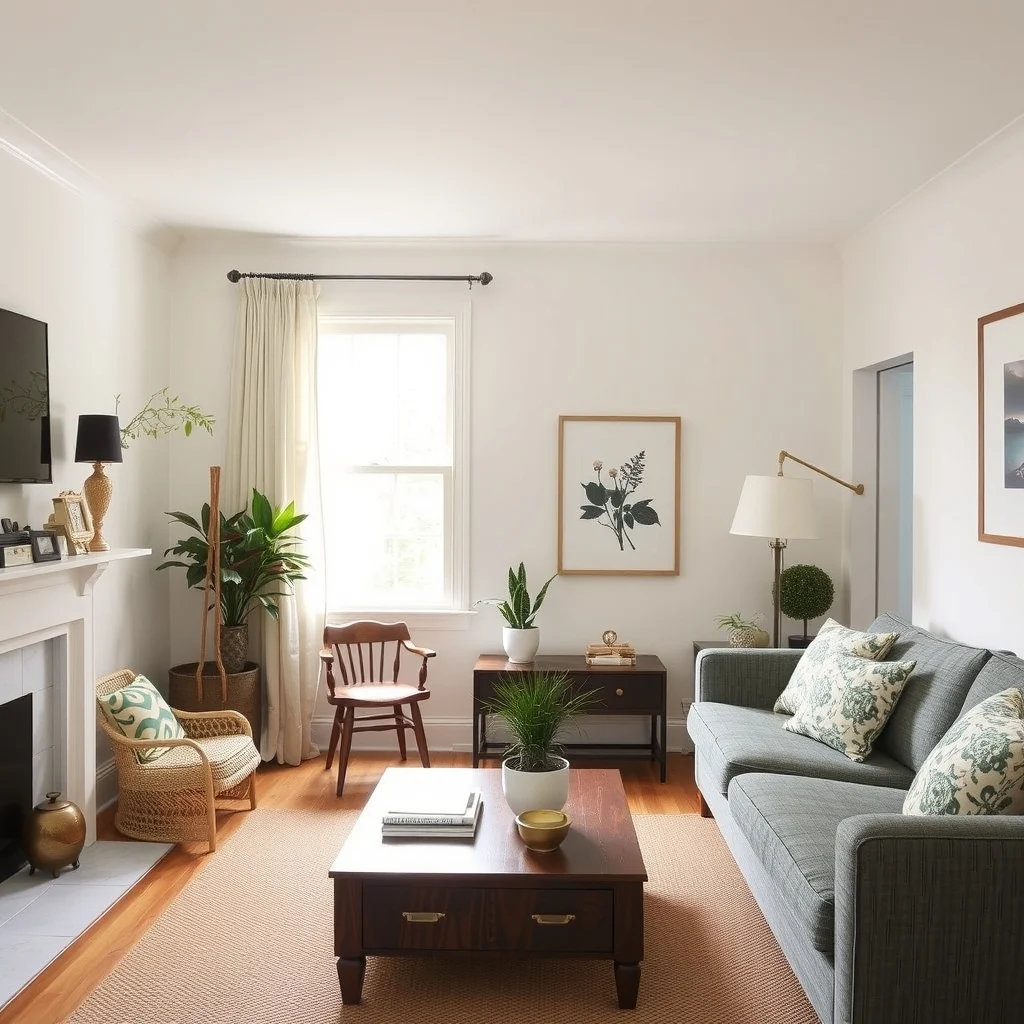
Small hardware items—drawer pulls, cabinet knobs, and door handles—are often overlooked in thrift stores, yet a handful of brass pieces can instantly raise the perceived quality of a piece of furniture. Brass ages gracefully, developing a patina that adds visual interest without the need for constant polishing.
Swapping out generic plastic knobs on a kitchen island for a set of antique brass pulls creates a subtle upgrade that feels intentional. The warm metallic tone complements dark countertops and contrasts nicely with light-colored cabinets, echoing the layered finishes seen in designer kitchens. When installing, ensure the new hardware aligns with existing screw holes; if not, a simple drill and a matching screw set can resolve the mismatch.
A potential downside is that brass can be slippery when handling heavy drawers, so selecting a design with an ergonomic shape mitigates that issue. Additionally, if you prefer a polished look rather than a patina, a quick wipe with a brass cleaner will restore its shine, but be aware that this also removes the aged character that some designers value.
7. Curated Gallery‑Style Prints from Thrift Finds
© 2026 AI Illustrator — Inspiration Only
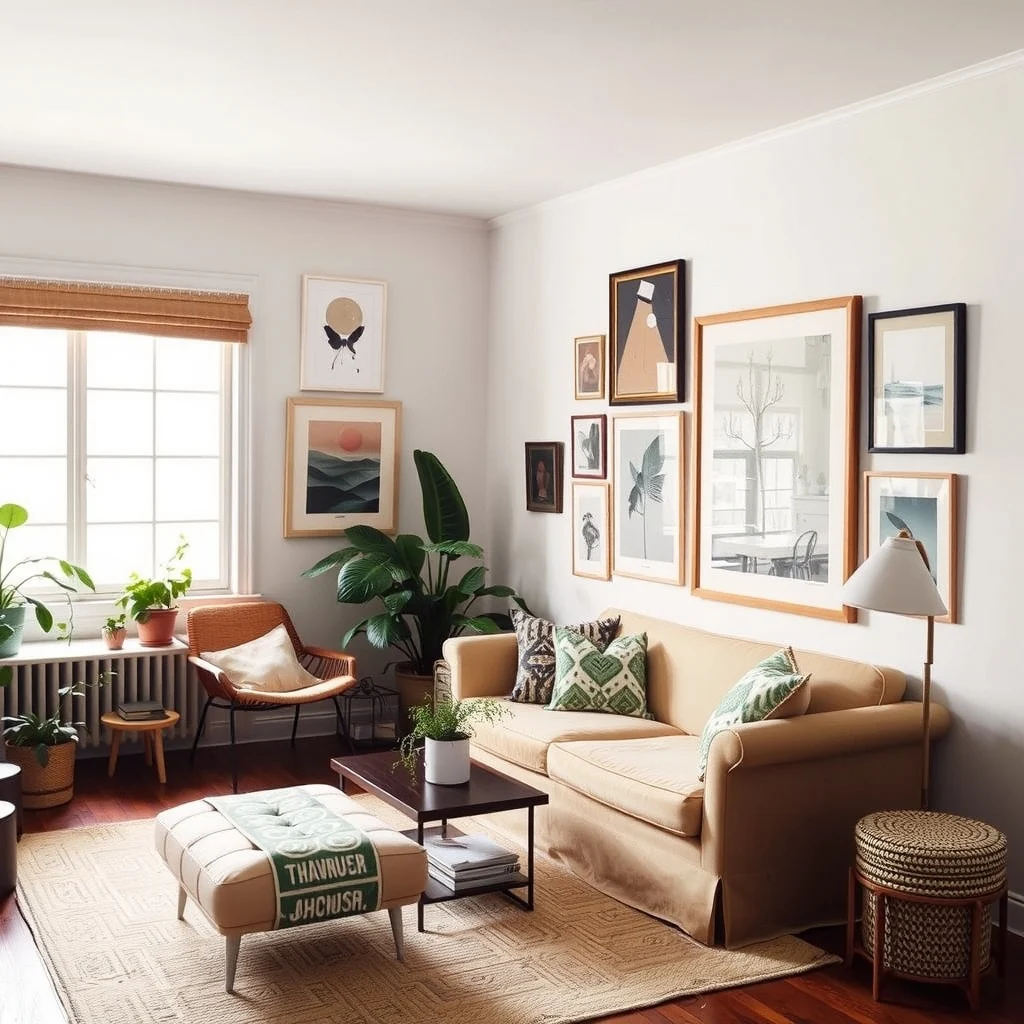
Framed artwork, vintage posters, and black‑and‑white photographs often sit in thrift bins waiting for a new wall. By selecting pieces with complementary color schemes or thematic ties, you can assemble a gallery wall that feels as though it were commissioned by a professional.
Begin by choosing a unifying frame style—such as thin black metal or simple white wood—that ties the disparate images together. Arrange the frames on the floor first, experimenting with different heights and spacing to achieve a balanced composition. Once satisfied, mount the collection using picture‑hanging hooks that support the combined weight.
The advantage of a thrifted gallery is the ability to mix eras and subjects, creating visual intrigue. However, the quality of the print may vary; a quick inspection for fading or water damage can prevent future disappointment. If a piece is slightly damaged, a light restoration with a soft cloth and archival spray can improve its appearance. The finished wall becomes a focal point that looks curated, not cobbled together.
FAQ
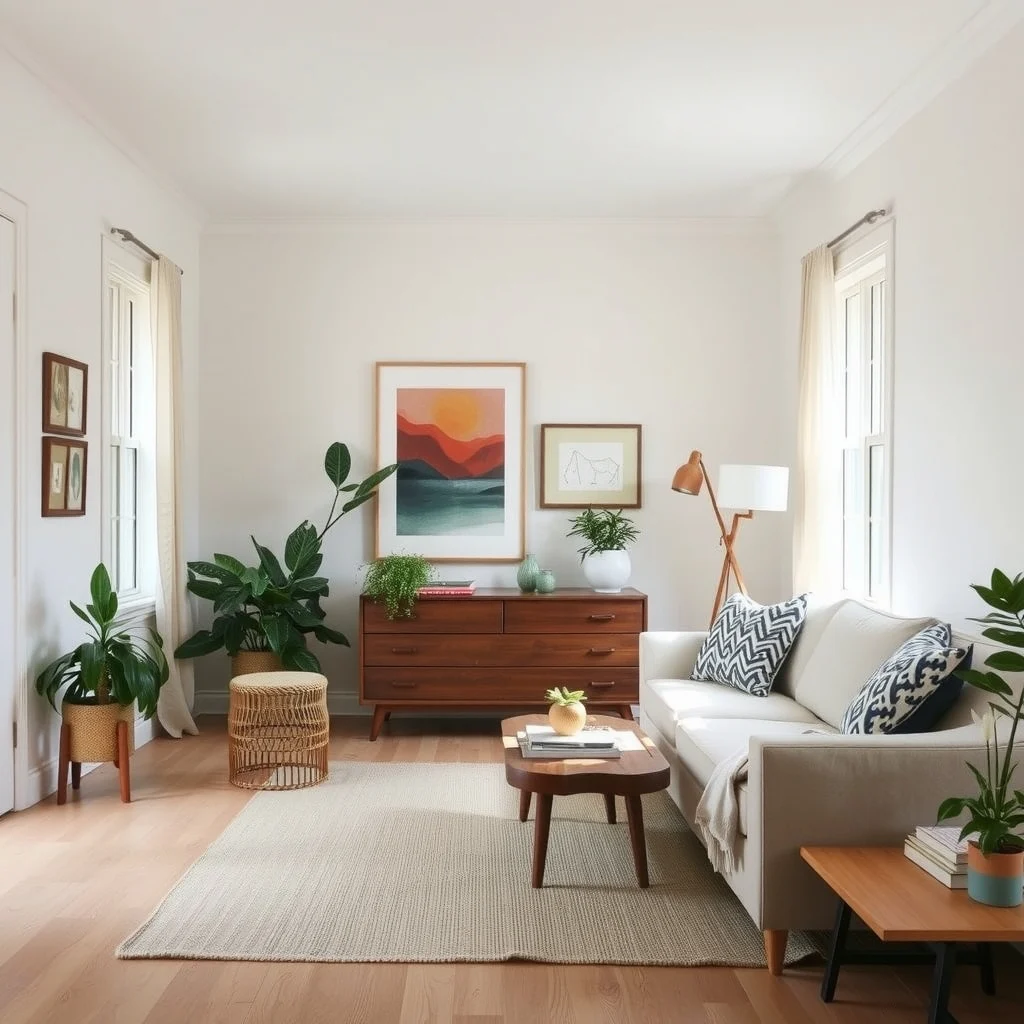
© 2026 AI Illustrator — Inspiration Only
How can I tell if a thrifted wooden piece is still structurally sound?
A solid piece will feel dense and free of wobble when you press on it. Check for cracks, loose joints, or rot, especially near the base, and tap the surface—solid wood produces a clear, resonant sound.
What is the best way to remove old paint from a thrifted metal lamp?
Use a chemical paint stripper designed for metal, following the product’s safety instructions, then scrub with a wire brush. After the old finish is gone, apply a primer and a matte enamel to protect the metal.
Can I mix different frame styles on a single gallery wall?
Yes, as long as the frames share a common color or material, mixing styles adds depth without feeling chaotic. Keep the spacing consistent to maintain visual harmony.
Is it safe to refinish a thrifted piece with a high‑gloss finish?
A high‑gloss finish can highlight imperfections, so it works best on surfaces that are already smooth. If the piece has dents or scratches, a matte or satin finish will hide those flaws and provide a more forgiving look.
Do I need to treat thrifted textiles for pests before using them?
Inspect the fabric for signs of moths or beetles, such as small holes or larvae. A brief exposure to sunlight or a gentle freeze in the freezer for 48 hours can kill any hidden pests before the item is placed in your home.
Final Thoughts
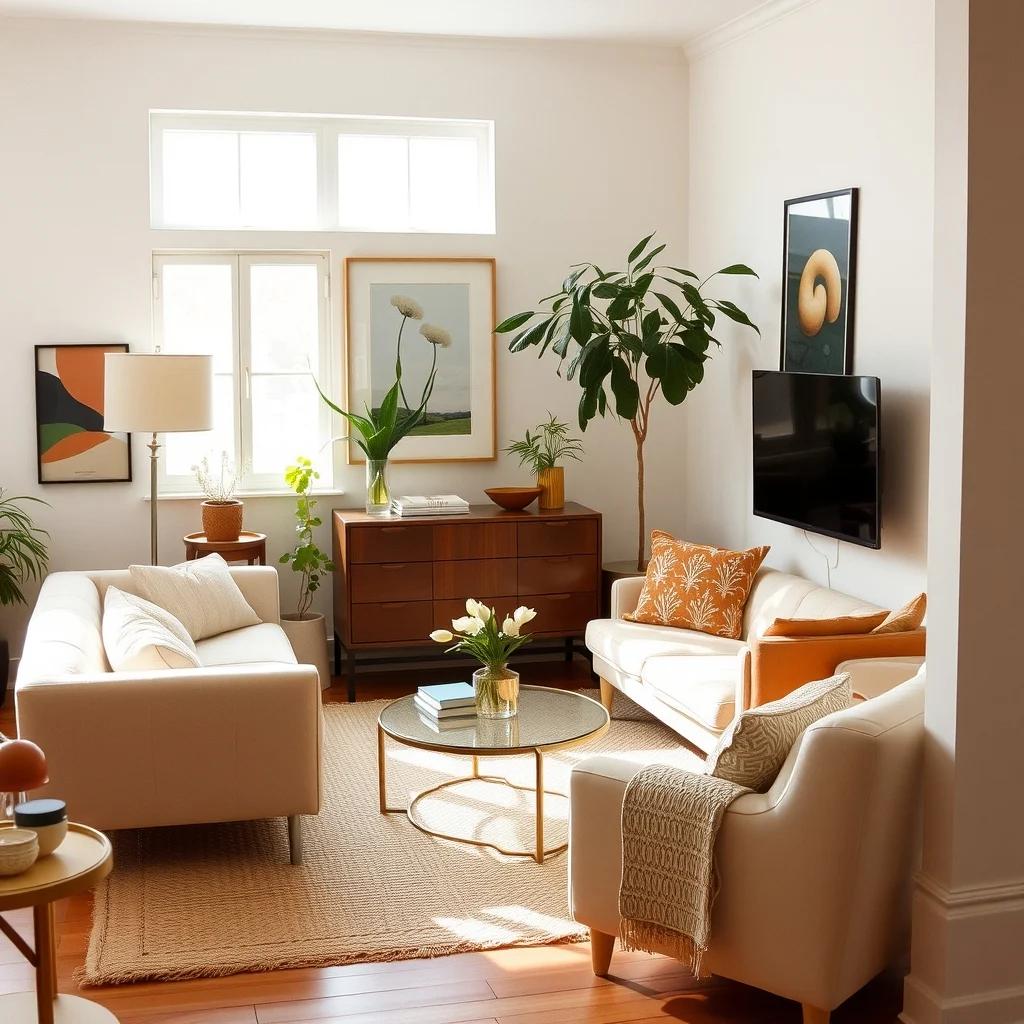
© 2026 AI Illustrator — Inspiration Only
Thrift stores offer a treasure trove of design elements that, with a little imagination and careful execution, can transform a room into a space that feels thoughtfully curated. By focusing on pieces that enhance light, texture, and proportion—mirrors, mid‑century tables, industrial lighting, hand‑woven textiles, reclaimed panels, brass hardware, and curated prints—you can achieve a designer‑styled look without the designer price tag. Each find comes with its own set of considerations, from structural integrity to finishing choices, but those challenges are part of the rewarding process of turning a modest purchase into a standout feature. Embrace the hunt, trust your eye for detail, and let the character of thrifted finds become the foundation of a home that feels both personal and polished.