
Awkward Corner Ideas That Add Storage and Style to Any Room
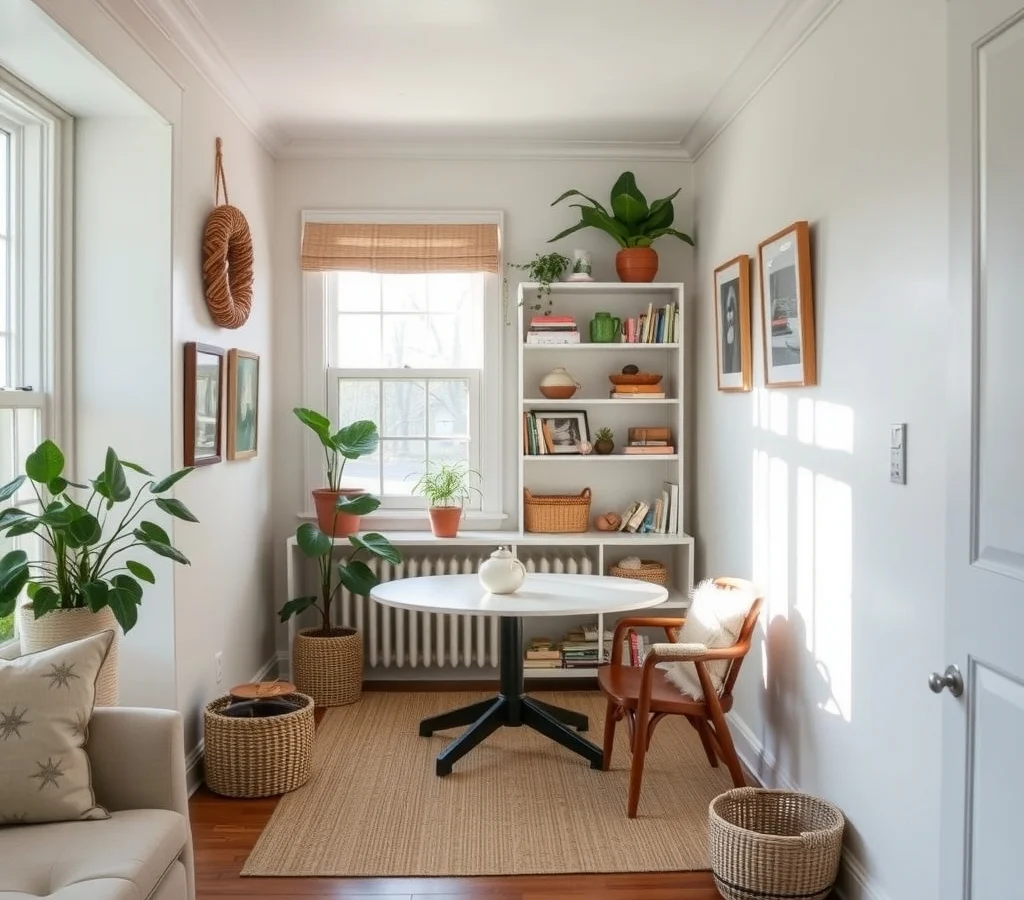
Every home has a corner that feels out of place—a narrow wedge between a wall and a piece of furniture, or an empty space that seems too tight to fill. Instead of leaving it unused, you can turn it into a functional feature that also improves the room’s look. Below are seven ideas that combine storage with style, each suited to a different need or design preference.
1. Built‑in corner bookshelf with a slim ladder
© 2026 AI Illustrator — Inspiration Only
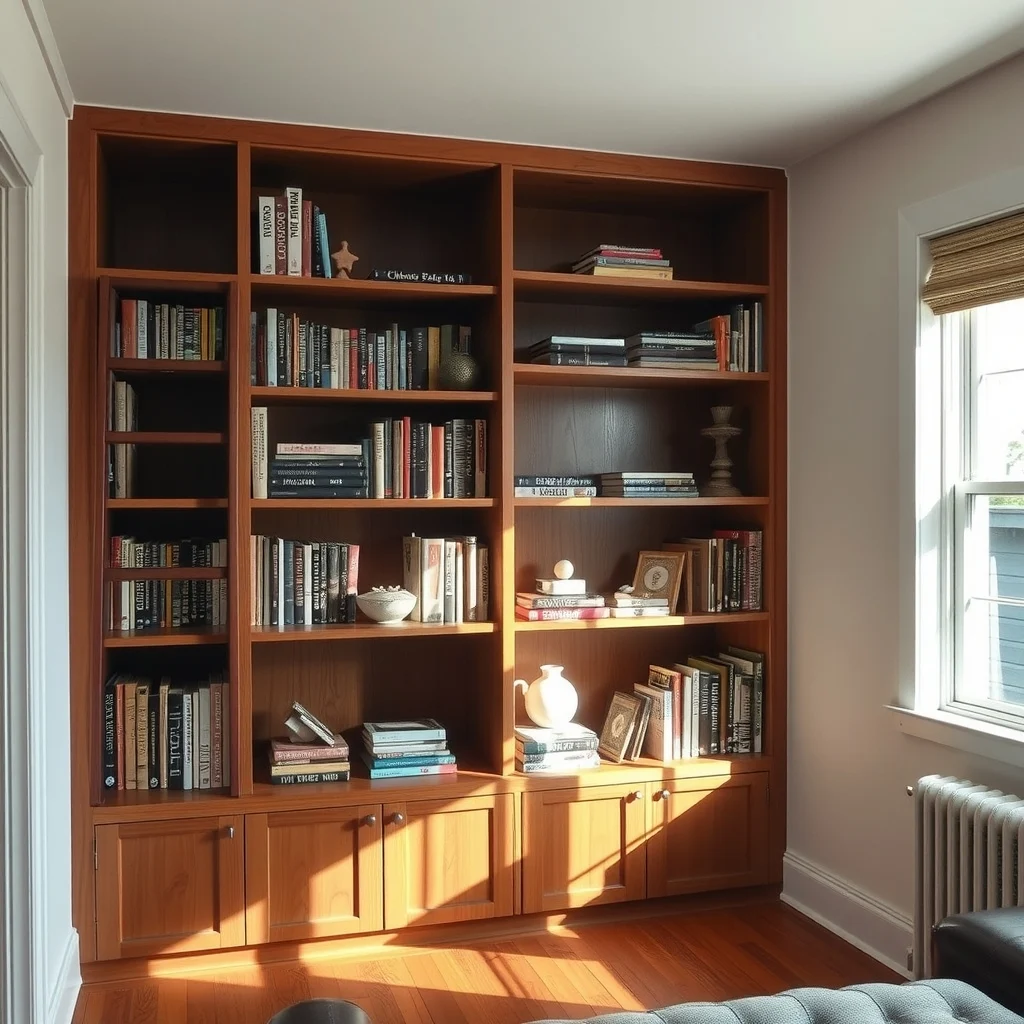
A built‑in bookshelf that follows the angle of the corner creates order while providing room for books, decorative boxes, and small art objects. Keep the depth shallow—about nine inches—so the unit stays low‑profile. A narrow ladder made of powder‑coated black metal or painted pine adds a vertical element and makes the upper shelves easy to reach.
Which Home Style Fits Your Space?
Answer 5 quick questions to find your perfect interior style and inspiration.
Match the shelf finish to the surrounding trim for a cohesive look, or choose a contrasting walnut stain to make the unit a focal point. Anchor the shelves into wall studs and add a woven basket on the bottom shelf for blankets or magazines. A few potted succulents on the higher levels introduce greenery without demanding extra floor space.
2. Corner desk with integrated drawers
© 2026 AI Illustrator — Inspiration Only
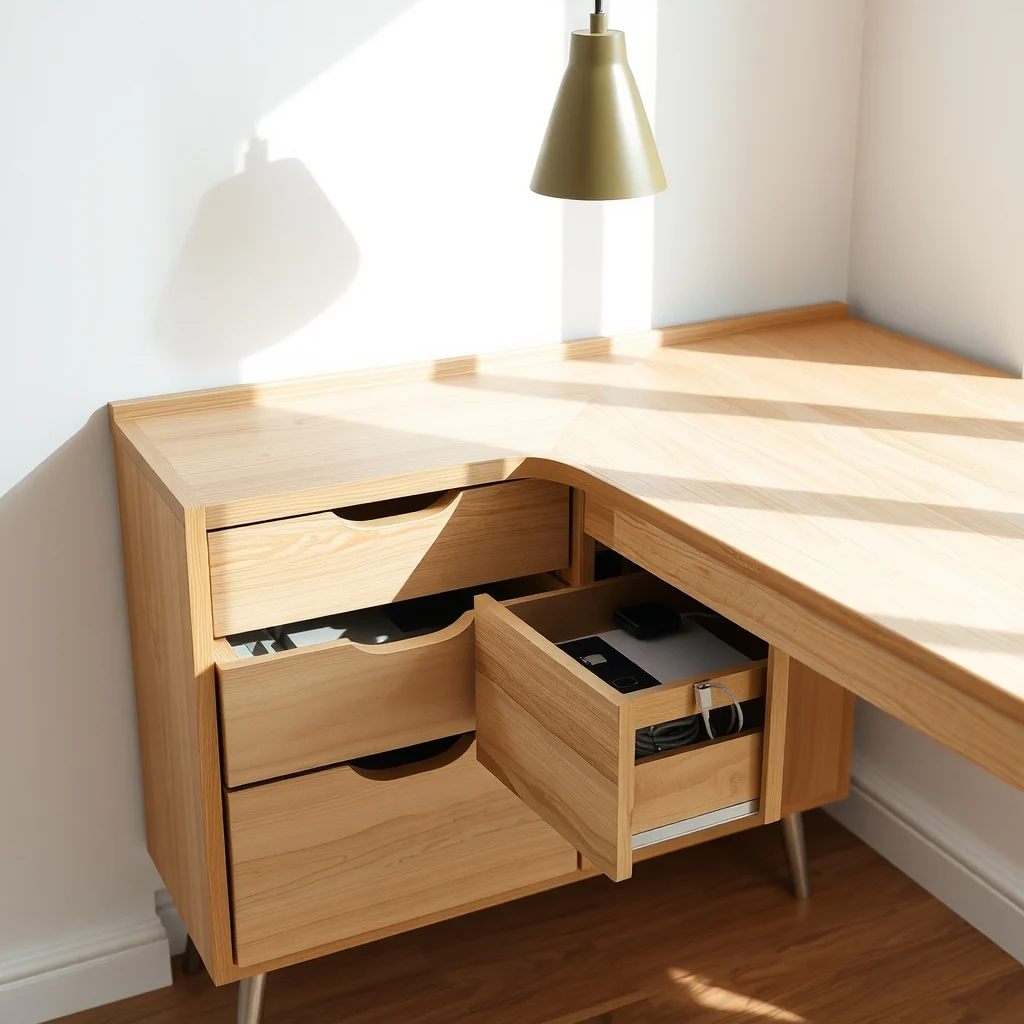
A corner desk can solve limited floor space while keeping office supplies out of sight. An L‑shaped desk with shallow drawers beneath the work surface provides a concealed place for pens, notepads, and charging cables. Choose a solid oak top for a warm feel, or a high‑gloss white laminate if you need a surface that wipes clean easily.
The desk’s layout creates a natural workflow: one side holds a monitor, the other offers space for writing. Install a modest desk lamp on the inner corner to supply focused light without glare. Leave at least twelve inches behind the chair for comfortable movement, and position the desk near a window so natural light illuminates the work surface during the day.
3. Floating corner cabinet with glass doors
© 2026 AI Illustrator — Inspiration Only
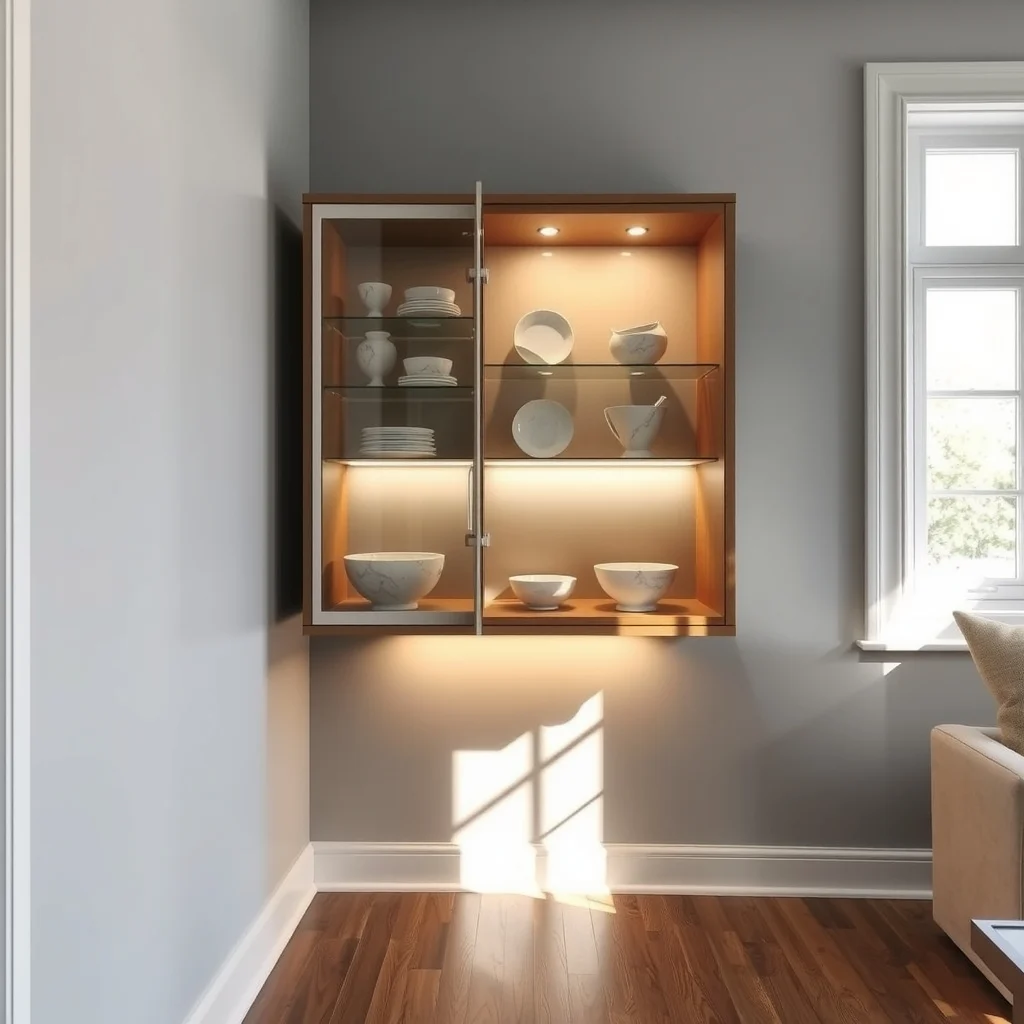
A floating cabinet mounted a few inches off the floor keeps the floor visible and preserves a sense of spaciousness. Glass doors let you display fine china, decorative bowls, or a curated collection of vintage bottles while keeping dust at bay. Select a thin frame in brushed brass for a modern interior, or a natural oak finish for a more traditional feel.
Because the unit is supported by hidden brackets, locate wall studs or use appropriate anchors to ensure safety. Inside, add adjustable shelves to accommodate items of varying heights, and install a low‑profile LED strip behind the glass for a subtle backlight that adds ambience in the evenings.
4. Corner bench with hidden storage
© 2026 AI Illustrator — Inspiration Only
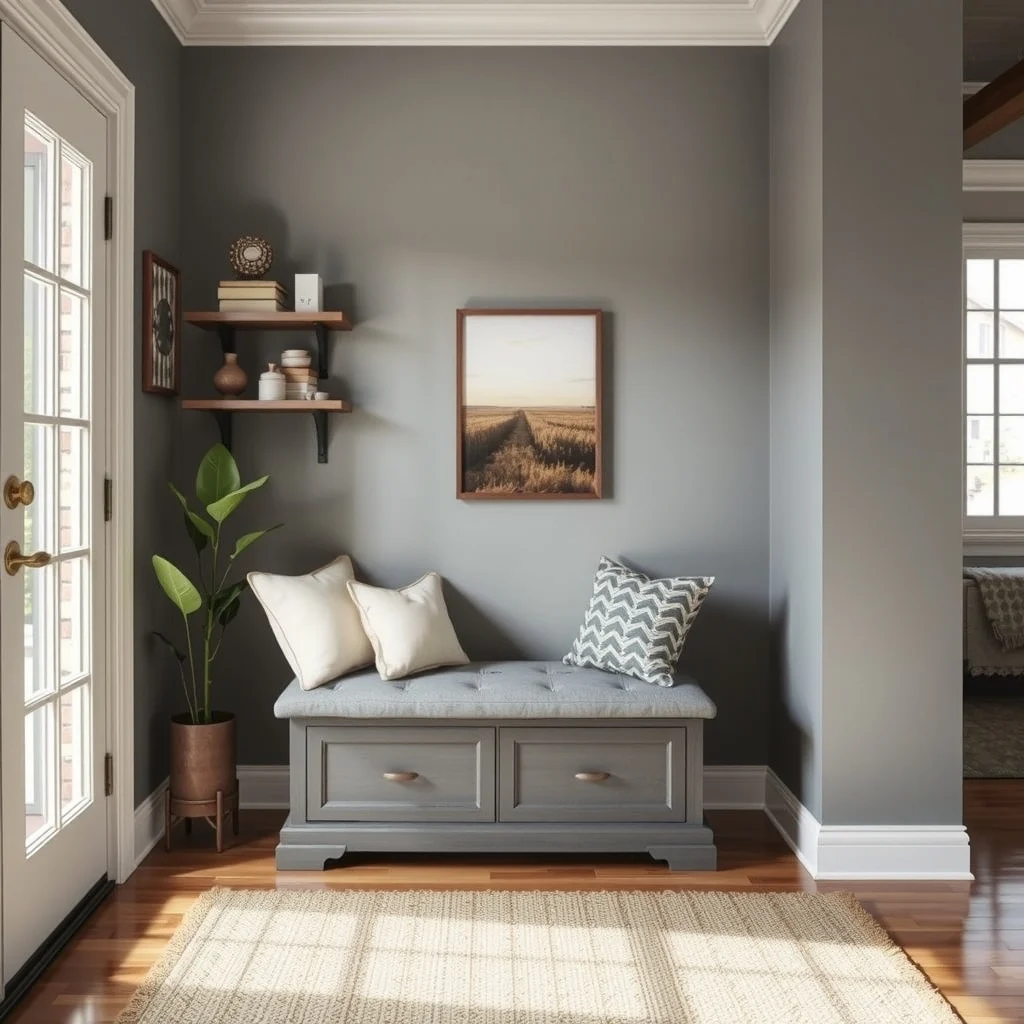
A bench placed in a nook can serve as both seating and storage, especially in entryways, bedrooms, or under a window seat. The interior can be accessed via a lift‑top or hinged lid, offering a discreet place for shoes, blankets, or seasonal accessories. Upholster the seat in a durable linen‑blend fabric and choose a cushion that matches the room’s color palette.
The bench’s back can be low and slatted, allowing it to blend with surrounding walls without creating a visual barrier. Add a few decorative pillows in complementary shades for comfort and visual interest. Build the bench on a solid wooden frame with legs, and reinforce the joints with corner brackets for stability.
5. Tall corner wardrobe or armoire
© 2026 AI Illustrator — Inspiration Only
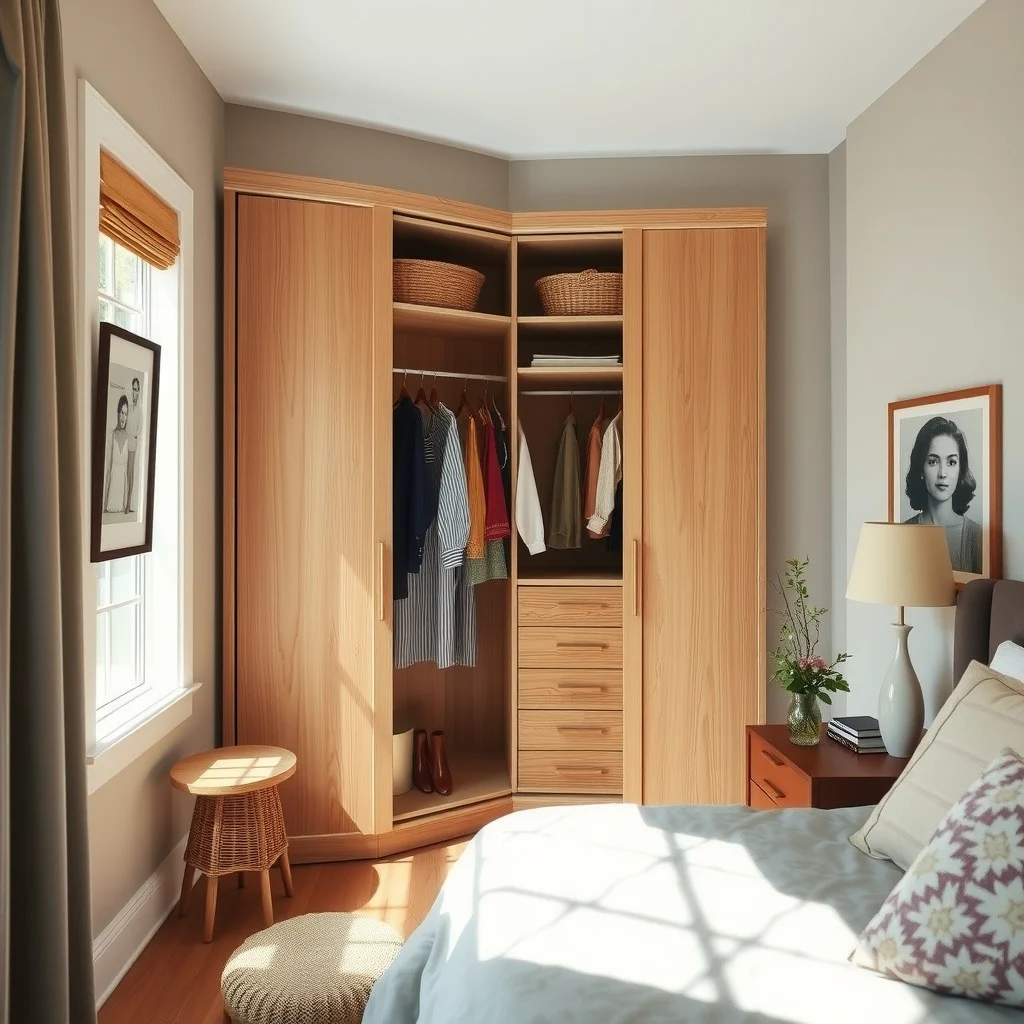
A tall armoire that occupies the corner can extend from floor to ceiling, freeing up wall space in bedrooms with limited square footage. Sliding doors save floor space while providing hanging rods, shelves, and drawers. Choose a finish that mirrors the bedroom’s existing woodwork for integration, or a deep navy paint for a statement piece.
Inside, include pull‑out shoe racks and a built‑in jewelry tray to increase functionality. Because the unit is deep, keep the interior clutter minimal; otherwise the space can feel cramped. Install a small wall‑mounted fixture above the wardrobe to illuminate the interior when the doors are opened, making it easier to find items.
6. Corner plant stand with concealed basket
© 2026 AI Illustrator — Inspiration Only
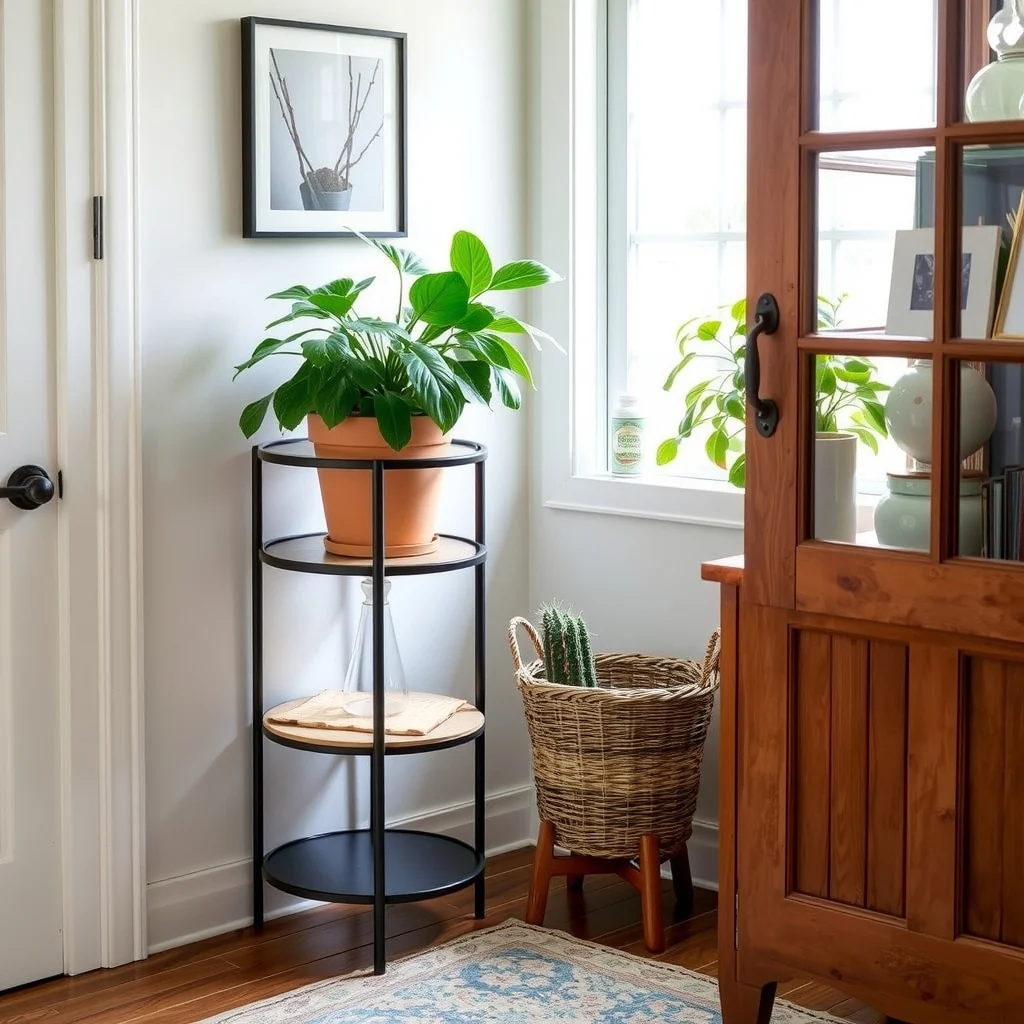
A tiered plant stand can turn a small corner into a green retreat while hiding gardening tools. Choose a stand made of reclaimed pine with a black powder‑coated metal frame, each level offset slightly to allow light to reach the foliage. The concealed basket tucked beneath the lowest tier stores watering cans, pruning shears, and potting soil.
Place the stand near a window that receives indirect sunlight; this supports a variety of houseplants, from ferns to snake plants. A decorative tray on the top level can hold river stones or a small sculpture, enhancing visual appeal. Rotate the plants regularly for even growth, and wipe the stand’s surface with a damp cloth to prevent dust buildup.
7. Custom corner closet with sliding doors
© 2026 AI Illustrator — Inspiration Only
Which Living Room Color Palette Fits You Best?
Discover the palette that reflects your style — take our free quick quiz and get instant decor inspiration!
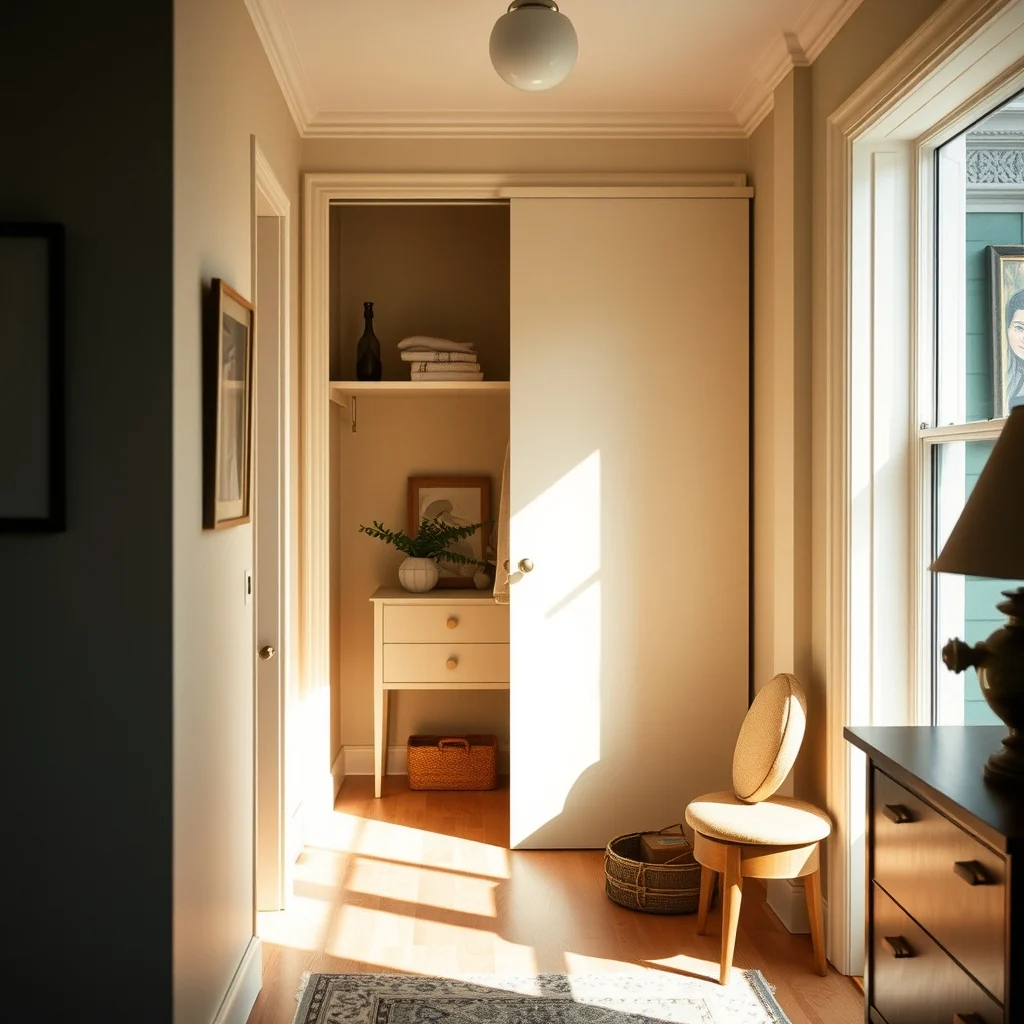
Take the Quiz NowWhen a hallway or alcove forms an awkward angle, a custom‑built closet can turn the space into a sleek storage solution. Sliding doors eliminate the clearance needed for hinged doors, making the closet ideal for narrow corners. Use a light‑colored interior finish such as pale maple or soft gray to keep the closet feeling airy; a mirrored door can reflect surrounding light and make the hallway appear larger.
Measure the diagonal width of the corner to determine the maximum door width, and have a professional carpenter install level tracks so the doors glide smoothly. Inside, combine hanging rods, pull‑out baskets, and adjustable shelves to accommodate coats, bags, and seasonal items. A recessed LED strip along the top interior edge provides subtle illumination without requiring an external fixture.
FAQ
© 2026 AI Illustrator — Inspiration Only
How do I decide which corner solution fits my room?
Start by assessing the function you need most—storage for books, a workspace, or a place to hide clutter. Then consider the room’s style and the amount of natural light, which can influence material choices and color palettes.
Can I install a floating cabinet myself?
Yes, if you are comfortable locating wall studs and using a drill. For heavier units, it’s safer to enlist a professional to ensure the brackets are securely anchored.
What is the best way to keep a corner bookshelf from looking too bulky?
Choose a shallow depth and keep the color palette light. Adding a few decorative objects rather than filling every shelf helps maintain an airy feel.
Are sliding‑door closets suitable for small apartments?
Sliding doors are ideal for tight spaces because they do not require swing clearance. Just be sure the track system is installed level to avoid binding.
How often should I clean the interior of a glass‑door cabinet?
Wipe the glass with a soft cloth and mild cleaner once a month to prevent fingerprints and dust from dulling the display.
Final Thoughts
© 2026 AI Illustrator — Inspiration Only
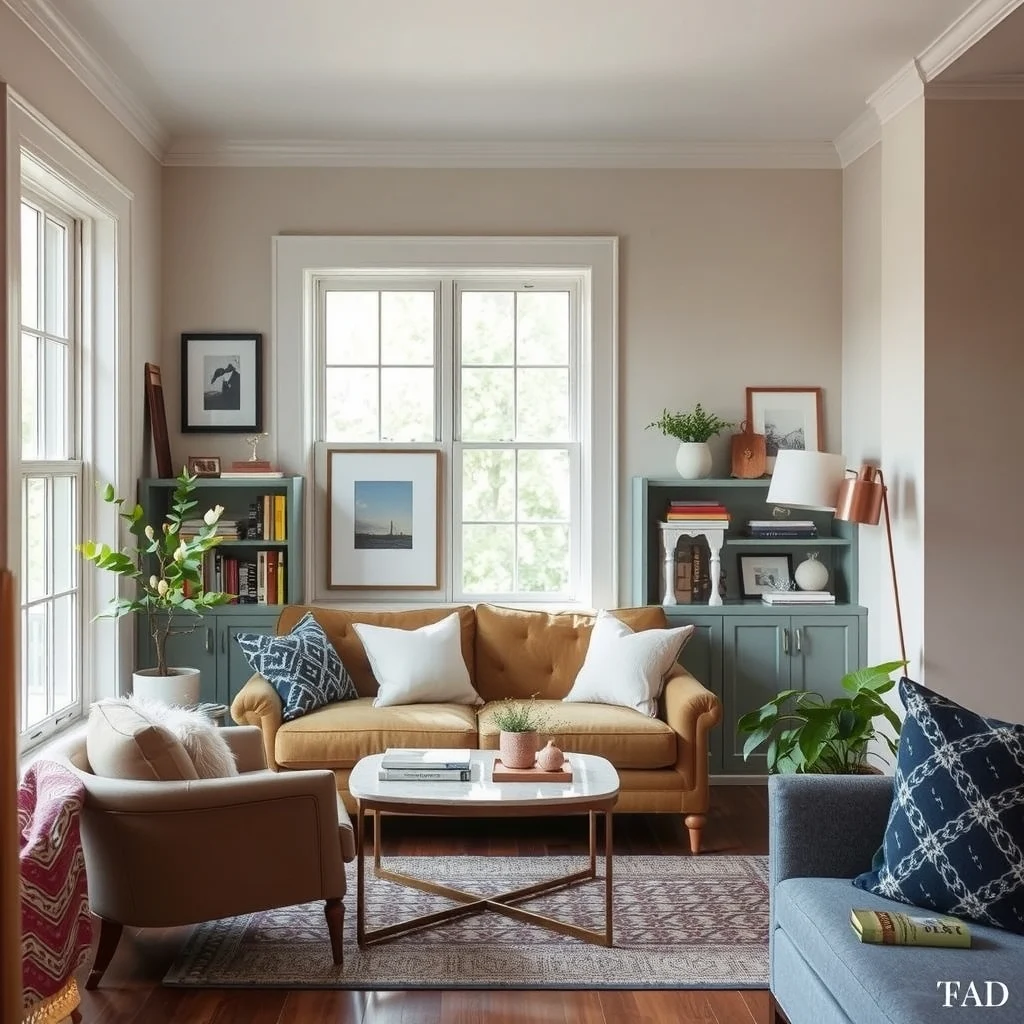
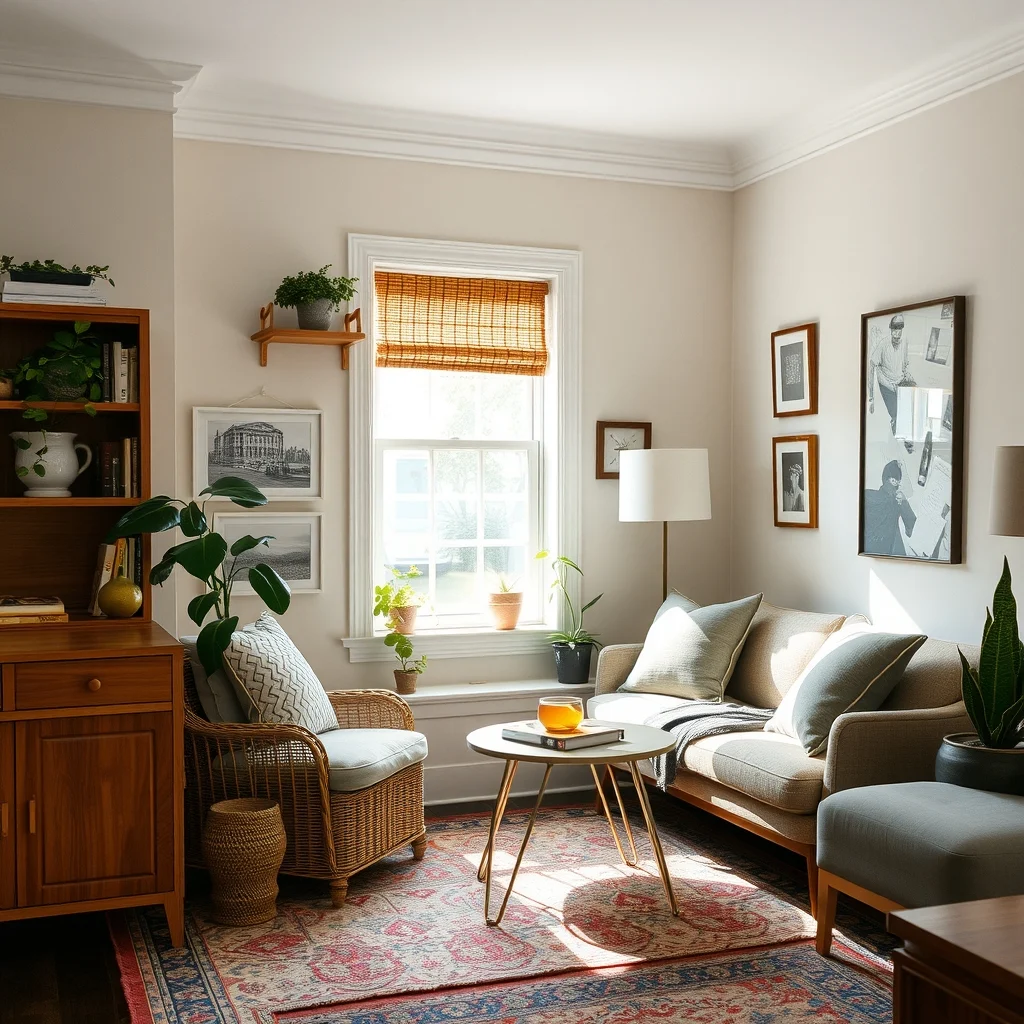
Awkward corners need not remain unused. By selecting a solution that aligns with your storage needs and design sensibility, you can turn a neglected space into a functional highlight. Whether you prefer the quiet charm of a hidden bench or the organized elegance of a custom closet, each idea offers a way to add both practicality and visual interest. Measure carefully, choose materials that complement your home, and enjoy the transformation of those forgotten angles into purposeful design elements.