
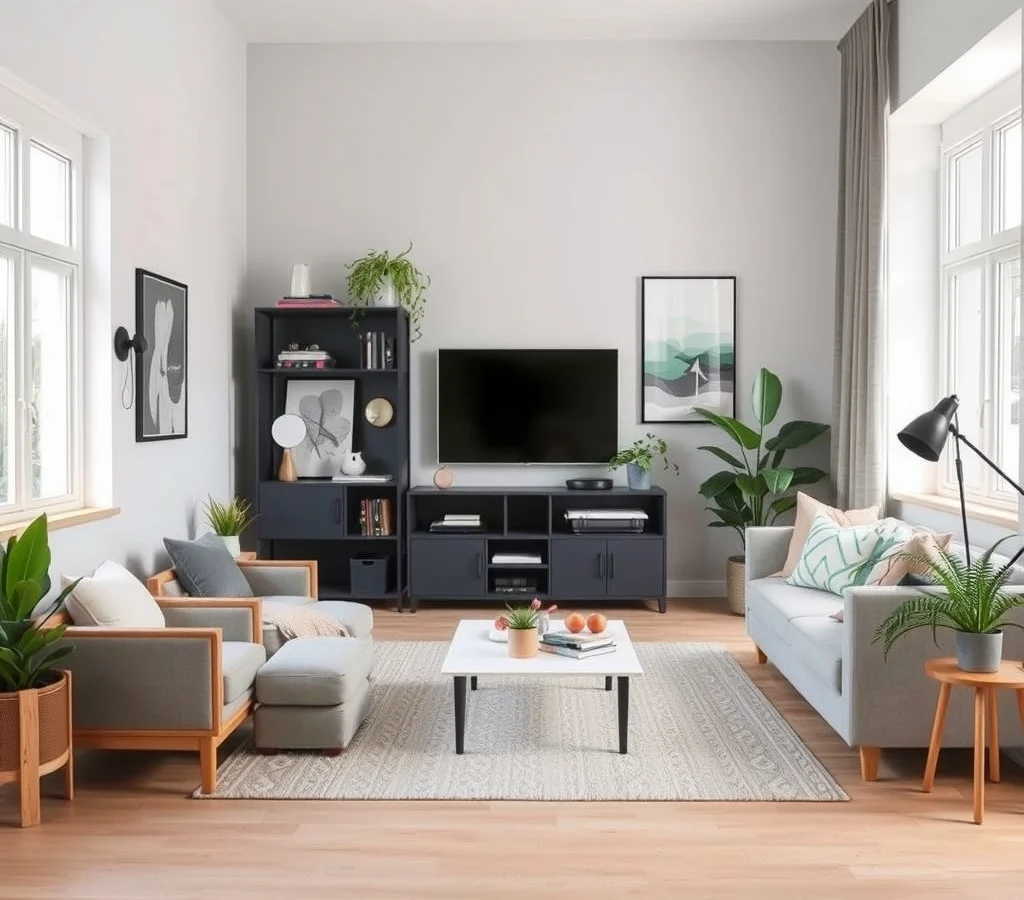
Hidden Toy Storage Ideas for a Stylish Family Living Room
When the last Lego brick is left on the rug, the living room can feel more like a playroom than a place to unwind. Parents who love a polished aesthetic often wonder how to keep the space inviting for guests while still providing a safe, accessible spot for children’s belongings. The solutions below blend form and function, letting you tuck toys away without sacrificing the room’s design narrative. Each idea offers a different entry point—whether you prefer built‑in furniture, clever wall treatments, or subtle accessories—so you can choose the approach that best matches your layout, budget, and daily rhythm.
1. Built‑in window seat with hidden bins
© 2026 AI Illustrator — Inspiration Only
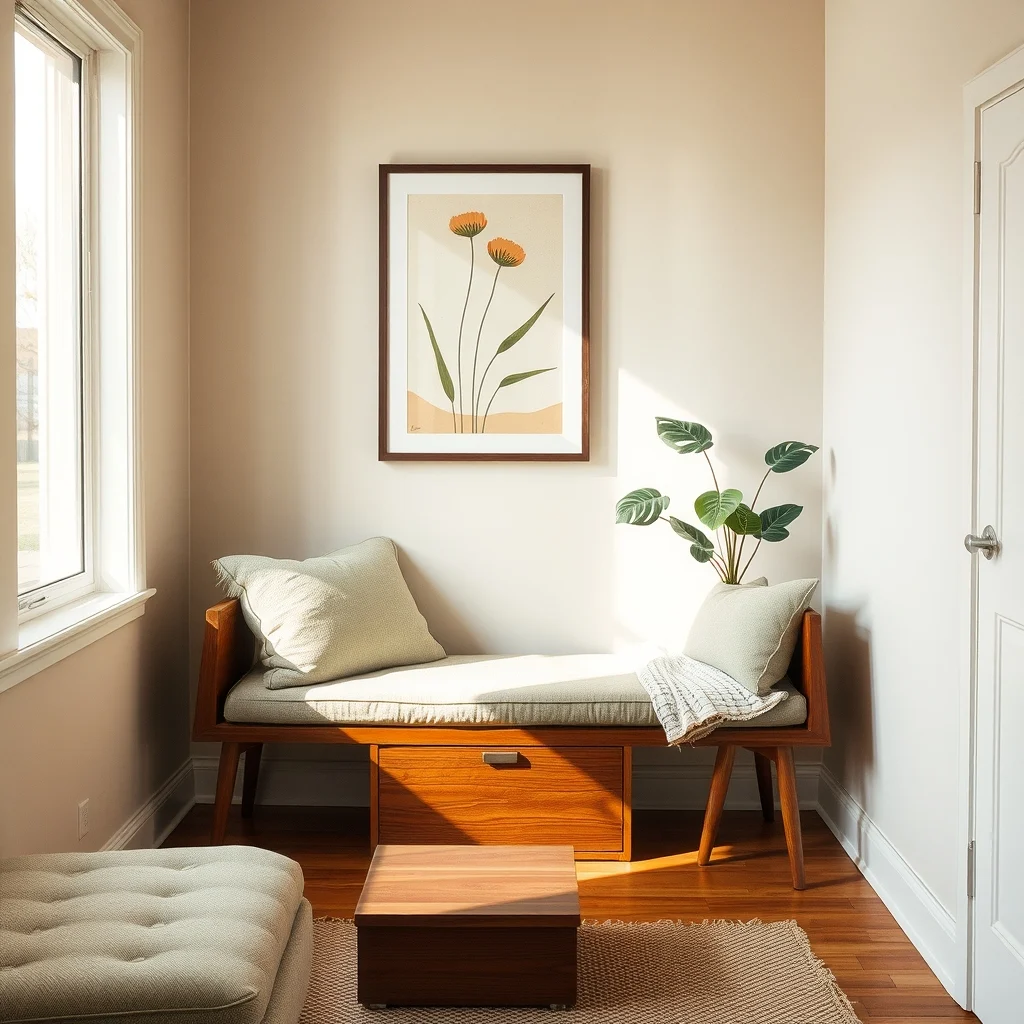
A low, cushioned window seat can become a quiet reading nook for adults and a natural toy dump for kids. By framing the seat with a shallow wooden box beneath the cushions, you create a series of pull‑out bins that remain invisible until the seat is lifted. The wood can be finished to match existing trim, while the cushions in a neutral linen keep the look cohesive. Because the storage is built into the architecture, the seat does not add bulk to the room, and the bins stay out of sight when the cushions are in place. The main trade‑off is the need for a solid wall or window recess; if your living room lacks that, a freestanding bench with a hinged lid can achieve a similar effect.
Which Home Style Fits Your Space?
Answer 5 quick questions to find your perfect interior style and inspiration.
2. Coffee table with lift‑top compartment
© 2026 AI Illustrator — Inspiration Only
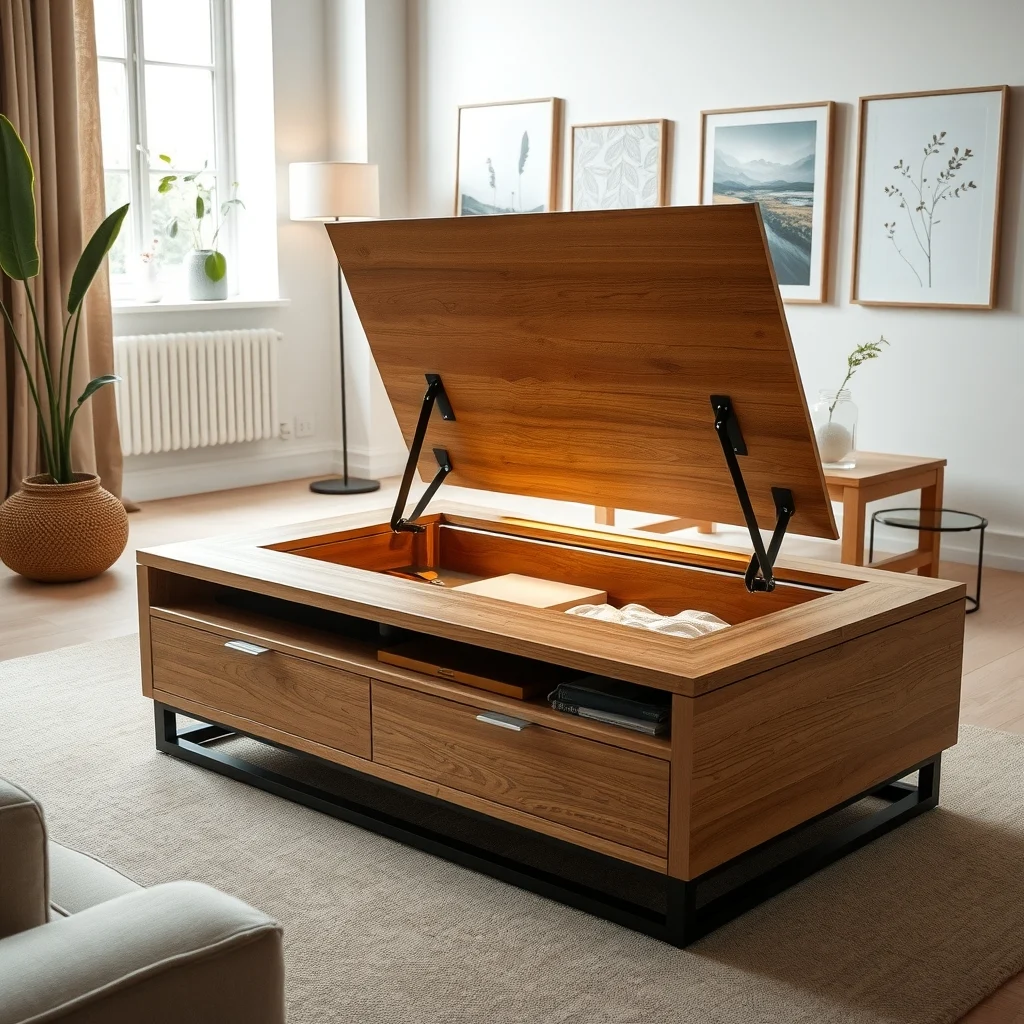
A coffee table that lifts to reveal a spacious interior offers a dual purpose that feels intentional rather than improvised. Choose a table with a solid wood top and a smooth hydraulic or spring mechanism; the interior can hold stuffed animals, building blocks, or board games. When the top is lowered, the surface becomes a functional tabletop, and the hidden compartment remains concealed. The advantage of this option is that it centralizes storage in a piece you already use, reducing the need for additional furniture. However, the mechanism adds a modest cost and requires occasional maintenance to keep the lift operating smoothly.
3. Wall‑mounted cubbies disguised as artwork
© 2026 AI Illustrator — Inspiration Only
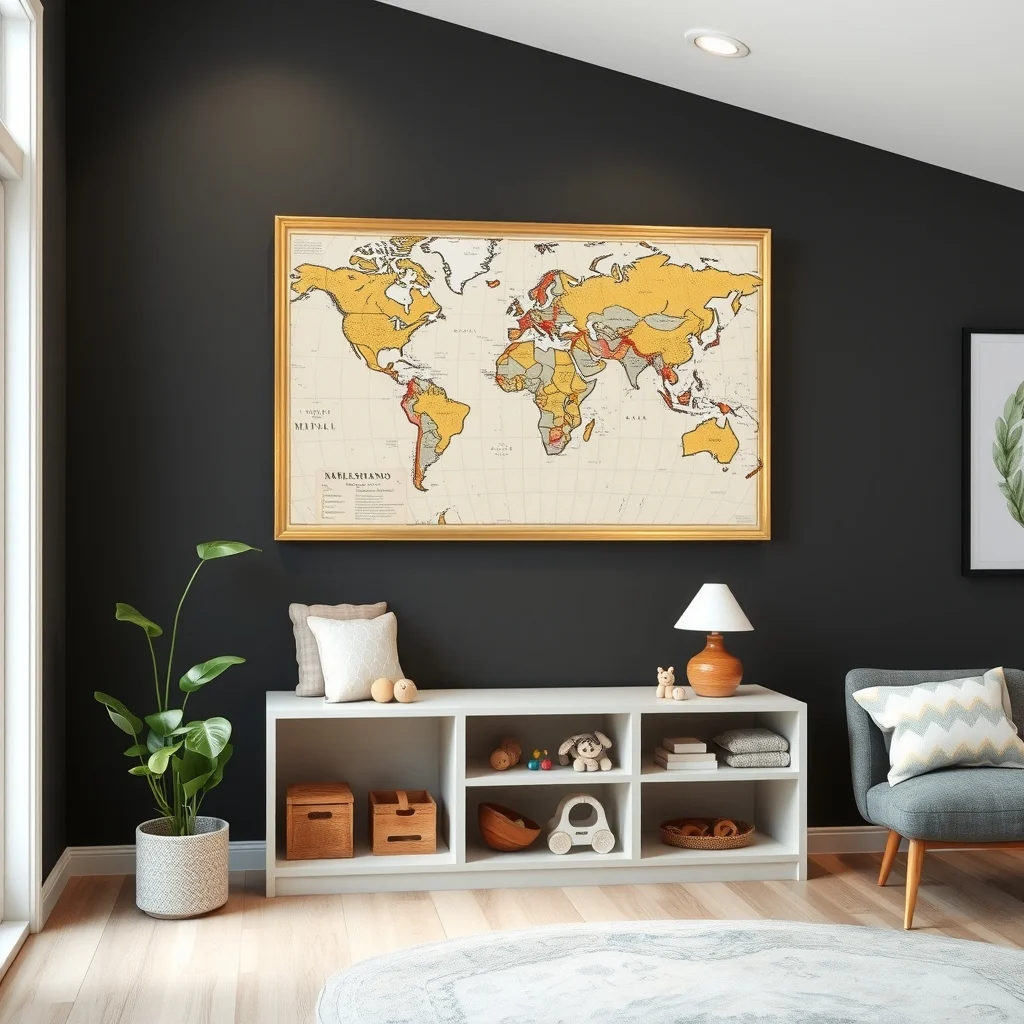
Large frames or canvas prints can be mounted on the wall with shallow cubbies built behind them. The front of the cubby is a decorative panel—perhaps a vintage map, a bold abstract print, or a framed fabric swatch—that blends seamlessly with the room’s gallery wall. Children can slide toys into the recessed space, and the artwork hides the opening entirely. This solution works well in rooms with ample wall space and adds a curated feel without sacrificing storage. The downside is that the depth of the cubby is limited, so larger items like ride‑on cars will not fit; it’s best suited for smaller toys and books.
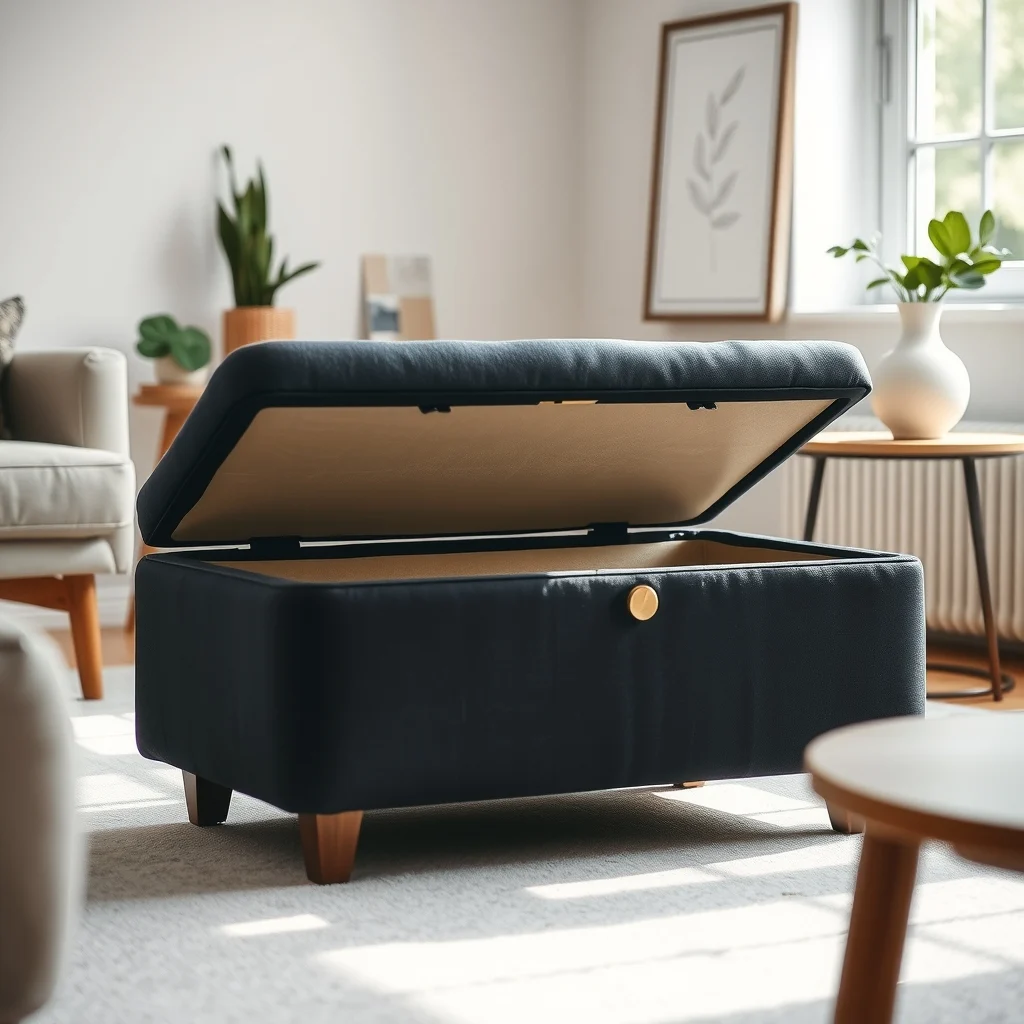
4. Storage ottoman that doubles as a coffee table
© 2026 AI Illustrator — Inspiration Only
An ottoman upholstered in a durable, low‑pile fabric can serve as both extra seating and a hidden stash for toys. When the lid is lifted, a roomy interior opens, often lined with a removable fabric that can be washed. Position the ottoman in the center of the seating arrangement, and its neutral tone will echo the sofa’s cushions, keeping the visual flow intact. The benefit of an ottoman is its flexibility—it can be moved around for cleaning or reconfigured for a game night. On the flip side, the weight of the lid may make it harder for very young children to open, so a soft‑close hinge or a small handle at child height can help.
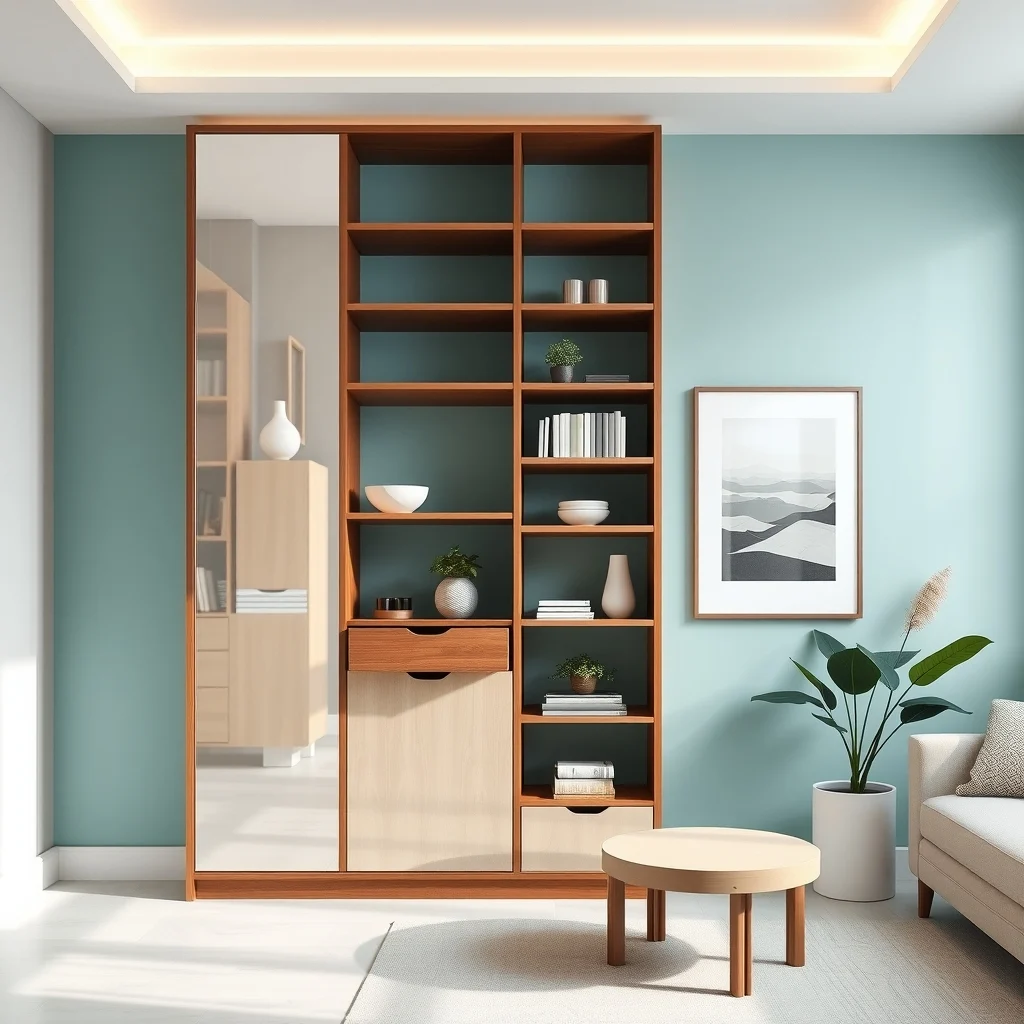
5. Bookcase with a concealed toy drawer behind sliding panels
© 2026 AI Illustrator — Inspiration Only
A tall bookcase anchored to the wall can be modified with a shallow drawer that slides out from behind a pair of decorative panels. The panels might be mirrored, painted the same color as the surrounding wall, or feature a subtle pattern that matches the room’s décor. When closed, the drawer is indistinguishable from the rest of the shelving; when opened, it reveals a compartment perfect for puzzles, crayons, or a stack of storybooks. This approach integrates storage into an existing piece, preserving floor space. The main limitation is that the drawer depth must be modest to keep the panels flush, so it works best for flat or compact items.
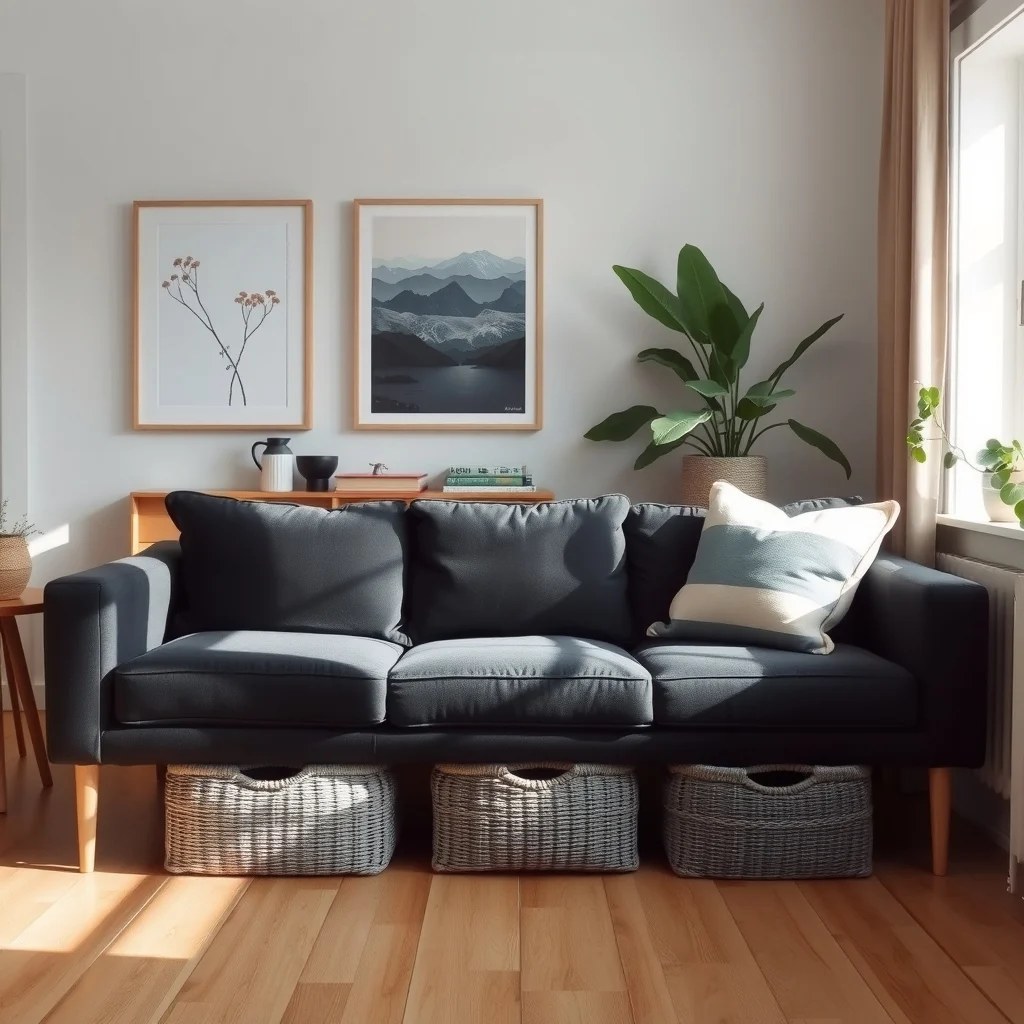
6. Under‑sofa storage with fabric baskets
© 2026 AI Illustrator — Inspiration Only
Many sofas have a clearance between the seat cushion and the floor. By sliding in a set of low‑profile fabric baskets, you create a hidden repository that remains out of sight until the sofa is moved. Choose baskets in a tone that matches the sofa’s upholstery or the room’s accent color; a natural linen or woven jute adds texture without clashing. The baskets are easy to pull out for quick toy retrieval, and they can be removed for vacuuming beneath the sofa. One consideration is that the baskets must be lightweight enough for adults to lift, and the sofa’s frame should be sturdy enough to support the added weight of stored items.
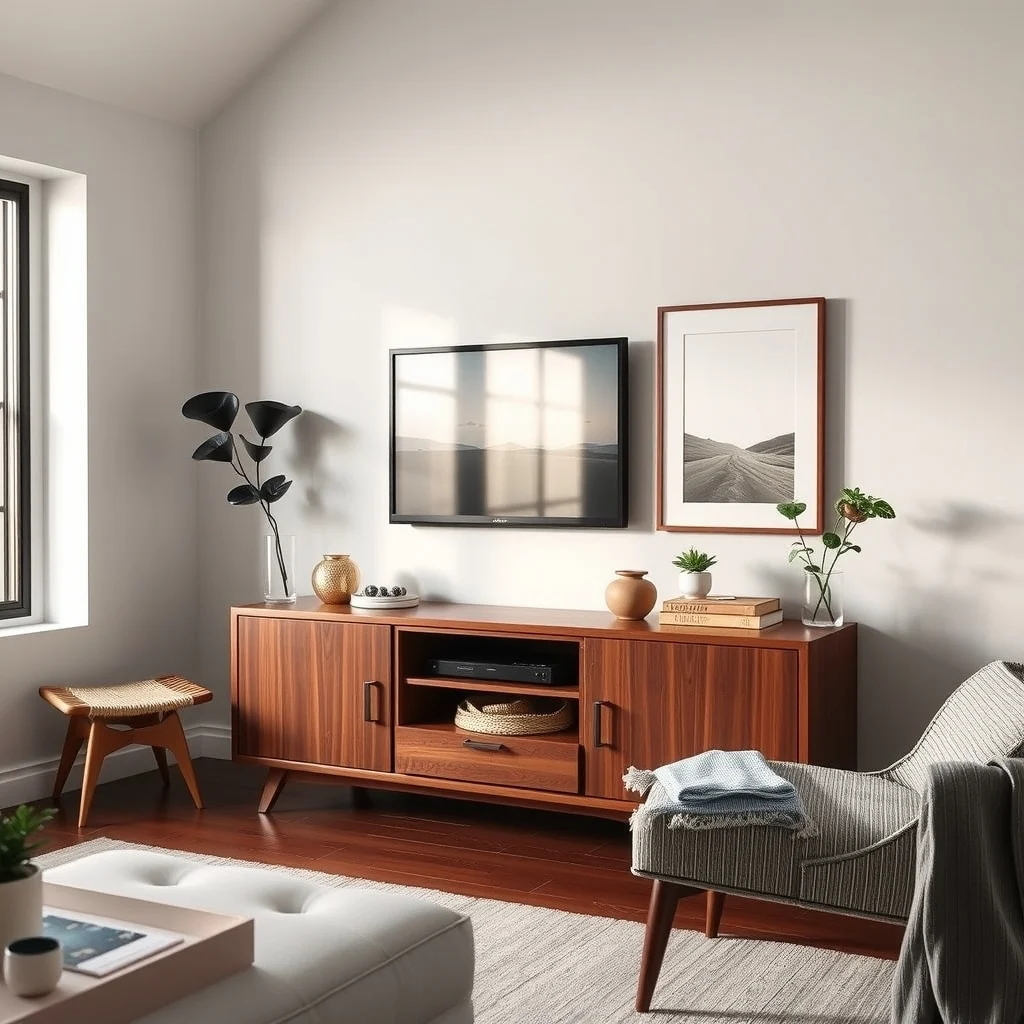
7. Multi‑functional media console with concealed compartments
© 2026 AI Illustrator — Inspiration Only
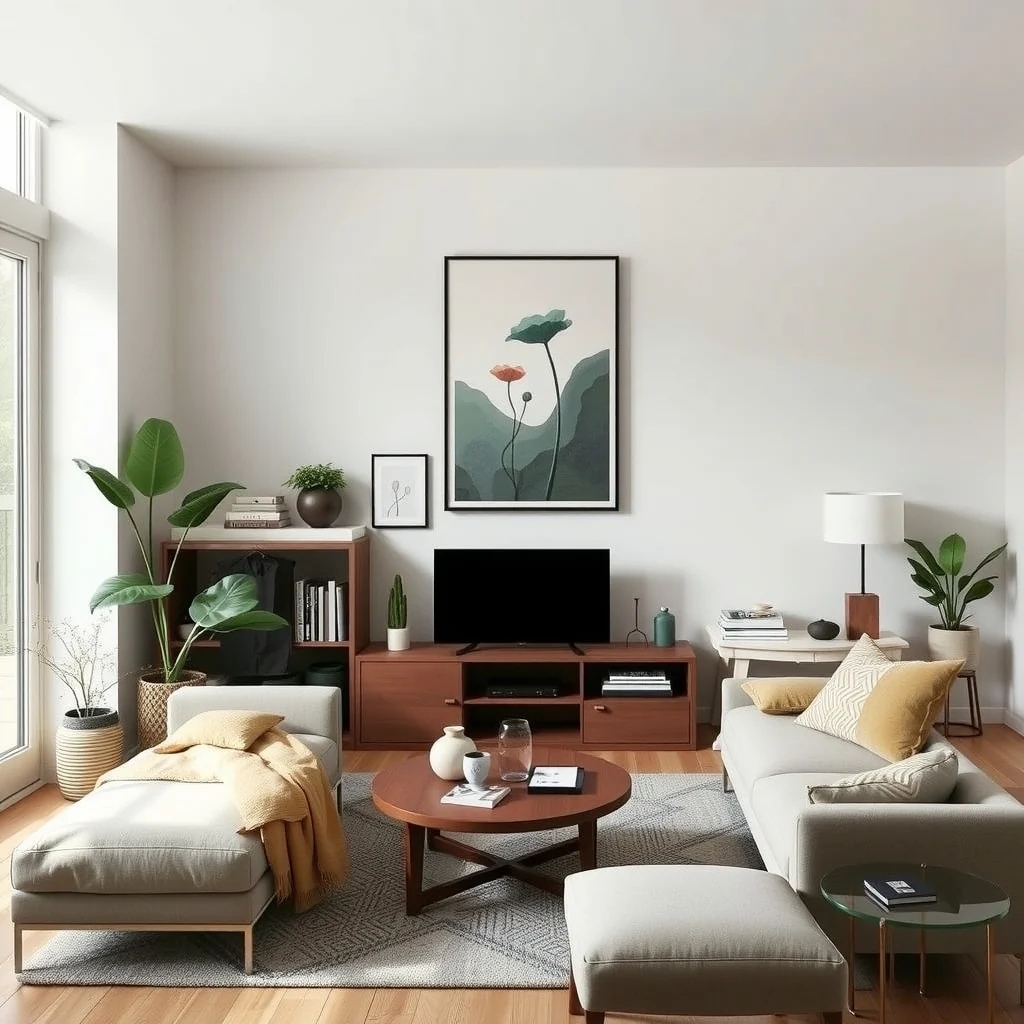
A media console with built‑in drawers or cabinets can be reimagined as a toy hideaway. Opt for a piece with a clean, mid‑century silhouette—perhaps a walnut finish with tapered legs—that aligns with the room’s style. Inside the lower cabinets, install adjustable dividers so you can organize blocks, action figures, or craft supplies. The front doors keep the toys concealed, while the top surface remains available for a television, decorative objects, or a stack of coffee table books. This solution consolidates technology and play storage, but it does require careful cable management to keep cords out of reach of curious hands.
Frequently Asked Questions
© 2026 AI Illustrator — Inspiration Only
How can I keep toys out of sight without sacrificing living room style?
You can integrate storage into existing furniture or use decorative elements that double as concealment, such as hidden bins in a window seat or art‑covered wall cubbies. These approaches maintain aesthetic continuity while providing functional space for toys.
What are safe storage options for toddlers?
Choose storage that opens with a gentle lift or a low‑profile handle, avoiding sharp hinges or heavy lids. Materials should be non‑toxic, and any fabric coverings ought to be washable and resistant to stains.
Can I add hidden storage to a small living room?
Yes, by using multi‑purpose pieces like a lift‑top coffee table or an ottoman with interior space, you maximize utility without crowding the floor plan. Vertical solutions such as wall‑mounted cubbies also preserve valuable square footage.
How do I maintain hidden storage so it stays organized?
Regularly empty each compartment, sort items by size or type, and use small bins or fabric pouches inside larger hides. A quick weekly tidy‑up prevents the buildup of loose toys that can defeat the purpose of concealed storage.
Which Living Room Color Palette Fits You Best?
Discover the palette that reflects your style — take our free quick quiz and get instant decor inspiration!
Take the Quiz NowIs it okay to hide toys in furniture that also holds electronics?
It is fine as long as you keep cords and devices separate from the toy area and ensure that any heat‑producing equipment has adequate ventilation. Using a media console with dedicated drawers for toys can keep electronics safe while still looking tidy.
Final Thoughts
© 2026 AI Illustrator — Inspiration Only
Finding a balance between a refined living room and a child‑friendly environment doesn’t require sacrificing one for the other. By selecting storage that blends into the room’s architecture, material palette, and visual rhythm, you create a space where style and practicality coexist. Whether you opt for a built‑in window seat, a lift‑top coffee table, or a set of discreet wall cubbies, each solution offers a way to keep toys out of the open view while preserving the room’s aesthetic integrity. The key is to choose pieces that fit your family’s daily flow, consider the size of the items you need to store, and stay mindful of safety and maintenance. With thoughtful planning, your living room can remain a welcoming hub for both guests and the little ones who call it home.