
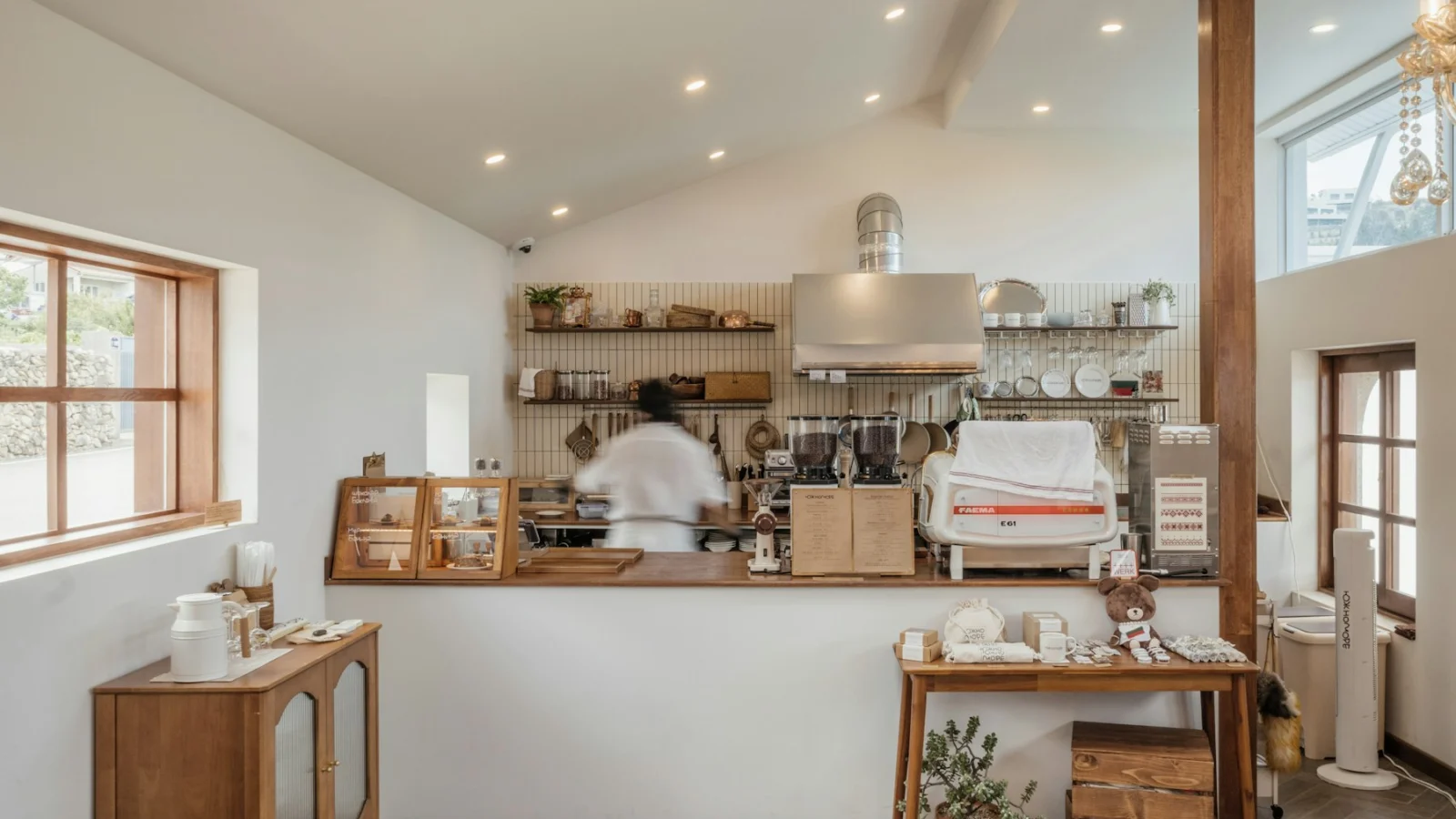
Small‑space Home Café: Seven Practical Ideas for Style and Function
Living in a compact apartment doesn’t mean you have to sacrifice the pleasure of a well‑crafted coffee ritual. By treating a corner of your home as a dedicated café, you can enjoy the aroma of fresh beans, the ritual of grinding, and the comfort of a favorite mug without a full‑scale remodel. The following seven ideas focus on layout, lighting, storage, aesthetics, seating, appliances, and personal touches that work in tight spaces while keeping the atmosphere inviting.
1. Choose a Compact Counter Form
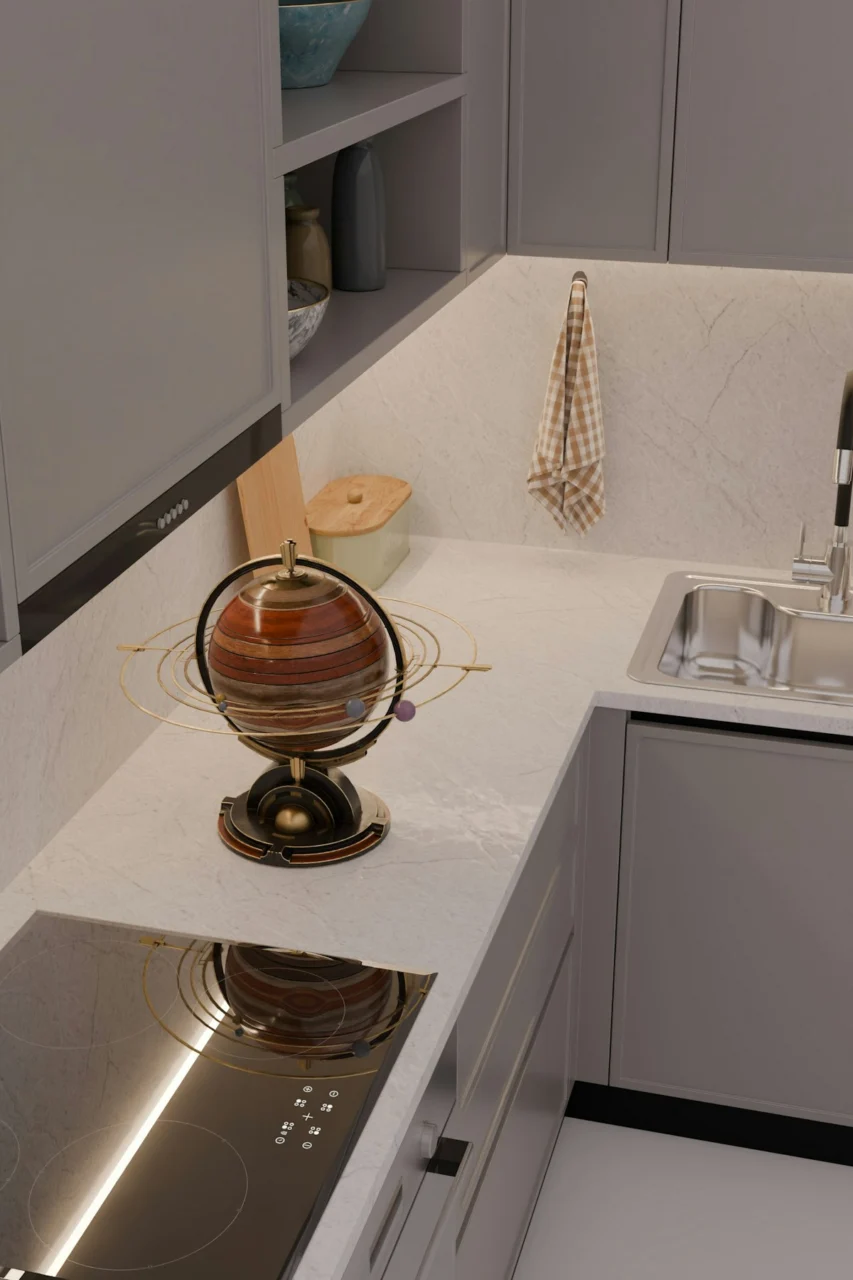
Photo by Brecht Corbeel on Unsplash
The counter is the workhorse of any coffee station. In a small area, a full‑length island can dominate the floor plan, so look for alternatives that stay out of the way while still providing a sturdy surface for brewing.
A wall‑mounted drop‑leaf can be folded down when you need prep space and tucked away when you’re not making coffee. Mount it at a height that feels natural for you, and select a surface that tolerates heat and occasional spills. If you already have upper cabinets, an under‑cabinet bar makes efficient use of the space beneath them. A thin glass‑tile backsplash protects the wall and is easy to wipe clean. Adding a discreet power strip with surge protection keeps cords organized and safe.
Before you install anything, measure the distance from the nearest wall to the doorway and ensure there is enough clearance for comfortable movement. A clear path prevents traffic bottlenecks and makes the coffee corner feel like an extension of the room rather than an obstacle.
2. Layer Lighting for Mood and Precision
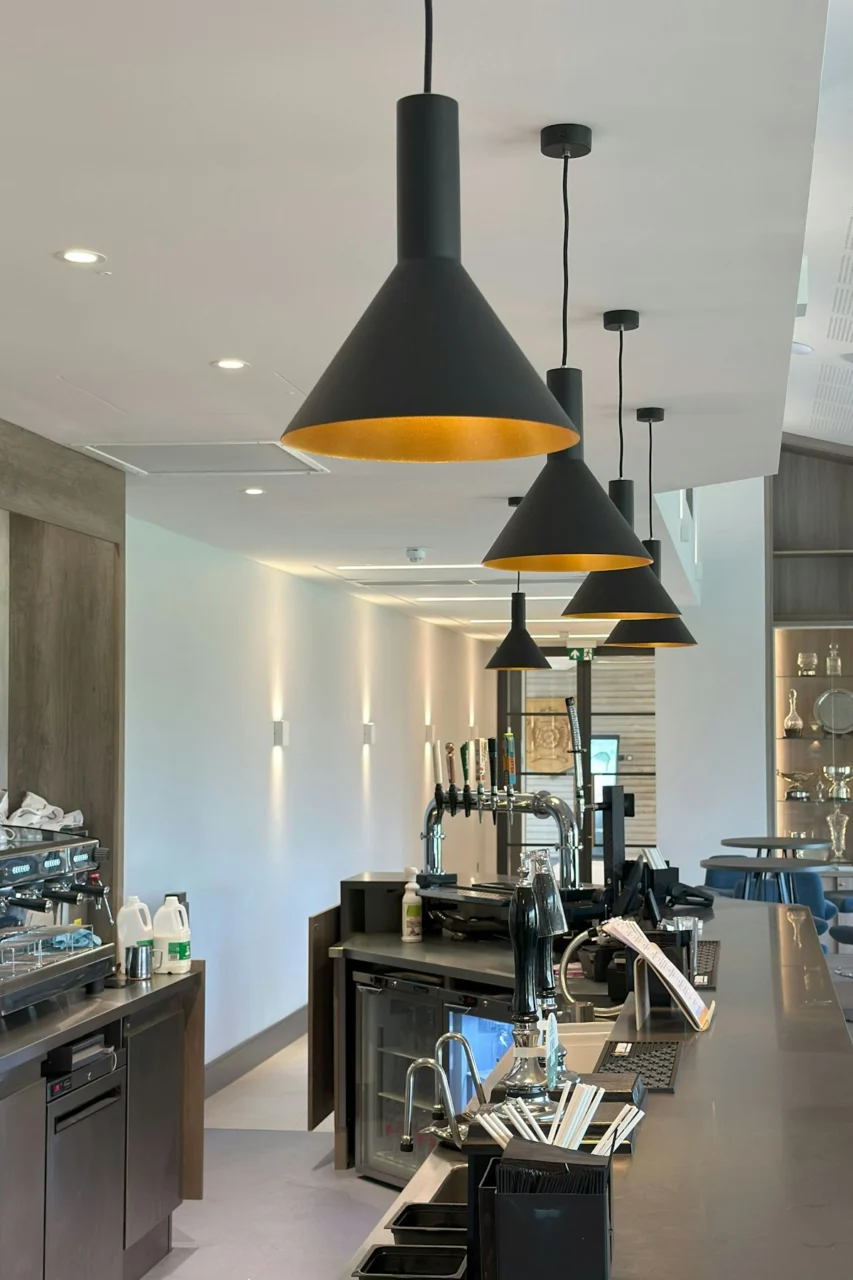
Photo by Ceba Solutions on Unsplash
Good lighting does more than illuminate; it sets the tone and helps you see the details of your brewing process. Think of lighting in three layers: ambient, task, and accent.
For ambient light, a slim pendant or recessed fixture that runs the length of the counter provides even illumination. Choose a dimmable option so you can shift from bright morning light to a softer glow in the evening. Task lighting is essential for steps that require focus, such as tamping espresso. A small, adjustable LED lamp positioned on the side opposite your dominant hand reduces shadows on the work surface.
Accent lighting adds a subtle visual interest. A thin LED strip tucked under the countertop lip creates a gentle glow that highlights the edge of the work surface, while a puck light aimed at a decorative shelf draws attention to your favorite mugs. When selecting fixtures, look for ratings that indicate suitability for kitchen environments to protect against splashes.
3. Maximize Storage Without Adding Bulk
Photo by Declan Sun on Unsplash
A cluttered countertop defeats the café vibe. By thinking vertically and using hidden compartments, you can keep essentials close at hand while preserving floor space.
Floor‑to‑ceiling cabinets make use of the full wall height, storing infrequently used items up high while keeping daily tools within easy reach. Soft‑close drawers protect delicate glassware and reduce noise. Open shelving works well for items you want on display, such as mugs and coffee beans. Pair each shelf with woven baskets to corral lids, filters, or small accessories, and label the baskets with chalkboard tags for quick identification.
Don’t overlook the inside of pantry or cabinet doors. Slim rack strips can hold espresso pods or single‑serve packets, and a magnetic strip provides a convenient spot for steel tools like tampers and milk frothers. Choose finishes that resist moisture—laminate, powder‑coated metal, or sealed wood—to make cleaning a breeze.
4. Introduce Color and Texture for a Café Feel
The visual language of a café often comes from a cohesive palette and tactile details. You can achieve a polished look with a few strategic updates rather than a full remodel.
Start with a neutral base—soft gray or warm white—to keep the space feeling open. Add a single accent color, such as deep teal, rust, or mustard, on a wall or backsplash to create visual interest without overwhelming the room. For texture, consider subway tiles arranged in a subtle pattern; they add depth while remaining timeless. A reclaimed‑wood panel can introduce a rustic touch, provided it’s sealed with a food‑grade finish.
Functional décor reinforces the café atmosphere. A small chalkboard or magnetic board offers a place to note daily specials, bean origins, or brewing notes. Metal or copper accessories—like a coffee scoop or a sleek kettle—bring an industrial edge that contrasts nicely with softer textures. Balancing glossy surfaces with matte finishes helps prevent excessive reflections that can make a small room feel cramped.
5. Choose Space‑Saving Seating That Welcomes Guests
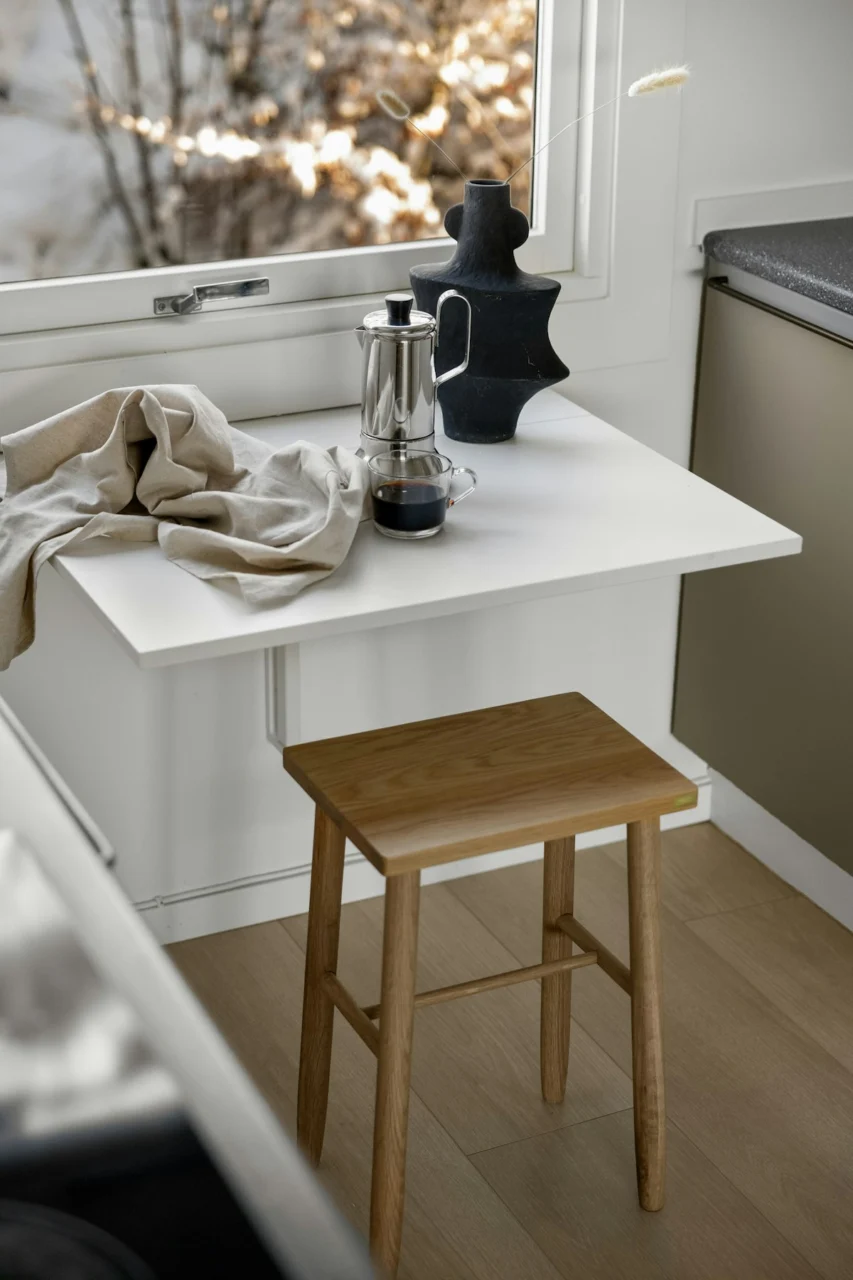
Even a single‑seat coffee nook can feel hospitable with the right seating solutions. Prioritize pieces that fold, nest, or double as storage.
Bar stools with a slim profile and a footrest provide comfort without consuming much floor space. Look for swivel models upholstered in washable fabric or a durable vinyl that mimics leather. A bench placed along the wall offers multiple seats and can hide drawers for mugs, napkins, or extra supplies. Align the bench height with the counter to maintain a smooth visual line.
Wall‑mounted folding chairs are ideal for occasional guests. When not in use, they fold flat against the wall, freeing up space. Choose chairs with lightweight metal frames and a small cushion for added comfort. Always keep a clear pathway—roughly the width of a standard doorway—between the seating area and any traffic flow to ensure safety and ease of movement.
6. Select Smart Appliances Tailored for Tight Areas
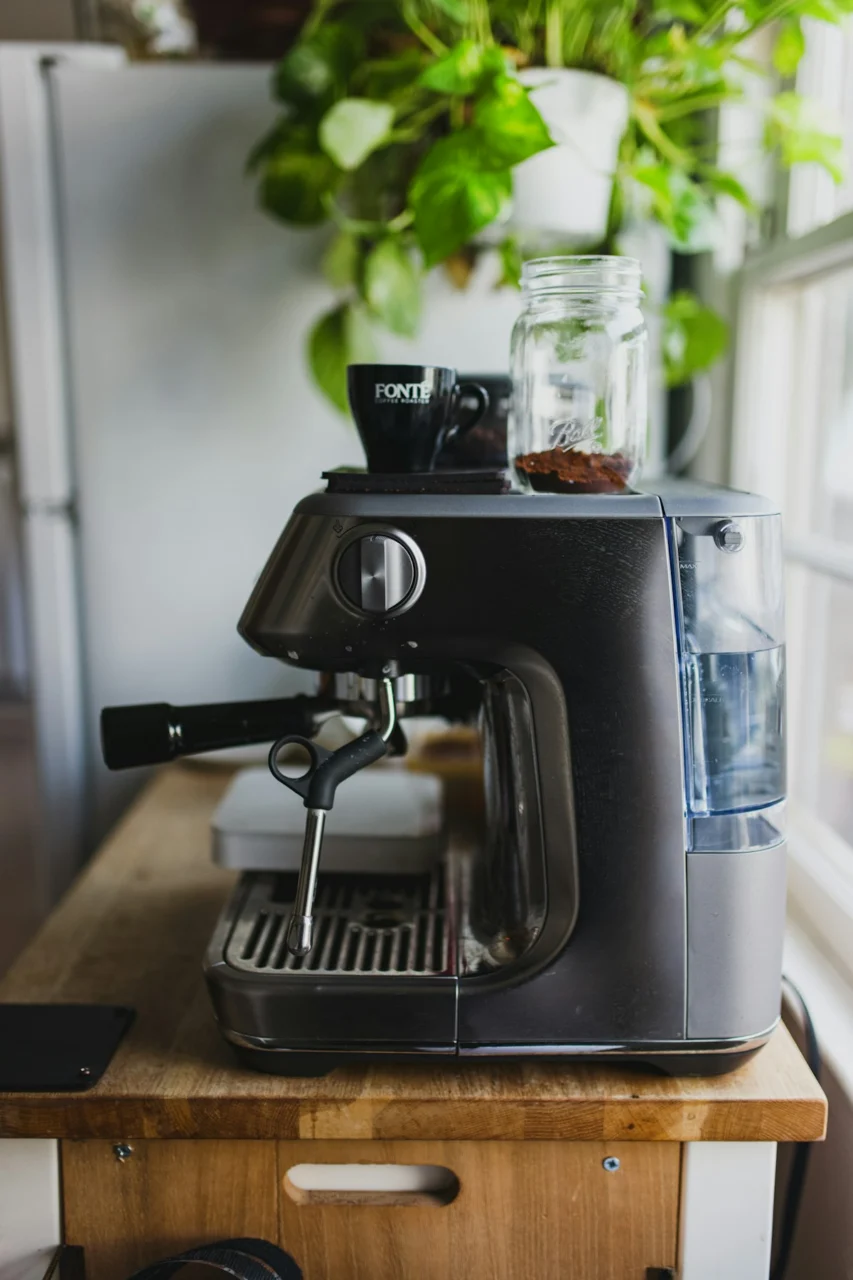
Photo by Nathan Dumlao on Unsplash
Modern coffee equipment is designed with compact footprints, but it’s still important to choose pieces that fit your space and workflow.
A semi‑automatic espresso machine that is only a few inches wide can sit comfortably on a narrow counter. Stainless steel exteriors hide fingerprints and are simple to wipe down. Leave a small gap behind the machine to allow for ventilation. An under‑counter refrigerator, modest in size, stores milk, beans, and a few pastries without dominating the room. Energy‑efficient models keep utility costs low.
A single‑serve conical burr grinder delivers consistent grind size while occupying minimal countertop real estate. Position the grinder on a silicone mat to catch stray grounds and protect the surface. For safety, avoid extension cords; instead, use a dedicated, grounded outlet for each appliance.
7. Add Personal Touches That Make the Space Your Own

Photo by Sarah Bronske on Unsplash
The final layer of a home café is the styling that reflects your personality. Thoughtful details turn a functional area into a place you actually want to linger in.
A low‑light‑tolerant plant, such as a snake plant or pothos, brings a touch of nature to the countertop. Self‑watering containers reduce the maintenance required for busy mornings. Display a thoughtfully selected set of ceramic mugs on an open shelf; rotating them seasonally keeps the display fresh. Choose mugs with ergonomic handles for comfortable sipping.
A subtle coffee‑bean aroma can be introduced with a battery‑operated essential‑oil diffuser. Pair this with a low‑volume playlist of acoustic or jazz tunes to emulate the soft background music of a neighborhood café. Keep decorative items to a few carefully chosen pieces; too many objects can dilute the clean, café‑like aesthetic you’re aiming for.
FAQ
Photo by Vincent Yap on Unsplash
What is the minimum amount of floor space needed for a functional coffee corner?
A dedicated coffee nook can operate comfortably in a space as small as thirty square feet. The key is a linear layout that places storage, appliances, and seating in a short, unobstructed line.
Can I set up a coffee bar in a rental apartment?
Yes, provided you use removable solutions such as peel‑and‑stick backsplashes, freestanding counters, and adhesive hooks. Avoid permanent alterations unless your lease explicitly allows them.
Which type of lighting is safest for a small kitchen area?
Fixtures rated for kitchen use—typically with an IP44 rating or higher—protect against splashes. LED bulbs stay cool to the touch, reducing burn risk, and they consume less electricity than traditional bulbs.
How can I keep the coffee area tidy with daily use?
Implement a nightly reset: wipe the countertop, empty the grinder’s hopper, and store used mugs in a designated basket. A small countertop trash bin with a lid helps contain coffee grounds and prevents messes.
Are there affordable ways to make a small coffee station look upscale?
Focus on high‑impact, low‑cost upgrades such as a painted backsplash, brushed‑metal hardware, and a cohesive color palette. These details can mimic a designer look without a large budget.
Final Thoughts
Creating a small‑space home café is less about the amount of square footage and more about intentional choices. By selecting a compact counter, layering appropriate lighting, employing clever storage, and adding personal accents, you can craft a coffee nook that feels larger than it is. Start with one or two ideas that resonate most with your routine, test how they work, and let the space evolve naturally. With a few thoughtful tweaks, your apartment can host a welcoming espresso‑ready corner that invites you to pause, sip, and enjoy.