
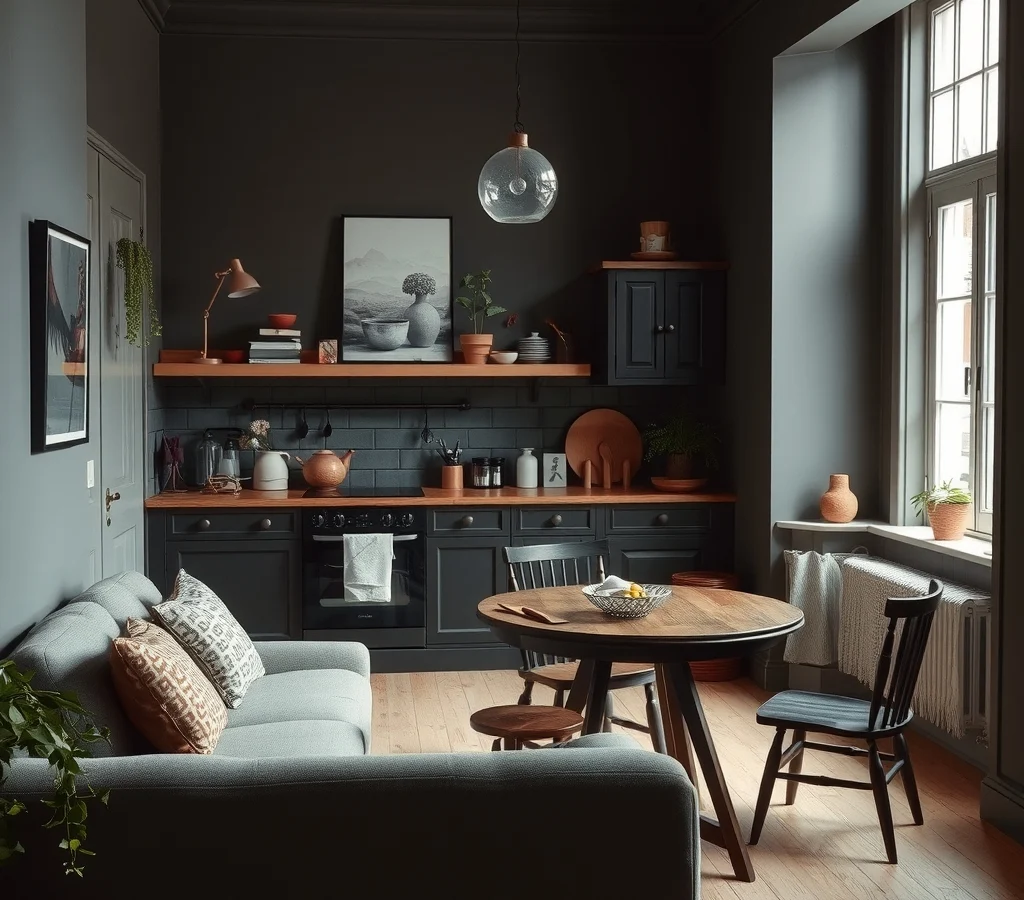
Dark Cottagecore Kitchen Ideas With Vintage Charm and Moody Colors
Walking into a kitchen that feels both lived‑in and thoughtfully curated can feel like stepping into a quiet storybook. The cottagecore aesthetic, with its affection for hand‑crafted details and natural textures, often leans toward light, airy palettes. Yet a darker, moodier interpretation can add depth without losing the comforting, nostalgic vibe. Below are seven ways to blend vintage charm with deep, atmospheric colors, giving your kitchen a timeless yet contemporary feel.
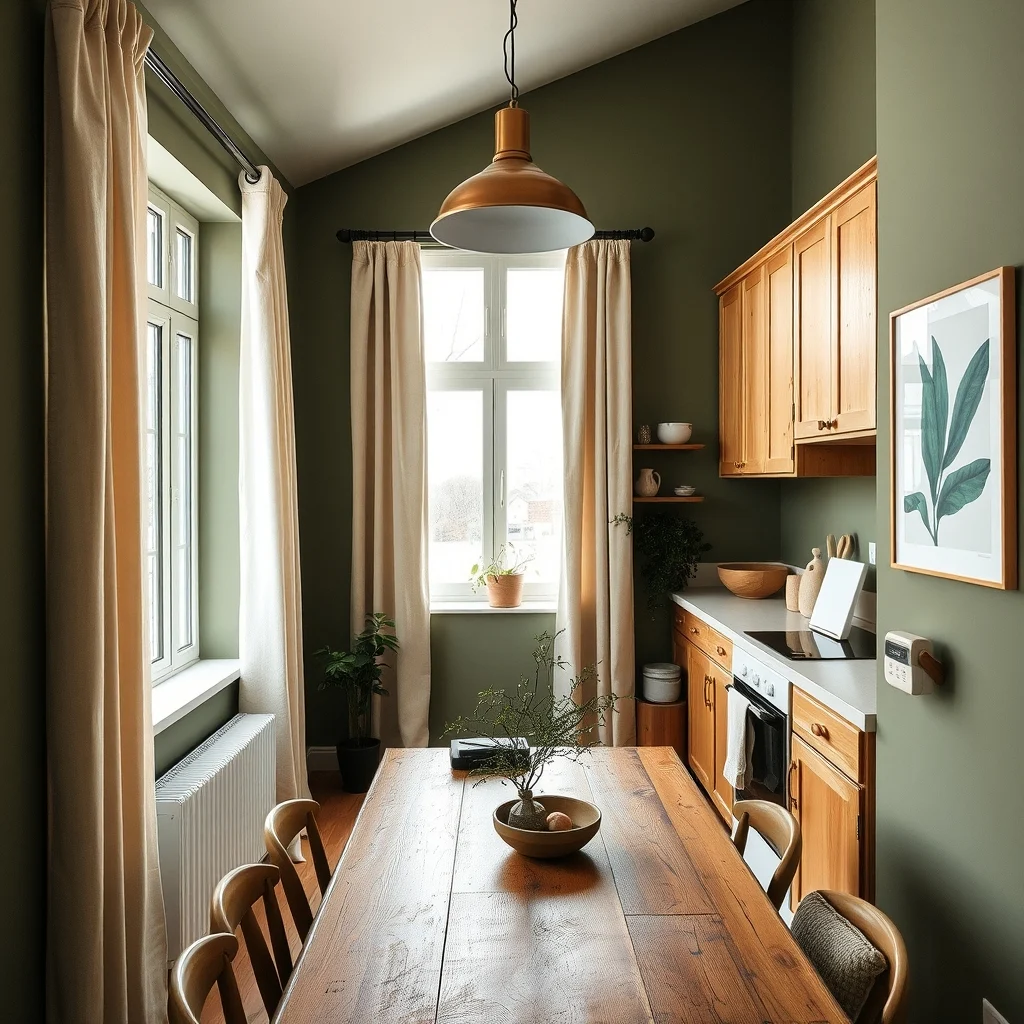
1. Embrace Deep Olive Wall Paint
© 2026 AI Illustrator — Inspiration Only
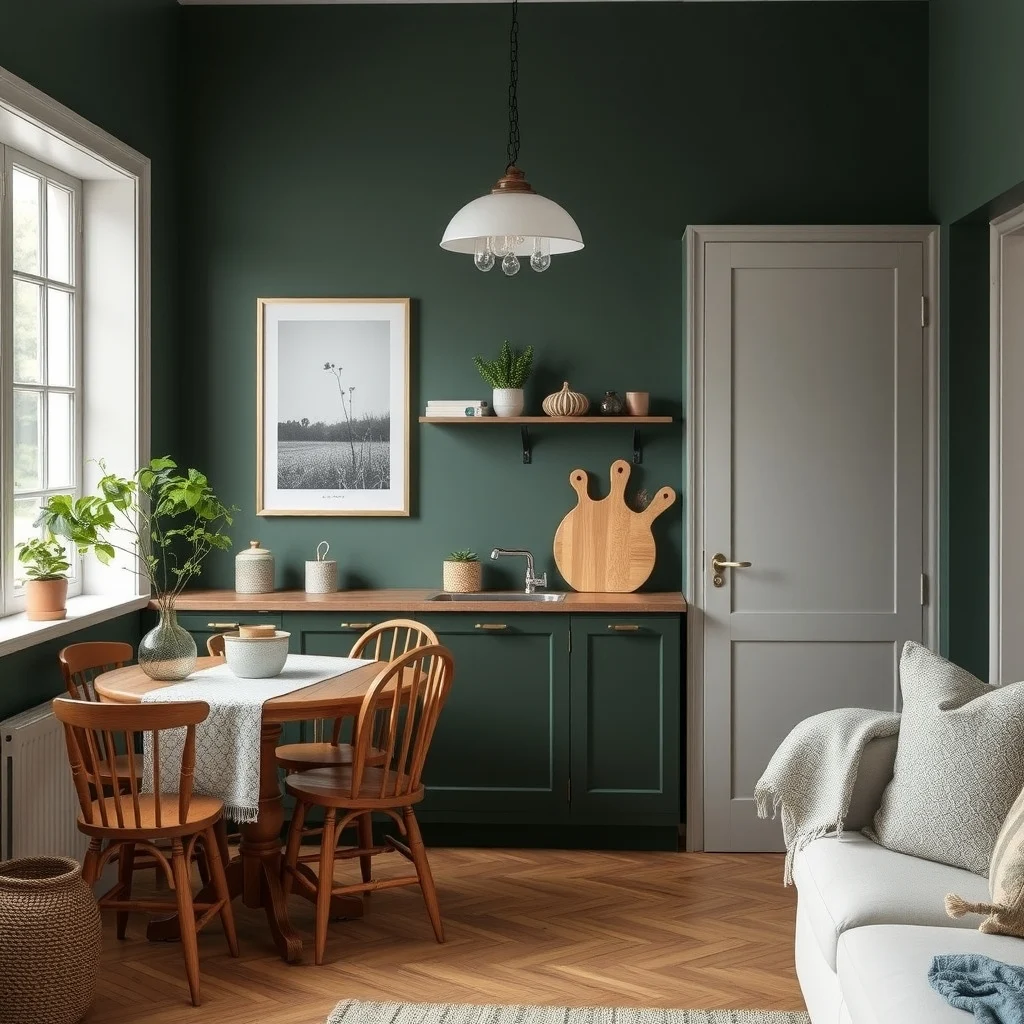
A muted olive or forest‑green wash on the walls creates a backdrop that feels both grounded and inviting. The hue works especially well in kitchens that receive limited natural light, because it reflects the warm glow of pendant lamps and candlelight rather than flattening the space. When selecting paint, opt for a low‑sheen finish; it hides minor scuffs while allowing you to wipe down surfaces with a damp cloth. If the green feels too bold, consider a soft greige for the ceiling to keep the room from feeling enclosed. Pairing the walls with lighter wood trims helps maintain visual balance, ensuring the color adds mood rather than overwhelm.
Which Home Style Fits Your Space?
Answer 5 quick questions to find your perfect interior style and inspiration.
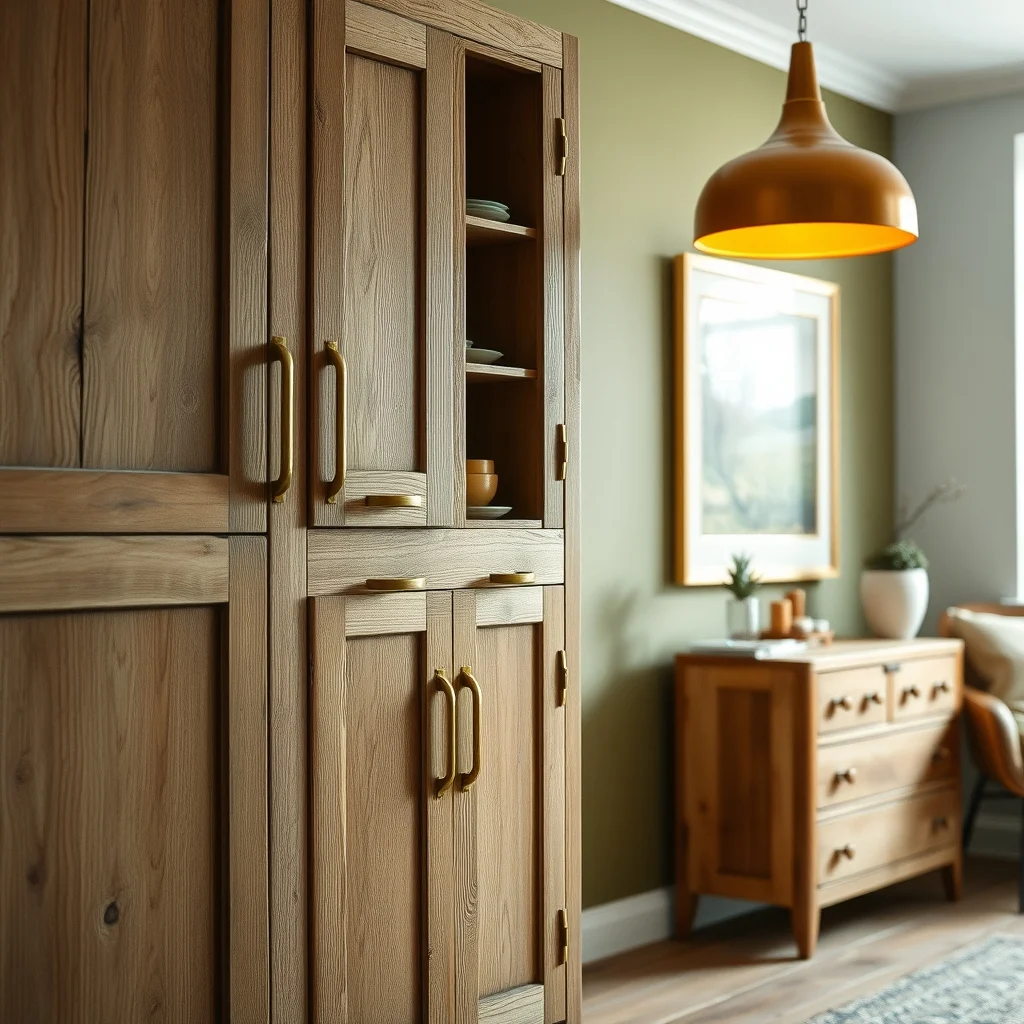
2. Choose Weathered Wood Cabinets with Brass Accents
© 2026 AI Illustrator — Inspiration Only
Cabinetry that shows a patina of age instantly signals cottagecore authenticity. Reclaimed pine or reclaimed oak, left with a light distress, provides a tactile warmth that contrasts nicely with darker walls. Brass handles and hinges introduce a touch of vintage elegance without competing for attention. When planning the layout, keep the cabinet height at a comfortable reach—typically 36 inches for the countertop—to maintain ergonomics. Brass can tarnish over time; a quick polish with a soft cloth keeps it gleaming, and the gradual darkening can become part of the charm if you prefer a more lived‑in look.
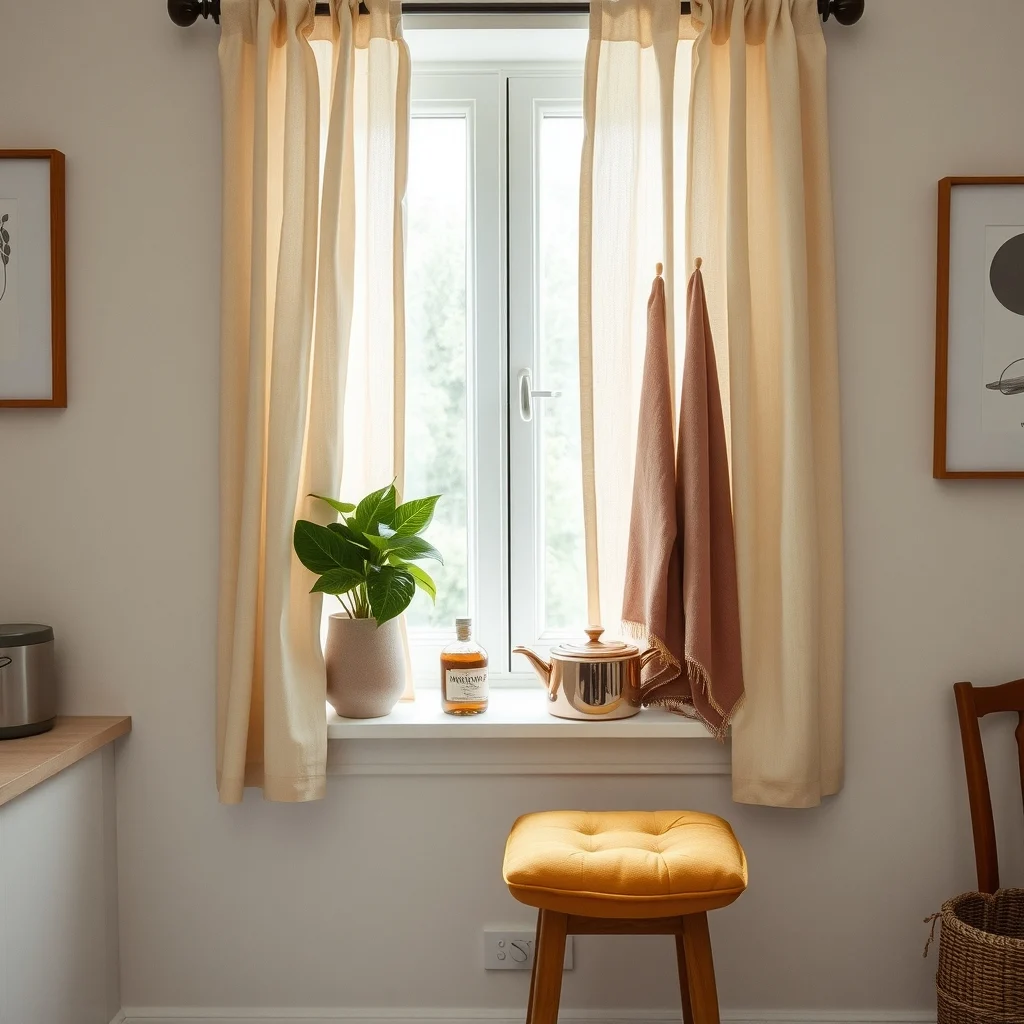
3. Layer Soft Linen Textiles in Muted Hues
© 2026 AI Illustrator — Inspiration Only
Textiles soften hard surfaces and add layers of visual interest. Choose linen curtains, tea towels, and seat cushions in shades of cream, dusty rose, or muted mustard. These colors echo the muted palette of cottage interiors while providing subtle contrast against the darker walls. Linen is breathable and easy to launder, which is practical for a kitchen environment. When hanging curtains, allow the fabric to drape just above the countertop to let natural light filter in without obstructing workspaces. Swapping out a cushion cover each season keeps the room feeling fresh without a major overhaul.
4. Add Open Shelving for Curated Vintage Finds
© 2026 AI Illustrator — Inspiration Only
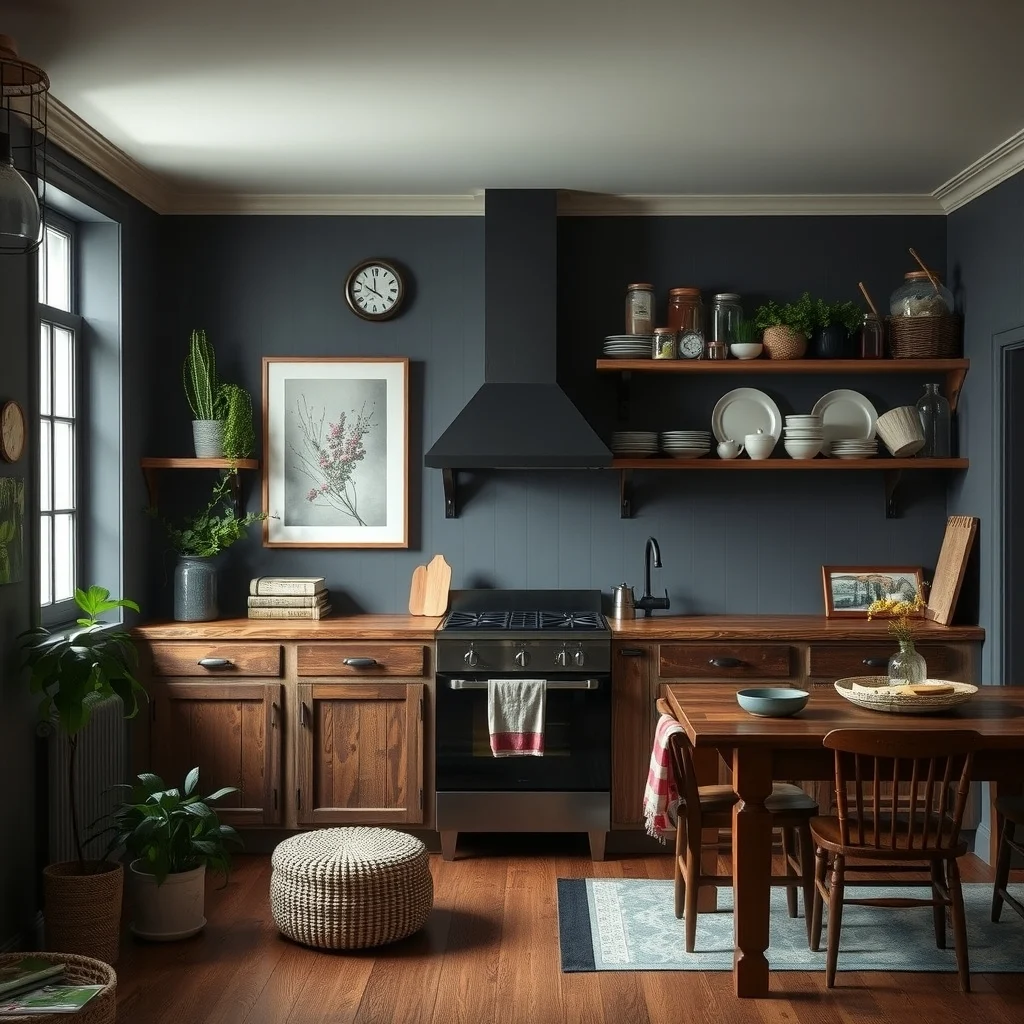
Open shelves break up the solidity of cabinet walls and give you a stage for heirloom plates, mason jars, and copper pots. Installing reclaimed wooden planks on sturdy brackets creates a rustic look that aligns with cottagecore sensibilities. Arrange items by height and texture, placing taller jars at the back and flatter dishes toward the front for easy access. While open shelving showcases personality, it also requires a habit of keeping the displayed items dust‑free; a quick wipe with a microfiber cloth maintains a polished appearance. If you worry about clutter, limit the number of objects per shelf to a curated handful.
5. Incorporate Low‑lit Candle Clusters and Dimmed Fixtures
© 2026 AI Illustrator — Inspiration Only
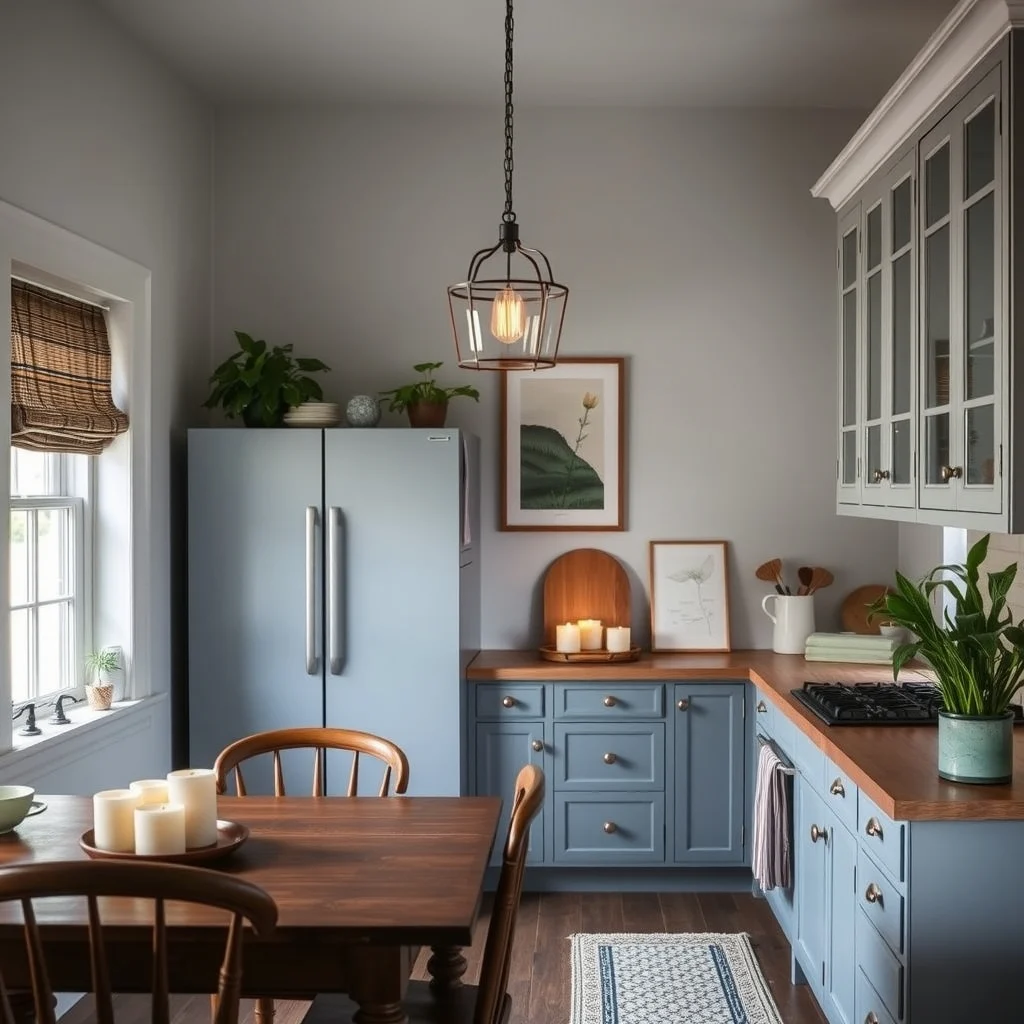
Lighting sets the emotional tone of any kitchen. Instead of harsh overhead fluorescents, opt for a dimmable pendant over the island and a few clusters of unscented candles on the countertop. Warm amber bulbs mimic the glow of a hearth, reinforcing the cottage atmosphere. Dimming the main fixture to 30‑40 percent creates a cozy ambiance while still providing enough illumination for food preparation. Candle clusters add a soft flicker that changes throughout the evening, making the space feel alive without the need for constant electrical adjustments.
6. Use Hand‑Forged Iron Pot Racks for Functional Display
© 2026 AI Illustrator — Inspiration Only
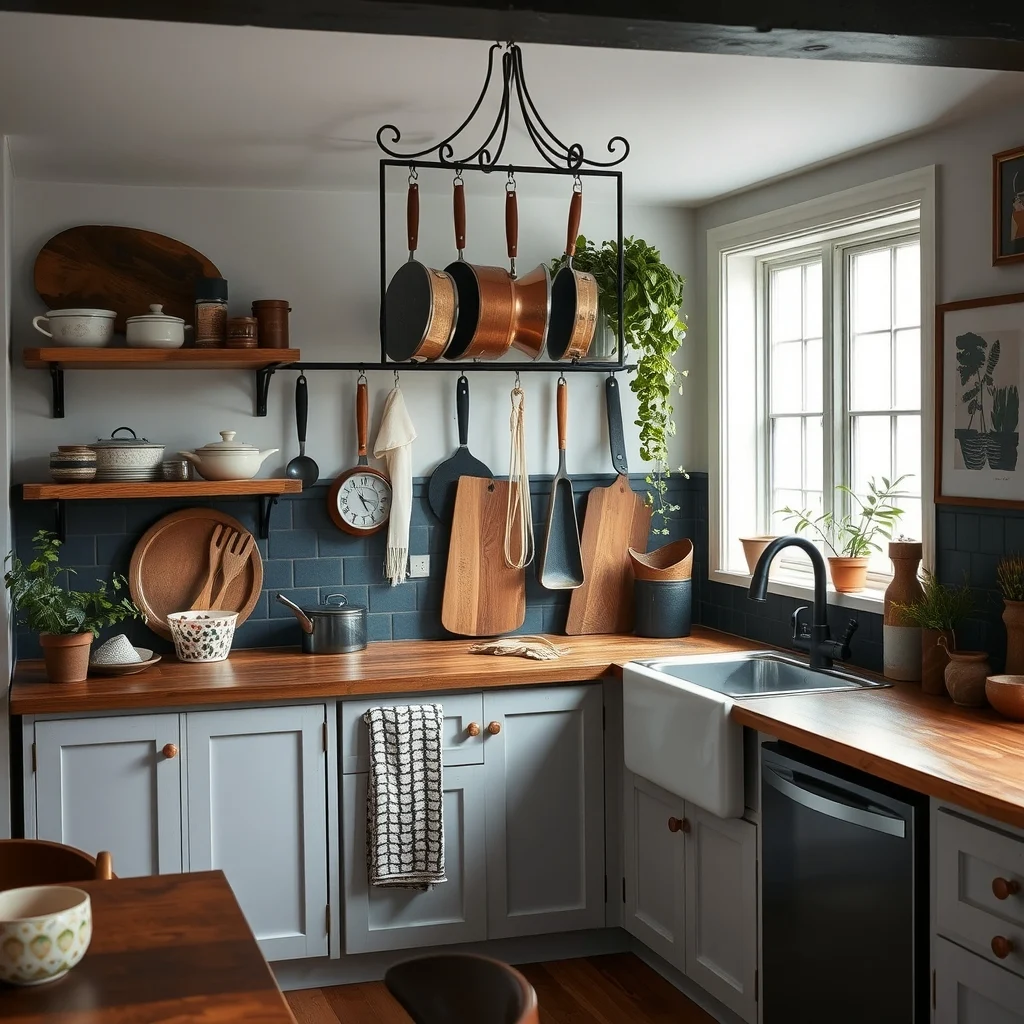
Storing cookware on a wall‑mounted iron rack keeps the countertop clear and turns everyday tools into decorative elements. Hand‑forged pieces often feature subtle imperfections that celebrate craftsmanship, aligning with the cottagecore love of the imperfect. Position the rack near the stove so pots are within arm’s reach, reducing the need to open cabinet doors. Iron can rust if exposed to moisture; applying a thin coat of oil after cleaning helps protect the finish while preserving its rustic patina.
7. Finish with Patinated Stone Countertops and Simple Backsplash
© 2026 AI Illustrator — Inspiration Only
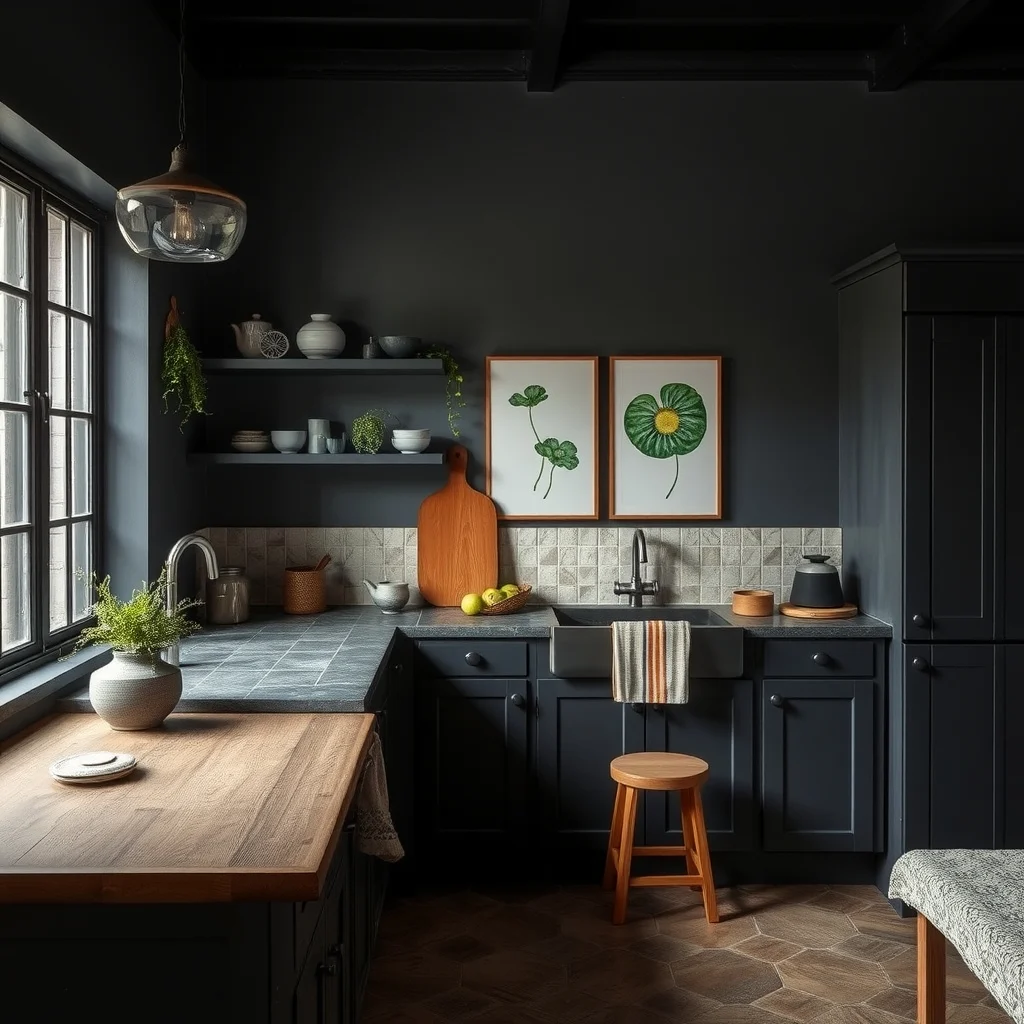
A countertop made of reclaimed slate or honed limestone adds a tactile surface that feels cool under hands and durable under knives. The natural veining of stone introduces subtle pattern without competing with other decorative elements. Pair the stone with a simple, white subway tile backsplash; the crisp tiles reflect light and break up the darker wall color, preventing the space from feeling too heavy. Stone requires sealing every six months to resist stains, a modest maintenance step that rewards you with a surface that ages gracefully.
FAQ
© 2026 AI Illustrator — Inspiration Only
How do I choose the right shade of dark green for my kitchen walls?
Start by testing paint swatches on a small section of wall and observe them at different times of day. A shade that looks too deep in evening light may appear softer under morning sun. Look for a hue that complements the wood tones of your cabinets and the brass accents you plan to use.
Can I mix vintage and modern appliances in a dark cottagecore kitchen?
Yes, modern appliances can coexist with vintage décor when their finishes are subdued. Stainless steel or matte black appliances blend well with dark walls and brass hardware, especially if you keep countertop clutter to a minimum.
What maintenance does reclaimed wood require?
Reclaimed wood benefits from a light oil treatment every few months to prevent drying and to enhance its natural grain. Avoid harsh chemicals; a gentle wood cleaner followed by a soft cloth is sufficient for routine cleaning.
Is it safe to use open shelving for pantry items?
Open shelves are safe for non‑perishable goods, but keep them away from direct heat sources to avoid moisture buildup. Store dry items like jars of pasta or canned goods, and reserve the lower cabinets for items that need protection from temperature fluctuations.
Which Living Room Color Palette Fits You Best?
Discover the palette that reflects your style — take our free quick quiz and get instant decor inspiration!
Take the Quiz NowHow can I prevent candle wax from staining my countertop?
Place a heat‑resistant tray or a small metal plate beneath each candle cluster. This catches drips and makes cleanup as simple as wiping the tray with a damp cloth.
Final Thoughts
© 2026 AI Illustrator — Inspiration Only
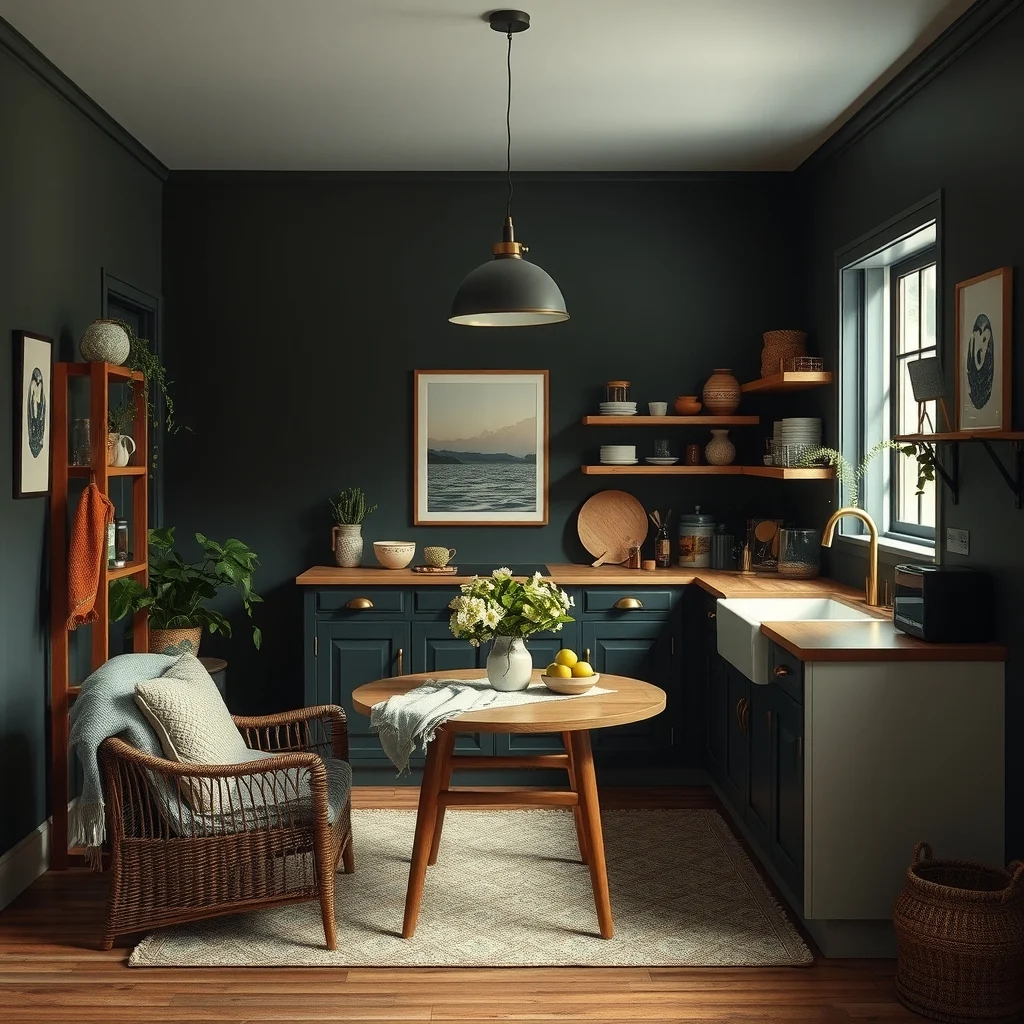
Blending dark, moody colors with cottagecore’s love of vintage details creates a kitchen that feels both timeless and personal. By selecting a deep wall hue, pairing weathered wood with brass, and layering soft textiles, you set a foundation that invites comfort. Open shelving, thoughtful lighting, and functional iron racks turn everyday objects into curated decor, while stone countertops anchor the room with durability. Each element carries its own maintenance rhythm, but the payoff is a space that ages gracefully and feels lived‑in from day one. Embrace the balance of shadow and warmth, and let your kitchen become the quiet heart of your home.