
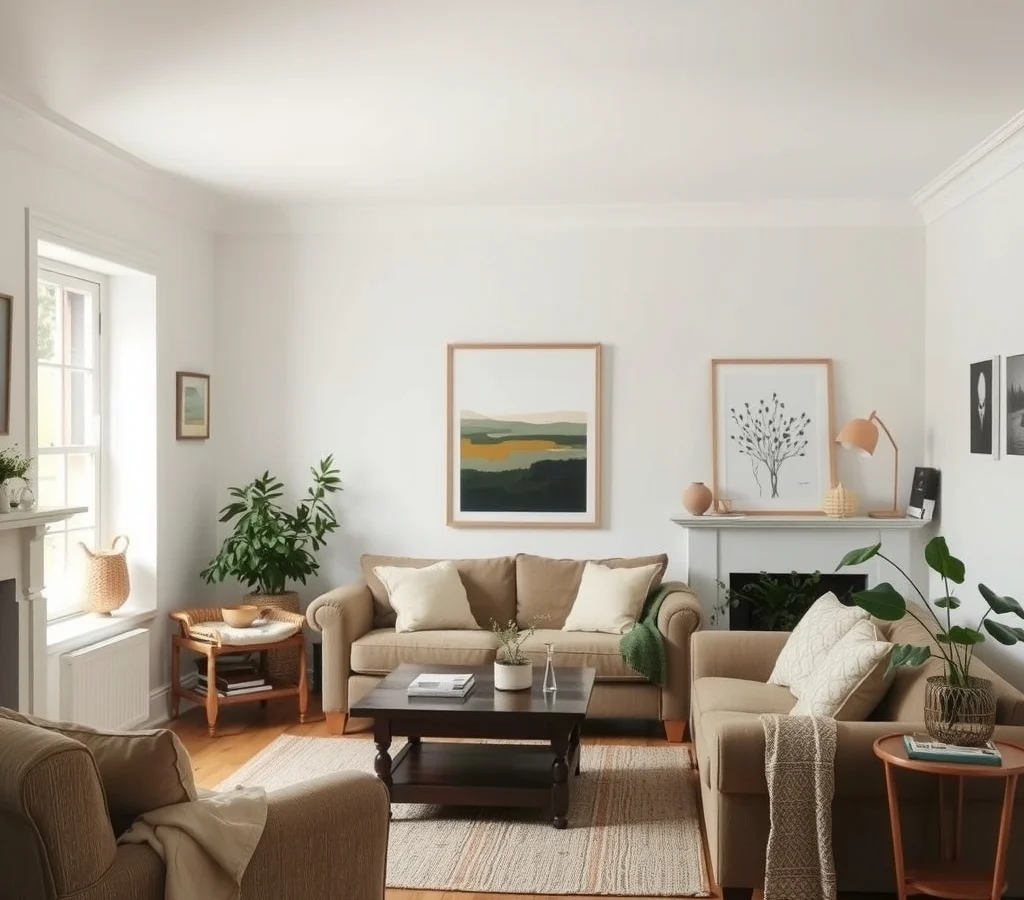
English Cottage Living Room Ideas for a Cozy and Collected Home
Finding a balance between the relaxed charm of a countryside cottage and the practical needs of modern life can feel like a puzzle. A living room that welcomes you with soft textures, gentle colors, and well‑placed treasures can become the heart of a home without demanding a complete renovation. Below are seven ideas that let you capture that English cottage spirit while keeping the space functional and inviting.
1. Weathered Plaster and Subtle Washes
© 2026 AI Illustrator — Inspiration Only
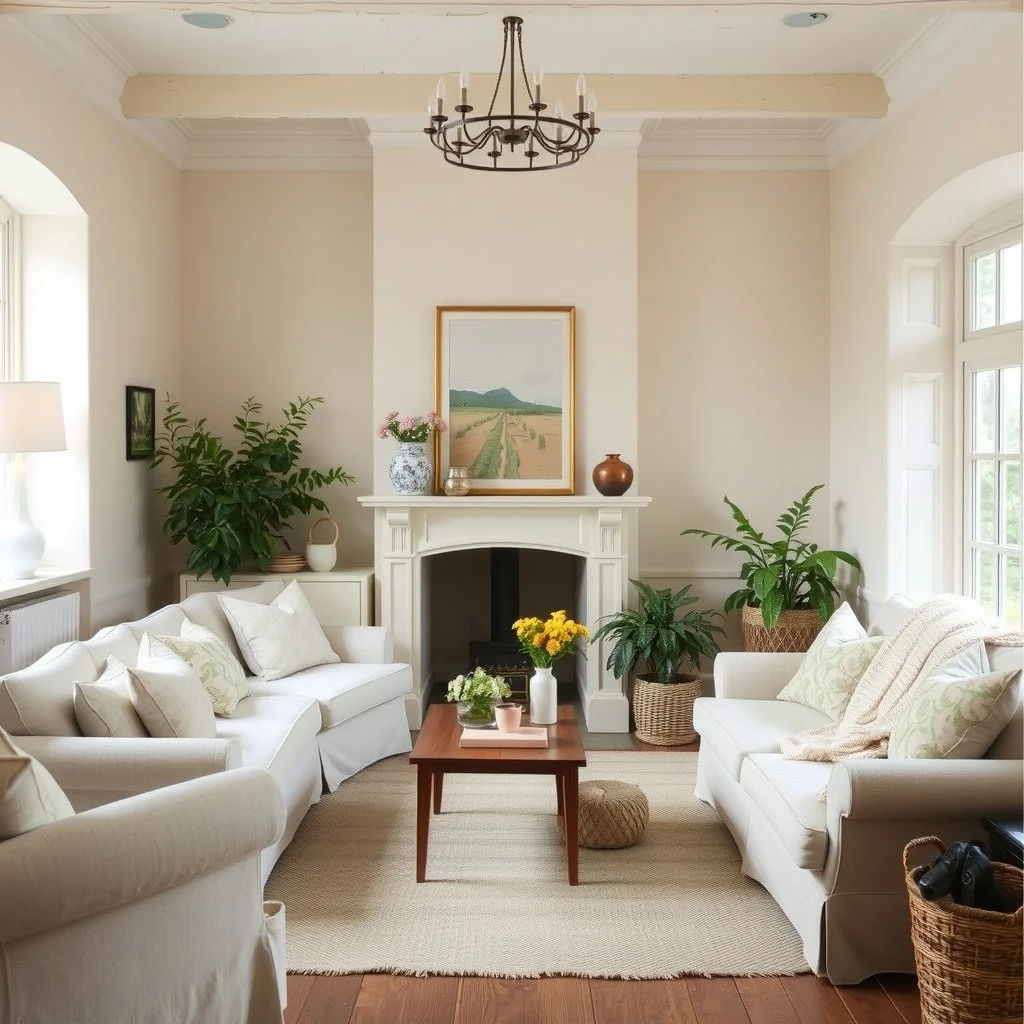
Traditional cottages often feature walls that have been kissed by time, and a light limewash or a muted pastel can recreate that effect without the need for actual plaster. Choose a shade such as warm greige or soft sage; these hues reflect natural light while providing a calm backdrop for furniture. Applying a thin, semi‑transparent coat over a base of matte white creates a depth that feels both aged and fresh. If you prefer a more pronounced patina, consider a chalky finish on one accent wall and let it gently wear with use.
Which Home Style Fits Your Space?
Answer 5 quick questions to find your perfect interior style and inspiration.
The benefit of a wash lies in its forgiving nature—minor scuffs blend into the overall tone, which is helpful in a room that sees daily traffic. A potential downside is that very light colors may highlight wall imperfections, so a quick patch and sand before painting is advisable. Pair the walls with simple trim in off‑white to keep the focus on the soft backdrop, and you’ll have a canvas that feels both historic and adaptable.
2. Low, Overstuffed Seating Arrangements
© 2026 AI Illustrator — Inspiration Only
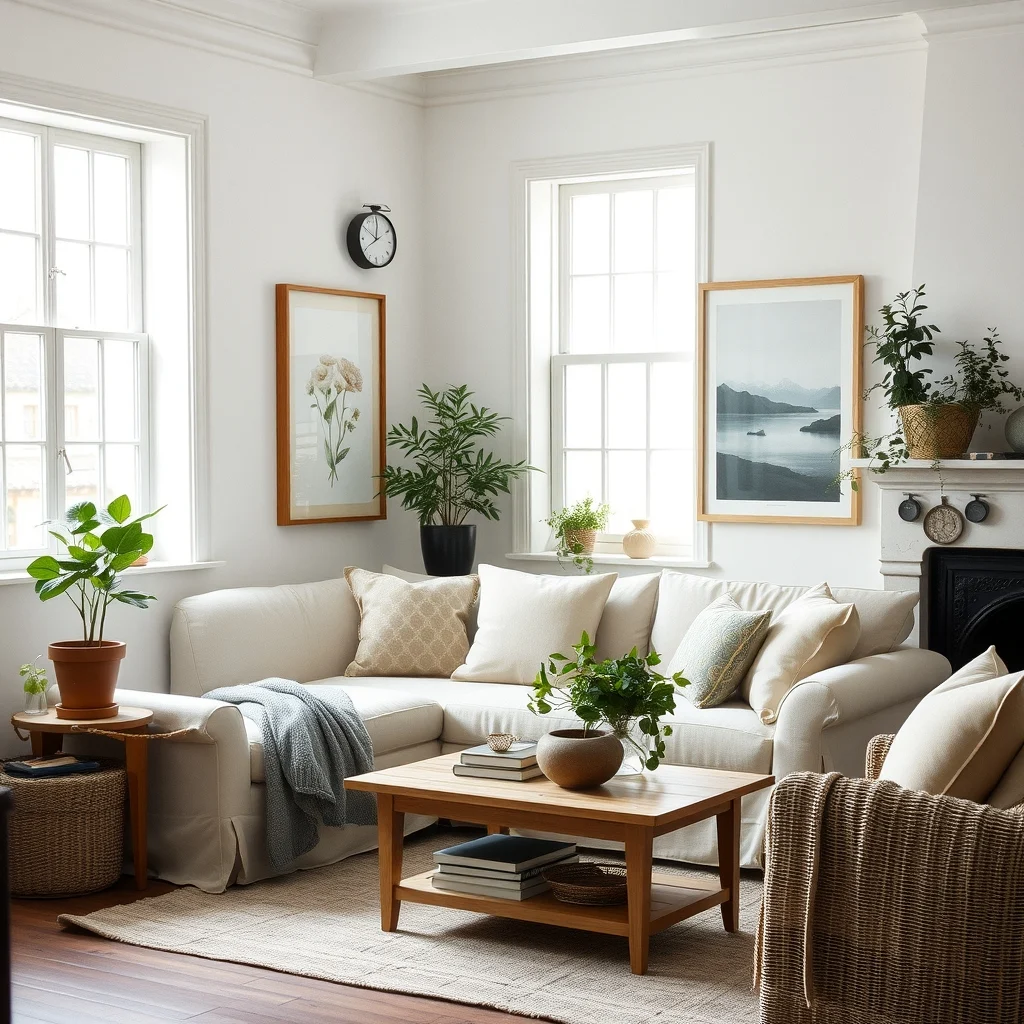
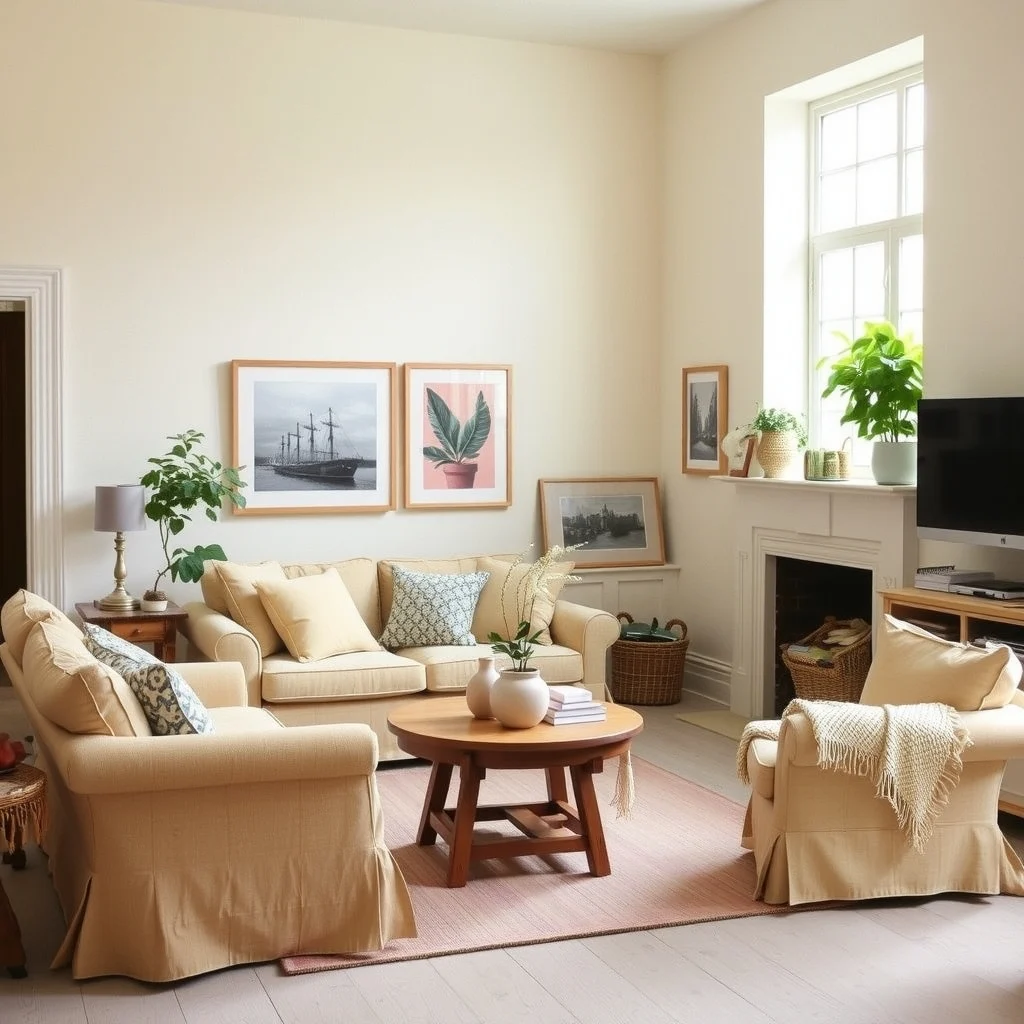
A low sofa with a deep, overstuffed seat invites you to sink in and stay awhile. Slipcovers in linen or brushed cotton in muted hues—think dusty rose or muted teal—add a layer of comfort that can be swapped out as seasons change. Complement the sofa with a pair of wing‑back armchairs upholstered in a subtle floral fabric; the curved backs create a sense of enclosure without crowding the floor plan.
Choosing furniture with a modest scale helps maintain a sense of proportion in rooms that might otherwise feel cramped. The trade‑off is that low‑profile pieces can limit legroom for taller guests, so placing a small ottoman or a sturdy coffee table nearby offers an alternative surface for those who need extra height. Selecting pieces with removable cushions also simplifies cleaning, keeping the lived‑in look looking intentional.
3. Layered Textiles for Warmth
© 2026 AI Illustrator — Inspiration Only
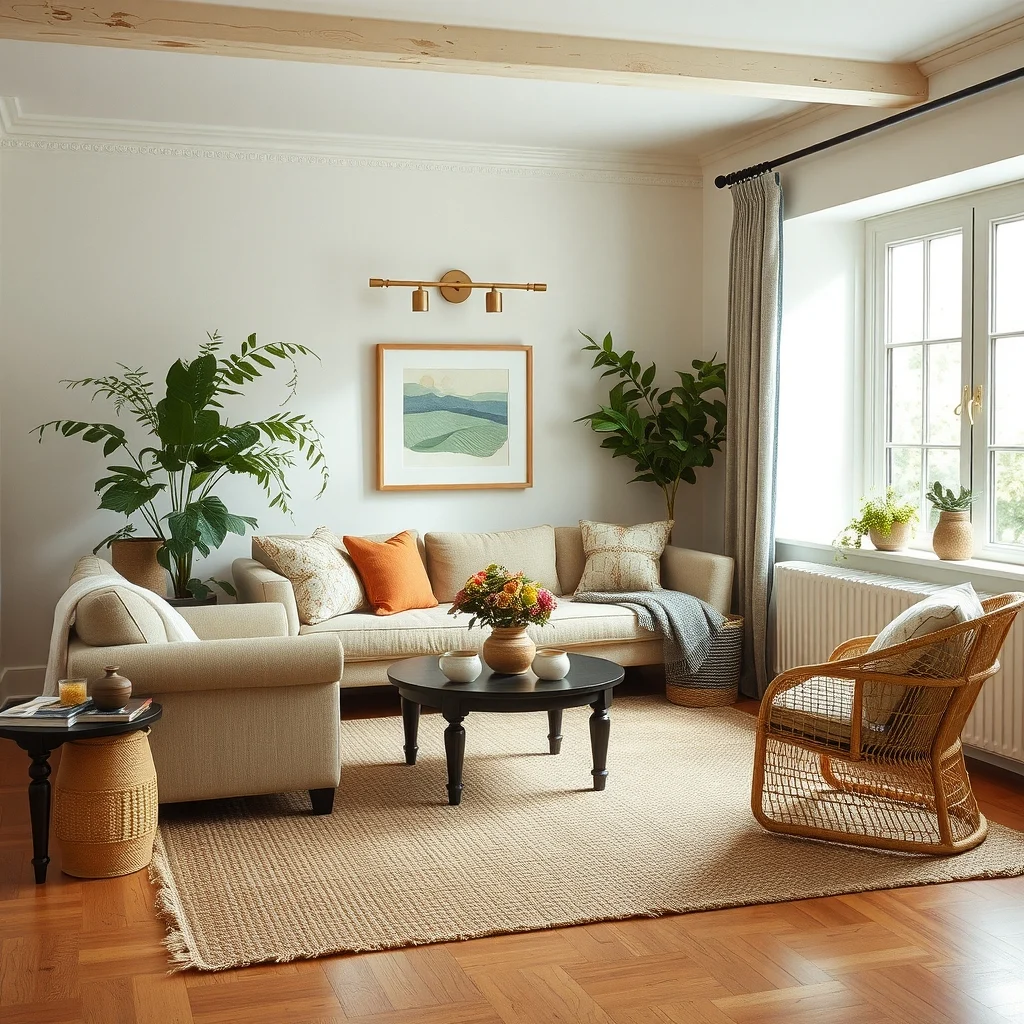
Textiles are the language of cottage style, and layering them adds depth that a single rug or curtain cannot achieve. Start with a natural fiber rug—hand‑woven jute or a low‑pile wool in a neutral tone—to ground the space. Over that, add a few smaller accent rugs in muted patterns such as small checks or simple stripes; these can be rotated seasonally to keep the room feeling fresh.
Heavy drapes in a soft, brushed linen provide privacy while filtering daylight in a gentle way. Throw pillows in a mix of textures—velvet, boucle, and knitted wool—introduce tactile variety without overwhelming the eye. One consideration is that multiple rug layers can create uneven surfaces; placing a thin, non‑slip pad beneath each layer helps maintain stability and protects hardwood floors.
4. Curated Curios and Shelving
© 2026 AI Illustrator — Inspiration Only
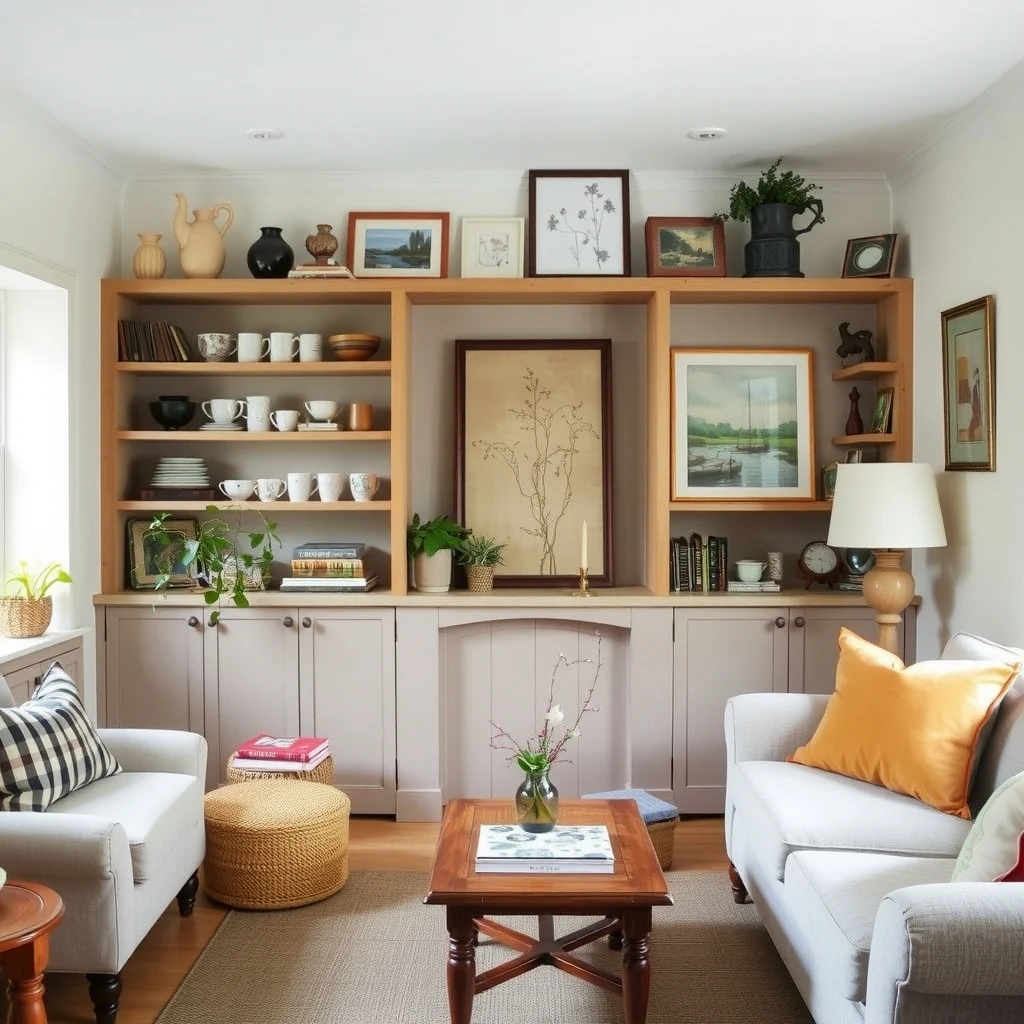
An English cottage never looks sterile; it thrives on the presence of well‑chosen objects that tell a story. Open shelving made of reclaimed pine offers a place to display ceramic mugs, antique books, and a few dried flower bundles tied with twine. Arrange items in odd numbers and leave small gaps; the negative space lets each piece breathe and prevents visual clutter.
When selecting décor, favor pieces with a handcrafted feel—hand‑painted plates, a brass candlestick, or a woven basket. The downside of open shelves is that dust settles quickly, so a regular dusting routine is essential to keep the display looking cared for. If you prefer a cleaner silhouette, glass‑front cabinets can house the same items while protecting them from everyday wear.
5. Soft Ambient Lighting
© 2026 AI Illustrator — Inspiration Only
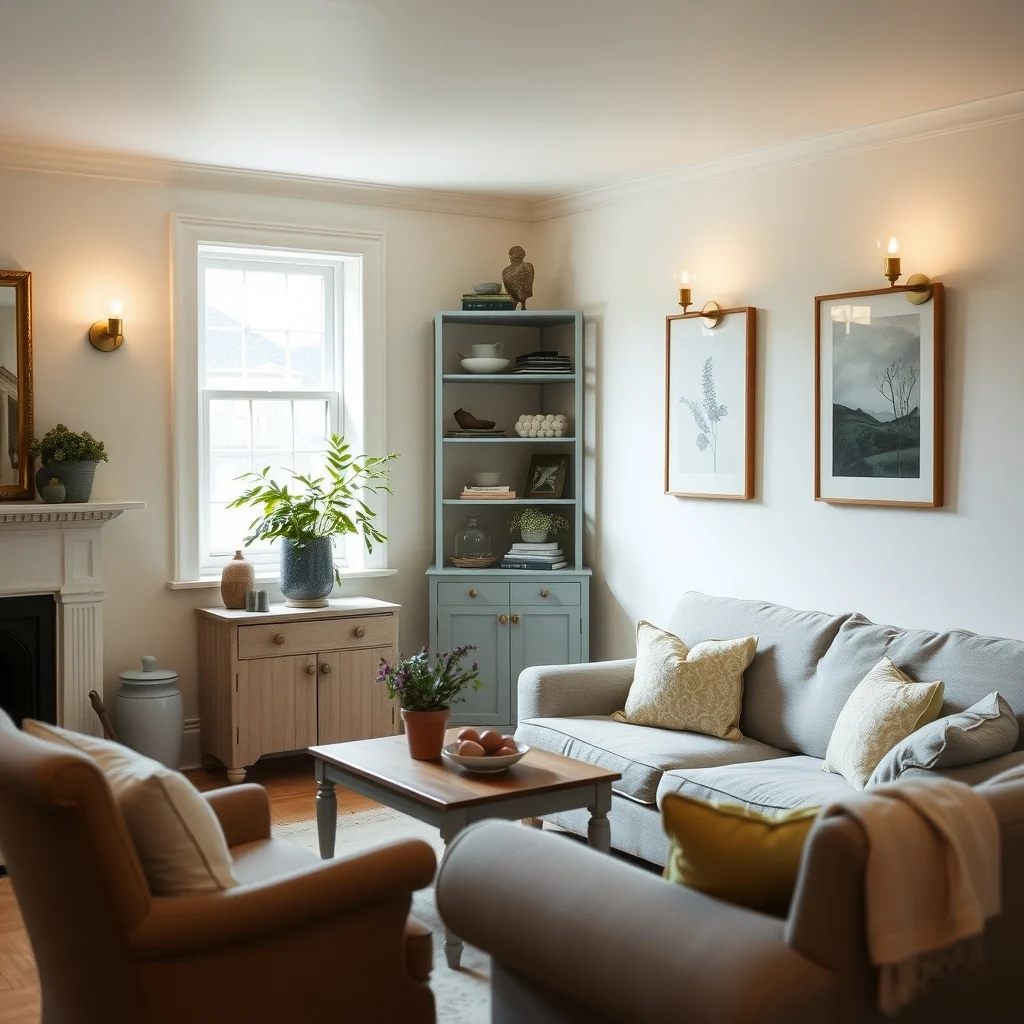
Lighting in a cottage living room should feel like a gentle glow rather than a harsh glare. A pair of wall sconces in brushed brass, fitted with warm‑toned bulbs, adds a soft wash along the perimeter of the room. Place a floor lamp with a linen shade near the reading nook; the diffused light creates a pocket of illumination without flooding the entire space.
Candles in glass jars or tin holders contribute a flickering element that reinforces the cozy atmosphere. The trade‑off with multiple light sources is the need for careful wiring and plug management; using a power strip with surge protection can keep cords organized and safe. Dimmer switches on the main overhead fixture allow you to adjust brightness as the day turns to night, preserving the room’s relaxed mood.
6. Natural Materials and Handcrafted Details
© 2026 AI Illustrator — Inspiration Only
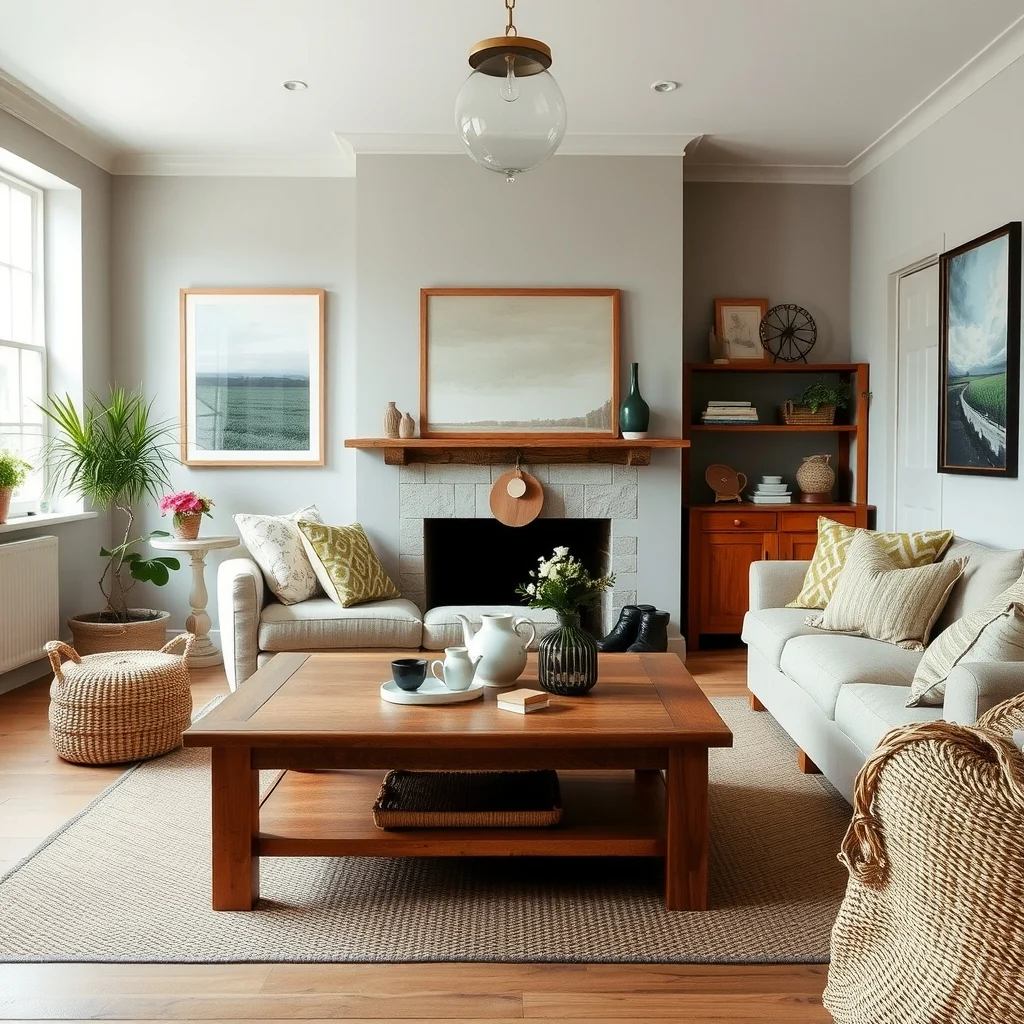
Wood, stone, and woven fibers anchor the cottage aesthetic in tactile reality. An oak coffee table with a slightly distressed finish offers a sturdy surface for tea service while echoing the countryside vibe. Pair the table with a set of hand‑carved wooden coasters or a small stone bowl for keys and loose change.
Incorporating woven baskets for storage adds a soft visual contrast to the solidity of furniture. Choose baskets in natural rattan or seagrass; they can hold blankets, magazines, or seasonal décor. One limitation of natural materials is their susceptibility to moisture—keep wicker away from direct water exposure and treat wood with a light oil if the room tends toward humidity.
7. Thoughtful Storage that Keeps the Room Uncluttered
© 2026 AI Illustrator — Inspiration Only
Which Living Room Color Palette Fits You Best?
Discover the palette that reflects your style — take our free quick quiz and get instant decor inspiration!
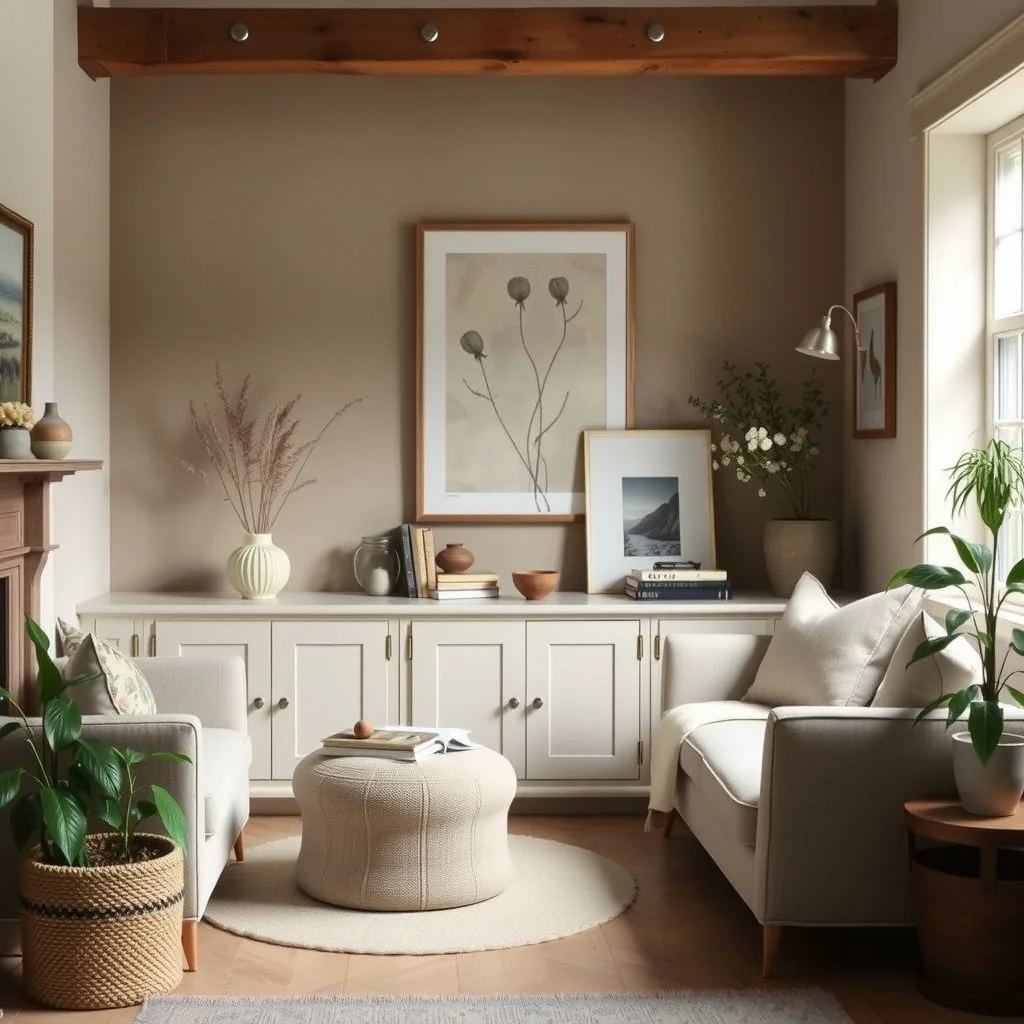
Take the Quiz NowMaintaining a collected look requires places to tuck away everyday items without sacrificing style. A built‑in low cabinet with shallow doors can hide electronics, board games, or extra cushions while keeping the floor line uninterrupted. Inside, add wicker bins or fabric drawers to sort objects by category, making retrieval easy.
If built‑ins aren’t an option, a set of slim, tall bookcases against an empty wall provides vertical storage without encroaching on seating space. The trade‑off with taller units is the potential for a top‑heavy appearance; balancing the height with a hanging artwork or a gallery of small frames can soften the silhouette. Choosing furniture with integrated storage—such as a bench with a lift‑top—maximizes functionality in a room that values both comfort and order.
FAQ
© 2026 AI Illustrator — Inspiration Only
How can I make a small living room feel like an English cottage?
Start with a light, neutral wall color and add a few well‑chosen textiles. Small scale furniture, such as a low sofa and compact armchairs, keeps the room from feeling overcrowded. Layered lighting and a few curated curios provide the cottage feel without overwhelming the limited space.
What paint colors work best for cottage style?
Soft, muted tones like warm greige, muted sage, and pale lavender create a calm backdrop. These shades reflect natural light and pair easily with the earthy materials typical of cottage interiors. Adding a single accent wall in a deeper hue, such as dusty rose, can add visual interest without dominating the room.
Is it okay to mix modern furniture with cottage elements?
You can blend modern pieces with cottage details as long as the overall balance leans toward the softer, handcrafted aesthetic. A sleek coffee table paired with a linen sofa and a woven basket can work if the textures and colors harmonize. Be mindful that too many contemporary lines may dilute the cozy atmosphere.
How do I keep the room cozy in winter without overheating?
Layering textiles—rugs, throws, and heavy curtains—provides warmth while allowing you to adjust temperature with a portable heater or a programmable thermostat. Choose breathable fabrics like wool and linen so the space feels inviting without trapping excess heat.
Where can I find authentic cottage accessories on a budget?
Local flea markets, thrift stores, and online vintage shops often carry items such as hand‑painted ceramics or reclaimed wood shelves at reasonable prices. Look for pieces that show signs of wear; a bit of patina adds character and reduces the need for costly reproductions.
Final Thoughts
© 2026 AI Illustrator — Inspiration Only
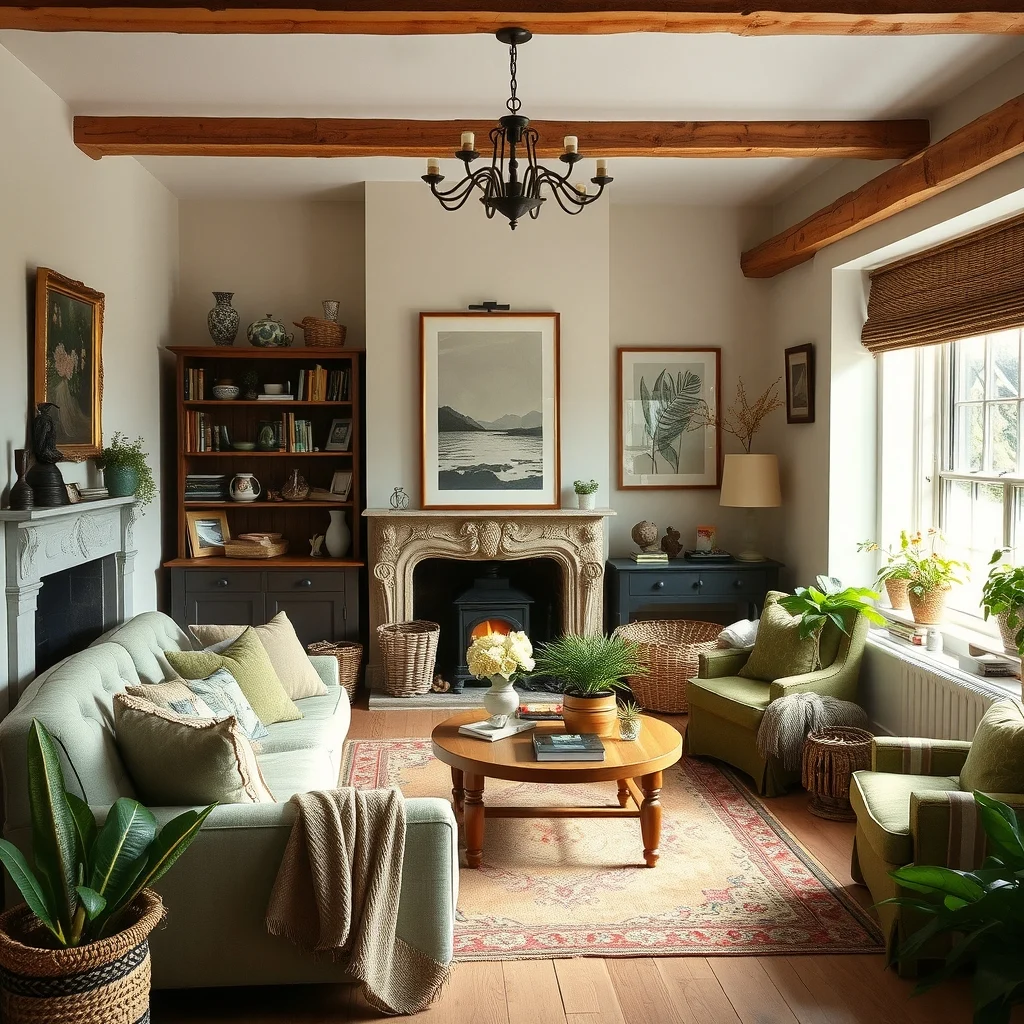
Creating an English cottage living room is less about strict rules and more about curating a space that feels lived‑in, comfortable, and thoughtfully arranged. By focusing on softened walls, low seating, layered textiles, curated curios, gentle lighting, natural materials, and purposeful storage, you can achieve a room that welcomes you day after day. Remember that each element should serve both aesthetic and practical purposes, and a small compromise—such as choosing a slightly higher chair for taller guests—can keep the overall feel cohesive. With these ideas in hand, you’re ready to shape a living room that feels both timeless and personal.