
Creating Cozy Vintage Coffee Corners in Your Home
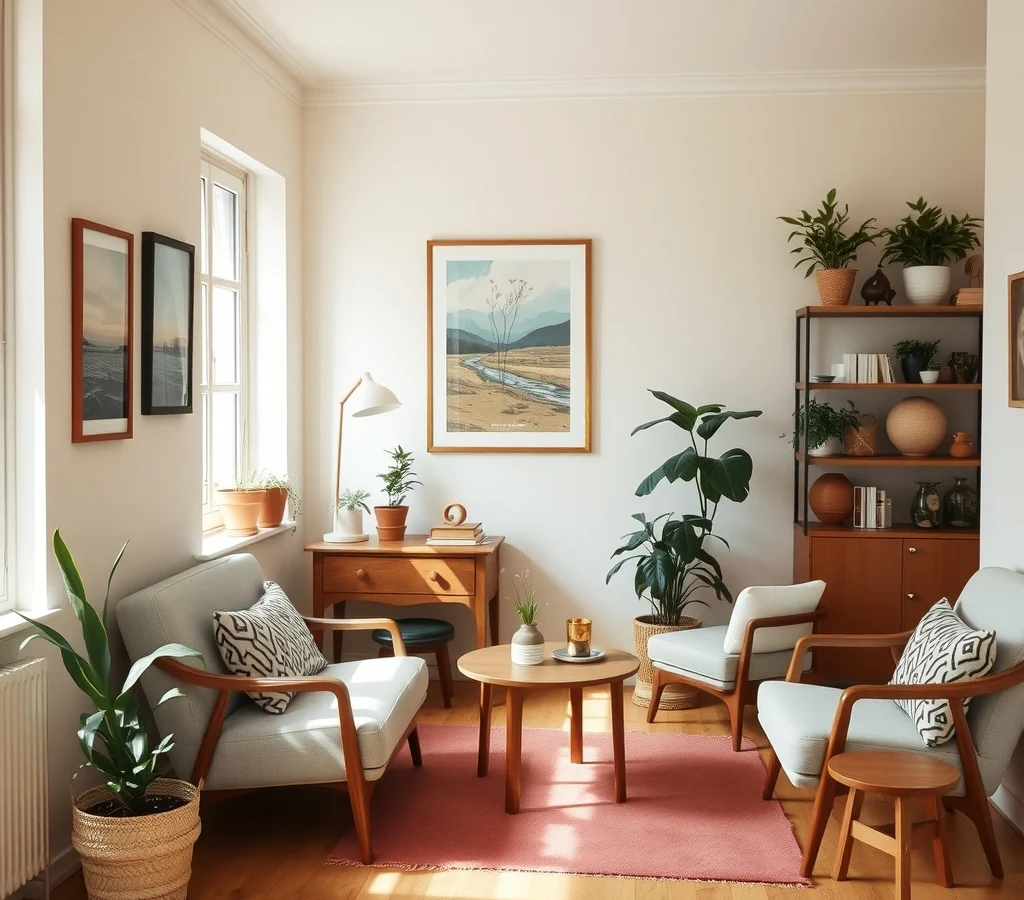
Finding a small nook that feels both functional and nostalgic can be a pleasant challenge, especially when you love the aroma of freshly brewed coffee. A vintage‑inspired coffee corner blends the charm of bygone eras with the practicality of modern living, giving you a dedicated space to pause, read, or entertain a guest over a cup. In the sections that follow, you’ll discover seven ways to shape that corner, from choosing the right furniture to mastering lighting, storage, and finishing touches. Each idea is grounded in everyday realities, so you can adapt it to apartments, houses, or even a converted attic.
1. Choose a Piece of Antiques That Sets the Tone
© 2026 AI Illustrator — Inspiration Only
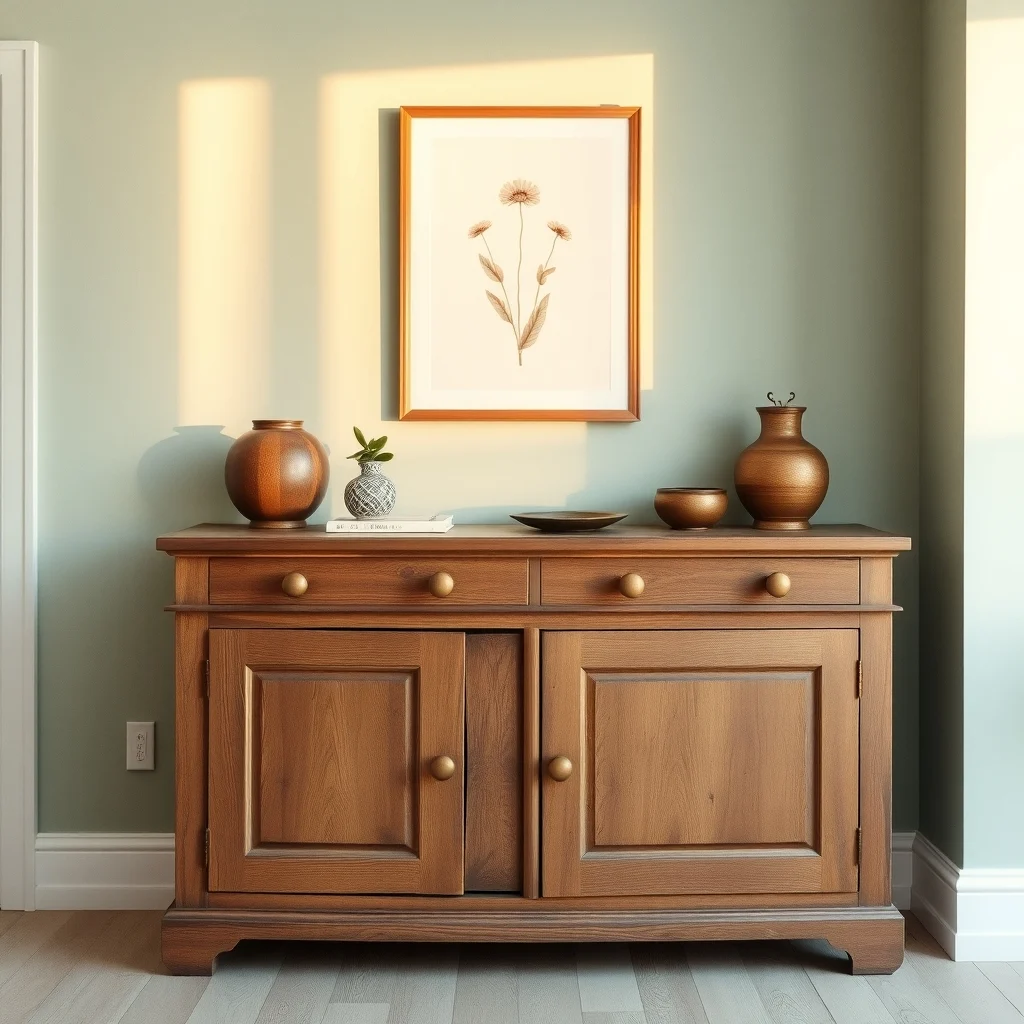
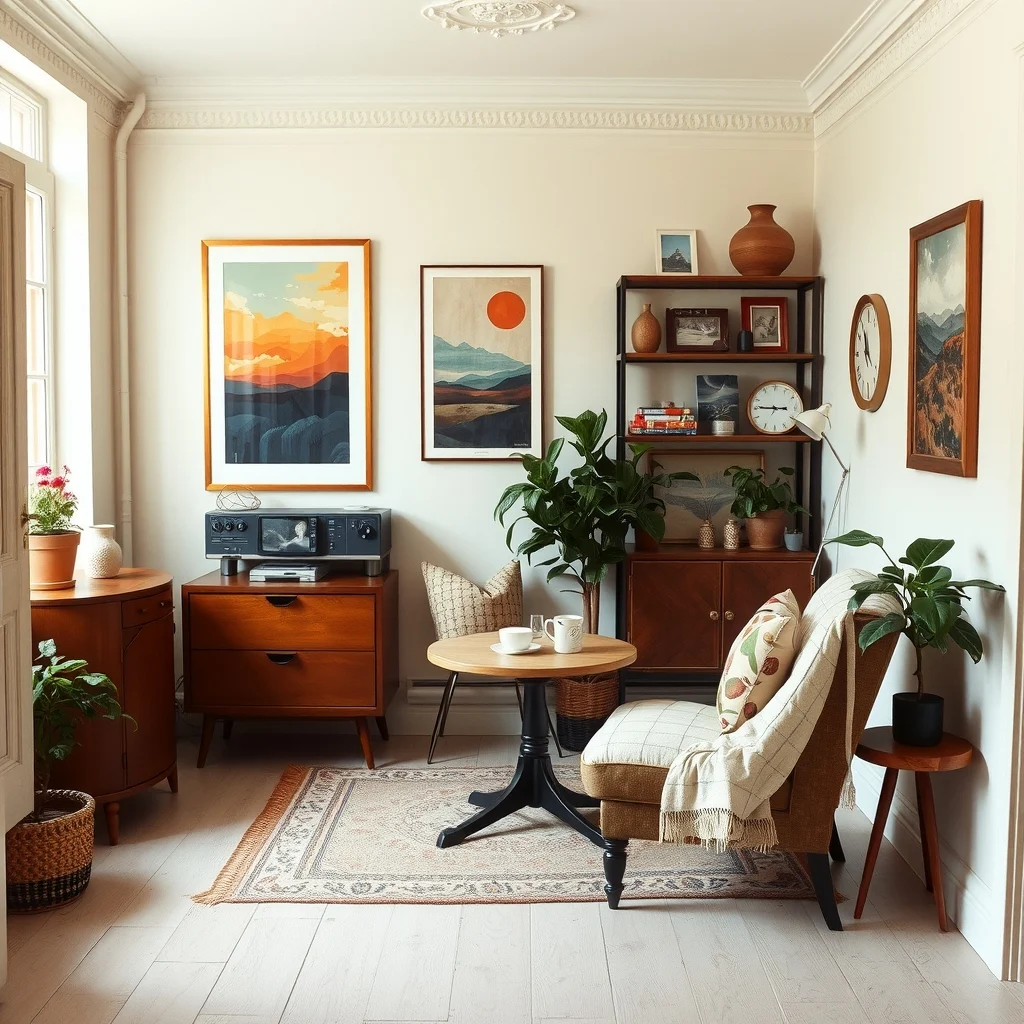
Starting with a single antique item—perhaps a reclaimed wooden sideboard, a mid‑century metal locker, or a weathered farmhouse table—creates an instant anchor for the coffee corner. The patina on a piece of oak tells a story, while the brass handles of a 1950s cabinet add a subtle sparkle. Selecting something with a solid surface gives you room for a coffee maker, a small stack of mugs, and a decorative tray without crowding the space. Keep in mind that larger antiques can dominate a tiny room, so scale the piece to the dimensions of the nook. If the item feels heavy, consider adding casters or a discreet rug underneath to protect flooring and make occasional rearranging easier.
Which Home Style Fits Your Space?
Answer 5 quick questions to find your perfect interior style and inspiration.
2. Pair the Anchor with Seating That Invites Relaxation
© 2026 AI Illustrator — Inspiration Only
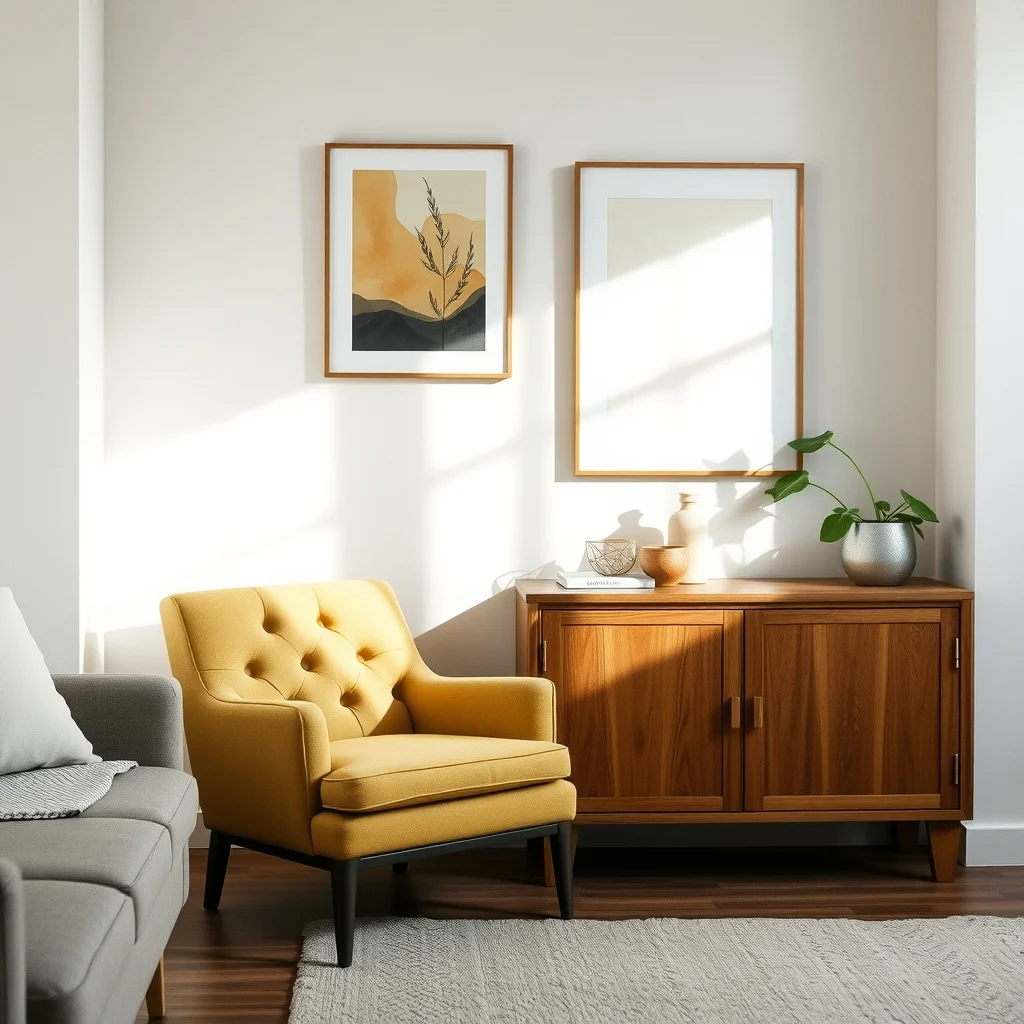
Seating is the heart of any coffee corner, and vintage styles offer a range of options that balance comfort with visual interest. A tufted armchair upholstered in soft linen or a low‑profile settee with rolled arms can echo the era you’re referencing while providing a place to settle with a book. When choosing upholstery, think about wear: fabrics like cotton twill or boucle age gracefully and hide minor spills better than delicate silk. A small footstool or a stack of woven poufs adds flexibility, letting you spread out a newspaper or tuck a laptop away. Remember that overly plush chairs may overwhelm a compact space, so aim for pieces that sit low to the floor and keep the visual line open.
3. Harness Natural Light and Layered Lighting for Mood
© 2026 AI Illustrator — Inspiration Only
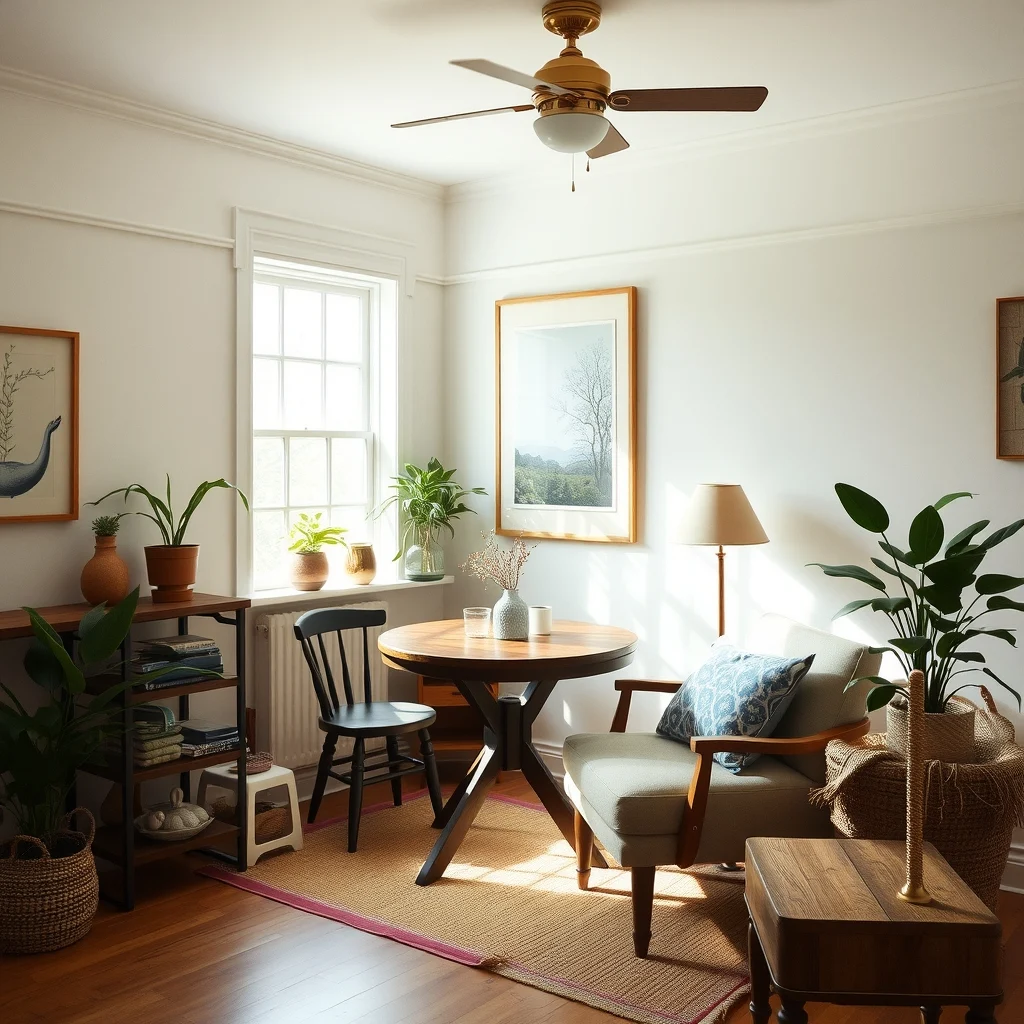
Even the most beautifully arranged corner can feel flat without thoughtful illumination. Position the coffee nook near a window to let morning light wash across the tabletop, highlighting the grain of reclaimed wood and the subtle sheen of brass hardware. When daylight fades, a table lamp with a muted shade—perhaps in aged cream or soft terracotta—creates a warm pool of light that invites lingering. Adding a wall‑mounted sconce in brushed copper offers directional lighting for reading without taking up floor space. Be cautious with overly bright bulbs; a lower wattage or a warm‑white LED preserves the vintage ambience while still providing enough illumination for tasks.
4. Integrate Open Shelving for Display and Accessibility
© 2026 AI Illustrator — Inspiration Only
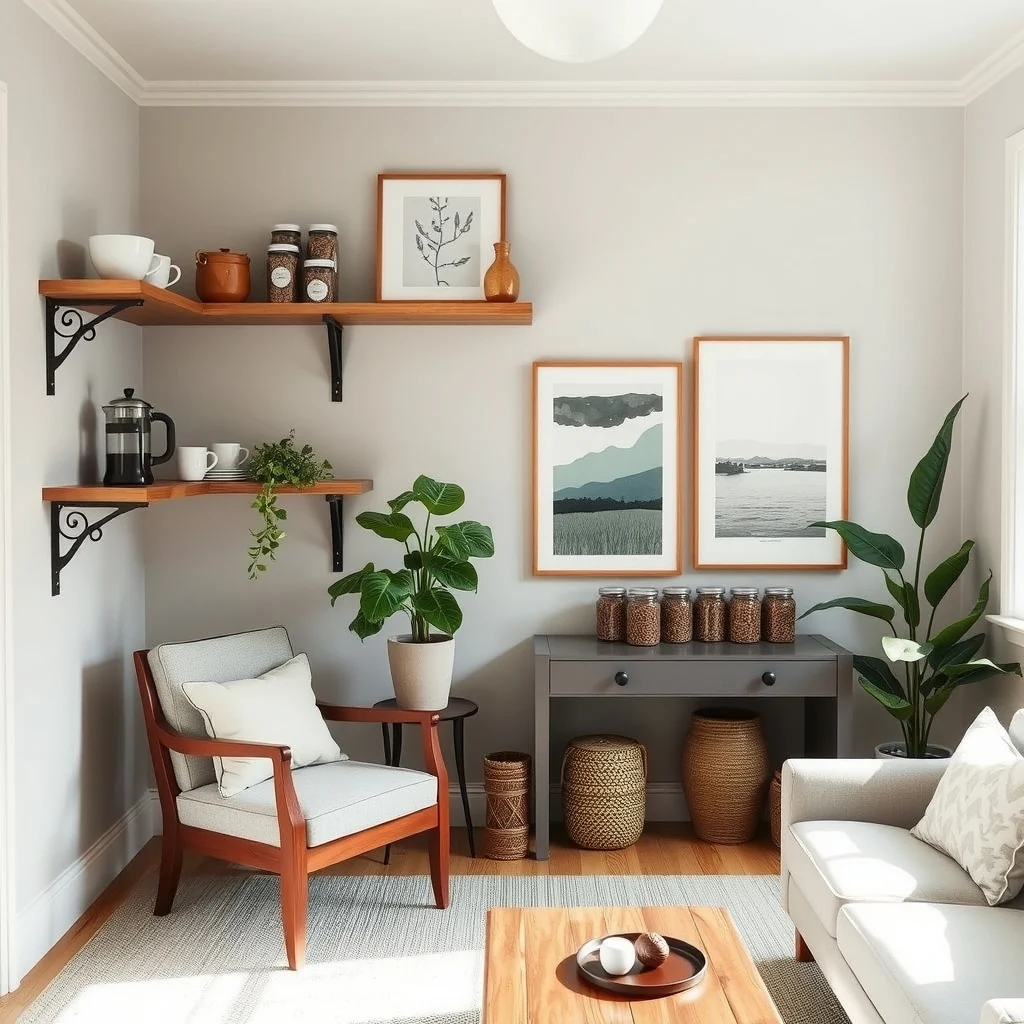
Open shelves made from reclaimed pine or metal brackets provide a practical way to store coffee accessories while keeping the visual weight low. Arrange mugs, a French press, and a handful of jars of beans on staggered shelves, allowing each item to breathe. The open format encourages you to reach for what you need without digging through drawers, and the exposed back panel can become a canvas for a vintage sign or a framed botanical print. However, open storage also invites dust, so limit the number of items displayed and consider a thin dust‑proof liner on the shelves to simplify cleaning.
5. Choose a Color Palette That Echoes the Past Without Overpowering
© 2026 AI Illustrator — Inspiration Only
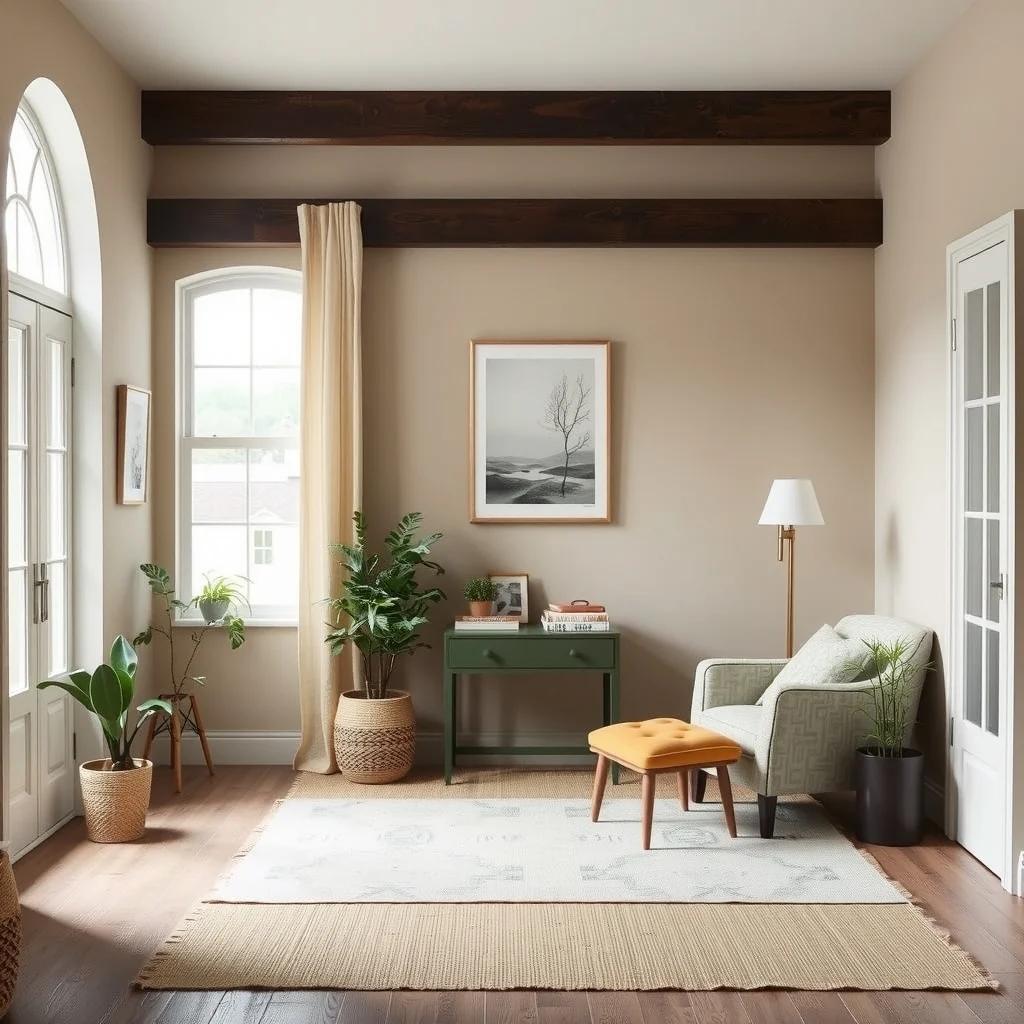
Muted hues work best for a vintage coffee corner, allowing the furniture and accessories to shine. Soft sage, warm greige, or a faded mustard can coat the walls or a small accent panel, creating a gentle backdrop that complements aged wood and metal. If the room already carries bold colors, keep the corner’s palette restrained to avoid visual clash. Adding a rug with a subtle geometric pattern in coordinating tones grounds the area and adds a tactile layer. Be aware that very dark colors can make a small nook feel cramped, so balance them with lighter accessories or reflective surfaces.
6. Incorporate Functional Details That Enhance the Experience
© 2026 AI Illustrator — Inspiration Only
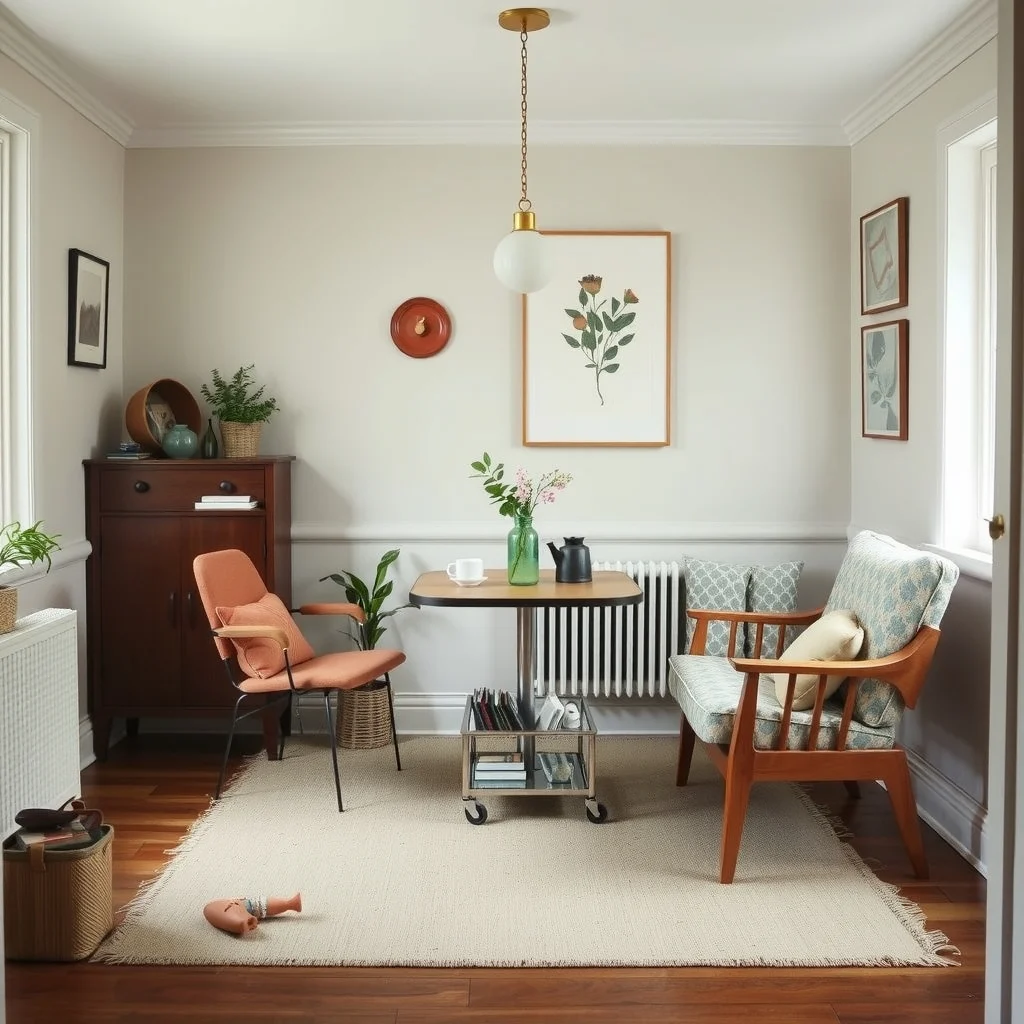
Small, purposeful details elevate a coffee corner from decorative to truly usable. A narrow rolling cart tucked beneath the table can hold a grinder, filters, and a small stash of sweeteners, sliding out when needed and disappearing when not. Installing a discreet power strip behind the anchor piece ensures your espresso machine or kettle stays plugged in without unsightly cords. If the space is near a hallway, a low‑profile coat hook in antique brass provides a place for mugs to hang, freeing up shelf space. Each addition should serve a clear purpose; unnecessary ornaments can clutter the area and detract from the intended calm.
7. Embrace Personal Touches While Maintaining Cohesion
© 2026 AI Illustrator — Inspiration Only
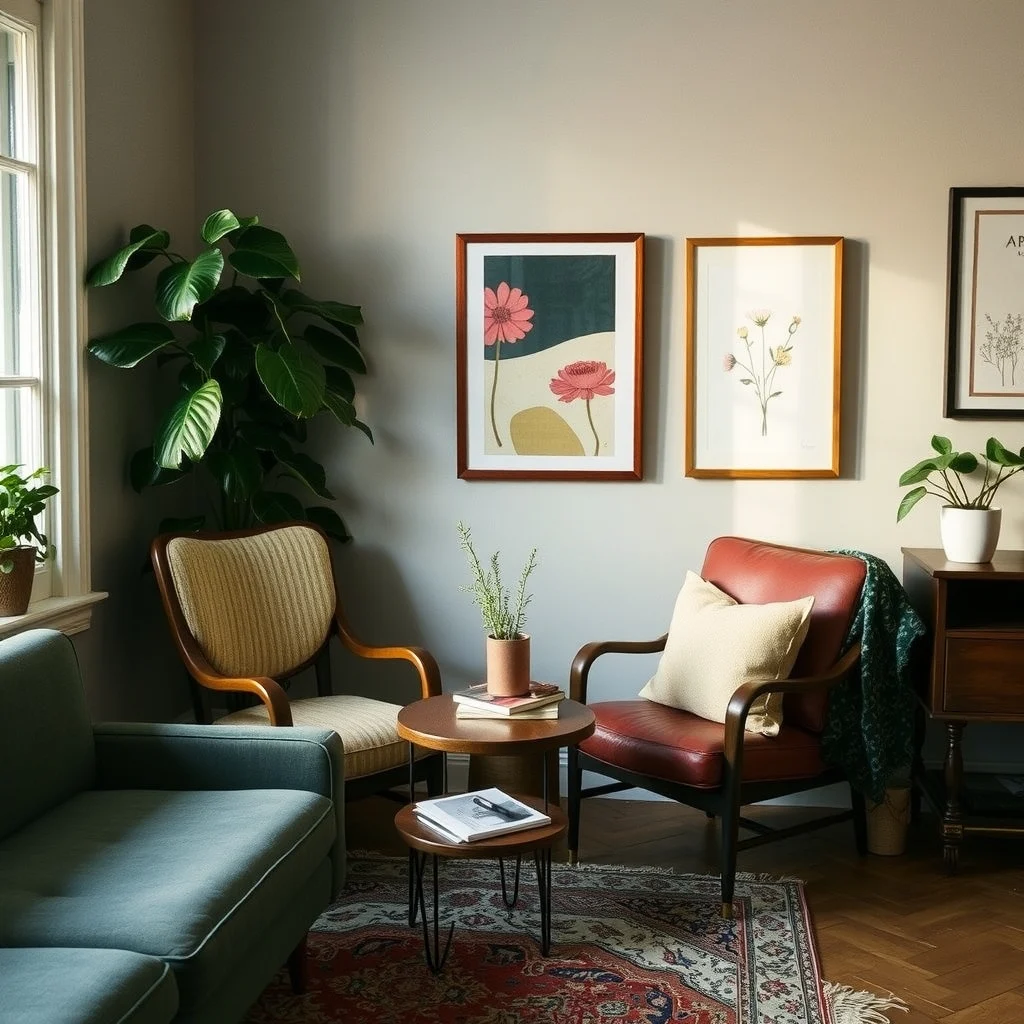
The final layer of any vintage coffee corner is the personal objects that make it yours. A well‑worn leather-bound notebook, a collection of handwritten recipe cards, or a single potted herb like rosemary can sit on the table, adding life without overwhelming the design. Choose items that have a story or functional role, such as a copper kettle that doubles as a decorative piece. When selecting décor, keep the overall silhouette consistent—mixing too many eras at once can create visual confusion. A balanced approach lets the corner feel lived‑in and inviting, inviting you back day after day.
Frequently Asked Questions
© 2026 AI Illustrator — Inspiration Only
How much space do I need for a vintage coffee corner?
A nook as small as three by four feet can accommodate a modest table, a single chair, and a few shelves if you choose compact furniture and keep the layout simple.
Can I create a vintage coffee corner in a rental without damaging walls?
Yes, use freestanding furniture, adhesive hooks designed for drywall, and a portable power strip to avoid permanent modifications.
What are low‑maintenance materials for a coffee corner?
Materials like sealed oak, brushed metal, and matte ceramic are resistant to stains and easy to wipe clean with a damp cloth.
Is it okay to mix different vintage periods?
Mixing periods works when the pieces share a common material or color family; otherwise, the space can feel disjointed.
Which Living Room Color Palette Fits You Best?
Discover the palette that reflects your style — take our free quick quiz and get instant decor inspiration!
Take the Quiz NowHow can I keep the area tidy without sacrificing style?
Integrate hidden storage—such as a drawer in the sideboard or a basket under the table—to conceal everyday items while maintaining the aesthetic.
Final Thoughts
© 2026 AI Illustrator — Inspiration Only
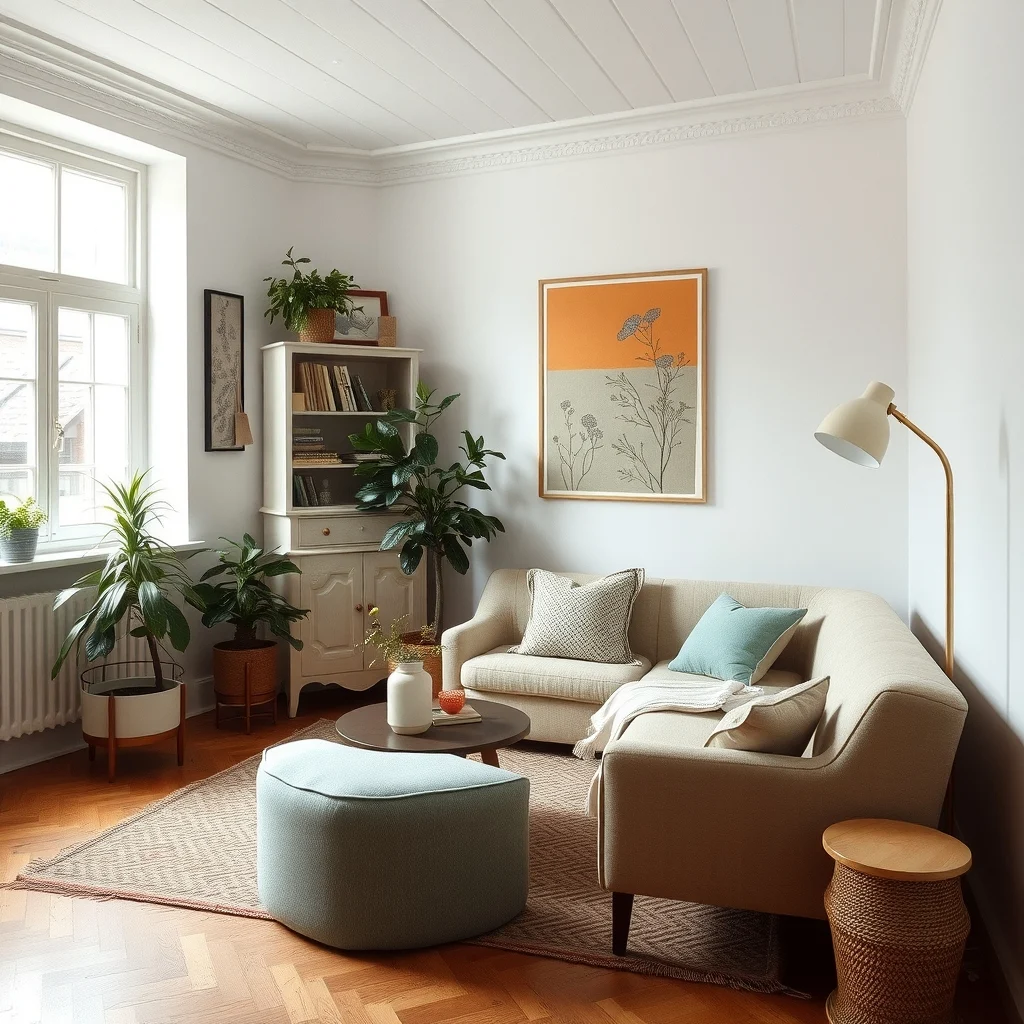
Designing a vintage coffee corner is less about strict rules and more about curating a space that feels both nostalgic and functional. By selecting a meaningful anchor piece, pairing it with comfortable seating, and paying attention to light, color, and storage, you create a nook that welcomes you each morning and offers a quiet retreat in the afternoon. Remember that the best corners evolve over time; let your personal items and habits shape the final look, and the corner will remain a cherished part of your home for years to come.