
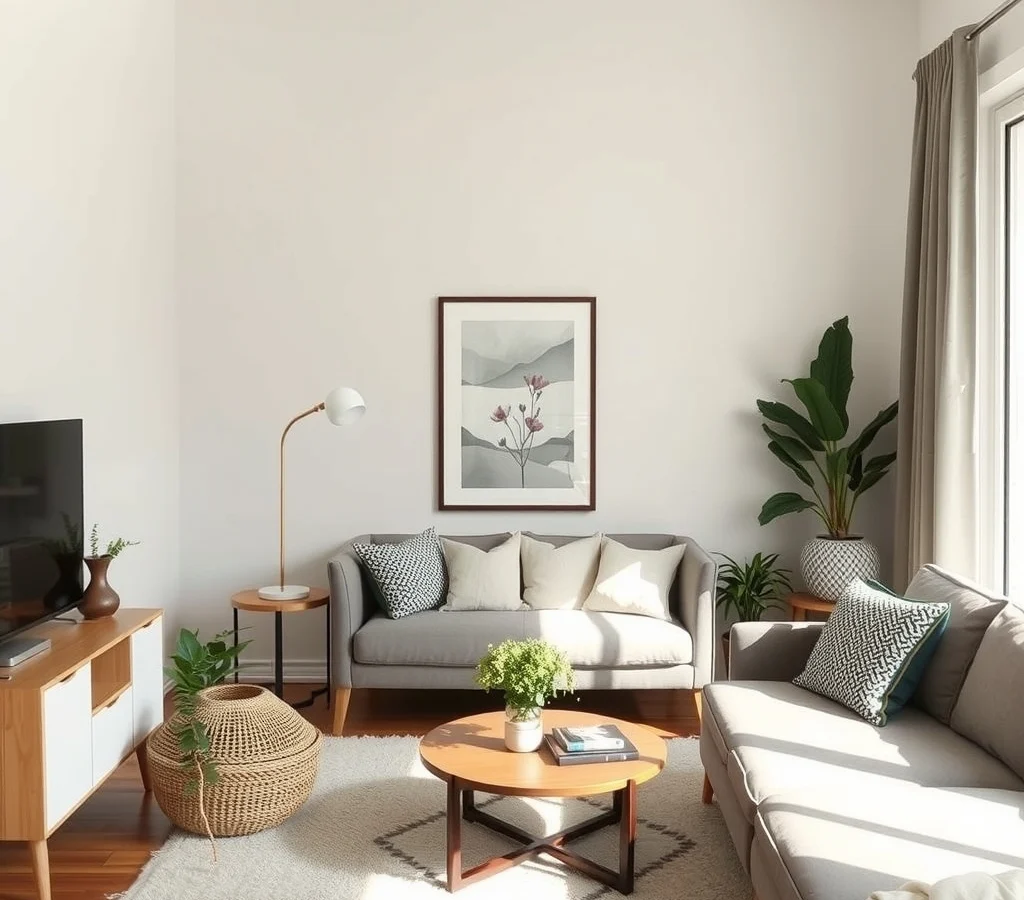
How to Make a Rental Apartment Feel Like a Real Home
Moving into a rental often feels like stepping into a showroom that’s waiting for your personality. The walls are neutral, the furniture is generic, and the space can feel temporary. Yet a home is less about ownership and more about the atmosphere you create. In this article you’ll discover seven ways to layer comfort, style, and function so that your lease‑hold transforms into a place that truly reflects you, without risking your security deposit.
1. Choose a Flexible Color Palette
© 2026 AI Illustrator — Inspiration Only
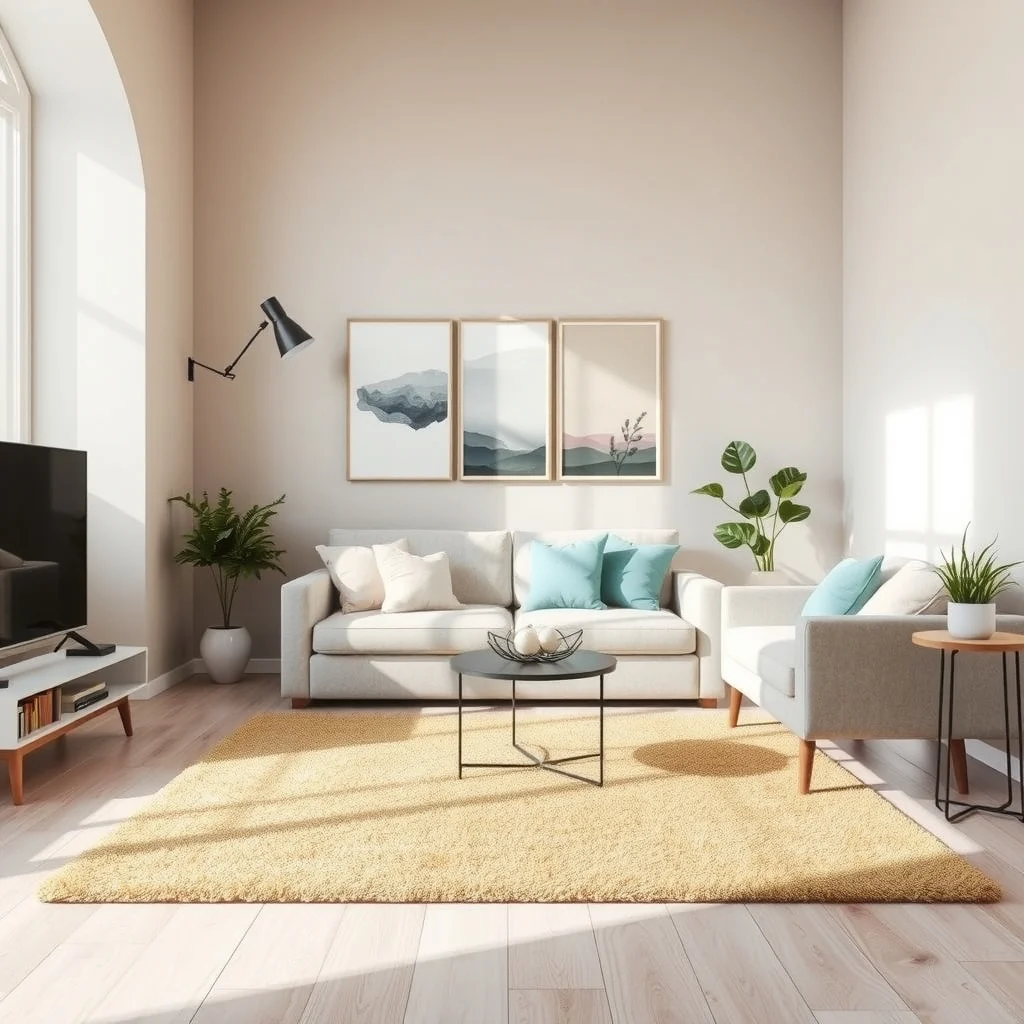
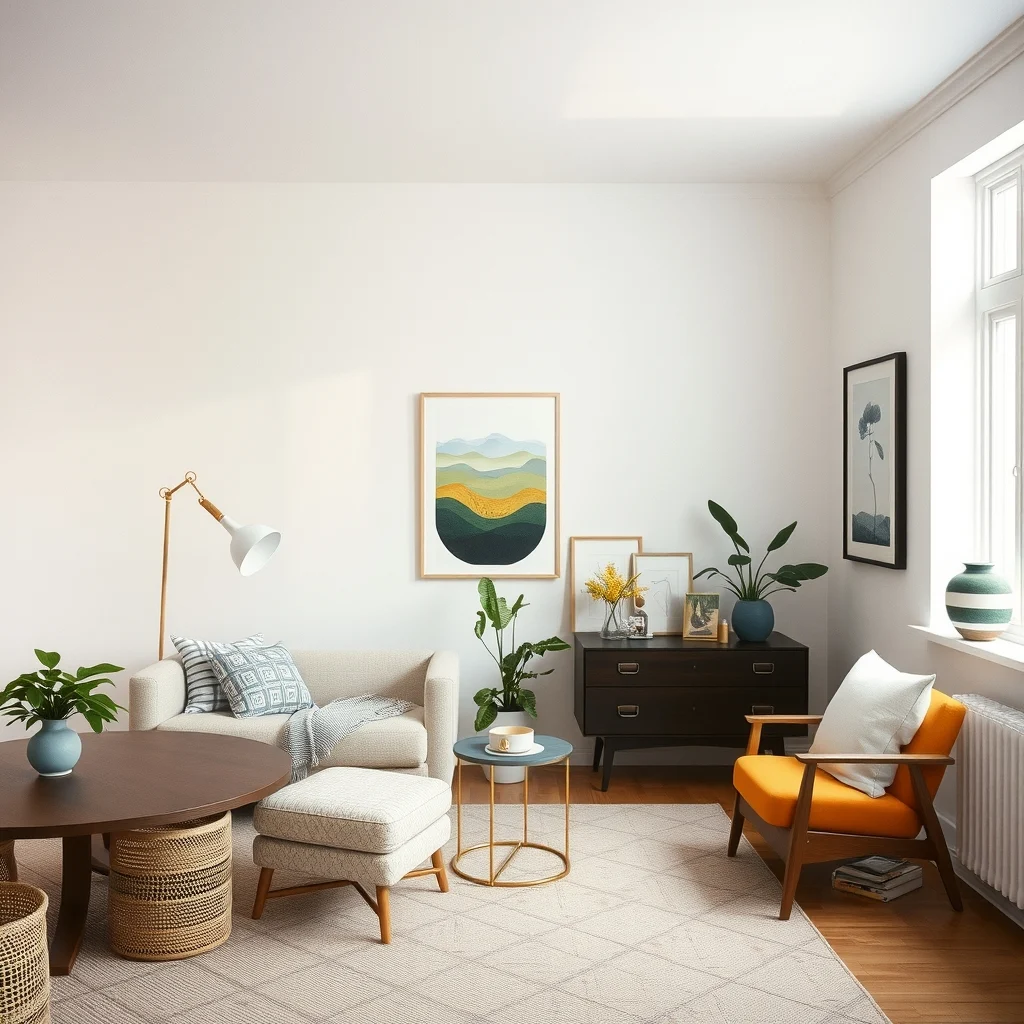
Even though most landlords restrict permanent paint, you can still introduce color through removable options. A soft greige wall paired with a deep olive accent rug instantly adds depth, while a collection of pastel throw pillows brings in a playful hue. When you select textiles, think about the undertones that will harmonize with the existing neutral walls; this creates a cohesive backdrop without a single brushstroke. Removable wallcoverings or peel‑and‑stick tiles work well on a single feature wall, offering the visual impact of paint but the freedom to peel them away when it’s time to move. The key is to balance bold accents with subtle neutrals so the room feels curated rather than chaotic.
Which Home Style Fits Your Space?
Answer 5 quick questions to find your perfect interior style and inspiration.
2. Layer Light Sources for Mood and Function
© 2026 AI Illustrator — Inspiration Only
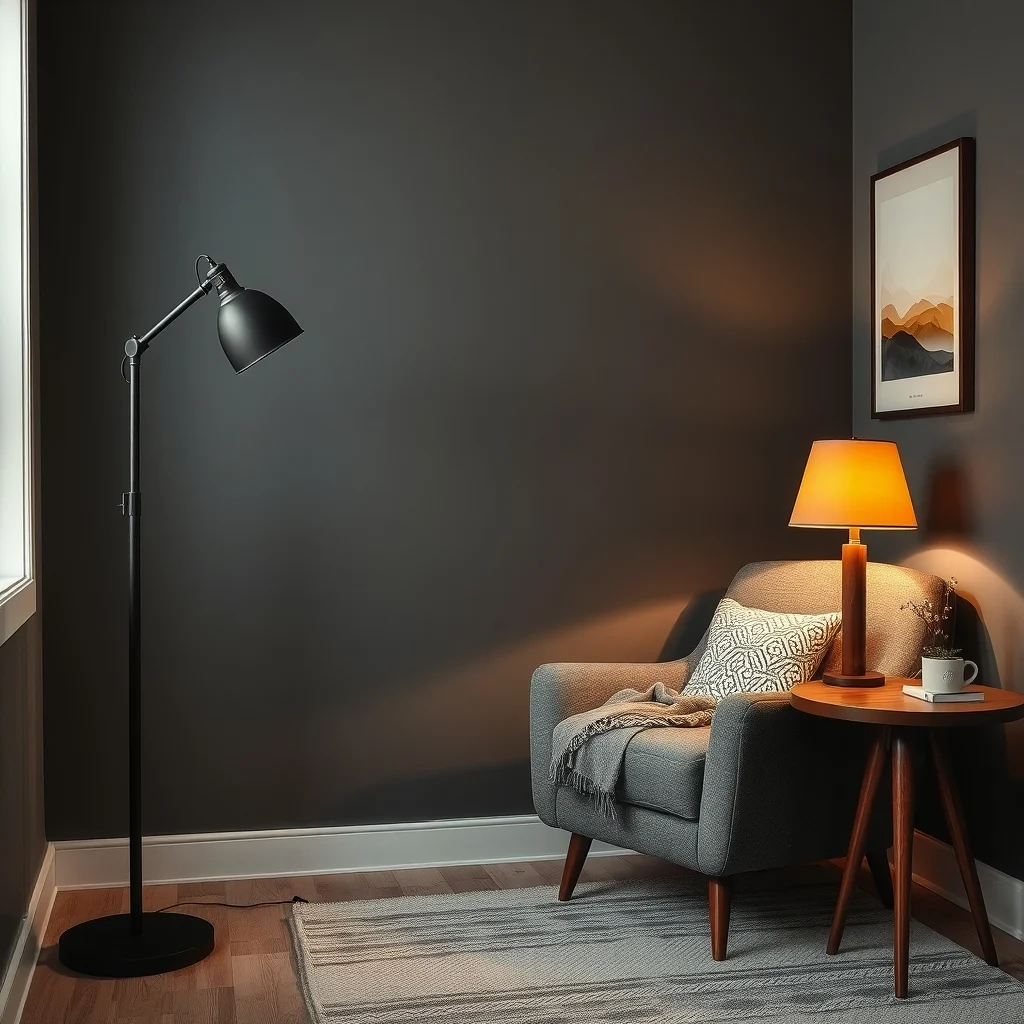
Rentals often rely on a single overhead fixture, which can leave the space feeling flat. Adding a floor lamp beside a reading chair introduces directional light that invites you to linger, while a small table lamp on a sideboard softens the ceiling glow for evenings. String lights draped across a headboard or a window frame provide a gentle, decorative glow without requiring any wiring changes. By mixing ambient, task, and accent lighting you create zones that feel intentional, and you gain control over the room’s atmosphere throughout the day. The trade‑off is a modest increase in electricity use, but the comfort gain usually outweighs the cost.
3. Introduce Textiles to Warm Up Hard Surfaces
© 2026 AI Illustrator — Inspiration Only
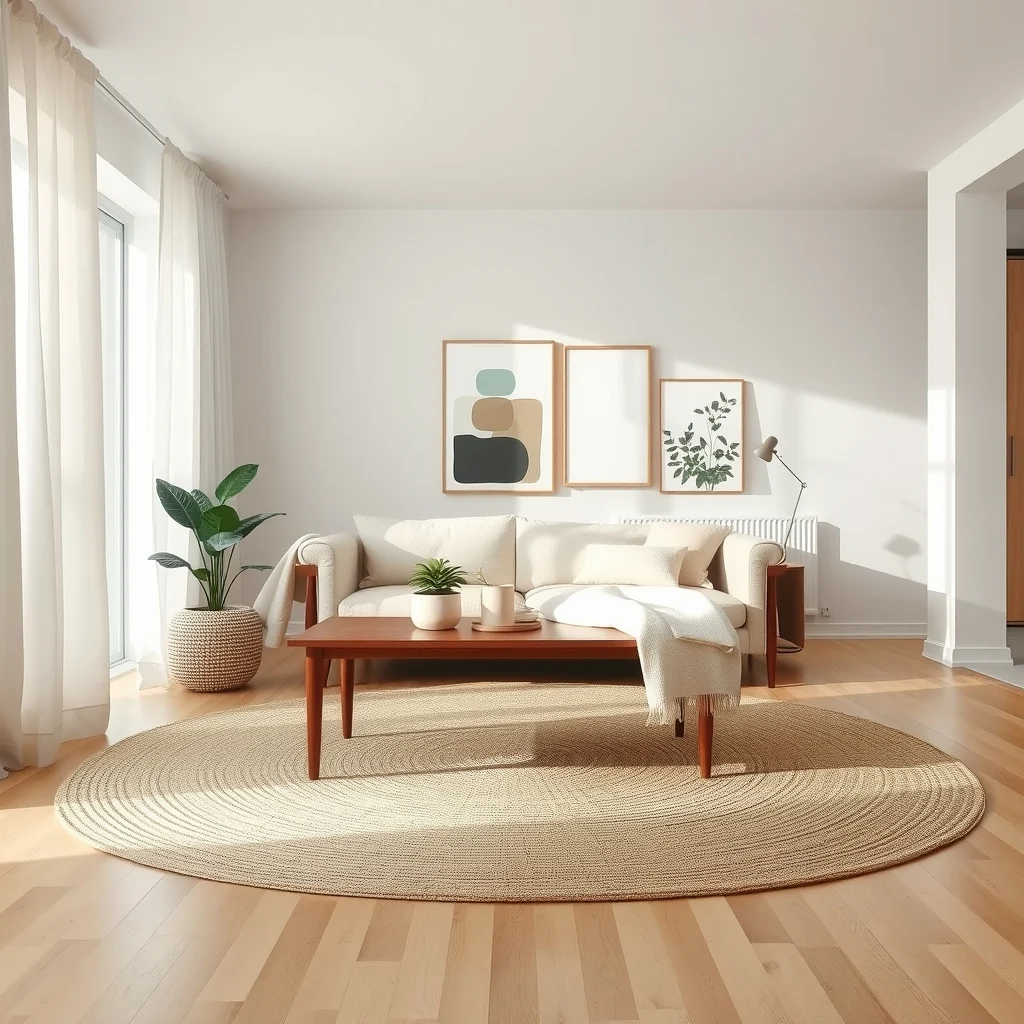
Hard floors and stark windows can make a rental feel clinical. A well‑chosen area rug—perhaps a low‑pile jute in a natural shade—softens foot traffic and defines a living area, especially in open‑plan layouts. Curtains made from linen or cotton not only add color but also filter harsh daylight, reducing glare and adding privacy. Adding a few textured cushions—think boucle or velvet—in varying sizes invites you to sink into the sofa and makes the seating area feel lived‑in. These textiles are easy to replace when your style shifts, and most are machine‑washable, keeping maintenance simple.
4. Arrange Furniture to Encourage Flow and Personality
© 2026 AI Illustrator — Inspiration Only
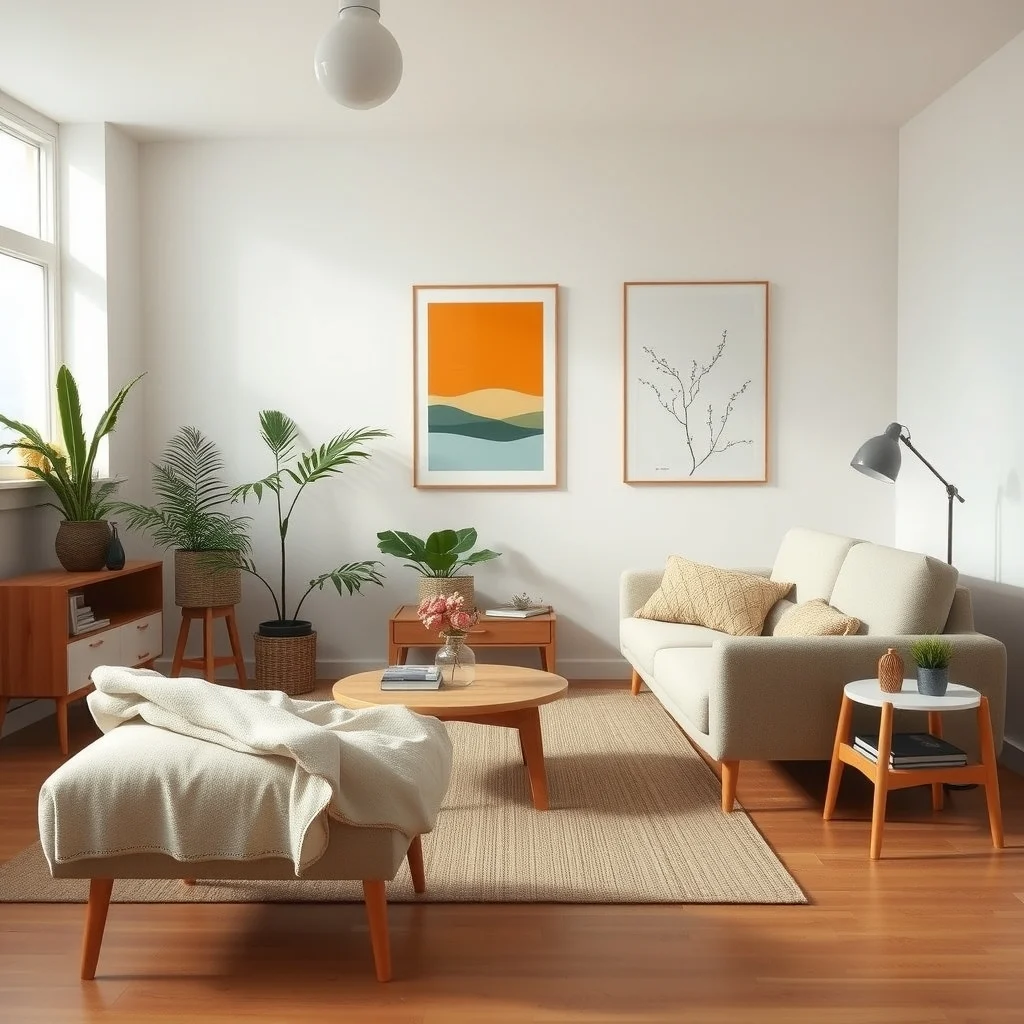
In a rental the furniture you bring is often the most personal element you own. Position a sofa opposite a focal point such as a TV or an art piece, leaving a clear pathway around it to avoid a cramped feel. A slim, mid‑century coffee table offers surface space without overwhelming the floor plan, while a storage ottoman doubles as extra seating and a place to stash blankets. When space is limited, a wall‑mounted desk or a collapsible dining table can be folded away, preserving room for social gatherings. The downside is that multi‑functional pieces can be heavier, so be sure the floor can support them before committing.
5. Display Personal Artwork Without Damaging Walls
© 2026 AI Illustrator — Inspiration Only
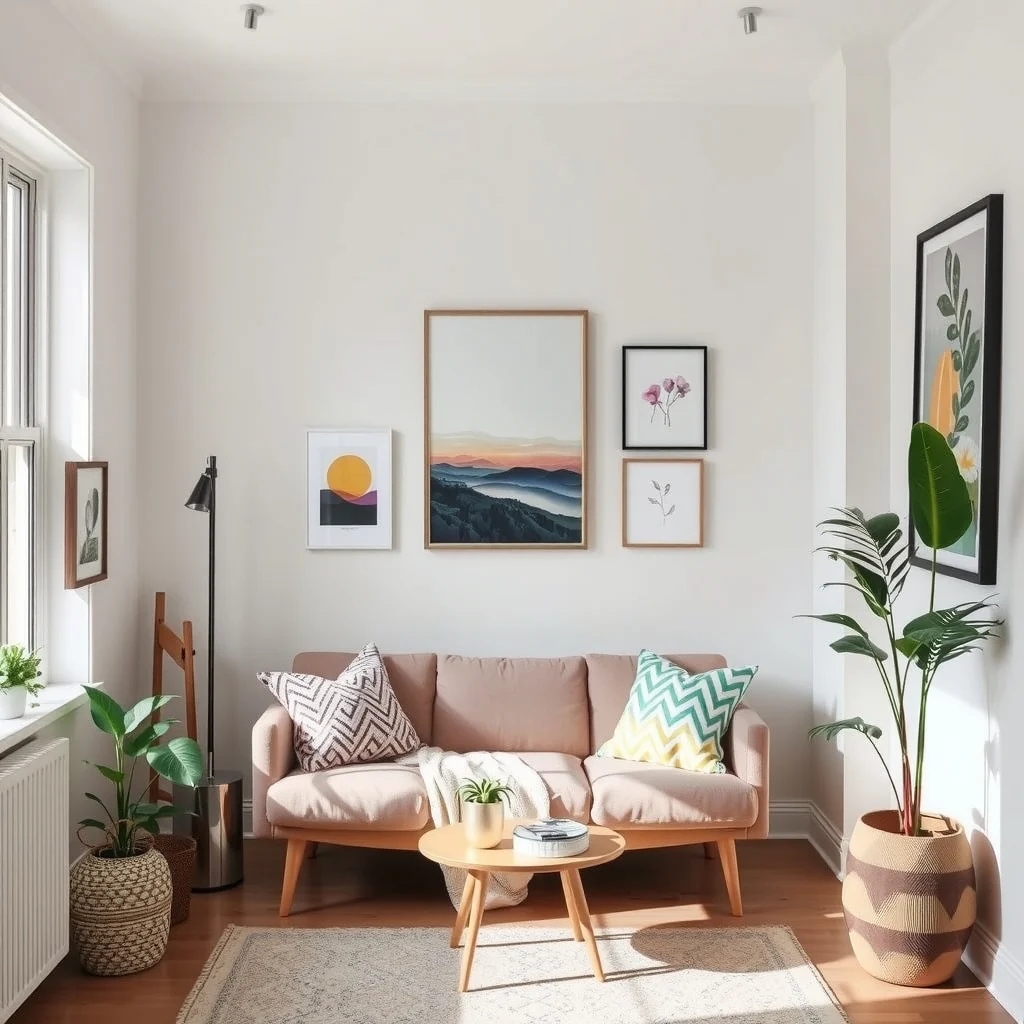
Photos, prints, and small sculptures give a rental its unique voice, but drilling holes is rarely an option. Command strips, adhesive hooks, and magnetic paint provide sturdy alternatives that leave no marks when removed. Curate a gallery wall by grouping frames of varying sizes but similar finishes—perhaps brushed brass or matte black—to create visual cohesion. Rotating the artwork seasonally keeps the display fresh and allows you to showcase new memories without extra cost. The only limitation is the weight capacity of the adhesive solutions; heavier pieces may need a more robust mounting method.
6. Bring Nature Inside with Low‑Maintenance Plants
© 2026 AI Illustrator — Inspiration Only
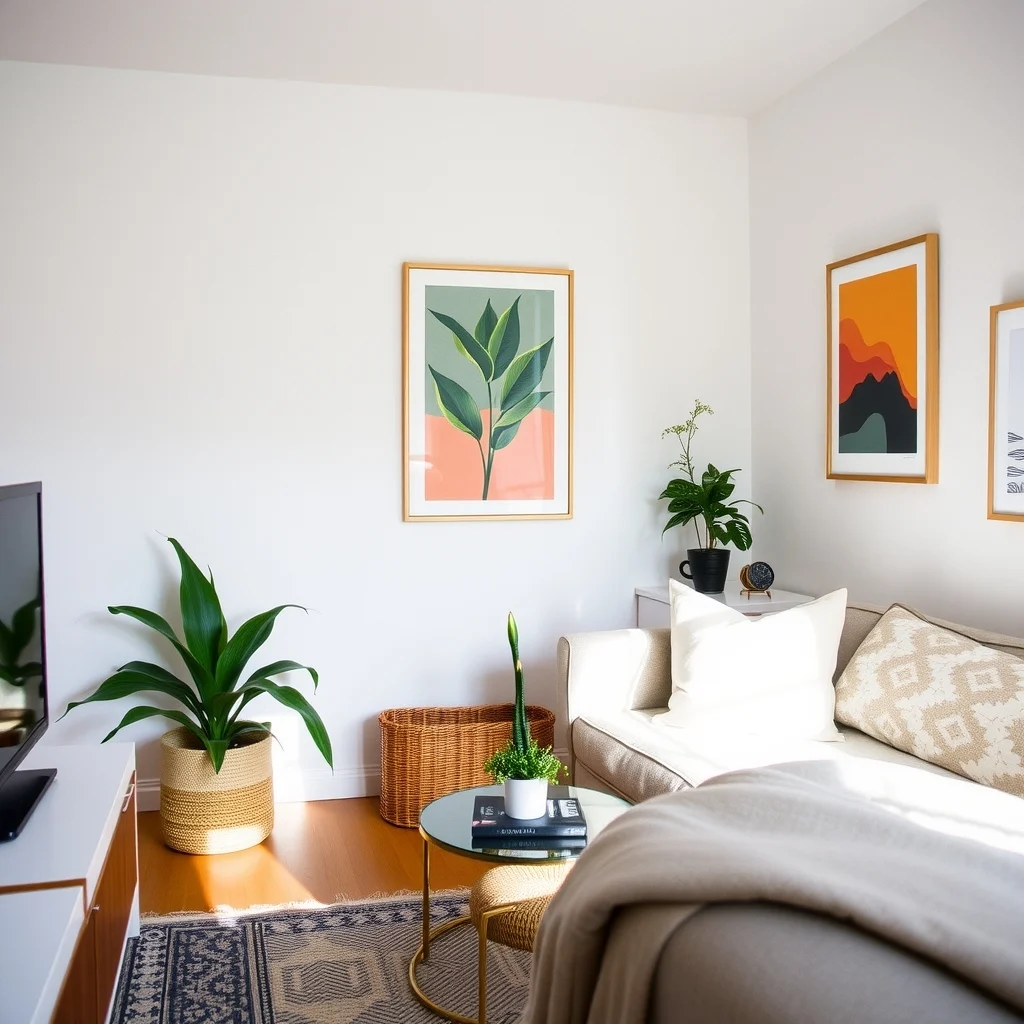
Plants add a subtle splash of green and improve indoor air quality, making a rental feel more alive. A snake plant or ZZ plant tolerates low light and infrequent watering, perfect for busy schedules. For a splash of color, a pothos in a hanging macramé holder brightens a corner without taking up floor space. If you have a sunny window, a small herb garden in repurposed mason jars supplies fresh flavor for cooking and a pleasant scent. The primary consideration is the lease’s pet policy—some plants can be toxic to cats or dogs, so choose wisely.
7. Use Decorative Storage to Keep Clutter at Bay
© 2026 AI Illustrator — Inspiration Only
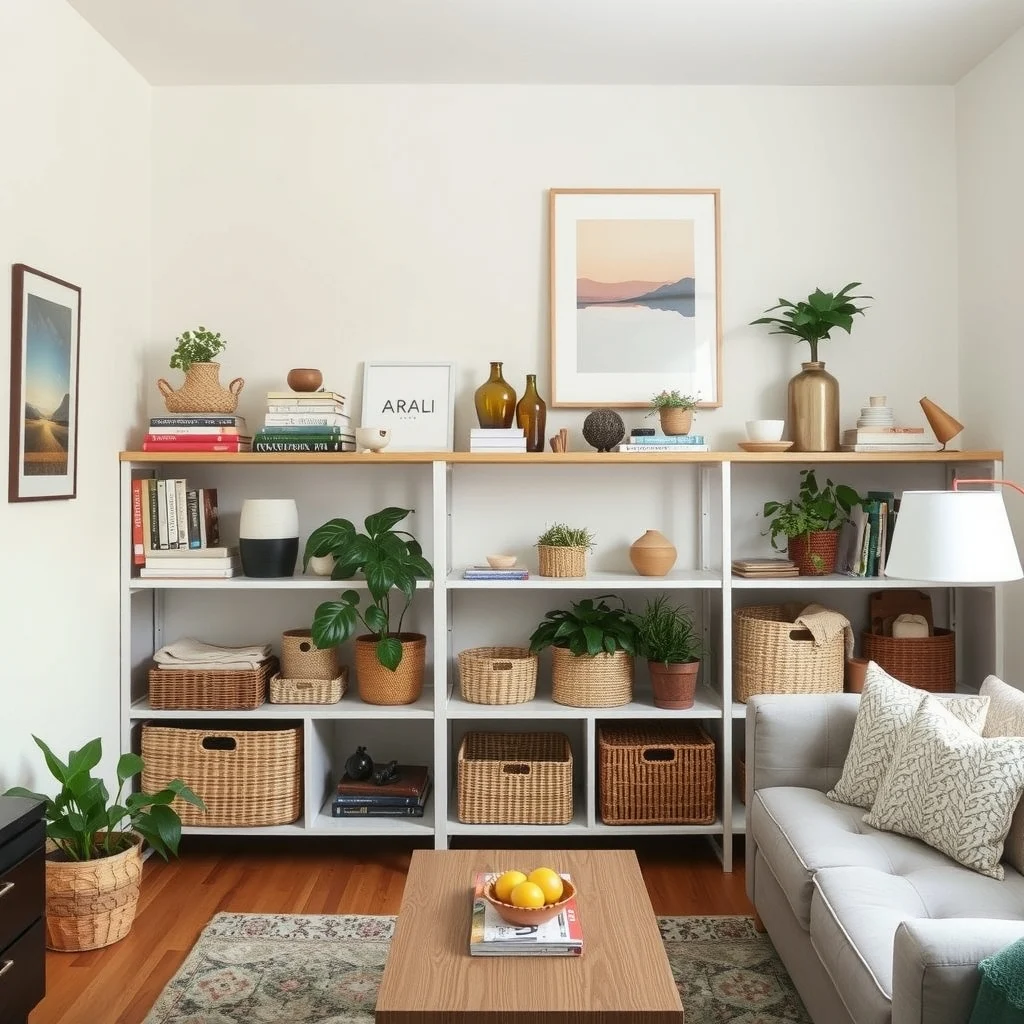
Open shelving can showcase books and decorative objects, but without baskets or boxes it can quickly become a mess. Woven baskets in natural fibers conceal laundry, magazines, or pantry items while adding texture to the room. A set of stacked wooden crates doubles as a side table and a place to tuck away shoes or extra linens. When choosing storage pieces, prioritize those with a finished surface that can be wiped clean, especially in kitchens or bathrooms where splashes are common. The trade‑off is that decorative storage may cost slightly more than plain plastic bins, yet the aesthetic payoff often justifies the expense.
FAQ
© 2026 AI Illustrator — Inspiration Only
Can I paint the walls in a rental?
You can paint if your lease permits it, but many landlords prefer temporary solutions. Removable wallcoverings or low‑odor, water‑based paints that are easy to clean off are safer alternatives.
How do I hang pictures without leaving holes?
Adhesive strips and hooks designed for picture hanging provide a secure grip and remove cleanly. For heavier frames, consider a tension rod system or a removable mounting rail that distributes weight across the wall.
What are affordable ways to add personality?
Swap out hardware like cabinet knobs, add a patterned rug, or use decorative pillows. These items are inexpensive, easy to replace, and have a big visual impact.
How can I make a small studio feel larger?
Use light‑colored textiles, place mirrors opposite windows, and keep furniture low to the ground. A single rug that defines the living area instead of multiple floor pieces also opens up the floor plan.
Which Living Room Color Palette Fits You Best?
Discover the palette that reflects your style — take our free quick quiz and get instant decor inspiration!
Take the Quiz NowIs it worth investing in a standing desk for a rental?
A standing desk can improve ergonomics, but a portable, height‑adjustable laptop riser offers similar benefits without permanent alterations. Choose a model that can be easily stored when you move.
Final Thoughts
© 2026 AI Illustrator — Inspiration Only
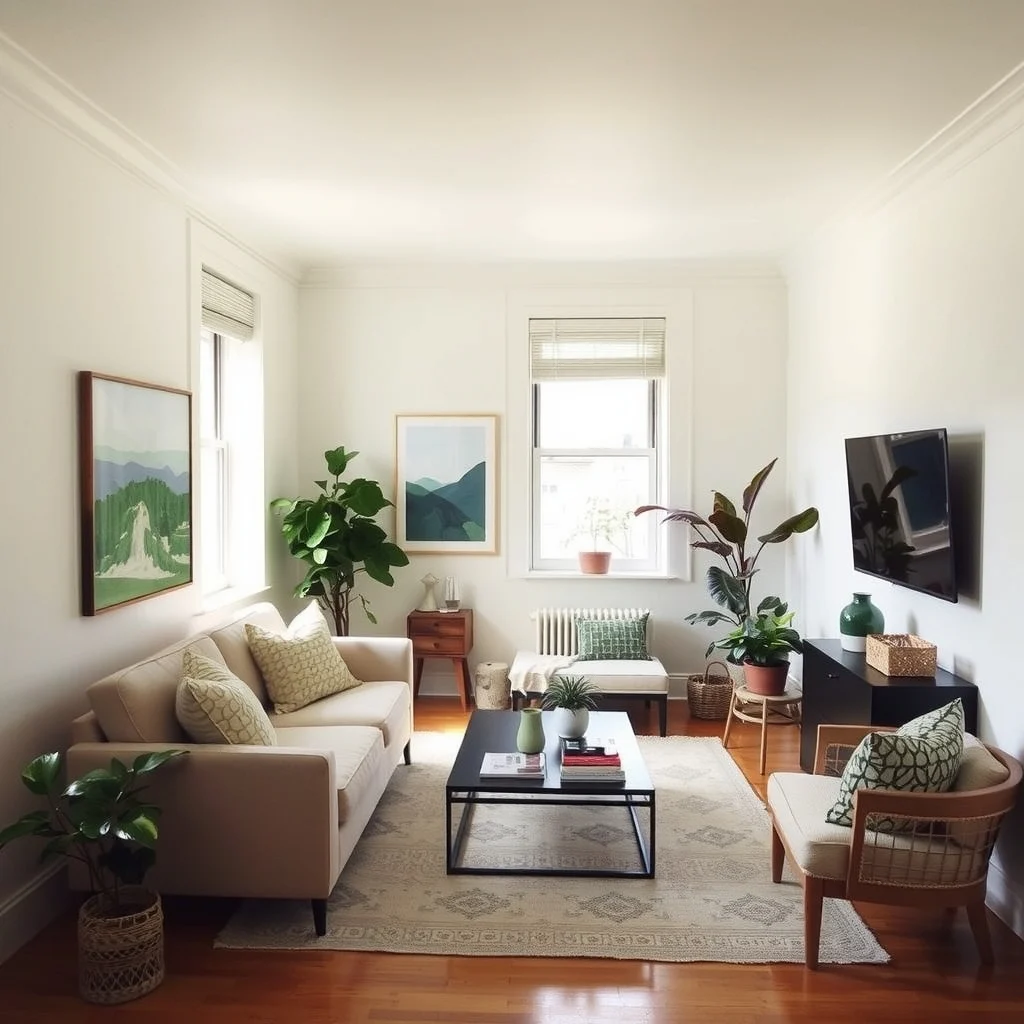
Turning a rental into a home is less about permanent changes and more about thoughtful layering. By selecting adaptable color accents, curating lighting, introducing textiles, arranging furniture with intention, displaying personal art safely, welcoming plants, and organizing with style, you create a space that feels lived‑in and uniquely yours. The most satisfying part is that each element can be swapped out when your next lease begins, allowing you to carry the feeling of home with you wherever you go.