
Living Room Decorating Ideas Using Furniture You Already Own
When you look at a living room that feels cramped or under‑styled, the first impulse is often to buy new pieces. Yet many of the most satisfying updates come from re‑thinking the furniture you already have. By shifting placement, adding small accessories, or giving an old item a fresh purpose, you can create a room that feels intentional without the cost of a full redesign. Below are seven ideas that show how a little imagination and a few practical tweaks can turn familiar pieces into the foundation of a refreshed living space.
1. Rethink the Seating Layout for Better Flow
© 2026 AI Illustrator — Inspiration Only
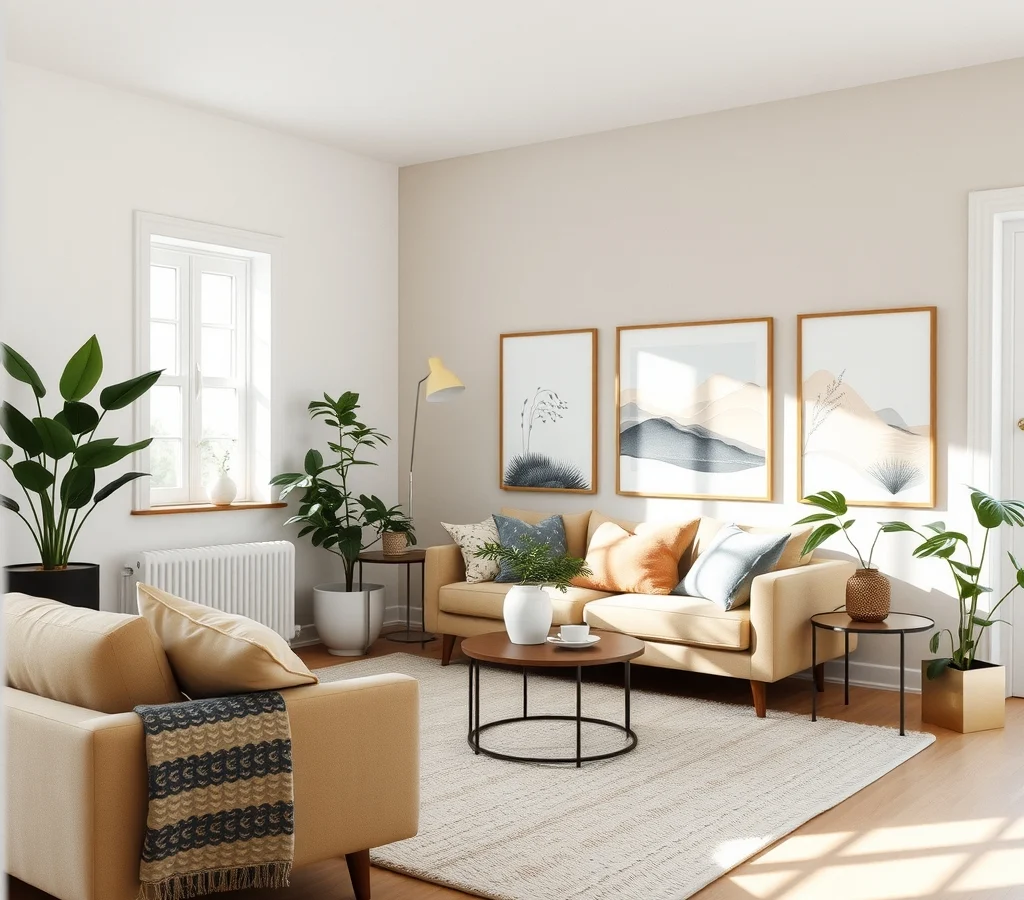
Start by examining the way people move through the room. If the sofa faces a wall with a narrow gap behind it, traffic will feel restricted. Pull the sofa a few inches away from the wall, or rotate it so that the back rests against a larger surface like a bookshelf or media console. This creates a clear pathway between the entryway and the focal point, usually a TV or fireplace. When you have an armchair or ottoman, consider grouping it at an angle rather than directly opposite the sofa; a slight diagonal can open up the center of the room and invite conversation. Keep the scale in mind—too many large pieces can crowd the space, while a well‑spaced arrangement makes the room feel airy. If you have a rug, ensure the front legs of the main seating sit on it to anchor the layout.
Which Home Style Fits Your Space?
Answer 5 quick questions to find your perfect interior style and inspiration.
2. Turn Side Tables into Curated Display Surfaces
© 2026 AI Illustrator — Inspiration Only
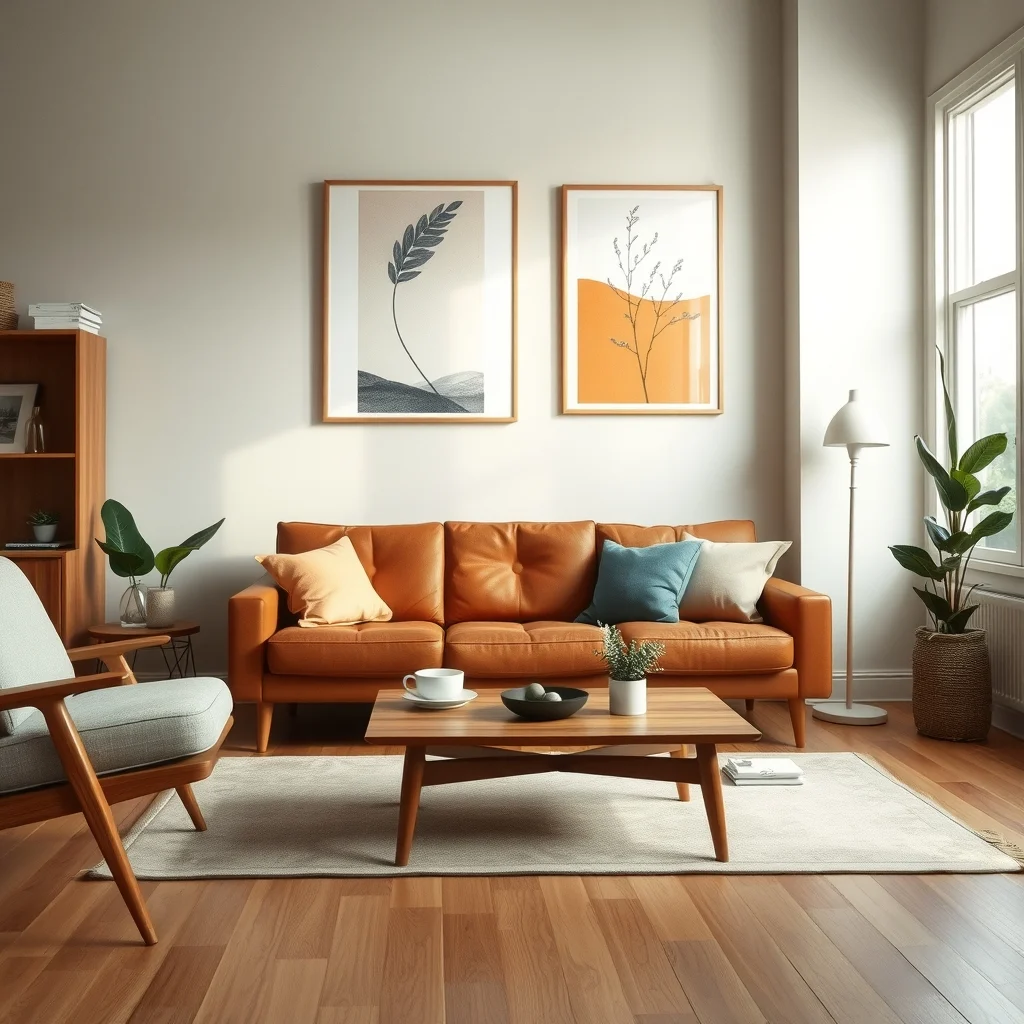
Side tables often sit unnoticed, but they are perfect platforms for small decorative groups. Gather a few objects you already own—perhaps a ceramic vase, a stack of coffee‑table books, or a framed photograph—and arrange them with varying heights. A taller object placed at the back draws the eye, while lower items keep the composition balanced. Mixing materials such as wood, metal, and glass adds visual interest without needing new purchases. If the table surface is scratched or faded, a clear placemat can protect it while providing a fresh backdrop. Remember that clutter can quickly overwhelm a small table, so limit the group to three or four pieces that complement each other in color or texture.
3. Repurpose an Existing Bookshelf as a Room Divider
© 2026 AI Illustrator — Inspiration Only
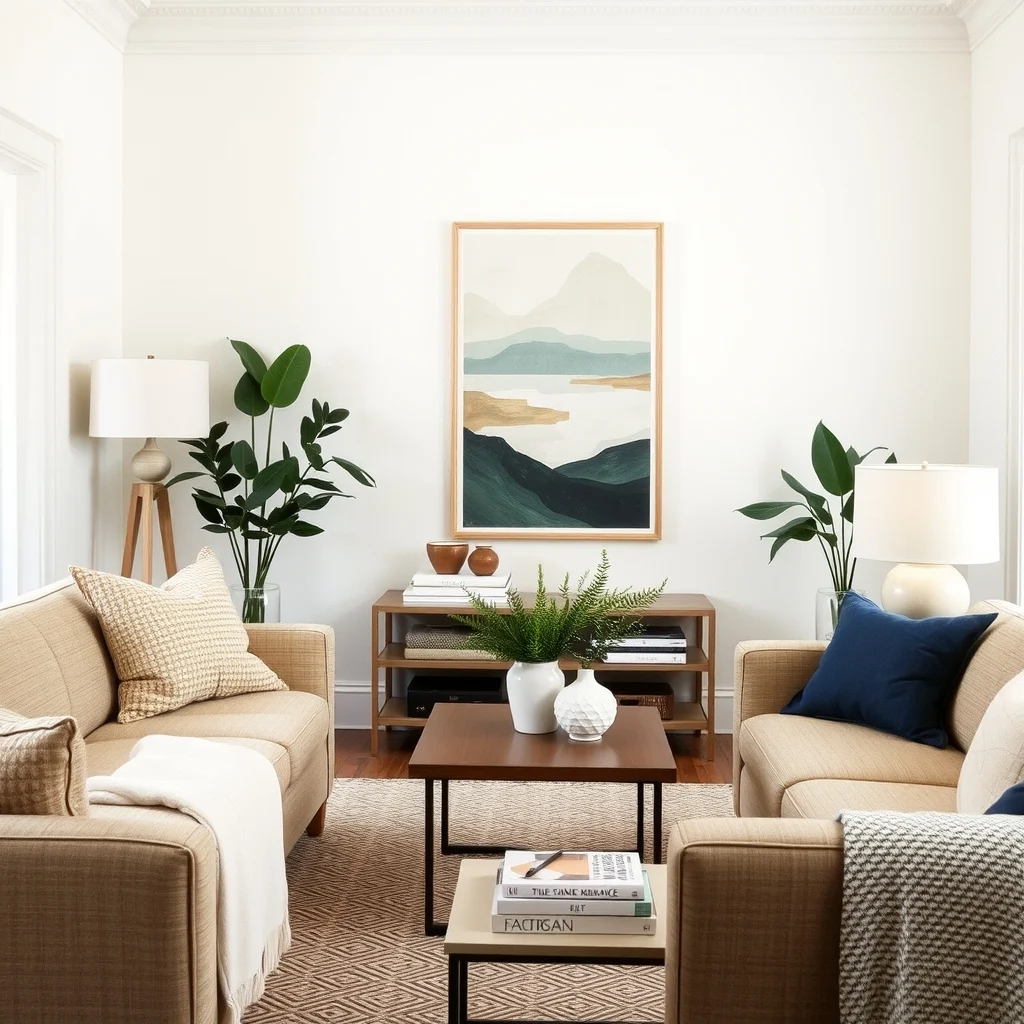
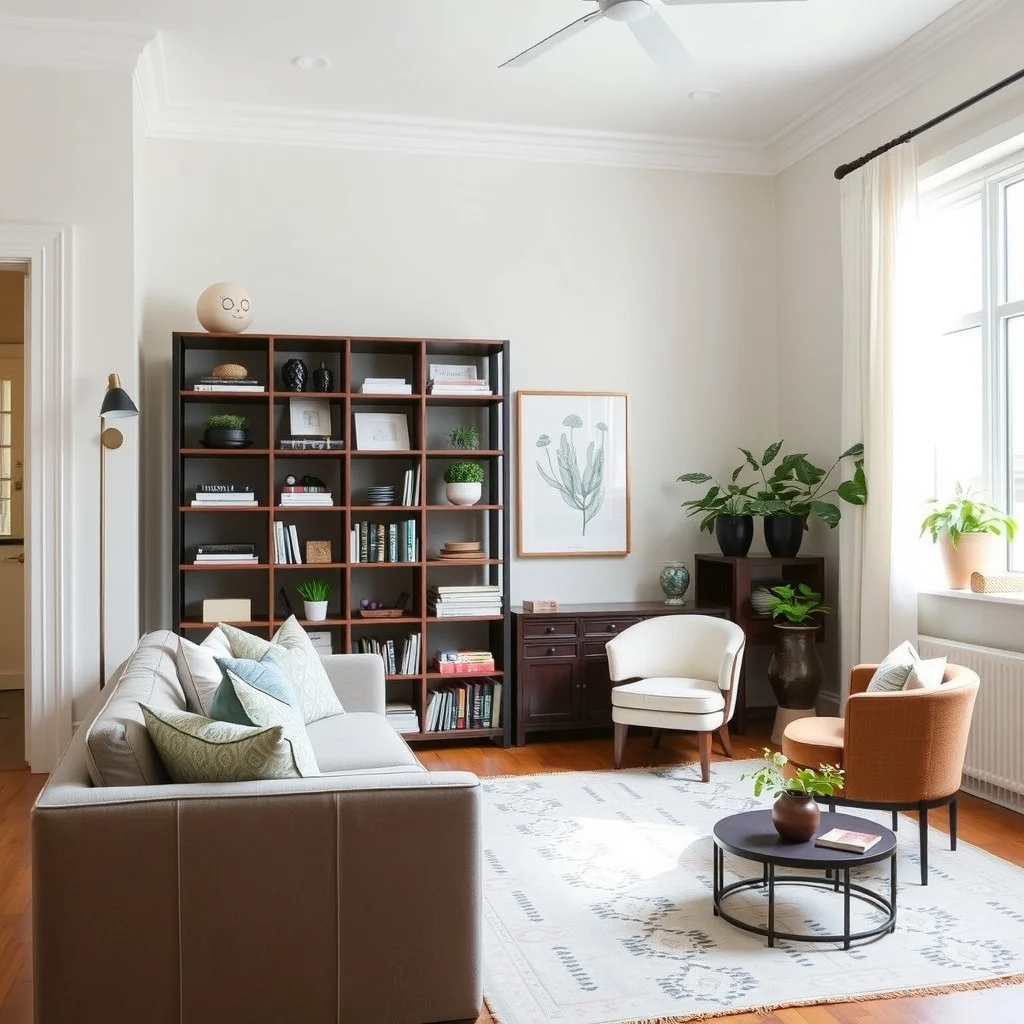
A tall bookshelf can serve double duty as storage and a subtle partition, especially in open‑plan layouts. Position the unit perpendicular to the main seating area to delineate a reading nook or media zone without blocking natural light. Fill the lower shelves with baskets or bins to hide remote controls, magazines, or blankets, while the upper shelves showcase decorative items you already own. The open back of the shelf allows sightlines to remain uninterrupted, preserving a sense of spaciousness. If the wood tone clashes with the rest of the room, a coat of chalk paint in a soft gray can harmonize it with surrounding walls. Keep in mind that a heavy bookshelf should be secured to the wall if children are present, following the manufacturer’s safety recommendations.
4. Refresh a Coffee Table with a New Top or Styling Elements
© 2026 AI Illustrator — Inspiration Only
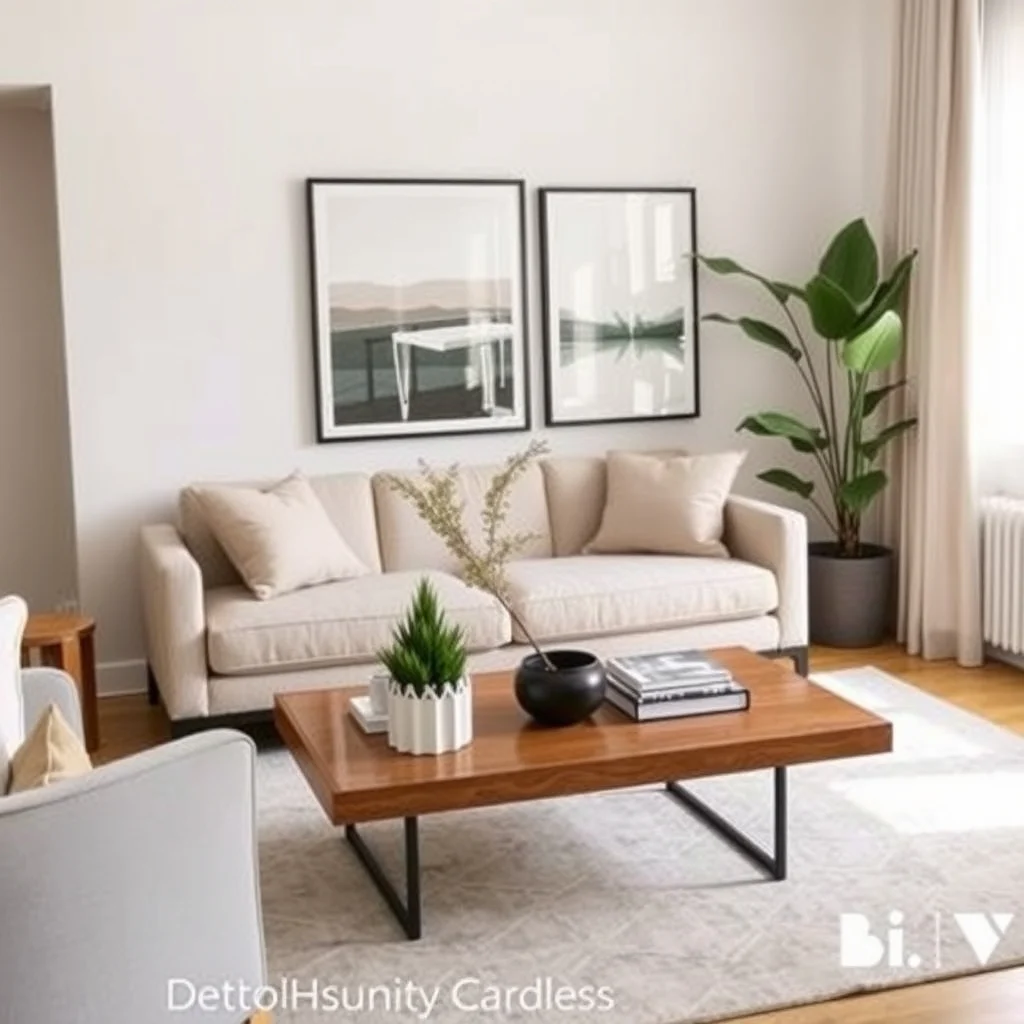
Many coffee tables have a removable top or a surface that can be updated with a simple DIY approach. If the tabletop is worn, a sheet of tempered glass can protect it while giving a sleek, modern look. Alternatively, a large round tray—perhaps one you already use for serving breakfast—adds a defined area for décor without permanent alteration. Place a low‑profile plant, a candle holder, and a stack of books on the tray to create a cohesive vignette. When arranging, consider the table’s height relative to the sofa cushions; a comfortable reach is usually a few inches above the seat. If the table is glass and prone to fingerprints, a microfiber cloth kept nearby makes maintenance easy.
5. Add Texture with Throws and Pillows You Already Have
© 2026 AI Illustrator — Inspiration Only
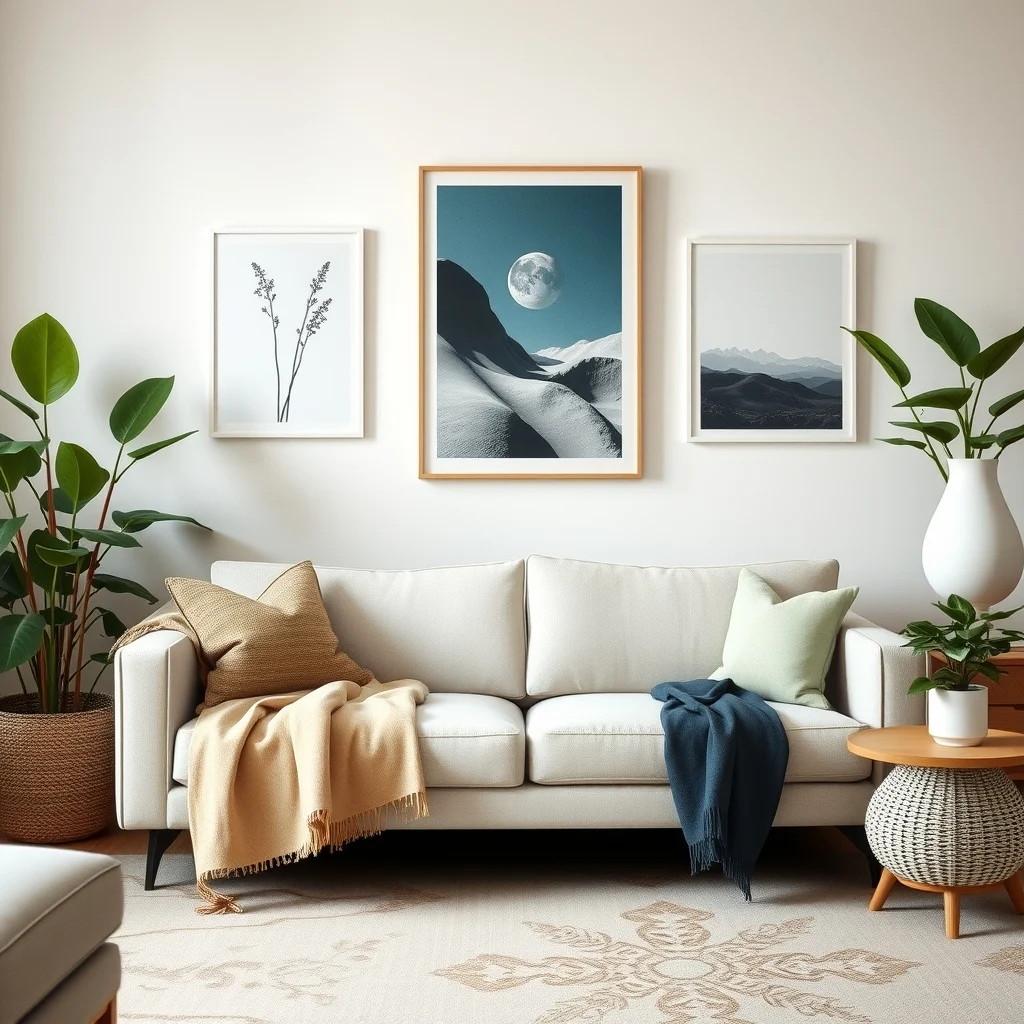
Layering soft textiles is an inexpensive way to introduce depth and comfort. Take a throw you store in a closet and drape it over the back of the sofa, allowing the fabric to cascade naturally. Choose a pillow in a complementary hue—perhaps a deep teal if the room features warm neutrals—and place it alongside a patterned pillow you already own. Mixing fabrics such as linen, cotton, and knitted yarn creates tactile contrast that invites touch. Be mindful of the number of pillows; too many can look cluttered, while a balanced trio adds visual rhythm. When the season changes, swapping the throw for a lighter fabric keeps the room feeling fresh without buying new items.
6. Create a Focal Point Using Existing Artwork or Wall‑Mounted Pieces
© 2026 AI Illustrator — Inspiration Only
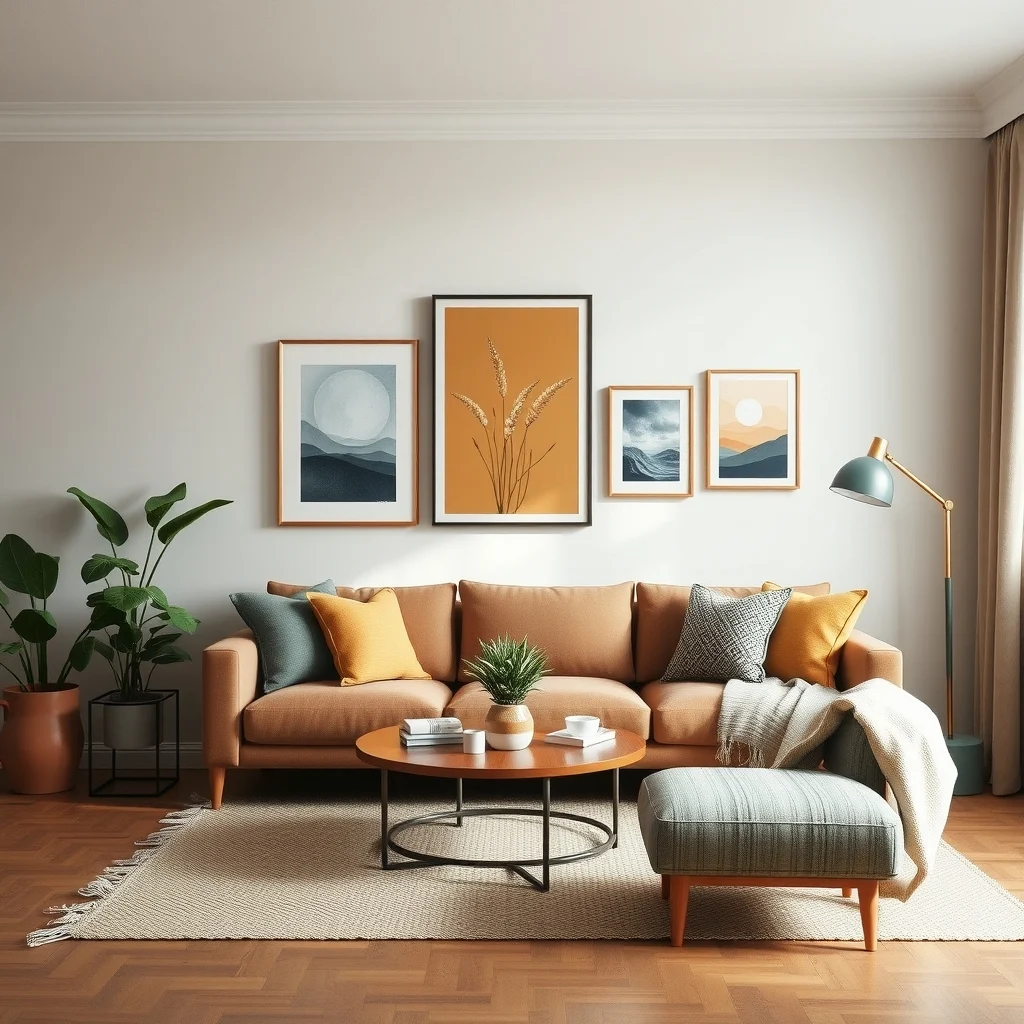
Instead of purchasing a large statement piece, rearrange artwork you already own to form a gallery wall. Select three to five frames of varying sizes, and lay them on the floor to experiment with spacing before hanging. Align the central piece at eye level—typically around 57 inches from the floor—to make the arrangement feel intentional. If the frames differ in style, a unifying element like a thin molding or consistent mat color can tie them together. For rooms lacking wall space, consider mounting a decorative mirror above the console table; the reflection adds brightness and can make the room appear larger. Ensure that any wall‑mounted item is securely anchored, especially if the wall is drywall.
7. Introduce Layered Lighting with What You Already Own
© 2026 AI Illustrator — Inspiration Only
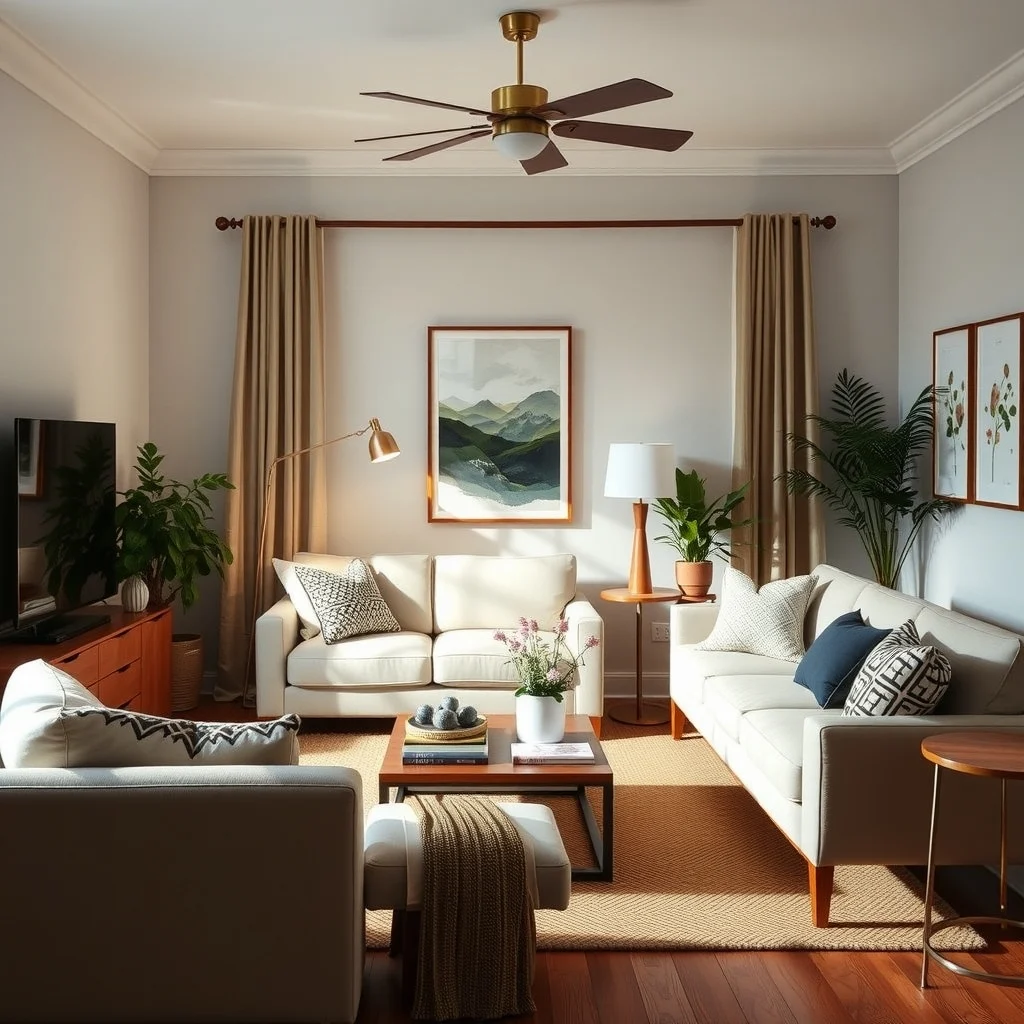
Good lighting is essential for a living room that feels welcoming after dark. Begin with the main overhead fixture, then add a floor lamp you might have stored in a bedroom corner. Position the floor lamp near the reading chair to provide focused light without glare. A table lamp placed on an end table offers soft illumination for evenings spent chatting. If you own a dimmer switch, install it on the ceiling light to adjust brightness throughout the day. Balance the three sources—ambient, task, and accent—to avoid harsh shadows. When arranging lamps, keep cords out of high‑traffic paths to prevent tripping hazards.
FAQ
© 2026 AI Illustrator — Inspiration Only
How can I make a small living room feel larger without buying new furniture?
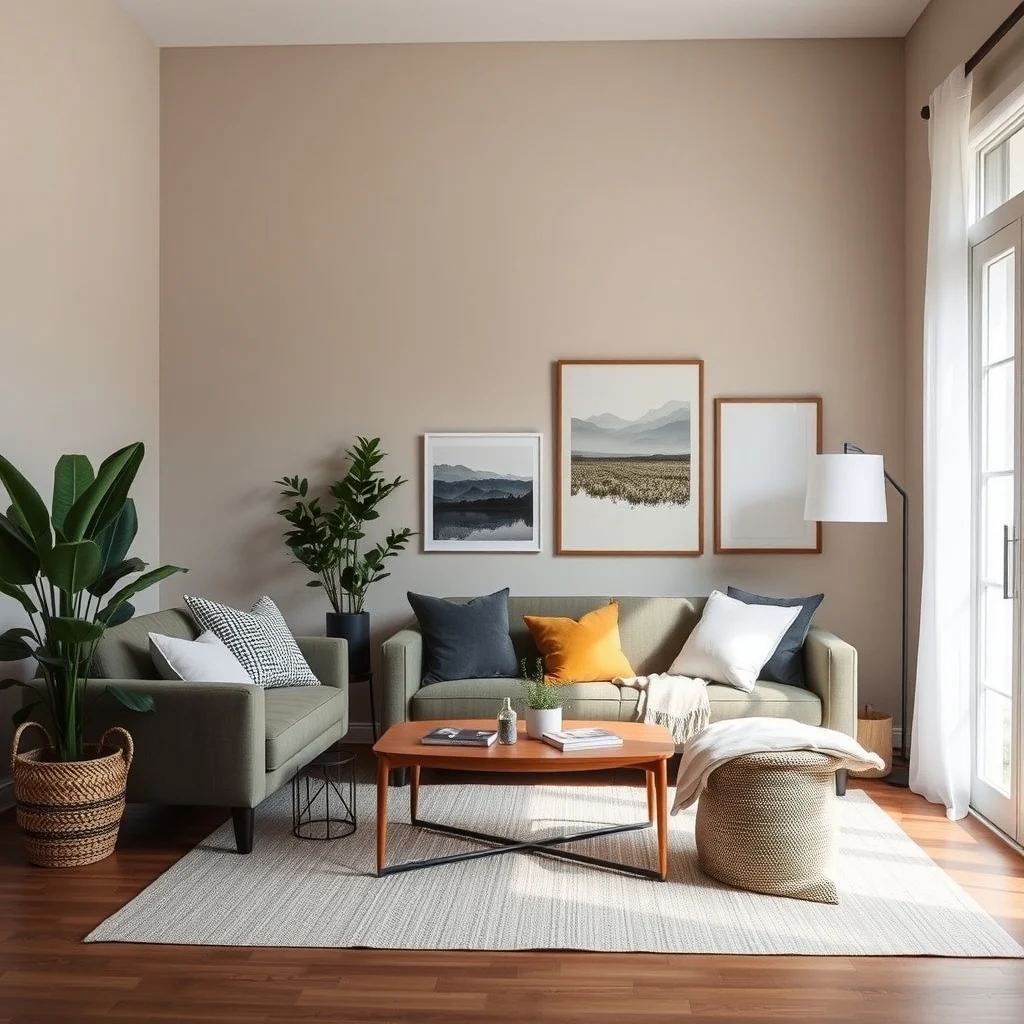
Use existing pieces to create clear pathways and avoid overcrowding; keep larger items against walls and incorporate reflective surfaces like mirrors to bounce light.
Is it safe to move heavy furniture myself?
Moving heavy items is safe if you enlist help, lift with your legs, and protect floors with sliders; for particularly bulky pieces, consider professional movers.
What’s the best way to protect a coffee table surface from scratches?
A clear glass top or a decorative tray can shield the surface while adding visual interest; regular cleaning with a soft cloth prevents buildup.
Can I use outdoor rugs inside my living room?
Outdoor rugs work well indoors because they are durable and resistant to stains; just ensure they are placed on a level floor and vacuum regularly.
Which Living Room Color Palette Fits You Best?
Discover the palette that reflects your style — take our free quick quiz and get instant decor inspiration!
Take the Quiz NowFinal Thoughts
© 2026 AI Illustrator — Inspiration Only
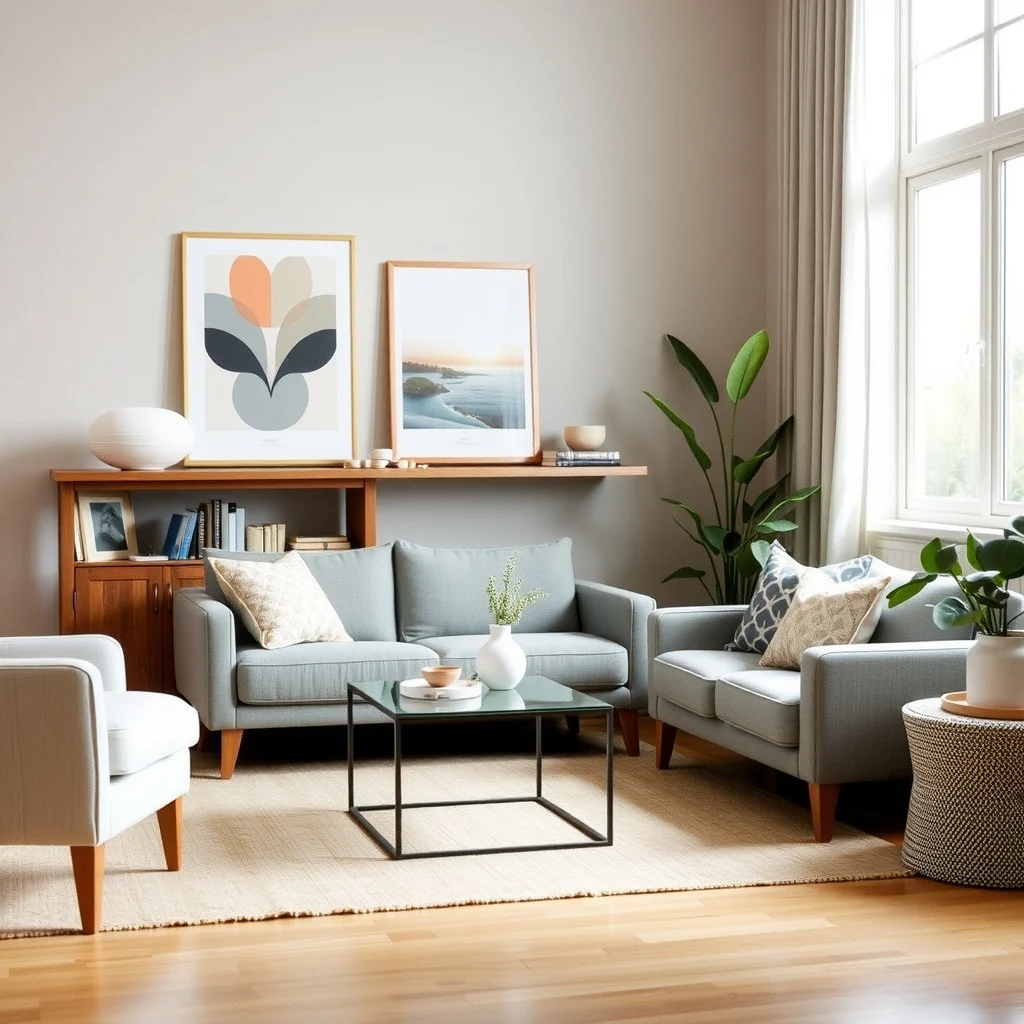
Revamping a living room doesn’t require a shopping spree; often the most rewarding changes come from looking at what you already own with fresh eyes. By adjusting layout, repurposing items, and adding thoughtful accessories, you can craft a space that feels both functional and styled. Remember to consider scale, traffic flow, and the balance of textures as you experiment. With a bit of creativity, your existing furniture can become the cornerstone of a room that feels newly curated, comfortable, and uniquely yours.