
Affordable Ways to Make a Builder‑grade Home Look Custom
Walking through a newly built house can feel like stepping into a showroom where every room follows the same clean, neutral template. The space may be functional, but it often lacks the personality that makes a home feel lived‑in. The good news is that a handful of thoughtful upgrades can transform those generic walls and surfaces into a setting that reflects your taste without breaking the bank. Below are seven practical ideas that add character, depth, and a sense of craftsmanship, each explained with the why, the how, and a few considerations to keep the project realistic.
1. Add Architectural Molding for Visual Interest
© 2026 AI Illustrator — Inspiration Only
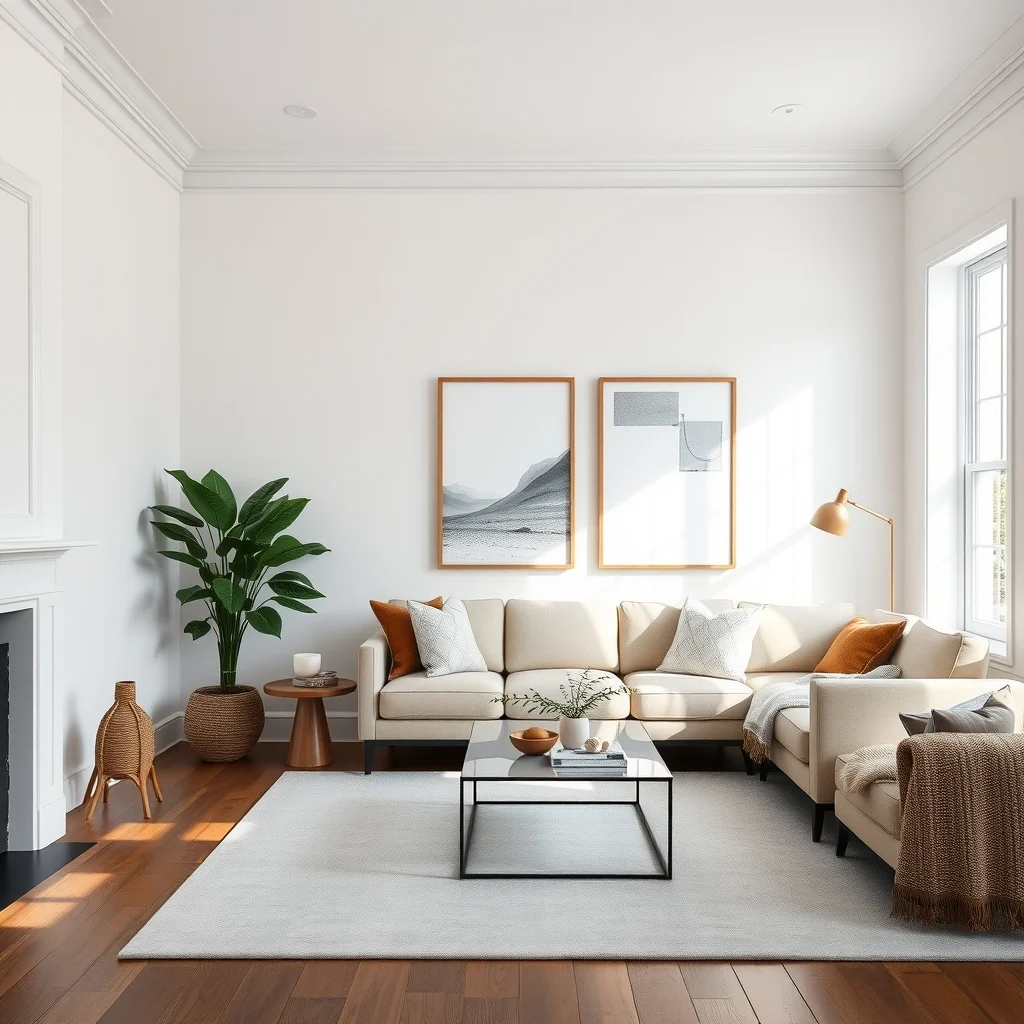
Simple crown, baseboard, or picture‑rail molding can instantly break up flat walls and give a room a finished look that feels hand‑crafted. A modestly sized crown in a brushed‑nickel finish, for example, catches ambient light and adds a subtle shadow line that draws the eye upward, making a ceiling feel higher. Installing molding yourself is straightforward: measure the perimeter, cut the pieces with a miter saw, and use finishing nails followed by a thin coat of paint that matches or contrasts with the wall color. The trade‑off is the additional time spent on precise cuts, but the visual payoff outweighs the effort, especially in living rooms or dining areas where the eye travels across larger surfaces.
Which Home Style Fits Your Space?
Answer 5 quick questions to find your perfect interior style and inspiration.
2. Create a Feature Wall with Affordable Paneling
© 2026 AI Illustrator — Inspiration Only
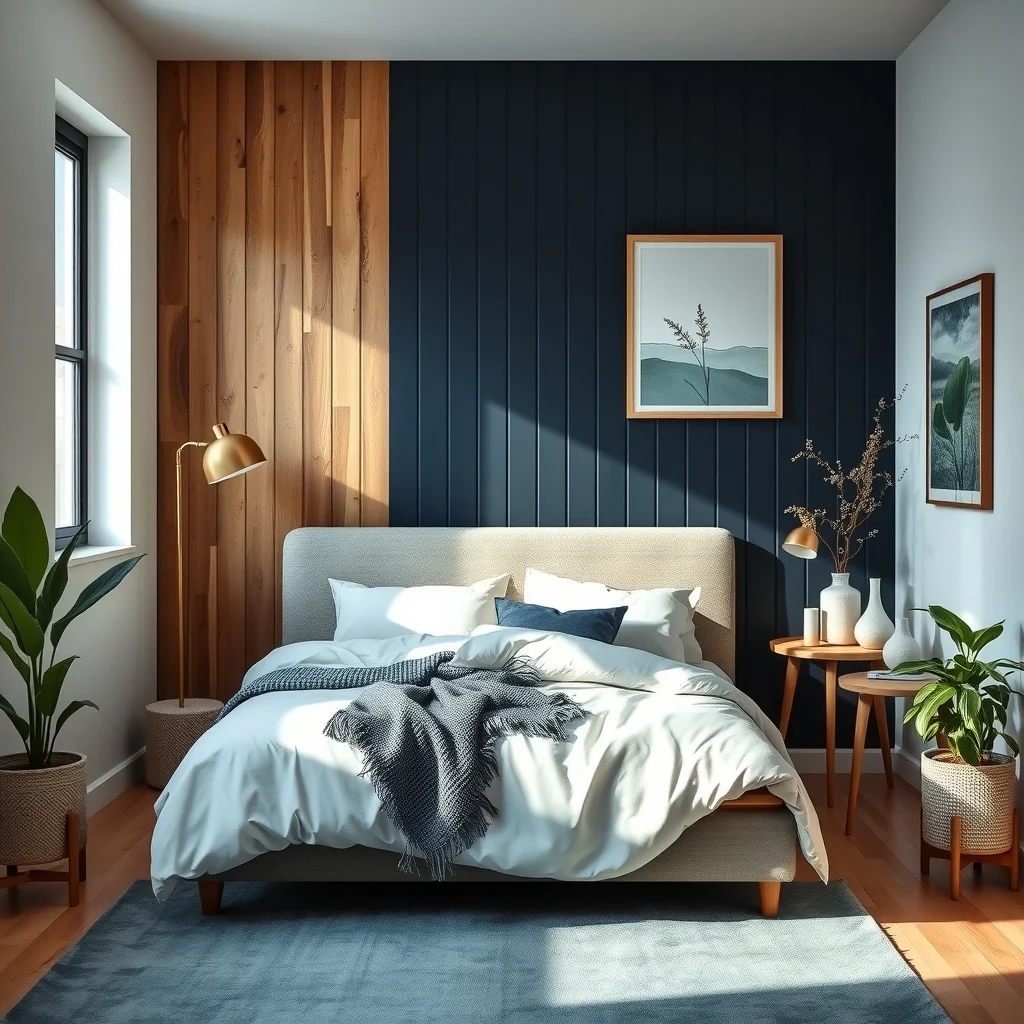
Instead of covering an entire room, choose one wall to become a focal point using low‑cost beadboard or reclaimed wood panels. The texture of vertical boards adds depth and a sense of scale, while a soft, warm greige paint on the remaining walls keeps the space balanced. Installation involves attaching furring strips, then nailing the panels and sealing gaps with caulk. The natural grain of reclaimed wood introduces an element of history that builder‑grade homes rarely provide. However, be mindful of moisture in bathrooms; in damp areas, opt for moisture‑resistant MDF panels to avoid warping.
3. Layer Lighting for a Tailored Atmosphere
© 2026 AI Illustrator — Inspiration Only
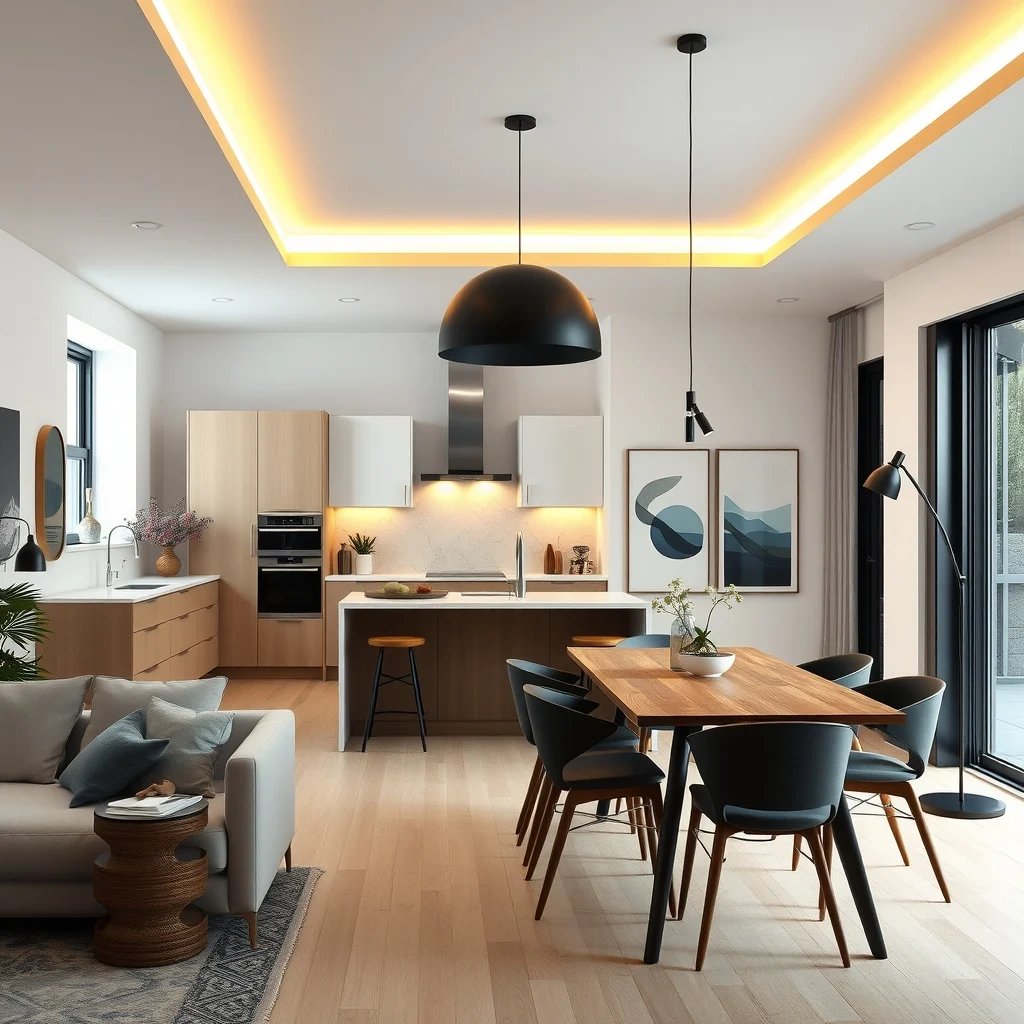
Builder homes often rely on a single overhead fixture, leaving the lighting flat and utilitarian. Introducing a combination of recessed LEDs, a statement pendant, and strategically placed floor lamps adds layers that can be adjusted for different moods. A warm‑white LED strip tucked behind crown molding provides indirect illumination that highlights architectural details without glaring. Pair this with a mid‑century inspired pendant over a kitchen island to create a visual anchor. Floor lamps with adjustable arms are perfect for reading corners, offering task lighting without the need for hard‑wired changes. The main consideration is ensuring that the added fixtures complement the existing wiring layout; if you’re unsure, a licensed electrician can help integrate new switches safely.
4. Swap Out Standard Cabinet Fronts for Custom‑Style Hardware
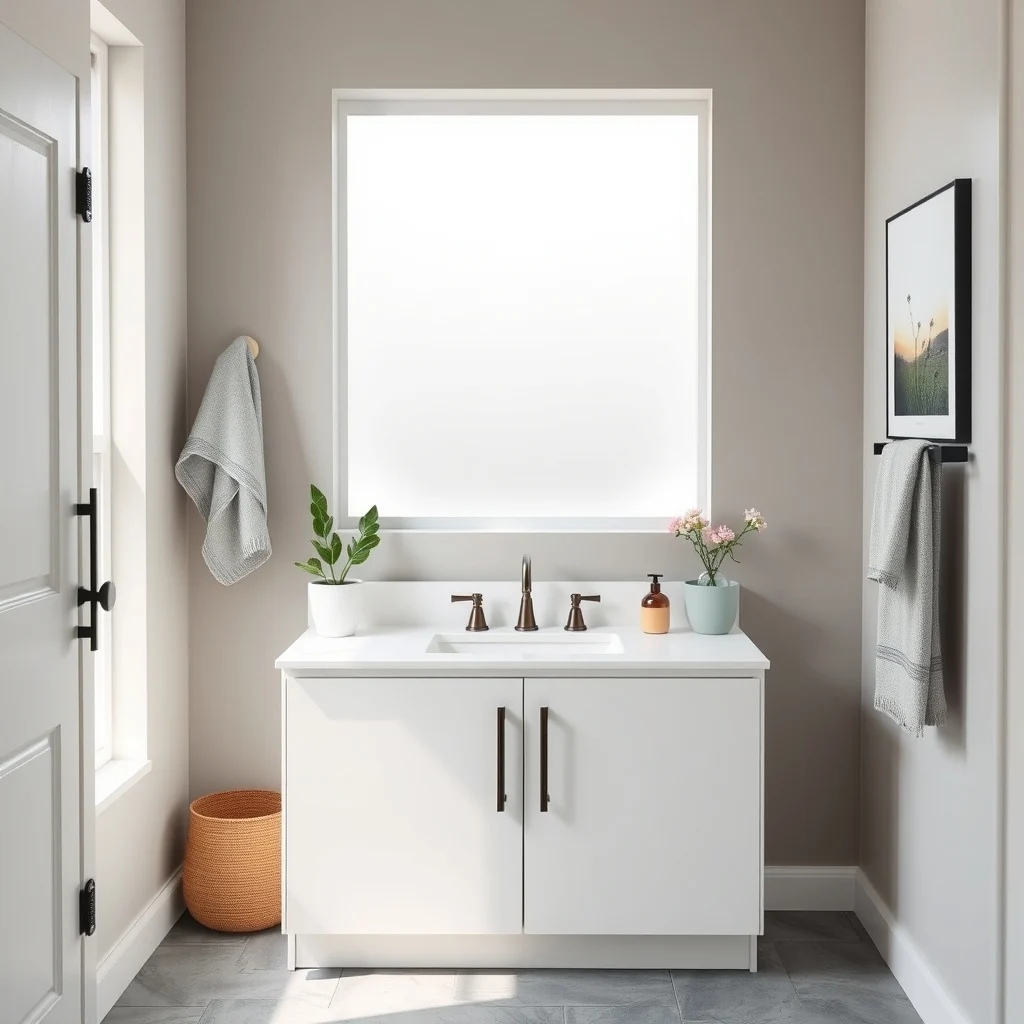
© 2026 AI Illustrator — Inspiration Only
Even when cabinets are basic slab designs, changing the pulls and knobs can give the impression of a custom kitchen or bathroom. Matte black brushed‑brass handles add a modern edge, while oil‑rubbed bronze knobs evoke a more traditional feel. The installation is a simple drill‑and‑screw job, and the cost per handle is modest, making it a high‑impact, low‑budget upgrade. Choosing hardware that matches other metal accents in the room, such as faucet finishes, creates visual cohesion. One downside is that overly ornate hardware can look out of place on ultra‑minimalist cabinetry, so select pieces that align with the overall style you’re aiming for.
5. Introduce Textured Soft Furnishings to Break Uniformity
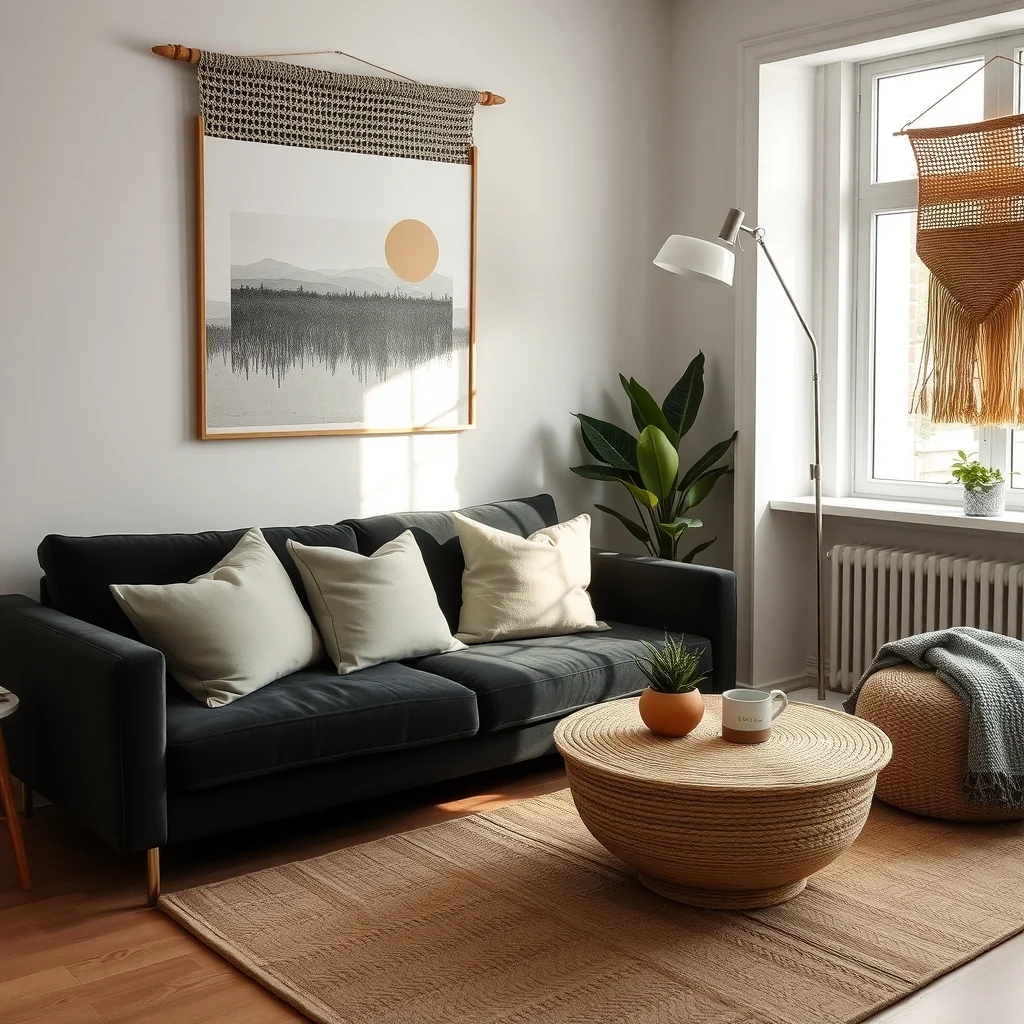
© 2026 AI Illustrator — Inspiration Only
Flat walls and smooth surfaces become inviting when softened with textiles that