
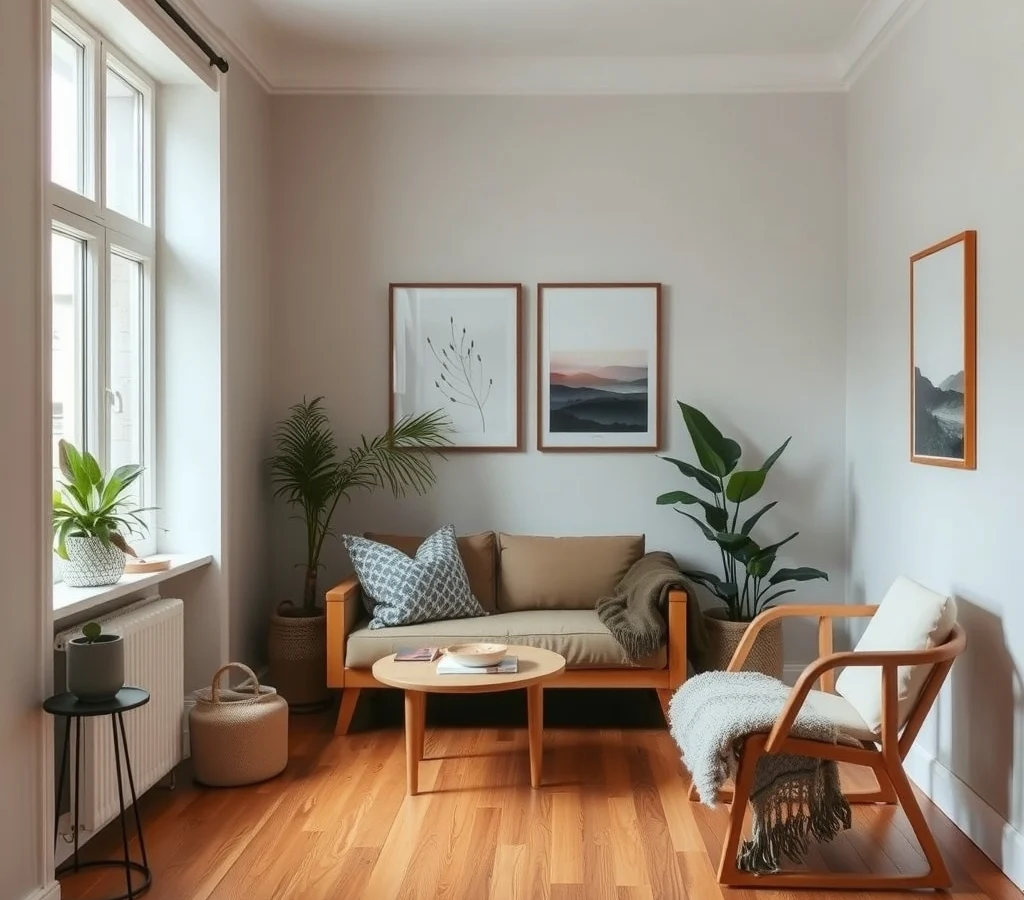
How to Hide Ugly Rental Floors Without Replacing Them
Living in a rental often means accepting flooring that never quite fits your style. The concrete slab, cheap laminate, or dated vinyl can dominate a room before you’ve had a chance to add your own touches. Fortunately, there are several ways to disguise those eyesores without breaking a lease or digging into a budget. Below you’ll find seven practical approaches that work in real apartments, each explained with the reasoning behind it, the steps to implement, and the compromises you might face. By the end of this article you’ll have a toolkit of ideas that let you walk across a floor you actually enjoy looking at.
1. Layer Rugs for Instant Coverage
© 2026 AI Illustrator — Inspiration Only
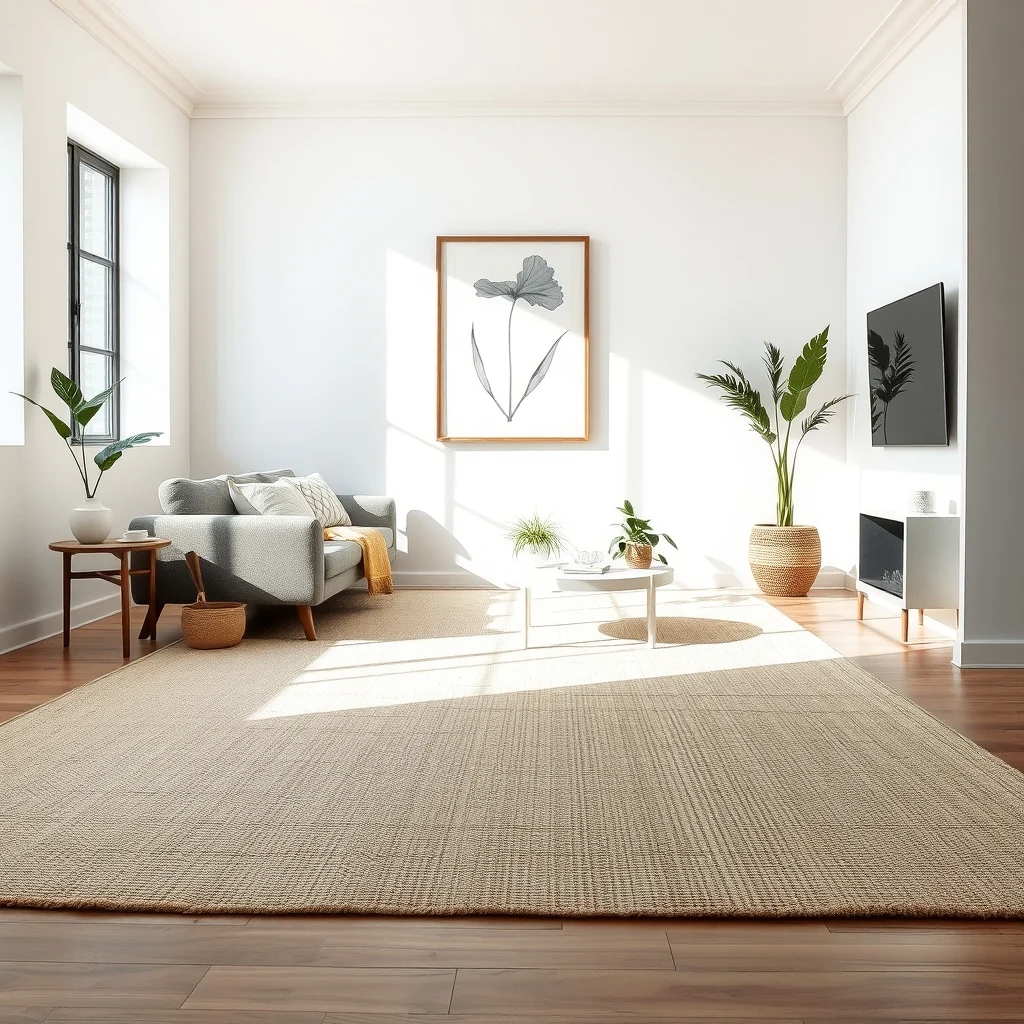
Rugs are the most common answer, but the trick lies in choosing the right size, texture, and placement. A large, low‑pile rug that reaches the edge of the room creates the illusion of a seamless surface while protecting the original floor from foot traffic. If the space is open‑plan, a runner placed under a dining table or a coffee‑table‑sized rug in the living area can define zones and hide imperfections at the same time. Mixing a natural‑fiber rug with a patterned accent piece adds visual interest without competing with the room’s color palette. Keep in mind that a rug will need regular vacuuming and occasional rotation to prevent uneven wear, especially in high‑traffic areas.
Which Home Style Fits Your Space?
Answer 5 quick questions to find your perfect interior style and inspiration.
2. Install Temporary Interlocking Tiles
© 2026 AI Illustrator — Inspiration Only
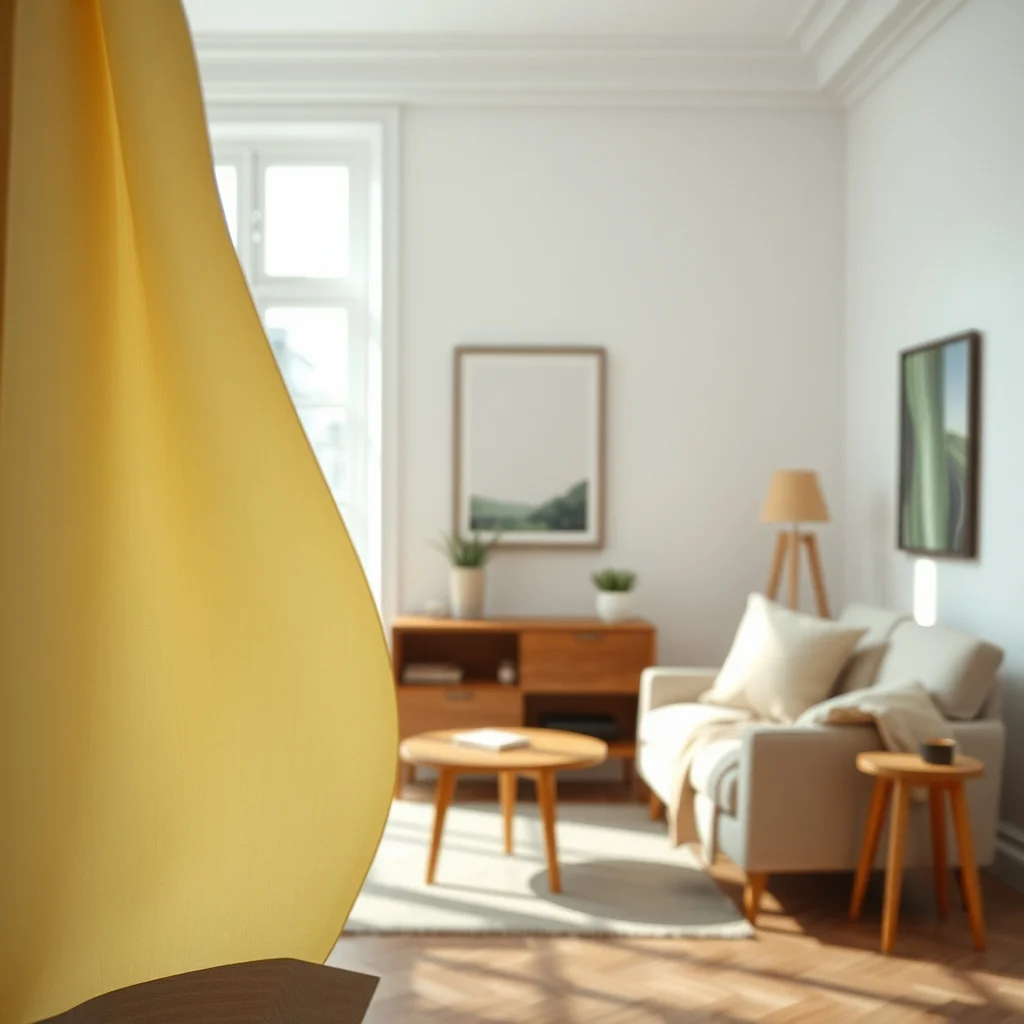
Interlocking tiles made of peel‑and‑stick vinyl or rubber provide a quick, removable floor layer. Because each piece clicks into the next, you can cover an entire room in a weekend without any tools. Choose a design that mimics wood, stone, or even a bold geometric pattern to shift the room’s aesthetic entirely. The tiles are thin enough to sit comfortably under furniture but sturdy enough to handle daily use. When you move out, the tiles peel away cleanly, leaving the original surface untouched. The main limitation is that very uneven sub‑floors can cause some tiles to lift over time, so a quick assessment of levelness is advisable before installation.
3. Apply Decorative Floor Decals
© 2026 AI Illustrator — Inspiration Only
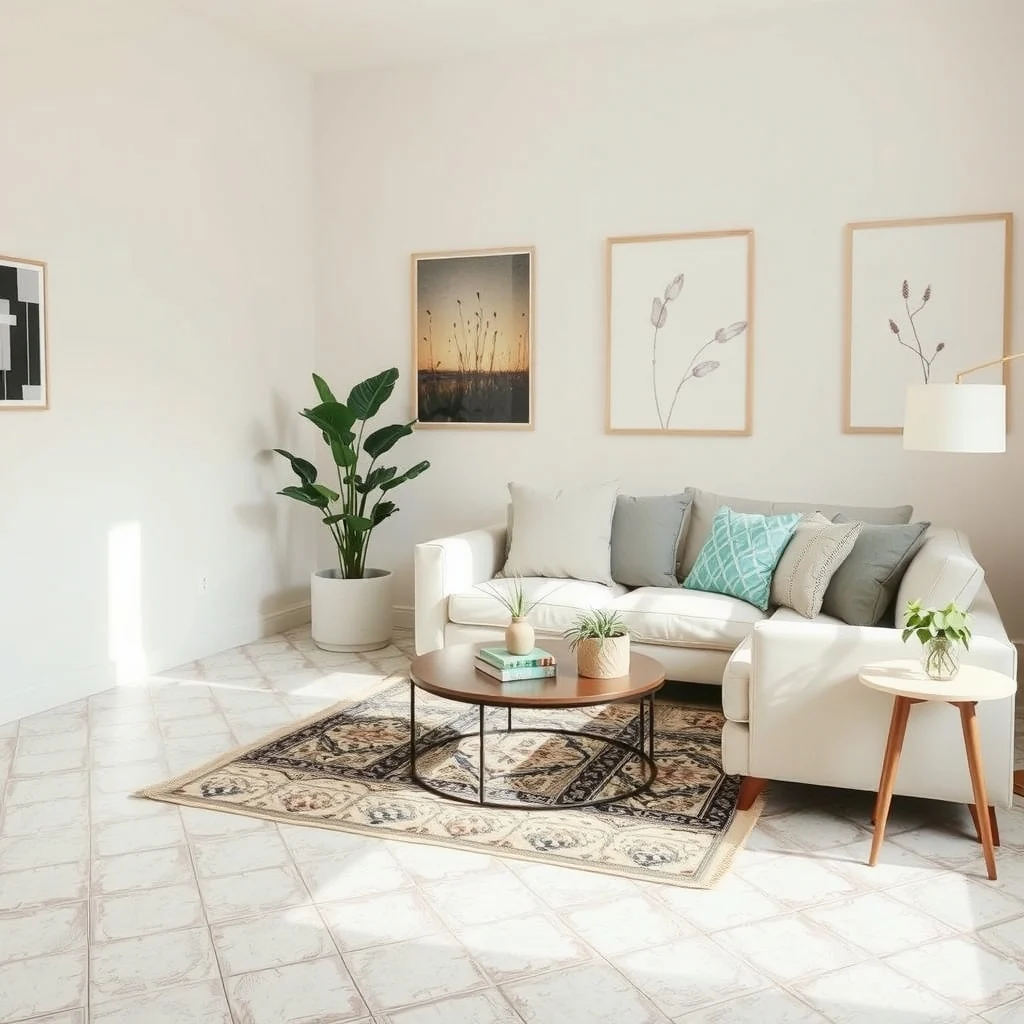
Floor decals are a lightweight alternative to full‑size tiles. They come in large sheets that can be cut to fit around furniture, allowing you to mask the most unsightly sections while preserving the rest of the floor’s character. A decal with a subtle wood grain or a muted marble pattern can soften the harshness of cheap laminate without adding bulk. Installation involves cleaning the surface, peeling the backing, and smoothing the decal to avoid bubbles. Removal is as simple as heating the edge with a hair dryer and peeling it away, which makes this option ideal for short‑term leases. The trade‑off is that decals can feel slick underfoot, so a rug or mat may still be needed in high‑traffic zones.
4. Use Floor‑Level Furniture to Break Up Space
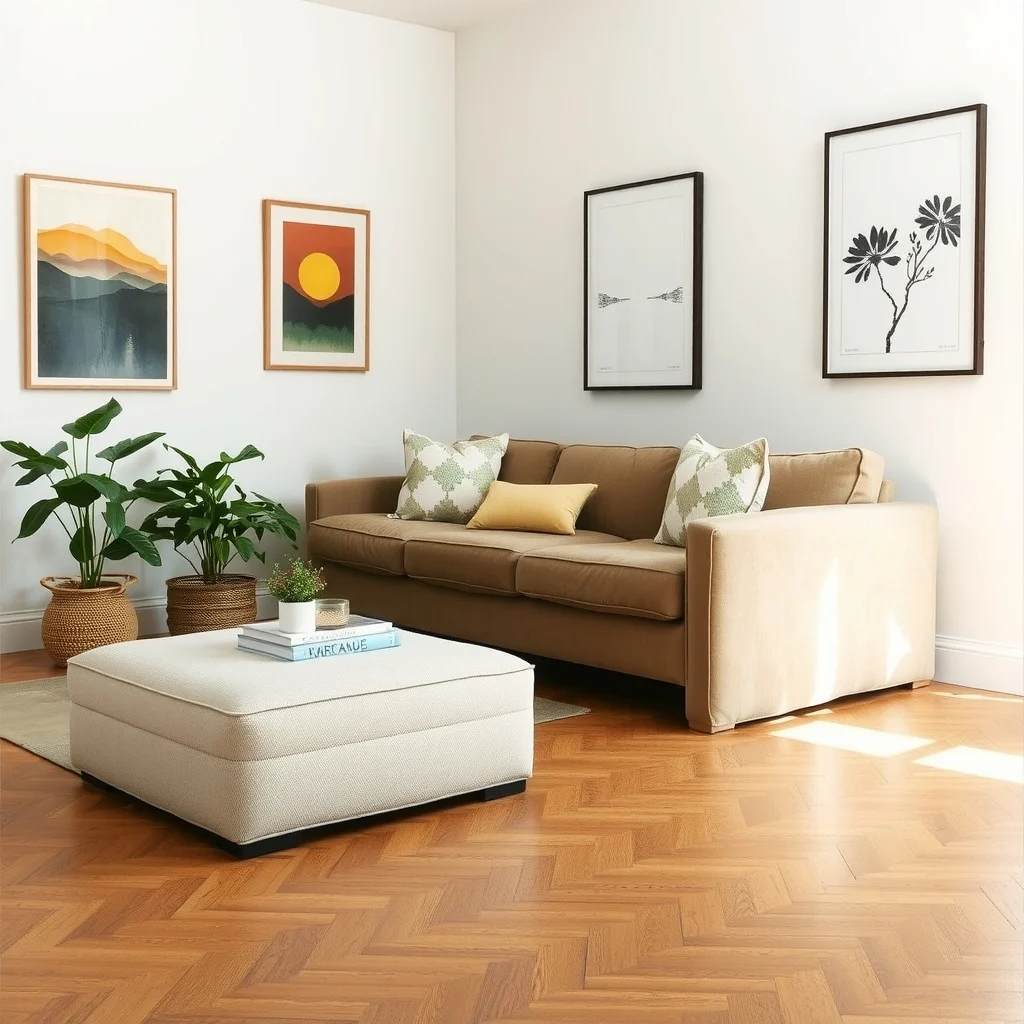
© 2026 AI Illustrator — Inspiration Only
Low, sturdy pieces such as storage ottomans, platform coffee tables, or upholstered benches sit directly on the floor and create visual breaks that distract from the underlying material. An ottoman upholstered in a soft linen fabric not only offers a place to rest your feet but also serves as a large, movable “carpet” that can be repositioned as needed. When the furniture’s footprint is generous, the floor underneath becomes less noticeable, especially if the piece is placed near a focal point like a sofa or TV stand. The downside is that these items can be heavy, so consider the floor’s load‑bearing capacity before selecting a solid wood bench.
5. Hang Floor‑Length Curtains for a Soft Boundary

© 2026 AI Illustrator — Inspiration Only
Long curtains that reach the floor can create a visual barrier that pulls the eye upward, reducing the emphasis on the floor itself. Choose a fabric in a neutral tone that complements your wall color; a linen blend draped from a ceiling‑mounted rod adds softness while allowing the curtains to be drawn back for easy cleaning. The weight of the fabric also helps to dampen sound, making the room feel cozier. This approach works best in rooms where the windows are large enough to accommodate the extra length without crowding the space. Keep in mind that curtains require regular laundering and may collect dust, so a washable fabric is preferable.
6. Employ Strategic Lighting to Shift Focus
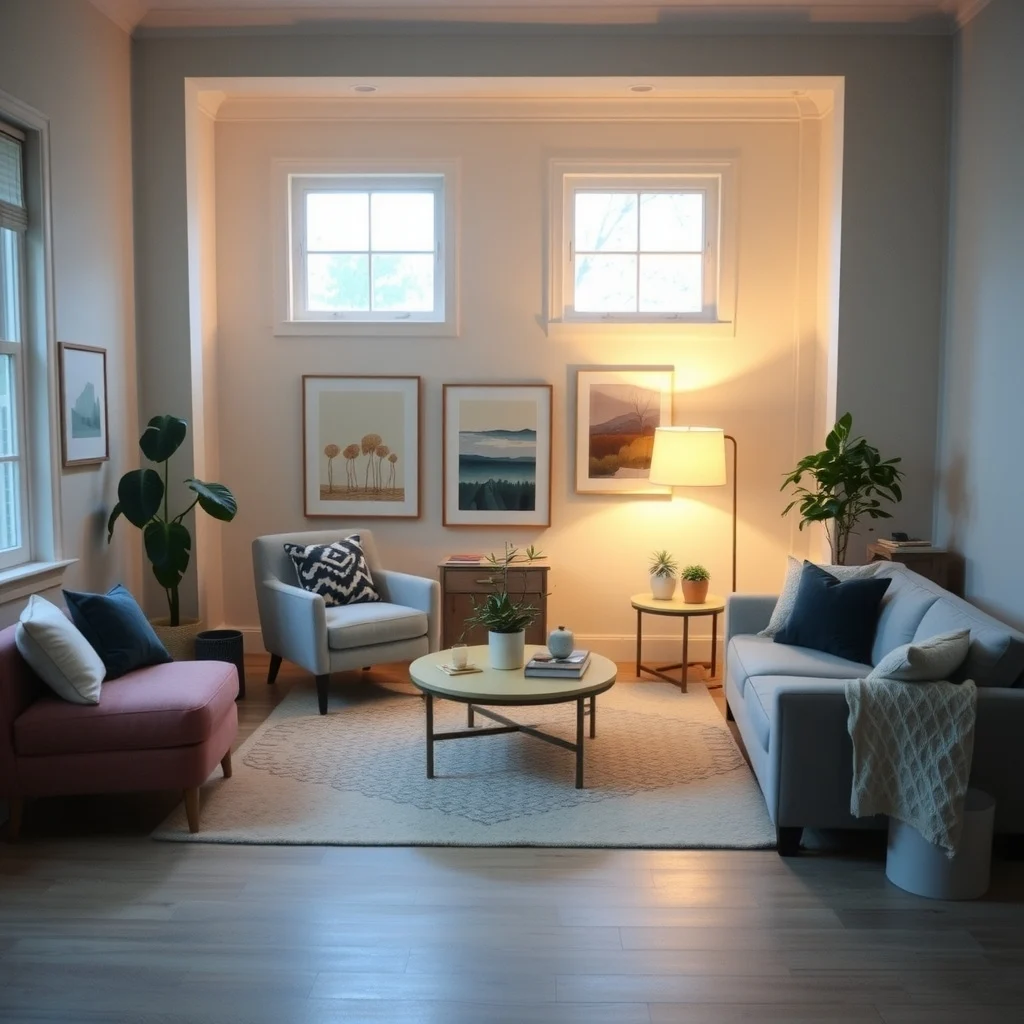
© 2026 AI Illustrator — Inspiration Only
Lighting can subtly guide attention away from an unattractive floor. Floor lamps with wide, diffused shades placed near seating areas create pools of warm light that draw the eye toward the furniture and away from the ground. Pair this with a few well‑placed uplights that bounce light off the ceiling, adding depth without highlighting the floor’s texture. When the room feels brighter and more layered, the floor becomes a background element rather than a focal point. The only caution is to avoid overly bright spotlights directly on the floor, which would have the opposite effect.
7. Add Temporary Baseboard and Molding Accents
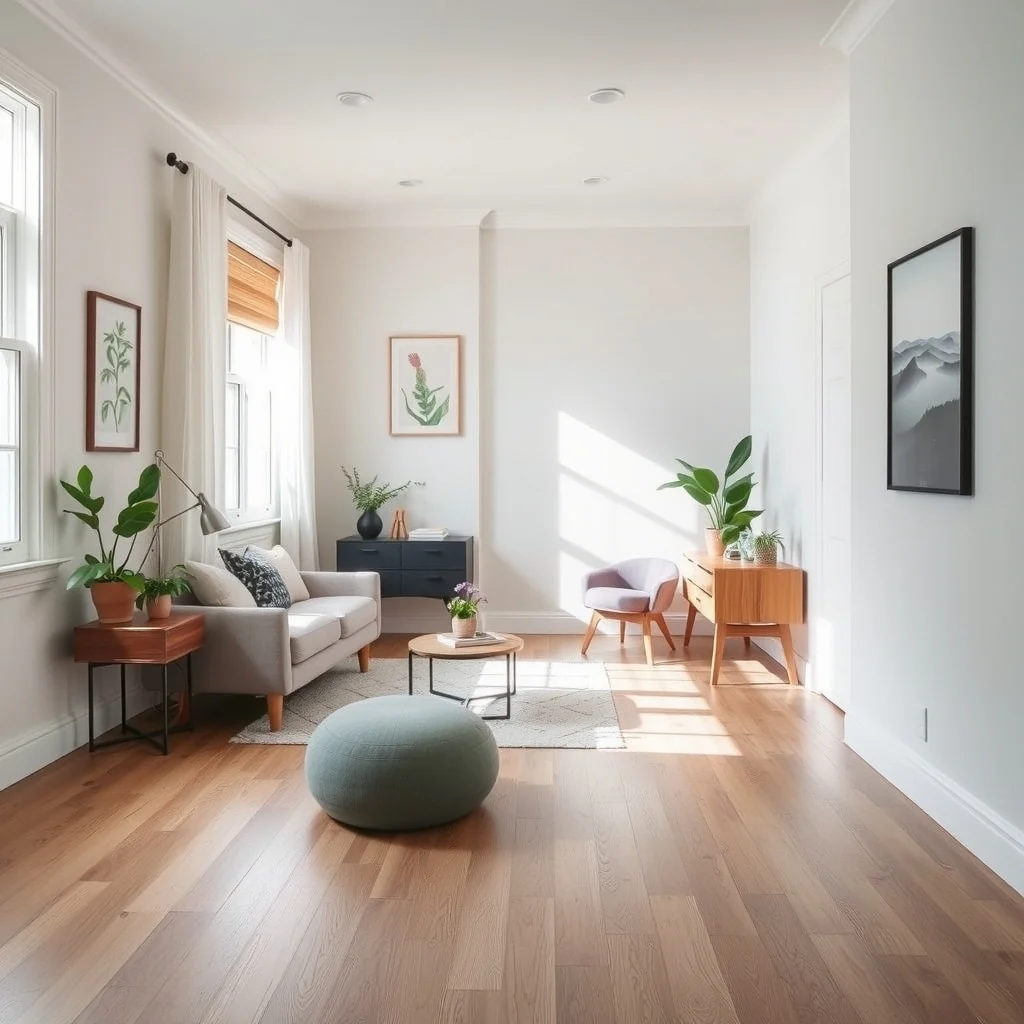
© 2026 AI Illustrator — Inspiration Only
Simple trim pieces installed along the perimeter of the room can mask the transition between wall and floor, making the floor appear less prominent. Removable baseboards that snap into place without nails are available at many home‑improvement stores; they can be painted to match existing décor or left in a contrasting finish for a modern touch. By covering the edge, you also protect the floor from scuffs caused by moving furniture. This solution is inexpensive and reversible, though it does require a small amount of patience to align the pieces neatly. In rooms with high foot traffic, the trim may collect dust, so occasional wiping is advisable.
FAQ

© 2026 AI Illustrator — Inspiration Only
Can I use a rug on top of cheap laminate without causing damage?
Yes, a rug can sit safely on laminate as long as you choose a non‑slip backing or a rug pad. The pad prevents the rug from sliding and adds a thin layer of cushioning that protects the laminate from scratches.
Are peel‑and‑stick tiles suitable for bathrooms?
They can be used in bathrooms if the product is specifically rated for moisture‑resistant areas. Look for tiles with a waterproof seal and be sure the sub‑floor is clean and dry before installation.
How do I remove floor decals without leaving residue?
Heat the edges with a hair dryer to soften the adhesive, then peel the decal slowly. Any leftover stickiness can be cleared with a mild soap solution and a soft cloth.
Do floor‑length curtains affect the room’s temperature?
Heavy fabrics can add a slight insulating layer, which may keep a room warmer in winter and cooler in summer. Selecting a breathable linen blend reduces any noticeable temperature shift while still providing the visual benefit.
Which Living Room Color Palette Fits You Best?
Discover the palette that reflects your style — take our free quick quiz and get instant decor inspiration!
Take the Quiz NowFinal Thoughts
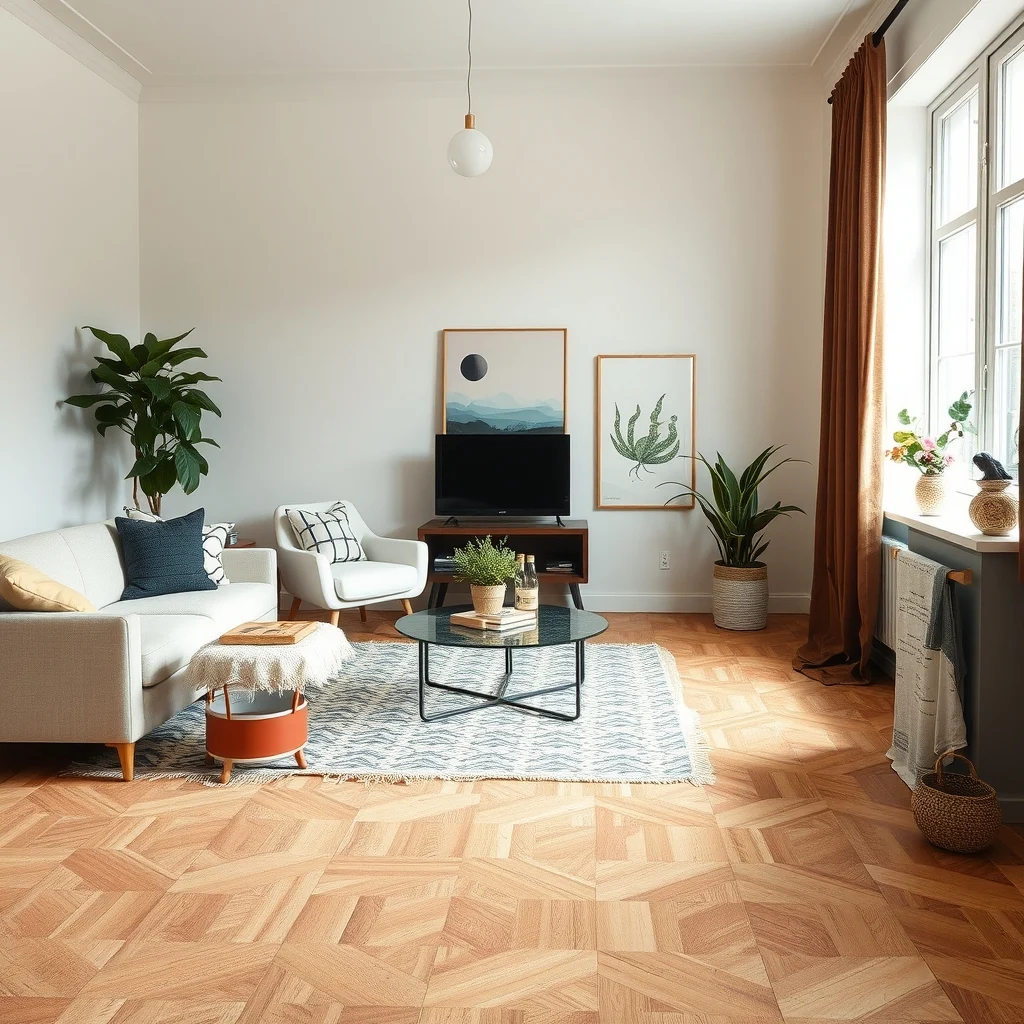
© 2026 AI Illustrator — Inspiration Only
Living in a rental doesn’t mean you have to accept every design flaw that comes with it. By layering rugs, adding removable tiles, using decals, incorporating floor‑level furniture, hanging long curtains, adjusting lighting, and installing temporary trim, you can transform an unattractive floor into a neutral backdrop for your personal style. Each method respects the constraints of a lease while offering a distinct aesthetic payoff. Choose the combination that best fits your budget, timeline, and the amount of effort you’re willing to invest, and enjoy a space that feels truly yours without the need for permanent renovation.