
Apartment Decorating Ideas That Help You Get Your Security Deposit Back
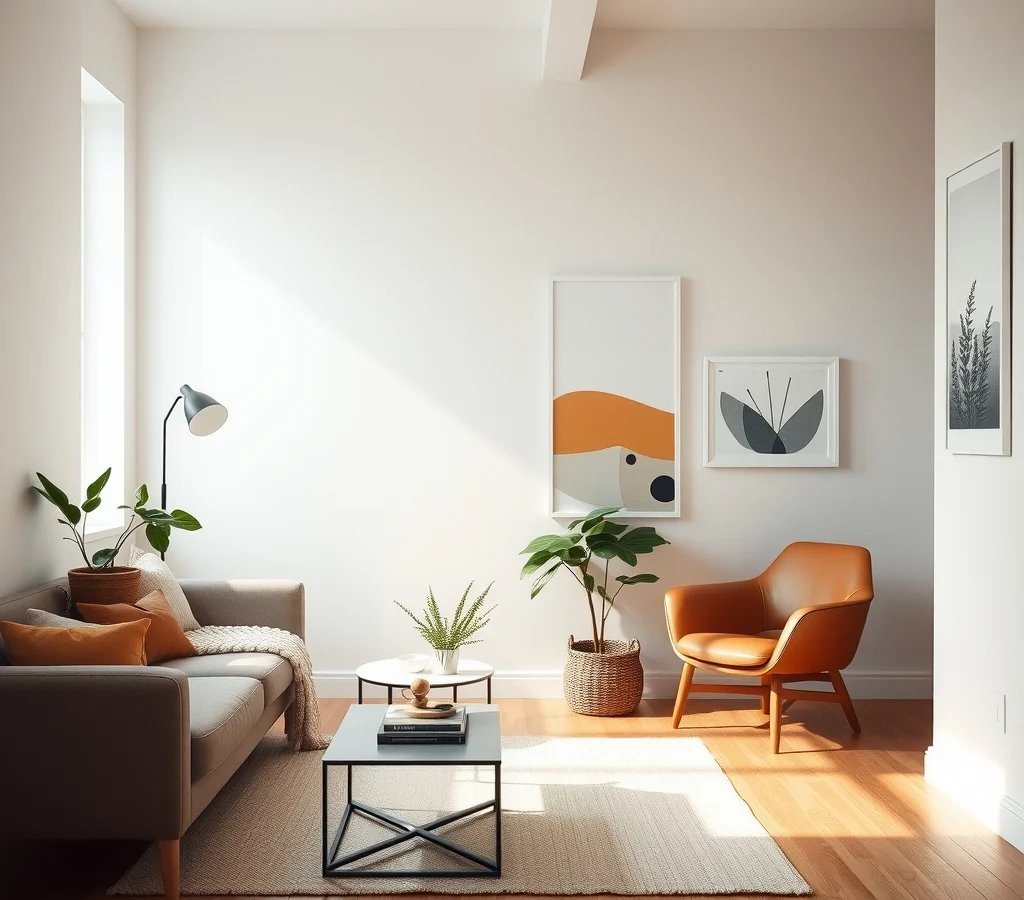
Moving into a rental often feels like stepping onto a stage where every surface is under a watchful landlord’s eye. You want a space that feels personal, but you also need to leave it spotless when the lease ends. The good news is that thoughtful decorating choices can make a room look polished today and still be easy to restore tomorrow. Below are seven ideas that balance style with practicality, giving you a home you enjoy now and a smooth hand‑over when it’s time to move out.
1. Choose a neutral, washable wall finish
© 2026 AI Illustrator — Inspiration Only
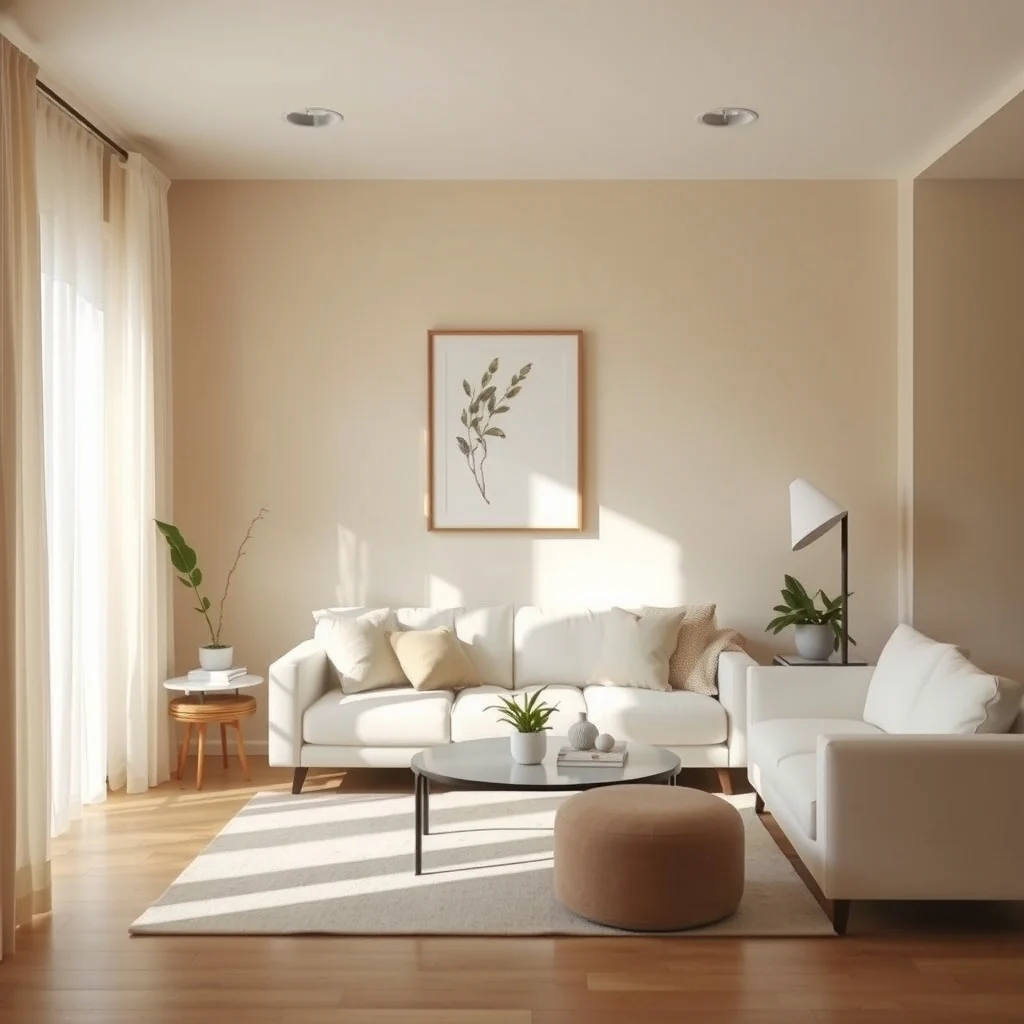
Fresh paint in a soft greige or warm off‑white instantly brightens a room without overwhelming the senses. Selecting a matte finish that is labeled “scrubbable” means you can wipe away scuff marks, fingerprints, or accidental splatters without damaging the surface. A neutral backdrop also makes it easier to match furniture and accessories, reducing the need for bold, hard‑to‑replace accent pieces. If the lease permits, applying a thin coat of a low‑VOC primer before the color helps the paint adhere better and protects the underlying drywall. The trade‑off is the upfront cost of quality paint and the time needed for proper ventilation, but the effort pays off when the landlord sees a wall that looks freshly maintained rather than stained.
Which Home Style Fits Your Space?
Answer 5 quick questions to find your perfect interior style and inspiration.
2. Install protective floor coverings that look like real flooring
© 2026 AI Illustrator — Inspiration Only
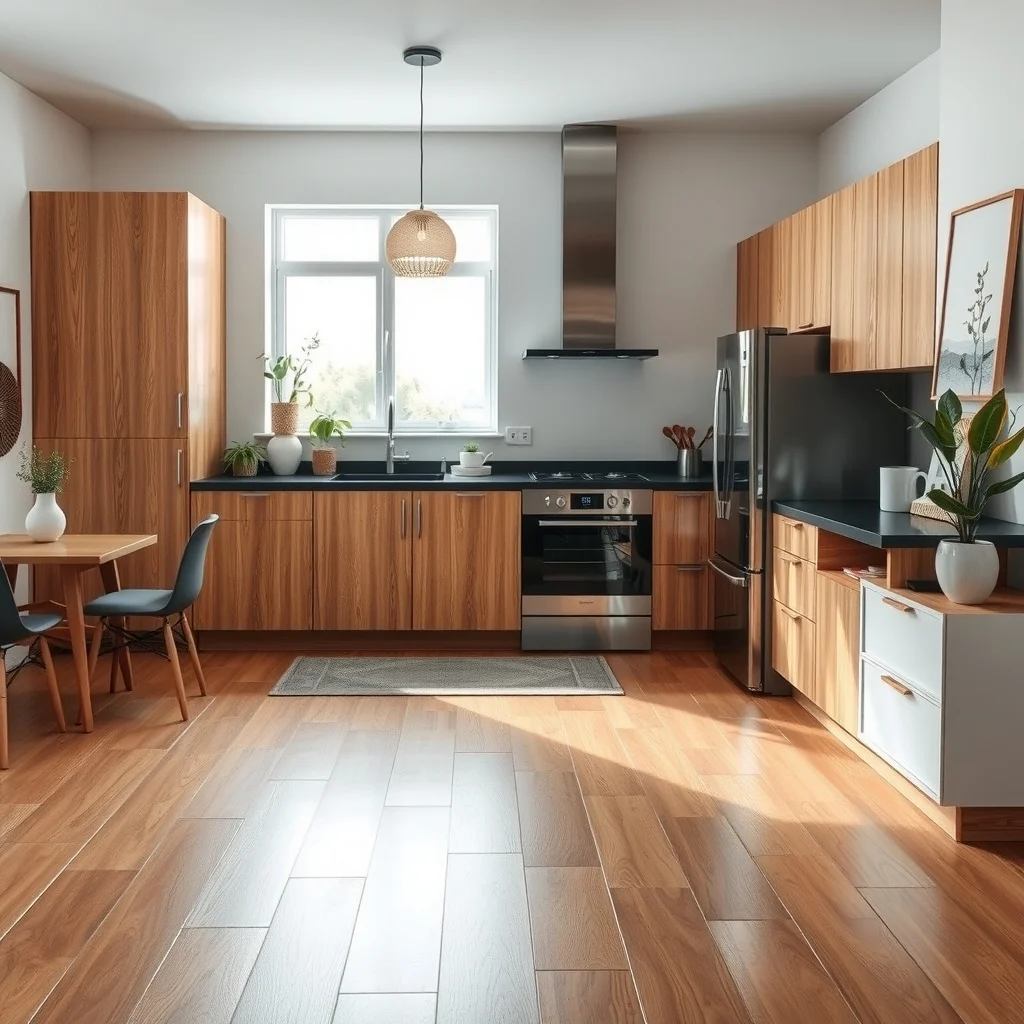
Hardwood or tile floors are attractive but can show dents, scratches, or stains the moment a coffee cup tips over. Peel‑and‑stick vinyl tiles in a wood‑grain finish give the illusion of hardwood while providing a resilient surface that can be removed without leaving residue. For larger areas, a low‑pile, tightly woven rug in a muted taupe or slate adds warmth and hides minor wear. Position the rug so it defines seating zones, then tuck the edges under furniture to prevent tripping. The downside is that cheap vinyl may feel plasticky underfoot, so opting for a mid‑range product balances aesthetics with durability.
3. Upgrade lighting fixtures with easy‑to‑clean designs
© 2026 AI Illustrator — Inspiration Only
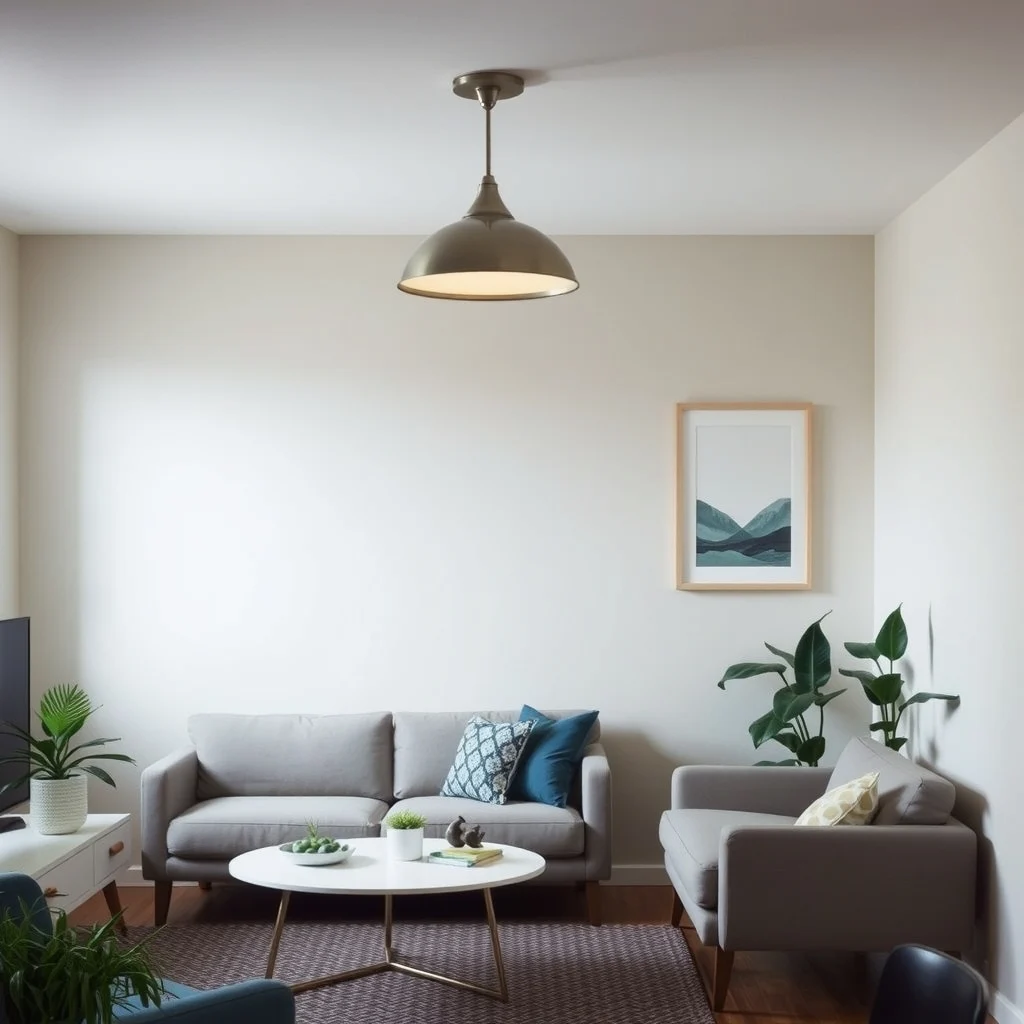
Overhead lighting in many rentals is either harsh fluorescent or dated metal. Swapping a fixture for a sleek brushed‑nickel pendant or a simple LED panel can modernize the space without altering wiring—just turn off the power, disconnect the old unit, and attach the new one with the existing box. Choose fixtures with glass or acrylic shades that can be wiped with a damp cloth; textured fabric shades tend to collect dust and require more maintenance. While some landlords may require approval, most are happy to see a more energy‑efficient solution that reduces their utility bills. Keep a spare set of bulbs on hand to avoid dark corners during the final walk‑through.
4. Add functional storage that doubles as décor
© 2026 AI Illustrator — Inspiration Only
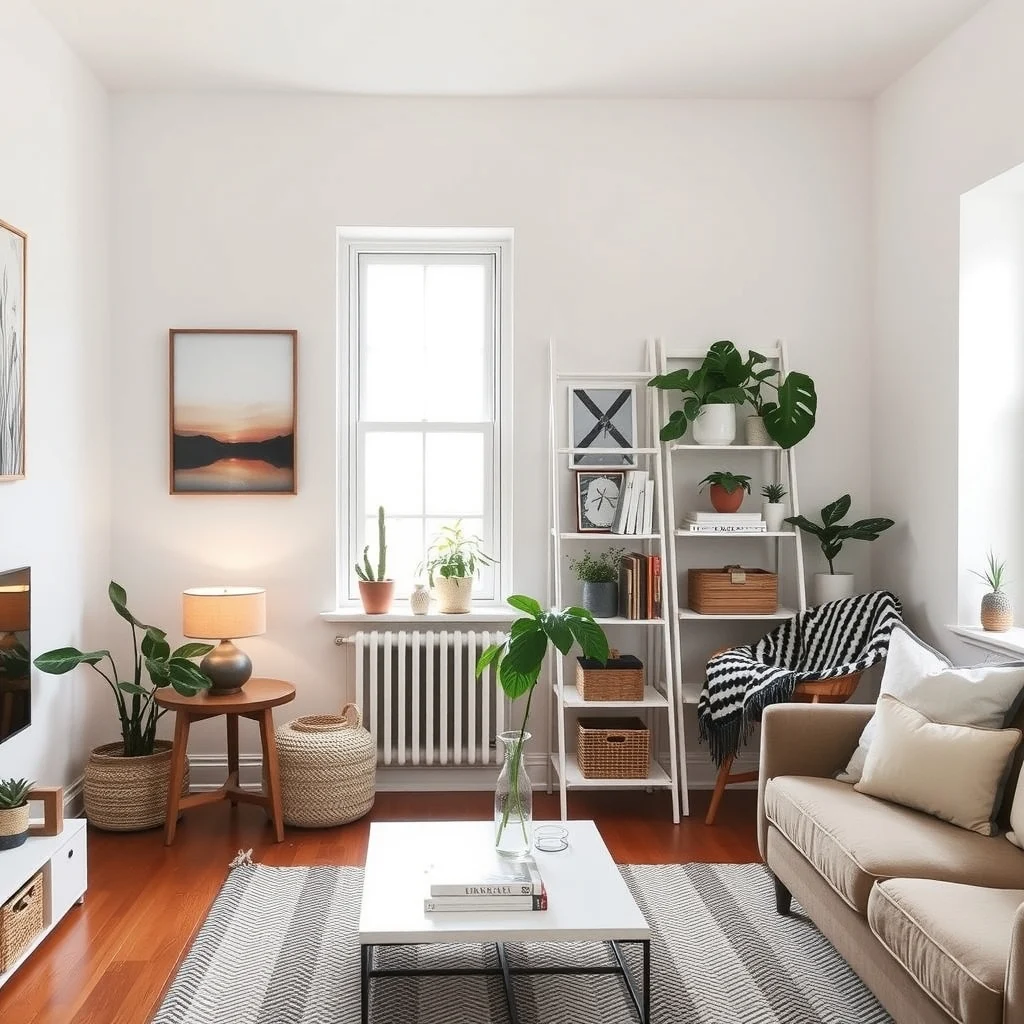
Clutter is the enemy of a clean‑looking apartment, yet built‑in closets are often limited. Introducing a freestanding ladder shelf painted in a matte white provides a place for books, plants, and decorative boxes while keeping the floor clear for cleaning. Woven baskets in natural fibers can hold linens or pantry items; their texture adds visual interest without competing with wall colors. When the lease ends, these pieces can be taken with you, leaving the original space unchanged. The only caution is to avoid heavy furniture that might dent flooring; lightweight wood or metal frames are safer choices.
5. Refresh kitchen and bathroom hardware without major demolition
© 2026 AI Illustrator — Inspiration Only
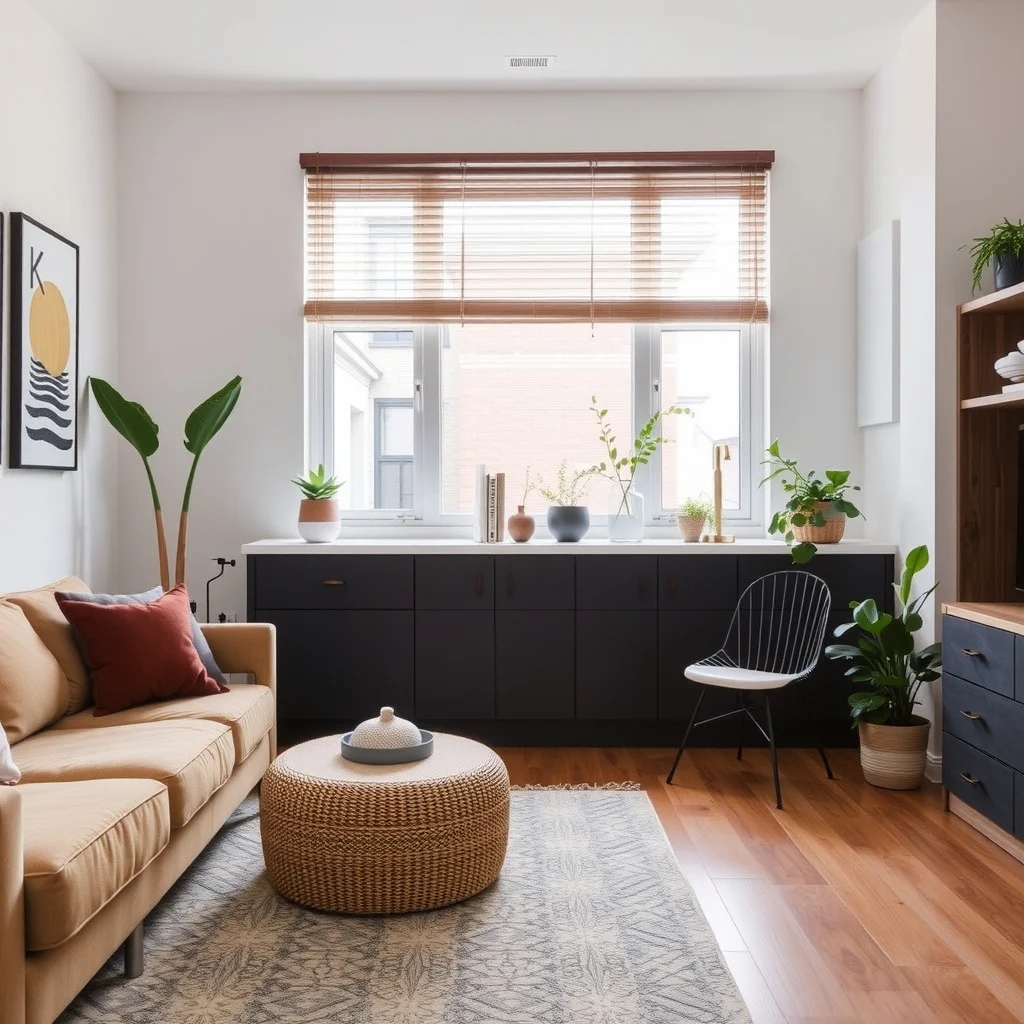
Small changes to cabinet knobs, drawer pulls, and faucet handles can give the impression of a recent remodel. Brushed brass or matte black hardware pairs well with most finishes and can be installed with a simple screwdriver. In the bathroom, swapping a dated showerhead for a water‑saving model not only looks newer but also reduces the landlord’s water usage. These upgrades are reversible—keep the original pieces in a labeled bag so you can reinstall them before moving out. The limitation is that some landlords may have strict policies about hardware, so a quick conversation before purchasing can prevent misunderstandings.
6. Use removable wall décor to personalize space
© 2026 AI Illustrator — Inspiration Only
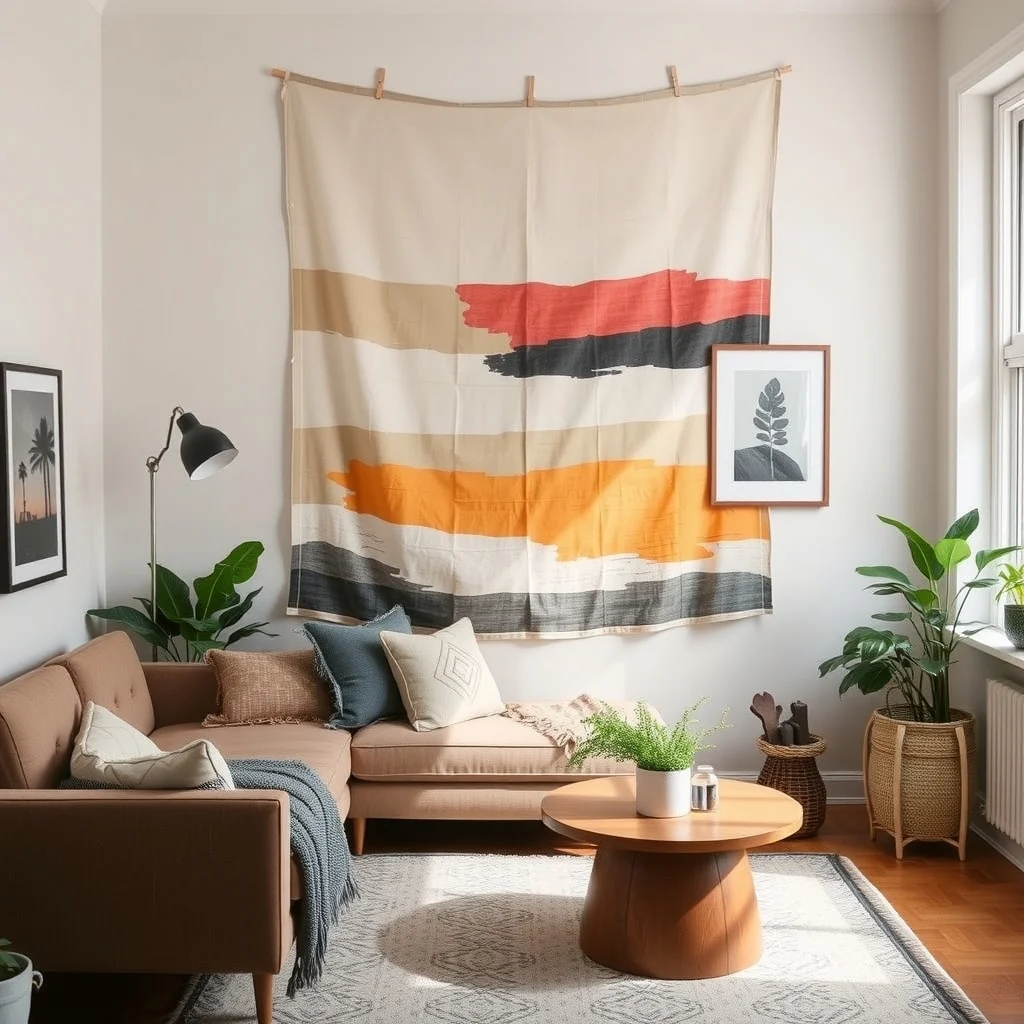
Artwork, fabric panels, or peel‑and‑stick wallpaper allow you to inject personality without committing to permanent changes. A large fabric tapestry hung with command strips adds color and texture while protecting the wall underneath from scratches caused by nails. Removable wallpaper in a subtle geometric pattern can accent a single wall, creating a focal point that can be stripped clean when the lease concludes. The advantage is that these options are lightweight and easy to reposition, but they may not adhere well in high‑humidity bathrooms, so reserve them for dry areas.
7. Create a cleaning‑friendly layout before moving out
© 2026 AI Illustrator — Inspiration Only
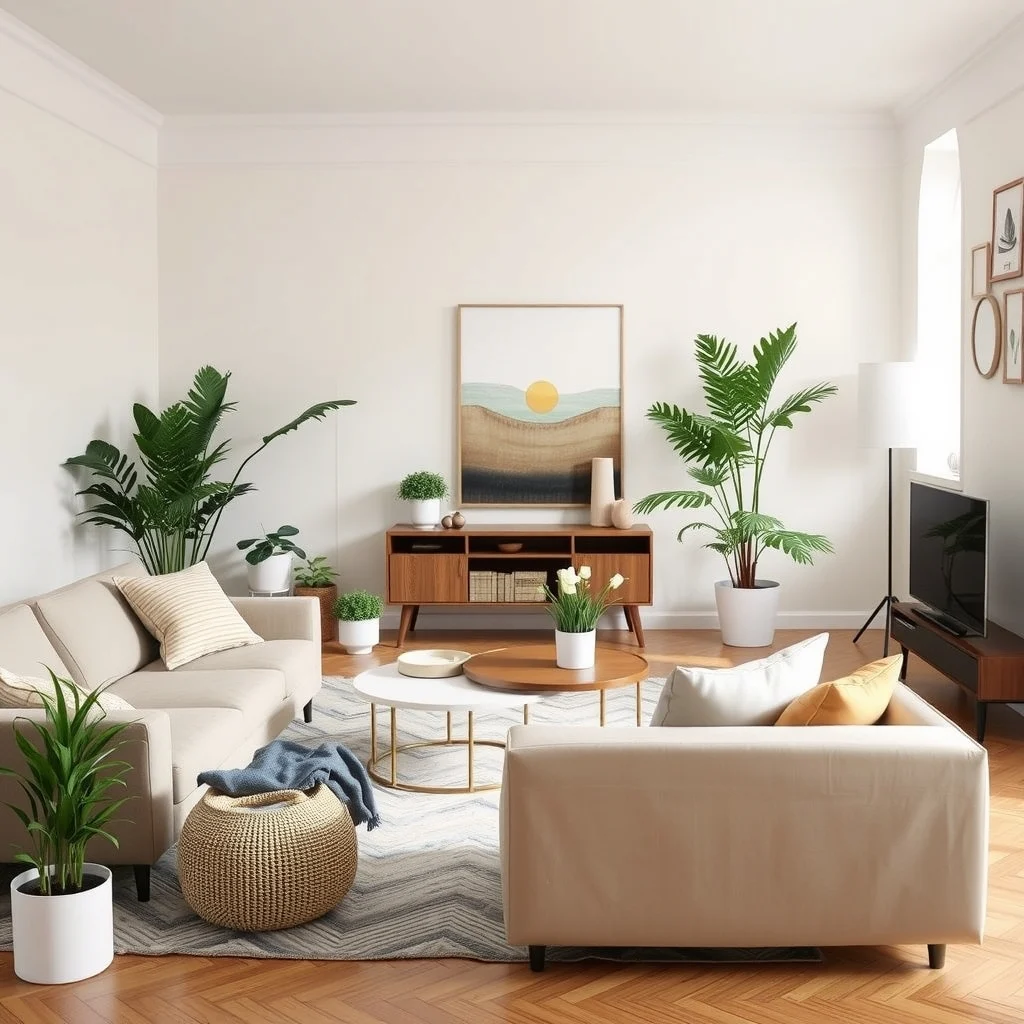
How you arrange furniture can influence how easily you can sweep, mop, or vacuum during the final inspection. Keep pathways at least three feet wide around the main entry and between major pieces, allowing a cleaning tool to glide without obstruction. Position a slim console table near the door to catch shoes and coats, reducing dirt tracked onto the floor. If you have a dining set, consider a round table with chairs that tuck neatly under it, minimizing the need to move heavy items for a deep clean. While this may feel less intimate than a tightly‑grouped living area, the clear layout shows the landlord that the space has been maintained thoughtfully.
Frequently Asked Questions
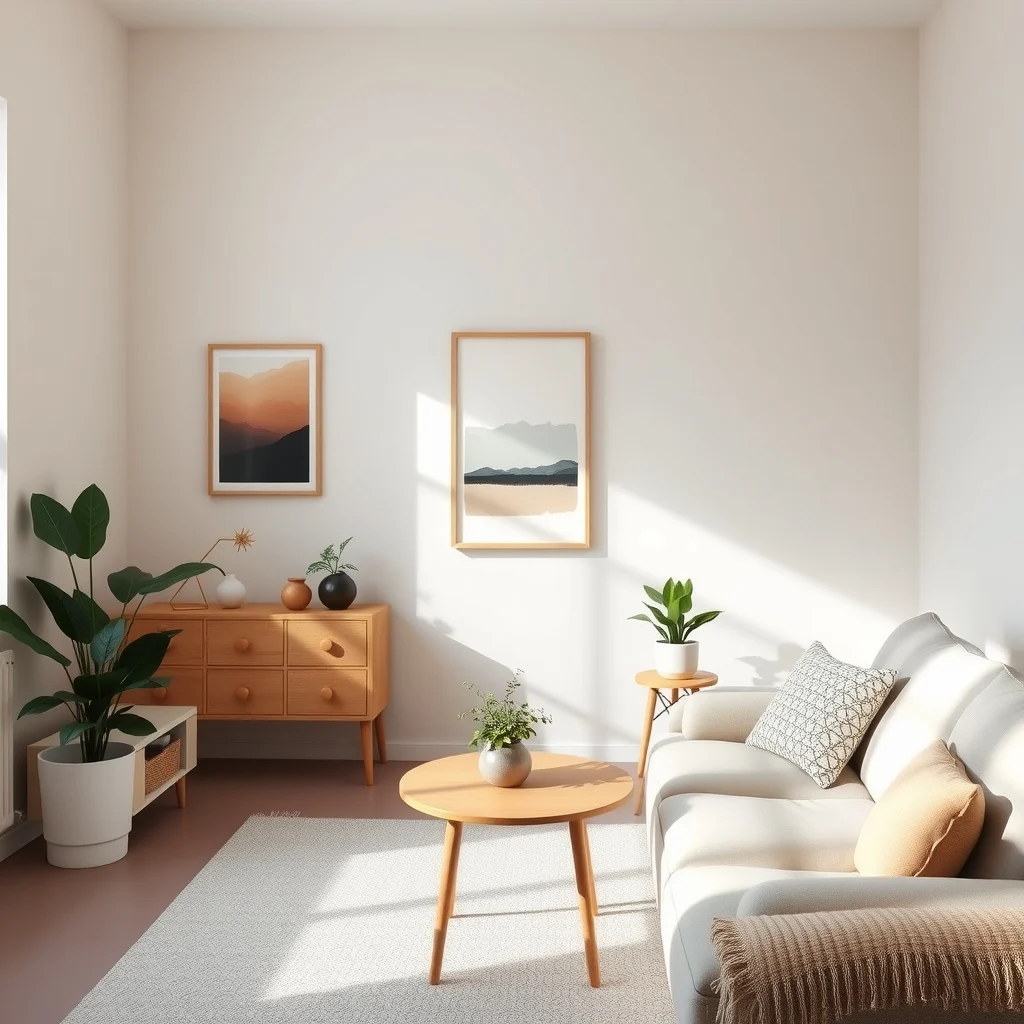
© 2026 AI Illustrator — Inspiration Only
How can I protect my walls without painting over them?
Use washable, matte paint in a neutral shade, or apply a thin layer of removable wall covering such as peel‑and‑stick wallpaper. Both options create a protective barrier that can be cleaned without damaging the underlying surface.
What’s the best type of rug for a rental that won’t damage the floor?
A low‑pile, tightly woven rug in a natural fiber or synthetic blend works well because it stays flat, resists staining, and can be lifted to clean the floor underneath. Avoid rugs with rubber backing that may leave residue when removed.
Can I replace lighting fixtures in a rental without violating the lease?
Yes, as long as you use the existing electrical box and do not alter wiring. Choose a fixture that matches the current voltage and keep the original for re‑installation at move‑out.
How do I make my kitchen look upgraded without permanent changes?
Swapping out cabinet knobs, drawer pulls, and faucet handles provides a fresh look that can be undone easily. These small hardware changes are reversible and typically acceptable to landlords.
Which Living Room Color Palette Fits You Best?
Discover the palette that reflects your style — take our free quick quiz and get instant decor inspiration!
Take the Quiz NowWhat’s the most important thing to focus on for getting the full deposit back?
Maintain clean, undamaged surfaces—walls, floors, and fixtures. By choosing décor that can be removed or cleaned without leaving marks, you reduce the risk of deductions during the final inspection.
Final Thoughts
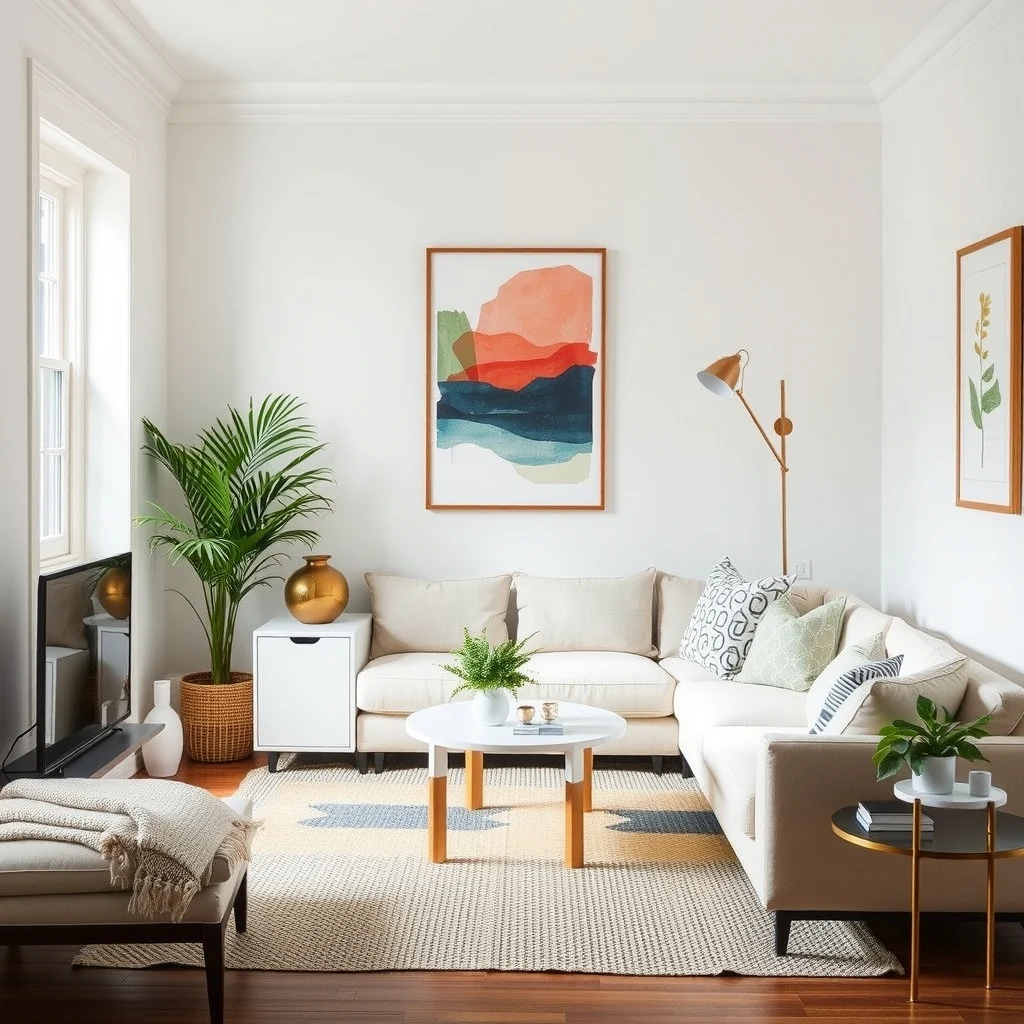
© 2026 AI Illustrator — Inspiration Only
Designing a rental that feels like home while safeguarding your security deposit is a matter of choosing reversible, low‑maintenance elements. Neutral walls, protective flooring, smart lighting, functional storage, subtle hardware upgrades, removable décor, and a cleaning‑friendly layout each contribute to a polished appearance that impresses landlords. By planning with the move‑out day in mind, you can enjoy a stylish space now and walk away with your full deposit in hand.