
Finding a quiet spot for a book in a bedroom that already feels packed can seem impossible. Yet a well‑thought‑out reading nook doesn’t have to require a separate alcove or an entire wall. By re‑examining the layout, choosing the right furniture, and adding a few purposeful details, you can carve out a comfortable literary retreat even when square footage is at a premium. Below are seven ideas that transform under‑used corners, built‑in features, or modest furnishings into inviting spaces where a good story can unfold.
Shop the Look
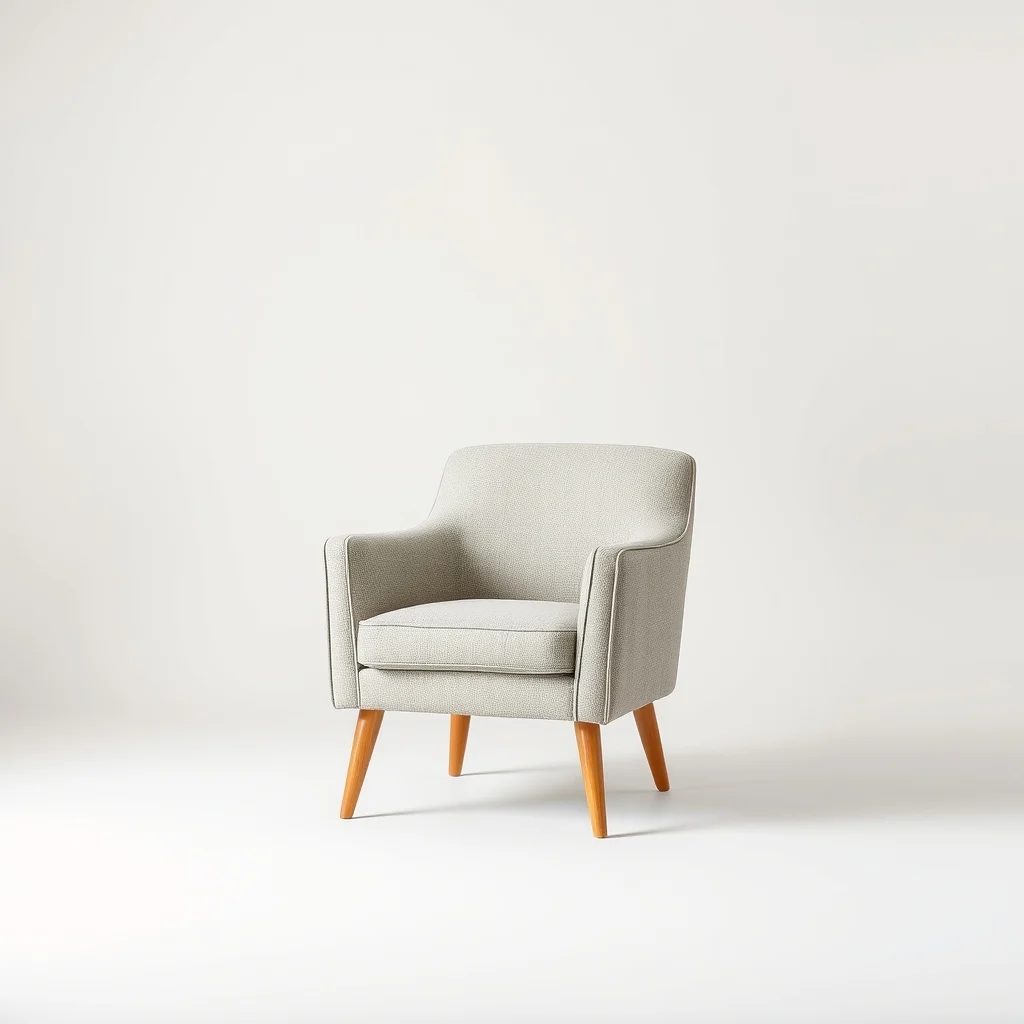
Compact Upholstered Accent Chair
Fits the 30‑inch footprint recommendation and adds cozy seating for a tight bedroom nook.
Beautiful Homes Don't Happen by Accident.
Turn your home inspiration into action with practical decorating guides, organization planners and digital resources.
A Fresh Start for Your Home
Get helpful resources to plan your rooms, organize your spaces and make decorating decisions with more confidence.
Your first purchase
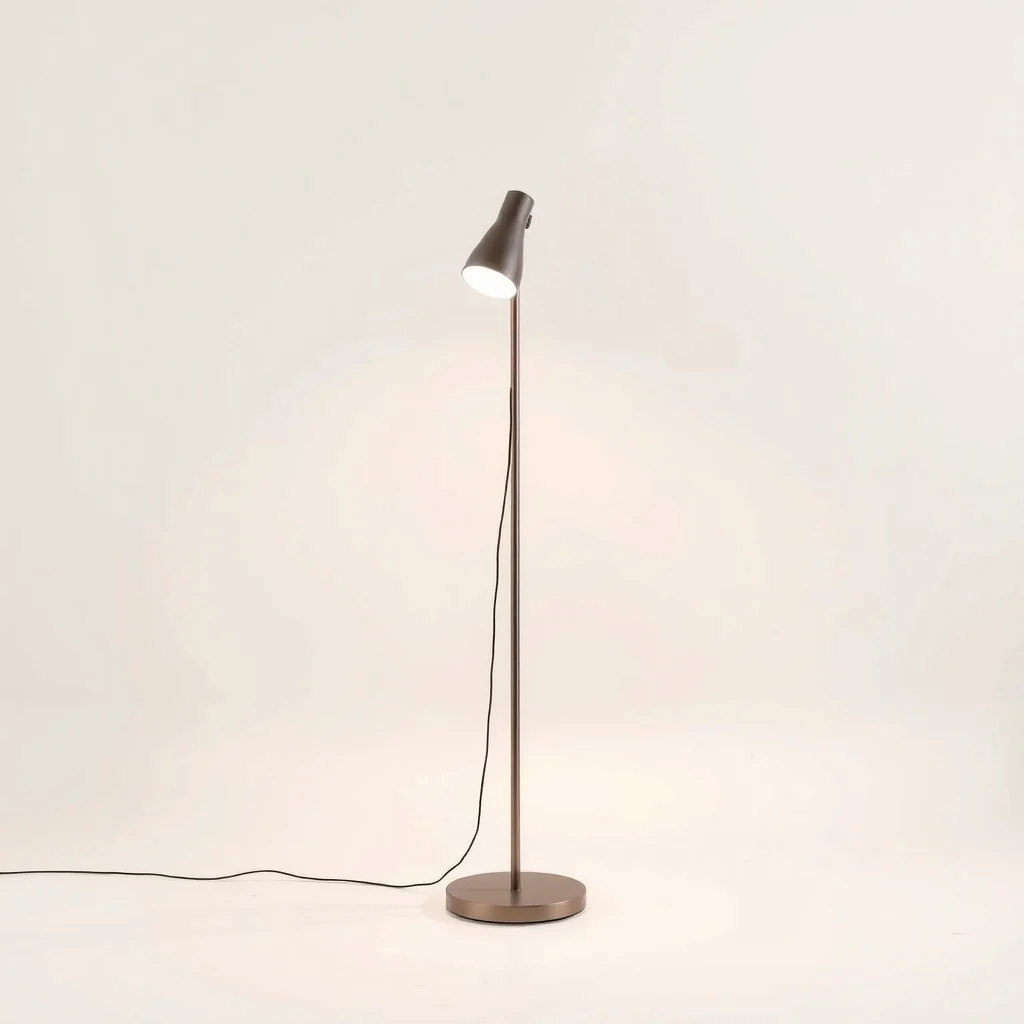
Adjustable Slim Floor Lamp
Provides focused, space‑saving light without needing ceiling installation.
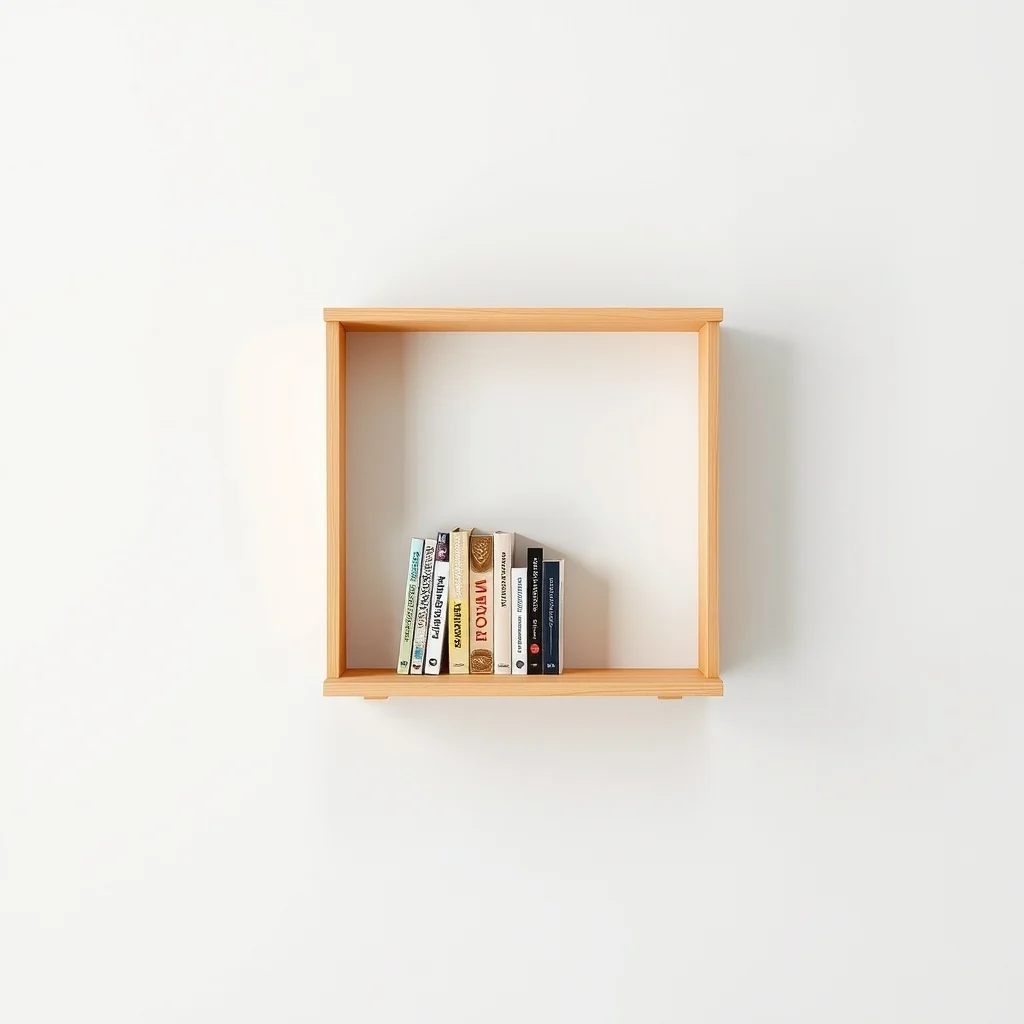
Fold‑Down Wall Shelf
Creates a hidden reading platform that tucks away when not in use, ideal for small spaces.
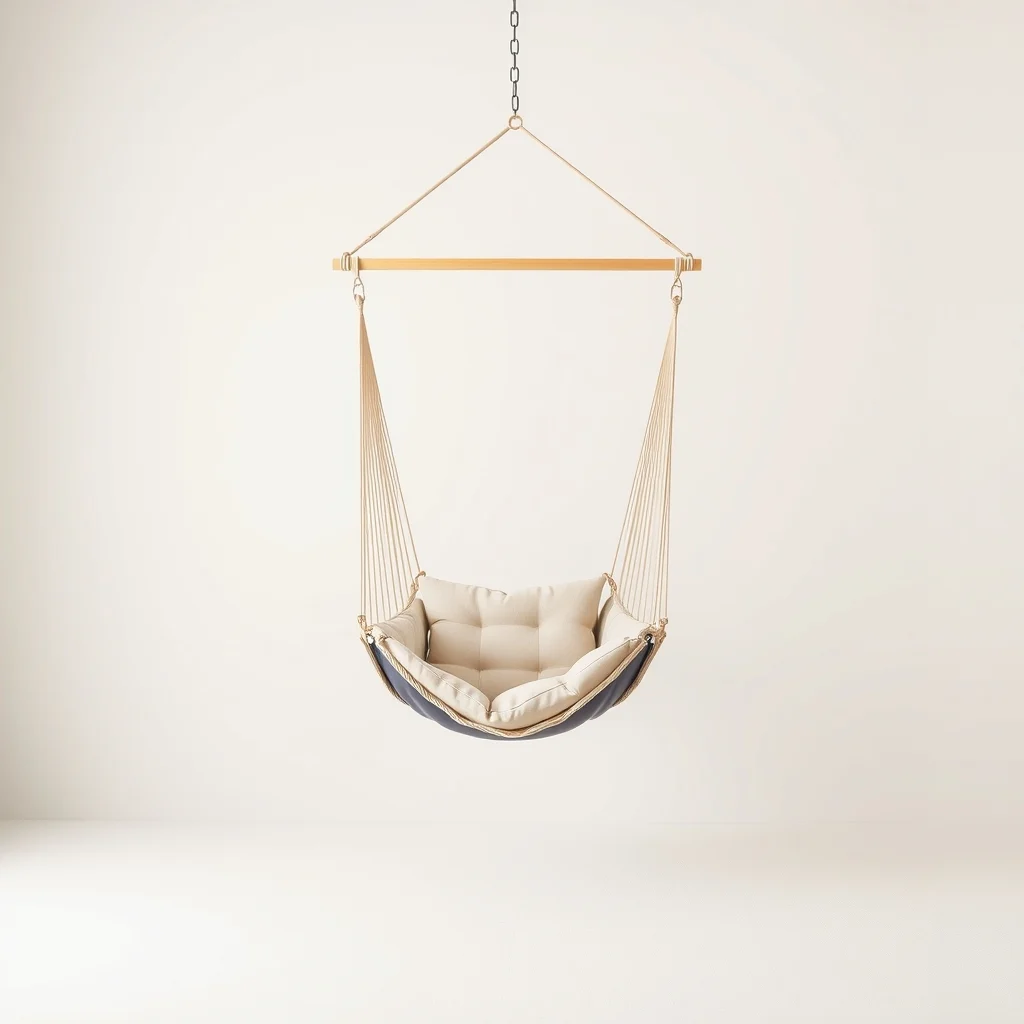
Hammock Chair with Safety Lock
Offers a suspended reading seat that’s secure for children and easy to install in a bedroom.
Images are example styles; the products on Amazon may look different.
As an Amazon Associate I earn from qualifying purchases. This post contains affiliate links at no extra cost to you.
1. Float a Compact Chair Against a Wall
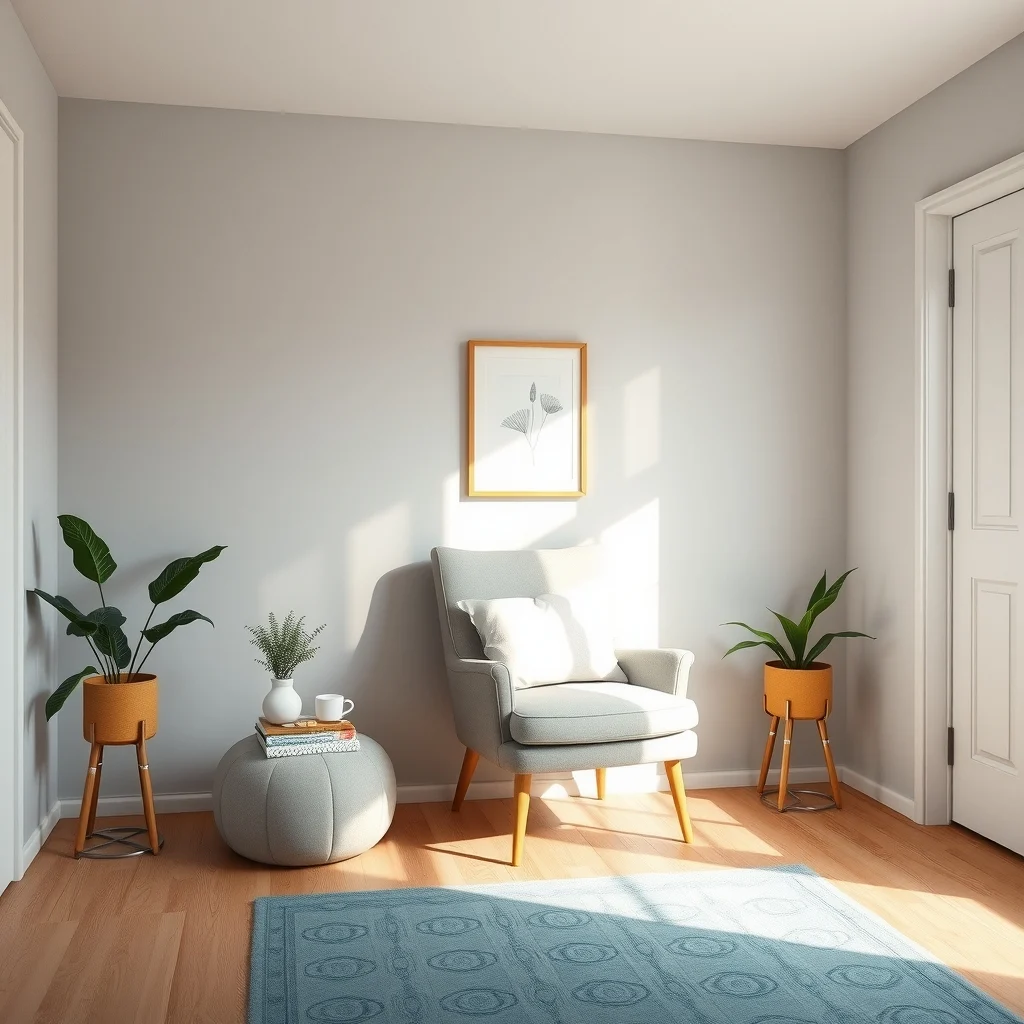
When floor space is limited, a low‑profile chair placed directly against a wall can become the foundation of a reading corner. Choose a piece with a modest footprint—something about 30 inches wide and 30 inches deep—preferably in a material that feels inviting, such as a soft linen upholstery or a gently worn leather. By positioning the chair so its back rests against a solid surface, you free the opposite side for a small side table or a stack of books. This arrangement also makes it easy to slide the chair against the wall when you need to clear the area for other activities. Adding a slim floor lamp that leans over the chair supplies focused light without demanding ceiling space, and a thin rug underfoot helps define the nook while protecting hardwood from foot traffic.
2. Turn a Window Seat into a Mini Library
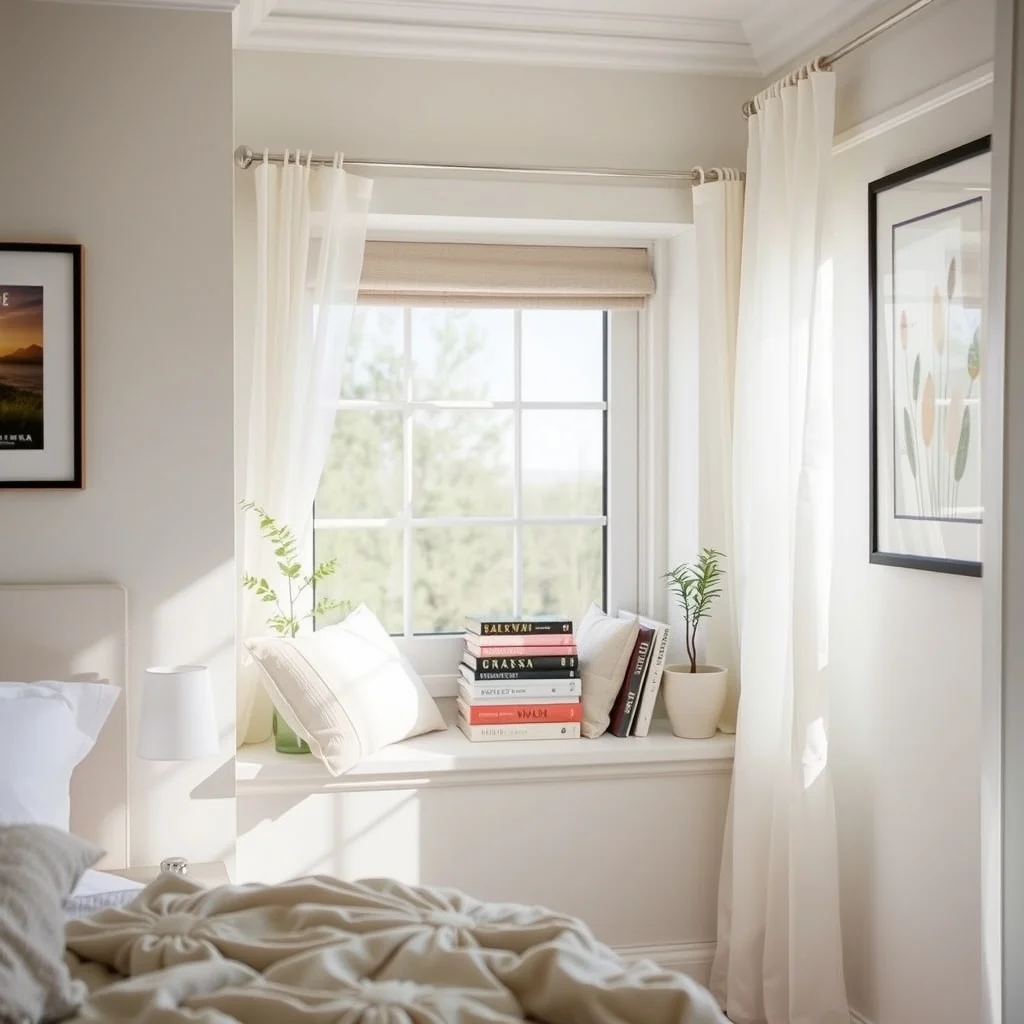
Many bedrooms include a window ledge that is too shallow for a full‑size bench but perfect for a snug perch. By adding a thin cushion, a few decorative pillows, and a low‑profile backrest, the ledge becomes a comfortable seat that catches natural light during the day. The window’s view also provides a pleasant backdrop for reading. To keep the area tidy, install a narrow floating shelf just below the seat; this holds books, a small plant, or a tea cup without crowding the floor. The main trade‑off is that the seat will be limited to the length of the window, so it works best for a single reader rather than a shared space.
3. Use a Fold‑Down Wall Shelf as a Reading Platform
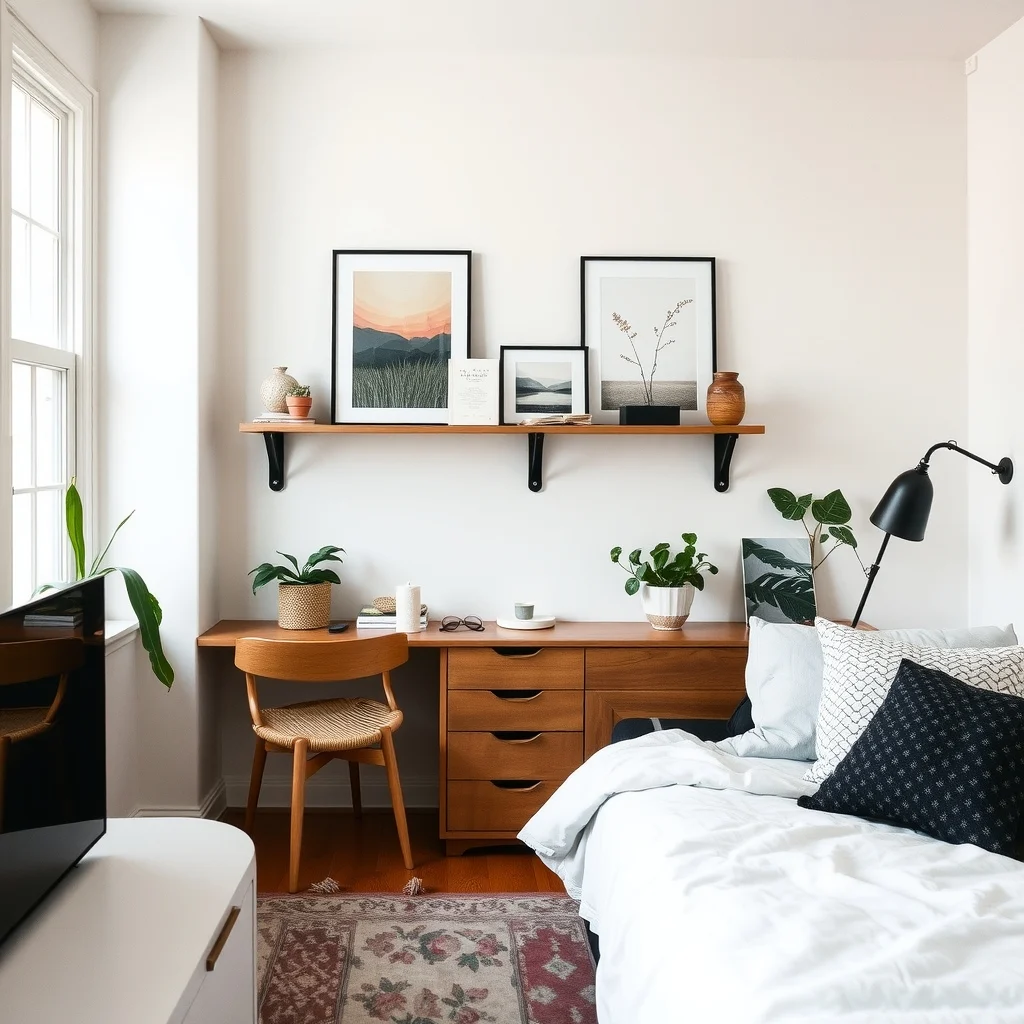
When wall space is abundant but floor space is not, a wall‑mounted fold‑down shelf offers a clever solution. These shelves hinge outward and can be set at a comfortable height for a seated position when needed, then folded back flat against the wall when not in use. Selecting a shelf with a sturdy wooden top and a subtle finish ensures it can support a small cushion and a lightweight chair. Because the shelf is attached to the wall, it does not interfere with traffic flow, and the hidden storage space beneath can hold a few favorite titles or a reading lamp. The main consideration is to mount the shelf at a height that matches the chair’s seat height, typically around 18‑20 inches from the floor, to avoid strain on the back.
4. Repurpose a Nightstand as a Reading Pod
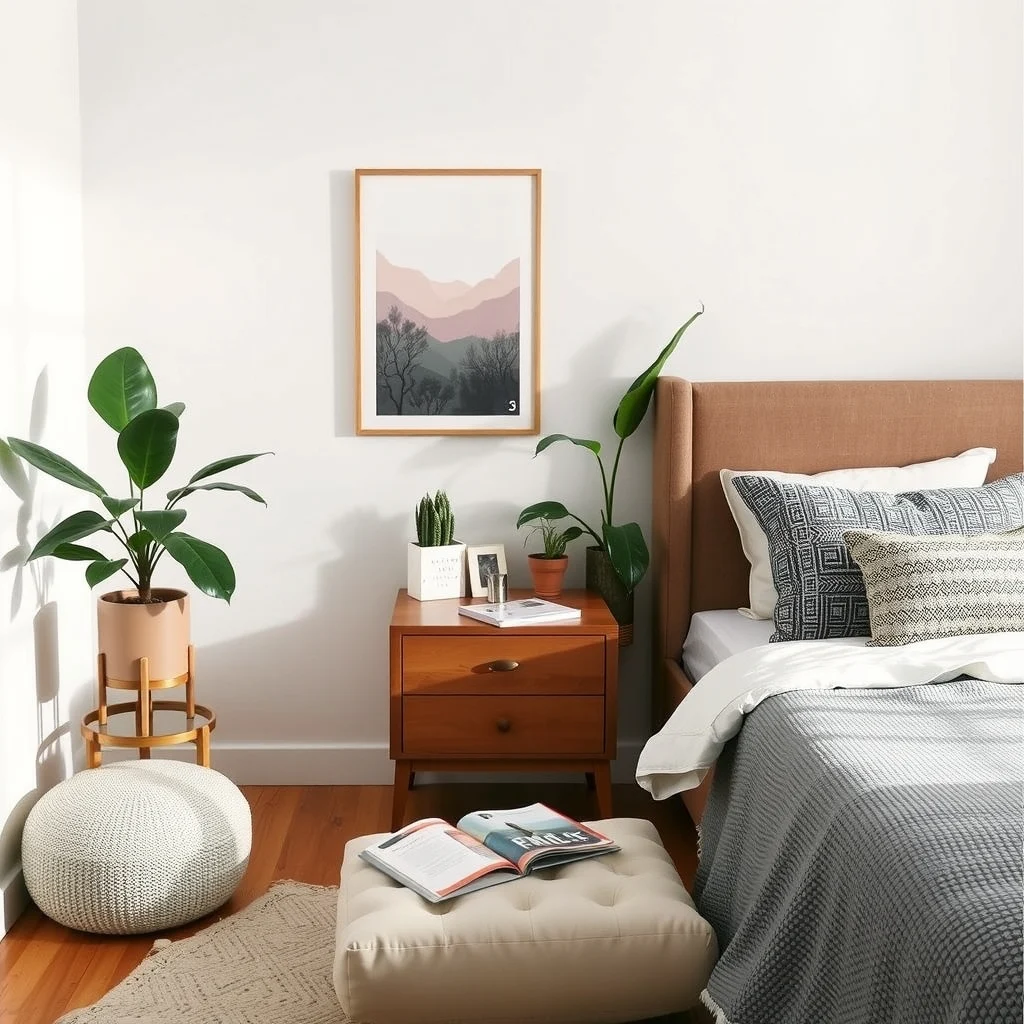
A nightstand placed against a free wall can double as a mini pod when paired with a low ottoman or a floor cushion. Choose a nightstand with a drawer for storing reading glasses, a notebook, or a small stack of books. By adding a plush floor cushion that aligns with the height of the nightstand’s top, you create a raised platform that feels like a tiny stage for a book. A slim table lamp on the nightstand provides directed illumination, while a small decorative tray keeps a cup of tea or coffee within reach. This set‑up works best in rooms where the nightstand isn’t already needed for bedside storage, but it offers a flexible way to add a reading spot without purchasing extra furniture.
5. Hang a Hammock Chair from the Ceiling
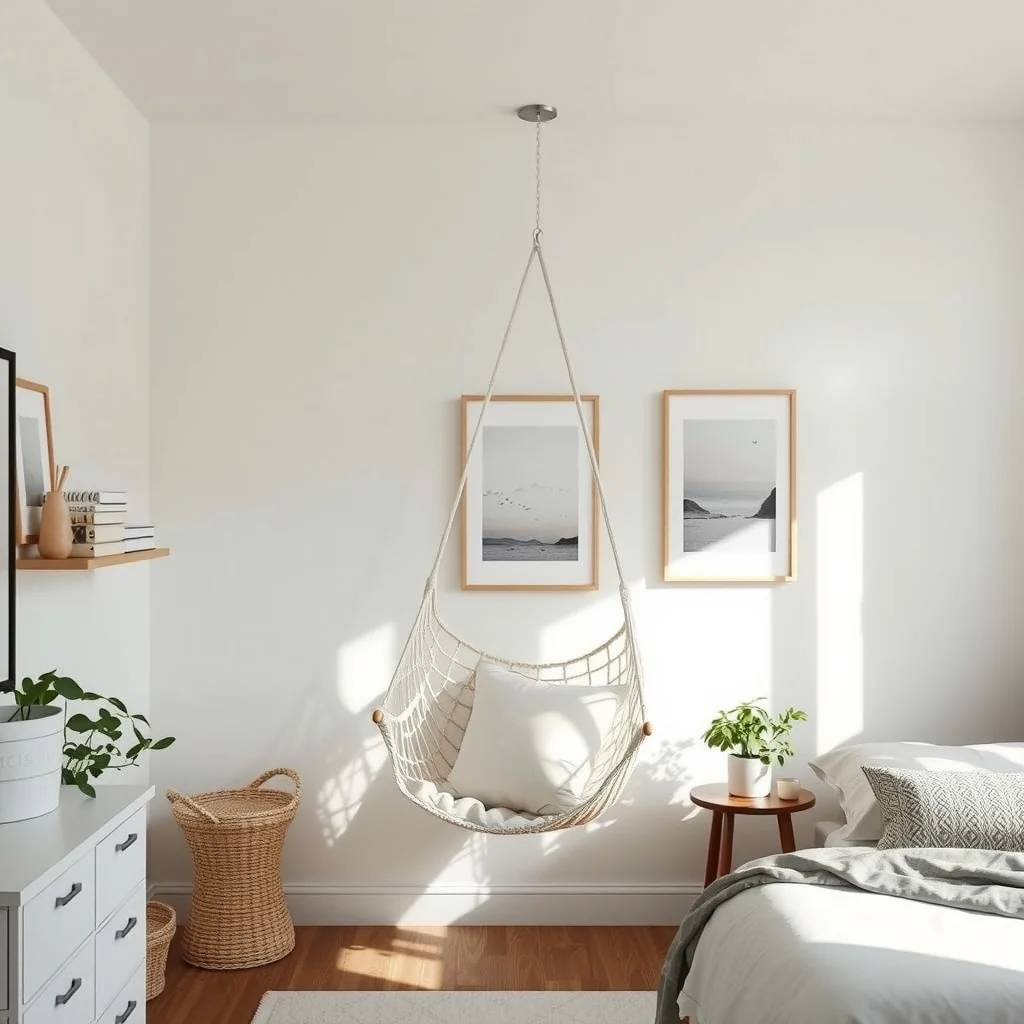
A suspended hammock chair can bring a sense of leisure to a cramped bedroom without taking up any floor area. Look for a model that supports up to 250 pounds and includes sturdy steel hooks that can be anchored into ceiling joists. The chair’s woven fabric offers gentle sway, and its compact size means it fits into corners that would otherwise be unused. Pair the hammock chair with a small side table that rests on the floor nearby; a lightweight metal or acrylic design can be moved easily if you need to clear the space. The main limitation is the need for a secure ceiling anchor, so it may not be suitable for renters who cannot modify the ceiling.
6. Create a Built‑In Shelf Nook Beneath the Closet
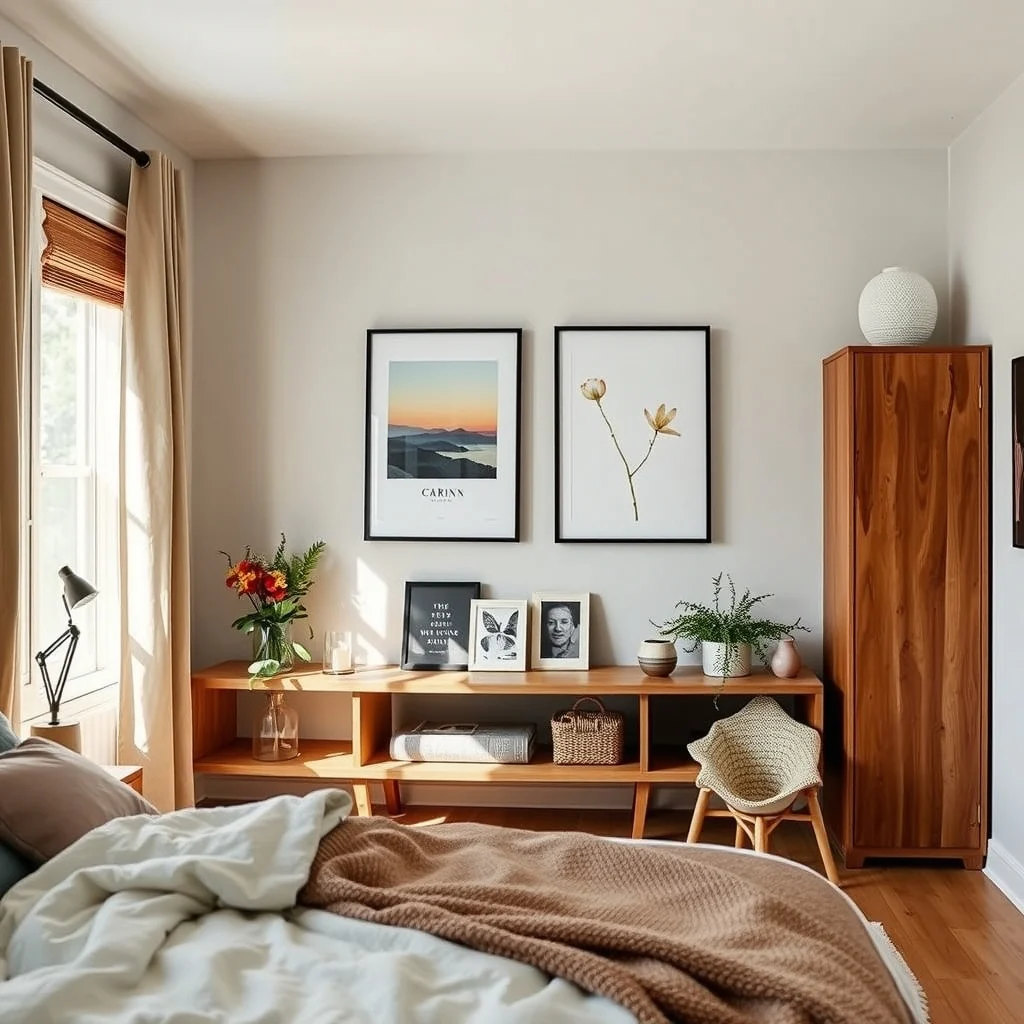
If the bedroom includes a closet that extends down to the floor, the space underneath often goes unnoticed. By installing a low, built‑in shelf that runs the length of the closet, you gain a hidden ledge that can serve as a reading perch. A thin mattress topper or a firm foam pad placed on the shelf, covered with a washable slipcover, provides a comfortable surface. Adding a narrow LED light strip along the underside of the shelf supplies soft illumination without intruding on the room’s overall lighting scheme. This solution maximizes otherwise wasted space, though it does require a bit of carpentry or a professional installation to ensure the shelf can bear weight safely.
7. Add a Rolling Book Cart with an Integrated Seat
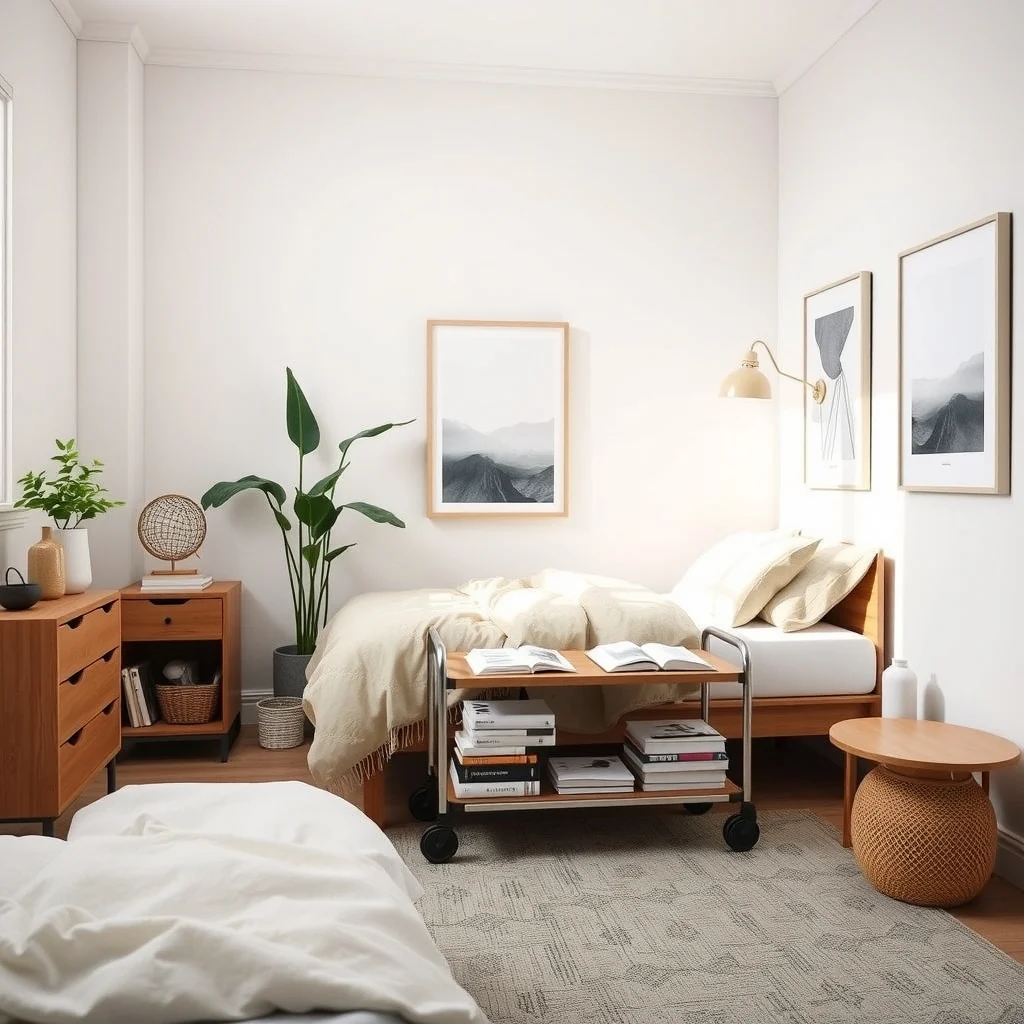
A rolling cart that includes a small built‑in bench offers mobility and flexibility. Choose a cart with a sturdy metal frame, a wooden top, and wheels that lock in place. When positioned near a wall, the bench portion can be used as a seat, while the upper shelf stores books and a reading lamp. Because the cart can be moved, you can reconfigure the layout for different activities, such as shifting it to a different corner or tucking it against a dresser when you need more open space. The primary trade‑off is that the cart’s footprint, while modest, still occupies a portion of the floor, so it works best when the room already has a dedicated area for a small piece of furniture.
How do I choose the right lighting for a small reading corner?
A focused table lamp or floor lamp with an adjustable arm works well because it directs light where you need it without brightening the entire room. Choose a lamp with a warm‑white LED bulb, around 2700‑3000 K, to create a cozy atmosphere that’s easy on the eyes. If ceiling height is limited, a wall‑mounted swing arm lamp can free up floor space while still offering flexibility.
Can I make a reading nook in a bedroom that already has a large dresser?
Yes, a dresser can become part of the nook by using its top surface as a makeshift desk or by placing a low chair in front of it. Adding a slim side table or a floating shelf above the dresser can provide storage for books and a lamp without crowding the floor. Just ensure there is enough clearance for the chair to slide in and out comfortably.
What are low‑maintenance fabrics for a reading chair?
Consider upholstery made from performance woven fabrics, such as polyester blends, which resist stains and are easy to clean with a damp cloth. Leather or faux‑leather also holds up well in a bedroom environment, as it can be wiped down quickly and ages gracefully with use.
Is a hammock chair safe for children?
Hammock chairs are generally safe for older children who can sit upright without assistance, but they should be installed with proper hardware and weight limits in mind. Always check the manufacturer’s specifications and ensure the ceiling anchor points are secure. For younger children, a low floor cushion or a sturdy beanbag may be a better option.
Final Thoughts
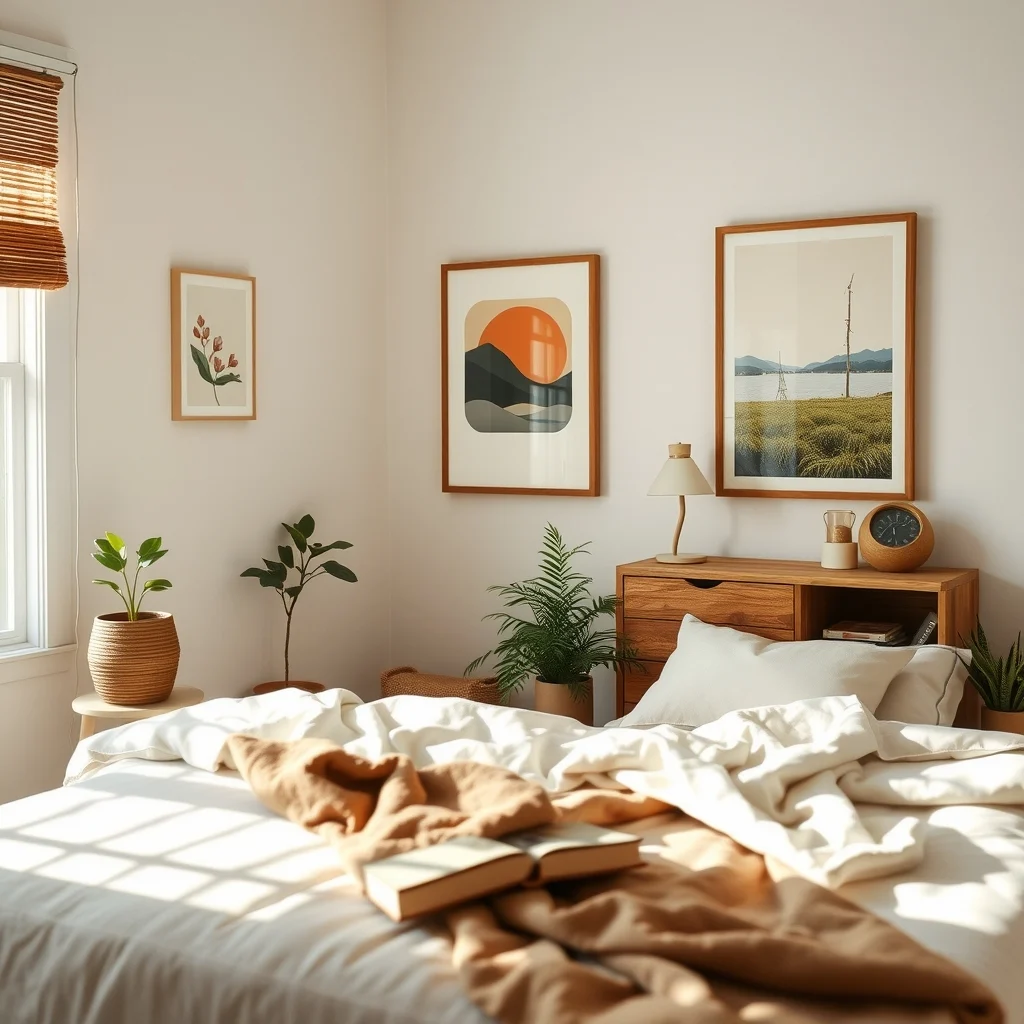
Creating a reading corner in a bedroom that lacks extra space is less about adding new items and more about rethinking what already exists. By selecting compact furniture, making use of walls and ceilings, and integrating storage into the design, you can carve out a personal retreat without compromising the room’s overall function. Each of the seven ideas above offers a different approach, allowing you to match the solution to your style, budget, and the specific constraints of your space. With a little creativity, the perfect spot for your next chapter is already within reach.