

Advertisement
Your bedroom is a mood. And nothing sets that mood faster than lighting—good or bad. If your space still relies on one lonely ceiling light, we’re about to fix that. Let’s elevate your room from “functional” to “wow, who lives here?” with seven smart, stylish lighting ideas you can actually pull off.
1. Build A Three-Layer Glow (Ambient, Task, Accent)
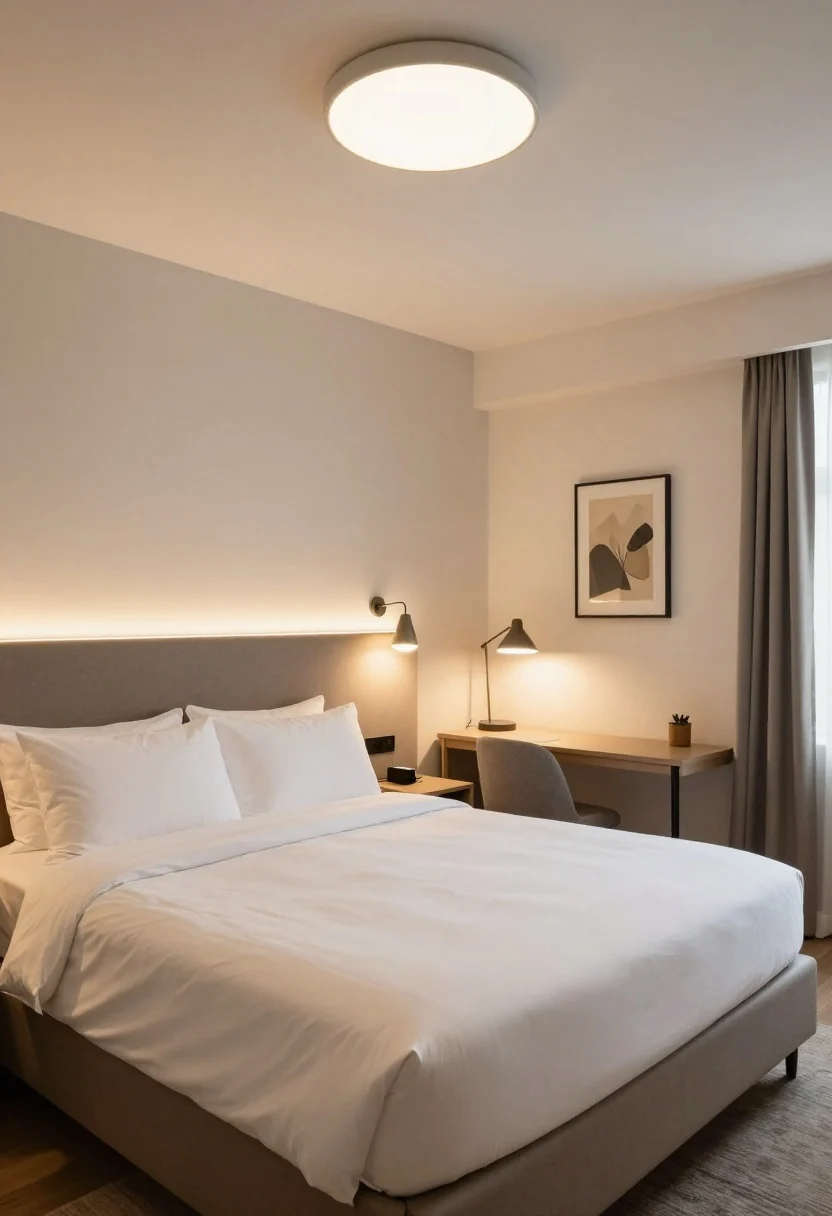
Great bedrooms don’t rely on a single light source. They layer three types: ambient for overall brightness, task for focused jobs (reading, makeup), and accent to add drama and depth. This combo makes your room feel finished—like a well-lit boutique hotel, but cozier.
How to layer like a pro
- Ambient: A flush mount, chandelier, or dimmable ceiling fixture sets the base.
- Task: Bedside lamps, swing-arm sconces, or a focused desk lamp cover reading and work.
- Accent: Picture lights, LED strips behind the headboard, or a small uplight in a corner create depth.
What to shop for: Ceiling fixtures, bedside lamps, wall sconces, LED strip kits.
2. Go Dimmable Or Go Home
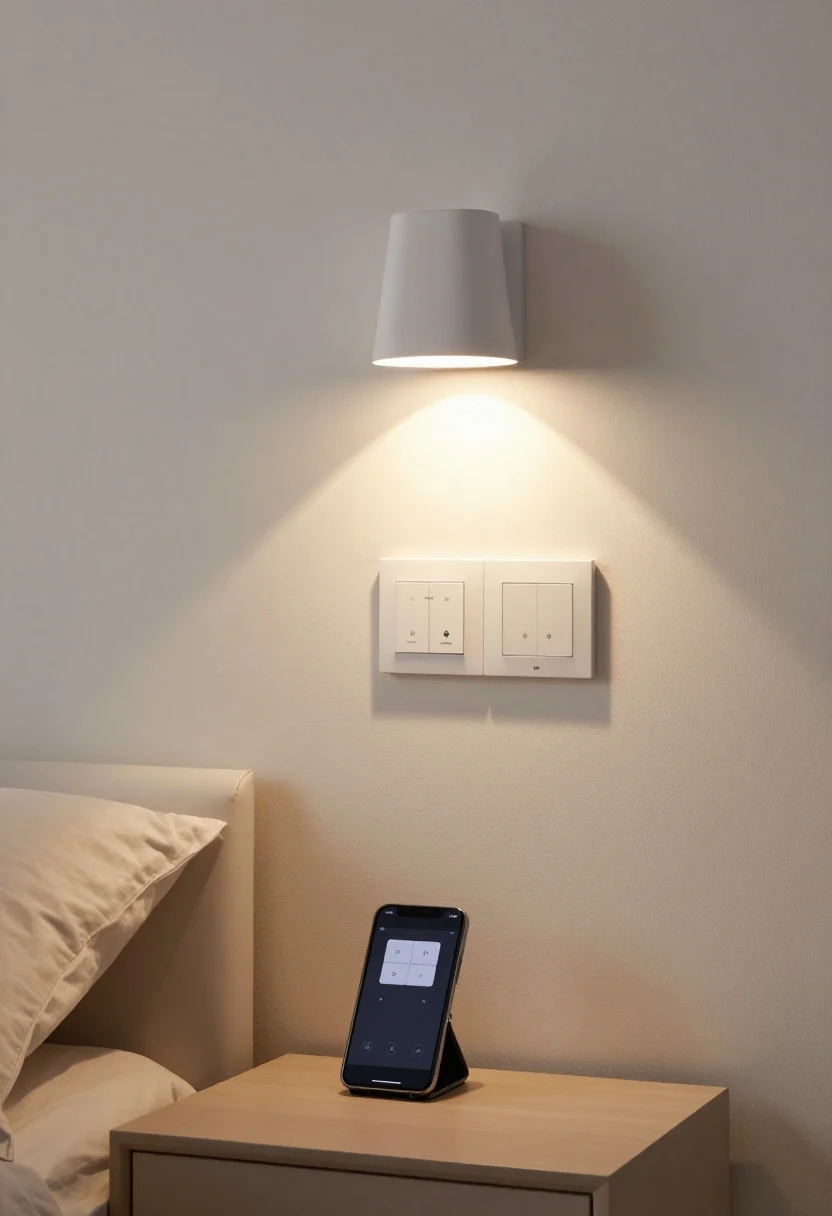
Lighting without dimmers is like music without volume control. You need brightness for morning energy and soft, warm vibes at night. Adding dimmers instantly makes your bedroom feel custom and expensive (without actually being either, FYI).
Smart tweaks that matter
- Install dimmer switches for overheads and lamps. Look for LED-compatible options to avoid flicker.
- Use warm white bulbs (2700–3000K) for evening coziness, and position a cooler task light (3000–3500K) at your vanity or desk if needed.
- Group controls so you can adjust multiple lights from one spot or an app. Your future sleepy self will thank you.
3. Upgrade Your Bedside Situation
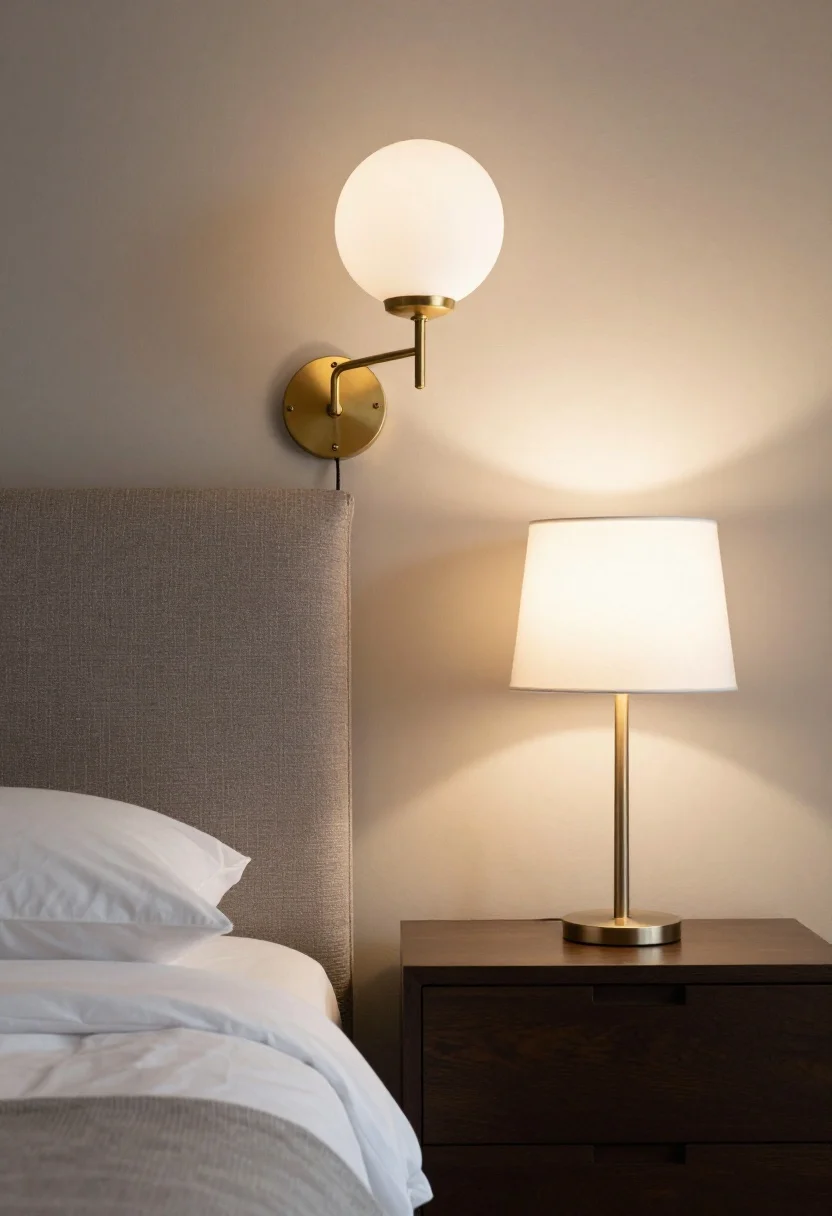
Newsflash: your nightstand lamp is doing more than holding dust. The right scale and style can balance your bed, flatter your face (hello, soft shade), and free up space. Consider wall-mounted sconces to open up the nightstand or pendant lights for a modern, editorial look.
Design notes
- Height matters: Aim for the bottom of the shade to sit around shoulder height when you’re seated in bed.
- Choose a dimmable, opaque shade to prevent glare and keep it cozy.
- Asymmetry is allowed: A sconce on one side and a slim lamp on the other can look chic, not mismatched.
What to shop for: Swing-arm sconces, plug-in pendants, tapered-shade table lamps.
4. Make A Statement With Your Ceiling Fixture
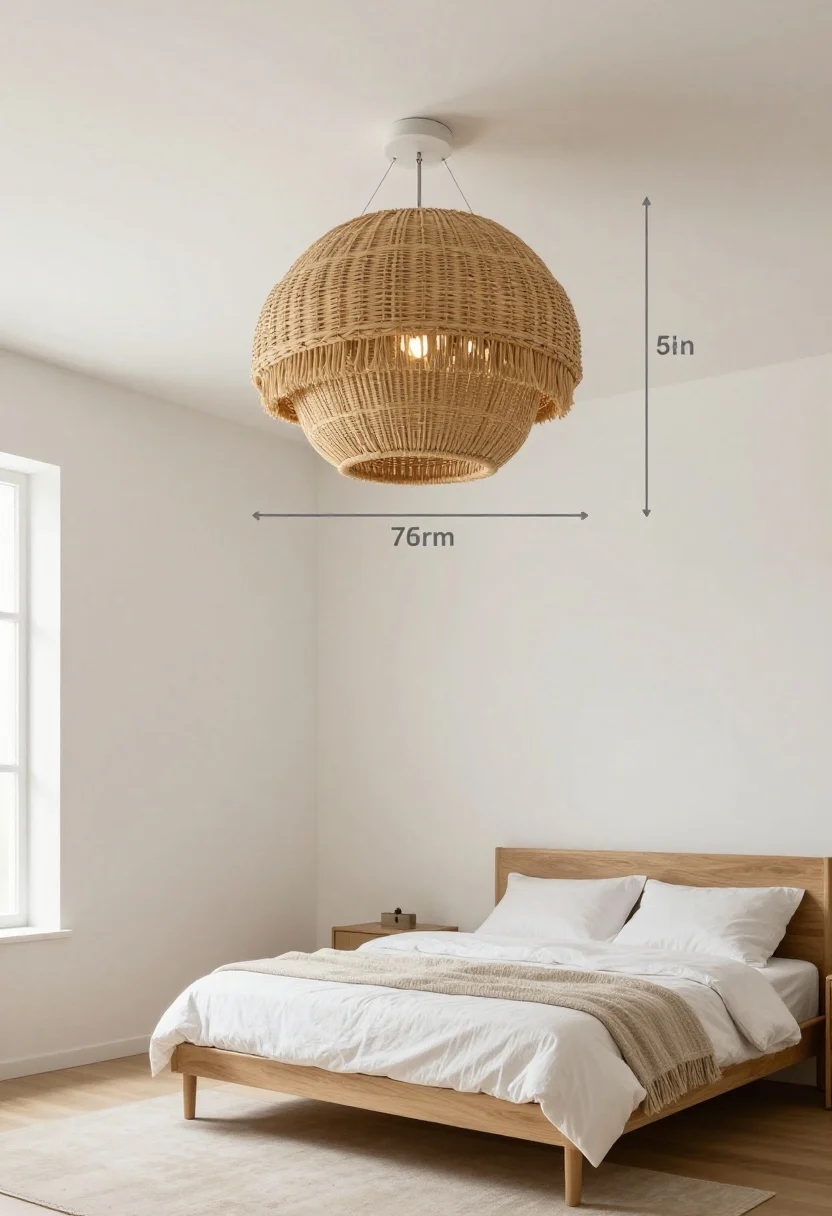
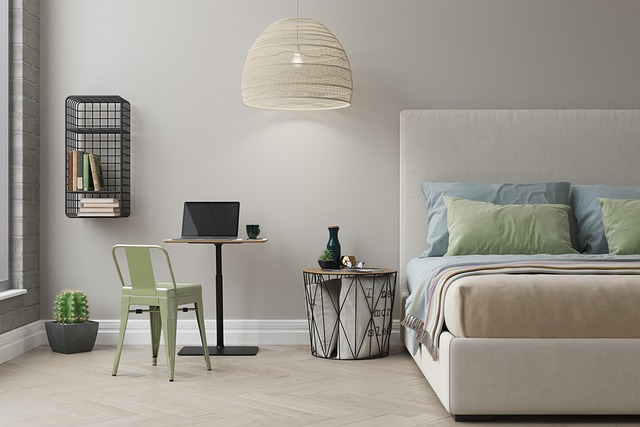
Even small bedrooms deserve a moment. A sculptural chandelier or flush mount can anchor the room and set the tone. Think natural textures for a relaxed vibe (woven, linen), or metal and glass for a clean, modern feel.
Pro sizing tip
- Diameter sweet spot: Add room length + width (in feet), then convert to inches. That’s a nice starting point for fixture diameter.
- Mind the drop: Leave at least 7 feet of clearance if it hangs over open floor; over the bed, you can go lower.
What to shop for: Flush mounts, semi-flush mounts, small chandeliers.
5. Use Accent Lighting To Sculpt The Room
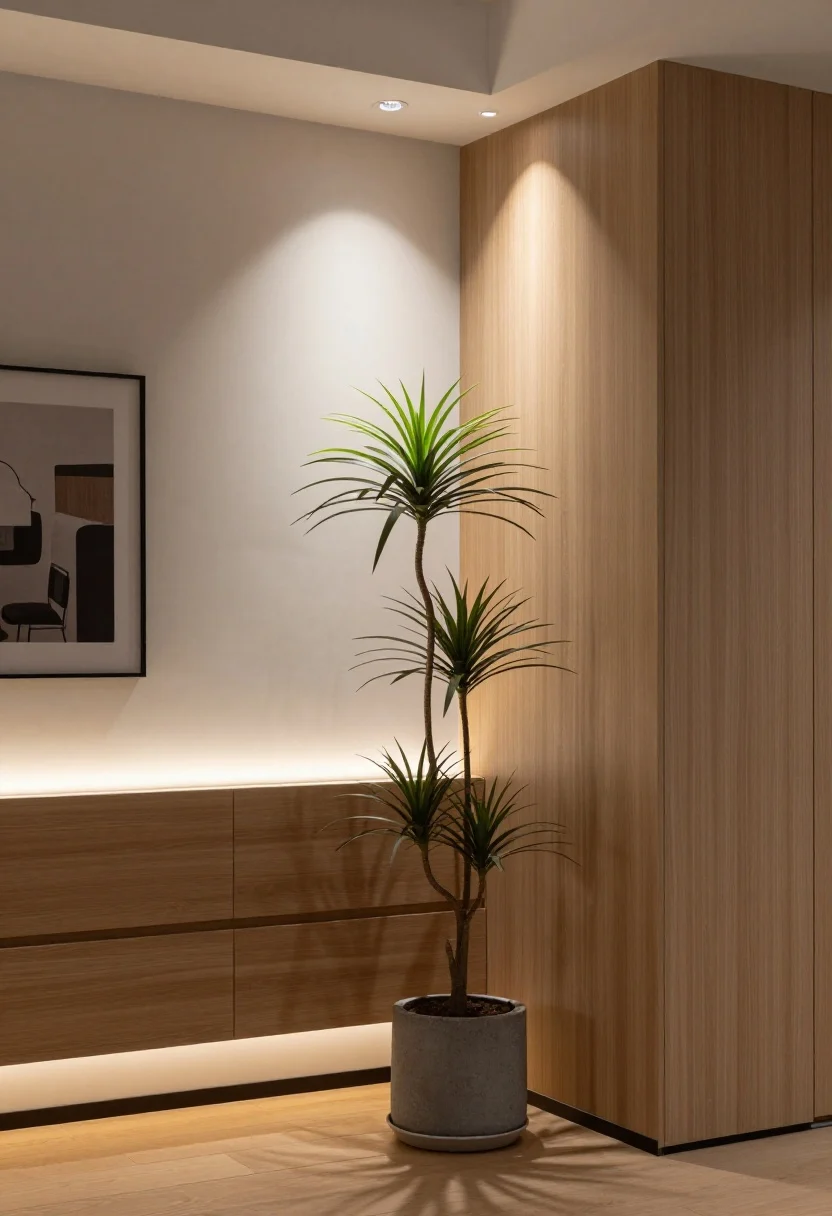
If your room feels flat, add accent lights to shape it. A soft uplight in a corner turns dead space into a moody vignette, while a picture light above artwork adds gallery polish. Even a tiny spotlight aimed at a plant makes it feel intentional (yes, your fiddle leaf deserves fame).
Easy wins
- Backlight the headboard with LED strips for a subtle halo. Hide cords for a clean, built-in look.
- Spotlight texture: Wash a stone wall, slatted wood, or drapery with angled light to show off dimension.
- Create a glow path: Use toe-kick lights under nightstands or dressers for a soft nighttime guide.
What to shop for: LED strip lights, picture lights, small floor uplights.
6. Curate Bulbs Like A Designer (Because You Are)
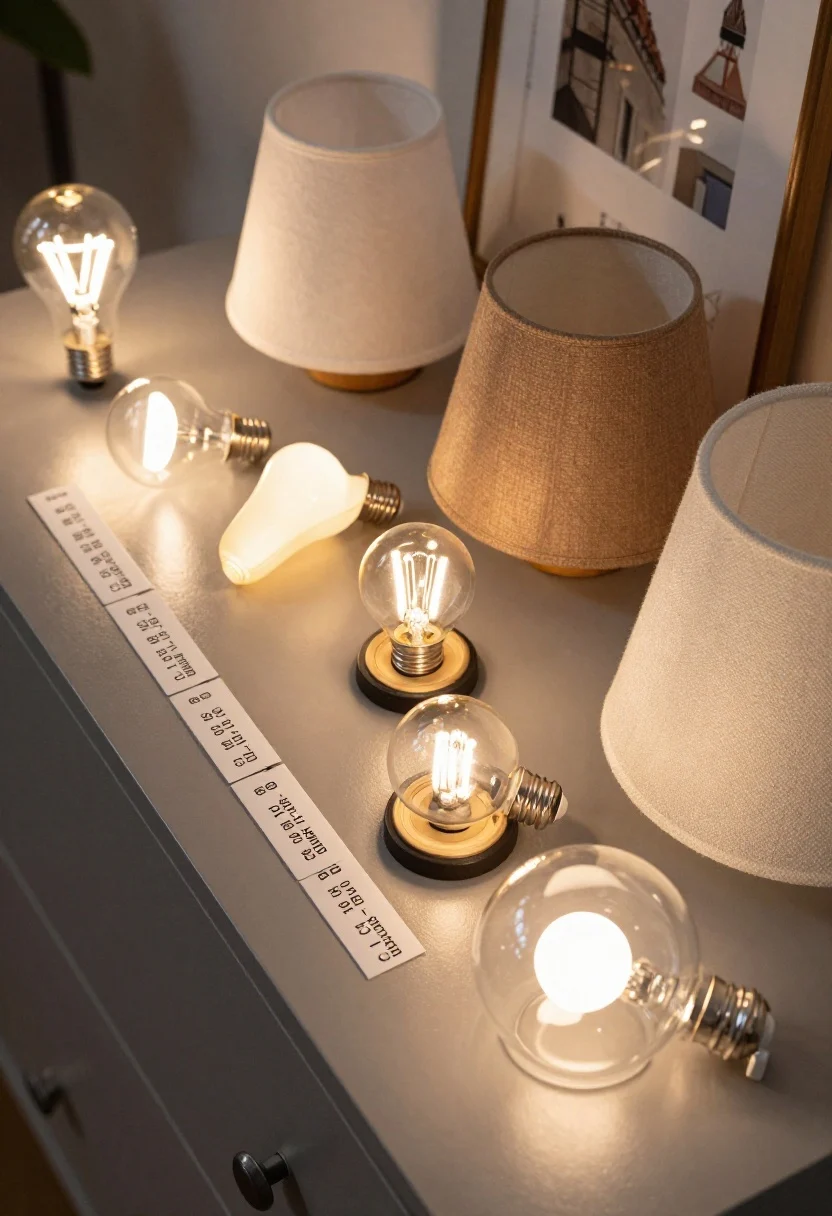
The bulb is the secret sauce. Get the color wrong, and your chic room looks like a waiting room. Keep it warm, flattering, and consistent across the space so fabrics and skin tones actually look good.
Bulb basics that make a difference
- Color temperature: Stick to 2700–3000K for most fixtures. Save 3000–3500K for task areas if you need crisper light.
- Brightness: Bedrooms usually feel best around 800–1600 lumens total per zone; layer rather than blasting one bulb.
- CRI (Color Rendering Index): Look for 90+ CRI for truer colors—your bedding and artwork will pop.
- Shade trick: Opaque or fabric shades diffuse light for softness; glass shades = brighter, crisper output.
7. Set The Mood With Smart Scenes
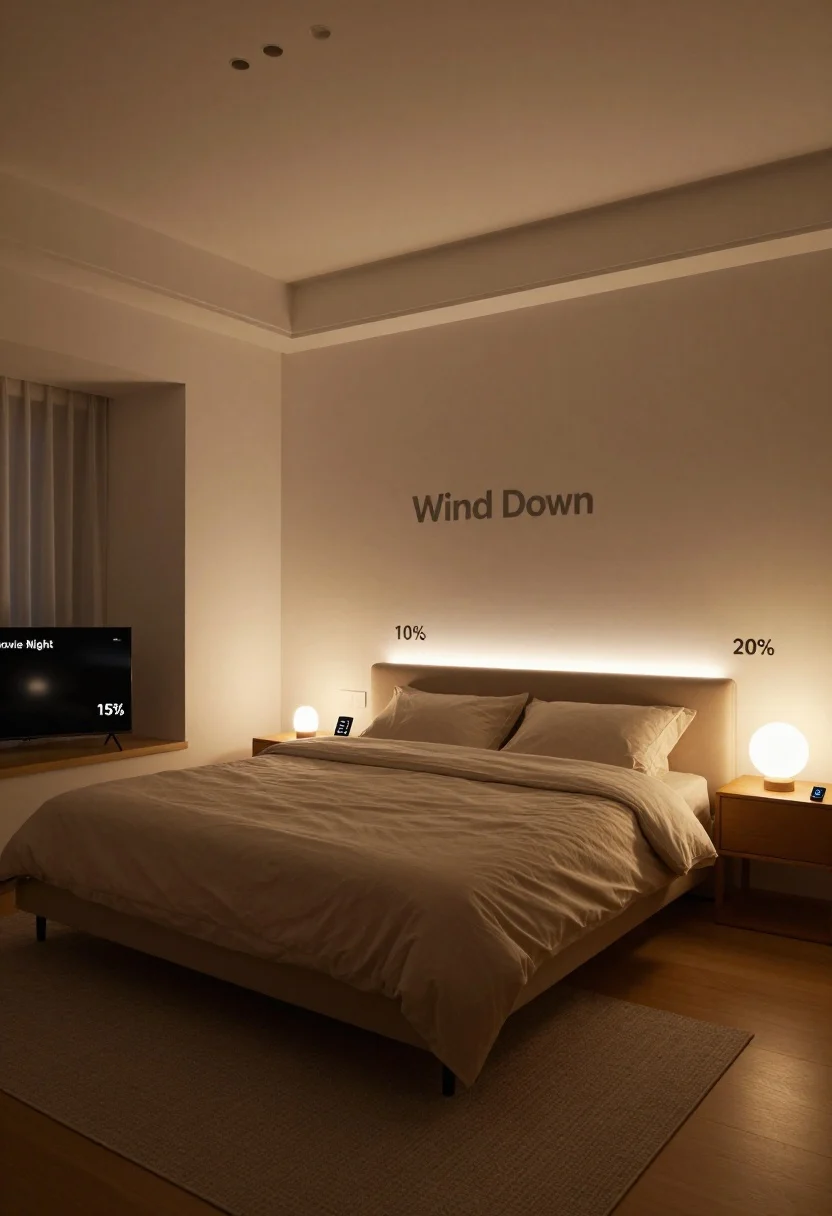
Smart lighting isn’t just for tech bros. Simple automations make your bedroom feel better without effort. Create scenes for “Wake,” “Wind Down,” and “Movie Night,” and let your lighting handle the vibe shift.
Scene ideas to steal
- Wake: Overhead at 60%, bedside at 30%, curtains open if you’ve got smart rods. Slightly cooler tone for alertness.
- Wind Down: Overhead off, bedside at 20%, headboard glow at 10%, all warm white. No harsh light, no stress.
- Movie Night: One accent light at 15% behind the TV or opposite wall to reduce eye strain. Cozy, not cave-like.
What to shop for: Smart bulbs, dimmer switches, smart plugs, simple hubs or app-controlled systems.
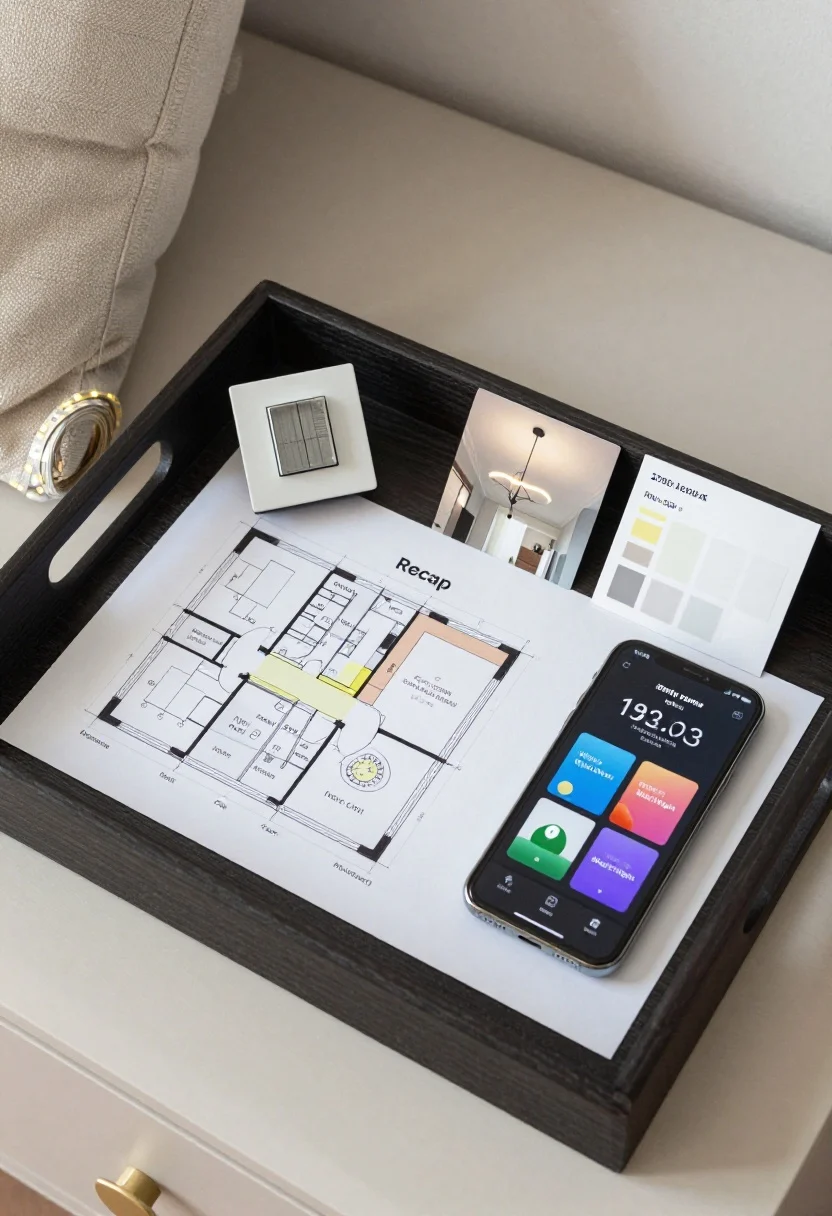
Quick Recap: Your Action Plan
- Layer ambient, task, and accent lights for dimension.
- Add dimmers everywhere—seriously.
- Upgrade bedside lighting for scale and comfort.
- Choose a statement ceiling fixture for instant polish.
- Use accent lighting to add depth and highlight texture.
- Pick warm, high-CRI bulbs and keep color temps consistent.
- Automate a few scenes so your room runs itself (IMO, life-changing).
FAQ
How many light sources should a bedroom have?
Plan for at least three: one ambient, one task near the bed, and one accent. Larger rooms benefit from five or more so you can light zones without over-brightening.
What’s the best bulb color temperature for bedrooms?
Stick to 2700–3000K for most fixtures—warm, flattering, and cozy. Use 3000–3500K sparingly for task areas where you need clarity.
Are sconces better than table lamps for bedside lighting?
Neither is “better,” just different. Sconces free up surface space and look tailored; table lamps are flexible and easy to swap. Choose based on your nightstand size and whether you want a clean, wired-in look.
Final thought: Light is the quiet hero of a beautiful bedroom. Layer it, dim it, and let your space glow—even on laundry day.
Shop the Look on Amazon
Disclosure: As an Amazon Associate, this site may earn from qualifying purchases.
These product categories fit this article and give readers an easy next step when they are ready to shop.
- Ambient base — Sets overall glow and anchors the room.
- Bedside task — Focused reading light while freeing nightstand space.
- Accent halo — Backlights headboards or shelves for subtle depth.
- Scene control — Adjust warmth and brightness for any mood easily.
- Ceiling statement — Adds sculptural focal point and layered ambiance.
Pingback: 9 Small Living Room Ideas That Look Bigger Instantly