
Basements often feel cramped by the low ceiling and limited natural light, yet they hold the potential to become the most inviting part of a home. By thinking beyond paint color and adding layers of texture, light, and smart layout, you can turn a shadowy under‑level into a snug living room that feels both spacious and warm. Below are seven ideas that address the challenges of darkness and low height while keeping comfort and style at the forefront.
Shop the Look
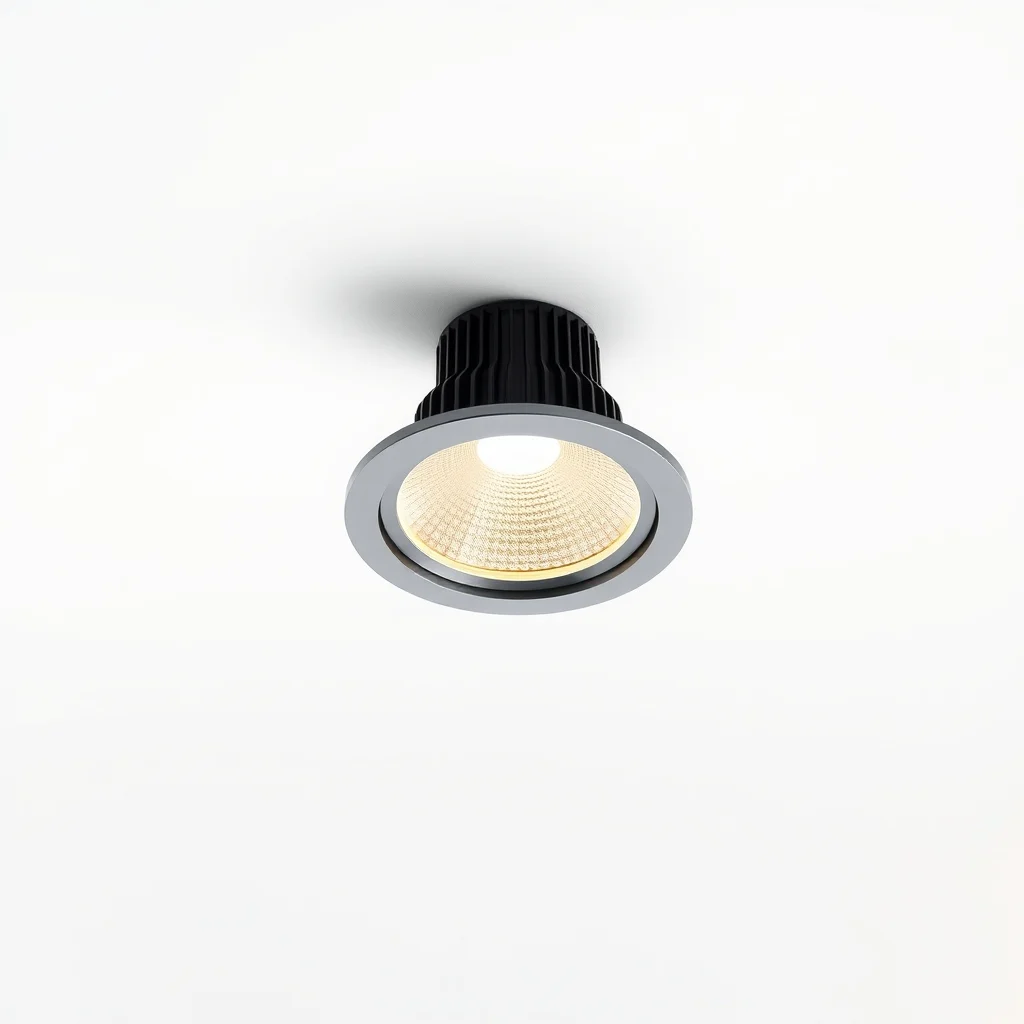
LED Dimmable Recessed Light
Provides soft, adjustable ambient lighting without hanging fixtures that lower the ceiling.

Framed Full-Length Mirror
Reflects light across the room and creates the illusion of higher ceilings.
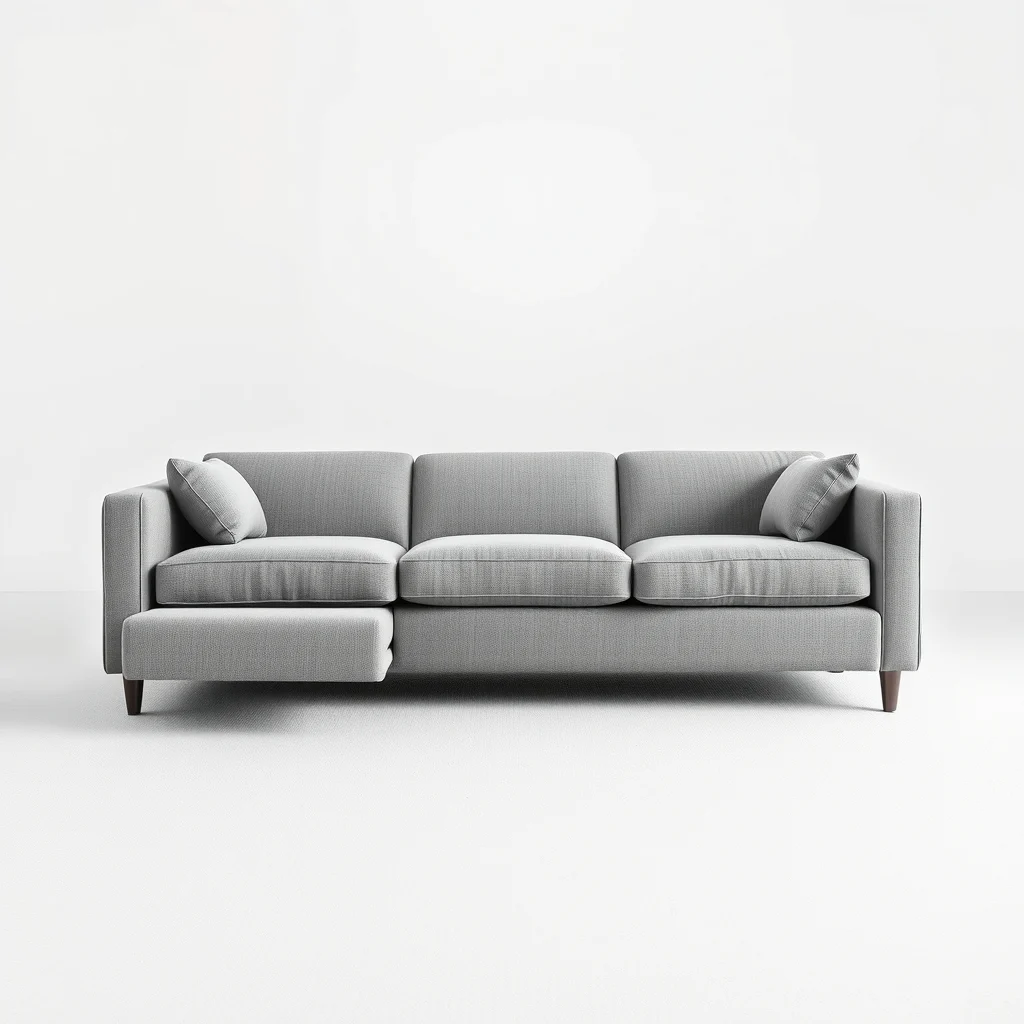
Low-Profile Sectional Sofa
Fits comfortably under low ceilings while maintaining an open, flowing layout.

Natural Jute Area Rug
Introduces natural texture and warmth, helping to brighten a dark basement space.
Images are example styles; the products on Amazon may look different.
As an Amazon Associate I earn from qualifying purchases. This post contains affiliate links at no extra cost to you.
1. Embrace Light‑Reflecting Surfaces
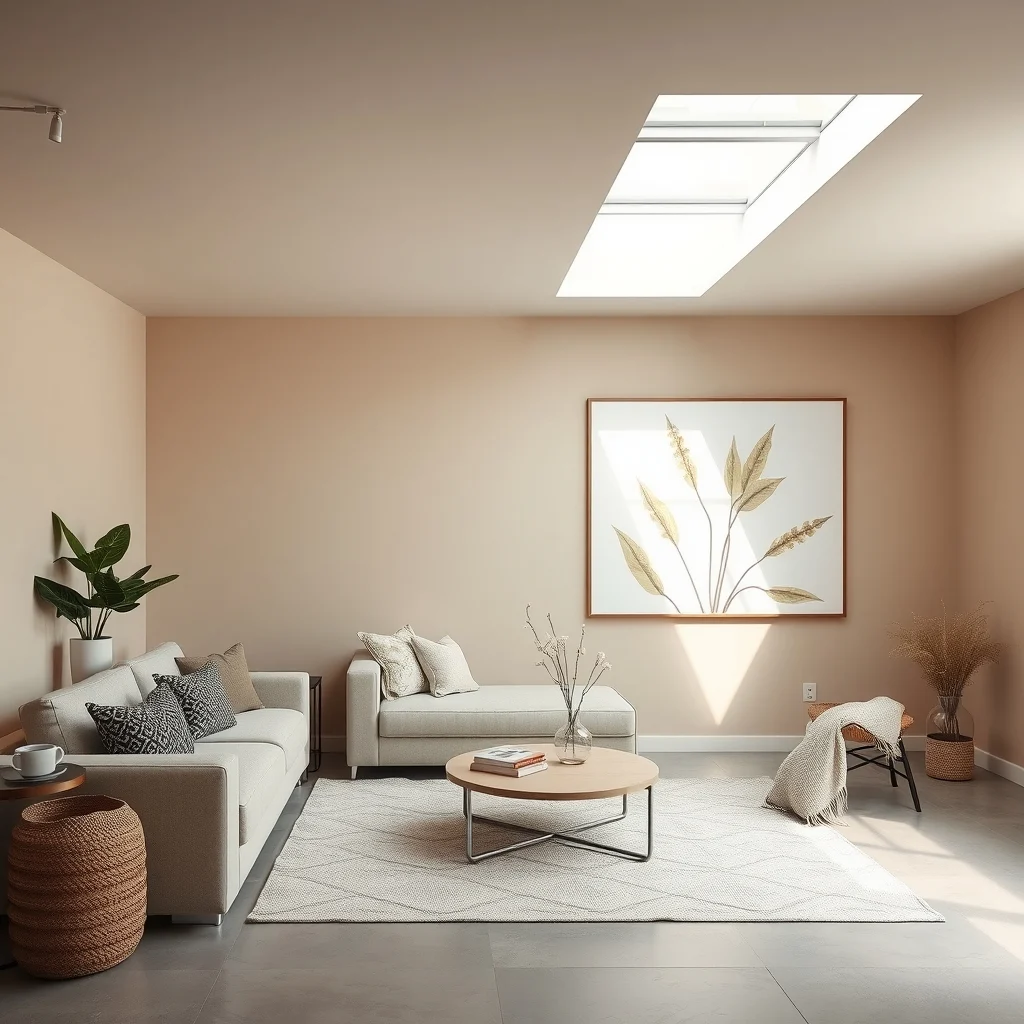
When a room lacks windows, every surface that catches light becomes a tool for brightening the space. Opt for a soft, off‑white or warm greige finish on the walls; these hues bounce the limited daylight deeper into the room without feeling sterile. Complement the paint with a glossy floor finish—polished concrete, light‑stained oak, or a low‑pile carpet in a neutral tone. The subtle sheen reflects the glow from lamps and creates an illusion of height. Adding a mirrored accent wall or a large decorative mirror on one side can double the perceived light, especially when placed opposite a floor lamp. The trade‑off is that glossy finishes show dust more readily, so a regular dusting routine is advisable.
2. Layer Lighting for Depth and Warmth
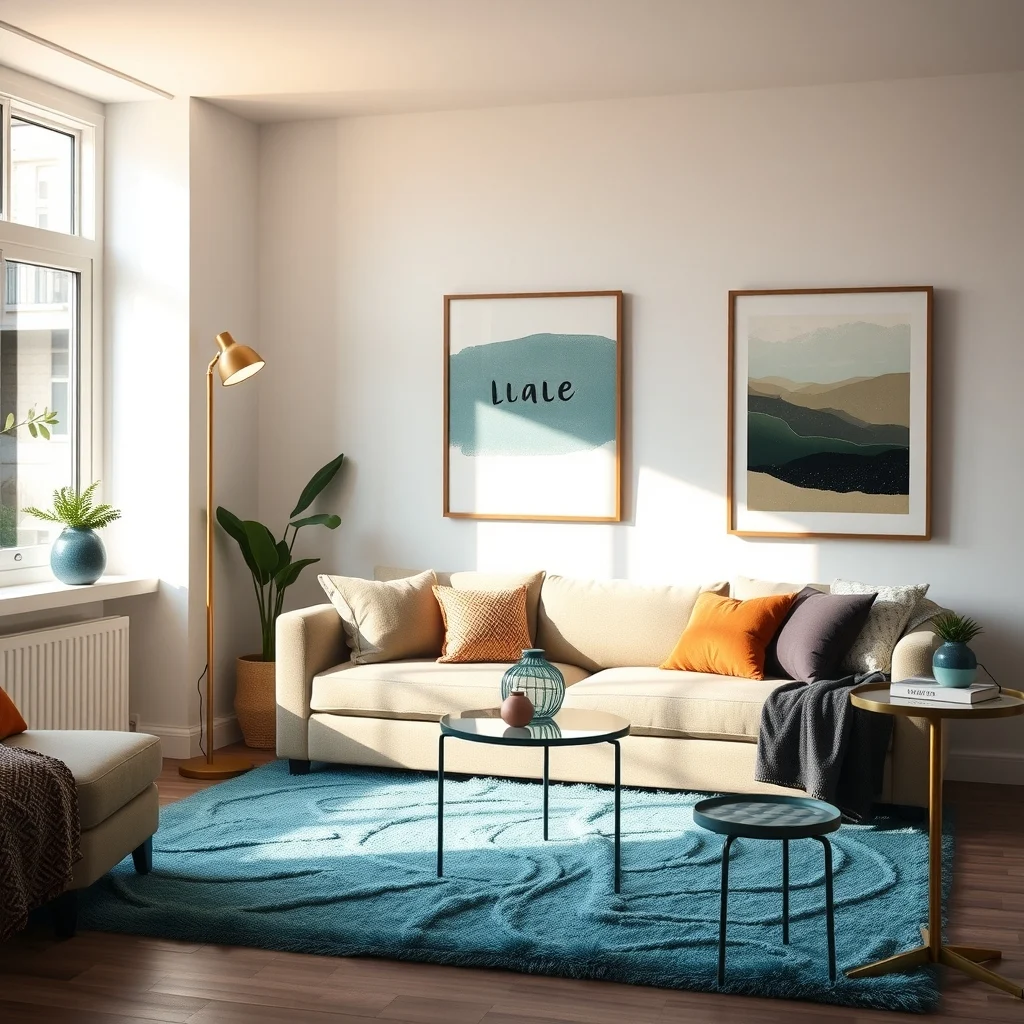
Relying on a single overhead fixture in a low ceiling often creates harsh shadows. Instead, build a lighting scheme that includes ambient, task, and accent sources. A dimmable recessed light provides a gentle overall illumination, while a pair of sleek floor lamps positioned beside the sofa deliver focused warmth for reading. Adding LED strip lighting behind a low media console or along the baseboard offers a soft glow that lifts the eye upward, subtly reducing the sense of confinement. Choose bulbs with a color temperature around 2700 K to keep the atmosphere cozy. Be mindful of wiring limits in older basements; if you’re unsure, consult a licensed electrician before adding new fixtures.
3. Choose Low‑Profile Furniture that Encourages Flow
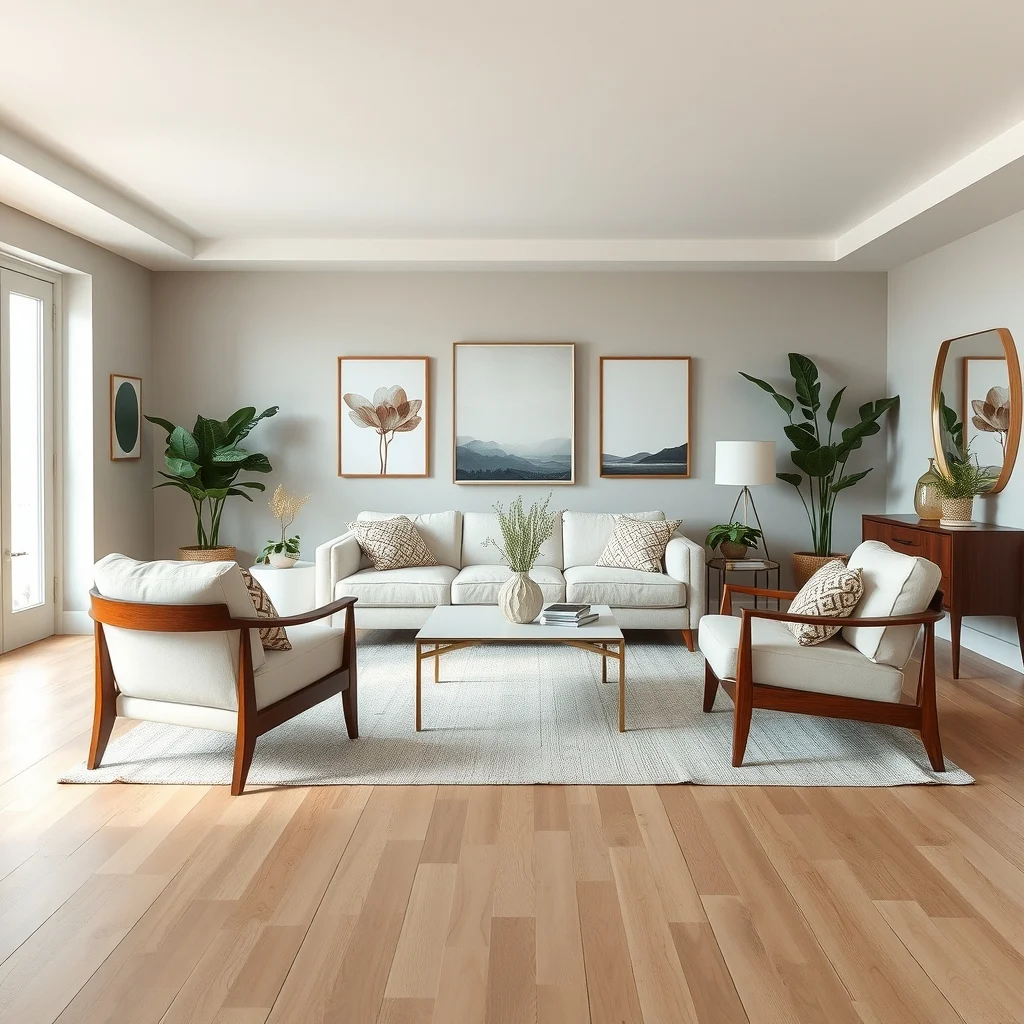
Bulky sofas and tall bookshelves can make a low ceiling feel even lower. Selecting low‑profile seating—such as a wide, shallow sectional upholstered in a soft linen or a pair of mid‑century armchairs with tapered legs—keeps sight lines open and invites movement. A compact coffee table with a glass top and slender metal legs adds surface area without obstructing foot traffic. When storage is needed, consider a low media console with sliding doors; the horizontal lines draw the eye across the room rather than upward. The downside is that low furniture may offer less seating capacity, so plan the layout to balance comfort with openness.
4. Introduce Natural Textures for Warmth
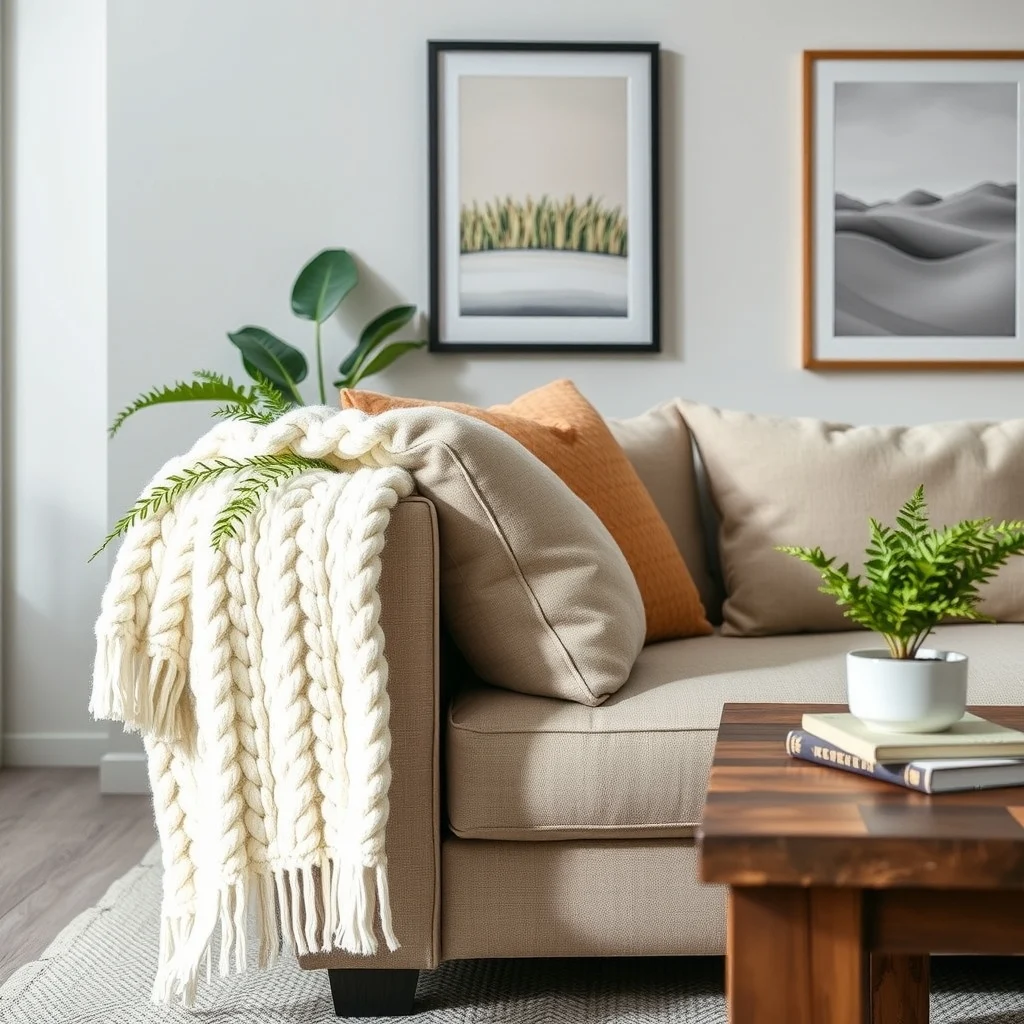
In a space that feels underground, natural textures can provide a grounding, welcoming effect. A chunky knit throw draped over the back of a sofa adds softness while echoing the tactile quality of the surrounding earth. Incorporate woven baskets for magazines or blankets; their organic shape softens the angular lines of low‑profile furniture. A rug in a subtle jute or sisal blend brings a tactile layer to the floor and helps define the seating area without overwhelming the room. Natural materials age gracefully, but they may require occasional vacuuming to keep dust from settling in the fibers.
5. Use Strategic Zoning to Maximize Function
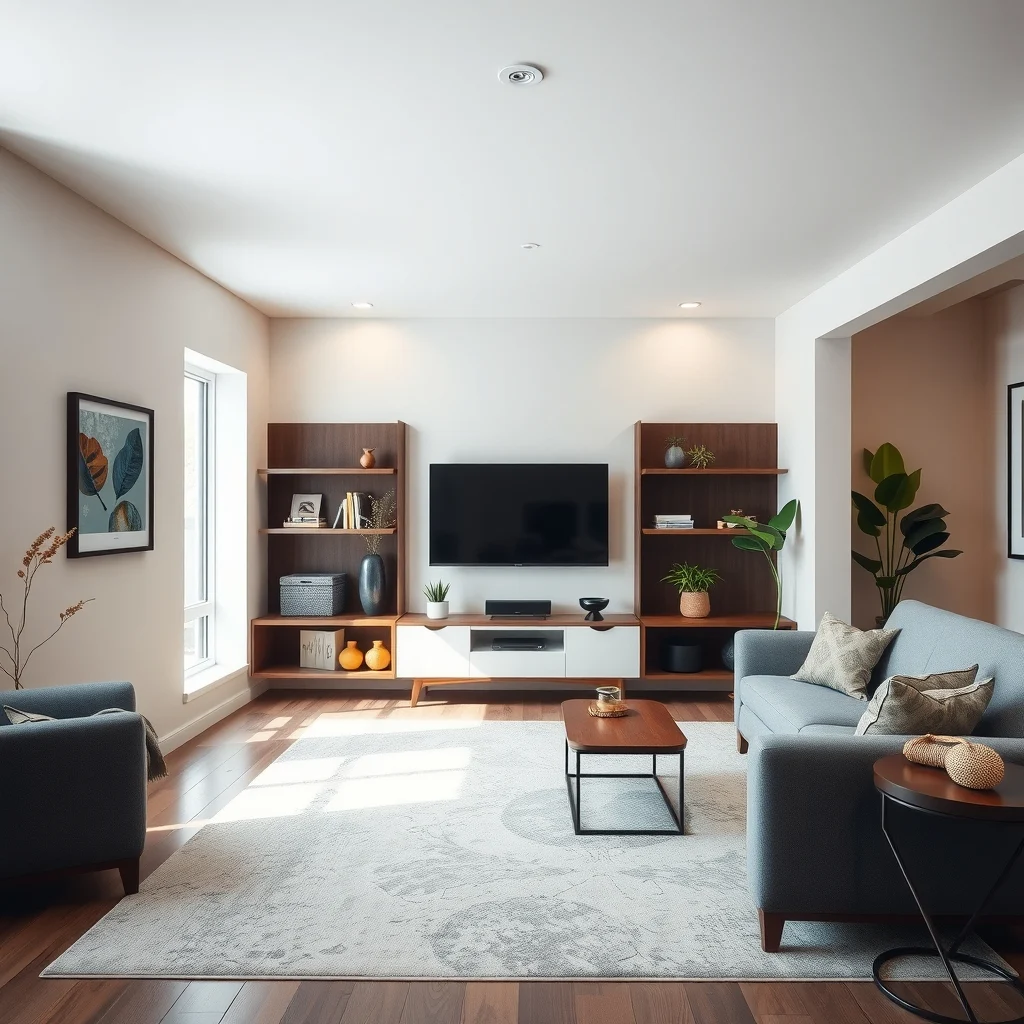
Basements often serve multiple purposes, so creating distinct zones can make the living room feel purposeful rather than crowded. Position a modest entertainment center against one wall, then delineate the seating area with a low, rectangular rug. Opposite the sofa, set up a small reading nook using a comfortable armchair and a floor lamp, separated by a slim bookshelf that doubles as a visual divider. This arrangement keeps each activity contained while maintaining an open flow. If the room is particularly narrow, avoid full‑height partitions; instead, use a tall plant or a narrow console to suggest separation without cutting off light.
6. Add Pops of Color through Accessories
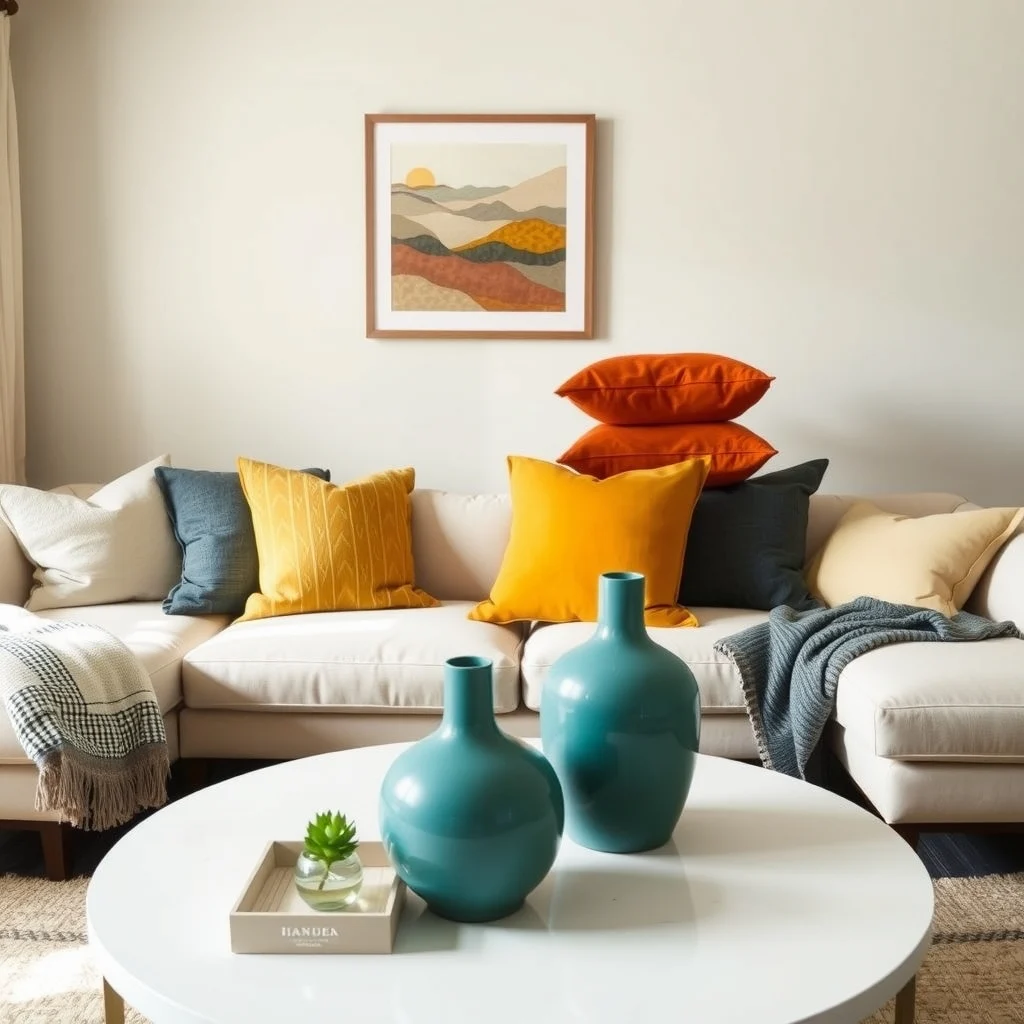
Because the base palette in a dark basement tends toward neutral tones, accessories become the perfect opportunity to inject personality. Choose cushions in muted mustard, soft teal, or warm terracotta; these shades introduce visual interest without competing with the limited light. A set of ceramic vases in matte finishes placed on the console or side tables adds both color and texture. When selecting artwork, opt for pieces with light backgrounds and simple compositions to avoid overwhelming the space. Remember that bright colors can reflect light, so a few well‑placed accents can lift the overall mood without requiring a full‑room repaint.
7. Incorporate Smart Storage that Keeps the Room Uncluttered
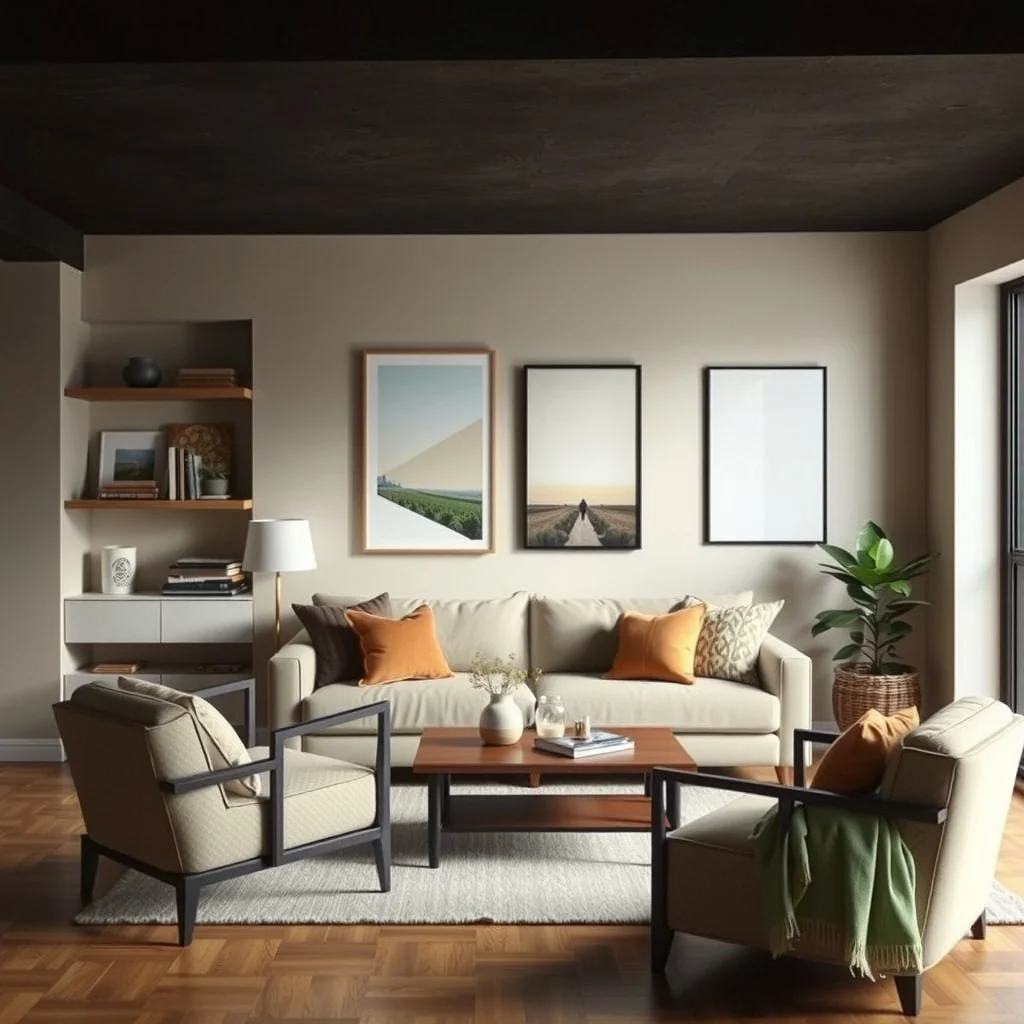
Clutter quickly erodes the sense of coziness in a small, low‑ceiling area. Built‑in wall niches or low shelving units provide storage without protruding into the room’s footprint. Choose open shelves for items you want to display—such as a collection of coffee books or decorative boxes—while closed cabinets hide less attractive belongings. A storage ottoman in the center of the seating arrangement offers hidden space for blankets and also serves as extra seating. The key is to keep the visual weight low; high cabinets can make the ceiling feel oppressive, so prioritize horizontal storage solutions.
FAQ
How can I make a basement living room feel taller?
Use light‑reflecting wall colors, low‑profile furniture, and vertical lighting such as sconces placed higher on the walls to draw the eye upward.
What type of lighting works best for a low‑ceiling basement?
A combination of dimmable recessed lights, floor lamps, and LED strip lighting creates layered illumination that softens shadows and adds depth.
Is a rug necessary in a basement living room?
A rug helps define the seating area and adds texture, making the space feel cozier; choose a low‑pile natural fiber to keep the room feeling open.
Can I use plants in a basement with limited natural light?
Yes, select low‑light tolerant varieties such as snake plant, ZZ plant, or pothos; they add greenery and improve air quality without needing direct sunlight.
What are affordable ways to brighten a dark basement?
Paint the walls in a warm neutral, add mirrored accents, and use inexpensive LED floor lamps with warm‑toned bulbs to boost overall brightness.
Final Thoughts
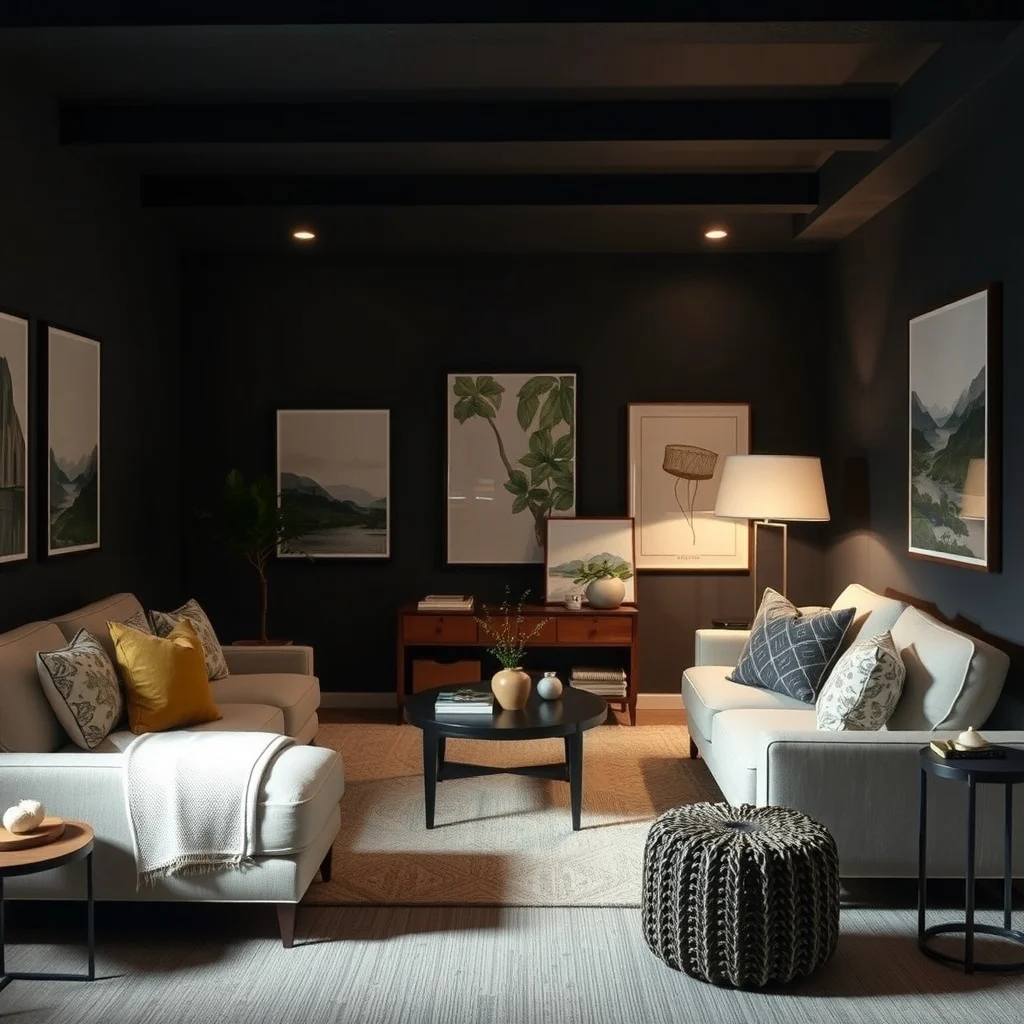
Transforming a dark, low‑ceiling basement into a cozy living room is less about drastic renovations and more about thoughtful layering of light, texture, and proportion. By choosing reflective surfaces, layering illumination, selecting low‑profile furnishings, and integrating natural elements, you can create a space that feels both intimate and inviting. Remember to keep the room uncluttered with smart storage and to add subtle color through accessories. With these ideas, your basement can become a comfortable retreat that welcomes family gatherings and quiet evenings alike.