
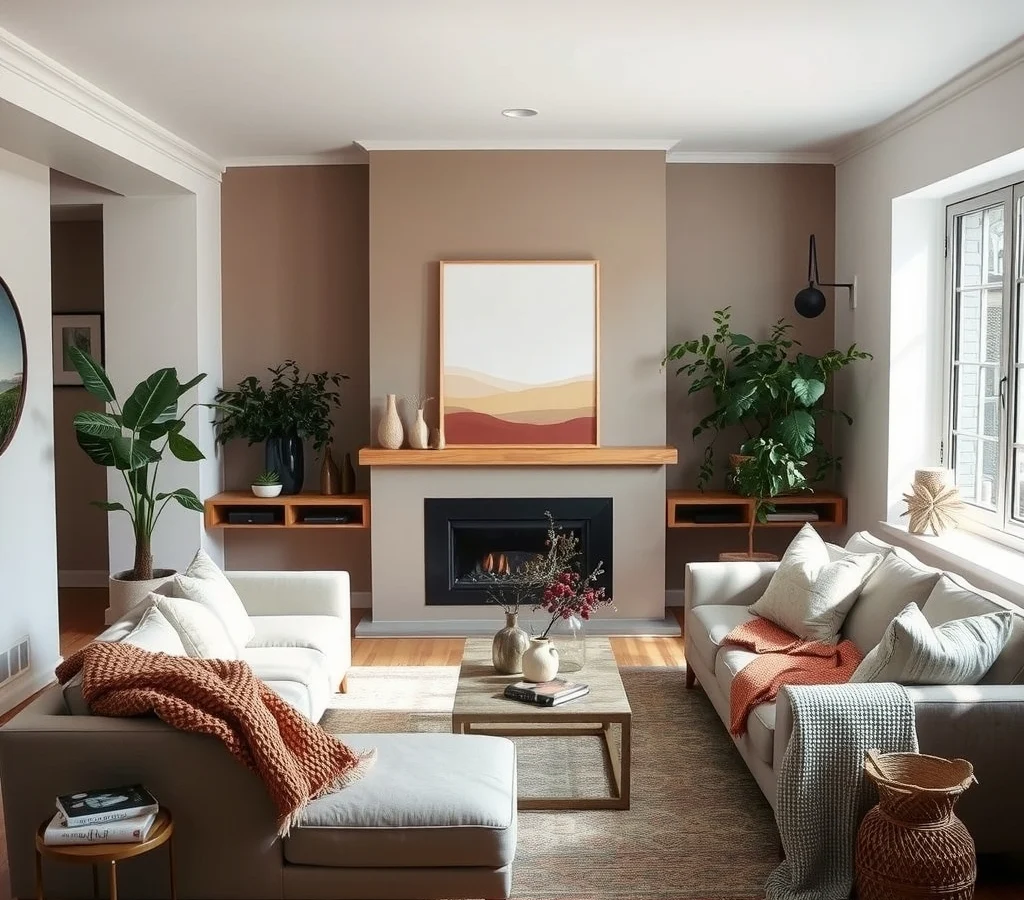
Winter Living Room Decor Ideas That Make Your Home Feel Extra Cozy
Winter draws the day‑light in and the chill out, so the living room often becomes the family’s refuge after a long day. A well‑thought‑out refresh can turn that space from merely functional to a snug retreat where you actually look forward to staying. Below are seven ideas that blend texture, light, and layout to give your winter lounge the comforting feel you crave, while still respecting practical concerns like maintenance and budget.
1. Embrace Layered Textiles for a Soft, Warm Atmosphere
© 2026 AI Illustrator — Inspiration Only
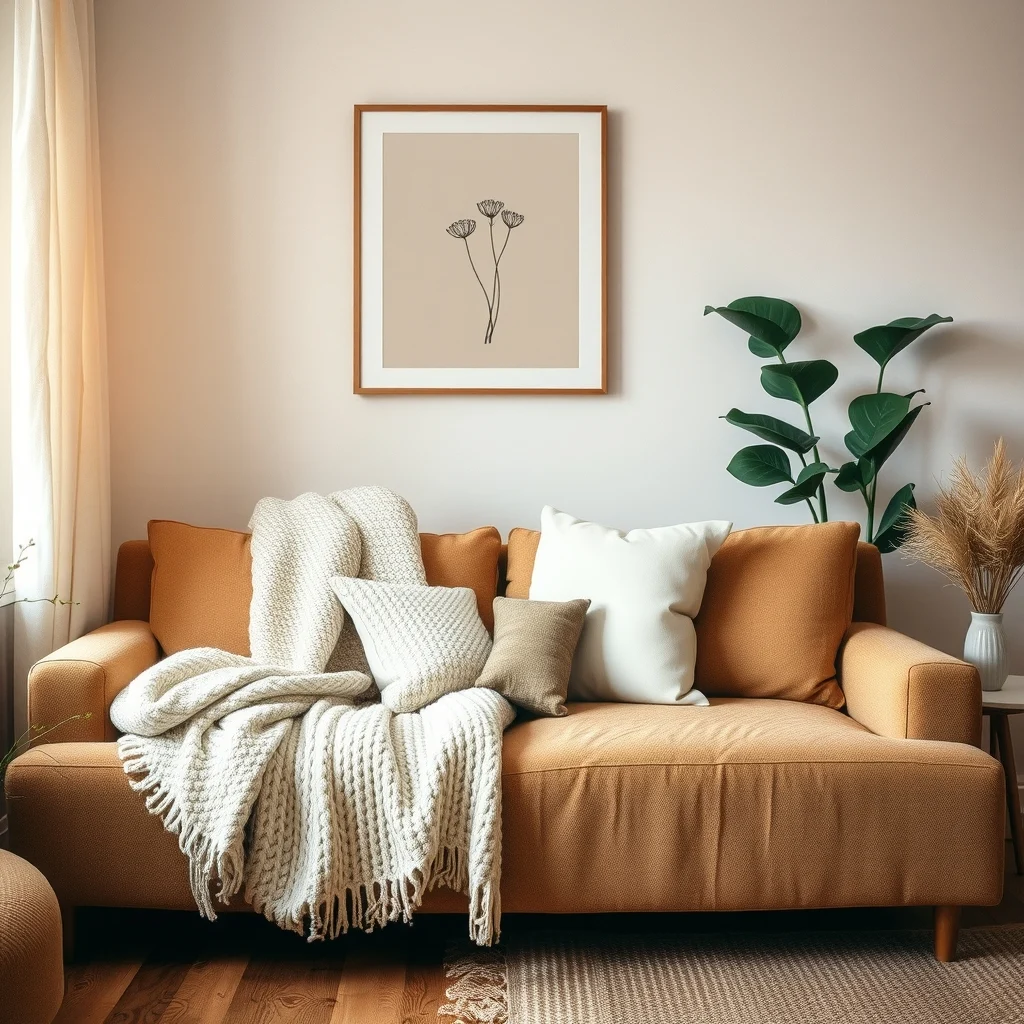
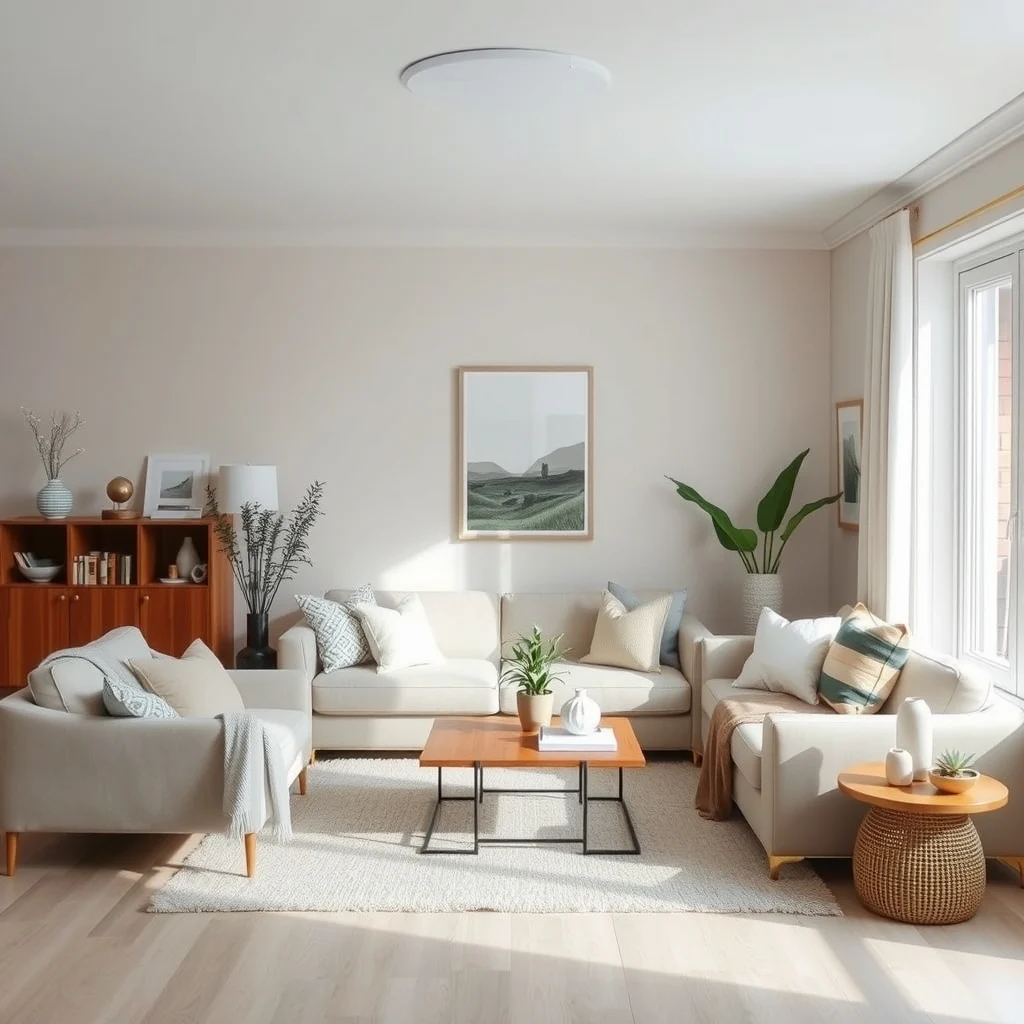
The first thing most people notice when they step into a cozy room is the tactile richness of the fabrics. Start with a plush, low‑pile sofa and drape a chunky knit throw across one arm; the throw not only adds visual depth but also invites you to curl up on a cold evening. Pair the throw with a mix of woven cushions in muted shades of warm greige, deep olive, and soft terracotta. These colors echo the muted winter palette while still providing a hint of warmth. Adding a woven rug under the coffee table introduces another layer of texture that feels gentle underfoot, especially when you shuffle across it in slippers. The trade‑off is that heavier fabrics can attract dust, so a regular vacuum with a HEPA filter helps keep the space fresh. If you’re short on space, a single oversized cushion can substitute for a full‑size throw without sacrificing the layered look.
Which Home Style Fits Your Space?
Answer 5 quick questions to find your perfect interior style and inspiration.
2. Introduce Natural Wood Accents that Reflect Winter Light
© 2026 AI Illustrator — Inspiration Only
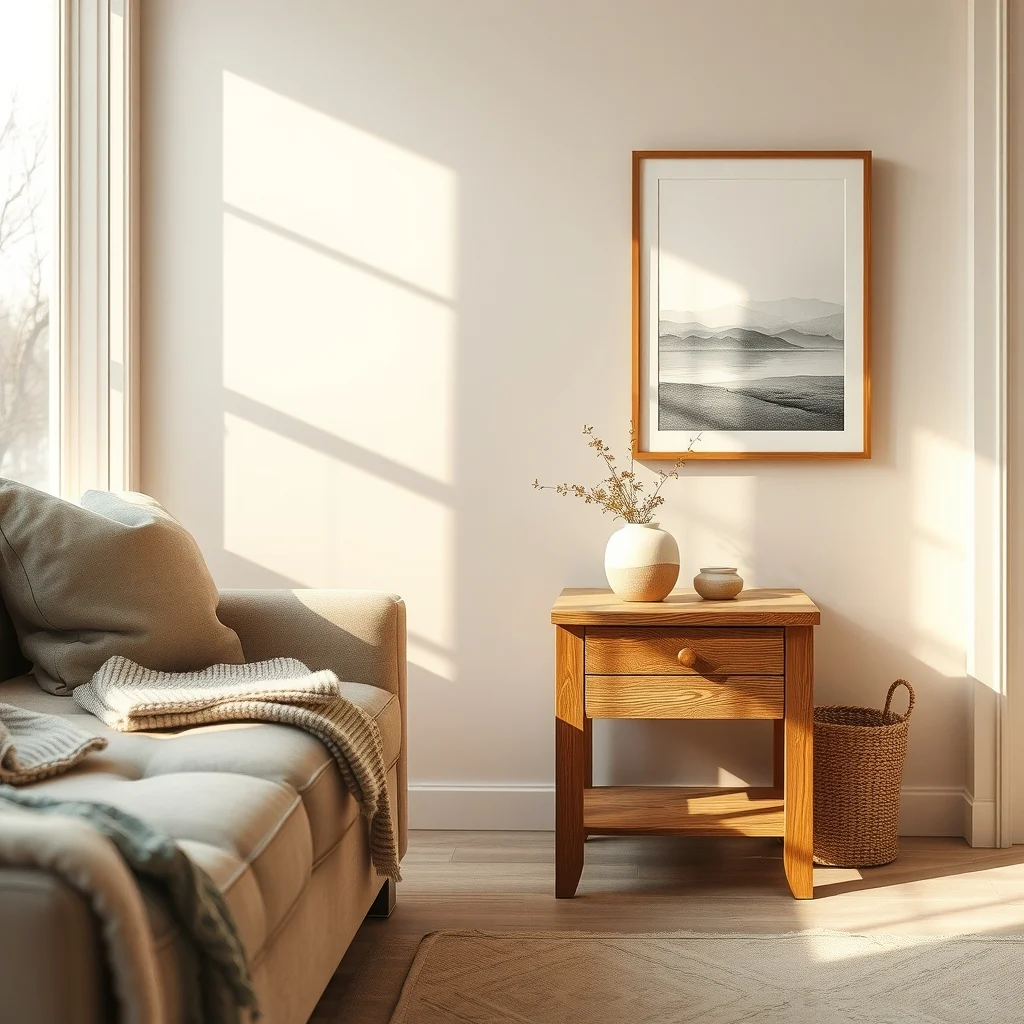
Wood brings a quiet, organic presence that softens the starkness of winter light. A reclaimed oak side table placed beside the sofa catches the low‑angle sunlight and casts a subtle, warm glow across the room. If the floor is already hardwood, consider a slender walnut console behind the main seating area; its darker tone grounds the space without overwhelming it. Shelving units made from light‑stained pine can display seasonal books, candles, and small decorative objects, creating visual interest at eye level. One consideration is that untreated wood can show water rings from mugs, so a clear matte finish protects the surface while preserving the natural grain. When space is limited, a single wooden stool can double as a side table and extra seating, offering flexibility without clutter.
3. Create a Focal Point with a Statement Rug
© 2026 AI Illustrator — Inspiration Only
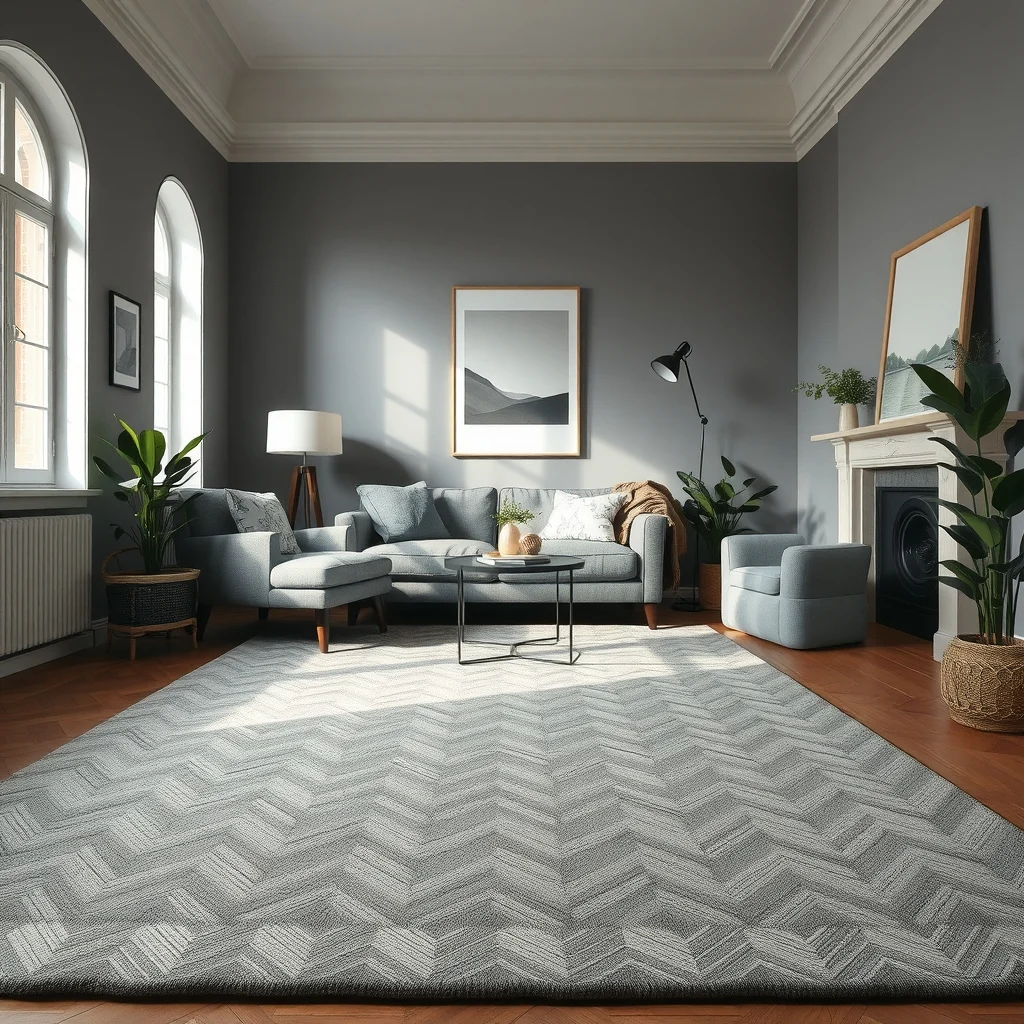
A rug anchored in the center of the room can instantly define the living area and add a layer of insulation against cold floors. Choose a rug with a subtle pattern—perhaps a herringbone in muted charcoal and ivory—that adds depth without competing with other textures. The rug’s thickness helps mute echoing sounds, which is especially welcome when doors close with a thud on hardwood. Position the rug so that the front legs of the sofa and chairs rest on it, creating a cohesive seating island. The downside is that larger rugs can be heavy to move, so a medium‑size option that still covers the main traffic zone works well for apartments. If you’re concerned about cleaning, look for a low‑pile option that can be vacuumed easily and spot‑cleaned with a mild detergent.
4. Swap Out Light Fixtures for Adjustable Warm Glow
© 2026 AI Illustrator — Inspiration Only
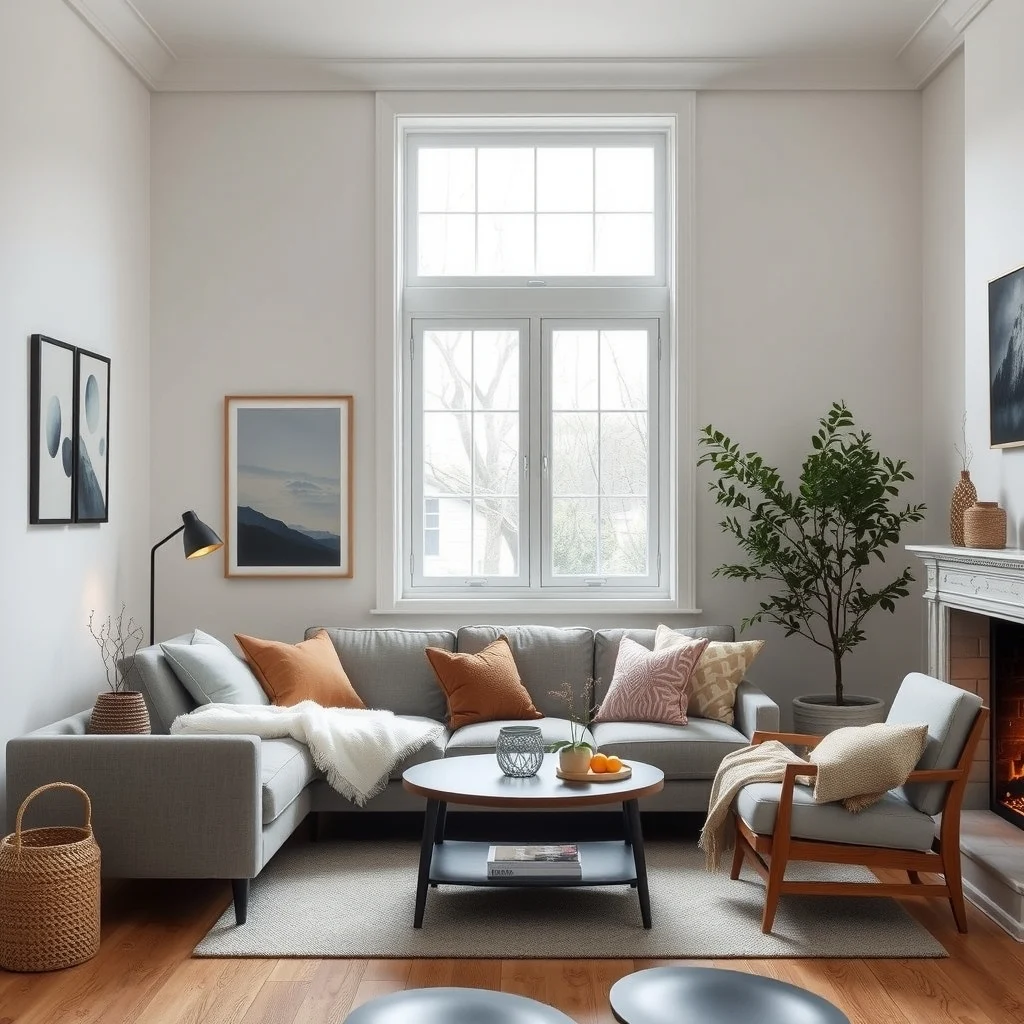
Winter evenings stretch long, and layered lighting can shift a room from bright and functional to intimate and relaxing. Replace a harsh overhead fixture with a dimmable LED recessed light that mimics the soft amber of a fireplace. Add a floor lamp with a linen shade near the reading chair; the diffused light creates a pocket of calm without flooding the entire space. Table lamps with brushed brass bases bring a touch of elegance while reflecting the warm glow onto nearby surfaces. Keep an eye on energy consumption—LED bulbs with a lower wattage still provide ample warmth, and they last longer than traditional incandescent options. If you lack the ability to rewire, a plug‑in pendant lamp can hang from the ceiling using a simple hook, offering flexibility without permanent changes.
5. Add a Touch of Green with Low‑Maintenance Plants
© 2026 AI Illustrator — Inspiration Only
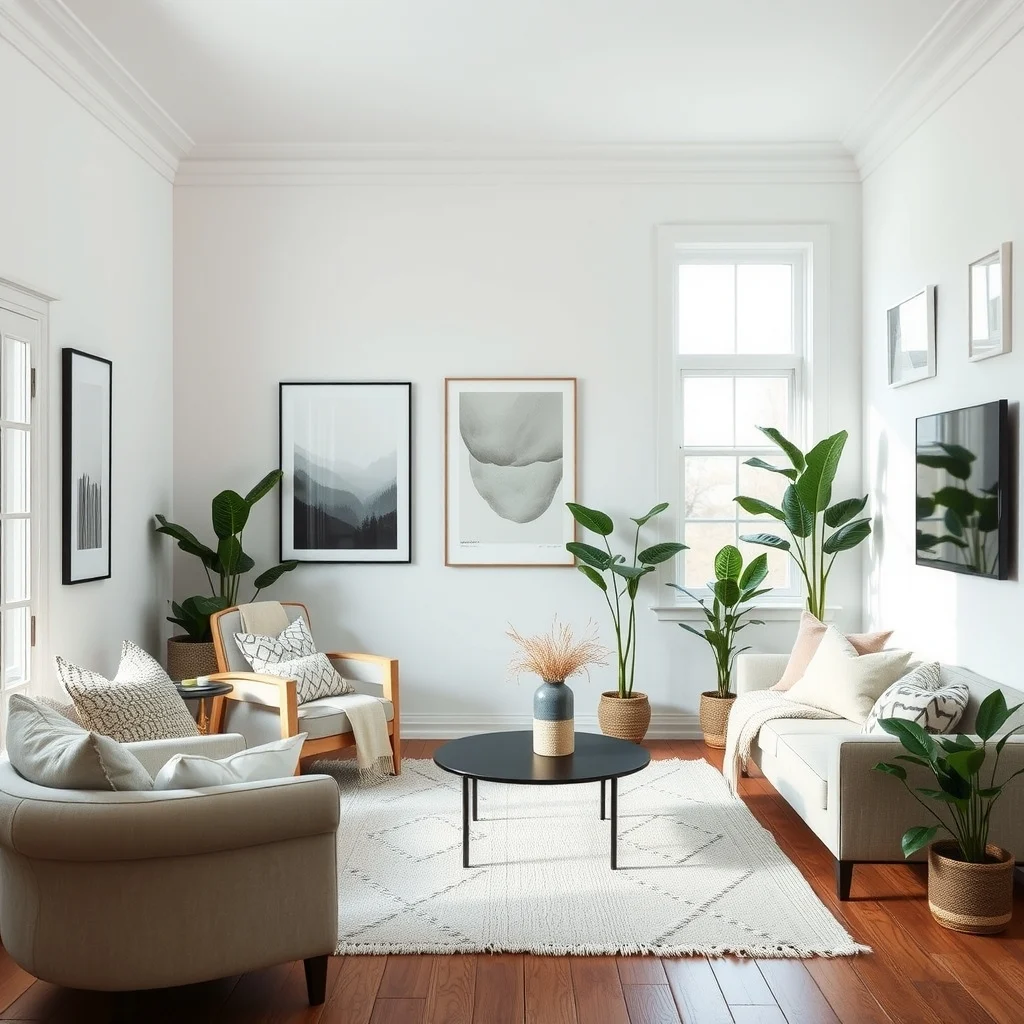
A splash of greenery counters the monochrome feel of winter and improves indoor air quality. Opt for hardy varieties like a snake plant or a ZZ plant that thrive in low light and require watering only once a month. Place a medium‑size pot on the console table or a tall, narrow planter beside the armchair; the vertical line draws the eye upward, balancing the horizontal lines of the sofa. Choose a matte ceramic pot in a neutral tone to keep the focus on the foliage rather than the container. While plants add life, they can also collect dust on their leaves, so a quick wipe with a damp cloth once a week maintains their vibrancy. If you’re allergic to pollen, stick to foliage‑only plants that do not flower.
6. Rearrange Seating to Encourage Intimate Conversation
© 2026 AI Illustrator — Inspiration Only
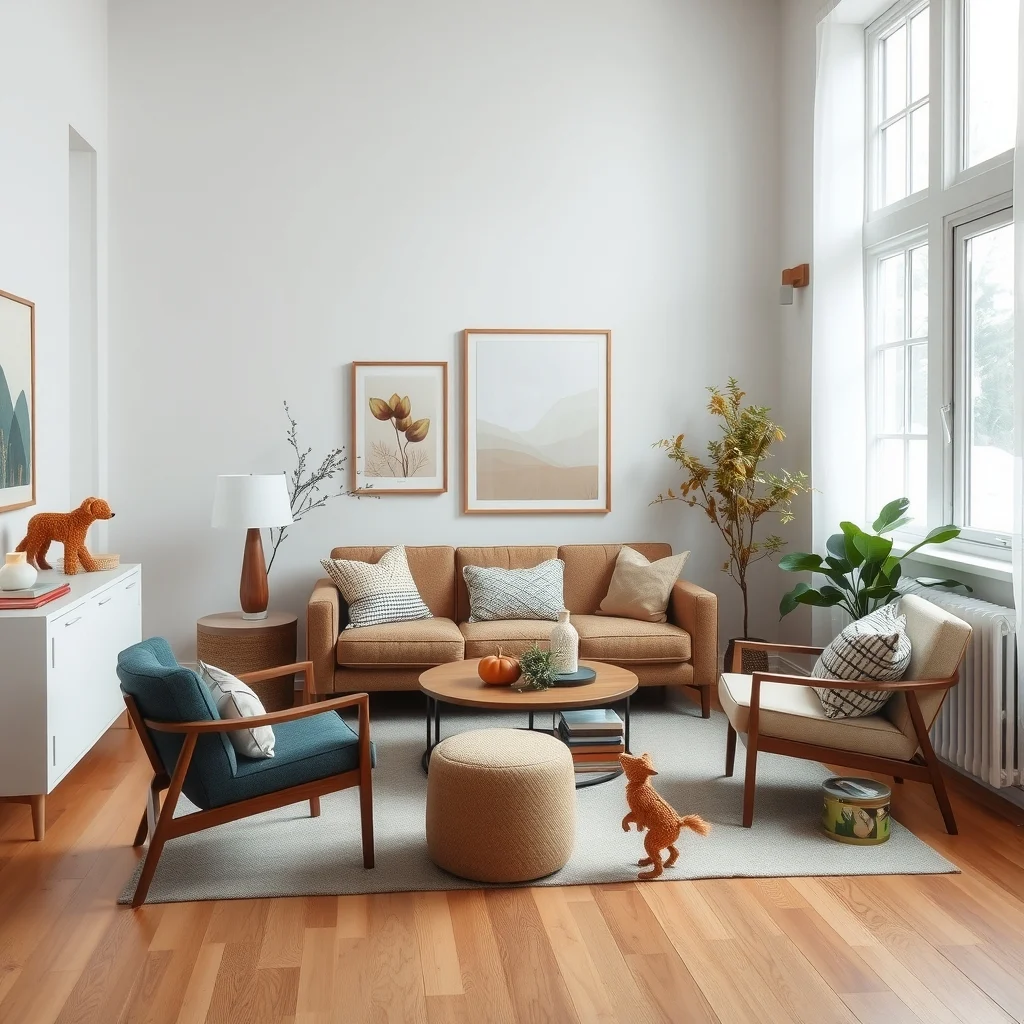
The way furniture is arranged can either invite interaction or create visual distance. Pull the sofa slightly away from the wall and angle a pair of accent chairs toward it, forming a gentle “U” shape. This layout encourages eye contact and makes the room feel more inviting for guests. A low coffee table placed in the center provides a shared surface for mugs, books, or a board game, reinforcing the sense of togetherness. The trade‑off is that moving heavy pieces may require extra help or furniture sliders to protect flooring. If space constraints prevent a full “U” arrangement, a single ottoman placed opposite the sofa can act as a conversational anchor, offering both a footrest and a place to set drinks.
7. Incorporate Hidden Storage that Keeps the Space Clutter‑Free
© 2026 AI Illustrator — Inspiration Only
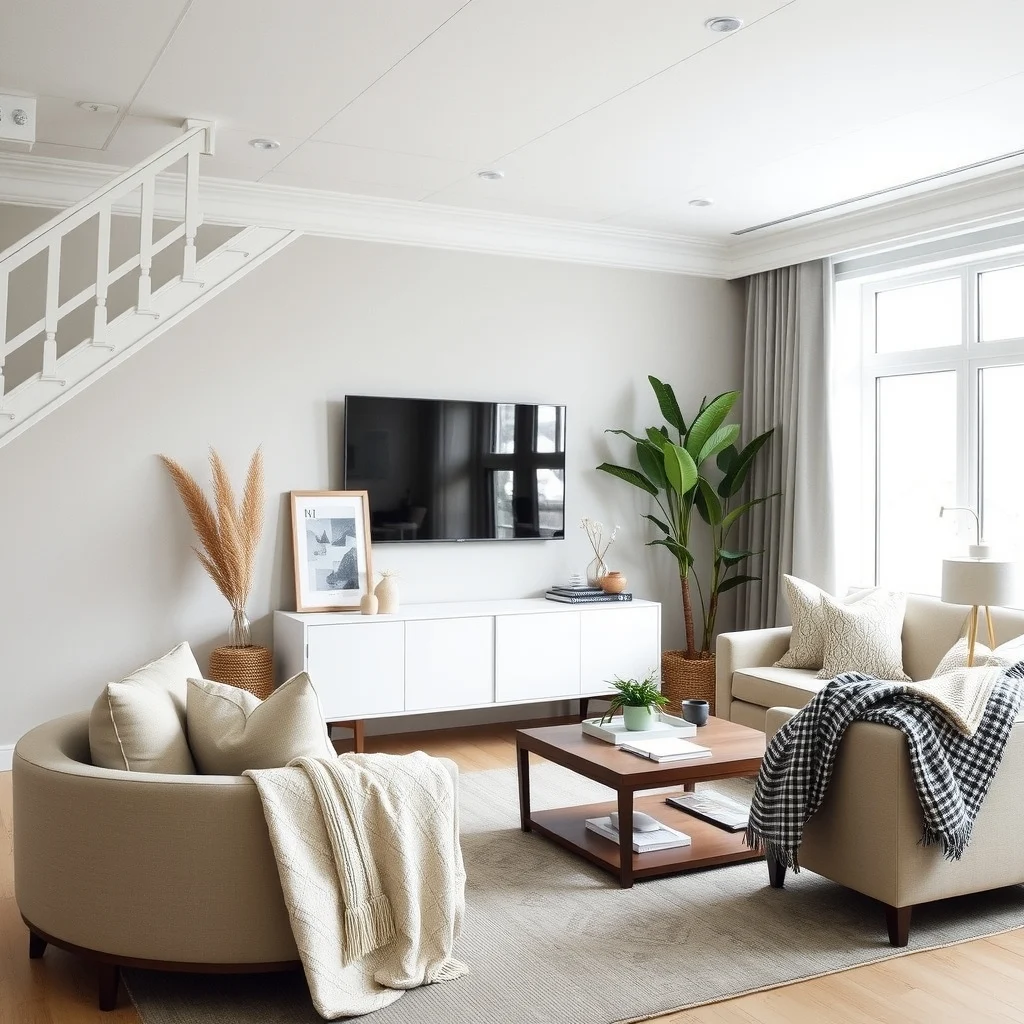
Winter brings blankets, board games, and seasonal décor that can quickly clutter a living room. Choose a media console with concealed drawers, allowing you to store blankets and board games out of sight while keeping the top surface clear for decorative objects. A storage bench at the entryway doubles as extra seating and a place to tuck away scarves and gloves. When selecting pieces, prioritize sturdy construction—solid wood or metal frames—so the furniture endures the weight of stored items. The downside is that hidden storage can sometimes feel like a “black box” if you forget what’s inside; labeling the inside of drawers with a simple tag helps you locate items without digging. For renters, modular cube systems that can be rearranged and later disassembled provide flexibility without permanent alterations.
FAQ
© 2026 AI Illustrator — Inspiration Only
How can I make my living room feel cozier without buying new furniture?
You can achieve a cozier vibe by adding textiles, adjusting lighting, and rearranging existing pieces. A well‑placed throw, a few new cushions, and a dimmable lamp often transform the atmosphere without the expense of new sofas or chairs. These changes are also reversible, letting you experiment seasonally.
What kind of lighting works best for a winter living room?
Warm‑toned, dimmable lighting creates a soft glow that counteracts the harshness of winter daylight. Layer a floor lamp, table lamp, and low‑intensity ceiling light to give the room depth and flexibility for different activities, from reading to movie nights.
Are there budget‑friendly ways to add texture?
Yes, texture can be introduced through inexpensive items like knitted blankets, faux‑fur pillows, or woven baskets. Thrift stores and online marketplaces often carry these pieces at a fraction of the cost of brand‑new décor, allowing you to layer surfaces without breaking the bank.
Should I use candles or electric alternatives for safety?
Both options have merits; real candles provide a flickering glow but require supervision and a stable surface. Battery‑operated LED candles mimic the look of flame without fire risk, making them a safer choice for households with children or pets.
Which Living Room Color Palette Fits You Best?
Discover the palette that reflects your style — take our free quick quiz and get instant decor inspiration!
Take the Quiz NowHow often should I rotate seasonal decor items?
Switching out decorative accessories every few months keeps the space feeling fresh. Many people store summer items in a closet during winter and bring out heavier fabrics and darker hues when the temperature drops, typically aligning the rotation with the first frost or a major holiday.
Final Thoughts
© 2026 AI Illustrator — Inspiration Only
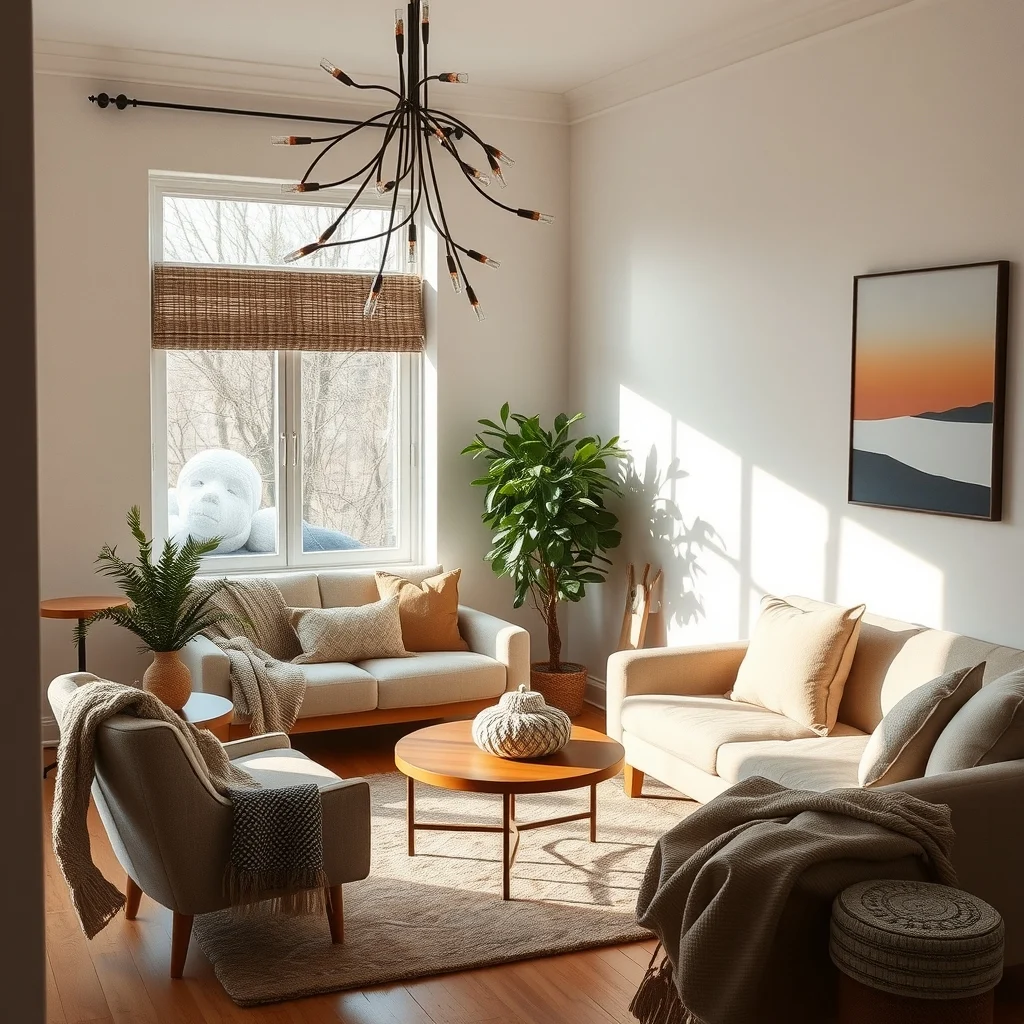
Winter doesn’t have to feel stark or uninviting; a few thoughtful adjustments can turn your living room into a warm sanctuary that welcomes you each time you cross the threshold. By layering textiles, introducing natural wood, focusing lighting, and keeping clutter at bay, you create a space that feels both stylish and comfortable. The ideas above are adaptable to any budget or floor plan, so feel free to mix, match, and experiment until your living room truly reflects the cozy winter retreat you deserve.