
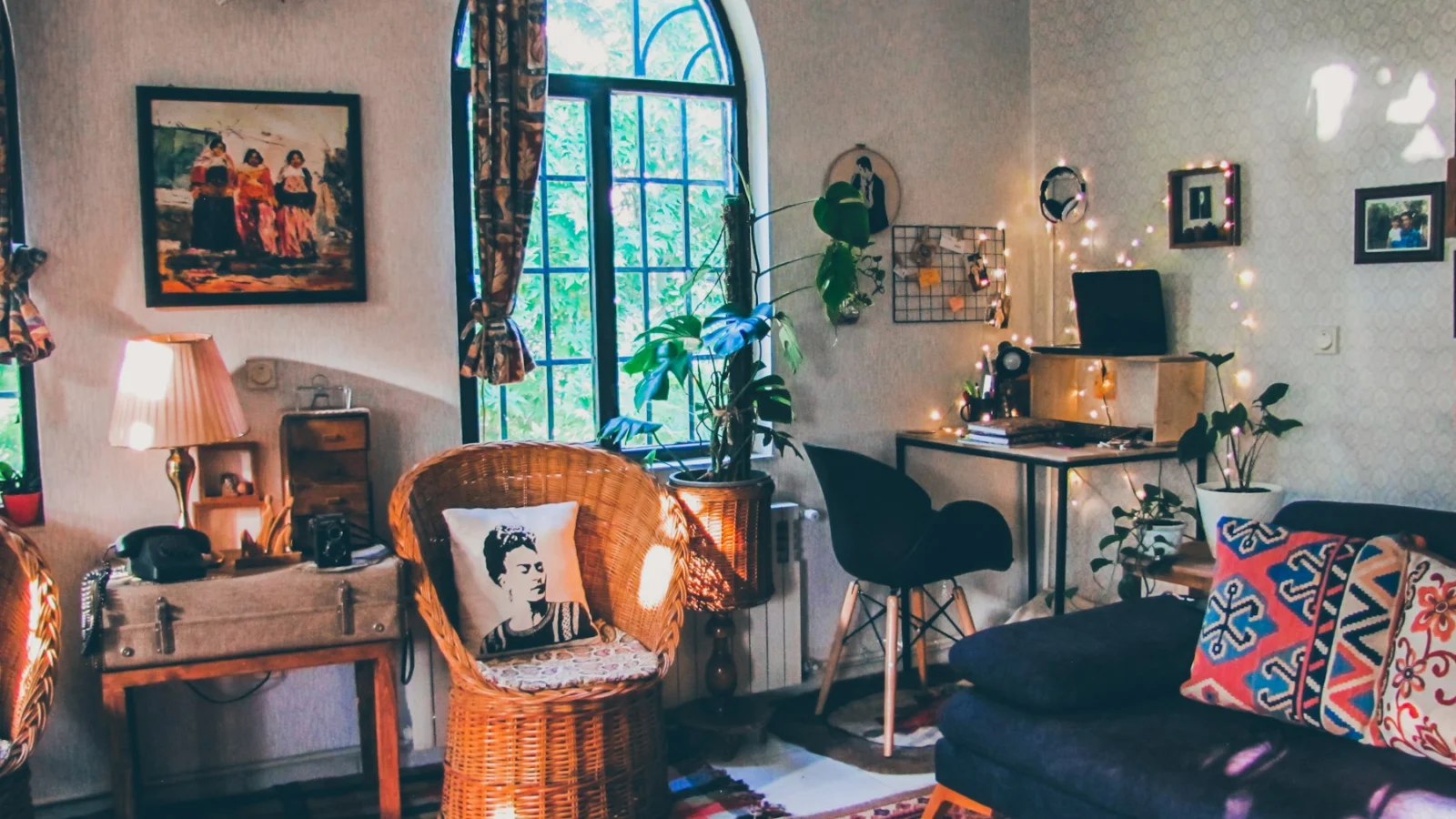
7 Bold Ideas for Maximalist Small Spaces That Feel Bigger
“`html
Compact living doesn’t have to mean muted walls and sparse décor. A maximalist approach can turn a modest floor plan into a lively showcase of personality, texture, and hue—so long as each element is placed with clear intent. The strategies below walk you through concrete ways to layer color, pattern, and texture while preserving flow and function. By the end, you’ll see how a small room can feel abundant without becoming chaotic.
1. Choose a Focused Color Palette and Let It Play

Photo by Bernd 📷 Dittrich on Unsplash
Color is the engine of maximalism, yet in a limited space it can quickly feel overwhelming. Begin by picking one hue that resonates with you; this becomes the room’s anchor. From there, introduce two supporting shades that complement the anchor without competing for attention. For instance, a deep teal sofa can serve as the base, while mustard‑yellow cushions and a soft lavender rug supply the secondary tones.
To keep the scheme cohesive, follow a simple proportion: let the anchor color dominate roughly 60 percent of the visual field, the second hue cover about 30 percent, and the accent shade appear in the remaining 10 percent. This ratio can be expressed through paint, upholstery, accessories, and even small objects like vases.
Texture can also reinforce color harmony. A matte teal wall paired with a glossy mustard‑finished lamp creates depth without adding new pigments. When you’re uncertain about how shades interact, assemble a miniature board using paint swatches, fabric scraps, and a few décor pieces. Lay the board on a coffee table and step back; the visual test will reveal whether the colors sing together or clash.
2. Mix Patterns by Varying Scale and Shared Hues
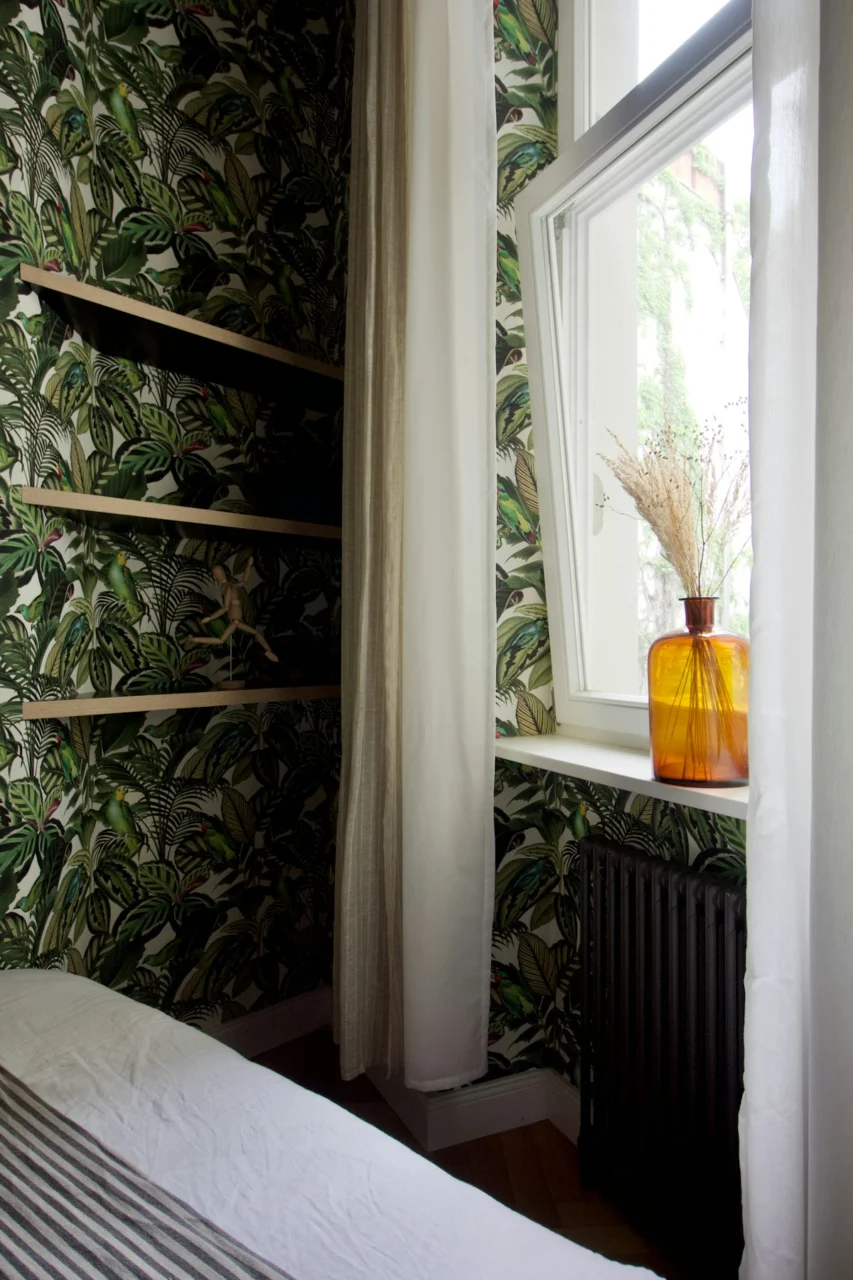
Pattern mixing is a signature of maximalist interiors, but the key lies in scale. Pair a large‑scale botanical print with a finer striped cushion, and the contrast will generate rhythm rather than noise. The larger motif draws the eye first; the smaller pattern adds intrigue without competing for dominance.
Start with an “anchor” pattern—perhaps a bold geometric sofa cover. Choose a second pattern that repeats at least one color from the anchor; this creates a visual bridge. Finally, introduce a subtle third pattern, such as a tiny polka‑dot throw, that echoes the accent hue from the first two. By ensuring each pattern differs in size and shares a color thread, the eye can navigate the room comfortably.
When arranging patterned items, keep the largest surface (the sofa or rug) as the focal point, then layer smaller pieces around it. This hierarchy prevents the space from feeling crowded and allows each design element to retain its identity.
3. Build Depth with Layered Textures
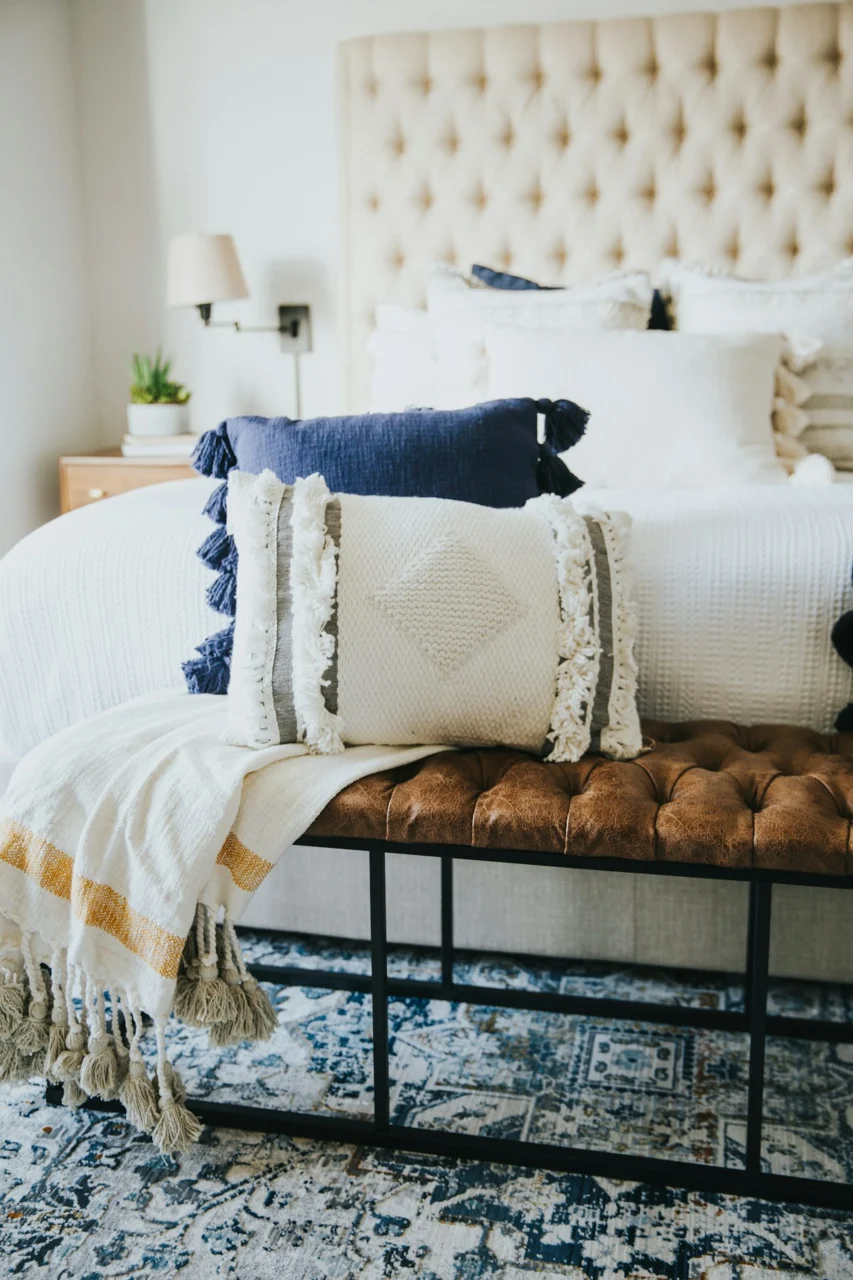
Photo by khloe arledge on Unsplash
Texture adds a tactile dimension that flat color alone cannot achieve. In a compact room, a thoughtful mix of soft, rough, and reflective surfaces can make the space feel both inviting and dynamic.
Begin with the floor. A plush shag rug offers a warm foundation and softens footsteps. On top of the rug, place a sleek metal coffee table; its reflective surface will bounce light and contrast nicely with the rug’s fibers. Add a woven seagrass basket or a reclaimed‑wood side table for a hint of roughness, and finish with brass lamp bases or a mirrored wall panel to introduce shine.
When layering, think vertically: the largest texture occupies the lowest plane, while finer textures climb upward. This progression guides the eye upward, creating the illusion of height—a valuable trick in small spaces.
4. Turn Walls into Functional Galleries
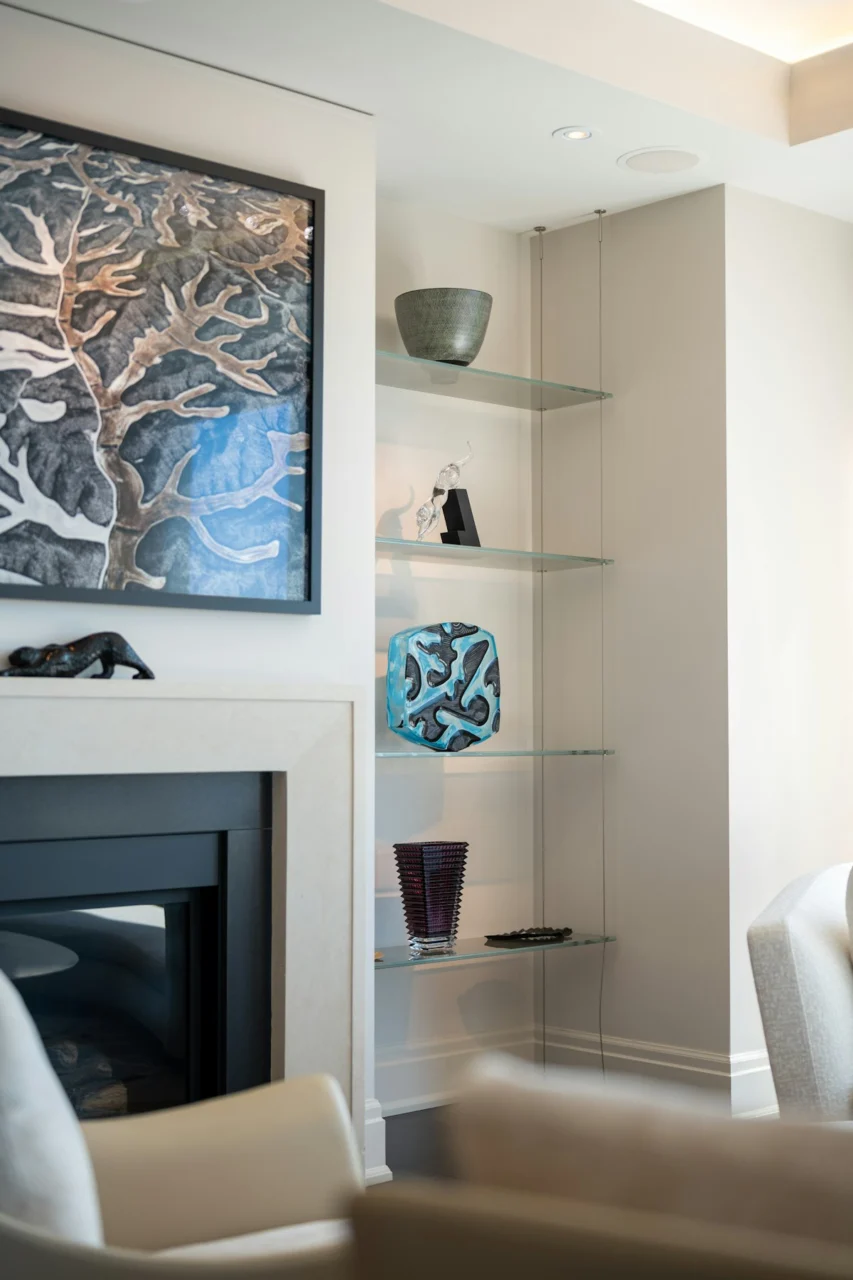
Photo by Franco Debartolo on Unsplash
Floor space is at a premium, so the walls become prime real estate. Tall shelving, hanging planters, and vertically oriented artwork can turn a blank wall into a functional, decorative statement.
Install floor‑to‑ceiling shelving on one side of the room. Use the lower shelves for books, the middle for decorative bowls, and the uppermost for curated objects that sit out of reach but remain visible. A series of narrow, vertically stacked frames creates a visual line that stretches the ceiling, subtly expanding the room’s perceived height.
Greenery adds life without occupying floor area. Hanging planters or wall‑mounted pot racks let you enjoy plants while keeping the ground clear. Just be mindful of weight limits on drywall; use proper anchors or, for lighter pots, sturdy adhesive hooks designed for wall mounting.
5. Anchor the Room with One Statement Piece
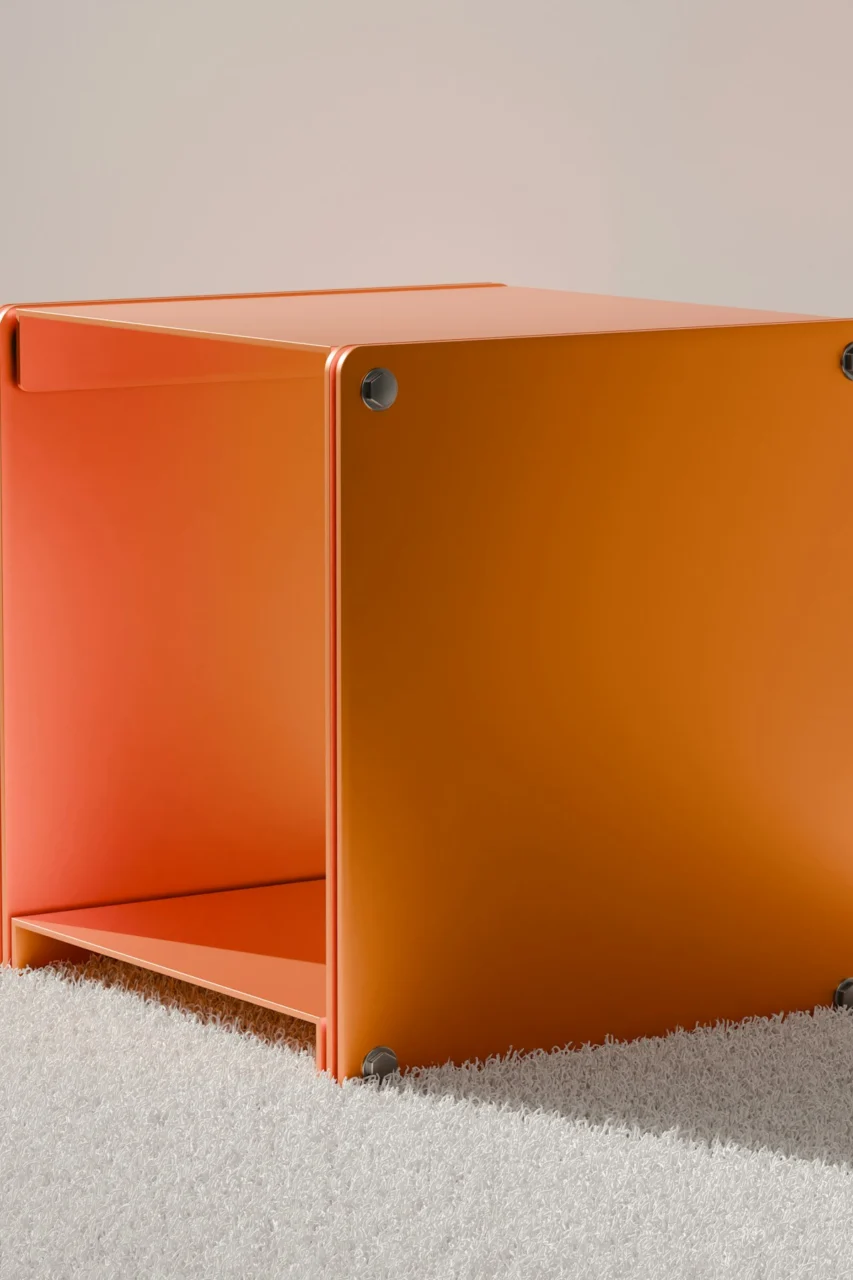
Photo by ObjectType RAW on Unsplash
A single, eye‑catching furniture item can serve as the room’s focal point, allowing the surrounding pieces to play supporting roles. Choose a piece that offers both visual impact and practical function—think a bold‑colored storage ottoman, a sculptural sideboard, or a vibrant armchair.
Scale matters. In a 150‑square‑foot living area, a massive sofa will dominate the space, while a compact chaise or accent chair provides presence without overwhelming the floor plan. Pair the statement piece with neutral or muted secondary furniture to maintain balance and prevent visual overload.
Because wear and tear become more noticeable in a small room, invest in durable upholstery or finishes for the focal item. A well‑made piece will retain its appeal longer, reducing the need for frequent replacements that could clutter the space.
6. Layer Light to Highlight Color and Form

Lighting is essential for a maximalist aesthetic, especially in a confined area where shadows can make the room feel closed in. Combine three layers of illumination to showcase color, texture, and décor without overwhelming the eye.
Ambient lighting comes from a ceiling fixture with a dimmable LED; this provides overall brightness and can be adjusted to suit mood. Task lighting—such as a table lamp on a sideboard—offers focused light for reading or work. Accent lighting, like LED strip lights behind a floating shelf or a small spotlight aimed at a gallery wall, draws attention to specific features.
Reflective surfaces amplify light. A mirrored wall panel or a glossy side table can bounce natural or artificial light across the room, making the space feel larger. If natural light is limited, select a floor lamp with a reflective shade to disperse illumination throughout the area.
7. Arrange Art and Collections with Intent

Photo by Kevin Musumbu on Unsplash
Maximalist interiors thrive on personal collections, but thoughtful arrangement prevents clutter. Treat each object as part of a curated display, even if you avoid the word “curated.” Group items by theme, color, or material to create visual cohesion.
Floating shelves work well for small rooms; choose shallow depths to avoid bulk. Display a few standout pieces—perhaps a travel souvenir, a vintage vase, or a small sculpture—while leaving breathing room between items. Rotating accessories seasonally keeps the room feeling fresh without adding permanent volume.
A common pitfall is filling an entire wall with memorabilia. Instead, distribute collections across multiple zones: a small grouping on a sideboard, a couple of objects on a bookshelf, and a single statement piece on a wall. This spread maintains balance and allows each item to be appreciated.
FAQ

Photo by melanfolia меланфолія on Unsplash
Can maximalist design work in a studio apartment?
Yes. By limiting the color palette, selecting one statement piece, and using vertical storage, a studio can feel vibrant without feeling cramped.
How do I keep a bold color scheme from looking chaotic?
Anchor the room with a dominant hue, limit secondary colors to two, and repeat those shades across textiles, accessories, and artwork to create unity.
What’s the best way to display a large artwork without sacrificing floor space?
Hang the piece at eye level on a wall that does not impede traffic flow, and balance it with slim, floor‑to‑ceiling shelving on the opposite side to distribute visual weight.
Are there affordable ways to introduce texture?
Yes. Thrift‑store velvet pillows, second‑hand woven baskets, or DIY concrete planters provide tactile interest without a high price tag.
Do I need professional help to install tall shelving?
If the shelves will hold heavy items, use proper wall anchors or consult a professional. For lightweight décor, sturdy adhesive strips designed for wall mounting are sufficient.
Final Thoughts
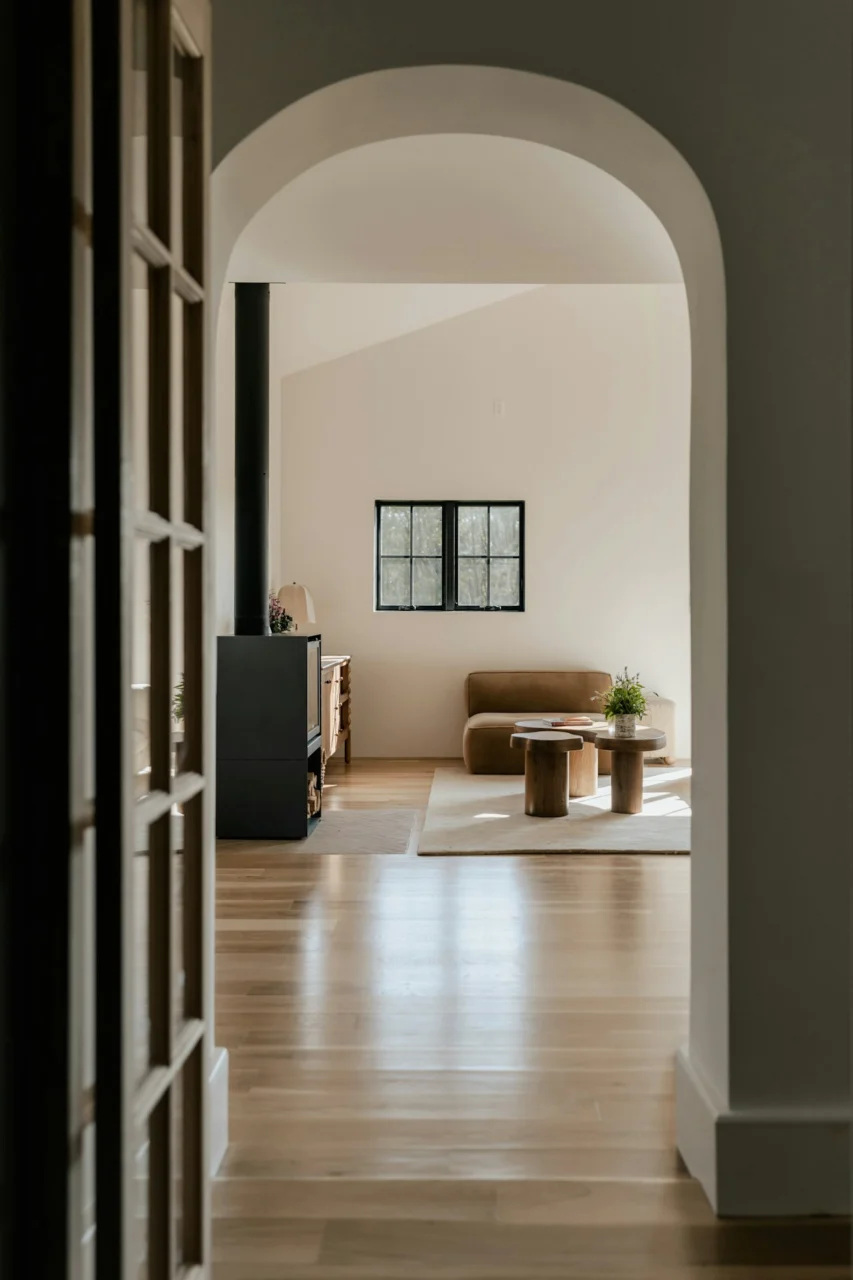
Photo by Clay Banks on Unsplash
Maximalist design in a small space thrives on intentional contrast—color, pattern, texture, and light—all balanced against the room’s dimensions. By choosing a focused palette, mixing patterns of differing scale, layering textures from floor to ceiling, and turning walls into functional galleries, you can craft a lively environment that feels open rather than cramped. Remember that each element should earn its place; when you arrange with purpose, the result is a personal sanctuary that celebrates abundance without slipping into clutter.
“`