
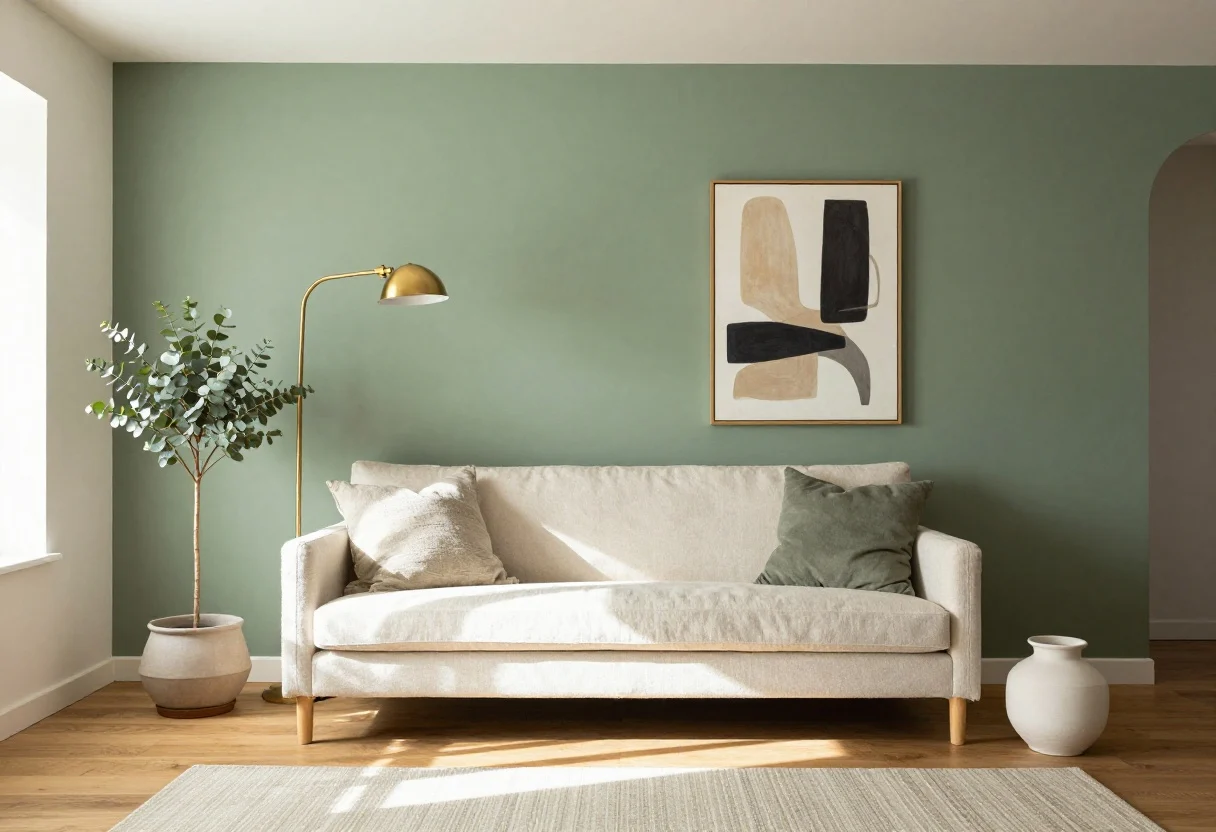
Sage Green Accent Wall Ideas You’ll Love (without Painting Everything)
You want calm. You want chic. You want “I read design magazines but also have plants named after celebrities.” Enter the sage green accent wall—soft, soothing, and just moody enough to look intentional. Let’s make it happen without spiraling into 47 paint samples and a crisis about undertones.
1. Pick Your Perfect Sage: Not All Greens Are Chill
© 2025 AI Illustrator — Inspiration Only
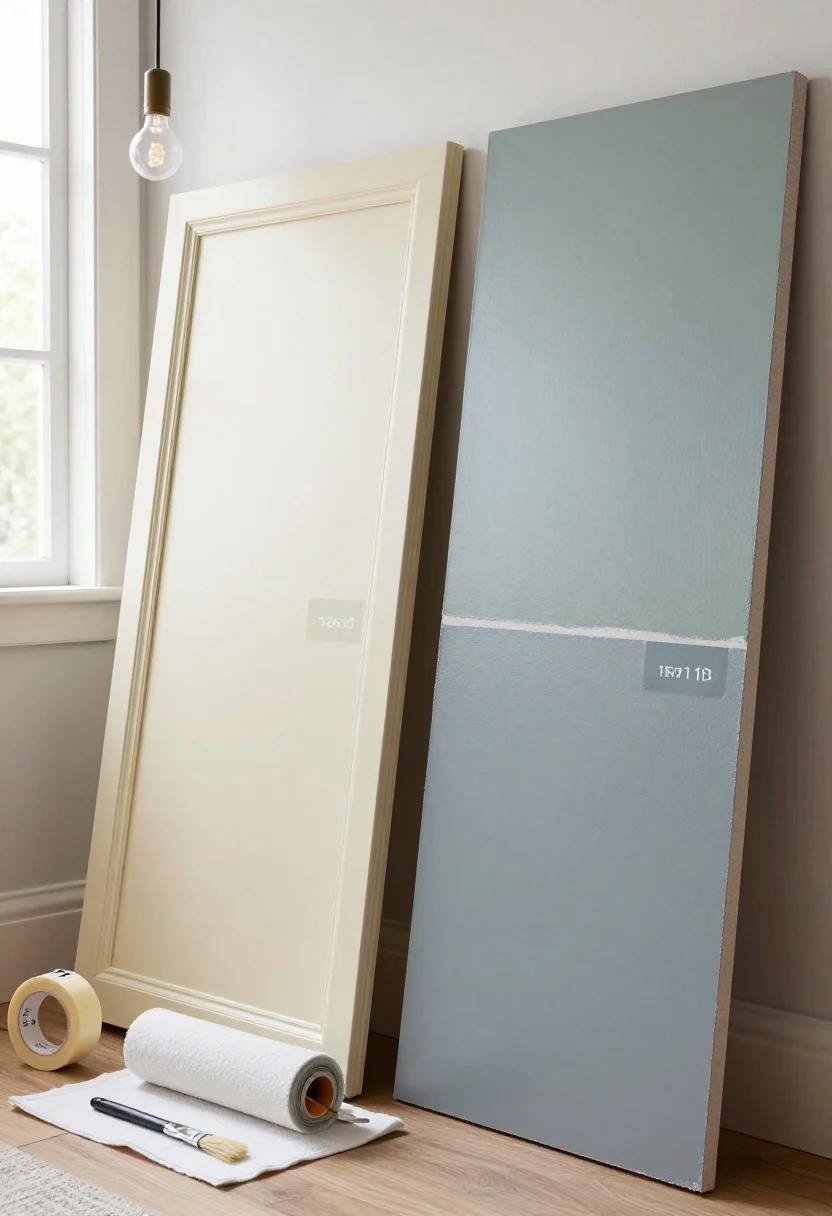
Sage isn’t one color—it’s a vibe somewhere between eucalyptus and gray with a hint of olive. It should read earthy, not neon. Warm sages lean into yellow, cool sages have blue-gray undertones. Both are gorgeous; they just play differently with light and wood tones.
Which Home Style Fits Your Space?
Answer 5 quick questions to find your perfect interior style and inspiration.
How to test undertones like a pro
- Sample BIG. Paint 18×18 swatches on foam boards and move them around the room for a few days.
- Check at night. LED bulbs can skew green or purple; your “calm spa” might become “hospital corridor” after dark.
- Compare with trim. Pair samples next to your baseboards and crown. Sage glows against warm whites (think creamy) and looks crisp with cool whites (hint of gray).
What to shop for: paint samples, foam boards, high-quality angled brush, low-lint roller covers.
2. Where to Put It: The Wall That Does the Most
© 2025 AI Illustrator — Inspiration Only
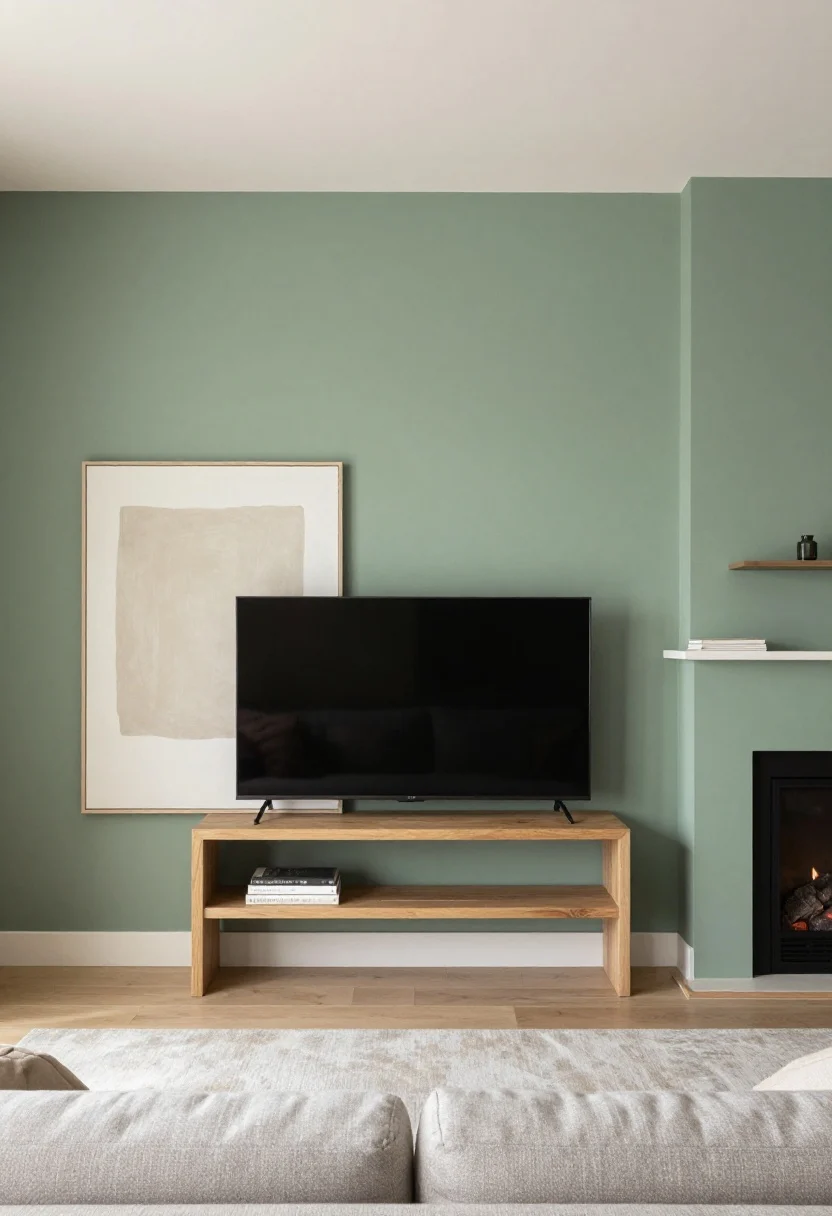
An accent wall should pull focus, not confuse your furniture. Choose the wall that already has presence—a headboard wall, the wall behind your sofa, or the one framing a fireplace. If nothing “anchors” the room, create a moment with art or shelving on that wall.
Room-by-room quick hits
- Bedroom: Paint behind the bed. Sage softens wood frames and looks luxe with linen bedding.
- Living room: The TV wall works if you layer a console and oversized art to avoid black box dominance.
- Dining room: The wall opposite your entry for maximum drama at first glance.
- Entryway: A short wall or stair wall sets the tone instantly.
Pro tip: If your room is tiny, paint the shortest wall in sage to add depth without making the space feel narrow.
3. Pairing Colors: Friends, Not Frenemies
© 2025 AI Illustrator — Inspiration Only
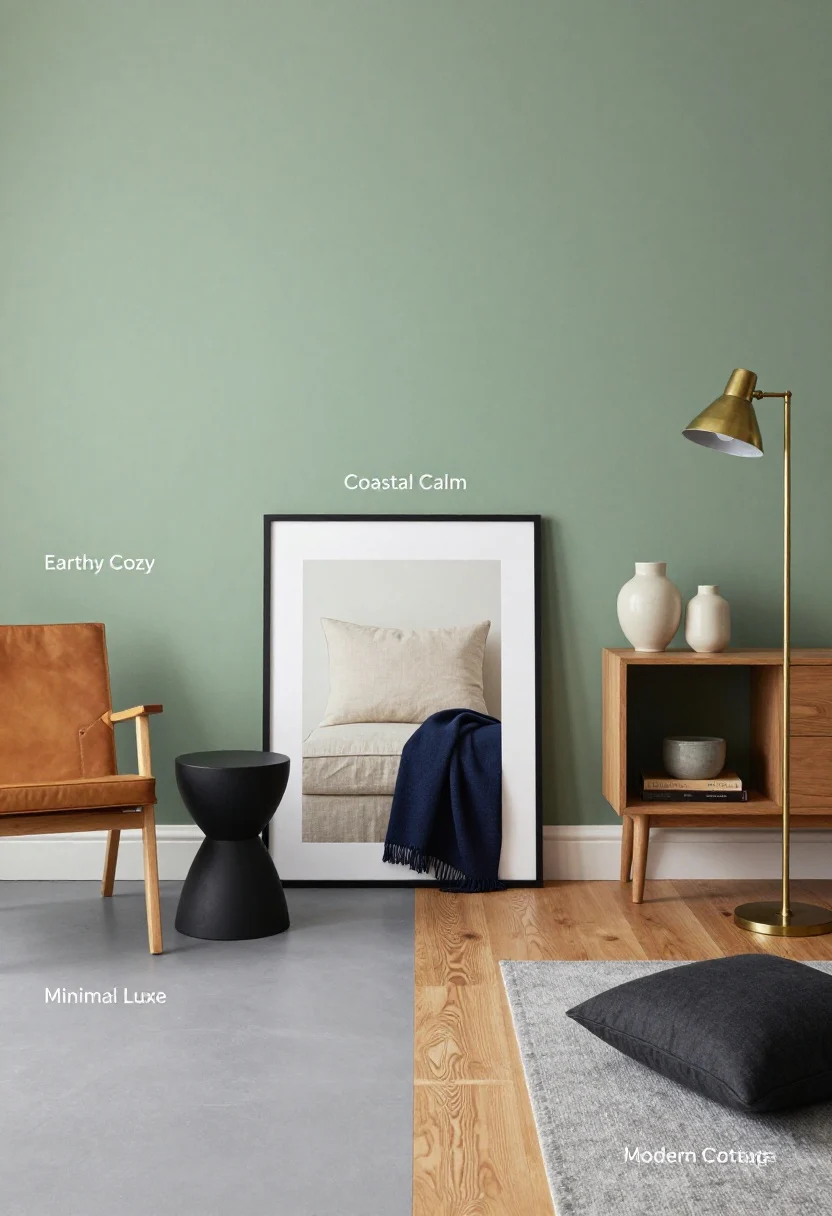
Sage is a team player. Keep the palette tight—three to four tones total—so your accent reads curated, not chaotic. Neutrals and natural textures will do the heavy lifting.
Foolproof palettes
- Earthy Cozy: Sage + warm white + camel leather + matte black accents.
- Coastal Calm: Sage + crisp white + sandy beige + soft navy.
- Modern Cottage: Sage + cream + oak wood + aged brass.
- Minimal Luxe: Sage + greige + charcoal + brushed nickel.
FYI: If your flooring is cool gray, choose a cooler sage to avoid clashing. Warm oak floors? A slightly yellow-leaning sage will sing.
4. Texture Party: Make Sage Look Expensive
© 2025 AI Illustrator — Inspiration Only
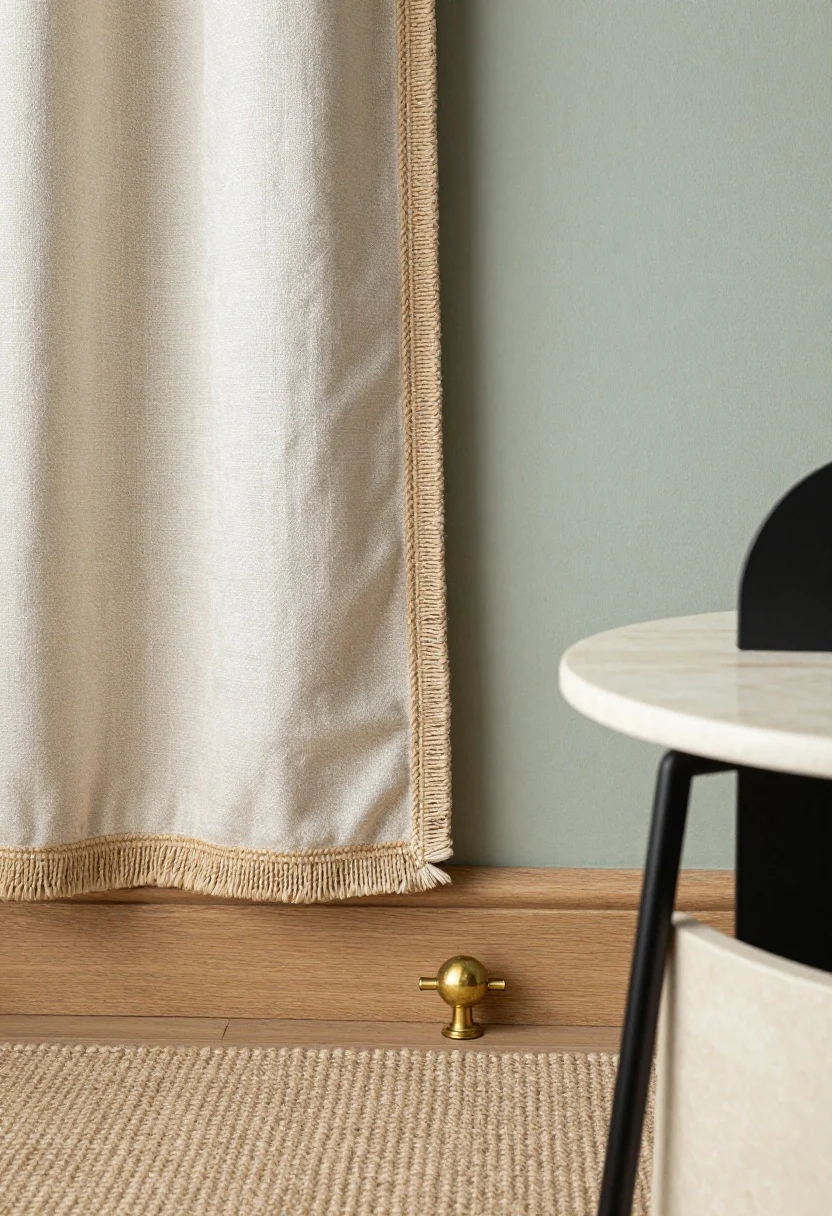
Sage is subtle. The texture around it is where you flex. Add depth so your wall feels designed, not just painted.
Layered materials that love sage
- Natural fibers: Jute rugs, seagrass baskets, linen curtains. They ground the color and keep it airy.
- Metals: Aged brass warms sage; matte black modernizes it. Silver can skew cool—use sparingly.
- Wood tones: Honey to mid-oak glows; espresso adds contrast. Cherry can fight the green—test first.
- Stone: Marble, travertine, or soapstone side tables feel spa-level refined.
What to shop for: linen drapery panels, jute or wool rugs, brass curtain rods, woven baskets.
5. Styling the Wall: Art, Shelves, and Lighting That Pop
© 2025 AI Illustrator — Inspiration Only
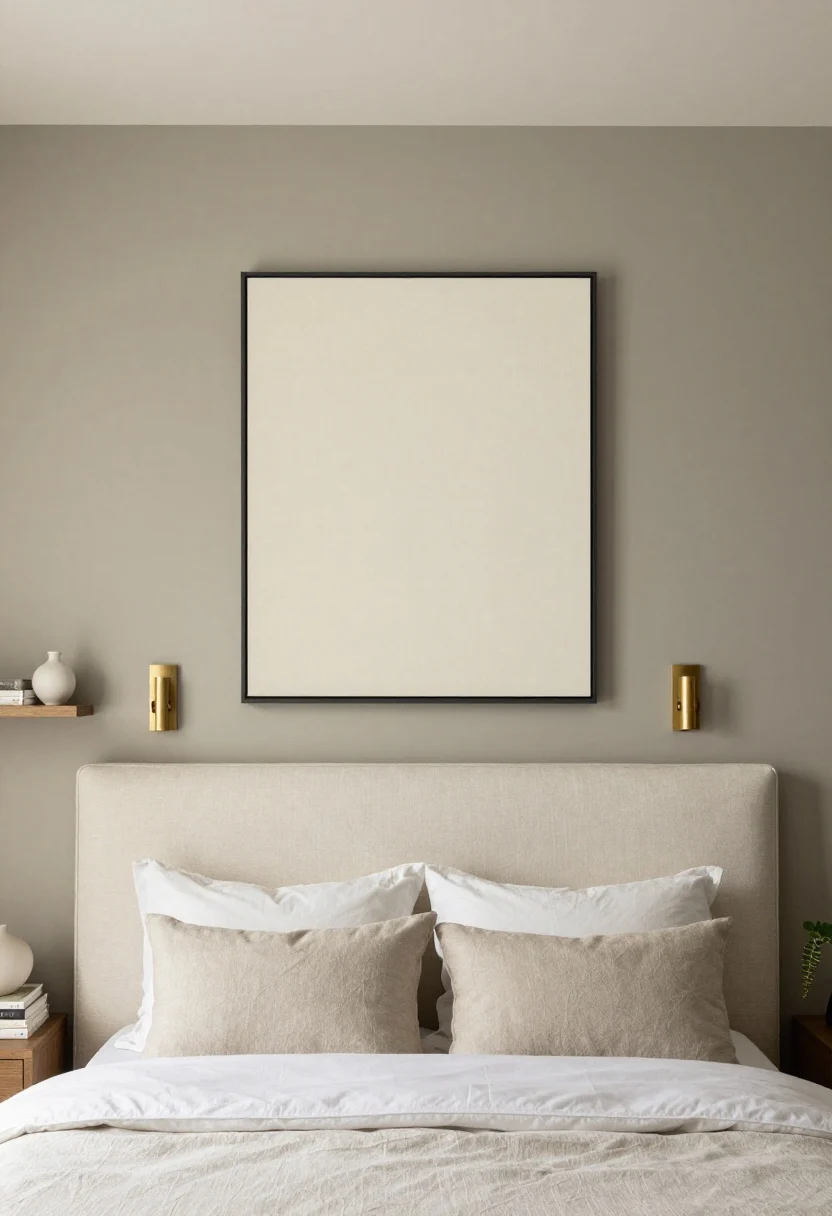
Now the fun part. Think of your sage wall as a backdrop for storytelling. Keep silhouettes simple so the color can do its chill thing.
Hard yeses
- Oversized art: One large canvas with soft neutrals or abstract landscapes. Don’t clutter; let it breathe.
- Picture lights or sconces: Warm white (2700–3000K) to avoid washing out the green.
- Floating shelves: Style with books, ceramics, and a trailing plant. Group in odd numbers—3s and 5s win.
- Textural headboards: Rattan, cane, or upholstered linen against sage? Chef’s kiss.
Skip super glossy frames—they reflect light weirdly on deeper tones. Go matte black or brushed brass for balance.
What to shop for: framed canvas art, plug-in sconces, floating shelves, sculptural vases, neutral throw pillows.
6. Paint Finish, Trim, and DIY Tricks That Matter
© 2025 AI Illustrator — Inspiration Only
The wrong finish can make sage look cheap, IMO. Choose your sheen based on wear and texture goals.
Finish guide (keep it simple)
- Matte/Flat: Gorgeous and velvety, best for low-traffic areas and bedrooms. Hides imperfections.
- Eggshell: The safe bet for living/dining rooms. Soft glow, easy to clean.
- Satin: Durable for hallways and kids’ rooms. Slightly more reflective.
Trim color: Pair sage with a creamy white (warm, inviting) or a soft cool white (crisp, modern). For drama, paint trim the same color in a different sheen—eggshell walls with semi-gloss trim. It reads custom and expensive.
Which Living Room Color Palette Fits You Best?
Discover the palette that reflects your style — take our free quick quiz and get instant decor inspiration!
Take the Quiz NowDIY pointers that save sanity
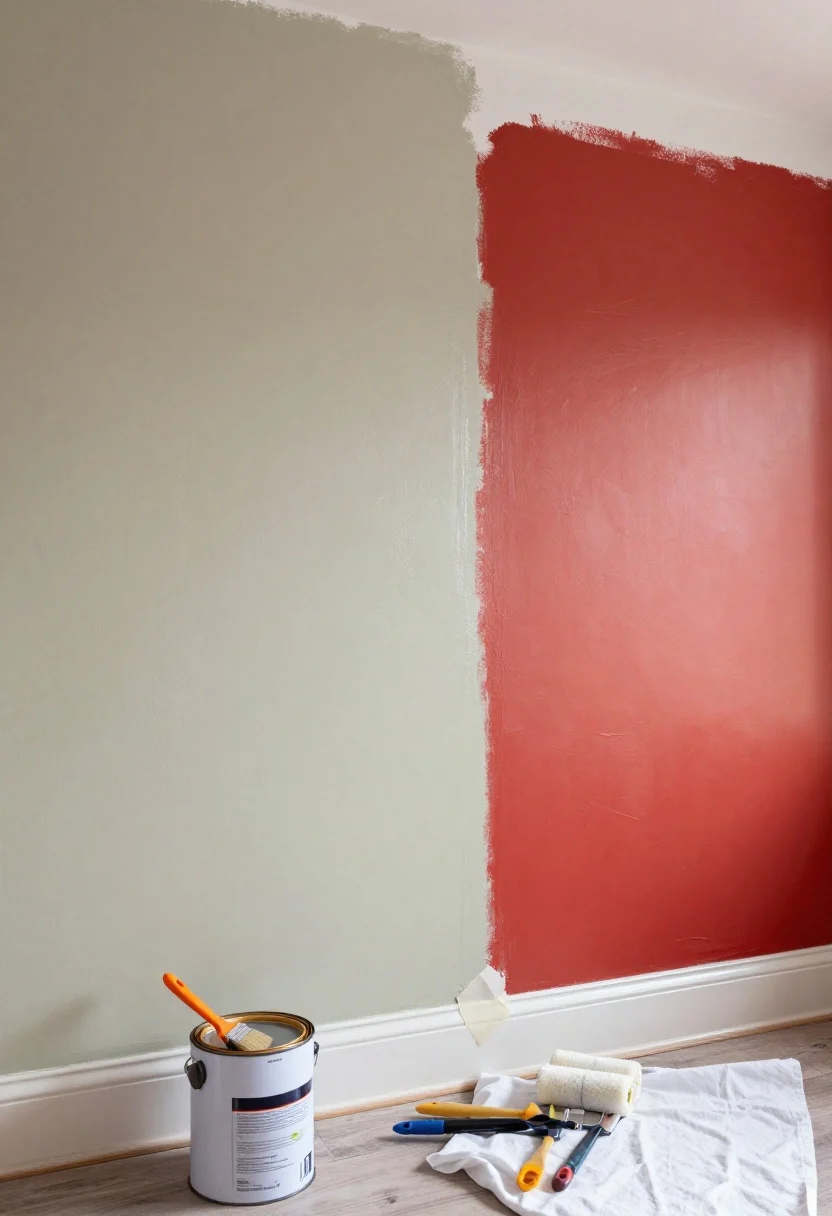
- Prime if covering bold colors. Red or bright blue underneath will throw the sage off.
- Cut in cleanly. Use painter’s tape and pull it off while the last coat is slightly wet.
- Two thin coats > one thick coat. You’ll get truer color and fewer streaks.
What to shop for: primer, quality painter’s tape, angled sash brush, microfiber rollers, drop cloths.
7. Make It Cohesive: Tie Sage Into the Whole Home
© 2025 AI Illustrator — Inspiration Only
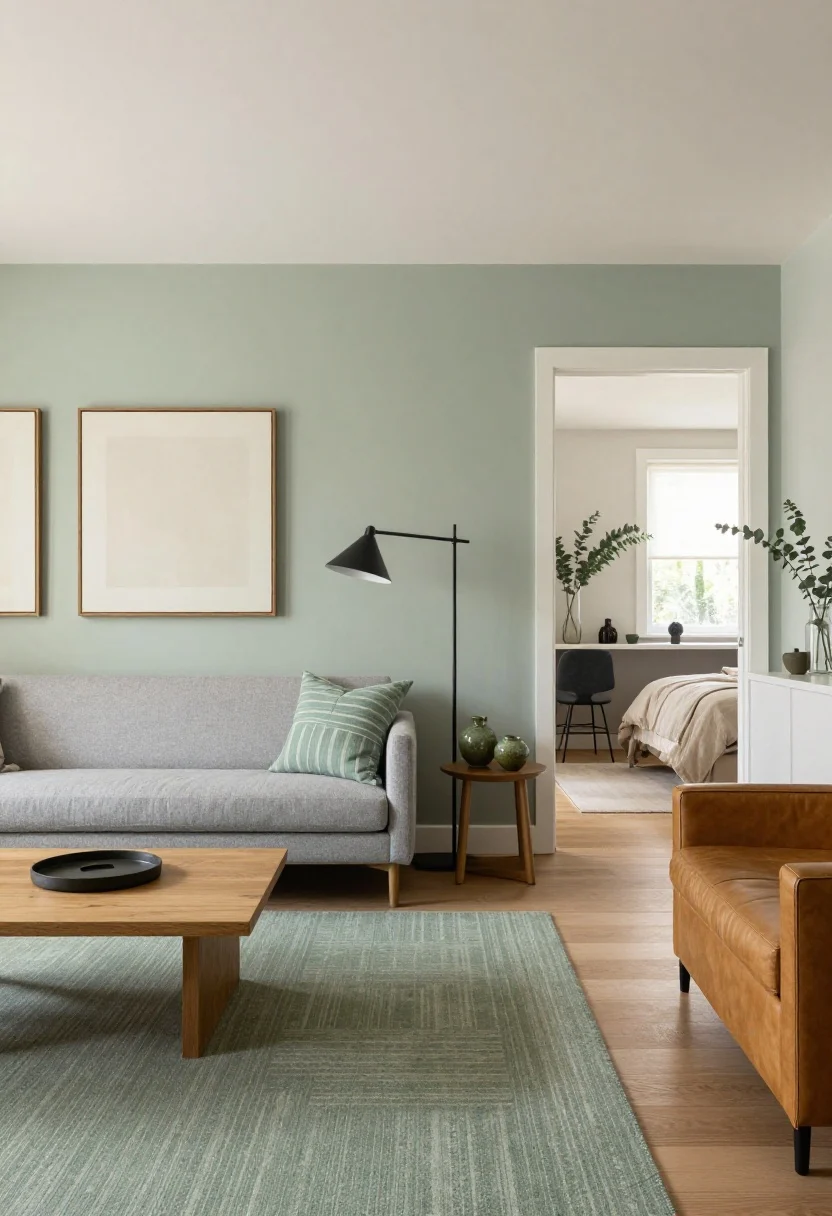
A single wall can set the tone for the entire house—if you echo it thoughtfully. Sprinkle sage-adjacent moments so it feels intentional, not random.
Easy echoes
- Textiles: Add a sage-striped throw or pillows in neighboring rooms for quiet continuity.
- Greenery: Plants with dusty leaves (olive tree, eucalyptus stems) mimic sage’s softness.
- Ceramics: Glazed stoneware in mossy tones on the kitchen counter or entry console.
- Pattern play: A rug with a whisper of green threads the palette without screaming “matchy.”
For open floor plans, repeat sage at 30–40% intensity via accessories so the eye travels smoothly from zone to zone. Tiny apartment? A sage wall + one throw + a plant is plenty. Don’t over-sage the sage.
Quick styling recipes
- Modern living room: Sage wall, low-profile gray sofa, oak coffee table, black metal floor lamp, oversized neutral art.
- Cozy bedroom: Sage headboard wall, ivory linen duvet, caramel leather bench, brass sconce pair.
- Calm dining nook: Sage banquette wall, natural oak table, cane chairs, linen drum pendant.
Conclusion
A sage green accent wall is the decor equivalent of deep breathing—calm, collected, and quietly sophisticated. Test a few samples, nail the finish and lighting, and layer textures that love green. You’ll have a space that feels fresh year-round and photographs like a dream, FYI.
FAQ
Q: Will a sage green accent wall make my room look smaller?
A: Not if you balance it. Keep the other walls light, add a large rug, and use oversized art or a mirror on the sage wall to stretch the space visually.
Q: What if my room doesn’t get much natural light?
A: Choose a warmer, lighter sage in eggshell and use warm white bulbs (2700–3000K). Add metallic accents and light wood to bounce brightness.
Q: Can I use wallpaper instead of paint for the accent wall?
A: Absolutely. Look for textured grasscloth in sage or subtle botanical prints for depth. It’s a great way to add pattern without overwhelming the room.
Shop the Look on Amazon
Disclosure: As an Amazon Associate, this site may earn from qualifying purchases.
These product categories fit this article and give readers an easy next step when they are ready to shop.
- Accent wall — Easy, renter-friendly way to get a sage wall fast.
- Linen drapery — Soft texture that pairs beautifully with sage walls.
- Natural rug — Grounds the palette and adds organic warmth.
- Picture lights — Warm lighting flatters sage and highlights art or shelves.
- Display shelves — Create a focal point for books, ceramics, and greenery.
2 Comments
Comments are closed.