
Small Kitchen Corner Countertop Decor Ideas That Stay Functional
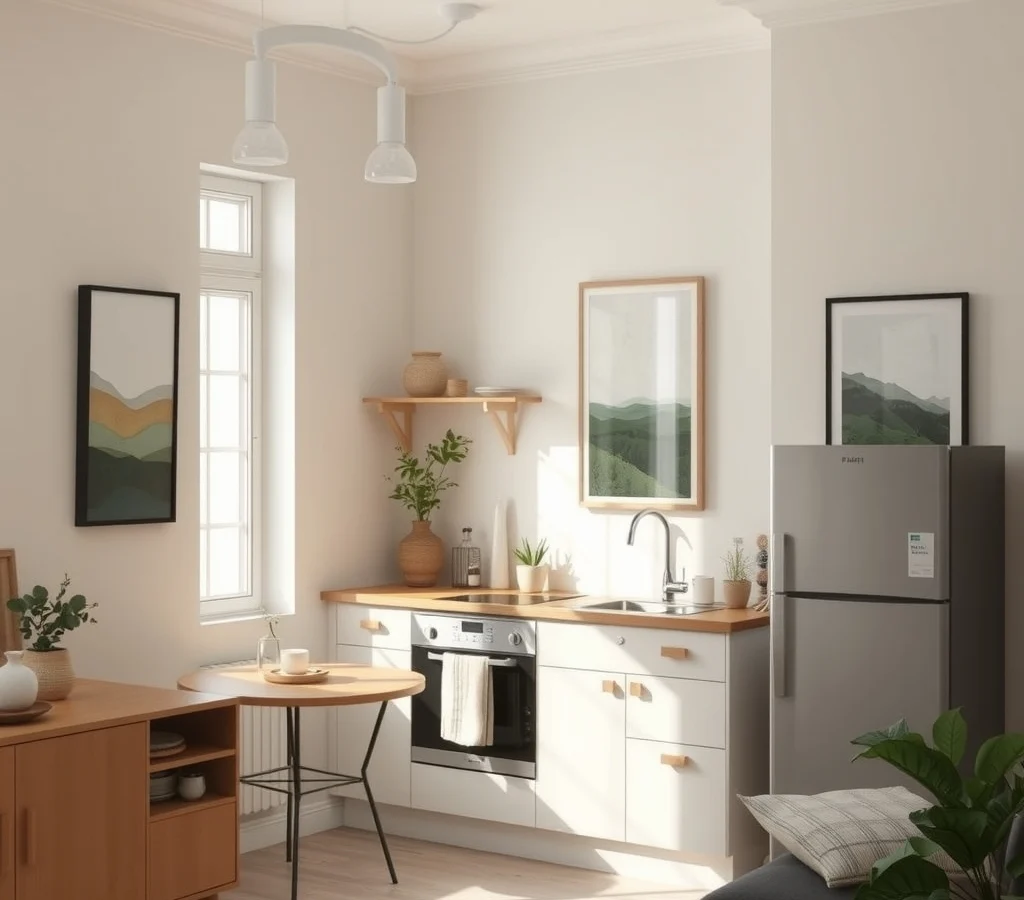
Living with a narrow corner countertop often feels like a balancing act between style and practicality. The space is too small to host a full‑size island, yet it’s prime real estate for the daily hustle of coffee prep, mail sorting, or quick snack assembly. The challenge is to dress the area without turning it into a clutter trap. Below are seven ideas that let you add personality, color, and organization while preserving every inch of usable surface.
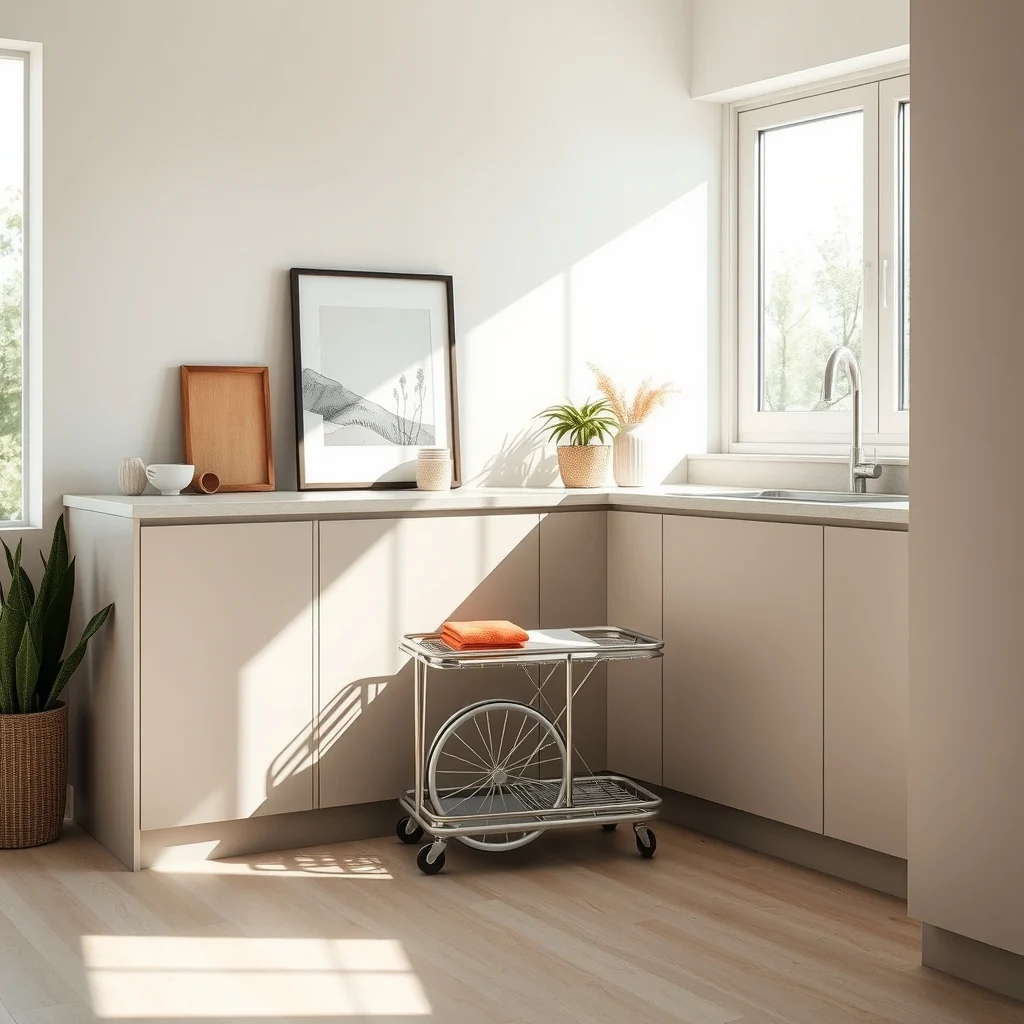
1. Slim rolling cart for extra prep space and hidden storage
© 2026 AI Illustrator — Inspiration Only
A narrow, three‑wheel cart that slides underneath the corner can instantly double the work area. Choose a model with a brushed‑metal frame and a laminate top in a neutral shade such as soft greige; the finish resists spills and is easy to wipe down. When you need a larger chopping surface, simply pull the cart out, and the top becomes a sturdy extension of the countertop. The lower shelf is perfect for keeping a few essential knives, a small bowl of fresh lemons, or a stack of reusable containers out of sight. Because the cart rides on wheels, you can reposition it for a quick cleaning session or tuck it away when guests arrive. The trade‑off is that the cart adds a slight visual element, so selecting a design that complements the kitchen’s existing hardware helps it blend rather than compete.
Which Home Style Fits Your Space?
Answer 5 quick questions to find your perfect interior style and inspiration.
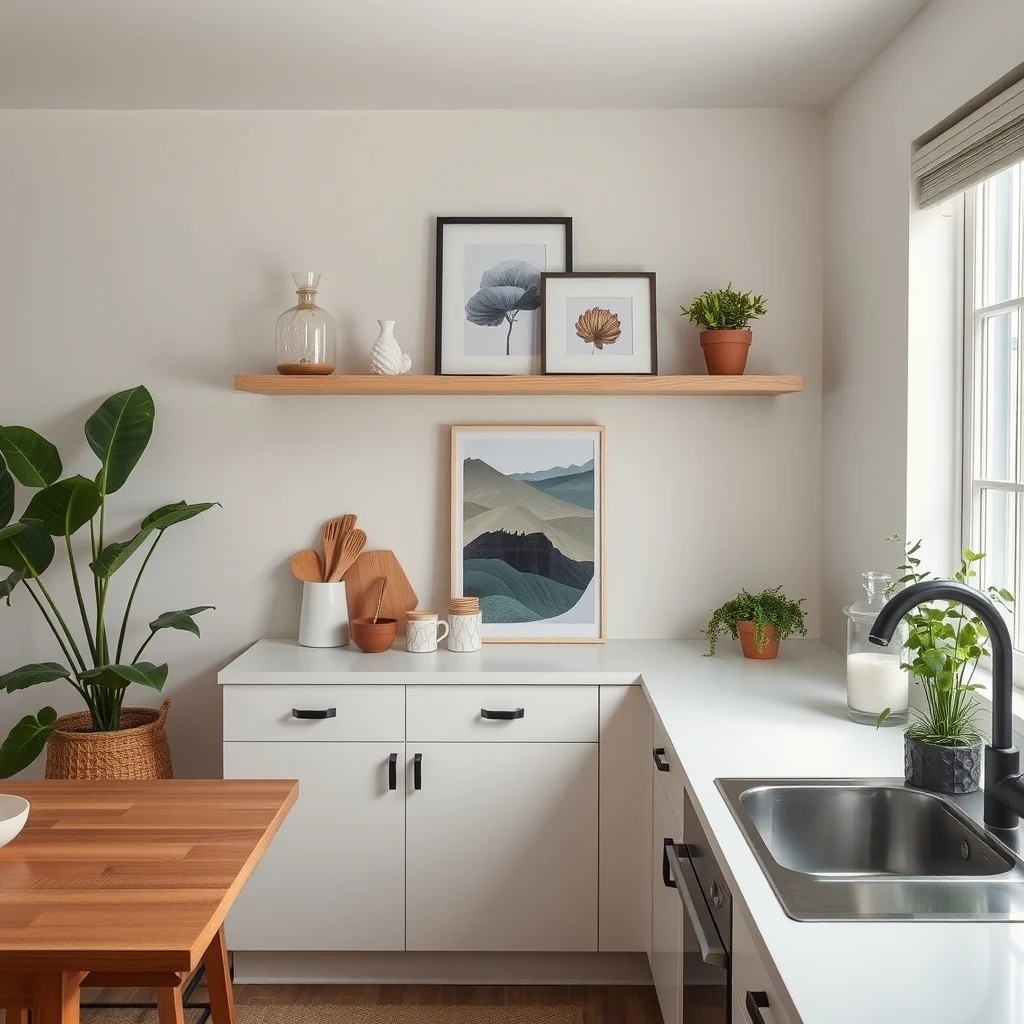
2. Narrow open shelf above the corner for curated display
© 2026 AI Illustrator — Inspiration Only
Mounting a slim, floating shelf just above the countertop creates a vertical layer that draws the eye upward, making the corner feel taller. A reclaimed‑pine board finished with a matte whitewash offers a warm texture without overwhelming the limited space. Use the shelf to showcase a curated trio of items—a ceramic mug, a small vintage scale, and a potted rosemary plant. By limiting the number of pieces, the shelf remains a decorative accent rather than a storage dump. The open design keeps the area airy, and the wood’s natural grain adds subtle interest. If the kitchen receives a lot of steam, a metal or glass shelf could be a better choice because it dries faster, though it may lack the softness of wood.
Practical tip
Secure the shelf with wall anchors that match the thickness of the plaster or drywall, and keep the mounting height low enough that you can reach the items without stretching.
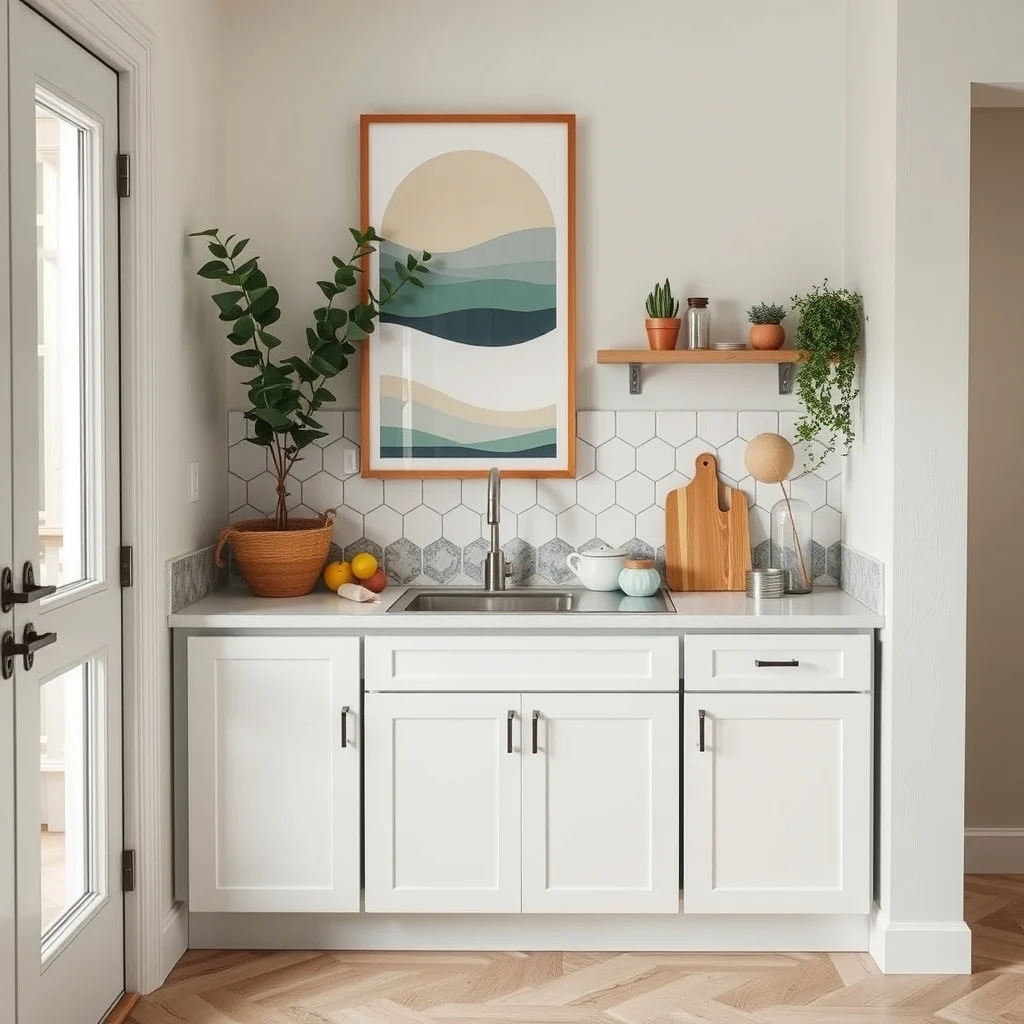
3. Decorative yet washable backsplash tile strip
© 2026 AI Illustrator — Inspiration Only
Installing a thin band of patterned tile just behind the corner countertop adds visual depth without consuming floor area. A hexagonal subway tile in muted teal and ivory creates a subtle pop of color that complements most cabinetry. Because the tile is only a few inches high, it protects the wall from splatters while giving you a surface that can be wiped with a damp cloth. The pattern provides a decorative focal point, especially when the rest of the kitchen follows a minimalist palette. The main consideration is ensuring the grout lines are sealed; otherwise, moisture can seep in and cause discoloration over time. If you prefer a softer look, a peel‑and‑stick vinyl tile with a faux‑stone texture offers an easier installation but may not last as long under heavy cooking use.
4. Small indoor herb garden in terracotta pots
© 2026 AI Illustrator — Inspiration Only
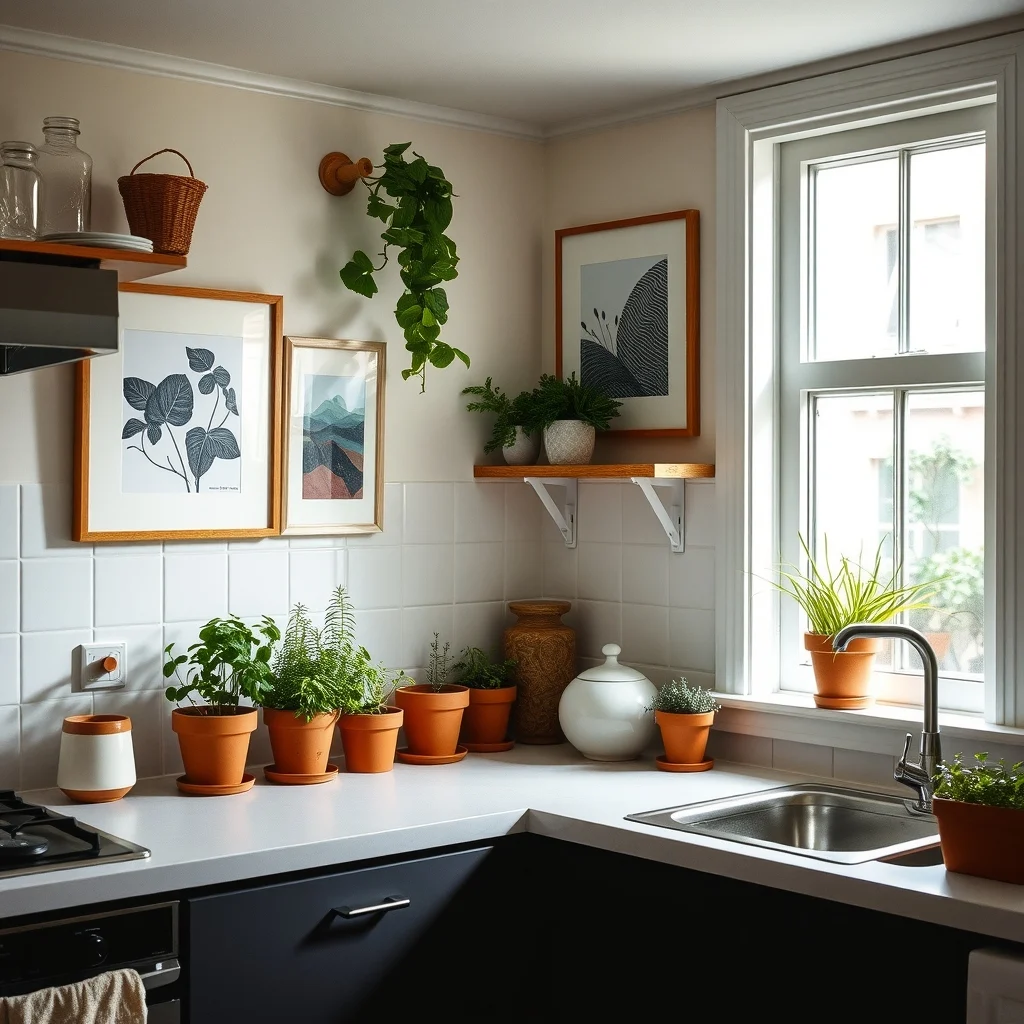
A row of compact herbs—basil, thyme, and chives—grown in terracotta pots adds freshness to the kitchen and a splash of natural green. Terracotta’s porous nature helps regulate moisture, which is ideal for herbs that thrive on a regular watering schedule. Place the pots on a narrow metal tray that catches runoff, and position the tray near a window that receives morning light. The scent of herbs can subtly enhance the cooking experience, and the greenery softens the hard surfaces of the countertop. One downside is that the pots require daily attention; if you travel frequently, a self‑watering planter may be a better fit, though it introduces a plastic element that contrasts with the earthy feel of terracotta.
5. Magnetic knife strip combined with a decorative board
© 2026 AI Illustrator — Inspiration Only
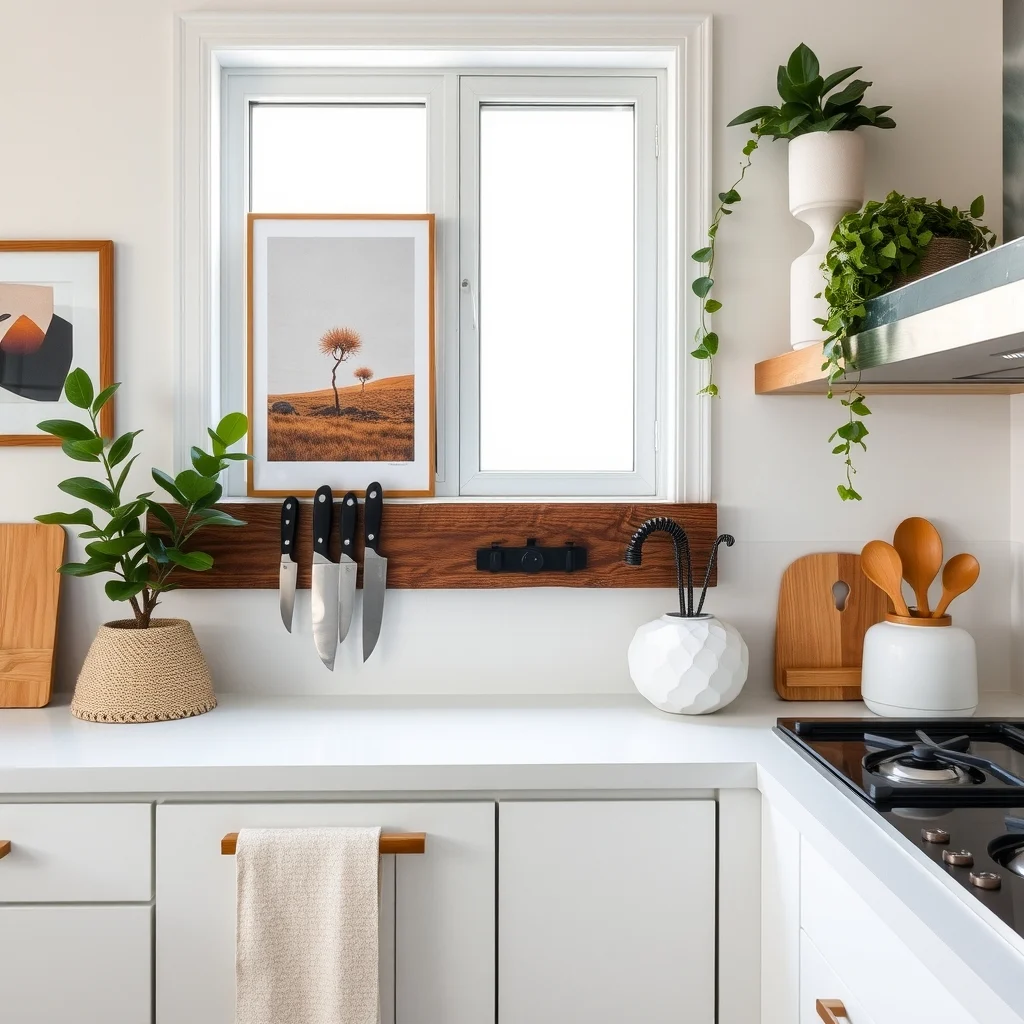
Replacing a traditional knife block with a magnetic strip mounted on a reclaimed‑board creates both functionality and a decorative statement. Choose a board finished in a dark walnut stain; the contrast between the sleek metal strip and the warm wood makes the knives look like part of an art installation. The magnetic surface holds the blades securely, freeing up drawer space and keeping the knives within easy reach while you prep. The board can also serve as a pinboard for grocery lists, recipes, or a small chalkboard menu. The main limitation is that magnetic strips work best with knives that have a steel base; ceramic or carbon‑fiber blades won’t stick, so you may need a secondary storage solution for those.
6. Fold‑down cutting board that doubles as a decorative panel
© 2026 AI Illustrator — Inspiration Only
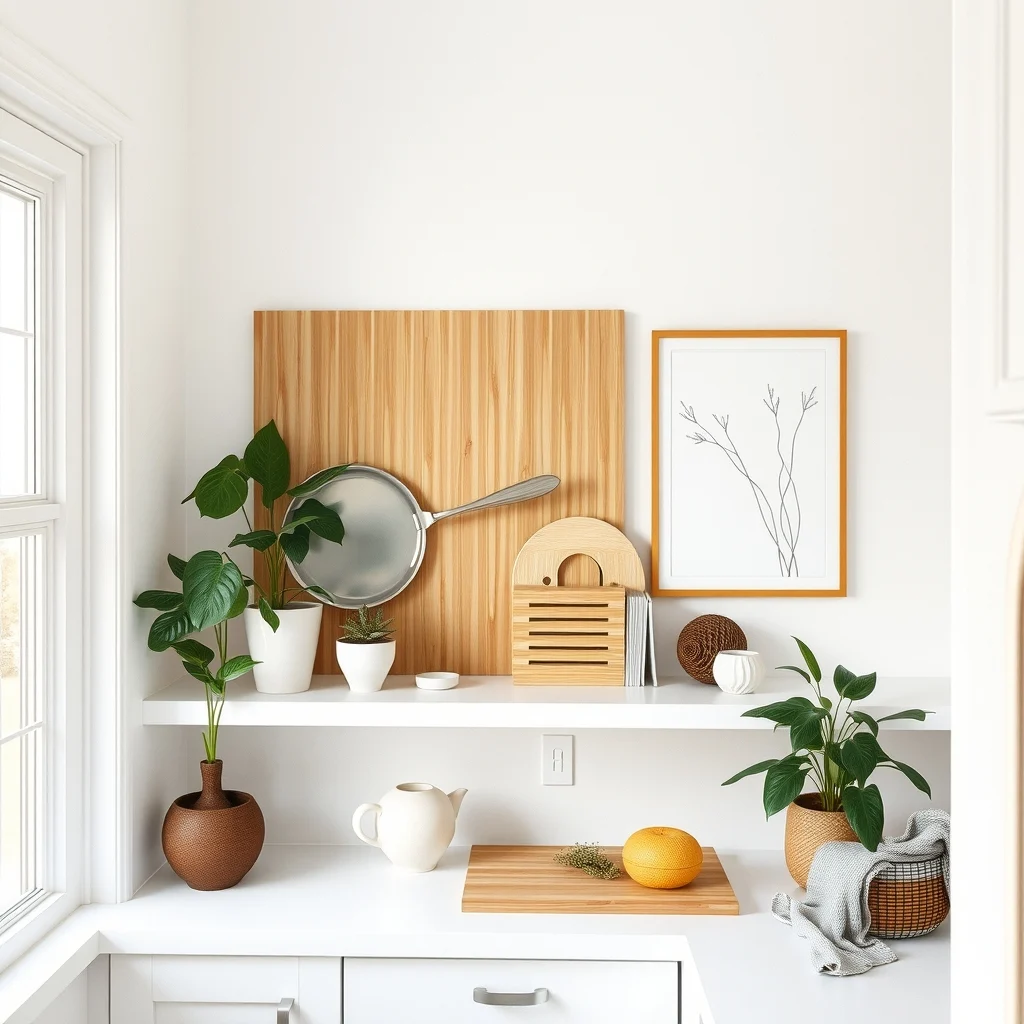
A hinged cutting board that folds up against the wall transforms a functional surface into a decorative backdrop when not in use. Opt for a board made of bamboo with a natural finish; bamboo resists moisture and is lighter than solid wood, making the hinge easier to operate. When folded down, the board provides a generous chopping area, and when folded up, the exposed side can be painted with a subtle geometric pattern that echoes the kitchen’s color scheme. This dual purpose saves space and adds a touch of personality. The hinge mechanism should be robust—stainless‑steel hinges with a soft‑close feature prevent sudden slams. A potential drawback is that the board occupies a portion of the wall, so ensure there’s enough clearance for cabinets or appliances above.
7. Patterned runner mat that protects the surface while adding visual interest
© 2026 AI Illustrator — Inspiration Only
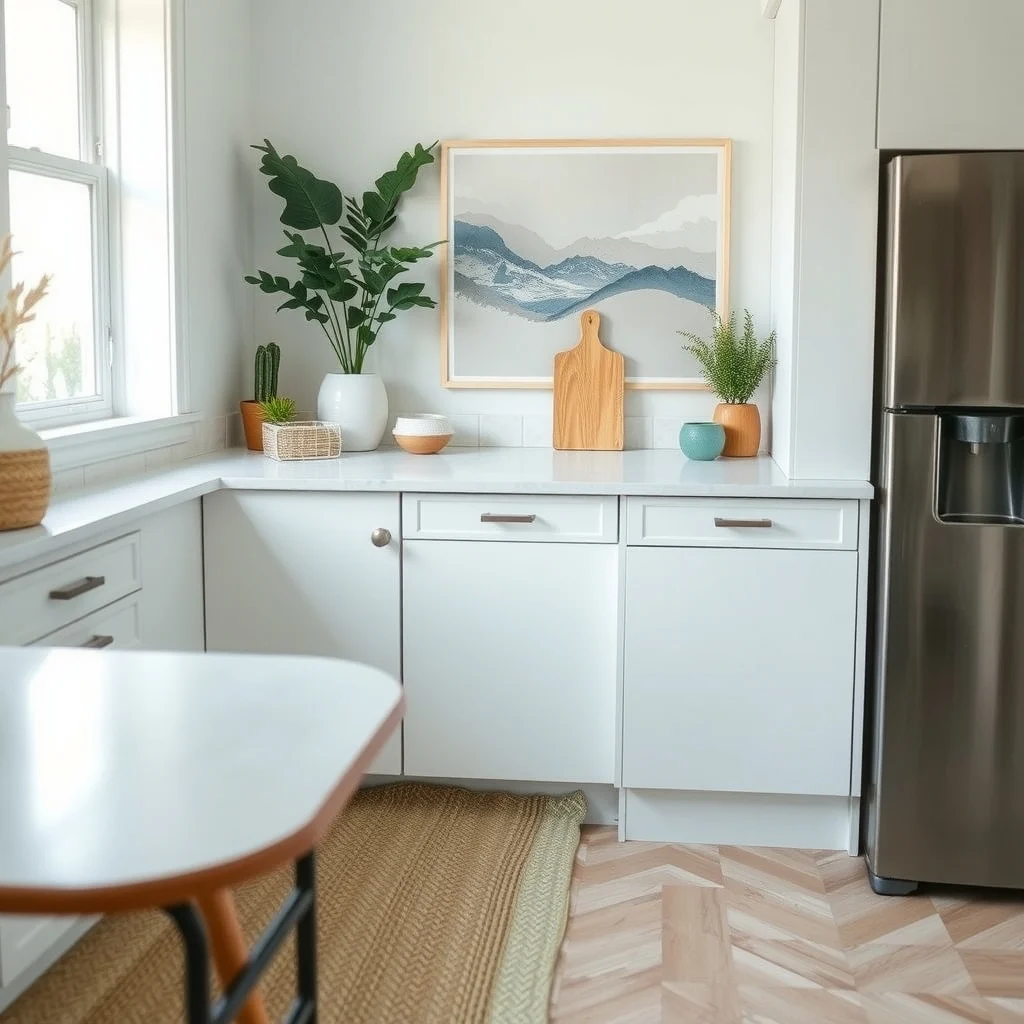
A narrow runner mat made from woven cotton or jute can protect the countertop from scratches and spills while introducing texture. Select a mat with a muted chevron or herringbone pattern in shades of muted sage and cream; the design adds depth without overwhelming the compact area. Because the runner lies flat, it can be rolled up for cleaning, and most fabrics are machine‑washable, which is convenient for a kitchen that sees frequent messes. The material absorbs minor spills, buying you a few extra minutes before you need to wipe the countertop itself. Keep in mind that a runner may trap crumbs, so a quick shake‑out after each use helps maintain hygiene. If you prefer a more water‑resistant option, a silicone mat with a subtle embossing provides similar aesthetic benefits while being completely waterproof.
FAQ
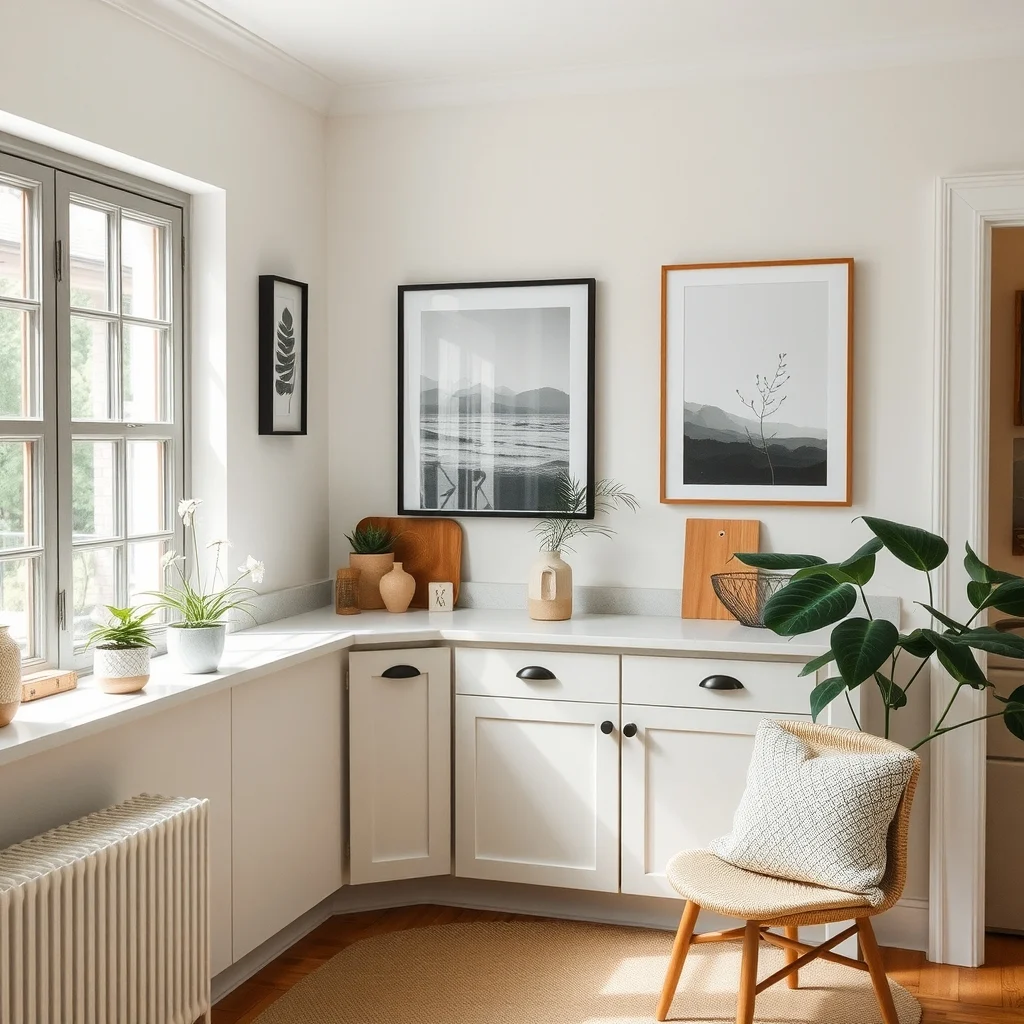
© 2026 AI Illustrator — Inspiration Only
How can I keep a small corner countertop from feeling cluttered?
Limit decorative items to three or fewer and choose pieces that also serve a purpose, such as a small herb pot or a magnetic knife strip. By combining function with style, each object justifies its presence and the surface stays tidy.
What type of lighting works best for a corner countertop?
Under‑cabinet LED strips positioned a few inches below the countertop provide even illumination without glare. The soft glow highlights the work surface while accentuating any decorative backsplash or runner you’ve added.
Is it okay to use wood on a kitchen countertop?
Wood can be used if it is sealed with a food‑grade finish that resists water and heat. Bamboo or hardwoods such as maple are popular choices, but they require regular maintenance to prevent staining.
Which Living Room Color Palette Fits You Best?
Discover the palette that reflects your style — take our free quick quiz and get instant decor inspiration!
Take the Quiz NowHow often should I clean decorative accessories on the countertop?
Wipe down items like mats, jars, and small pots at least once a week with a mild detergent. For fabric runners, a quick machine wash every two weeks keeps them fresh and free of food residue.
Can I add electrical outlets without compromising design?
Installing a pop‑up outlet beneath the countertop preserves a clean look while providing power for small appliances. Use a qualified electrician to ensure the installation meets local codes and maintains safety.
Final Thoughts
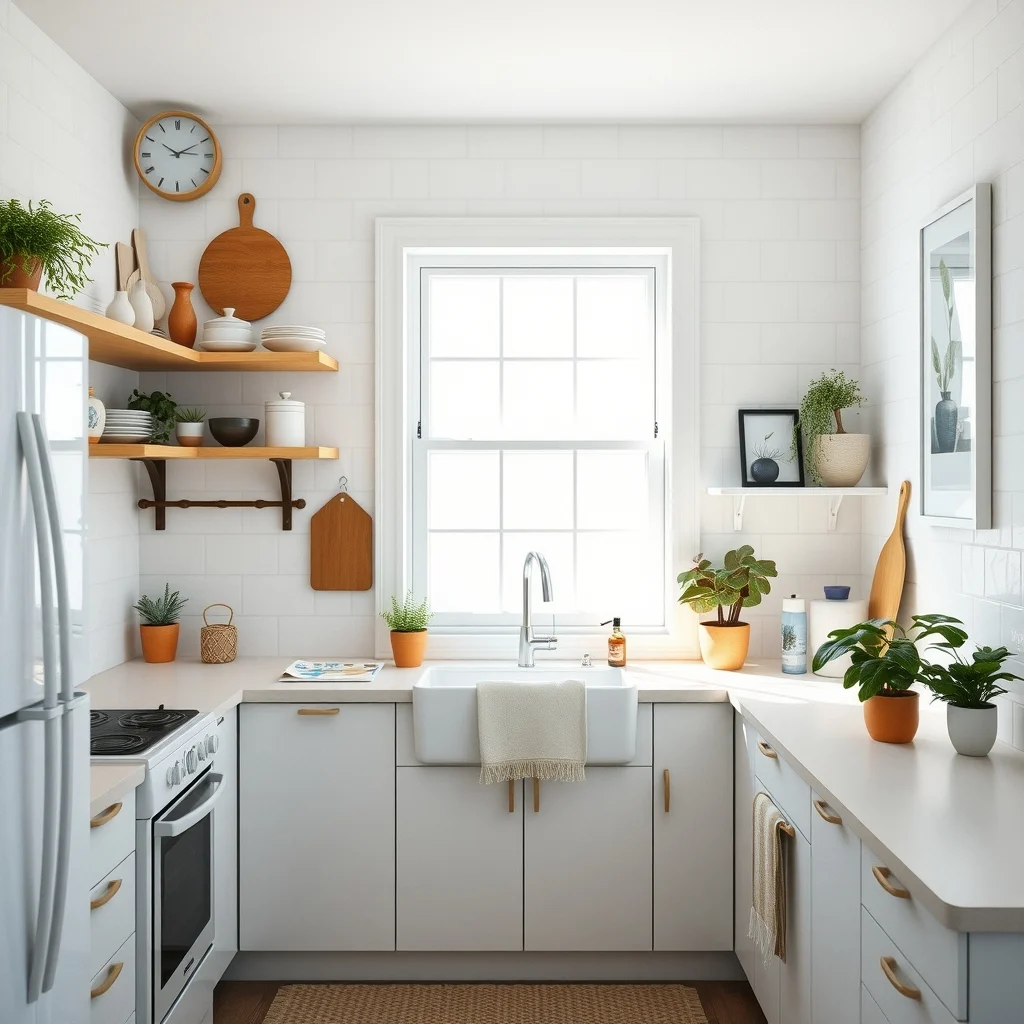
© 2026 AI Illustrator — Inspiration Only
Decorating a small kitchen corner countertop is less about adding more and more about choosing pieces that earn their place. By integrating rolling carts, narrow shelves, subtle tile accents, living herbs, magnetic storage, fold‑down boards, and protective runners, you can create a corner that feels curated, functional, and welcoming. Each idea respects the limited footprint while offering a chance to express personal taste. With thoughtful selection and a little attention to maintenance, the corner becomes a small but powerful stage for everyday cooking and casual conversation.