
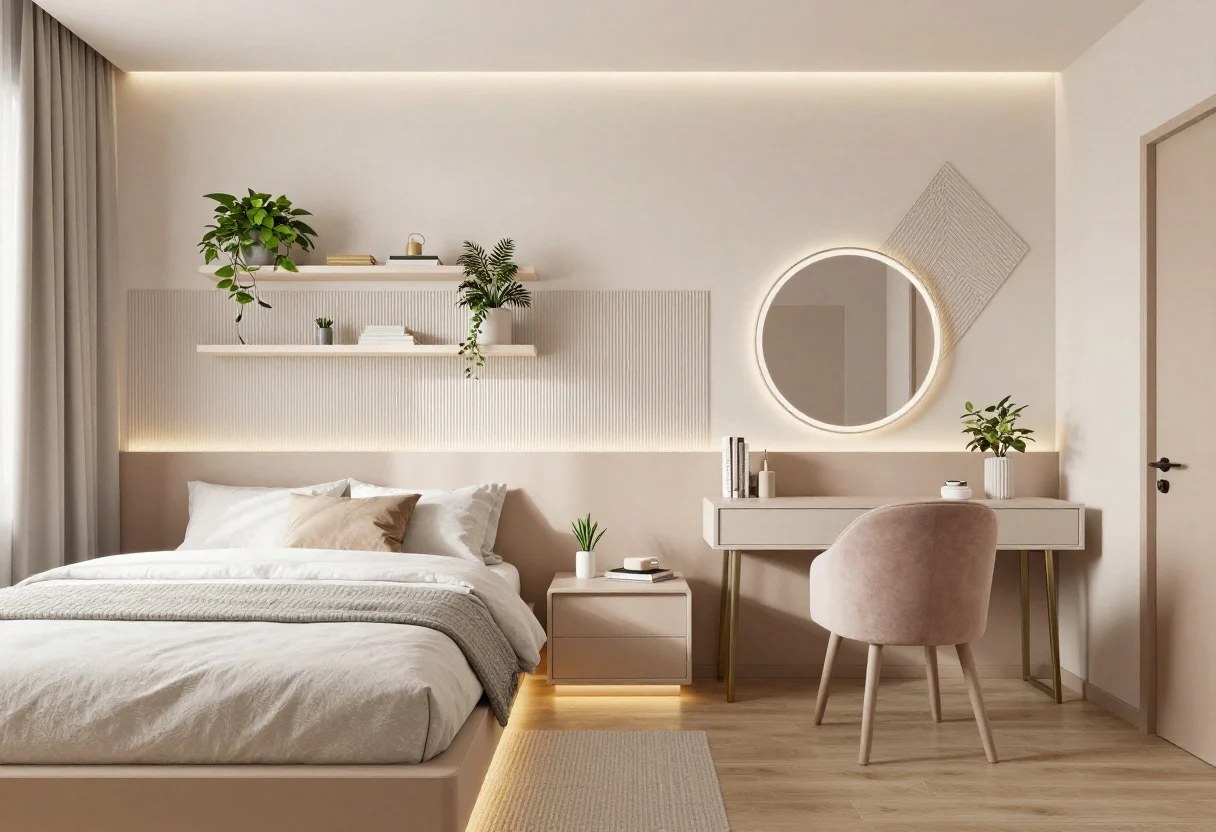
Bloxburg Room Decor Ideas You’ll Wish You Tried Sooner
You’ve got the Bloxburg build bug, and honestly, same. If your rooms feel a little “starter house,” let’s change that. These seven ideas will take your spaces from basic to “wait, did you build that?” in one session—maybe two if you get lost in color swatches. Ready?
© 2025 AI Illustrator — Inspiration Only
1. Define Zones With Rugs, Not Walls
© 2025 AI Illustrator — Inspiration Only
Which Home Style Fits Your Space?
Answer 5 quick questions to find your perfect interior style and inspiration.
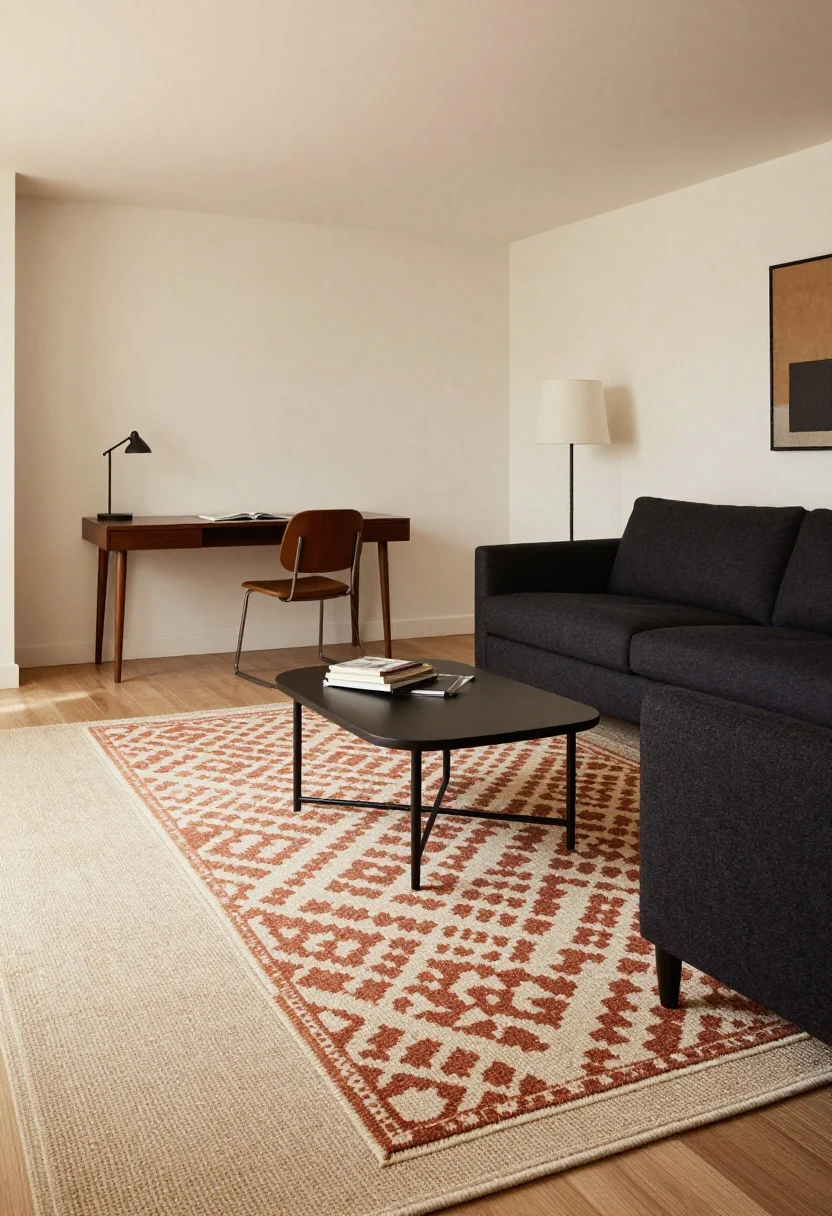
Open rooms are awesome until your living space looks like a furniture parade. The fix? Rugs that create zones so each area feels intentional—lounge here, study there, snack stash everywhere.
Layer a large neutral rug under your main seating, then slide a smaller, patterned rug under the reading nook or gaming desk. Keep the edges aligned with furniture legs for a clean, “I meant to do that” vibe.
Quick Tips
- Match the rug shape to the furniture footprint (round rug under a circular table = chef’s kiss).
- Use contrasting tones: light rugs under dark sofas; patterned rugs under plain chairs.
- Anchor with lighting—drop a floor lamp into each rug zone so the function is crystal clear.
What to shop for: Area rugs, runners, floor lamps, poufs.
2. Layer Textures Like a Pro (Even in Minimal Rooms)
© 2025 AI Illustrator — Inspiration Only
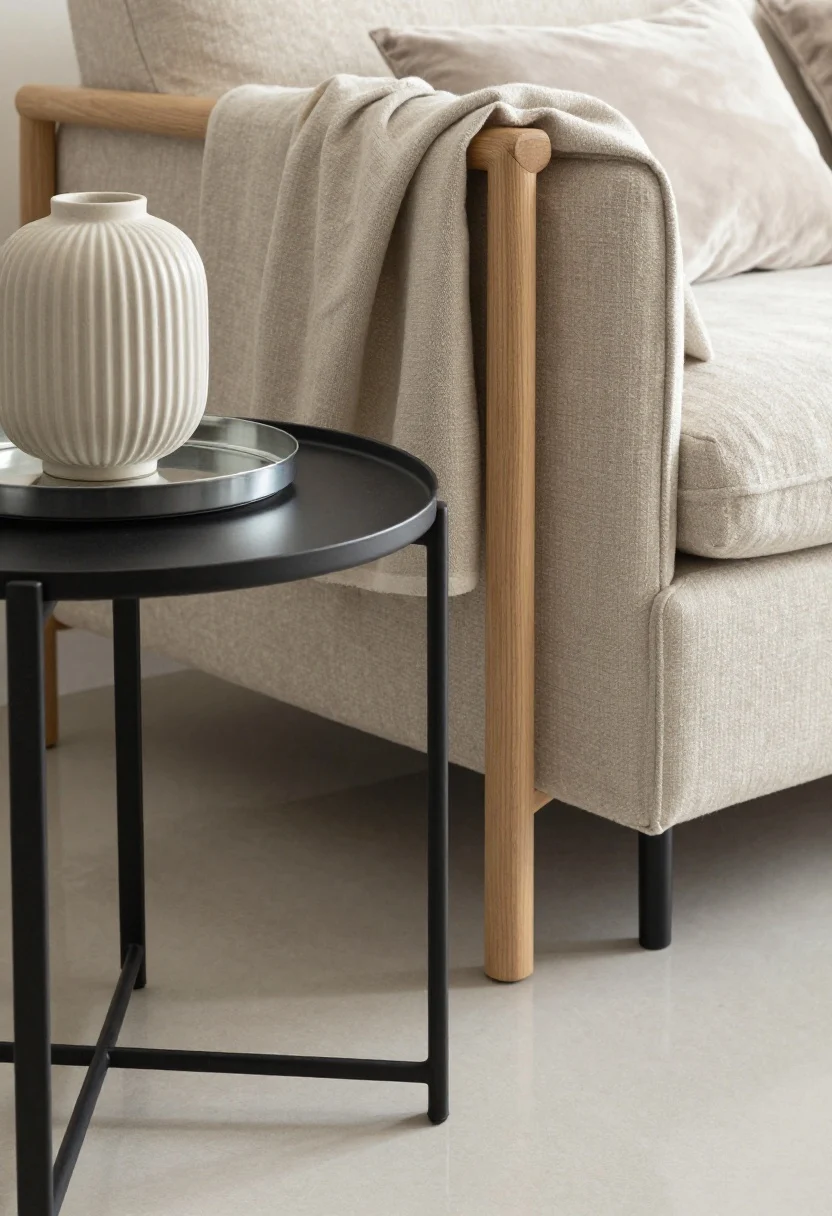
Minimal doesn’t mean flat. A calm room still needs texture changes so the eye has something to snack on. Think: linen, boucle, matte metals, and a little wood grain to warm it up.
In Bloxburg, blend smooth surfaces (sleek desks, polished floors) with nubby or woven accents (throws, ottomans). Your palette can be tight—just vary the materials so it feels luxe, not sterile.
Texture Pairings That Always Work
- Matte black metal + light oak wood = crisp and cozy.
- Velvet pillow + cotton duvet = plush without overheating the space visually.
- Ribbed ceramics + glass trays = subtle shine with dimension.
What to shop for: Throw blankets, accent pillows, ceramic vases, decorative trays.
3. Build a Statement Wall Without Painting Everything
© 2025 AI Illustrator — Inspiration Only
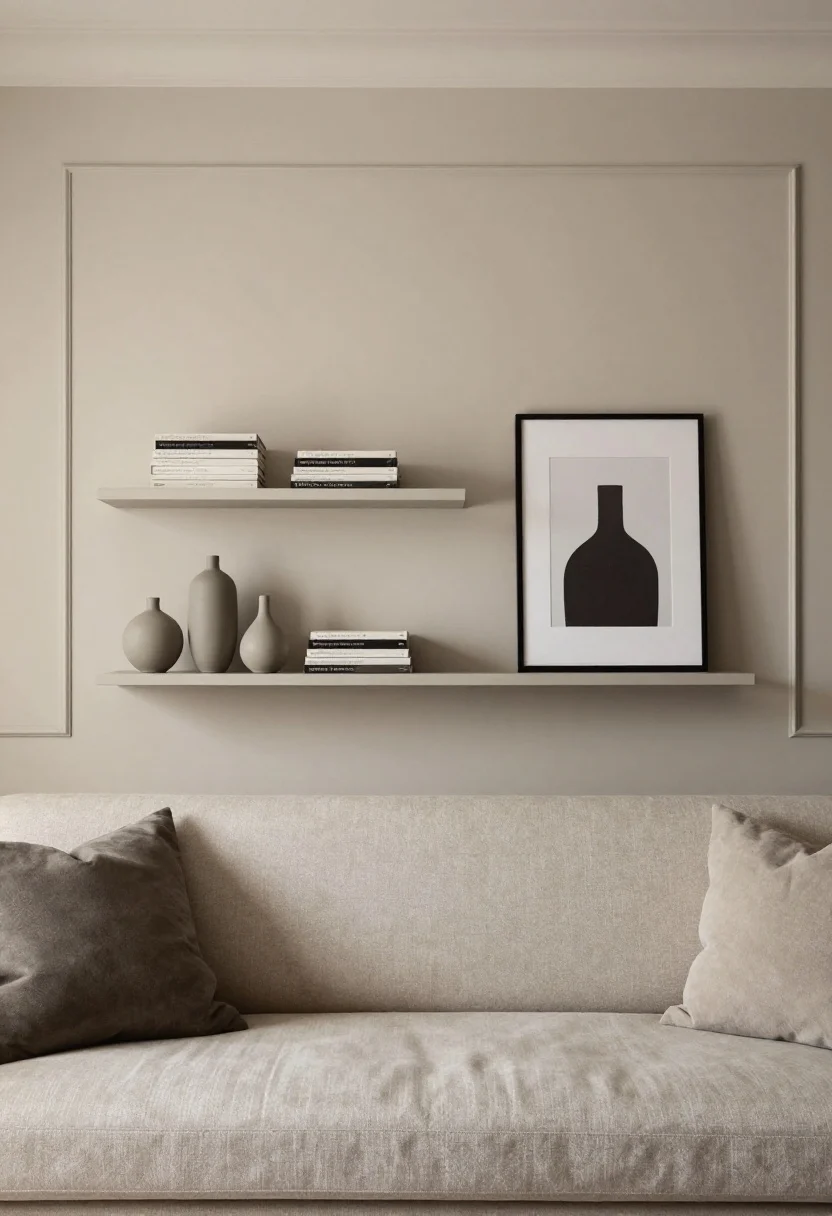
Yes, an accent wall is the oldest trick, but hear me out—make it architectural. Use panels, open shelving, or wall molding to add depth, then style it with just a few curated pieces. Less clutter, more character.
Choose the wall behind your bed or sofa to create a focal moment. A grid of frames, or a clean floating shelf system with repeated shapes (three vases, two books stacks) looks elevated and deliberate.
Styling Formula
- Pick a dominant theme (botanical, monochrome, travel) to keep it cohesive.
- Repeat colors three times: in art, a pillow, and a vase—instant visual rhythm.
- Leave negative space. If your shelf looks full, it’s too full—edit once more.
What to shop for: Floating shelves, framed prints, faux plants, wall panels.
4. Master Bloxburg Lighting Layers for Instant Mood
© 2025 AI Illustrator — Inspiration Only
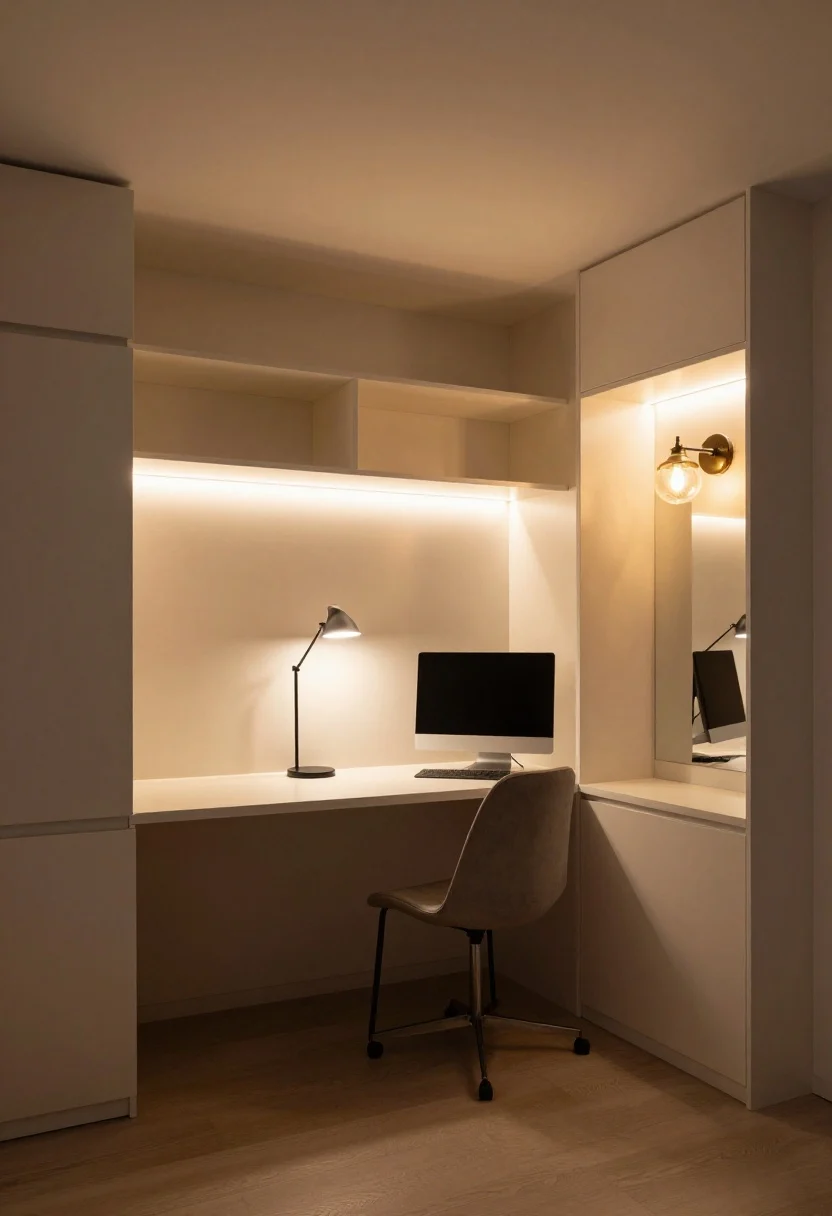
Harsh overhead lights? We don’t know her. Use three lighting layers: ambient to glow, task to focus, and accent to show off the pretty things.
Try warm bulbs and set dimmers if you can. Place sconces or table lamps near reflective surfaces (mirrors, glossy finishes) to bounce light around for that cinematic feel—minus the drama.
Lighting Layout That Never Fails
- Ambient: Central ceiling fixture or track lighting to wash the room.
- Task: Desk lamp by the PC, reading lamp by the armchair, under-cabinet lights in kitchens.
- Accent: LED strips behind headboards, inside shelves, or under media consoles.
What to shop for: Table lamps, LED strip lights, wall sconces, dimmable bulbs.
5. Curate a Color Story That Actually Works
© 2025 AI Illustrator — Inspiration Only
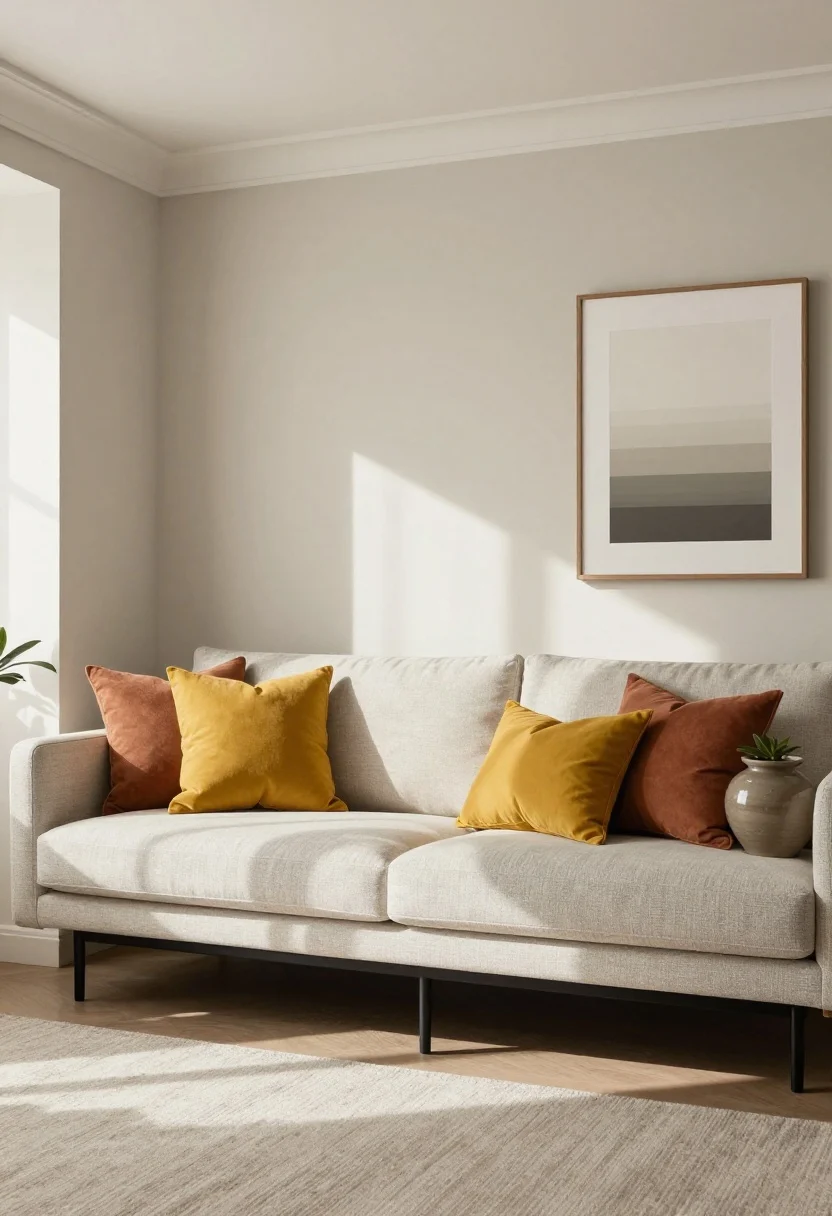
Color can carry a whole room if you keep it intentional. Choose a 3-2-1 formula: three base neutrals, two supporting hues, and one bold pop. Then repeat the pop three times, spaced out.
Which Living Room Color Palette Fits You Best?
Discover the palette that reflects your style — take our free quick quiz and get instant decor inspiration!
Take the Quiz NowExample: Warm greige, white, and black as base. Sage and clay as supports. Pop with mustard—on a throw pillow, a planter, and art detail. Controlled, not chaotic. FYI: cooler palettes look great in work or gaming rooms; warm palettes flatter living spaces and bedrooms.
Pro Moves
- Sample color blocks behind major furniture before committing—virtual swatches save regrets.
- Use tonal gradients (light-to-dark variants of the same hue) for depth without visual noise.
- Echo your palette in small, movable decor so seasonal tweaks are painless.
What to shop for: Paint or wall decals, throw pillows, planters, minimal art prints.
6. Furniture Layouts That Feel Designed (Not Dropped)
© 2025 AI Illustrator — Inspiration Only
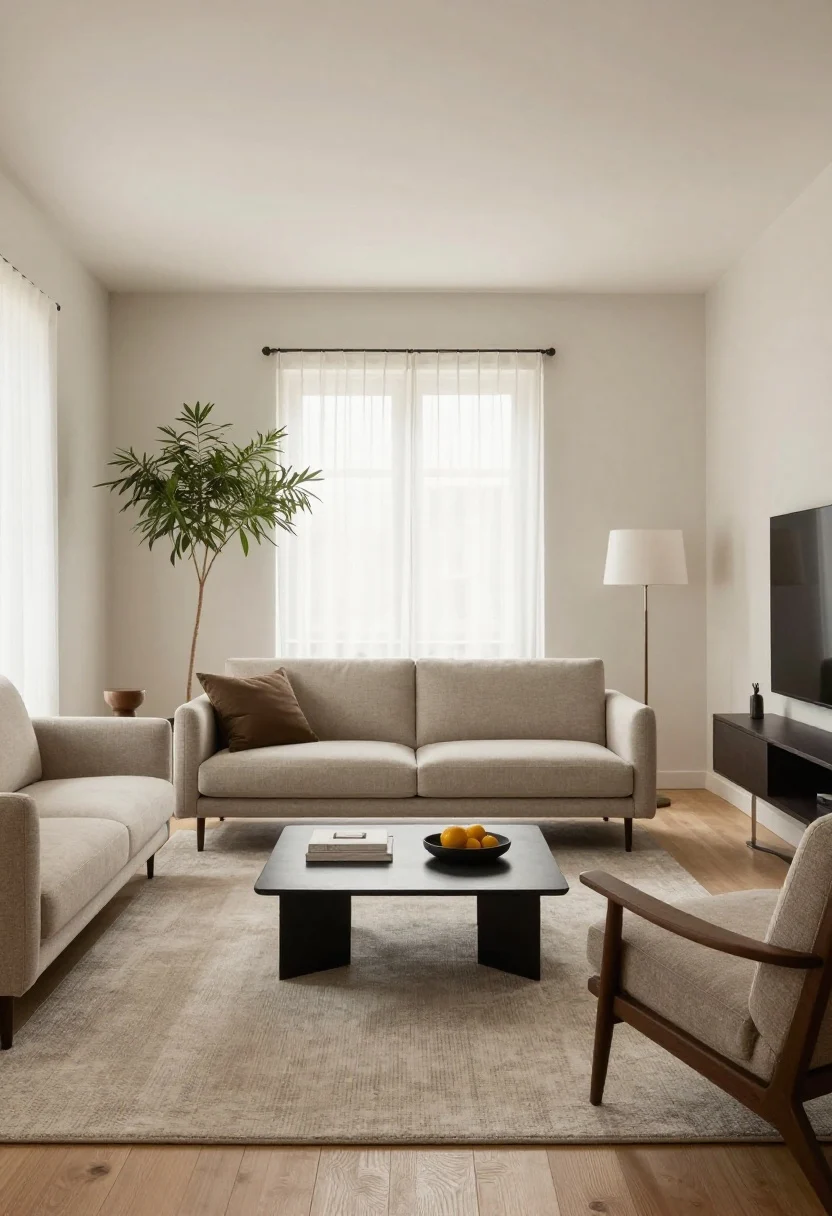
If your sofa is hugging the wall like it’s shy, pull it forward. Create conversational groupings with breathing room—about the width of your hand between furniture and walls works surprisingly well visually.
Float furniture on rugs, center a coffee table within reachable distance, and place side tables where elbows naturally rest. In bedrooms, align the bed with the window or statement wall, then balance with matching lamps or mismatched twins for personality.
Layout Blueprints
- Living Room: Sofa + two chairs facing each other; media console opposite the sofa; walkway clear behind seating.
- Bedroom: Bed centered, nightstands flanking, bench or trunk at the foot, plant in a corner to soften lines.
- Study Nook: Desk facing a wall or window; shelves overhead; rug under the chair to define it.
Keep verticals interesting: a tall plant or bookcase adds height so the room doesn’t feel “bottom-heavy.” IMO, one tall element per room is non-negotiable.
What to shop for: Compact sofas, nesting coffee tables, nightstands, tall plants (real or faux).
7. Style Surfaces Like a Designer (The 70/30 Rule)
© 2025 AI Illustrator — Inspiration Only
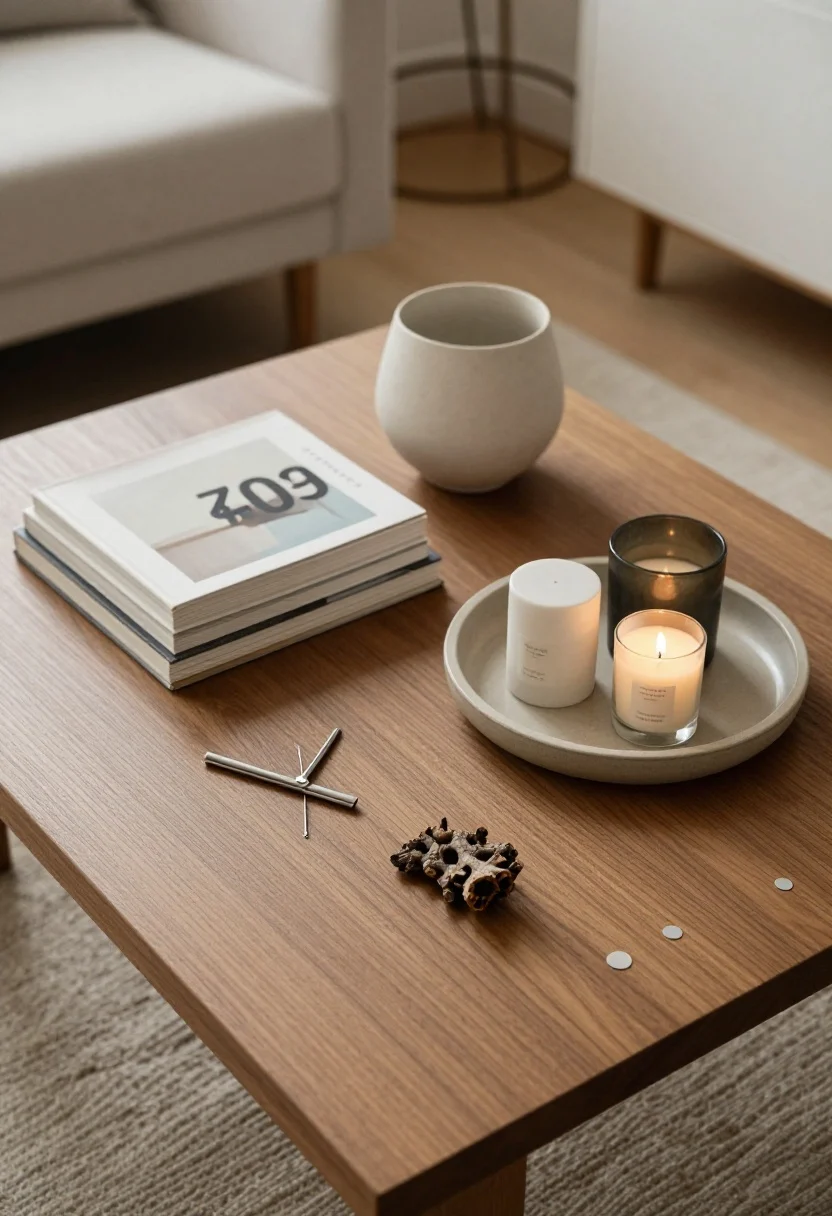
Flat surfaces are where rooms win or lose the vibe. Aim for 70% clear, 30% styled so it feels curated, not crowded. Group items in odd numbers (three is magic) and vary height, shape, and texture.
On a dresser: a mirror, a tray with perfume and a small book stack, plus a sculptural object. On a coffee table: a stackable book, a low bowl, and a candle. Kitchen counters? Keep only what’s pretty or used daily—everything else gets hidden like it’s witness protection.
Styling Cheat Codes
- Add a tray to make clutter look intentional. It’s decor Tupperware, basically.
- Mix one organic element (plant, branch, stone) with two man-made elements (metal, glass) for balance.
- Repeat circles or lines across the room to tie surfaces together—round mirror, round bowl, curved lamp.
What to shop for: Trays, coffee table books, candles, sculptural objects, small plants.
Room-by-Room Quick Wins
- Bedroom: Layer two pillows per side, add a throw at the foot, sconce lighting = hotel energy.
- Living Room: Anchor seating with a 9×12 rug if space allows; art at eye level; baskets for remotes.
- Study/Gaming: Cable management clips, pegboard or shelves for peripherals, LED behind the monitor for eye comfort.
Conclusion
© 2025 AI Illustrator — Inspiration Only
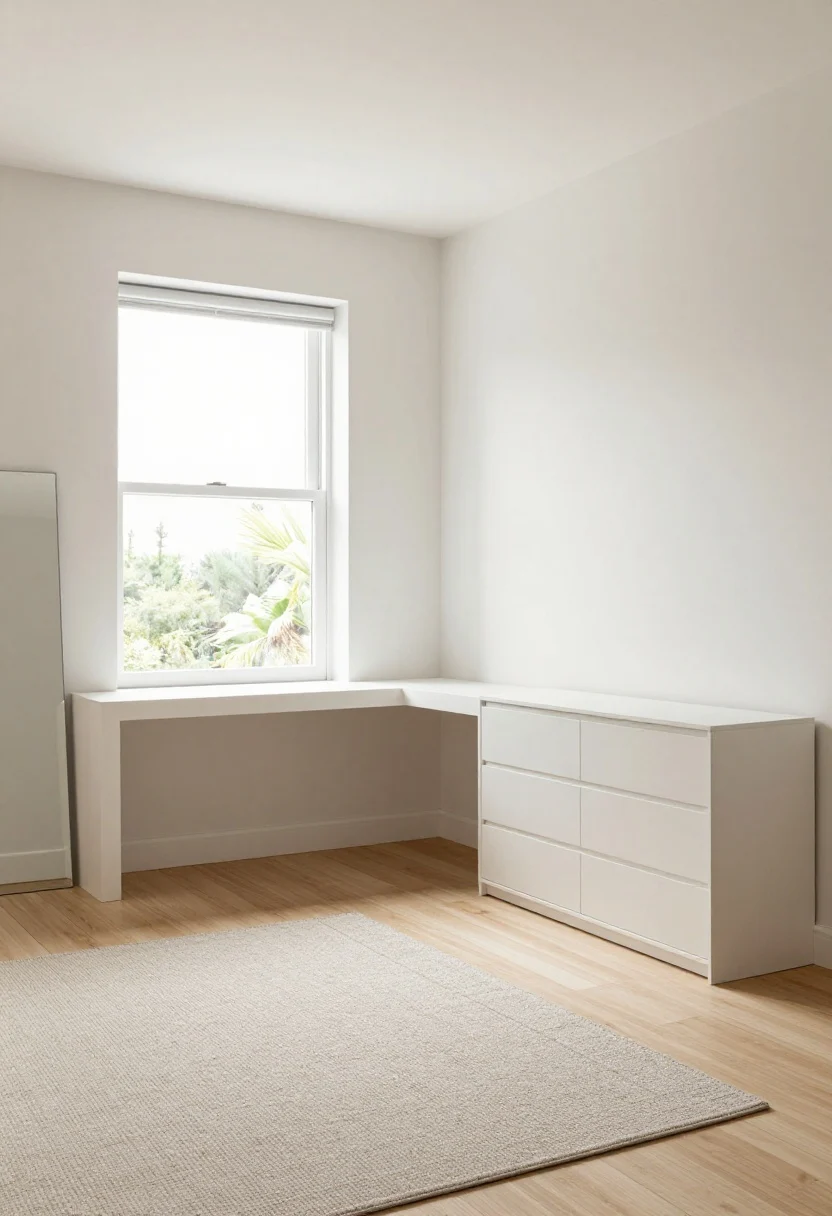
Decorating your Bloxburg room doesn’t need a full rebuild—just sharper choices. Zone smart, layer textures, master lighting, and style with intention. Do two of these ideas today, and watch the room glow up. Do all seven, and yeah, your friends will ask for your “source list.”
FAQ
© 2025 AI Illustrator — Inspiration Only
How do I make a small Bloxburg room look bigger?
Use a light base palette, low-profile furniture, and one large rug to unify zones. Add mirrors opposite windows and keep 70% of each surface clear.
What’s the easiest upgrade if I’m short on time?
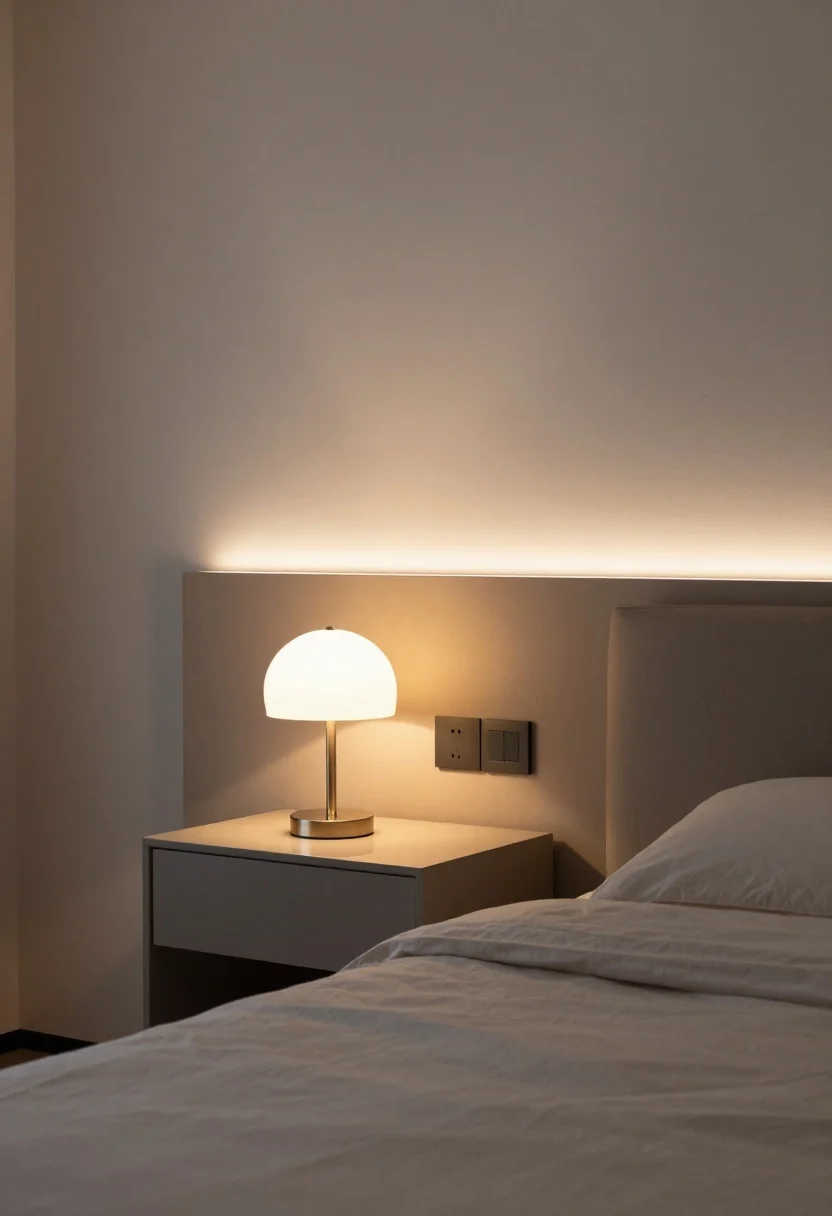
Swap lighting. Add a warm table lamp, LED strips behind the bed or desk, and a dimmer. The mood shift is instant.
How many colors should I use in one room?
Stick to the 3-2-1 formula: three neutrals, two supporting hues, one accent. Repeat the accent in three places for cohesion.
Shop the Look on Amazon
Disclosure: As an Amazon Associate, this site may earn from qualifying purchases.
These product categories fit this article and give readers an easy next step when they are ready to shop.
- Rugs & Runners — Perfect for zoning open layouts and anchoring furniture.
- Pillows — Easy texture and color pops to layer minimal spaces.
- Wall Shelving — Creates statement walls and display zones without clutter.
- Ambient Lighting — Builds layered lighting and instant mood control.
- Accent Lighting — Highlights headboards, shelves, and media consoles.