

Advertisement
Your tiny bedroom is not the problem. The layout probably is. Good news: with a few clever tweaks, you can make a small room feel bigger, smarter, and way more functional—without sacrificing style. Let’s map out a space that actually works for your life (and looks amazing while doing it).
1. Float The Bed For Breathing Room
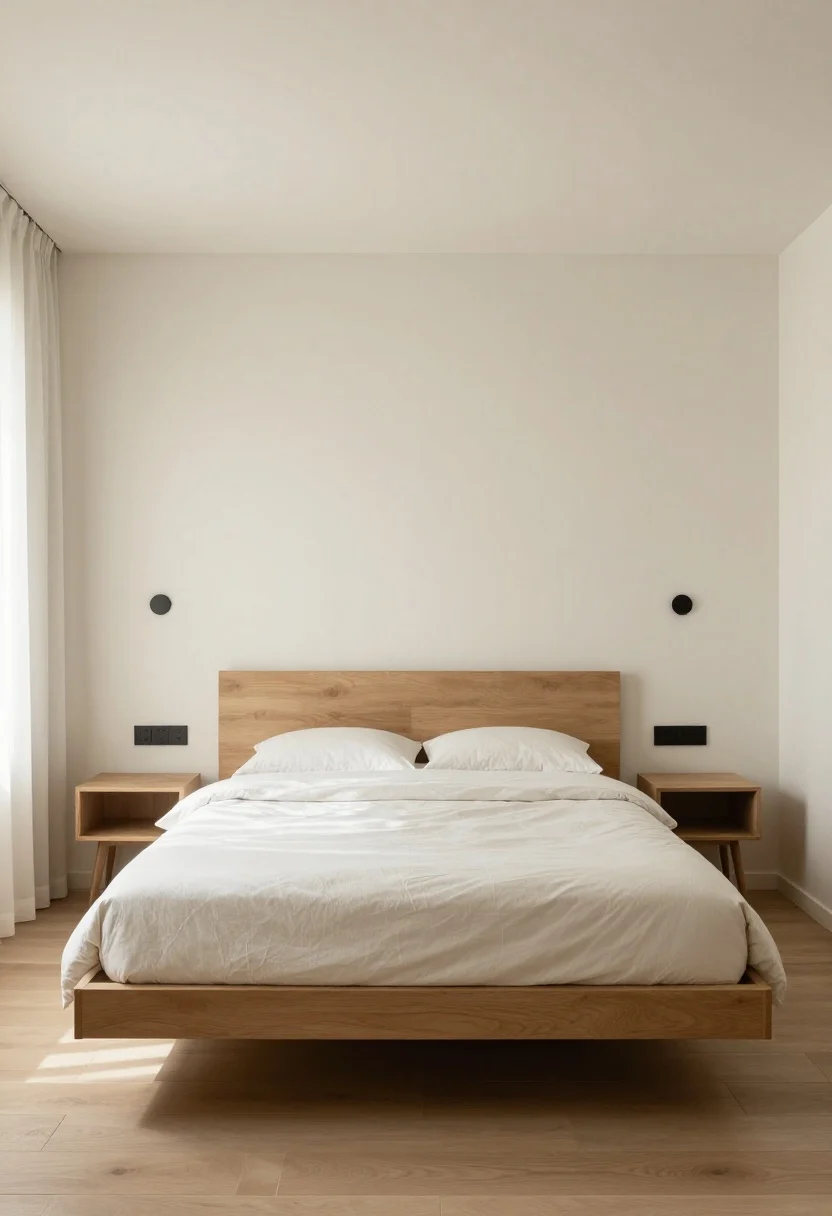
Pushing the bed against a wall seems logical, but it can make the whole room feel cramped. Instead, float the bed a few inches off the wall to create visual breathing room and allow for proper nightstands or sconces. You’ll get symmetry and that boutique-hotel vibe—even in 90 square feet.
How to place it
- Center the bed on the longest uninterrupted wall.
- Leave at least 24–30 inches of clearance on both sides if possible.
- Use a slim or wall-mounted headboard to save depth.
What to shop for: Low-profile bed frames, wall-mounted headboards, compact nightstands.
2. Swap Swing Doors For Sliders (Or No Doors At All)
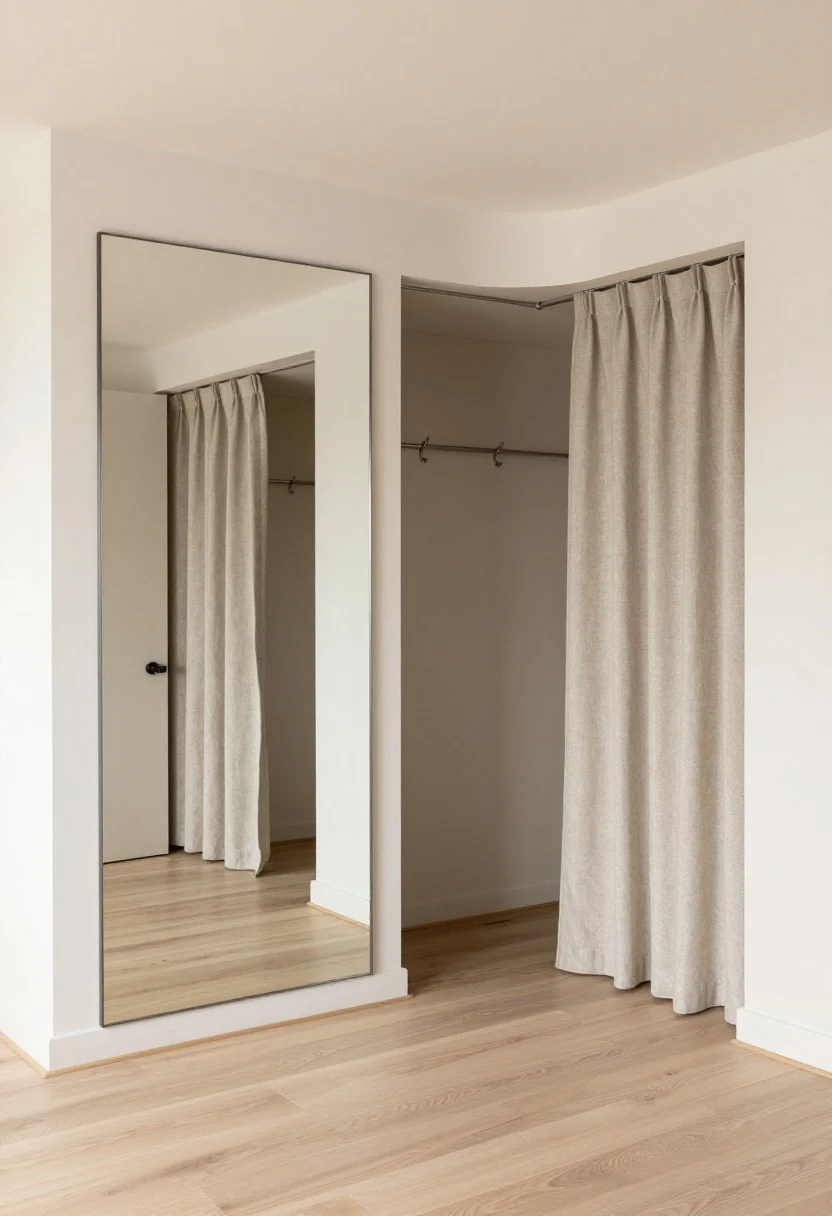
Doors that swing open eat up valuable floor space you could use for storage or circulation. Go with sliding closet doors or curtains and swap the bedroom door for a pocket door if renovations are on the table. The room instantly feels bigger because your pathways are clear.
Quick wins
- Replace closet sliders with mirrored panels to bounce light and double the visual square footage.
- Use heavy linen curtains over a closet to soften the look and hide storage chaos.
- Install over-the-door hooks on bathroom or hallway doors to shift storage out of the bedroom.
What to shop for: Sliding door hardware, linen curtains, over-the-door hooks, mirror panels.
3. Choose A Bed With Built-In Storage (Or Add Your Own)
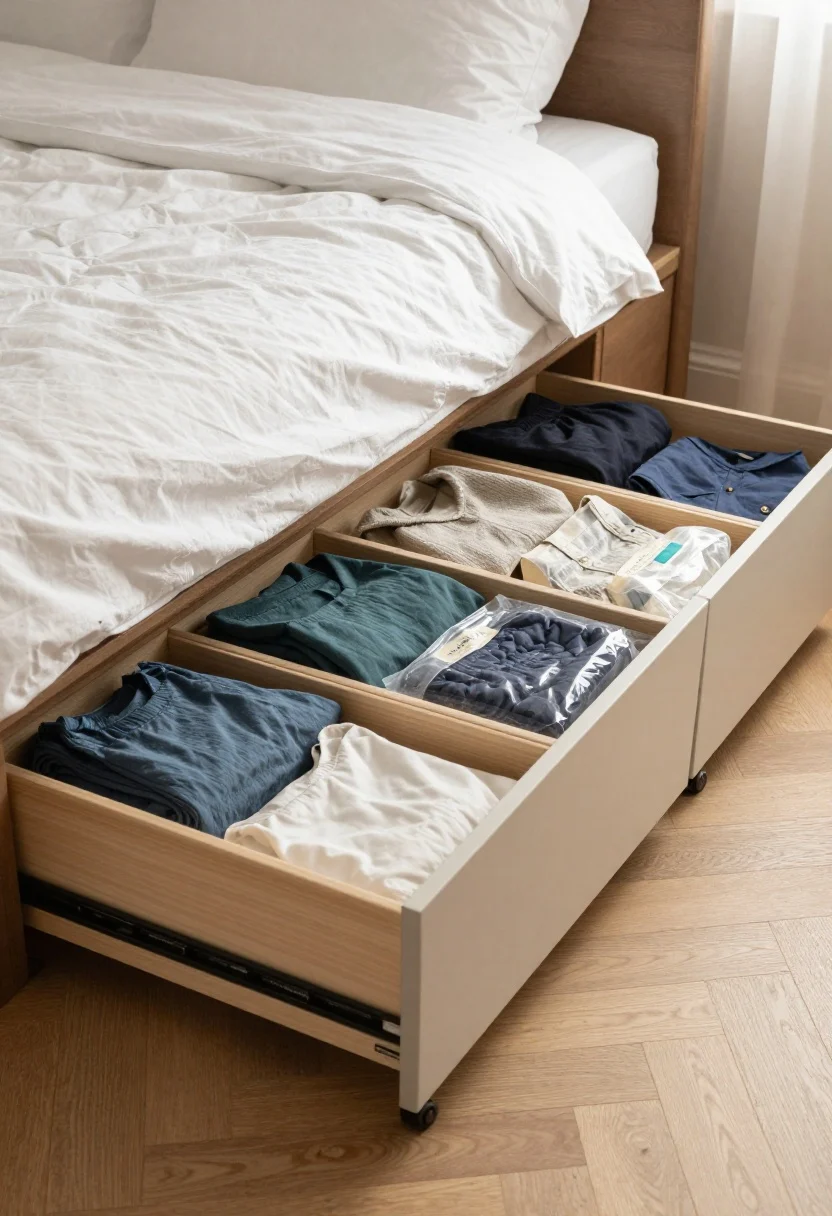
Under-bed space is prime real estate. If your bed doesn’t already have drawers, slide in bins or rolling crates for off-season clothes, linens, or shoes. Pro tip: match the bins to your floor color so they visually disappear.
Do it right
- Leave at least 6 inches of clearance for airflow to avoid musty textiles.
- Use soft-close drawers or felt pads so early-morning rummaging doesn’t wake anyone.
- Label bins on the underside edge—no more mystery boxes.
What to shop for: Storage beds, rolling under-bed bins, vacuum-seal bags.
4. Go Vertical With Lighting And Nightstands
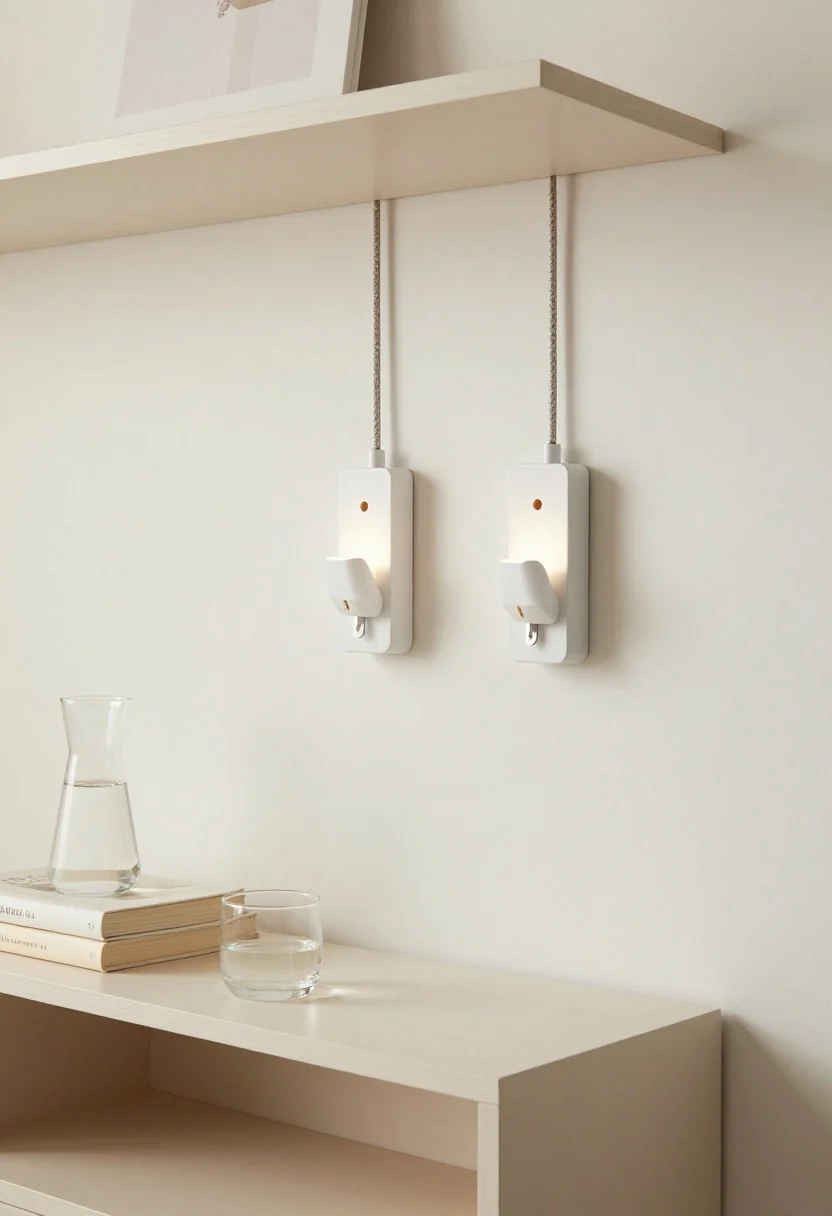
Small bedrooms drown in lamp cords and chunky tables. Skip the tabletop lamps and mount wall sconces above the headboard instead. Pair with a narrow ledge or floating shelf as a nightstand to free up precious floor space and still have room for your book, glasses, and water.
Layout notes
- Hang sconces 48–54 inches from the floor, or align the bottom with your eye level when seated.
- Keep shelves 8–10 inches deep to prevent shoulder bumps.
- Use cord covers or battery-powered sconces if you’re renting, FYI.
What to shop for: Plug-in sconces, floating shelves, cord covers.
5. Tight Corners? Try A Corner Bed Or Daybed
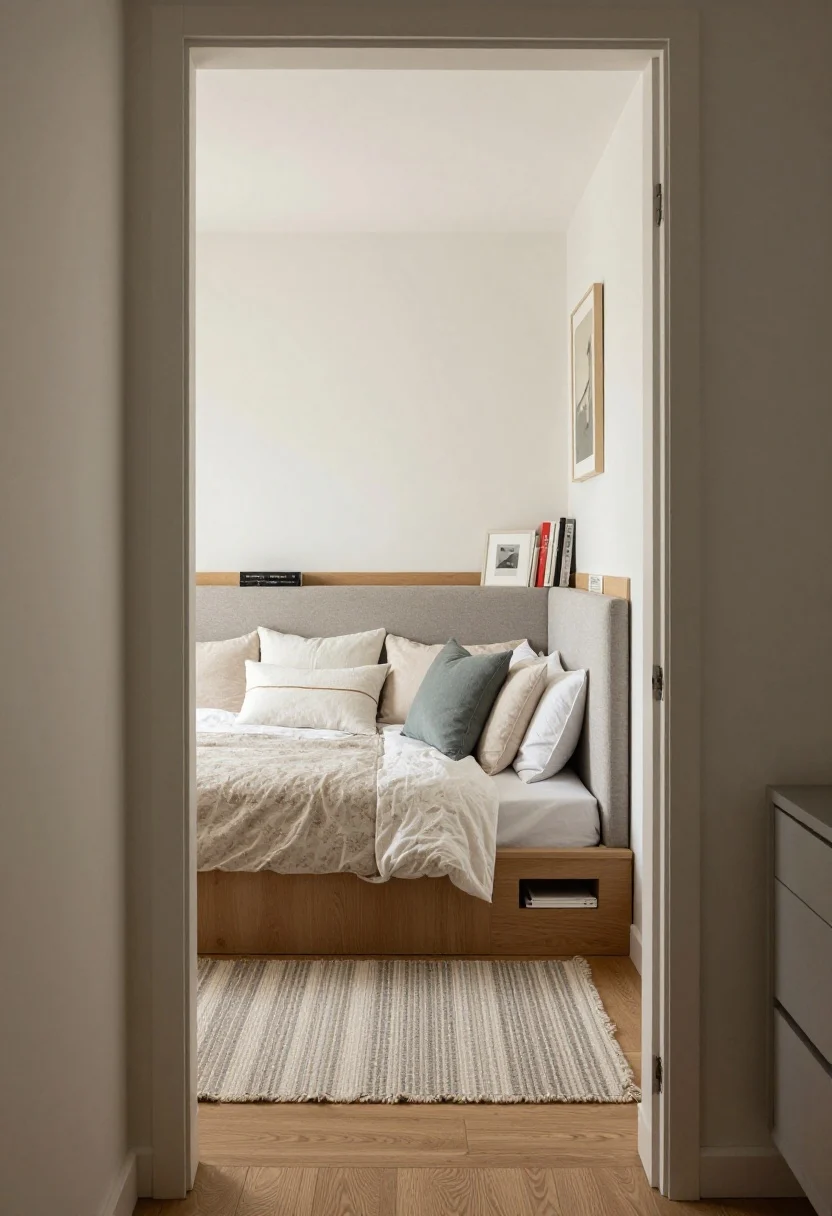
If you’re dealing with a micro room, embrace it. A corner bed or daybed layout opens the floor for a desk or dresser, and it instantly reads as cozy. Pile on pillows along the wall and it doubles as a lounge by day—perfect for studio living or guest rooms.
Make it look intentional
- Run a ledge or picture rail above the long side for art and books.
- Use a wraparound headboard or a simple wall-to-wall back cushion for a built-in look.
- Anchor with a runner rug along the bed’s open side to define the zone.
What to shop for: Daybeds, bolster pillows, gallery ledges.
6. Build A Wardrobe Wall That Doubles As Decor
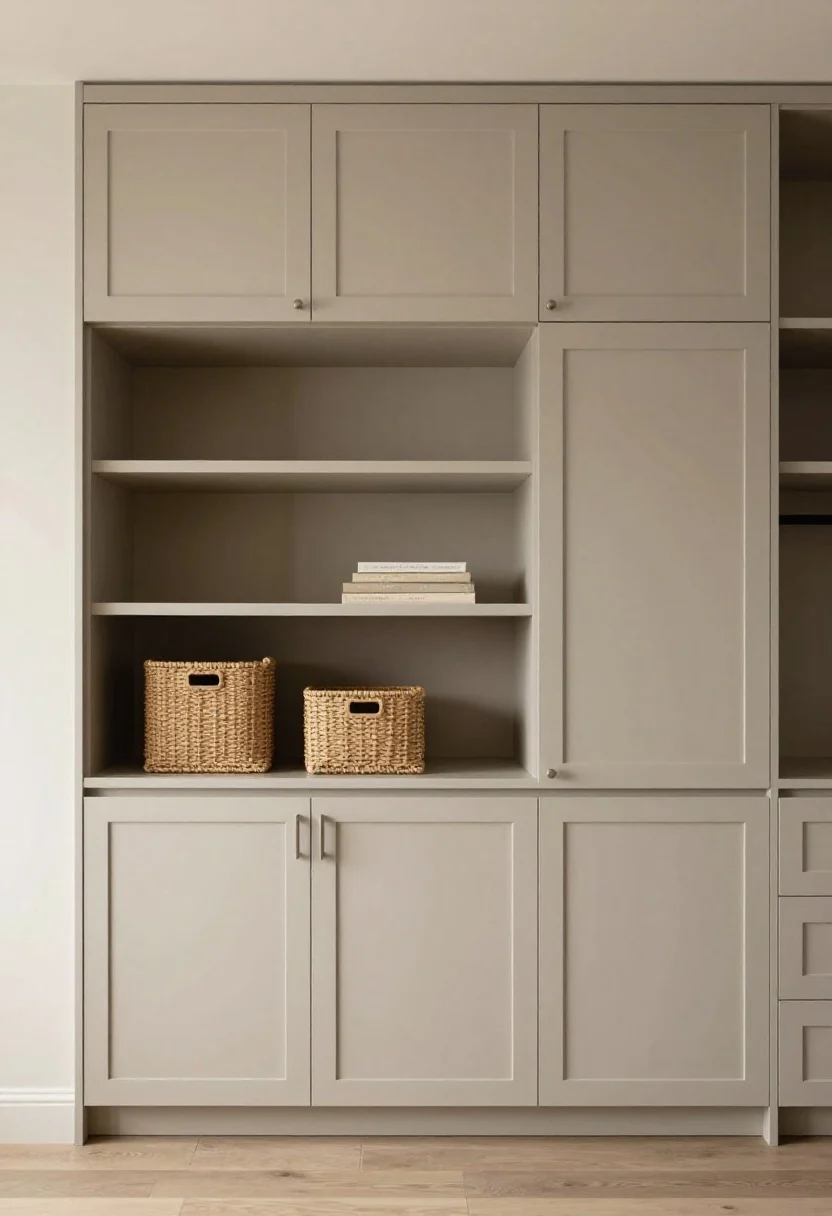
When closets are tiny or nonexistent, a wardrobe wall solves everything without feeling bulky. Opt for wardrobes that reach the ceiling and match your wall color. The uniform fronts keep things calm; the interior does the heavy lifting with drawers, shelves, and rods.
Designer tricks
- Use panel-ready wardrobes or paint flat-pack units to blend with the walls.
- Mix closed storage below with open cubbies above for baskets and pretty things.
- Install puck lights under the top shelf for a subtle glow—instant boutique closet.
What to shop for: Wardrobe systems, storage baskets, adhesive puck lights.
7. Zone With Rugs, Not Walls
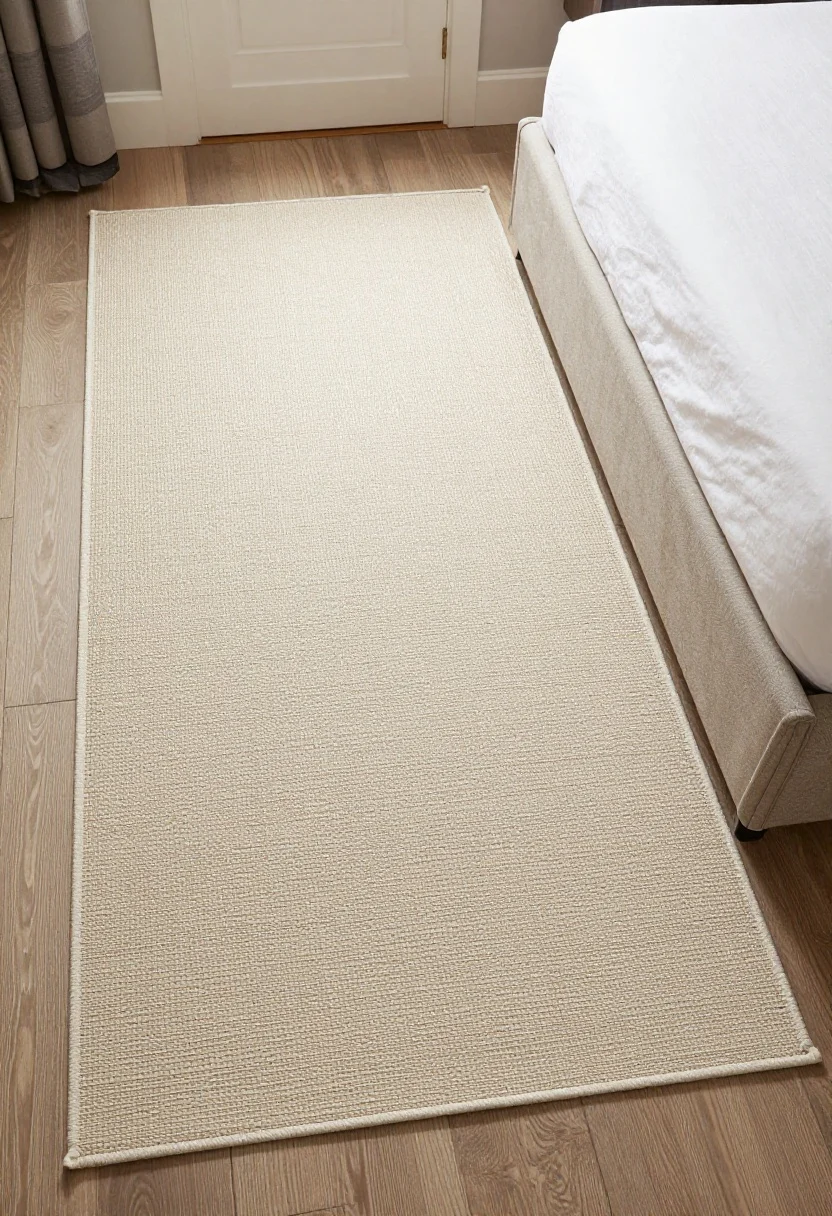
Rugs are the easiest way to divide a small space without blocking light. A slightly oversized rug under the bed unifies the layout and makes everything feel intentional. If you’ve squeezed in a mini desk or reading chair, add a second smaller rug to define that zone too.
Size it right
- For a queen bed, aim for an 8×10 rug with at least the front two-thirds of the bed on it.
- Runners work great in narrow rooms—place on the traffic side of the bed.
- Choose low-pile or flatweave so doors won’t catch and vacuums glide easily.
What to shop for: Flatweave rugs, runners, rug pads.
8. Mirror, Mirror: Bounce Light And Fake More Square Footage
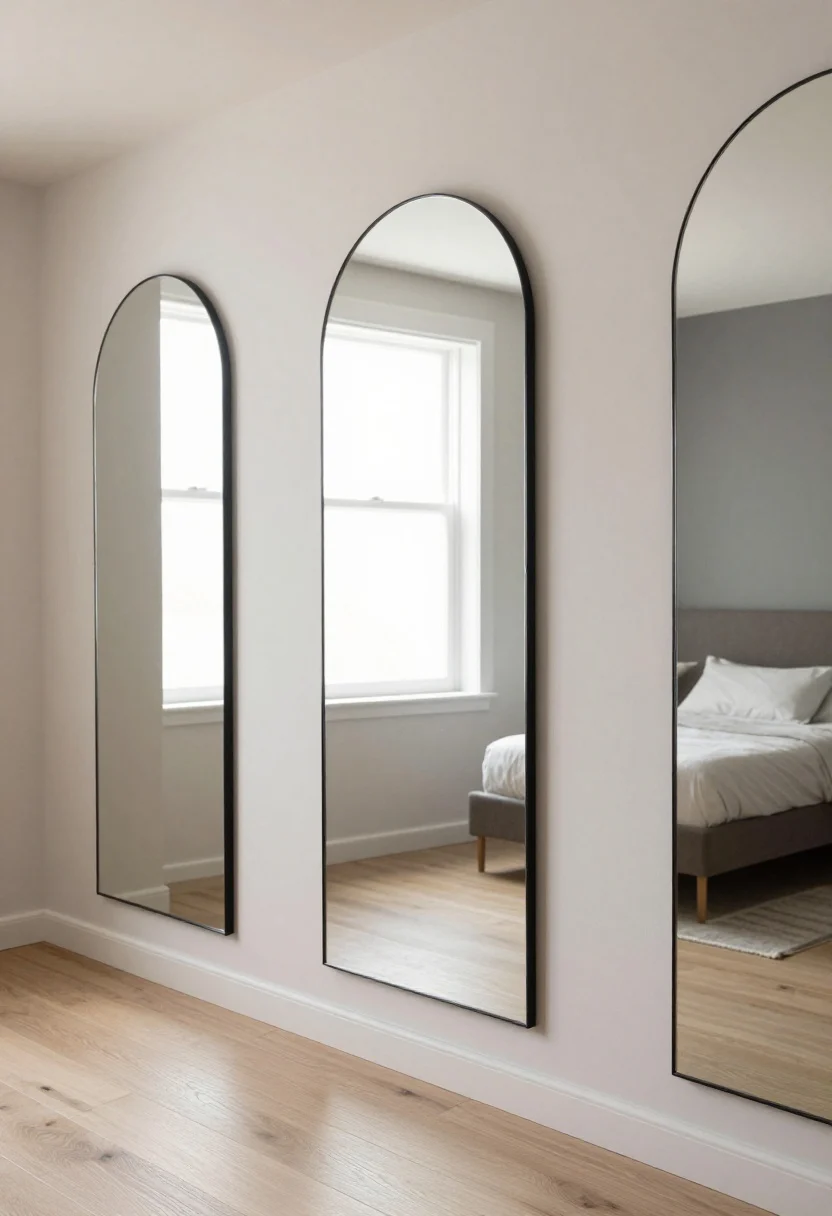
Strategic mirrors are not a gimmick—they actually extend sight lines and double natural light. Hang a tall mirror opposite a window or angle one to reflect the brightest part of the room. Bonus: mirrored closet doors make tiny bedrooms feel twice as wide.
Placement cues
- Keep mirrors at least 4–6 inches above baseboards for a lifted look.
- Use arched mirrors to soften boxy layouts.
- Avoid placing mirrors directly across from the bed if it feels too “busy” for sleep.
What to shop for: Full-length mirrors, mirrored closet fronts, arched wall mirrors.
9. Make The Window Wall Work Hard
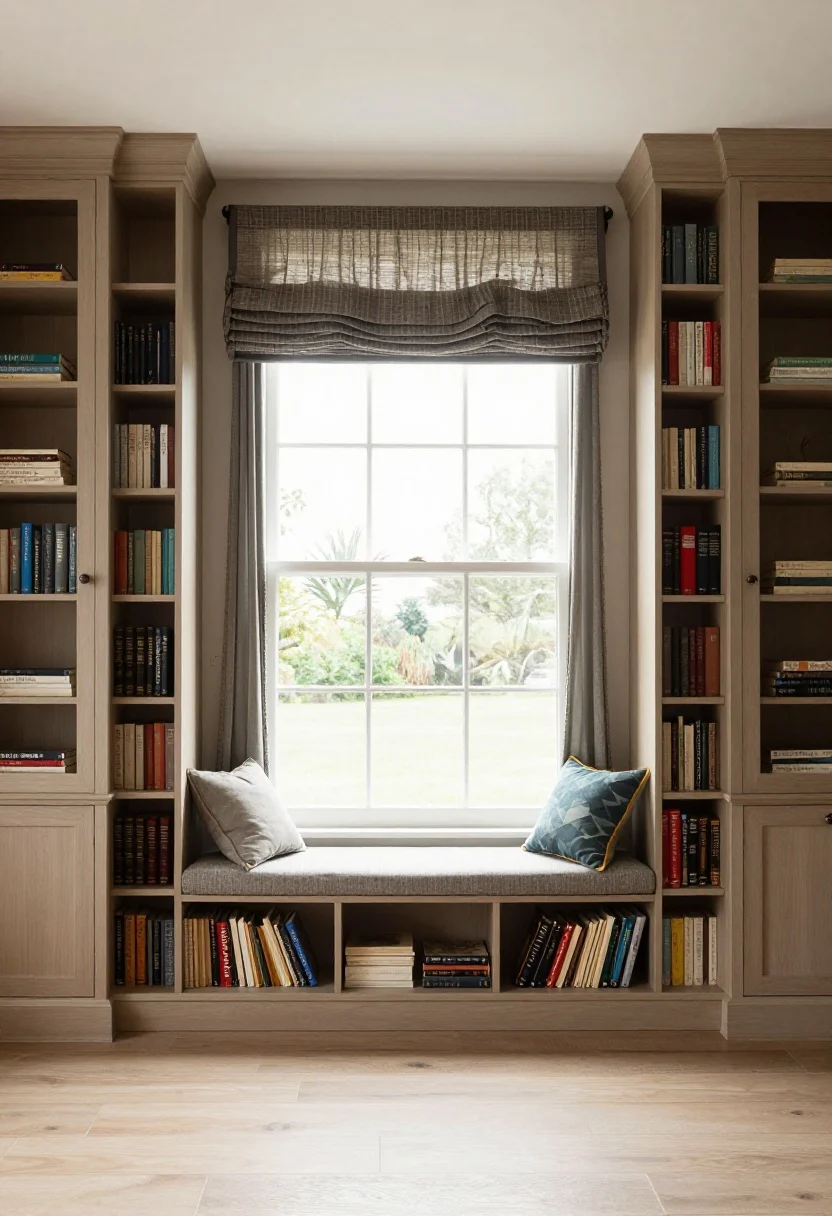
Windows are focal points—use them. Flank the window with narrow wardrobes or bookcases and run a built-in bench under the sill for seating and storage. It frames the view, adds symmetry, and creates a mini reading nook without crowding the bed.
Smart sizing
- Keep any bench depth to 16–18 inches so it doesn’t intrude on circulation.
- Mount drapery high (near the ceiling) and wide to make the window feel larger.
- Use woven shades for texture and blackout panels for actual sleep—best of both worlds.
What to shop for: Narrow bookcases, storage benches, blackout curtains, woven shades.
10. Fold-Out Desks And Nightstand Hybrids
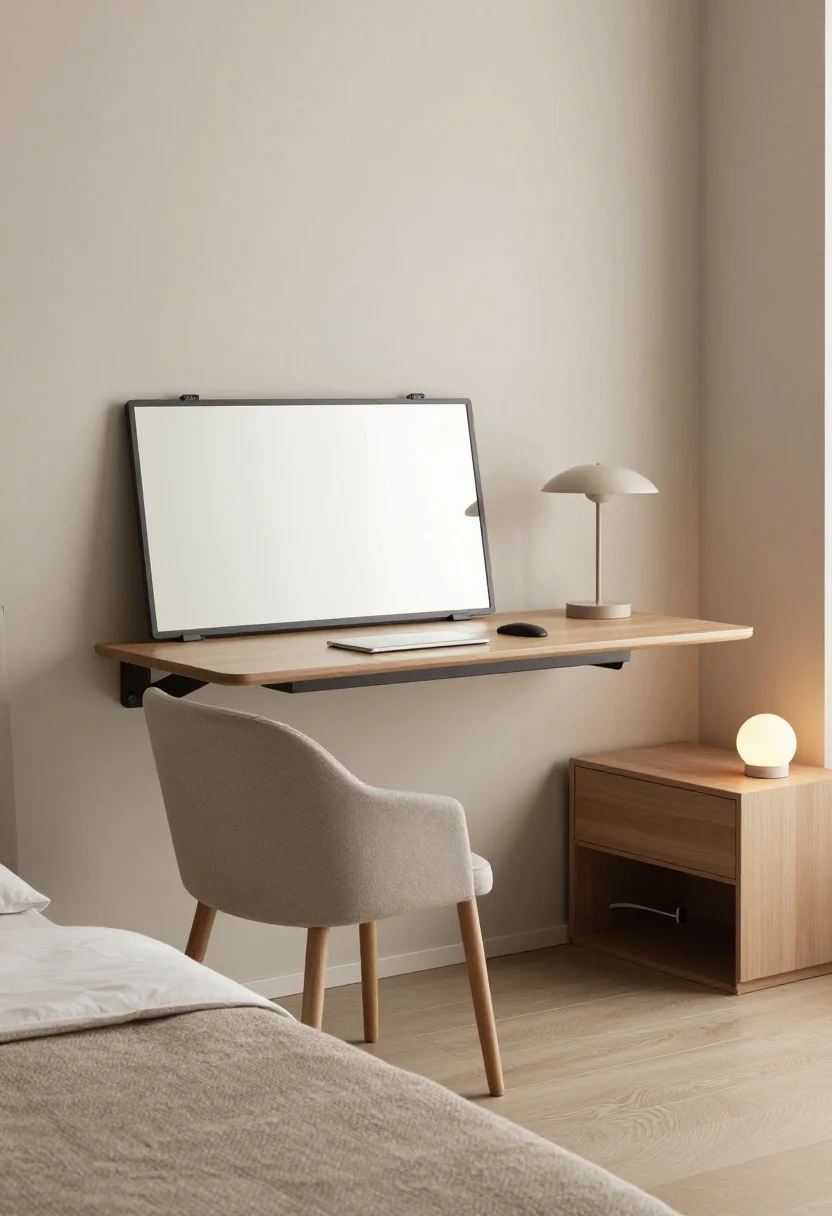
If you need a workspace but can’t spare the footprint, go for a wall-mounted, fold-down desk or a nightstand-desk hybrid. It gives you a perch for a laptop during the day and tucks away (or moonlights as a nightstand) after hours.
Keep it efficient
- Center the desk on a blank wall or align it with the bed’s foot for an airy line of sight.
- Use a slim, armless chair that slides completely under.
- Hide a power strip inside a cable box for tidy charging.
What to shop for: Wall desks, nesting tables, compact task chairs, cable management boxes.
11. Layer Light And Color For A Bigger Feel
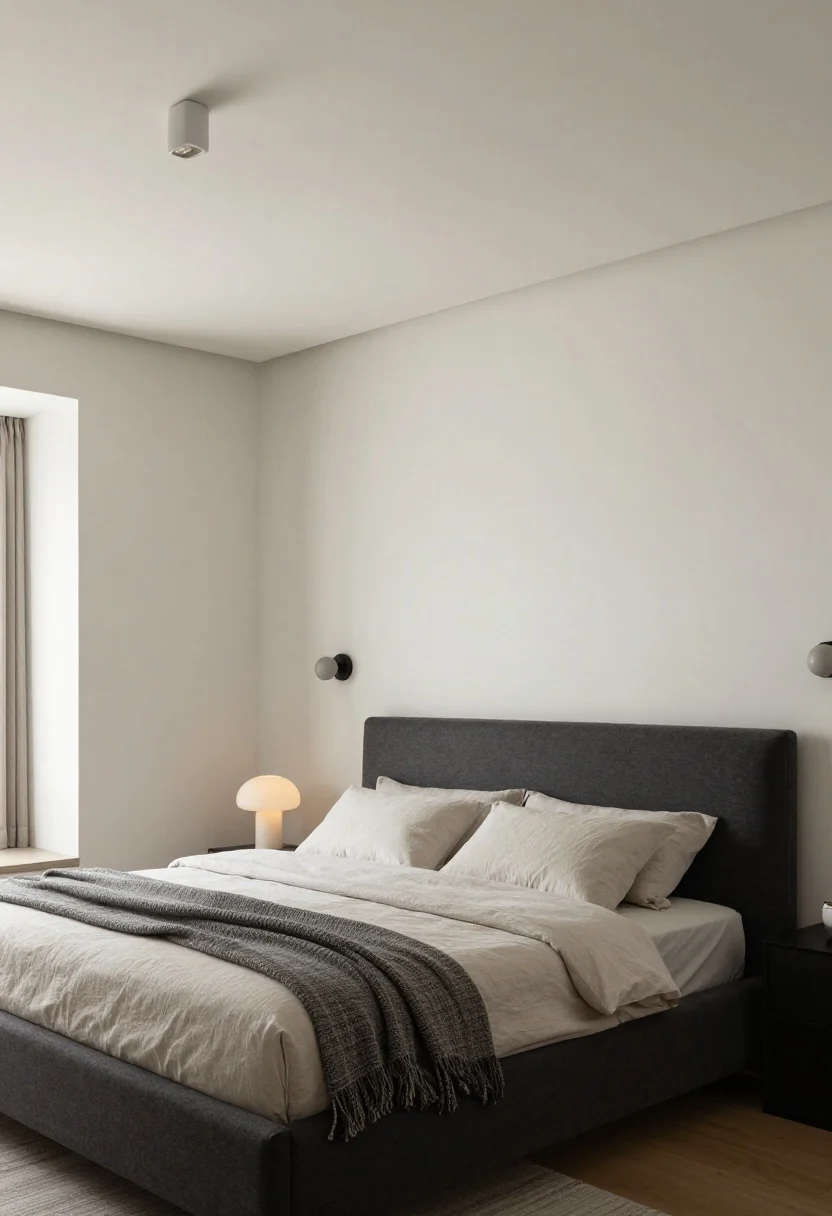
Lighting and color can change the perceived size of a room faster than any demo. Use a three-point lighting plan (ambient, task, accent) and keep your palette tight: 2–3 main colors, lots of airy neutrals, and one deeper tone for grounding. Your eye reads fewer breaks, so the room looks larger. Science-y, but cute.
Color and light game plan
- Ceiling: a shade lighter than walls to “raise” it visually.
- Walls: warm whites or muted hues like mushroom, misty blue, or pale sage.
- Accents: one darker element (e.g., charcoal headboard) to anchor the layout.
- Lighting: one overhead fixture, two wall sconces, one soft-glow corner lamp—done.
What to shop for: LED dimmers, warm-white bulbs (2700–3000K), neutral bedding, textured throws.
Bonus Layout Tips That Punch Above Their Weight
- Symmetry soothes: Matching sconces or art sets bring calm, which reads as spaciousness.
- Show the legs: Furniture on visible legs increases floor sight lines—instant airiness.
- Edit boldly: Fewer, larger pieces beat lots of tiny ones that clutter the eye, IMO.
Sample Micro-Layout (For A 9×10 Room)
- Full bed centered on the long wall with floating shelves as nightstands.
- Plug-in sconces above the headboard, 20 inches from each side edge.
- Wardrobe wall opposite the bed, doors color-matched to walls.
- Runner rug along the traffic side; mirror near the window to double the light.
What To Avoid (So You Don’t Undo All The Good Work)
- Overstuffed bedding: Too many pillows and heavy duvets shrink the room visually.
- Random accent walls: Unless they highlight the headboard wall, they can chop the space.
- Tiny art sprinkled everywhere: Curate one larger piece or a tight grid—less visual noise.
FAQ
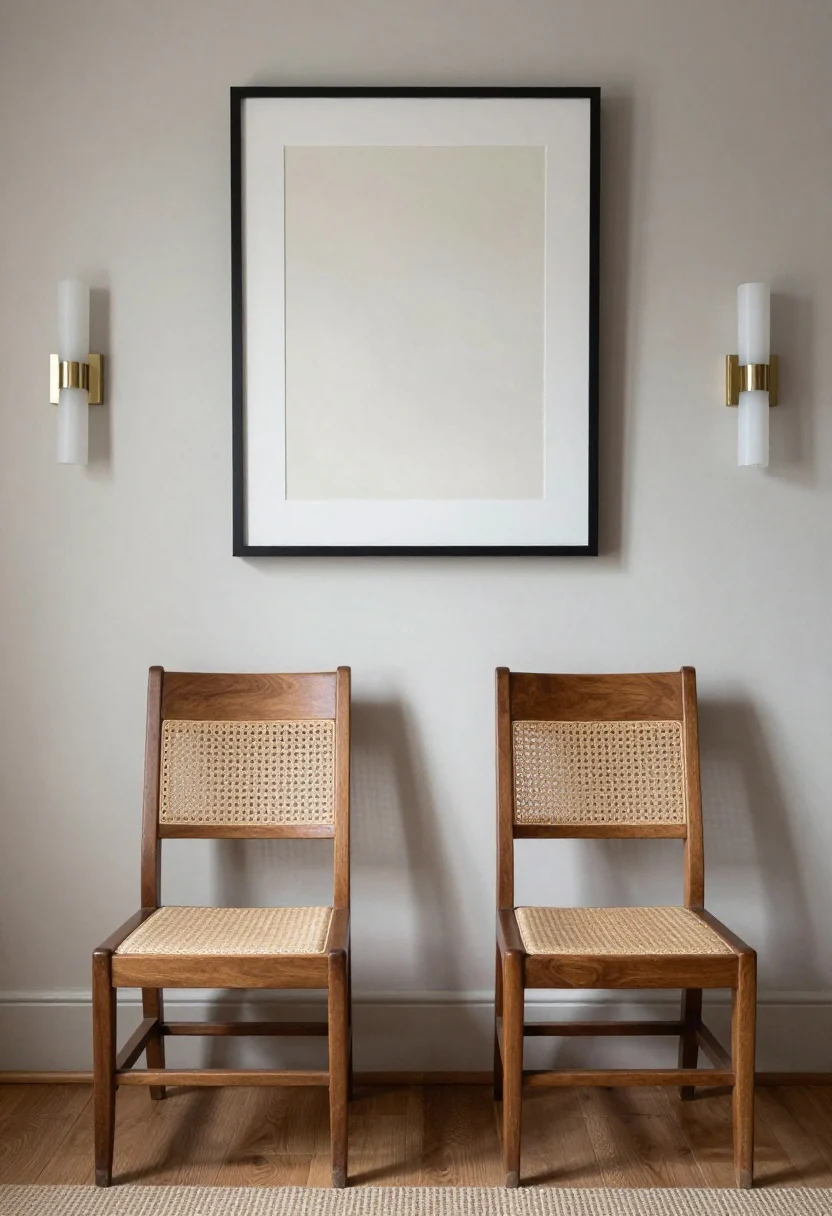
How big should a rug be under a small bedroom bed?
For a queen, aim for 8×10 so the rug extends at least 18–24 inches beyond the sides and foot. For a full, 6×9 can work. If space is tight, try two runners on either side for softness without bulk.
What’s the best small bedroom paint color to make it feel bigger?
Warm whites, soft taupes, pale greige, and muted blues or sages expand a room without feeling sterile. Paint the ceiling one tone lighter than the walls and keep trim similar to reduce visual breaks.
How do I add storage without making the room feel crowded?
Go vertical: wardrobe walls, floating shelves, and tall dressers. Choose closed storage for bulk and keep open shelves styled with only a few pretty essentials. Use under-bed drawers, and mirror doors to lighten the look.
Wrap-Up
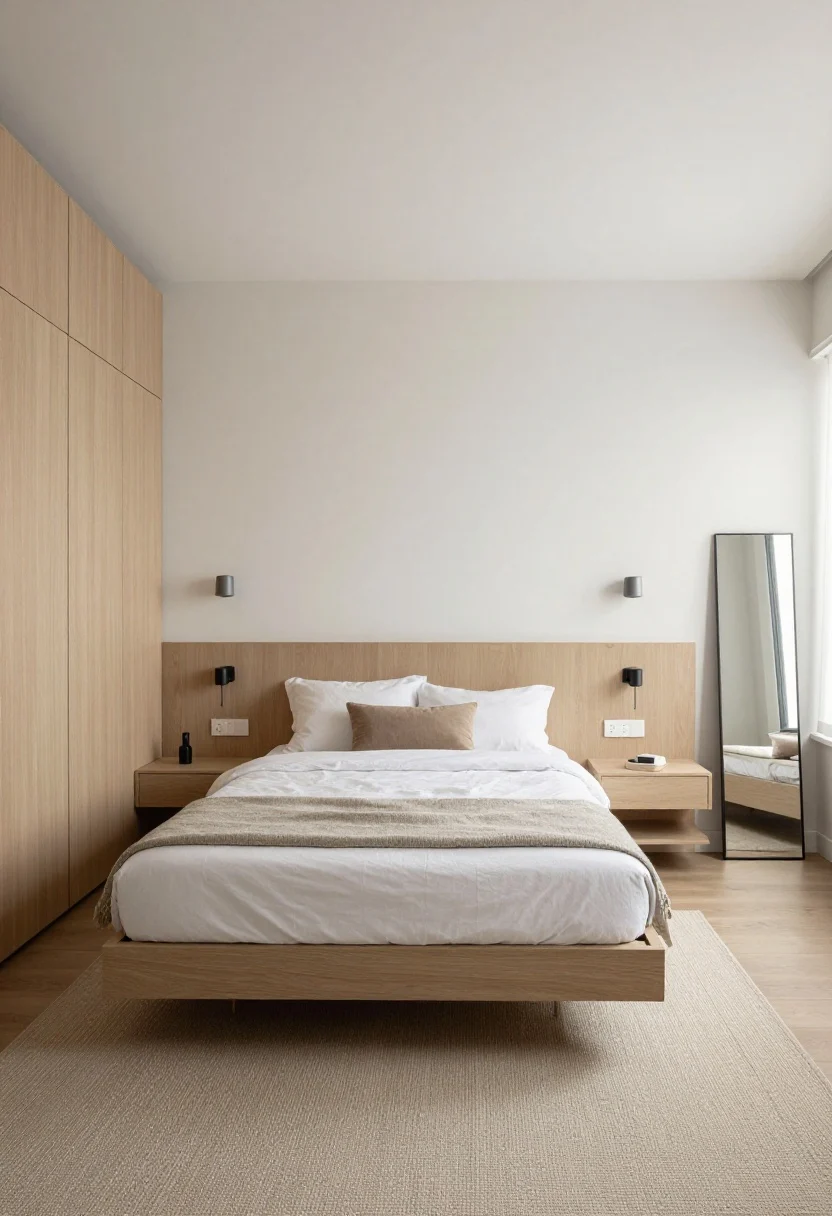
Your small bedroom can absolutely be calm, clever, and chic. Start by floating the bed, planning storage that works as decor, and using lighting plus color to stretch the space. Edit ruthlessly, choose smarter (not more) furniture, and watch your tiny room pull a major glow-up—no renovation required.
Shop the Look on Amazon
Disclosure: As an Amazon Associate, this site may earn from qualifying purchases.
These product categories fit this article and give readers an easy next step when they are ready to shop.
- Space-saving bed — Creates clearance and visual breathing room in tight layouts.
- No-swing doors — Frees floor space and clears pathways instantly.
- Hidden storage — Uses dead space for clothes, linens, and shoes.
- Vertical lighting — Opens nightstand space and reduces cord clutter.
- Wardrobe wall — Ceiling-high storage that blends as decor.
Pingback: 7 Japandi Bedroom Ideas for a Calm, Cozy Retreat
Pingback: 9 Boho Bedroom Ideas for a Relaxed Summer Feel