
The Easiest Spring Flowers to Plant for Beginners
I’m writing this guide from my own backyard experience to show the easiest spring flowers to plant for beginners across the United States. Whether you tend a small patio or a full yard, I’ll point out simple, reliable blooms that rewarded me with color and pollinators even when I had little time or experience.
The Easiest Flowers to Plant in Spring For Beginners
Spring is one of the best times to start gardening: soil is cool, roots establish quickly, and bees and other pollinators are already active. For easy spring planting, I recommend basic tools: gloves, a hand trowel, hand pruners, a simple soil test kit, and a balanced 10-10-10 or a slow-release granular fertilizer for beginners.
Which Home Style Fits Your Space?
Answer 5 quick questions to find your perfect interior style and inspiration.
© 2025 AI Illustrator — Inspiration Only
This guide is written for people in the U.S. with minimal experience who want spring flowers for new gardeners that are low fuss. I’ll cover bulbs, low-maintenance annuals, dependable perennials, native pollinator-friendly choices, how to choose the right site and soil, simple care routines, troubleshooting, and compact planting plans for small spaces.
Before you plant, check your USDA hardiness zone on the USDA Plant Hardiness Zone Map and confirm your local last-frost dates. You can find bulbs and seeds at local nurseries, Home Depot, Lowe’s, and Burpee; for region-specific help, contact your state’s native plant society.
The Easiest Flowers to Plant in Spring For Beginners
I picked a short list of plants that give fast rewards and tolerate common beginner mistakes. These choices include reliable bulbs like tulips and daffodils, hardy annuals such as marigolds and zinnias, and low-maintenance perennials like daylilies and coneflowers. My aim is to help you find the best spring flowers for beginners so you see color and gain confidence quickly.
best spring flowers for beginners
Why I chose these particular blooms
I chose plants that handle irregular watering and imperfect soil. Nurseries and garden centers stock them widely across the United States. Fast bloom times keep new gardeners motivated. Proven performance in many USDA zones makes these beginner-friendly blooms a safe bet for first-time planters.
Bulbs, hardy annuals, and simple perennials offer variety without complexity. Tulips, daffodils, marigolds, zinnias, daylilies, and coneflowers are examples that tend to perform well even with basic care.
What makes a flower beginner-friendly
Beginner-friendly plants tolerate a range of soils and need little fertilizer or pruning. They resist common pests and diseases more than fussy species. Many thrive in containers and garden beds, which makes them versatile for small yards or apartments.
Clear planting depth and spacing instructions reduce mistakes. Some native species like milkweed ask for attention to help pollinators, but they remain easy-to-grow spring plants once settled.
How to use this guide in your first spring planting
Follow a simple plan to get started. First, identify your USDA zone and last frost date. Next, check sun exposure and soil type in the area you’ll plant. Choose three to five varieties from bulbs, annuals, and perennials that match your site.
- Find your zone and frost date.
- Assess sun exposure and soil.
- Pick 3–5 compatible varieties.
- Follow planting depth, spacing, and care notes in later sections.
- Start small with a raised bed or a few containers.
Use these simple spring gardening tips to build skills and avoid overwhelm. Starting small lets you learn fast and enjoy the results of easy-to-grow spring plants without a big time commitment.
Best Bulbs to Plant in Early Spring for Quick Color
© 2025 AI Illustrator — Inspiration Only
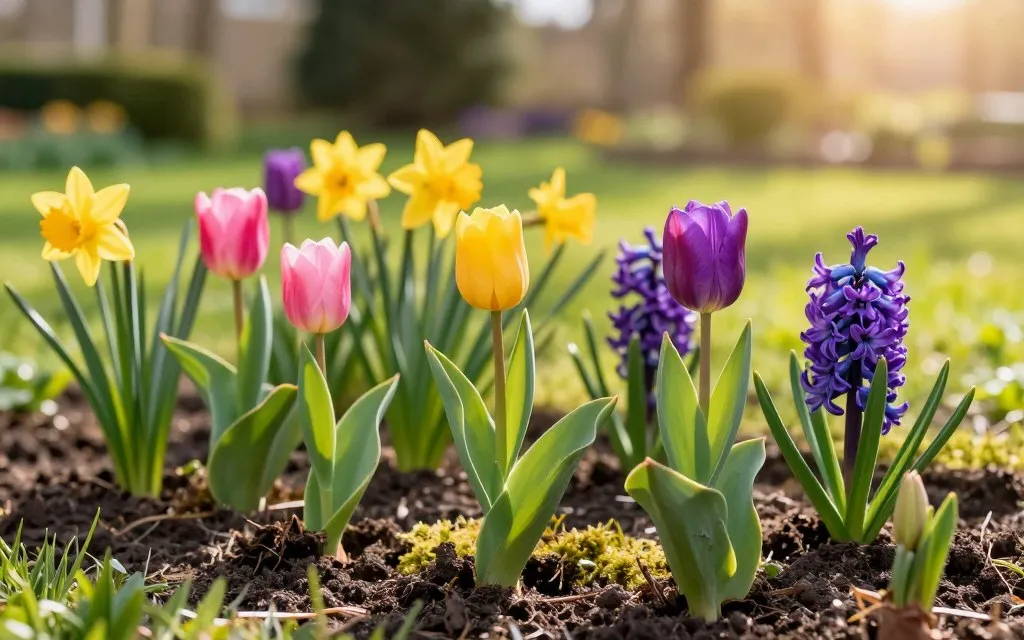
I like to start my spring beds with a mix of bulbs that bloom at slightly different times. This gives steady color and an easy way to learn about spring bulbs for beginners. I buy from trusted sources like Bonnie Plants, Dutch bulb suppliers, or my local nursery to get healthy stock.
spring bulbs for beginners
I pick crocuses for the earliest flush. Crocus bulbs are tiny, clear in rock gardens or scattered through lawns, and they often open on mild days. Daffodils, or Narcissus, follow with reliable clumps that resist deer. Tulips bring bold color, though some types act like annuals in warm zones. I favor Darwin hybrid and species tulips when I want longer-lived displays.
Top choices and why they work
- Crocuses: fast to flower, great for front-of-border impact and lawns.
- Daffodils: deer-resistant, naturalize easily, strong for mass plantings.
- Tulips: wide color range, dramatic shows; pick hardy varieties for repeat blooms.
Planting depth and spacing basics
I follow a simple rule: plant bulbs about two to three times as deep as the bulb is tall. For crocuses I plant 3–4 inches deep. For daffodils I go 6–8 inches deep. For most tulips I set bulbs 6–8 inches down. Space bulbs 3–6 inches apart depending on size.
Good drainage is essential to prevent rot. If your soil is heavy clay I mix in compost or coarse sand to improve structure before planting depth for bulbs becomes the final step.
Which Living Room Color Palette Fits You Best?
Discover the palette that reflects your style — take our free quick quiz and get instant decor inspiration!
Take the Quiz NowWatering, mulching, and first-year care
Right after planting I give bulbs a thorough watering to settle the soil. After that I rely on spring rains, unless there is a long dry spell. I add 2–3 inches of mulch to conserve moisture and moderate soil temperature. I remove very heavy mulch in late spring if it seems to slow warming.
For first-year blooms I let foliage die back naturally so the bulbs can store energy. I do not cut leaves until they yellow. I sometimes use a low-nitrogen bulb fertilizer at planting or a bulb food in early spring for an extra boost. These small steps make spring bulbs for beginners a rewarding, low-stress hobby.
Low-Maintenance Annuals That Thrive for Beginners
I like to keep spring planting simple. Easy choices give quick color and steady success for new gardeners. I focus on a few reliable varieties that forgive small mistakes and reward with long bloom times.
© 2025 AI Illustrator — Inspiration Only
easy annuals for spring
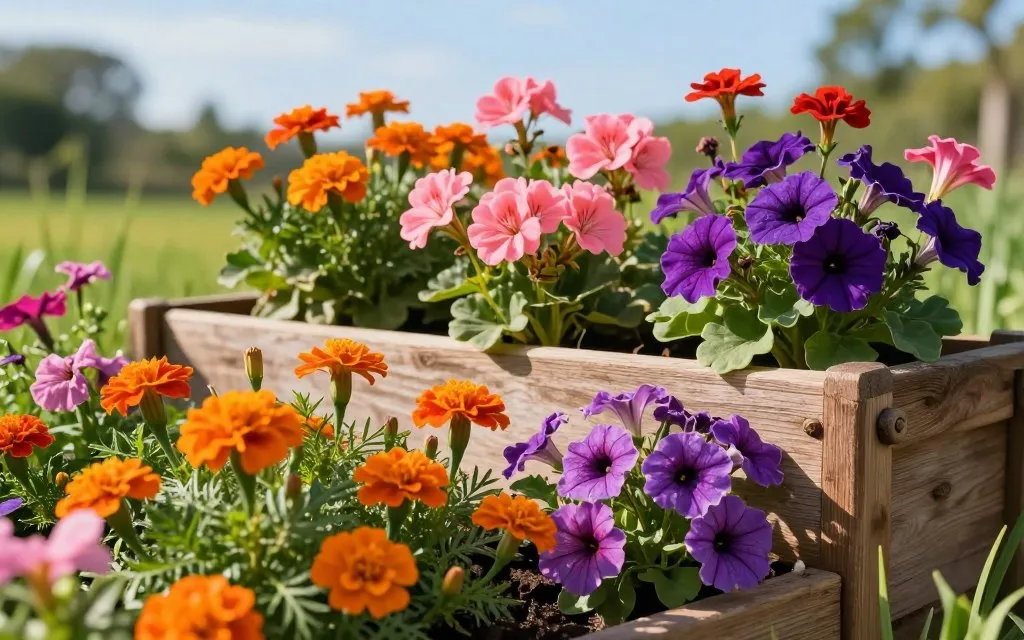
I start seeds indoors or sow after the last frost. I trust seed brands such as Burpee, Johnny’s Selected Seeds, and Baker Creek for strong germination and true-to-type blooms.
Sun-loving picks: marigolds, zinnias, and cosmos
Marigolds (Tagetes) are pest-deterring and heat-tolerant. Good marigold care is simple: full sun, regular deadheading, and occasional feeding for nonstop color.
Zinnias deliver long-season color and lure butterflies to the yard. For best results, I follow basic zinnia growing tips: thin seedlings, give full sun, and remove spent flowers to encourage more blooms.
Cosmos flowers bring an airy look and stand up to dry spells. They often self-seed, making them an economical choice for repeat color without extra effort.
Soil, fertilizing, and deadheading tips
I aim for well-draining, moderately fertile soil. I mix in compost or a starter fertilizer at planting to help young roots establish.
For marigolds and zinnias, I use a balanced slow-release fertilizer at planting time. I avoid overfeeding cosmos since they prefer leaner conditions.
Deadheading keeps zinnias and marigolds blooming longer. I leave some cosmos to set seed when I want a natural, low-effort self-seeding display.
Container planting versus in-ground
Container annual plants warm faster and suit patios and small spaces. They dry out sooner than beds, so I use a potting mix with coconut coir and add drainage. Six- to eight-inch pots work for single plants. I pick larger planters for mixed combos.
In-ground planting lets roots grow larger and reduces watering frequency. I choose bed planting when I want larger displays that need less daily attention.
- I add water-retentive spikes or gel crystals for hands-off care.
- I place containers where they get full sun and monitor soil moisture twice a week.
- I space in-ground zinnias and marigolds to improve air flow and reduce disease.
Following these easy steps makes spring planting welcoming and low-stress. I get bright beds and containers that stay colorful with minimal effort, proving that gardening can be both simple and satisfying.
Perennials That Come Back Year After Year
perennials that come back year after year
© 2025 AI Illustrator — Inspiration Only
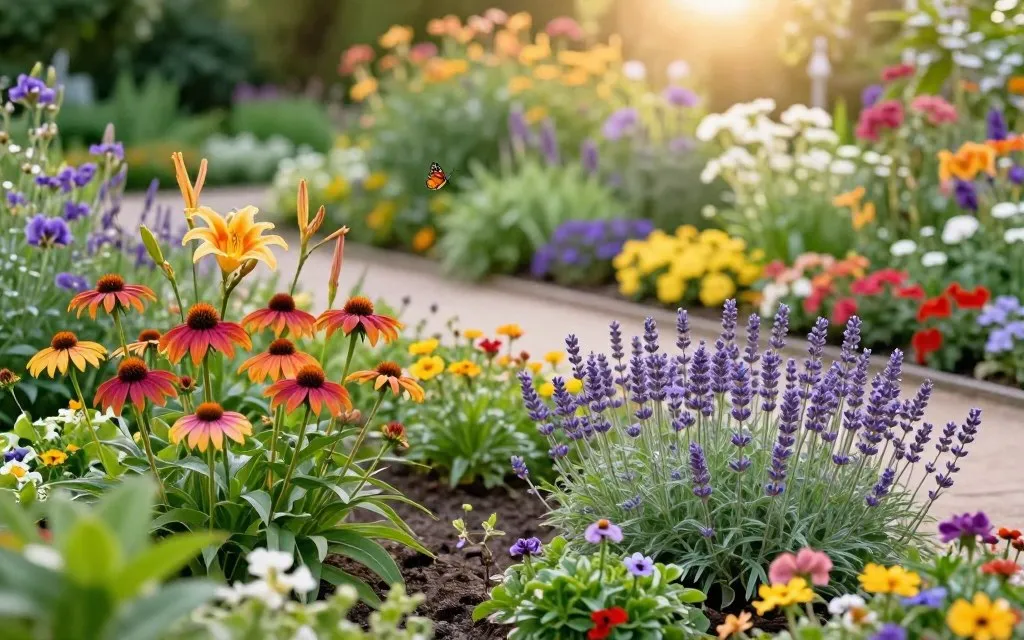
I pick perennials when I want a garden that grows easier over time. Plants like peonies, daylilies, and coneflowers return each spring with little fuss. I get consistent color and structure without replanting every year.
I focus on hardy choices that suit USDA zones common in the United States. Peonies handle cold winters and give large blooms in late spring. Daylilies tolerate heat and drought, so they perform well in sunny beds. Coneflowers attract butterflies and hold their shape through summer and fall.
- Peonies: plant in well-drained soil and give them a few years to establish.
- Daylilies: divide every three to five years to maintain vigor.
- Coneflowers: leave seedheads for birds or trim in late winter for a tidy look.
I keep care simple. I give new plants steady water the first season, then cut back on watering once roots settle. I add a slow-release fertilizer in spring and mulch lightly to keep weeds down. Small pruning tasks keep beds neat and promote healthy growth.
Design-wise, I combine tall and short perennials for layered interest. I place peonies near walkways for fragrance, tuck daylilies in sunny borders, and use coneflowers to attract pollinators. This mix keeps the garden lively from spring into fall.
Perennials That Come Back Year After Year
I love planting reliable perennials that reward me with blooms season after season. I picked a few that suit beginners and fit most U.S. climates. These choices make a resilient backbone for any perennial garden design.
Reliable choices for low-effort gardens
Peonies are long-lived and showy in late spring. With basic peony care they rarely complain once settled. Daylilies tolerate heat, varied soils, and drought; some reblooming varieties extend the display with minimal fuss. Coneflowers are tough, attract pollinators, and reward poor soils with steady performance.
Dividing, pruning, and seasonal care
I divide daylilies every three to five years when clumps crowd out blooms. I reserve coneflower division for every four to five years to refresh vigor. I avoid moving peonies unless necessary because they resent frequent disturbance.
In spring I clear winter debris and pinch back spent stems after bloom to keep beds tidy. In fall I add a light mulch to protect roots in colder zones. Plant peonies in early fall for best establishment. I plant other perennials either in spring or fall depending on local frost dates.
Design tips for lasting borders
I layer heights so taller plants like peonies and coneflowers sit at the back. Daylilies work well in the mid-border. Repeating color and rhythm creates cohesion across the bed.
I mix foliage textures, pairing ornamental grasses and sedges with flowering clumps to cut maintenance and add year-round interest. Mass plantings of drought-tolerant perennials reduce work while keeping impact high.
- I buy region-adapted cultivars from reputable nurseries such as Proven Winners or local garden centers to ensure success.
- For simple care routines I rely on seasonal cleanup, targeted dividing, and minimal feeding.
- When planning layout I focus on long bloom windows and sturdy structure for the whole season.
Native and Pollinator-Friendly Choices for Spring
I plant native spring flowers whenever I can. They fit local soils, need less water, and give insects and birds a head start each season. I check the Missouri Botanical Garden Native Plant Finder and my county extension for region-specific lists before I buy.
Benefits of planting natives in the United States
Native plants are adapted to local climate and soil, so they usually require less fertilizer and irrigation. That makes my garden more resilient during dry spells.
They support local food webs by providing nectar, pollen, and host plants for caterpillars and birds. Planting natives helps restore habitat in suburban and urban spaces.
Easy native spring flowers: columbine, milkweed, bee balm
I recommend starting with a few reliable choices. Columbine thrives in part shade and attracts hummingbirds when I focus on columbine care like light mulch and well-drained soil.
For monarchs I choose butterfly weed, a straightforward option for milkweed planting that supports caterpillars and provides summer nectar for butterflies.
Bee balm is a fragrant perennial that draws bees and hummingbirds. It can spread, so I plant monitored cultivars and buy from trusted sellers such as American Meadows and Prairie Moon or local native nurseries.
How to attract and support pollinators safely
I plan for continuous bloom by mixing early, mid, and late-season natives. That keeps nectar available through the growing season.
- Avoid plants treated with neonicotinoids and skip broad-spectrum insecticides.
- Provide shallow water dishes with stones so pollinators can drink safely.
- Leave some bare soil patches for ground-nesting bees and keep small brush piles for shelter.
I follow guidance from Monarch Watch for milkweed planting and look to the American Beekeeping Federation for recommendations on safe pollinator support. When I plant natives for bees, I see stronger, healthier pollinator visits in weeks, not years.
Choosing the Right Location and Soil for Success
I scout my yard before planting to make smart choices about where each flower will thrive. A quick survey helps me match plants to light, warmth, and drainage so they establish faster and bloom well.
Assessing sun exposure and microclimates in my yard
I perform a sun exposure assessment by tracking light for a full day or using a smartphone app like Sun Seeker. I classify spots as full sun (6+ hours), part sun/part shade (3–6 hours), or full shade (<3 hours).
I note microclimates. South-facing slopes warm earlier in spring. Surfaces such as driveways and brick walls store heat and extend the growing season. Low spots may become frost pockets late into spring. I match plant sun needs to these areas so each bloom gets the right light and warmth.
Simple soil tests and improving soil structure
I start with a basic soil test for garden pH and nutrient hints, using a home kit or sending a sample to my county extension office. Penn State and Texas A&M extension programs give clear lab results when I need more detail.
When soil is heavy clay I add plenty of compost and coarse sand, or use gypsum where appropriate, to loosen the mix. For sandy ground I work in organic matter to help hold moisture. My goal is loamy, well-draining soil rich in organic matter so roots can breathe and access nutrients.
Raised beds, containers, and small-space solutions
Raised bed gardening works well when my native soil is poor. I aim for 12–18 inches of depth for most flowers. My preferred mix is one-third compost, one-third topsoil, and one-third coarse sand or perlite.
For containers I use a quality potting mix formulated for blooms. I add trellises for vertical interest and plant sweet peas or nasturtiums to climb. Window boxes are great for herbs and small annuals. Modular container groupings create big color in tight yards and make small-space planting feel abundant.
When I choose planting location, I weigh sun exposure assessment, results from a soil test for garden, and whether raised bed gardening or containers fit the space. This approach keeps my spring garden healthy and easy to care for.
Watering, Fertilizing, and Simple Care Routines
I keep spring care simple so my garden stays healthy without taking over my weekends. A clear routine helps me match water, feed, and mulch to each plant’s needs. Below I share practical steps I use for bulbs, newly set annuals and perennials, and containers to support steady growth and blooms.
How often I water different spring flowers
I water newly planted annuals and perennials until they root in; that usually means about 1 inch of water per week total, more when temperatures climb. Bulbs need moderate moisture after planting and then mostly rely on rainfall once shoots appear.
For containers I check daily in hot weather. I prefer deep, infrequent watering to shallow, frequent drips. This encourages roots to grow downward. When I am unsure I use the finger test or a moisture meter to avoid overwatering.
Choosing a beginner-friendly fertilizer and application timing
I use a balanced slow-release granular product like a 10-10-10 at planting for most annuals and perennials. For heavy feeders I follow with a liquid feed every 4–6 weeks through the season. Bulbs get a low-nitrogen, higher-phosphorus bulb food at planting and a light feed in early spring to boost blooms.
If I want organic options I add finished compost at planting, or I use fish emulsion or blood meal on a gentle schedule. These choices make a good beginner fertilizer for flowers without harsh spikes in growth.
Mulch and weed control without heavy labor
I spread 2–3 inches of organic mulch—shredded bark, leaf mold, or compost—after the soil warms. That depth conserves moisture, cools roots, and reduces weeds. For brand-new beds I sometimes lay landscape fabric under mulch to block tough weeds.
Small weeds I pull when young. For larger patches I use a sharp hoe to cut weeds at the surface. This approach fits low-maintenance garden care and saves time for planting and enjoying blooms.
Quick checklist I follow:
- Water deeply and less often to build strong roots.
- Apply a balanced slow-release fertilizer at planting; liquid feed heavy feeders.
- Mulch with 2–3 inches of organic material after soil warms.
- Use landscape fabric under mulch for new beds and hand-pull young weeds.
Common Problems and Easy Troubleshooting
I keep a simple checklist to help me troubleshoot spring flowers quickly. Small issues often become big problems if I wait. I look for chew marks, sticky residues, yellowing leaves, and soggy soil before I act.
Recognizing and treating common pests
I watch for aphids clustered on new growth, slugs and snails along damp mulch, Japanese beetles skeletonizing leaves, and caterpillars hiding under foliage. I hand-pick large pests and spray aphids with insecticidal soap when populations rise.
I sprinkle diatomaceous earth around vulnerable stems and set a beer trap for slugs. For soft-bodied insects I use neem oil in the evening to avoid harming bees. I welcome ladybugs and lacewings as natural controls and avoid broad-spectrum insecticides that kill beneficials.
Dealing with fungal issues and poor drainage
I look for leaf spots, powdery mildew, and wilting that hints at root rot. First, I remove infected leaves and improve air circulation by spacing plants and pruning crowded growth. I stop overhead watering and water at the base instead.
When I must treat fungal outbreaks, I reach for targeted fungicides like chlorothalonil or copper only for severe cases. For soggy areas I add organic matter, build raised beds, or install French drains to address poor drainage solutions that keep roots healthy.
When to replace a plant versus nursing it back
I follow simple decision rules. I replace a plant when over half of the root ball is mushy or when repeated fixes fail. I try nursing back plants that show localized stress but still have healthy shoots and buds.
I keep notes on problem spots and the fixes I applied. If a location repeatedly hosts trouble, I pick a more site-appropriate species next season. These plant recovery tips help me save time and keep the garden thriving.
Quick Planting Plans and Layout Ideas for Small Gardens
I keep my small garden projects simple and repeatable. A short plan helps me fit big impact into tight spaces while keeping time and cost low. Below I share easy templates you can use on a patio, narrow border, or sunny windowsill.
Simple color-themed planting schemes I use
I pick two or three colors and use them across beds and containers for a cohesive look. For a calm patio, I go with mono-chrome white and soft foliage. For a bold corner, I pair orange marigolds with purple salvia or zinnias. For cottage charm, pastel pinks and yellows in mixed drifts do the trick.
Choose plant varieties that bloom at the same time so color blocks read clearly. Repeating the palette in three spots keeps the eye moving and makes small garden planting plans feel intentional.
Low-effort layouts for containers, borders, and window boxes
My go-to container formula is *thriller, filler, spiller*. A tall salvia acts as the thriller, marigolds fill mid-height gaps, and sweet potato vine spills over the edge. This method works in patio pots and large window boxes.
- For borders, I mass-plant groups of 5–7 of the same variety for instant impact and easier maintenance.
- For window boxes, I use compact zinnias, dwarf marigolds, and lobelia for contrast and season-long interest.
These container planting layouts save space and time while delivering layered texture and steady blooms.
Seasonal succession planting to extend blooms
I plan two waves each season to stretch color from early spring into fall. Start with early bulbs and cool-season annuals like pansies and violas. After the last frost, swap in warm-season favorites such as zinnias and cosmos.
- Sow a second round of fast-growing seeds midseason to fill gaps and keep flowers coming.
- Deadhead spent blooms to encourage more flowering and a longer display.
This approach to succession planting spring gives constant color without overhauling the garden. It fits well into small garden planting plans and supports thoughtful color-themed garden ideas year-round.
Conclusion
I love how forgiving spring is when I start a new garden, and I want you to feel that too. With simple spring gardening tips for beginners—like checking your frost date and USDA zone—you can pick a few easy flowers to plant in spring that match your light and soil. Start small: a single bed or a few containers gives fast color and builds confidence.
My top actionable takeaways are clear. Choose a few bulbs, annuals, and perennials suited to your site, follow planting depth and spacing guidance, mulch to retain moisture, and water thoughtfully. Use native plants to support pollinators and reduce maintenance, and remember basic care routines for beginner garden success.
For next steps, visit a local nursery for varieties that do well in your region and ask about Proven Winners or Burpee selections if you want reliable choices. Contact your county extension for soil testing or pest ID, and keep a simple garden journal to note what thrives. Try one small project this spring and enjoy quick, colorful rewards while you learn.
FAQ
What are the easiest spring flowers to start with as a complete beginner?
I recommend starting with reliable bulbs like tulips, daffodils, and crocuses, plus sun-loving annuals such as marigolds, zinnias, and cosmos. These choices tolerate imperfect soil and irregular watering, are widely available at nurseries and retailers like Home Depot, Lowe’s, and Burpee, and give quick, rewarding blooms for new gardeners.
When is the best time in spring to plant bulbs, annuals, and perennials?
For bulbs that were chilled, plant them as soon as soil is workable in early spring. Sow warm-season annual seeds like zinnias and marigolds after your local last-frost date. Perennials can be planted in early spring or fall depending on your USDA hardiness zone. I always check the USDA Plant Hardiness Zone Map and local frost dates before planting.
How do I know which plants will grow in my yard?
First, identify your USDA hardiness zone and last-frost date. Next, assess sun exposure—full sun is 6+ hours, part sun/part shade is 3–6 hours, shade is less than 3 hours. Match plant sun and soil needs to those microclimates. Local extension services, Native Plant Finder (Missouri Botanical Garden), and neighborhood nurseries are great for region-specific advice.
What basic tools and supplies should a beginner buy?
I keep it simple: gardening gloves, a hand trowel, hand pruners, a soil test kit, and a balanced fertilizer like a slow-release 10-10-10 or organic options such as compost or fish emulsion. For containers, use a quality potting mix and ensure good drainage.
How deep and how far apart should I plant common spring bulbs?
A good rule of thumb is to plant bulbs 2–3 times as deep as the bulb is tall. Crocuses: about 3–4 inches deep; daffodils and tulips: 6–8 inches deep. Space bulbs 3–6 inches apart depending on size. Use well-draining soil and amend heavy clay with compost or coarse sand.
How often should I water newly planted flowers in spring?
After planting bulbs, water them well once to settle the soil and then rely on spring rains. Newly planted annuals and perennials usually need about 1 inch of water per week; containers may need daily checks in hot weather. Water deeply and less frequently to encourage deep roots, and use the finger test or a moisture meter to avoid overwatering.
Should I fertilize, and if so, when and what should I use?
I use a balanced slow-release granular fertilizer (10-10-10) at planting or a liquid feed every 4–6 weeks for heavy feeders. For bulbs, a low-nitrogen bulb food at planting and in early spring helps blooms. Organic options like compost, blood meal, or fish emulsion work well for those preferring organic gardening.
What are low-maintenance annuals that perform well for beginners?
Marigolds, zinnias, and cosmos are excellent low-effort annuals. Marigolds deter pests and tolerate heat; zinnias provide long-season color and attract butterflies; cosmos are drought-tolerant and often self-seed. I recommend seeds from Burpee, Johnny’s Selected Seeds, or direct-start transplants from local nurseries.
How do I handle deadheading and general upkeep for annuals?
Deadhead spent blooms on marigolds and zinnias to prolong flowering. For cosmos, allow some to self-seed if you want volunteers next year. Light fertilizing at planting and occasional removal of spent flowers keeps beds tidy and productive with minimal effort.
Which perennials are forgiving and come back year after year?
Peonies, daylilies (Hemerocallis), and coneflowers (Echinacea) are great choices. Peonies are long-lived and low-maintenance; daylilies tolerate varied soils and drought; coneflowers are pollinator-friendly and tough. Buy from reputable nurseries like Proven Winners or Bluestone Perennials for reliable cultivars.
How and when should I divide perennials like daylilies and coneflowers?
Divide daylilies every 3–5 years and coneflowers every 4–5 years when they become crowded or bloom declines. Spring or early fall are good times depending on your climate. Remove winter debris in spring, and pinch back spent stems after bloom for tidiness.
What native spring flowers are easy and support pollinators?
Columbine (Aquilegia), butterfly weed (Asclepias tuberosa), and bee balm (Monarda) are accessible native choices. They require less water and fertilizer, support local wildlife, and help restore habitat. I suggest sourcing plants or seeds from American Meadows, Prairie Moon, or local native nurseries.
How can I attract pollinators without harming them?
Provide a succession of blooms, avoid plants treated with neonicotinoids, offer shallow water sources with stones, leave some bare ground for ground-nesting bees, and avoid broad-spectrum insecticides. Resources like Monarch Watch and local beekeeping associations have great guidance.
What simple soil tests and amendments should I try?
A home soil test kit gives quick pH and nutrient info; for lab analysis, send a sample to your county extension (e.g., Penn State, Texas A&M). For heavy clay, add compost and coarse sand; for sandy soil, add organic matter to improve water retention. Aim for loamy, well-draining, organic-rich soil.
Are raised beds or containers better for beginners?
Both have pros and cons. Raised beds warm earlier and improve drainage—12–18 inches deep is ideal for most flowers. Containers are perfect for patios and small spaces but dry out sooner; use a good potting mix and choose appropriate pot sizes. I often use containers for trialing new varieties before planting in-ground.
How do I prevent common pests like aphids, slugs, and Japanese beetles?
Start with cultural controls: hand-pick pests, use insecticidal soap for aphids, set beer traps or use diatomaceous earth for slugs, and protect young plants with row covers. Encourage beneficial insects like ladybugs and lacewings and avoid broad-spectrum insecticides that kill pollinators.
What should I do about fungal problems or poor drainage?
Improve air circulation, remove affected leaves, avoid overhead watering, and apply fungicides only when necessary. For poor drainage, raise beds, add organic matter, or install simple drains. Preventative soil improvement is often the best long-term fix.
When should I replace a struggling plant rather than try to nurse it back?
Replace a plant if more than half the root system is compromised, if the species repeatedly fails in that spot, or if corrective attempts don’t show improvement. If stress is localized and the plant still has healthy growth points, I try corrective care first—adjust water, light, or soil—before replacing.
Can I extend my spring color with succession planting?
Yes. Start with early bulbs and cool-season annuals like pansies and violas, then transplant warm-season annuals after last frost. Sow a second round of fast growers such as zinnias or cosmos midseason and deadhead to promote continued blooms. This keeps color going well into summer.
Where do I buy quality bulbs, seeds, and native plants?
I buy bulbs and seeds from local nurseries, Home Depot, Lowe’s, Burpee, Johnny’s Selected Seeds, and reputable online suppliers like American Meadows and Prairie Moon. For natives, check local native plant nurseries and plant societies for region-adapted stock.
Any quick planting plans for small gardens or containers?
Use the “thriller, filler, spiller” approach in containers: a tall salvia or sweet pea for thrill, marigolds or zinnias as filler, and a trailing sweet potato vine or lobelia as spiller. For borders, mass plant in groups of 5–7 for impact. Pick a simple 2–3 color palette and repeat it across containers and beds for cohesion.