
Advertisement
I’m sitting here in my pajamas, a comforting cup of coffee warming my hands, and staring into my kitchen. It’s a cozy little corner of our home, albeit a bit chaotic. I mean, who doesn’t love the smell of freshly brewed coffee on a Sunday morning? But as I glance around, I can’t help but feel a wave of frustration wash over me. There’s a spice rack overflowing with jars that haven’t seen the light of day since the last holiday feast, and then there’s the endless stack of mismatched containers in the pantry that could rival a game of Jenga.
Sound familiar? If you’re nodding along, you’re not alone. Kitchen design mistakes can sneak up on even the most conscientious homemakers, making what should be a functional space feel like a cluttered minefield of chaos. And let me tell you, it doesn’t take much for a kitchen to morph from a culinary haven into an overwhelming mess.
But fear not, my coffee-loving friend! Today, I’m laying out some kitchen design mistakes that I’ve encountered (and often made myself) that transform beautiful spaces into cluttered nightmares, along with some personal insights on how to breathe life—and space—back into your kitchen. Grab your cup (maybe a muffin too?), and let’s dive into this cozy little conversation about making our kitchens feel less chaotic and more charming!
1. Overstuffing Your Countertops
Ah, the allure of counter space! When we first moved into our place, I thought the more I could display—the cute cereal jars, the artisan bread basket, and the coffee machine—the more I could embrace my “chef-at-home” persona. Little did I know I was just creating a dizzying maze of clutter!
I remember one fateful morning when I felt the urge to whip up pancakes, but as I reached for the mixing bowl, I bumped into a jar of olives, which promptly went crashing to the floor (thank goodness for tile!). It became clear that having too many decorative items on my countertop left little room for actual cooking.
Tip: Keep your countertops as clear as possible. Leave only the essentials—like a chopping board and maybe a plant or two. If you’re using it every day, it gets to stay out; if it’s part of some romanticized vision of culinary glory, into the cupboard it goes!
2. Ignoring Vertical Space
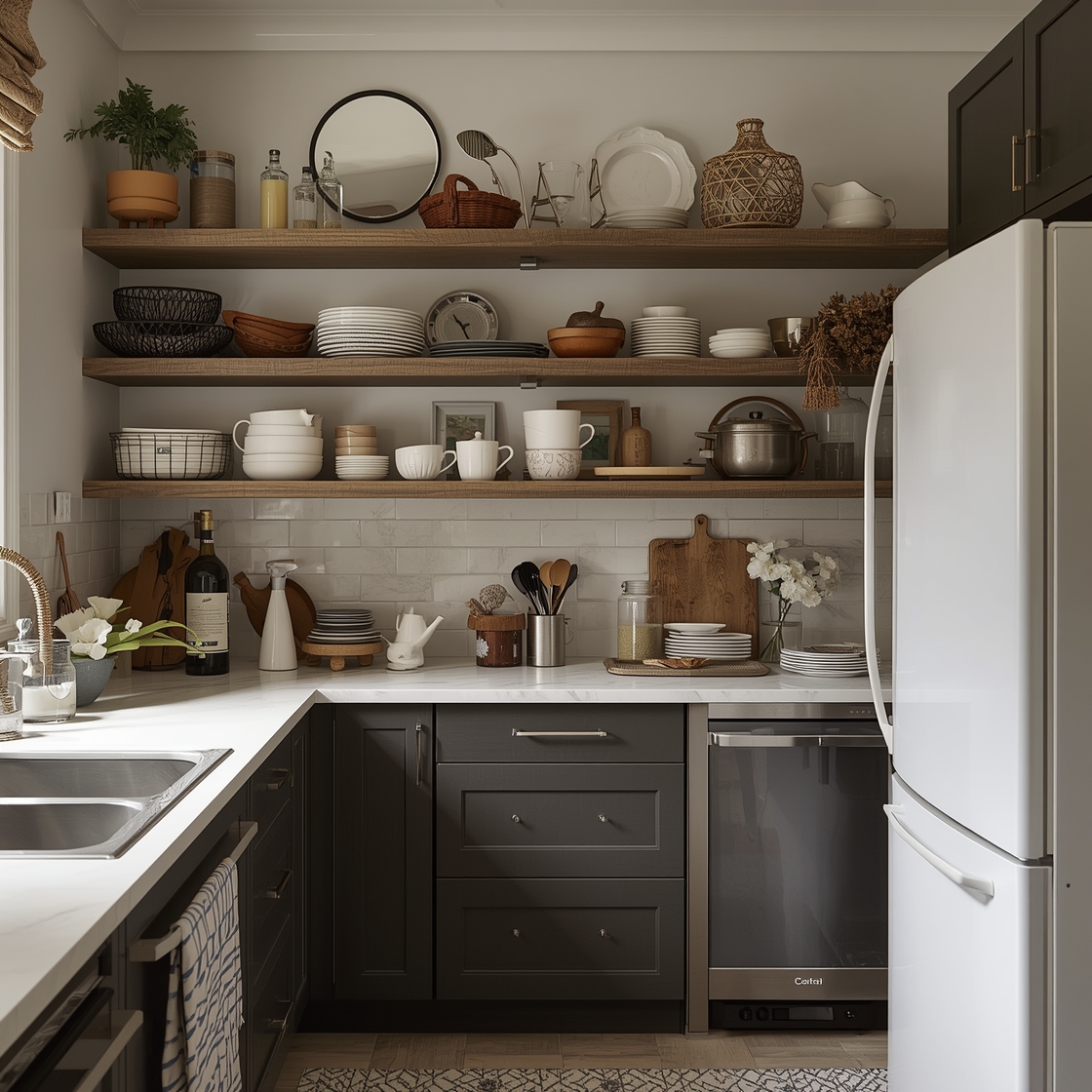
Do you ever look at your walls and think they’re just… there? I used to think vertical space in a kitchen was purely decorative—just for those trendy shelves that show off artisanal baking books and some cute bowls. But what about utilizing that space for storage?
I had a friend who, during one of our “let’s-help-each-other-make-decision” hangouts, suggested I hang my pots and pans rather than stack them haphazardly in a cupboard. Cue the “ah-ha!” moment. I grabbed some S-hooks, threw on an old wooden beam (thanks, DIY spirit!), and suddenly it turned into a rustic art piece rather than an overladen cabinet.
Tip: Utilize wall-mounted racks and shelves for pots, utensils, or even herbs. This not only frees up counter and cupboard space but can create quite the charming focal point. Plus, they look pretty cute, don’t you think?
3. Forgetting About Zones
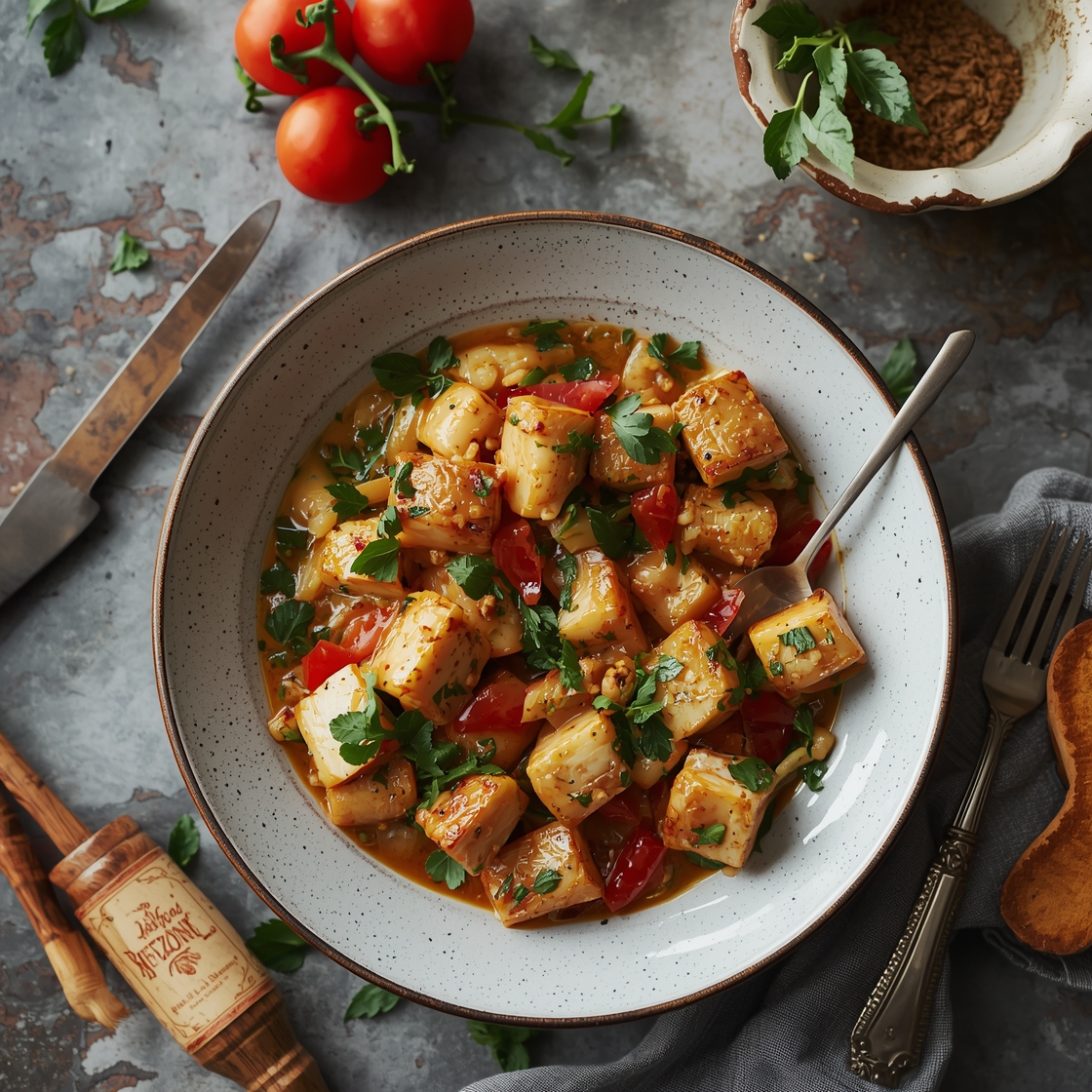
Alright, picture this: it’s a weeknight, you’re rushed, and you’re trying to pull off a gourmet meal while you’ve also got a toddler crying for snack time. You have broccoli, chicken, and rice laid out, but all you can think about is how everything is scattered across your kitchen like it’s a culinary scavenger hunt.
That’s when I learned about kitchen zones! I read somewhere that organizing your kitchen into zones makes cooking feel less like a frantic relay race. So, I set up a prep zone with my cutting board and knives, a cooking zone by the stove, and even a baking zone by the mixer.
Everything suddenly felt more efficient, and I could whip up meals without the frustration of digging through the entire kitchen for ingredients.
Tip: Designate specific areas in your kitchen for cooking, baking, prep, and even cleaning. It’ll eliminate the “where the heck did I put that?” factor and streamline your cooking experience.
4. Storing Like Items Together (or Not!)
You know how they say opposites attract? Well, in my kitchen, that theory did NOT apply. I distinctly remember trying to make dinner only to find my spaghetti intertwined with baking soda because I had a “let’s store everything in one place” philosophy. Suddenly, the kitchen felt less like an organized space and more like a disorganized island of chaos during a storm.
Tip: Group similar items together—keep all cooking oils in one spot, utensils together, and baking materials in a designated area. It creates an instant system that can help you find what you need and keep the clutter to a minimum. Plus, I swear you’ll feel more like a master chef with everything within reach!
5. Ignoring the Power of Color
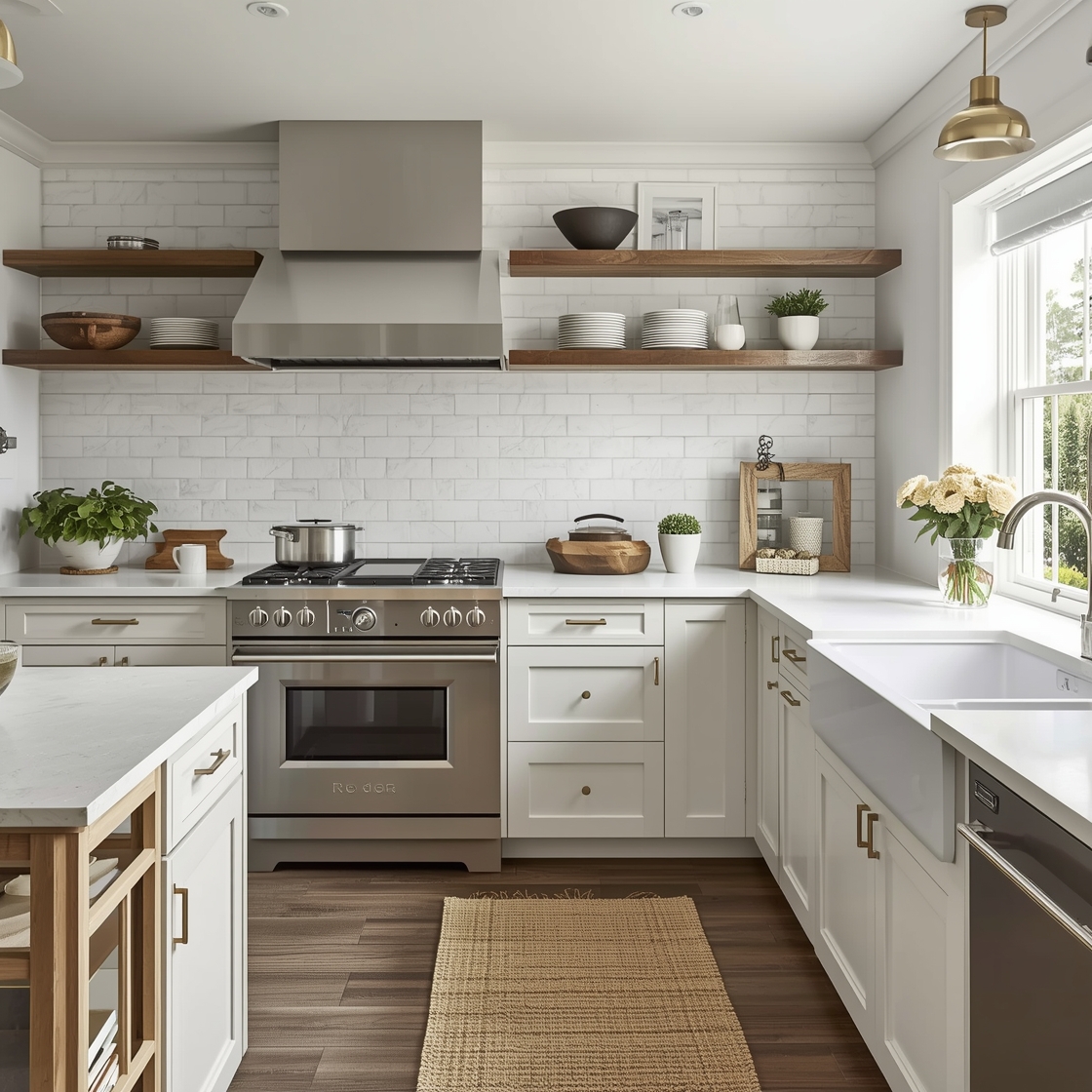
Back in my early decorating days, I chose all white for my kitchen. I thought, “This will look clean and classy!” Spoiler alert: it just looked stark. The white walls, countertops, and cabinets turned my kitchen into a sterile atmosphere that felt less like a loving space where meals were created and more like a temporary holding room.
Then one day, while shopping for some new dish towels, I impulsively grabbed a vibrant set with sunflowers and suddenly felt inspired! I painted an accent wall a soft yellow that reflected those sunflowers, and oh boy, did it transform the entire vibe!
Tip: Don’t shy away from color! A light hue can brighten up your kitchen, while some playful accents can breathe life into your space. It’ll help tie everything together and, dare I say, might make cooking a little more joyful.
6. Neglecting Functionality in Design
Here’s a quote I live by: “Just because it’s pretty doesn’t mean it’s practical.” I fell into the trap of buying a beautiful farmhouse sink that I thought was the bees’ knees. Oh, how wrong I was when I found my cooking pot wouldn’t fit, and I’d end up splashing water everywhere.
The aesthetic was stunning, but practicality? Not so much. I finally switched to a sink that offered function without sacrificing too much charm.
Tip: When designing your kitchen, always prioritize functionality. Consider how you cook, what tools you use daily, and work with those in mind. Beauty is important, but it shouldn’t come at the cost of practicality.
7. Overlooking Lighting
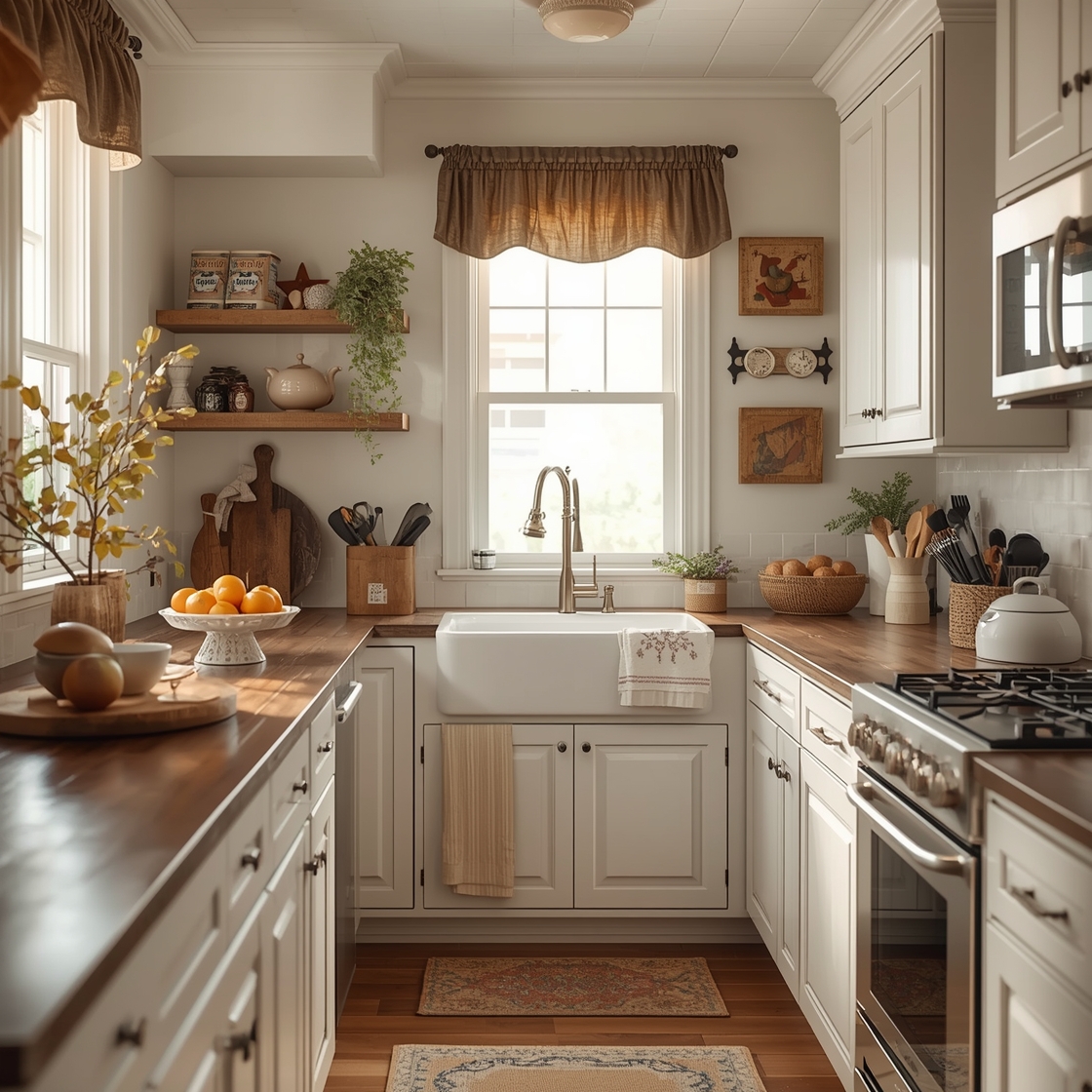
Imagine a dim, overly bright kitchen where shadows hide cluttered corners. I once DIYed a pendant light that looked amazing in theory but turned my kitchen into a cave after 4 PM. I was constantly stumbling over things, and the shadows didn’t do my cluttered space any favors!
Then one day, I decided to invest in under-cabinet lighting and replaced my heavy fixtures with something more open and airy. Suddenly, the kitchen felt lighter and brighter—glaring issues (like my chaotic spice drawer) were revealed, but so was a newfound love for my cooking space.
Tip: Invest in layers of lighting—overhead fixtures, under-cabinet lights, and maybe even a little ambient lighting for those cozy cooking sessions. Good lighting has a way of making space feel expansive, highlighting the beauty rather than the clutter.
8. Forgetting to Edit Regularly
One of the biggest eye-openers for me was realizing I was holding onto items that had long outlived their usefulness, like that one poorly designed whisk from my first apartment. You know, the one that was heated to battle it out and never quite worked right? It turned into clutter, taking up precious space.
Tip: Set aside time once a month to edit your kitchen items. Ask yourself: Does this item serve me, or is it just taking up space? You’ll not only clear out the clutter but also find the kitchen suddenly feels more spacious and inviting.
Conclusion: Progress Over Perfection
Now that I’ve spilled my not-so-glamorous navigation through kitchen design mistakes, I can honestly say that no kitchen has to be perfect. Progress is what truly matters. It’s about slowly creating a space that feels welcoming and functional, even with the occasional pile of mail or neglected project.
Whether you’re in a tiny apartment, a hefty fixer-upper, or just bored with your space, remember that the goal is to make your kitchen a place you love to be in—clutter-free and cozy. By avoiding (or fixing) these common kitchen design mistakes, we create spaces that nurture creativity and comfort, allowing us to whip up those delicious meals with joy rather than stress.
So, as you sip on that cup of coffee (or tea—no judgment here), take a look around your own kitchen. Recognizing the clutter might be the first step towards transforming it into a happy, functional space. And hey, if you feel inspired, keep on scrolling and let’s figure out the next adventure together!